Can You Put a New Metal Roof Over an Old Metal Roof?
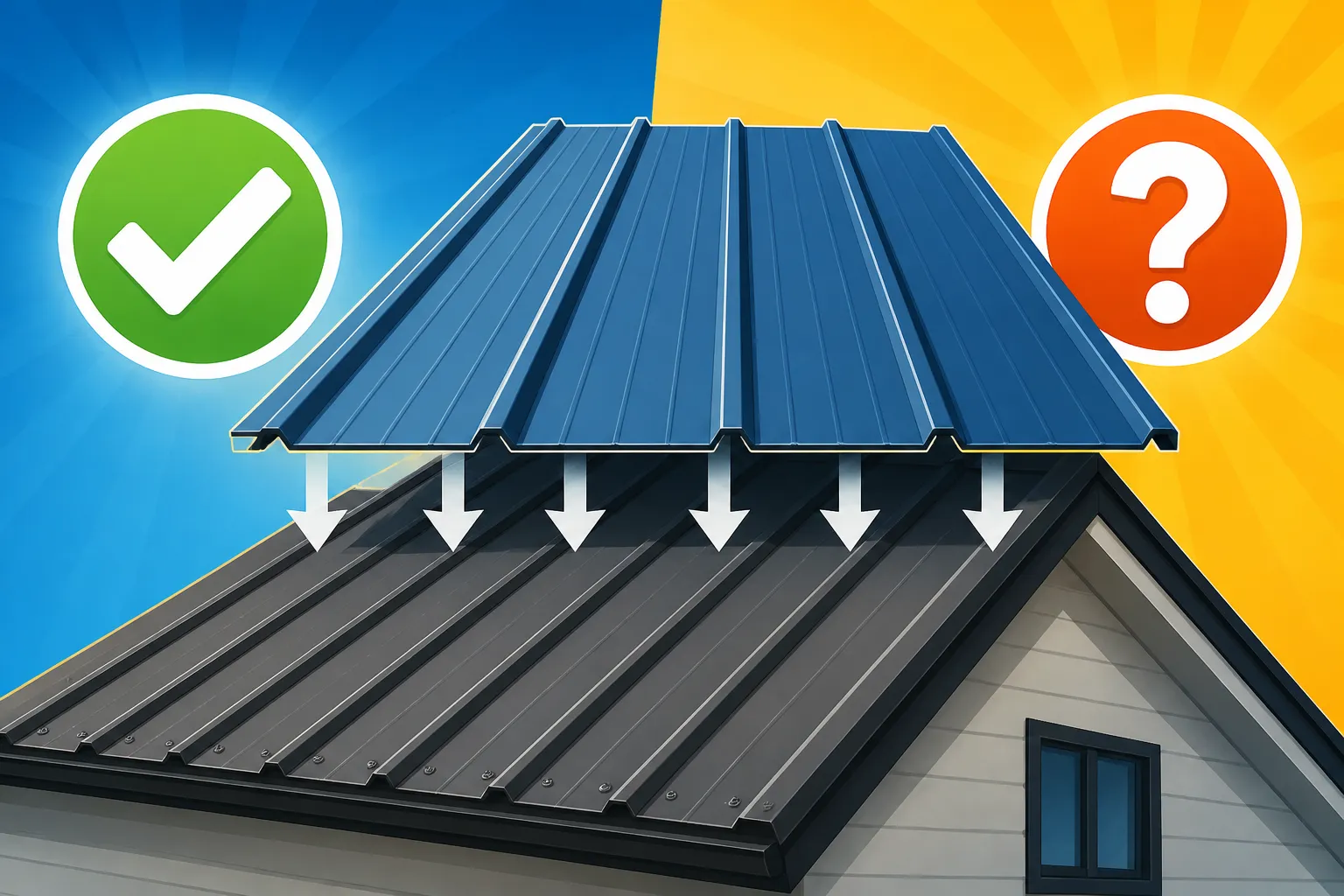
It’s a common thought when your old metal roof starts looking a little worse for wear: "Can I just put a new metal roof right over this one?" The idea of saving on the messy, labor-intensive tear-off process is incredibly appealing, and it makes perfect sense to wonder if you can simply layer a fresh, shiny metal roof right on top. Unfortunately, while it might seem like a shortcut, layering new metal roofing over an existing metal roof is almost universally discouraged by roofing professionals and can lead to a host of expensive and frustrating problems down the line. This guide will unpack why this isn't a good idea and what your best options truly are.
The Temptation of Layering: Why It Seems Like a Good Idea
When faced with a failing or aging roof, homeowners often look for the most efficient and cost-effective solutions. The prospect of skipping a full tear-off, especially with metal, seems like a logical way to save money and time. You might think, "The old roof is already there, it's flat, why not use it as a base?" This line of thinking is understandable, as modern metal roofs are incredibly durable and long-lasting, and the thought of simply extending that longevity without added hassle is certainly appealing.
Avoiding the Tear-Off Mess and Cost
Let's be real, a roof tear-off is a huge undertaking. It involves dust, debris, noise, and the added expense of labor and disposal fees. Imagine giant dumpsters parked in your driveway, shingles or old metal panels being ripped off your home, and the general disruption to your daily life. It’s no wonder homeowners dread this phase of any roof replacement project. If you're considering a metal roof, you're already investing a significant amount into a premium product, and every dollar saved on the installation process feels like a win.
Many homeowners recall stories of asphalt shingles being layered over existing shingles – a practice that used to be quite common, though it's increasingly regulated now due to structural load concerns. This might lead you to believe the same principle applies to metal. However, the unique properties of metal roofing, from its weight and thermal expansion to its fastening methods, create an entirely different set of challenges when attempting a metal-on-metal installation.
Perceived Structural Benefits of a Double Layer
Another common misconception is that a double layer of metal would provide superior insulation or an even stronger roof. While it's true that a properly installed metal roof offers excellent protection, simply adding another layer doesn't necessarily compound these benefits. Instead, it often introduces new vulnerabilities that can compromise the very strength and longevity you're trying to achieve. The space between the layers, the interaction of different metals, and the sheer added bulk can all work against the roof's performance rather than enhancing it.
Homeowners sometimes imagine an extra layer as a "bulletproof" solution, especially in areas prone to harsh weather. But without proper airflow and structural support, two layers can sometimes perform worse than one well-installed layer. It's similar to wearing two raincoats – if the inner one gets wet and can't dry, it creates problems.
The Real Problems with Metal Over Old Metal
While the idea of layering might be tempting, the practical realities and potential pitfalls are significant. Most roofing experts, including those you'd consult through services like Modernize, will strongly advise against putting a new metal roof over an existing one. The issues range from structural integrity and moisture management to compatibility of materials and voided warranties.
Structural Load and Integrity Concerns
One of the primary reasons against layering metal roofs is the added weight. While metal roofing itself is often lighter than traditional asphalt shingles, doubling up on metal panels can add substantial stress to your home's existing roof framing. Even if the old metal roof feels lightweight, it was designed to function as a single layer. Your home's rafters and trusses were engineered to support a specific load, which includes the roof materials, snow, and wind.
Exceeding this load capacity can lead to structural sagging, weakened support, and, in severe cases, even structural failure, particularly during heavy snowfalls or extreme wind events. Imagine the cumulative weight over a large roof area; it quickly becomes a significant factor that cannot be ignored. A qualified contractor will always prioritize the structural integrity of your home, and adding unnecessary weight is a major red flag.
Ventilation and Moisture Trapping Nightmares
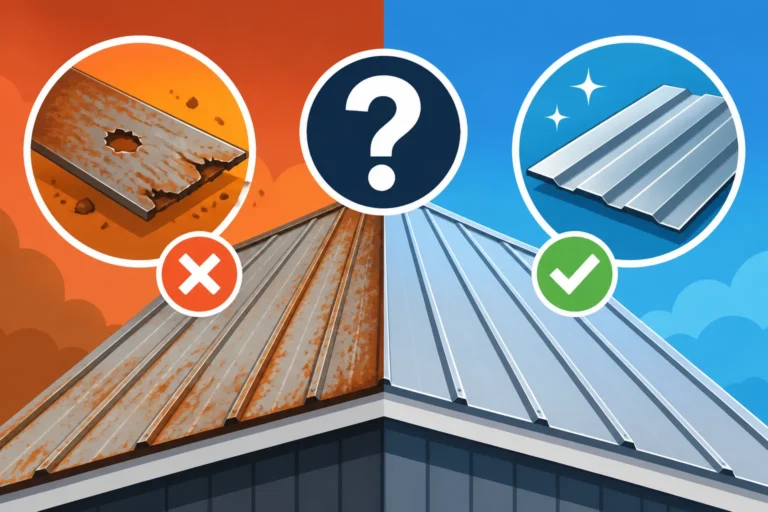
Metal roofs are fantastic at shedding water, but they also require proper ventilation to prevent moisture buildup beneath the panels. When you layer a new metal roof over an old one, you create a confined, unventilated space between the two layers. This trapped air can become a breeding ground for condensation, especially in climates with significant temperature fluctuations.
Moisture trapped between the layers can lead to several severe problems:
- Corrosion of the lower roof: Even if your existing metal roof is galvanized or Galvalume, continuous exposure to trapped moisture will accelerate rust and corrosion, significantly shortening its lifespan. If the old roof rusts through, it compromises the substrate for the new roof.
- Mold and mildew growth: The damp, dark environment is perfect for mold and mildew, which can then spread to your roof deck, attic, and even inside your home, leading to health issues and structural damage.
- Reduced energy efficiency: Trapped moisture compromises the insulating properties of any underlying materials, potentially negating some of the energy-saving benefits of a metal roof. Proper airflow is key for optimal performance, as detailed in any good Metal Roof Underlayment and Ventilation Guide.
Fastening and Stability Challenges
Installing a new metal roof requires secure fastening to the underlying roof deck. With an existing metal roof in place, finding solid attachment points becomes incredibly difficult. Standard metal roofing fasteners are designed to penetrate through the roof deck and into rafters or purlins, providing a strong, long-lasting hold.
When you install over an old metal roof, you face several issues:
- Difficulty finding adequate purchase: Screws might only hit the old metal panel, not the solid decking or framing beneath, leading to panels that are loosely attached and prone to uplift in strong winds. This is a critical factor for roof longevity and safety, especially in regions prone to storms.
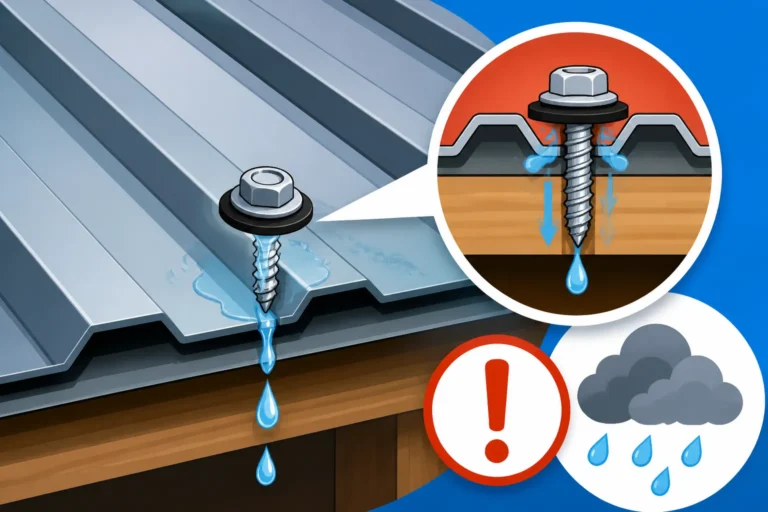
- Premature fastener failure: Fasteners trying to go through two layers of metal can suffer from galvanic corrosion if the metals are dissimilar, or simply lose their holding power over time due to wear and tear against the underlying layer. This can lead to leaks around the fasteners, a common point of failure even in single-layer metal roofs.
- Uneven surface: An old metal roof, even if it looks flat, will likely have slight ripples, dents, or fasteners that create an uneven surface. Installing a new metal roof over this unevenness will transfer those imperfections to the new roof, leading to an aesthetically displeasing wavy appearance (often called "oil canning") and potentially compromising water runoff.
Galvanic Corrosion Risks
One of the more insidious problems when layering metal roofs involves galvanic corrosion. This occurs when two different types of metal come into contact in the presence of an electrolyte (like moisture). The more "active" metal will corrode at an accelerated rate. For example, if you have an old steel roof and you try to install an aluminum roof over it, or vice versa, and moisture gets trapped between them, you could face rapid deterioration of one of the metals.
Even if the metals are ostensibly the same (e.g., steel over steel), differences in coatings or alloys could still lead to issues. This type of corrosion can severely shorten the life of one or both roofs, negating the very reason most people choose metal roofing – its exceptional durability and longevity. Understanding Metal Roofing Materials Compared: Steel, Aluminum, Copper & Zinc can help homeowners grasp these complex interactions.
The Recommended Path: Tear-Off and New Installation
Given the numerous risks and complications, the overwhelming recommendation from roofing professionals is to always remove the old metal roof before installing a new one. While it involves an initial higher cost and more disruption, it provides a clean slate and ensures the long-term performance, durability, and warranty of your new investment.
A Clean Slate: Opportunity for Inspection and Upgrades
Removing the old roof provides an invaluable opportunity to inspect the underlying roof deck and structural components. After decades of exposure, it's not uncommon to find areas of rot, water damage, or structural weaknesses that were hidden beneath the old metal. Addressing these issues before installing a new roof is crucial for the overall health and longevity of your home.
Think of it like this: you wouldn't lay new flooring over a rotten subfloor. The same principle applies to your roof. This is also the perfect time to upgrade your roof's ventilation system, add more insulation, or address any previous flashing issues. These proactive measures can prevent costly repairs down the line and significantly improve your home's energy efficiency and comfort. A reputable contractor will emphasize this thorough inspection as part of the Metal Roof Installation Process: Step by Step.
Ensuring Proper Fastening and Warranty Compliance
With a bare roof deck, your new metal roof panels can be installed directly and securely, ensuring every fastener hits its mark into solid wood. This is critical for the roof's wind resistance, watertightness, and overall stability. Proper installation is also a prerequisite for most manufacturer warranties. Trying to install over an existing metal roof will almost certainly void your new roof's warranty, leaving you unprotected if issues arise due to improper installation or material failure.
For instance, companies like Classic Metal Roofing Systems or Englert offer robust warranties, but these are typically contingent on proper installation techniques on a sound substrate. Having to file an insurance claim for wind damage only to find your warranty is void because of an unorthodox installation method would be a nightmare scenario. Always prioritize warranty compliance, as it protects your significant investment.
Long-Term Value and Performance
While the upfront cost of a full tear-off and new installation might be higher, the long-term value and peace of mind it offers are incomparable. A properly installed metal roof can last 50-70 years or even longer, making it a true generational investment. Cutting corners on the installation process by layering over an old metal roof drastically reduces this lifespan and increases the likelihood of premature failure, leaks, and other expensive problems.
Consider the potential costs of addressing moisture issues, structural repairs, or early roof replacement if you choose to layer. These costs can quickly outweigh any initial savings from skipping the tear-off. When weighing Metal Roof Repair vs Replacement: How to Decide, a full replacement with a tear-off is almost always the more economically sound choice in the long run, ensuring your roof performs as intended for its full projected lifespan. Moreover, a correctly installed metal roof can significantly increase your home's resale value and energy efficiency.
Code Compliance and Permitting
Building codes are designed to ensure the safety and structural integrity of your home. Most local building codes do not permit the installation of a new roof over an existing one if the total number of layers exceeds two, and sometimes even a single existing layer is the limit for metal. Layering metal on metal could easily put you in violation of these codes, potentially leading to fines or the requirement to tear off both roofs and start over, an even more expensive prospect.
Always check with your local municipality to understand the specific Do You Need a Permit for a Metal Roof? and Metal Roof Building Codes Explained in your area. A reputable contractor will be well-versed in these regulations and will guide you through the permitting process correctly. Attempting to bypass these requirements or ignore professional advice can have severe legal and financial repercussions.
When to Consult a Professional
Making decisions about your roof is a big deal, and it's always best to get expert advice. Don't rely solely on online information or anecdotal stories. Your home is unique, and its roof has its own specific needs.
Getting Multiple Quotes and Expert Opinions
When you're ready to explore a new metal roof, the best first step is to contact several local, reputable roofing contractors. Ask them directly about your options, including a full tear-off versus any potential layering scenarios, though be prepared for them to recommend a tear-off for metal-on-metal. Listen carefully to their explanations and ask questions. A good contractor will clearly articulate the pros and cons of each approach, referencing local building codes and industry best practices.
It’s often a good idea to seek out contractors who specialize in metal roofing, as they'll have the most experience with the nuances of installation and material selection. Services like Modernize can help connect you with qualified local professionals who understand the intricacies of metal roof systems. Always aim for at least three detailed quotes to compare not just prices, but also the scope of work, materials proposed, and warranty information. This process allows you to How to Compare Metal Roof Bids Apples to Apples.
Discussing Your Specific Concerns and Budget
Be open and honest with your contractors about your budget and any concerns you have about the process, particularly the tear-off. While a full tear-off is generally recommended, a transparent discussion can help you understand the cost breakdown and potentially explore financing options. A good contractor will work with you to find solutions that meet your needs while ensuring the structural integrity and longevity of your roof.
Remember, the goal is a long-lasting, problem-free roof, not just the cheapest immediate solution. Investing in a quality installation by a skilled professional will save you money and headaches in the long run. Ask them about specific scenarios, such as the condition of your existing metal roof, and if any highly unusual circumstances might permit anything other than a full tear-off. They may mention specific components or systems that might allow for layering, but these are typically niche applications or involve significant modifications that still make a tear-off more straightforward.
The Bottom Line
While the idea of putting a new metal roof over an old one is appealing for its perceived cost and time savings, it's a practice fraught with significant risks. From structural overload and severe moisture problems to compromised fastening and voided warranties, the potential issues far outweigh any short-term benefits. The long-term durability, performance, and peace of mind that come with a properly installed metal roof on a clean, inspected deck are simply unmatched.
When considering a metal roof, always plan for a complete tear-off of your existing metal roofing. This ensures your home's structural integrity, allows for proper ventilation, guarantees secure fastening, and preserves your manufacturer's warranty. By working with experienced and reputable metal roofing contractors, you can make an informed decision that secures your home for decades to come.
| Aspect | Installing Metal Over Old Metal (Generally Discouraged) | Full Tear-Off & New Metal Installation (Recommended) |
|---|---|---|
| Initial Cost | Potentially lower (no tear-off labor/disposal) | Higher (includes tear-off labor/disposal) |
| Structural Integrity | High risk of exceeding load capacity, potential sagging | Ensures proper load distribution, no added stress |
| Ventilation & Moisture | High risk of trapped moisture, condensation, corrosion | Allows for proper ventilation, prevents moisture |
| Fastening Security | Difficult to achieve secure fastening, potential leaks | Direct fastening to deck, maximum security |
| Warranty Validity | Likely voided by improper installation | Validates manufacturer warranty |
| Roof Deck Inspection | Impossible | Critical opportunity to inspect & repair deck |
| Corrosion Risk | High risk of galvanic corrosion if metals differ | Minimal (new, compatible materials) |
| Lifespan of New Roof | Significantly reduced due to underlying issues | Maximize full 50-70+ year lifespan |
| Aesthetics (Oil Canning) | High risk of uneven, wavy appearance | Smooth, pristine finish |
| Building Code Compliance | Likely non-compliant | Ensures compliance with local regulations |
Disclaimer
This article is for general informational purposes only and does not constitute professional advice. Laws, prices and regulations vary by location and change over time. Consult a qualified professional for guidance on your specific situation.