Can a Metal Roof Be Repaired or Does It Need Replacing?
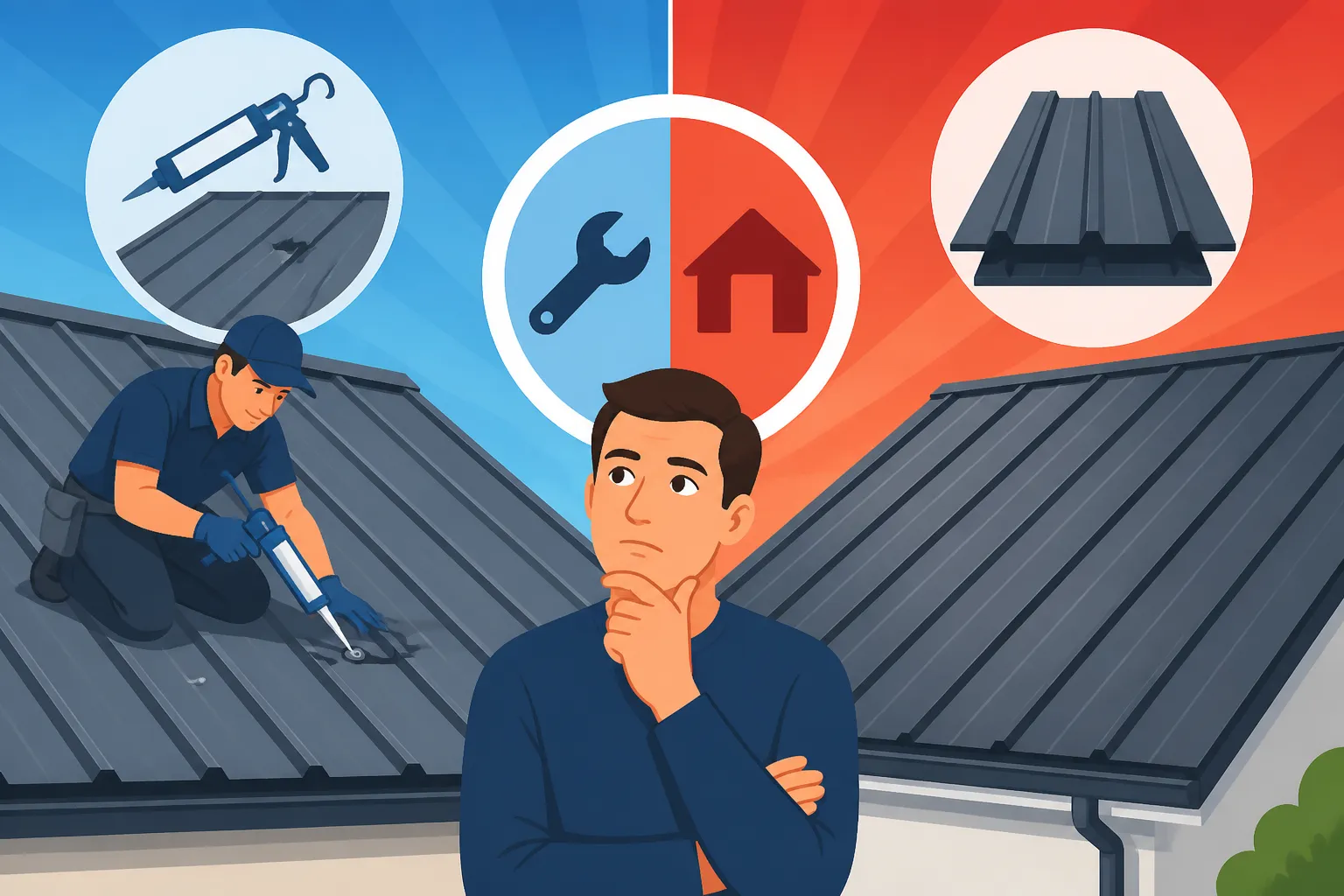
Dealing with damage to your metal roof can feel like a punch to the gut. You’re probably staring up at your roof, wondering if that dent, scratch, or drip means you’re in for a quick fix or a monumental expense, and the uncertainty alone can be incredibly stressful. This comprehensive guide is here to unravel that dilemma, walking you through the critical considerations and tell-tale signs that will help you decide whether your metal roof can be lovingly repaired or if it's time to consider a full replacement, empowering you to make the best choice for your home and wallet.
Understanding the Signs: When to Lean Towards Repair
When your metal roof shows signs of wear and tear, it doesn’t automatically mean it’s time for a complete overhaul. Many issues are minor and perfectly fixable, extending your roof's life significantly without breaking the bank. It's all about catching them early and understanding the scope of the problem.
Minor Punctures, Scratches, and Surface Dents
It’s completely normal for a metal roof to accumulate small blemishes over years of service. A dropped tool during gutter cleaning, a stray branch hitting the surface, or even minor hail can leave behind small punctures, scratches, or superficial dents. These aren't usually catastrophic issues that compromise the entire roof structure.
For scratches that haven't broken through the protective coating, a simple touch-up paint job might be all that's needed to prevent future corrosion and maintain its aesthetic appeal. Minor punctures, especially those not directly over sensitive areas, can often be sealed with a high-quality, weather-resistant sealant specifically designed for metal roofs. Dents, if purely cosmetic and not affecting the panel's integrity or water runoff, can sometimes be left alone or, in certain cases for standing seam panels, gently coaxed out by a professional, though this requires specialized skill to avoid further damage. The key here is that the structural integrity of the panel, and its ability to shed water, remains largely intact.
Loose or Missing Fasteners
One of the most common repair issues homeowners encounter with exposed fastener metal roofs is, well, the fasteners themselves. Over time, due to temperature fluctuations causing expansion and contraction, or simply wear and tear, the screws or clips holding your panels down can become loose, or their rubber washers might degrade.
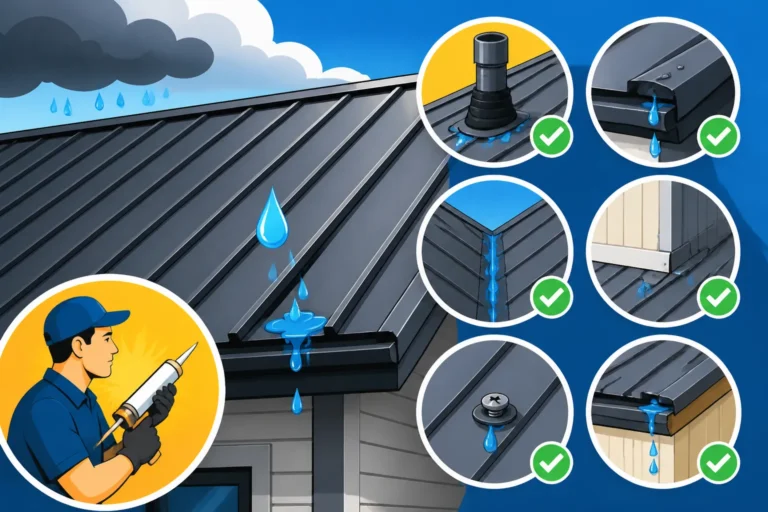
When fasteners loosen, they can create tiny pathways for water to seep in, leading to frustrating leaks. The good news is, this is often a straightforward fix. A skilled roofer can carefully remove the old screws, seal the hole, and then install new, slightly larger screws with fresh, durable washers to ensure a tight, watertight seal. Sometimes, simply tightening existing screws is enough, but always check the condition of the washers. If you have an exposed fastener system, regular inspection of these elements is a key part of your Metal Roof Maintenance Guide.
Localized Rust or Corrosion
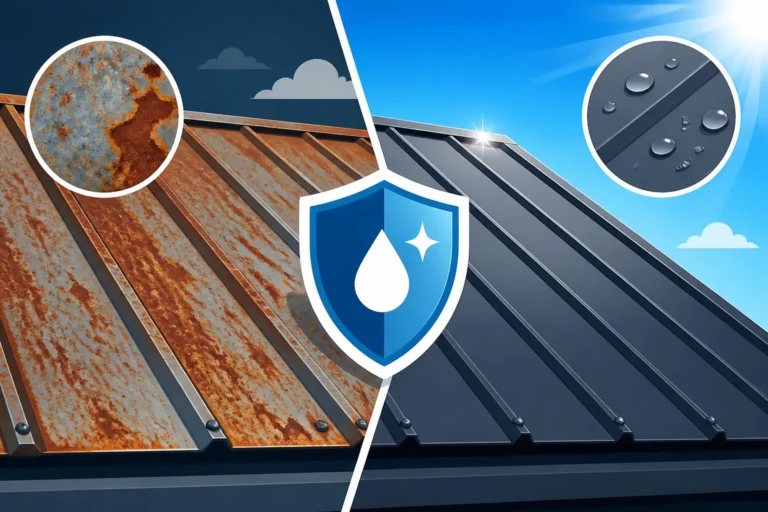
While metal roofs are celebrated for their resistance to rust, it’s not entirely immune, especially if the protective coating is compromised. If you spot small, isolated patches of rust, particularly around fasteners, cut edges, or areas where debris tends to accumulate and hold moisture, don't panic. This doesn't necessarily signal the end for your entire roof.
Localized rust can often be treated effectively. The process typically involves carefully cleaning the affected area, removing any loose rust, applying a rust-neutralizing primer, and then recoating with a compatible paint designed for metal roofing. For more stubborn or slightly deeper rust, a professional might use a rust converter before painting. The critical factor is that the rust hasn't spread widely or penetrated deeply enough to weaken the entire panel. For more insights on this, refer to our guide on Metal Roof Rust and Corrosion Treatment.
Minor Leaks
A leak in your roof is always concerning, but not all leaks demand a full roof replacement. Many leaks are caused by specific, localized issues that can be precisely targeted and repaired. These often stem from the points mentioned above: a single loose fastener, compromised flashing around a chimney or vent, a small puncture, or a faulty seam.
A skilled professional can often trace the source of the leak, which might involve a thorough inspection of your attic to pinpoint the entry point. Once identified, whether it’s sealing a small opening, replacing a section of flashing, or tightening specific panels, these repairs can be far less invasive and costly than a full roof replacement. Early detection is crucial here; addressing a minor leak promptly prevents it from escalating into a larger, more damaging problem that could affect your home's interior structure. Our article on How to Fix a Leaking Metal Roof dives deeper into common solutions.
When Replacement Becomes the Only Realistic Option
While repairs are often viable, there are definitely situations where trying to patch up a failing metal roof is like putting a band-aid on a gaping wound – it’s a temporary measure that won’t address the fundamental, widespread problems. Knowing when to call it quits on repairs and invest in a new roof is crucial for your home’s long-term protection and value.
Widespread Structural Damage
Imagine a scenario where your metal roof panels are not just dinged or scratched, but significantly bent, warped, or detached over large sections due to severe weather, falling trees, or prolonged structural stress. This isn't just cosmetic; it impacts the entire integrity of the roof system. If the underlying decking or supporting structures have also been compromised, such as widespread rot from persistent leaks or damage from heavy impact, then repairs become a logistical nightmare and often financially impractical.
In these cases, patching individual panels won't restore the fundamental strength or weatherproof capabilities. A roof’s primary job is to protect your home’s structure, and if that protection is widely compromised, a full replacement is the only way to ensure your home remains safe and dry for decades to come. Trying to piece together a heavily damaged roof can lead to ongoing issues, higher cumulative repair costs, and potential safety hazards down the line.
Extensive Rust and Degradation
As mentioned earlier, localized rust is often treatable. However, if rust has spread across a significant portion of your roof, especially if it has started to pit, flake, or perforate multiple panels, you're likely beyond simple repair. This kind of extensive corrosion indicates that the protective coatings have failed across a wide area, or the metal itself has reached the end of its serviceable life.
Attempting to treat widespread rust is incredibly labor-intensive and expensive, often requiring sanding, treating, and repainting large sections – costs that can quickly approach or even exceed the price of new materials. Moreover, once the metal begins to degrade structurally due to rust, its ability to withstand winds, snow loads, and impact significantly diminishes. For details on how long metal roofs typically last before such issues become prevalent, check out our guide on Metal Roof Lifespan: How Long Do They Last?.
Outdated or Poorly Installed Systems
Sometimes, the issue isn't just about damage, but about the fundamental quality and installation of the roof itself. If your metal roof was installed many years ago using outdated methods, inferior materials, or by an inexperienced contractor, you might face persistent issues that cannot be truly solved with repairs. This could include panels that are consistently detaching, seams that repeatedly fail, or a design that inherently struggles with local weather conditions.
For instance, an old agricultural corrugated roof might not provide the same level of protection or energy efficiency as modern standing seam panels. Similarly, if the initial installation lacked proper underlayment or flashing, you might experience recurring leaks that are costly to chase down and fix permanently. In such scenarios, rather than continually pouring money into an inherently flawed system, investing in a properly designed and installed new metal roof, perhaps a Standing Seam Metal Roof Cost comparison, would be a much wiser long-term decision.
Catastrophic Storm Damage
When Mother Nature throws her worst, like a major hurricane, tornado, or severe hailstorm, your metal roof might suffer damage that is simply too extensive to repair. This could involve numerous panels being ripped off, deeply dented across the entire surface by large hail, or punctured by significant debris. Even if the individual panels could theoretically be replaced, the sheer volume of damaged material often makes a full replacement the most efficient and cost-effective path.
In these situations, your homeowner’s insurance policy often plays a significant role. Most policies are designed to cover the cost of replacing a roof that has suffered catastrophic damage. Working with your insurance company and a reputable contractor can streamline the process, ensuring your home is restored with a new, resilient roof. For more on navigating this, you might find our article on Metal Roof Storm, Hail & Wind Damage helpful.
Factors That Tip the Scale: Repair vs. Replace Decisions
Deciding between repairing and replacing your metal roof isn't always cut and dry. Several interconnected factors influence the best course of action. It's like a balancing act, weighing immediate costs against long-term benefits and looking beyond just the visible damage.
Age of Your Metal Roof
The age of your metal roof is one of the most significant determinants. Metal roofs are renowned for their longevity, often lasting 40 to 70 years, sometimes even longer for materials like copper or zinc. If your roof is relatively young – say, under 20-25 years old – and the damage is localized, repairs are almost always the sensible choice. You have decades of potential lifespan left, and addressing specific issues allows you to maximize that investment.
However, if your metal roof is approaching or has exceeded its expected lifespan, widespread issues might indicate general material fatigue rather than isolated incidents. For example, if you have a 45-year-old Galvalume roof that's showing widespread coating failure and corrosion, even if the individual problems seem manageable, they might be symptomatic of an aging system. In such cases, replacing it makes more financial sense than sinking money into a roof that's due for retirement soon anyway. This is where understanding metal roof cost vs lifespan value becomes particularly important.
Cost-Benefit Analysis
This is often the ultimate decision-maker for many homeowners. You need to weigh the immediate cost of repairs against the long-term cost and benefits of a full replacement. Get detailed quotes for both options. If the cost of repairing the current issues and potentially anticipating future repairs over the next few years starts to creep close to 50-60% of the cost of a new roof, then replacement might be the more economical choice in the long run.
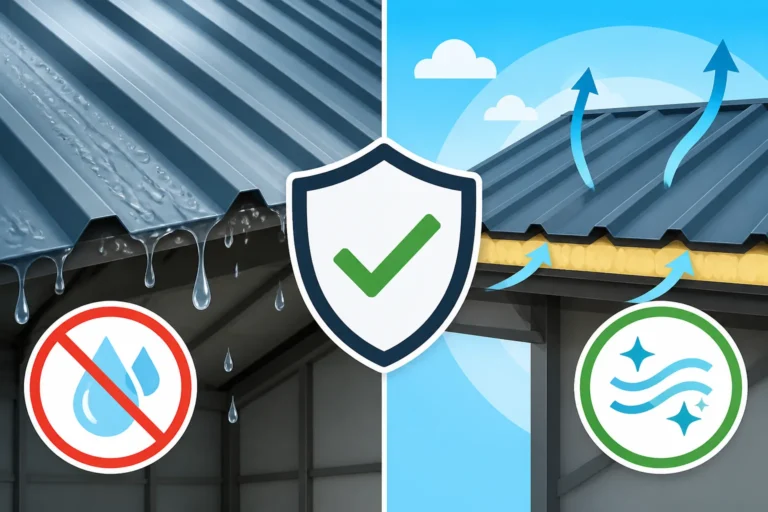
Think about it this way: a repair extends the life of your existing roof, but a replacement gives you a brand-new roof with a fresh warranty, improved aesthetics, potentially better energy efficiency with modern coatings, and the latest installation techniques. For instance, if you're looking at significant repairs for a system that's already costing you more in energy bills due to outdated insulation or ventilation, a new roof could offer considerable Metal Roof Insurance Savings & Discounts and lower utility costs over time, justifying the higher upfront investment. Platforms like Modernize can help you gather multiple competitive quotes to perform this analysis effectively.
Warranty Implications
Your existing roof warranty is another crucial factor. Most metal roofs come with substantial manufacturer warranties, often covering materials for 20-50 years, and sometimes workmanship warranties from the installer. If the damage to your roof falls under warranty (e.g., manufacturing defects, premature corrosion), then repairs or even a partial replacement might be covered, significantly reducing your out-of-pocket expenses.
However, be mindful of what voids a warranty. Attempting DIY repairs on certain types of panels or using unqualified contractors might nullify your warranty. Before undertaking any significant repair, review your warranty documentation carefully or consult with a certified roofing professional. If your roof is older and out of warranty, you'll be footing the entire bill for repairs, which further pushes the needle towards replacement if costs are high. When hiring, always ask Questions to Ask About Metal Roof Warranty.
Home Value and Aesthetics
Let's be honest: your roof is a massive part of your home's curb appeal. A patched-up roof, especially with mismatched panels or obvious repairs, can detract from your home's aesthetic value. If you're planning to sell your home in the near future, a pristine, new metal roof can significantly increase its market appeal and resale value. Potential buyers often see a new roof as a major asset, reducing their worries about future maintenance and costs.
Conversely, a heavily repaired or visibly aged roof can be a red flag for buyers, leading to lower offers or demands for credit to replace it. A new metal roof can deliver a strong Does a Metal Roof Increase Home Value? proposition. So, consider your long-term plans for the property. If you're staying put for a long time, minor aesthetic imperfections from repairs might be tolerable. If you're thinking of moving, the enhanced curb appeal and peace of mind a new roof offers could make replacement a worthwhile investment.
Navigating the Repair and Replacement Process
Once you've weighed your options, the next step is to act. Whether you're opting for a repair or a full replacement, the process involves careful planning and choosing the right professionals. Don't rush into anything; methodical steps will save you stress, time, and money.
Finding Qualified Professionals
This is, arguably, the most critical step. Metal roofing, especially standing seam or more complex profiles, requires specialized skills and experience that not all general roofers possess. For repairs, you need someone who understands the specific metal, coatings, and fastening systems to ensure a durable, watertight fix that doesn't inadvertently cause more problems. For replacement, you absolutely need a contractor who is experienced, licensed, insured, and reputable in metal roof installations.
Look for contractors who specialize in metal roofing and can provide references specifically for metal roof projects. Ask about their certifications – many manufacturers offer training and certification programs for their products, which is a huge plus. Don't hesitate to ask questions about their experience, their crew's training, and how they handle potential issues. Companies like Modernize offer a network of vetted professionals, which can be a great starting point for finding reliable contractors in your area. Our guide on How to Hire a Metal Roofing Contractor provides extensive advice on vetting the right professionals.
Getting Multiple Quotes and Estimates
Never settle for just one bid, whether it's for a repair or a full replacement. You should aim to get at least three detailed quotes from different reputable contractors. This allows you to compare not just the price, but also the scope of work, the materials proposed, the warranties offered, and the timelines. A lowball quote might indicate a lack of experience, substandard materials, or corners being cut. A sky-high quote might mean you’re being overcharged.
Ensure each quote breaks down material costs, labor costs, permit fees, and any other associated expenses like debris removal or tear-off if applicable. For repairs, make sure the quote specifies the exact method and materials they plan to use. For replacements, verify the type of metal, gauge, coating, and specific profile. Understanding How to Read and Compare Metal Roof Quotes is a skill that will save you thousands.
Understanding Repair Methods
The specifics of metal roof repair depend heavily on the type of damage and the roof system itself.
- For loose fasteners on exposed fastener roofs: As discussed, this usually involves removing old screws, applying sealant, and installing new, oversized screws with durable neoprene washers. It’s a fairly quick and common fix.
- For small holes or punctures: These are often sealed with specialized roofing caulk or mastic. For slightly larger holes, a metal patch matching the original roof material might be cut, sealed, and fastened over the damaged area.
- For damaged panels: If a panel is significantly dented, warped, or corroded but the surrounding panels are fine, it might be possible to remove and replace just that single panel. This requires a skilled hand to detach it without damaging adjacent panels and to properly integrate the new one to maintain a seamless, watertight surface. This is more common with standing seam roofs where individual panels are connected by specific seams rather than overlapping. Learn more in our Metal Roof Repair Guide.
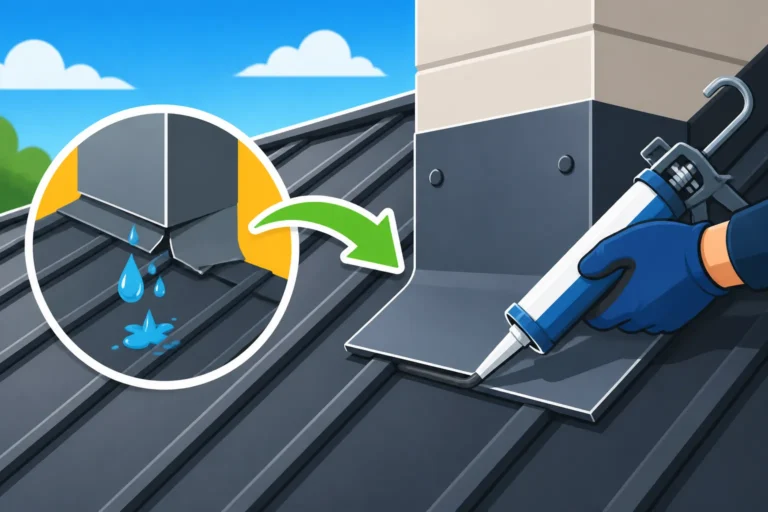
- For flashing issues: Flashing around chimneys, skylights, or valleys can degrade or become damaged. Repairs involve removing the old flashing and installing new, properly bent and sealed flashing to divert water effectively.
The Importance of Regular Maintenance
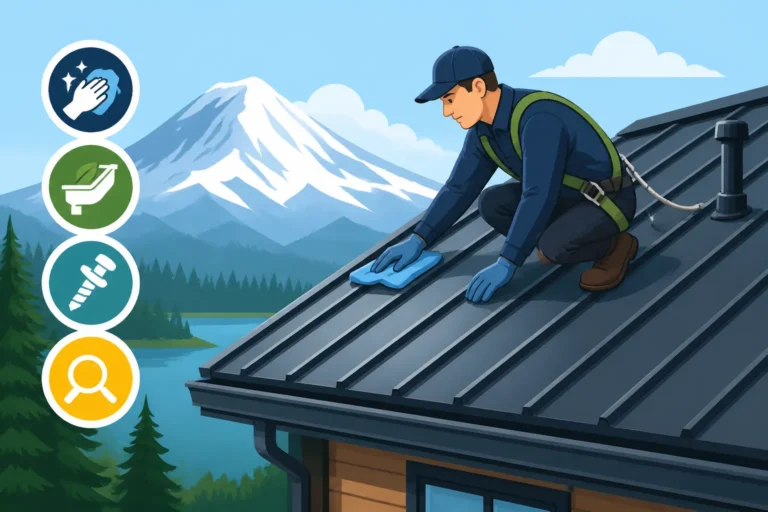
Regardless of whether you repair or replace, consistent maintenance is key to maximizing your metal roof’s lifespan. Regular inspections (at least once a year, and after any major storm) can help you catch minor issues before they escalate. This includes checking for loose fasteners, inspecting flashing, clearing debris from valleys and gutters, and monitoring for any signs of rust or coating degradation.
A well-maintained metal roof will serve you faithfully for decades. Neglecting it, even after an expensive replacement, can lead to premature wear and unexpected repair bills. Proactive care is far cheaper and less stressful than reactive emergency fixes. Dive into our comprehensive Metal Roof Maintenance Guide for a full checklist.
Metal Roof Repair vs. Replacement: A Quick Comparison
| Feature | Repair | Replacement |
|---|---|---|
| Damage Type | Localized, minor, cosmetic | Widespread, structural, systemic degradation |
| Cost | Lower upfront | Higher upfront |
| Lifespan Impact | Extends existing roof lifespan, but not indefinitely | Resets roof lifespan to new |
| Warranty | May maintain existing, or partial new for repair work | Full new manufacturer and labor warranty |
| Aesthetics | May result in visible patches/mismatches | Uniform, fresh appearance |
| Home Value | Neutral to slight negative if visible | Significant positive impact |
| Efficiency Upgrades | Limited to none | Opportunity for improved materials, insulation, etc. |
| Time Investment | Generally quicker | Longer, more involved project |
Disclaimer
Please remember that this article is intended for informational purposes only and does not constitute professional advice. Metal roofing projects, whether repair or replacement, involve significant structural and safety considerations. Always consult with a qualified, licensed, and insured metal roofing contractor for a thorough inspection and personalized recommendations tailored to your specific situation and local building codes. Do not attempt complex repairs or installations without the necessary expertise and safety equipment.