Should You Repair or Replace a 20-Year-Old Metal Roof?
It's a common homeowner dilemma: you’ve had that dependable metal roof on your home for two decades, and while it's served you well through countless storms and sunny days, you're starting to wonder if its best years are behind it. The prospect of an aging roof can be daunting, bringing concerns about leaks, escalating repair costs, or the sheer investment of a full replacement. This comprehensive guide will walk you through the critical factors to consider when facing a 20-year-old metal roof, helping you understand whether targeted repairs are still viable or if it’s time to seriously consider a complete replacement.
The Expected Journey of a Metal Roof and When Age Becomes a Factor
Metal roofs are renowned for their exceptional durability and longevity, often outlasting traditional roofing materials by decades. However, even the toughest materials have a lifespan, and after 20 years, it’s only natural to start evaluating its condition. Understanding the nuances of metal roof lifespans and the factors that influence them is the first step in deciding its future.
Understanding Metal Roof Lifespans
While a metal roof is often marketed as a "lifetime" roof, that term can be a bit misleading. The reality is that different metal roofing materials have different expected lifespans, and how well they perform over two decades or more depends heavily on what they're made of. For instance, a high-quality standing seam aluminum or copper roof might easily sail past 50 or even 75 years with minimal fuss. These materials are inherently resistant to rust and corrosion, making them incredibly long-lasting even in harsh environments. On the other hand, a steel roof, even one coated with Galvalume or galvanized finishes, typically has an expected lifespan ranging from 40 to 70 years. While impressive, a 20-year-old steel roof is roughly at its midpoint, meaning it's entering a phase where wear and tear might become more apparent. It’s also worth considering the specific gauge of the metal, as thicker panels (lower gauge numbers like 24-gauge) tend to offer greater resilience and a longer service life than thinner options (like 29-gauge). If you’re not sure about the specifics of your roof, digging into the original installation documents or consulting with a professional can provide valuable clarity. Our guide on Metal Roof Lifespan: How Long Do They Last? dives into this topic in much more detail.
What Can Accelerate Aging?
Even with robust materials, several factors can prematurely age a metal roof, pushing a 20-year-old system closer to its end-of-life than its mid-point. One of the primary culprits is improper installation. If the panels weren't fastened correctly, if flashing details were missed, or if the underlayment wasn't applied properly, you might see issues like leaks or loosening panels emerge much earlier than expected. For example, exposed fastener systems, if not maintained, can see their neoprene washers degrade, leading to leaks around the screws.
Environmental conditions also play a huge role. Homes in coastal areas, constantly exposed to salt spray, might experience accelerated corrosion, especially with certain types of steel roofing. Similarly, roofs in areas with extreme temperature fluctuations or frequent heavy hail might show signs of stress like denting, scratched coatings, or panel fatigue much sooner. Even something as simple as poor roof ventilation can contribute to issues, leading to condensation build-up that can foster hidden corrosion from the underside. A lack of regular maintenance, such as cleaning debris or inspecting fasteners, also significantly impacts how gracefully your metal roof ages, potentially turning minor issues into major ones over two decades.
Identifying the Telltale Signs: When Your 20-Year-Old Roof is Crying for Help
After two decades, your metal roof has seen a lot. It’s important to know what to look for when assessing its condition, as some signs of wear are purely cosmetic, while others are critical indicators that your roof's integrity is compromised. Ignoring these signals can lead to more expensive problems down the line, potentially even jeopardizing the structural integrity of your home.
Surface-Level Red Flags
When you look at your roof from the ground, or safely from a ladder, what do you see? Fading paint is a common sign of a 20-year-old metal roof. The once vibrant color might now appear dull or chalky, particularly on the sun-exposed sides. While this primarily affects curb appeal, it can also signal that the protective coating is degrading, which, if left unaddressed, could eventually lead to more serious issues. Scratches, especially if they penetrate the protective coating down to the bare metal, are another visual clue that should be taken seriously. Even small scratches can become entry points for moisture and initiate rust.
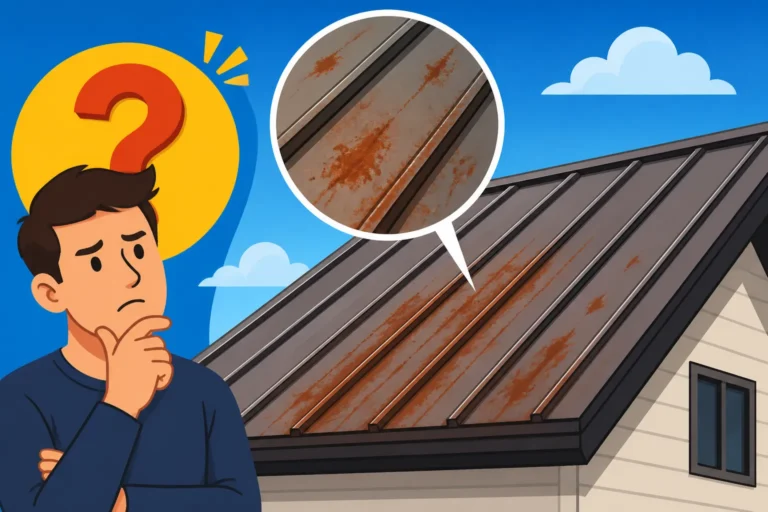
Another red flag might be localized patches of surface rust. This is particularly common around fasteners on exposed fastener systems, or where panels overlap. If you have a steel roof, even with a Galvalume or galvanized coating, prolonged exposure to moisture or chemicals can compromise the protective layer, leading to rust. While small, isolated rust spots might be repairable with proper treatment and recoating, widespread rust indicates a systemic issue with the roof's protective finish. For a comprehensive guide on identifying issues, refer to our article on Warning Signs Your Metal Roof Needs Attention.
Deeper Structural and Performance Concerns
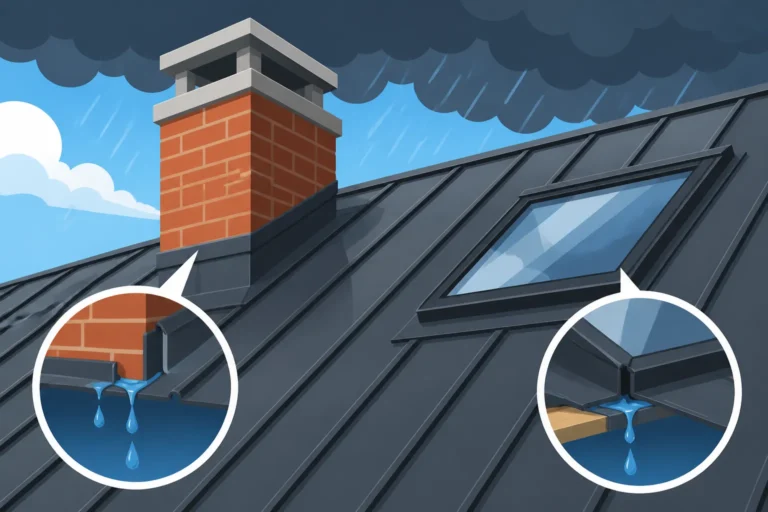
Beyond the surface, there are more critical signs that your 20-year-old metal roof might be in significant distress. Leaks are, of course, the most obvious and concerning performance issue. If you're noticing water spots on your ceiling, dripping water in your attic, or streaks running down interior walls after rainfall, your roof has a serious problem. Leaks can stem from compromised seams, degraded flashing around penetrations like chimneys or skylights, or even screws backing out over time, especially on older exposed fastener systems. Addressing leaks quickly is paramount to prevent water damage to your home's interior, insulation, and framing. You can learn more about how to address these in our Metal Roof Leak Repair Guide.
Another deeper concern is significant denting or deformation of the panels. While metal roofs are robust, severe hail storms or falling tree branches can cause considerable damage. If dents are widespread or have compromised the integrity of the panel's profile, it can affect water shedding and potentially lead to pooling water or stress cracks. Additionally, any noticeable lifting, buckling, or loosening of panels is a major structural red flag. This can be caused by inadequate fastening during original installation, severe wind events, or the natural expansion and contraction of the metal over time stressing weak points. These issues not only compromise the roof's ability to protect your home but can also pose a safety hazard, especially in high winds. If your home experiences frequent storms, it's particularly important to monitor for these issues.
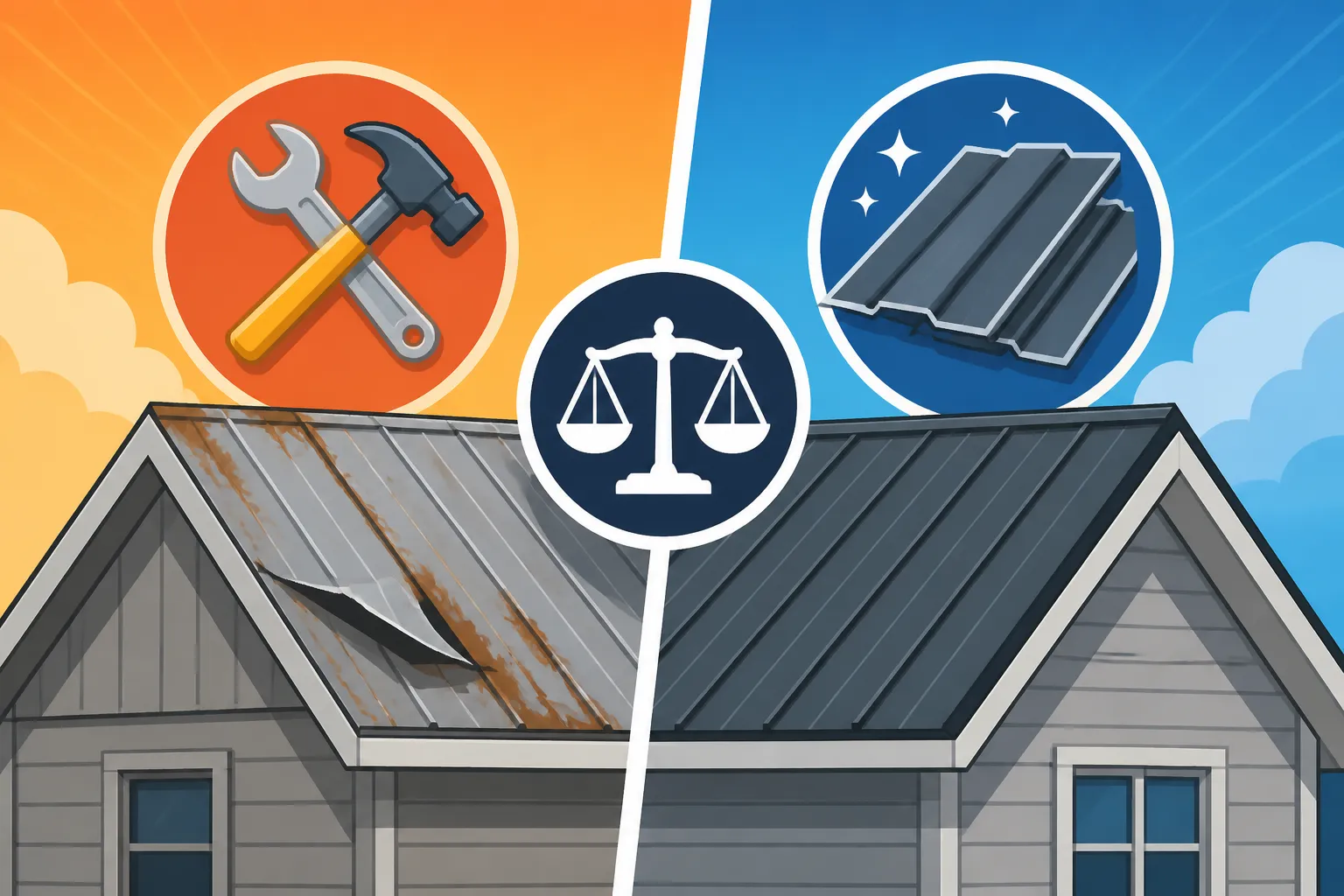
Weighing Your Options: Repairing vs. Replacing
When your metal roof hits the two-decade mark and starts showing signs of wear, you're faced with a significant decision: pour resources into repairs or invest in a brand new roof. There's no one-size-fits-all answer, as the best path forward depends on the extent of the damage, your budget, and your long-term plans for your home.
The Argument for Targeted Repairs
For many homeowners with a 20-year-old metal roof, repairs can still be a smart, cost-effective solution, especially if the underlying structure and most of the panels are still in good shape. If the issues are localized, such as a few leaky fasteners, minor surface rust, or a single damaged panel, addressing these specific problems can extend your roof's life for several more years without the significant investment of a full replacement. Think about it like a car; you wouldn't scrap a 20-year-old car just because it needs new tires or a muffler.
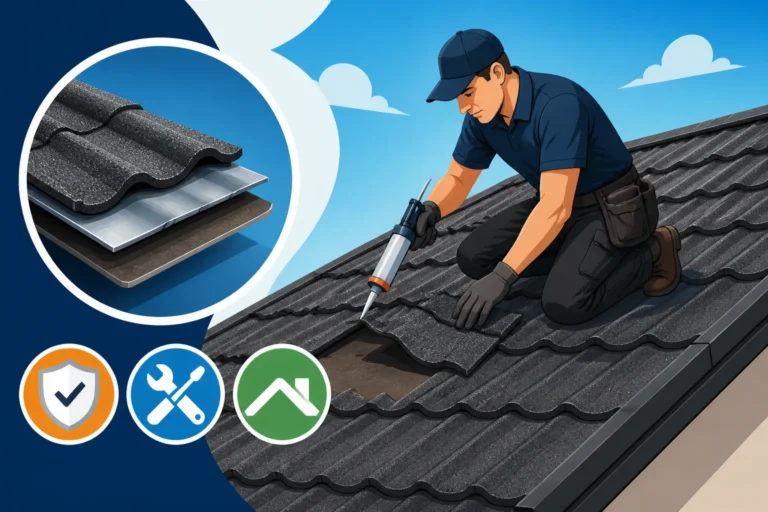
Common repairs for a metal roof of this age often involve replacing worn-out fasteners, especially the rubber washers that seal around screws on exposed fastener systems. This is a relatively straightforward job for a skilled roofer and can effectively stop leaks at these points. Treating and recoating areas with surface rust, as detailed in our Metal Roof Rust and Corrosion Treatment article, can prevent further deterioration and restore the protective barrier. Sometimes, simply re-sealing seams or replacing a few damaged panels is all that's needed. These targeted interventions can breathe new life into an otherwise solid roof, delaying the need for a full replacement and allowing you to budget for it more comfortably in the future. It’s a great option for those looking to get maximum value out of their existing investment without a huge upfront cost.
The Compelling Case for Full Replacement
While repairs can offer a temporary reprieve, there comes a point where a full metal roof replacement becomes not just advisable, but necessary. If your 20-year-old roof exhibits widespread rust, multiple leaks from various sources, significant panel damage across large sections, or structural issues like buckling or lifting panels that indicate a systemic failure, patching it up might be throwing good money after bad. A roof that is failing in numerous areas suggests that its protective coatings are exhausted, its fasteners are compromised throughout, or the metal itself is fatigued beyond simple repair.
Replacing your entire roof, while a larger initial investment, brings a host of compelling long-term benefits. You get a brand-new warranty, covering both the materials and the installer's workmanship (if you choose a reputable contractor). This provides immense peace of mind. A new metal roof also ensures superior performance, with modern materials and installation techniques offering enhanced energy efficiency, better wind resistance, and often a refreshed aesthetic for your home. It’s an opportunity to upgrade to a better material or profile, perhaps moving from an exposed fastener system to a durable Standing Seam Metal Roof Cost solution, which features hidden fasteners for a cleaner look and superior weather protection. A full replacement significantly boosts your home's curb appeal and resale value, making it an investment that pays dividends for decades to come.
Financial Realities: Costs, ROI, and Future Value
The decision to repair or replace a 20-year-old metal roof inevitably comes down to finances. It's not just about the upfront cost; it's about understanding the long-term investment, potential savings, and how each option impacts your home's overall value.
Decoding Repair Expenses
The cost of repairing a metal roof can vary widely depending on the nature and extent of the damage. Minor repairs, like replacing a handful of screws and washers, might only set you back a few hundred dollars. More involved repairs, such as replacing several panels, re-sealing extensive seams, or applying rust treatments and recoatings, could range from $1,000 to several thousand dollars. The material cost for a single panel replacement is generally low, but labor for skilled metal roofers can add up. Our article on How Much Does Metal Roof Repair Cost? breaks down these variables.
While seemingly more affordable in the short term, repeatedly repairing an aging roof can become a "death by a thousand cuts." If you find yourself calling for repairs every year or two, the cumulative cost might quickly approach or even exceed the investment of a new roof, without providing the benefits of a fresh start. It's crucial to assess if repairs are truly addressing the root cause or merely patching over symptoms of a larger, systemic problem with an aging roofing system. Sometimes, what seems like a savvy short-term saving turns into a long-term drain on your wallet.
Understanding the Investment of a New Roof
Replacing a metal roof is undoubtedly a significant financial undertaking, but it’s an investment in your home’s future. The total Metal Roof Cost: Complete 2026 Guide depends on numerous factors, including the type of metal (steel, aluminum, copper, zinc), the profile (standing seam, corrugated, stone-coated), the roof's size and complexity, and labor rates in your area. For example, a basic corrugated steel roof will be considerably less expensive than a premium standing seam copper roof. Generally, you can expect costs to range from $8 to $20 per square foot installed, sometimes more for specialty materials.
When you decide to replace, you’re not just buying materials; you're investing in the expertise of a professional roofing contractor, the tear-off of your old roof (if applicable), new underlayment, flashing, and the installation of a complete, integrated system designed to last for decades. This comprehensive approach means fewer worries about leaks, improved energy efficiency, and potentially lower home insurance premiums due to the roof's superior durability and wind resistance. Many homeowners find it helpful to use services like Modernize to connect with multiple reputable contractors and compare bids. This ensures you get competitive pricing and a clear understanding of what's included in your investment.
The Long-Term Financial Impact
Looking beyond the immediate sticker price, a new metal roof offers a superior long-term financial return compared to continuous repairs on an old one. While repairs mitigate immediate problems, they don't reset the clock on your roof's age or its overall condition. A new metal roof, on the other hand, comes with a fresh lifespan of 40-70+ years, drastically reducing your roofing maintenance budget for the foreseeable future.
Moreover, a new metal roof significantly enhances your home's value and appeal. Buyers are increasingly looking for homes with durable, low-maintenance features, and a metal roof checks both boxes emphatically. It can offer a strong return on investment (ROI) at resale, often recouping a substantial portion of its installation cost, and in some markets, it can even help your home sell faster. You can delve deeper into this topic with our guide, Is a Metal Roof Worth It? ROI, Resale & Payback. Furthermore, the energy efficiency benefits of metal roofs, particularly those with cool roof coatings, can lead to noticeable savings on your utility bills year-round, adding to the long-term financial upside. When you factor in all these elements – extended lifespan, reduced maintenance, increased home value, and energy savings – the investment in a new metal roof often proves to be the more financially prudent decision over two or three decades.
Making the Best Decision for Your Home
Deciding whether to repair or replace a 20-year-old metal roof is a complex choice, blending practical considerations with financial realities and your personal circumstances. It's a significant investment in your home, and making an informed decision is crucial for your peace of mind and your wallet.
The Critical Role of a Professional Assessment
When you're dealing with an aging roof, there's no substitute for an expert eye. Before making any final decisions, the absolute first step should be to schedule a thorough inspection by a qualified metal roofing contractor. These professionals have the experience to spot subtle signs of deterioration that you might miss, such as hidden corrosion under panels, compromised flashing, or issues with the roof deck itself. They can assess the overall integrity of your roof, including the condition of the underlayment and ventilation, and provide an objective opinion on whether repairs are genuinely viable or if replacement is the more prudent long-term solution.
A good contractor won't just tell you what's wrong; they'll explain why it's wrong and outline all your options, complete with detailed quotes for both repair scenarios and replacement options. They can also advise on the most suitable materials and installation methods for your specific climate and home style, taking into account factors like severe weather patterns or energy efficiency goals. Services like Modernize can be incredibly helpful here, as they connect homeowners with pre-vetted local roofing contractors who specialize in metal roofing. This simplifies the process of getting multiple, comparable bids and professional advice, ensuring you have all the information you need to make an educated decision. Always remember to ask about their experience specifically with metal roofs and inquire about their licensing, bonding, and insurance.
Weighing Pros and Cons for Your Specific Situation
Once you have professional assessments and detailed quotes in hand, it’s time to sit down and weigh the pros and cons specific to your situation. Consider how long you plan to stay in your current home. If you're planning to move within the next few years, extensive repairs that give the roof a few more years might be sufficient to satisfy potential buyers without over-investing. However, if this is your "forever home," or you plan to stay for another 10-20 years, a full replacement could be the smarter long-term investment, offering decades of worry-free performance and enhanced energy efficiency.
Think about your budget and cash flow. Can you comfortably afford a full replacement now, or would financing be necessary? While repairs are cheaper upfront, continually patching an old roof can become a significant cumulative expense over time, as we discussed earlier. Also, factor in the aesthetic impact. If your 20-year-old metal roof is heavily faded or scratched, a replacement offers an opportunity to refresh your home's curb appeal, perhaps even choosing a new color or profile. Ultimately, the decision comes down to balancing immediate costs, anticipated future maintenance, your desired aesthetic, and your long-term plans for the property. Don’t rush this decision; gather all the facts, consult with experts, and choose the path that brings you the most value and peace of mind.
Here’s a quick overview of the key considerations:
| Feature | Repairing a 20-Year-Old Metal Roof | Replacing a 20-Year-Old Metal Roof |
|---|---|---|
| Initial Cost | Lower, targets specific issues | Higher, a significant upfront investment |
| Lifespan Impact | Extends current roof life by a few years; temporary solution | Resets lifespan (40-70+ years); long-term solution |
| Warranty | Typically no new warranty on entire roof; limited to specific repairs | Full material and workmanship warranty on new system |
| Home Value | Minimal impact; prevents depreciation from disrepair | Significant increase in home value & curb appeal |
| Performance | Addresses specific leaks/issues; overall performance may still be degraded | Optimal performance; improved energy efficiency, wind resistance |
| Peace of Mind | Temporary relief; recurring issues may persist | Long-term peace of mind; worry-free for decades |
| Aesthetics | Limited improvement; may still look aged and faded | Complete aesthetic refresh; modern look |
| Ideal For | Minor, localized damage; limited budget; short-term residency plans | Widespread damage; long-term residency plans; desire for upgrades |
Disclaimer
Please note that this guide provides general information and should not be considered professional advice. Metal roofing projects are complex and require the expertise of qualified professionals. Always consult with a licensed, insured metal roofing contractor for specific assessments, recommendations, and quotes tailored to your home's unique needs and local building codes. Project costs can vary significantly based on location, materials, labor, and the specific scope of work.