Why Is My New Metal Roof Already Rusting?
There’s almost nothing more disheartening than investing in a beautiful new metal roof, only to walk outside a few weeks or months later and spot what looks like rust. It makes you question everything, from the quality of the materials to the competence of the installers, and can leave you feeling frustrated and even angry. This comprehensive guide will help you understand why your new metal roof might be showing signs of rust, how to identify the cause, and what steps you can take to address it effectively.
The Initial Shock: Is it Really Rust?
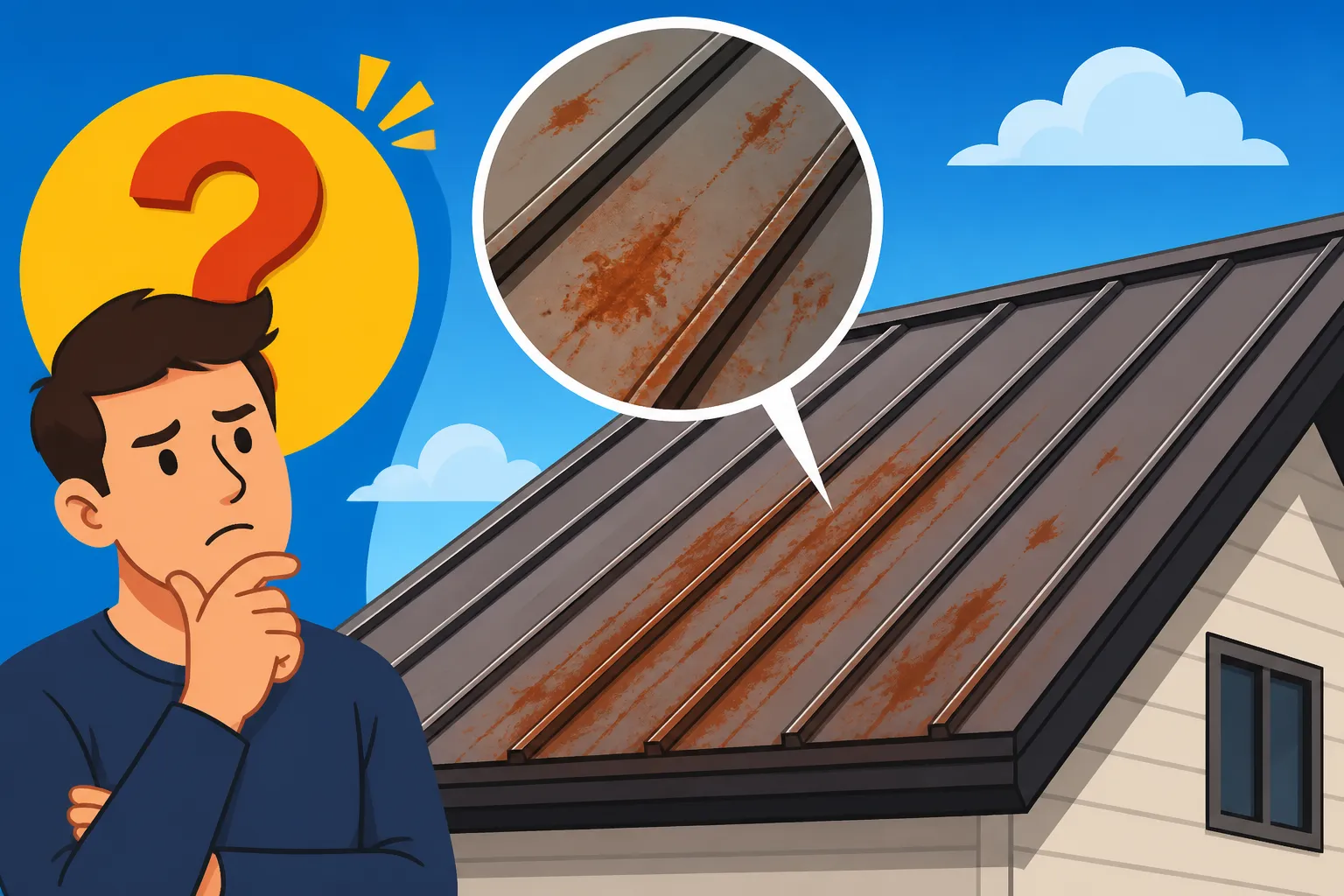
When you see a reddish-brown discoloration on your pristine new metal roof, it's easy to jump to the worst conclusion: it's rusting. But hold on a minute, because what appears to be rust might actually be something else entirely. Distinguishing between a surface stain and actual corrosion of the base metal is the very first, critical step in understanding the problem. You've just made a significant investment, and the last thing you need is a premature failure.
Distinguishing Surface Stains from Actual Corrosion
Many homeowners mistake surface contaminants for actual rust, which is the oxidation of iron or steel. Metal roofs are designed to be incredibly durable, and that includes a robust defense against corrosion. Most residential metal roofs today, especially those made from steel, are coated with a protective layer like zinc (galvanized) or a zinc-aluminum alloy (Galvalume) before a paint system is even applied. These layers are the primary line of defense. So, when you see a spot, it's essential to investigate further.
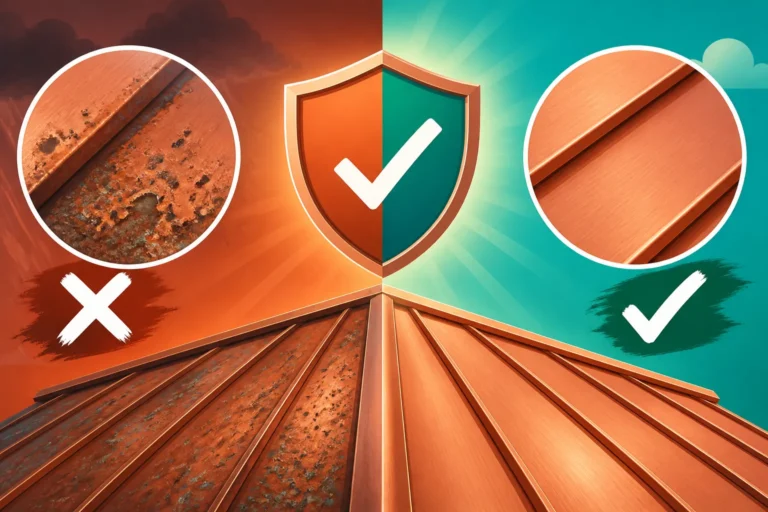
For instance, you might see tiny metallic particles that have settled on the roof. These could be from nearby construction, grinding operations, or even from the cutting of the roof panels themselves during installation. If these tiny iron-containing particles get wet, they will rust, creating small, localized spots of discoloration on your roof's surface. This is often referred to as "spotting" or "fretting corrosion," and while unsightly, it's usually just a superficial issue affecting the foreign particles, not the roof panel itself. A good way to check is to try to gently wipe or scrub the spot. If it comes off, it’s likely surface contamination. If it's firmly bonded and appears to be etching into the paint or metal, then you're looking at something more serious.
The "Tea Staining" Phenomenon
Another common occurrence that gets mistaken for rust, particularly on unpainted or clear-coated Galvalume or stainless steel roofs, is what’s called "tea staining" or "oil canning." While oil canning is a visual distortion of flat metal panels, tea staining refers to a faint, brownish discoloration that can appear. This isn't actual corrosion of the base metal but rather a surface phenomenon, often linked to environmental exposure or the presence of minute amounts of contaminants that react with the metal's surface. It can give the roof an aged or weathered appearance, sometimes intentionally sought after, but it’s not indicative of structural failure or a breach in the corrosion-resistant layer.
Tea staining is more prevalent in coastal areas or regions with high humidity, where airborne salts or pollutants can settle on the roof. It tends to be cosmetic and doesn't compromise the integrity or lifespan of the metal itself. However, if it's not the look you envisioned, it can still be a source of disappointment. Understanding this distinction is crucial before you panic and assume your investment is already failing.
Common Culprits Behind Early Rusting
If you've determined that the discoloration isn't just a surface stain but actual rust or a more significant coating failure, it's time to dig into the potential causes. pinpointing the exact reason is key to finding the right solution, and often, it boils down to the materials themselves, how they were installed, or what they're exposed to.
Material Quality and Coating Issues
Not all metal roofs are created equal, and the quality of the material and its protective coatings play an enormous role in its longevity and resistance to rust. If your new roof is showing signs of rust early on, it could stem from a flaw in the manufacturing process or the specifications of the product used.
The most common metal for residential roofing is steel, often protected by a metallic coating of zinc (galvanized) or a zinc-aluminum alloy (Galvalume). These coatings are applied in varying thicknesses, known as gauges, and their quality and consistency are paramount. A thinner or inconsistently applied coating might have microscopic pinholes or areas where the protective layer isn't fully bonded, leaving the underlying steel vulnerable to moisture and oxygen. Even high-quality coatings can have issues if not applied correctly. For example, some manufacturers might use a lower-grade substrate or an inferior coating process to cut costs, which can lead to premature degradation.
Beyond the metallic coating, most metal roofs also feature a paint system, such as Kynar 500 (PVDF) or SMP (Siliconized Modified Polyester). These paint systems provide an additional layer of protection, color, and UV resistance. If the paint application was flawed—perhaps too thin, uneven, or improperly cured—it can break down prematurely, exposing the metallic coating underneath. Once that coating is exposed to the elements, especially in harsh conditions, its lifespan can be significantly shortened, leading to rust. For a deep dive into material differences, check out our guide on Metal Roofing Materials Compared: Steel, Aluminum, Copper & Zinc.
Installation Mishaps
Even the best materials can fail if not installed correctly. Many instances of early rust on new metal roofs are directly attributable to issues during the installation process. These problems can range from minor oversights to significant errors that compromise the entire system.
One of the most frequent culprits is metal filings. When metal panels are cut or trimmed on-site, tiny shards of metal, or "swarf," are created. If these filings are not meticulously cleaned off the roof surface, they can embed themselves in the paint or coating. These filings, often plain steel, will rust quickly when exposed to moisture, creating noticeable orange-brown spots on your roof. This isn't the roof panel rusting, but rather the filings themselves. While usually superficial, it's unsightly and can be difficult to remove without damaging the coating.
Another significant installation-related issue is damage to the protective coatings. During handling, transportation, or installation, panels can be scratched or gouged. Even a small scratch that penetrates the paint and metallic coating can expose the underlying steel, creating a direct pathway for rust to begin. Installers must be incredibly careful, but accidents happen, and sometimes these minor damages go unnoticed until rust starts to bloom.
Lastly, galvanic corrosion can occur if dissimilar metals are used in direct contact with each other without proper isolation. For example, if copper flashing is used with an aluminum roof, an electrochemical reaction can accelerate corrosion in the less noble metal (aluminum). While most reputable metal roofing contractors understand this, inexperienced crews or those cutting corners might accidentally use incompatible fasteners, trim, or accessories, leading to localized corrosion. This is a complex issue but a very real concern for long-term durability. Ensuring your contractor is experienced in metal roofing is critical, and a good place to start is our article on How to Hire a Metal Roofing Contractor.
Environmental Factors and External Contamination
Sometimes, the roof itself is fine, and the installation was perfect, but external factors in your environment lead to early rust-like appearances or even actual corrosion. You might live in an area that presents unique challenges to any roofing material.
Coastal properties, for instance, are constantly exposed to salt spray from the ocean. This airborne salt is highly corrosive and can dramatically accelerate the degradation of metal coatings, especially those not specifically designed for marine environments. Even materials like Galvalume, known for its excellent corrosion resistance, can be challenged by persistent salt exposure. If you live within a few miles of the coast, choosing a highly corrosion-resistant material like aluminum or specific alloys is often recommended.
Similarly, properties near industrial areas or major highways can be subjected to airborne pollutants, such as sulfur dioxide, nitrogen oxides, or carbon particles. These chemicals can settle on your roof, mix with rainwater, and create an acidic environment that attacks the protective coatings over time. Acid rain, while less prevalent than it once was, can still contribute to this problem in certain regions.
Even seemingly innocuous elements like foliage can cause issues. Overhanging trees can drop leaves, twigs, and sap onto your roof. If left to accumulate, this organic matter can trap moisture against the metal surface. As it decomposes, it releases acids and other chemicals that can slowly degrade the paint and metallic coatings, leading to localized rust. This is why regular cleaning and maintenance, detailed in our Metal Roof Maintenance Guide, are so important, even for a brand-new roof. In severe cases, moss and algae can also hold moisture against the surface, creating conditions conducive to rust.
What to Do When You Spot Early Rust
Finding rust on a new metal roof is a legitimate concern, and your immediate reaction is probably to find out what to do next. Don't panic, but don't ignore it either. Taking the right steps promptly can make all the difference in getting the issue resolved.
Documentation and Immediate Action
The moment you discover what appears to be rust, your first priority should be to document everything. This isn't just about taking a quick photo; it's about building a comprehensive record that will be invaluable if you need to file a warranty claim or address the issue with your installer.
Start by taking clear, high-resolution photographs and videos of the affected areas. Capture close-ups of individual rust spots, as well as wider shots that show their location on the roof relative to other features like chimneys, vents, or valleys. Note the date and time of your discovery, and continue to monitor the spots, taking additional photos if they spread or change. Measure the size of the affected areas if possible. Also, gather all your paperwork: your roofing contract, material invoices, warranty documents from both the installer and the manufacturer, and any communication you've had with the roofing company. This detailed documentation will serve as your evidence. Do not attempt to clean or treat the rust yourself before documenting it and contacting professionals, as this could potentially void your warranty or complicate the claim process.
Contacting the Installer and Manufacturer
Once you have your documentation in order, the next step is to formally notify your roofing contractor. Do this in writing (email is usually best, followed by a certified letter if needed) so you have a clear record of communication. Describe the problem, include your photographic evidence, and refer to your contract and warranty. Request an inspection by their team to assess the issue. A reputable contractor will be responsive and eager to investigate, as their reputation is on the line.
Simultaneously, you should review your manufacturer's warranty documents. Many metal roofing products come with separate warranties covering the material and its finishes (e.g., paint fading, chalking, or corrosion). Some warranties specify that issues must be reported within a certain timeframe or directly to the manufacturer. Understand the terms of these warranties. For instance, a paint finish warranty from a company like McElroy Metal or Metal Sales might cover issues like rust-through for decades, but it's critical to follow their claim procedures. If you're struggling to understand the fine print, you might consider reaching out to a third-party roofing consultant to help interpret the documents and guide your communication. Finding installers and manufacturers can be streamlined using services like Modernize, which connects homeowners with qualified professionals.
Repair vs. Warranty Claims
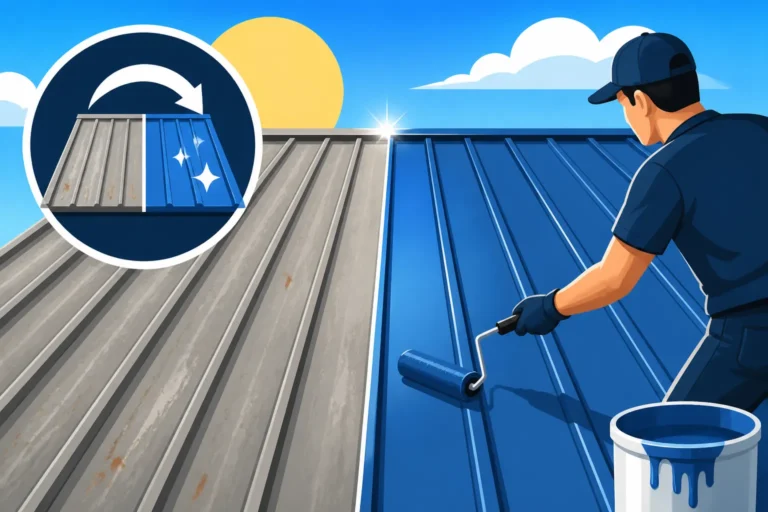
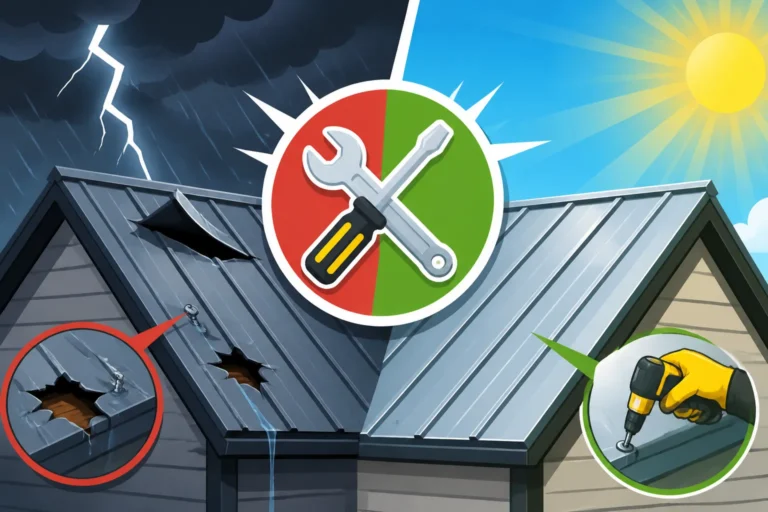
The severity and cause of the rust will dictate whether a repair is feasible or if a full warranty claim is necessary. If the rust is superficial, like those tiny metal filings we discussed, a professional cleaning might be enough. Some contractors might even offer this as part of their service. However, if the rust indicates a defect in the material's coating or a significant installation error that damaged the panel, then the solution becomes more involved.
If the rust is localized to a few panels and is clearly a material defect, your manufacturer's warranty might cover the replacement of those specific panels. If it's widespread or systemic, it could warrant a larger claim. On the other hand, if the issue stems from poor installation (e.g., widespread scratches or galvanic corrosion), your claim would typically fall under the installer's workmanship warranty. It's important to understand the distinctions between Metal Roof Warranties: Workmanship vs Manufacturer.
Table: Common "Rust" Issues and Potential Solutions
| Appearance on Roof | Likely Cause | Severity | Initial Action Steps | Potential Solution |
|---|---|---|---|---|
| Tiny, scattered rust spots | Metal filings/dust from cutting on-site | Low (cosmetic) | Document, contact installer, do NOT scrub forcefully. | Professional cleaning, light abrasive removal, touch-up paint. |
| Faint brownish haze/stain | "Tea staining" (environmental, contaminants) | Low (cosmetic) | Document, note environmental factors. | Professional cleaning, may reappear if environmental factors persist. |
| Isolated rust on panel edge | Damage during handling/installation | Medium | Document, pinpoint damage location. | Panel repair/replacement (if covered by workmanship or material warranty). |
| Rust around fasteners | Improper fasteners, washer failure, over-tightening | Medium | Document, examine fasteners closely. | Fastener replacement, sealing. |
| Widespread rust/coating peel | Material defect, poor factory coating | High | Document extensively, contact manufacturer immediately, follow warranty process. | Partial or full roof replacement under manufacturer's material warranty. |
| Rust at dissimilar metal joints | Galvanic corrosion from incompatible materials | High | Document, identify all metal components. | Component replacement with compatible materials, proper isolation. |
Be prepared for negotiation. Sometimes, a contractor might offer a repair that they believe is sufficient, while you might feel a full replacement is warranted under warranty. This is where your detailed documentation and an understanding of your warranty terms become crucial. If you reach an impasse, consider seeking legal advice or contacting your state's contractor licensing board.
Preventing Future Rust Issues
The best way to deal with early rust on a new metal roof is to prevent it from happening in the first place. While you can't control every single factor, making informed choices from the beginning and practicing diligent care can significantly reduce your risk.
Proper Material Selection
Choosing the right metal roofing material for your specific climate and property location is paramount. This isn't just about aesthetics; it's about performance and longevity. For instance, if you live in a coastal community in Florida, a standard galvanized steel roof might not offer the same long-term protection against salt spray as an aluminum roof or a premium Galvalume product with a specialized marine-grade coating. These materials, while potentially more expensive upfront (see Aluminum Roof Cost), offer superior corrosion resistance in such harsh environments.
Similarly, if you're in an area prone to acid rain or industrial pollution, selecting a metal roof with a high-performance paint system, like a Kynar 500 (PVDF) finish, is a wise investment. These coatings are incredibly durable and offer excellent resistance to chemical degradation and UV exposure. Don't just go for the cheapest option; consider the long-term implications of your environment on the material. Talk to several reputable contractors (perhaps through platforms like Modernize to find local options) about their recommendations for materials that thrive in your local conditions.
Diligent Installation Practices
No matter how excellent your chosen material, a poor installation can undermine it entirely. This is why vetting your roofing contractor is so important. Look for contractors who specialize in metal roofing, not just those who do "a little bit of everything." Ask for references, check their licensing and insurance, and specifically inquire about their installation practices for metal roofs.
A quality installer will:
- Clean thoroughly: They will meticulously clean the roof surface of all metal filings and debris after cutting.
- Protect panels: They will use proper handling techniques to prevent scratches and dents during transport and installation.
- Use compatible fasteners: They will ensure all fasteners, sealants, and accessories are compatible with your chosen metal panels to avoid galvanic corrosion.
- Follow manufacturer guidelines: They will adhere strictly to the metal panel manufacturer's installation instructions to maintain warranty validity.
- Offer a strong workmanship warranty: A reputable contractor will stand behind their work with a solid workmanship warranty, typically for 5-10 years or more. This provides peace of mind that if an installation error causes an issue, they will resolve it. Our guide on What a Metal Roof Contract Should Include can help you understand what to look for.
Regular Maintenance and Care
Even a perfectly installed, high-quality metal roof benefits from routine maintenance. This isn't a "set it and forget it" product, though it is lower maintenance than many other roofing types. Regular inspections and cleaning can catch minor issues before they escalate into major problems.
Your maintenance checklist should include:
- Seasonal cleaning: Remove leaves, branches, dirt, and other debris that can accumulate and trap moisture. A soft brush and gentle rinse with a garden hose are often sufficient.
- Gutter cleaning: Ensure gutters are clear to allow for proper water drainage off the roof. Clogged gutters can cause water to back up and sit on the roof's edge, leading to localized corrosion.
- Check for tree branches: Trim back any overhanging tree branches that could scratch the roof surface or drop debris.
- Inspect fasteners: Periodically check for any loose, backed-out, or corroded fasteners, especially on exposed fastener systems. These can be replaced and sealed as needed.
- Look for scratches or damage: After severe weather, do a visual inspection (from the ground or with binoculars if safe) for any new scratches, dents, or signs of wear. Address minor paint damage with approved touch-up paint to prevent rust.
- Professional inspections: Consider a professional metal roof inspection every few years, especially after a significant storm. An expert can spot subtle issues you might miss. Our guide on Metal Roof Inspection: What to Check can walk you through what professionals look for.
By taking these proactive steps, you can significantly prolong the life of your metal roof and ensure it lives up to its reputation for durability, beauty, and long-term performance without the headache of premature rust.
Disclaimer
Please note that this guide provides general information and recommendations. Metal roofing issues can be complex, and specific situations may require professional assessment. Always consult with a qualified metal roofing contractor or expert for advice tailored to your particular circumstances.