Repainting and Recoating a Metal Roof
It's a common sight: a once vibrant metal roof that's started to look tired, faded, or even a little rusty after years of battling the sun, rain, and everything else Mother Nature throws its way. You invested in a metal roof for its legendary durability and longevity, and now you're wondering if that smooth, gleaming finish is gone for good, or if there’s a way to restore its former glory without a full replacement. This comprehensive guide will walk you through everything you need to know about repainting and recoating your metal roof, helping you understand the process, choose the right materials, and decide whether to tackle it yourself or call in the pros.
Why Your Metal Roof Might Need a Refresh
Even the toughest metal roofs aren't immune to the relentless march of time and the elements. While the underlying metal structure can last for decades, the aesthetic and protective coating on top can show wear, impacting both your home's appearance and the roof's long-term performance.
Fading, Chalking, and Discoloration
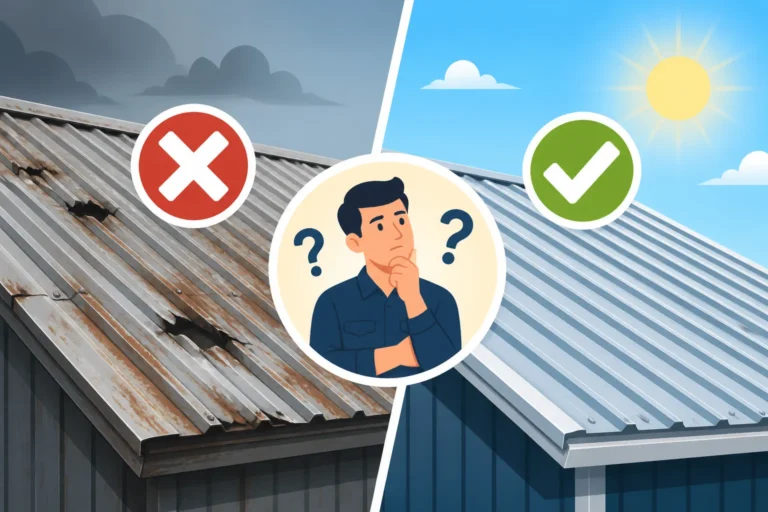
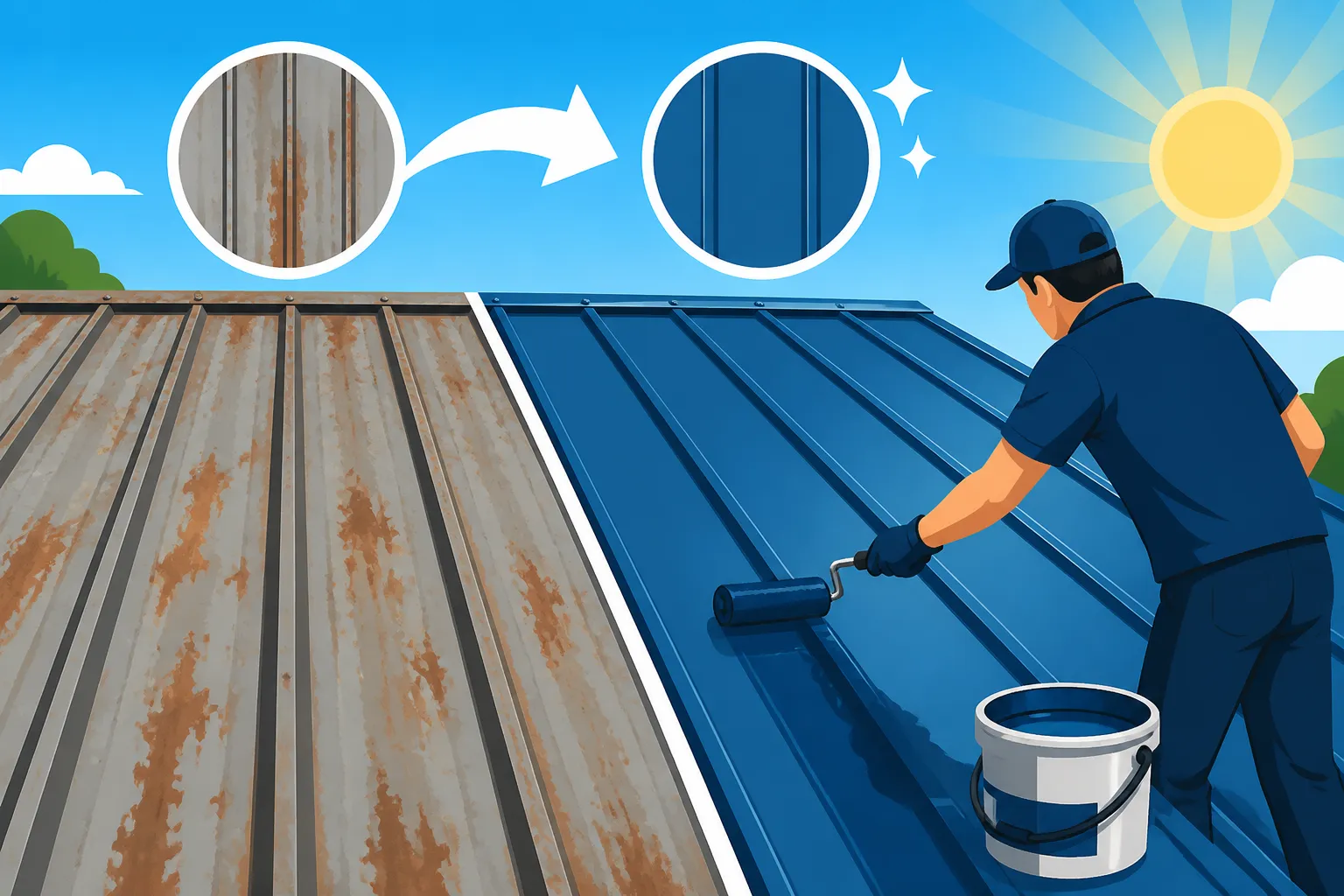
One of the most immediate and visible signs that your metal roof needs attention is a change in its color and texture. Have you noticed that the rich forest green or classic charcoal gray of your roof now looks muted, patchy, or even streaky? This is usually due to UV degradation. The sun's powerful ultraviolet rays slowly break down the pigments and binders in the paint or coating, causing the color to fade.
Closely related to fading is "chalking." This is when the surface of the roof develops a powdery, chalk-like residue that can rub off when touched. Chalking occurs as the resin in the paint or coating degrades, releasing loose pigment particles. While not immediately structural, severe chalking signals that the protective top layer is breaking down, leaving the underlying metal more exposed to potential damage and reducing its reflective properties. This isn't just an aesthetic issue; a chalky surface can also collect more dirt and grime, making your roof look perpetually dirty. It's a frustrating reminder that even the best materials need a little TLC to stay pristine.
Minor Surface Rust and Corrosion
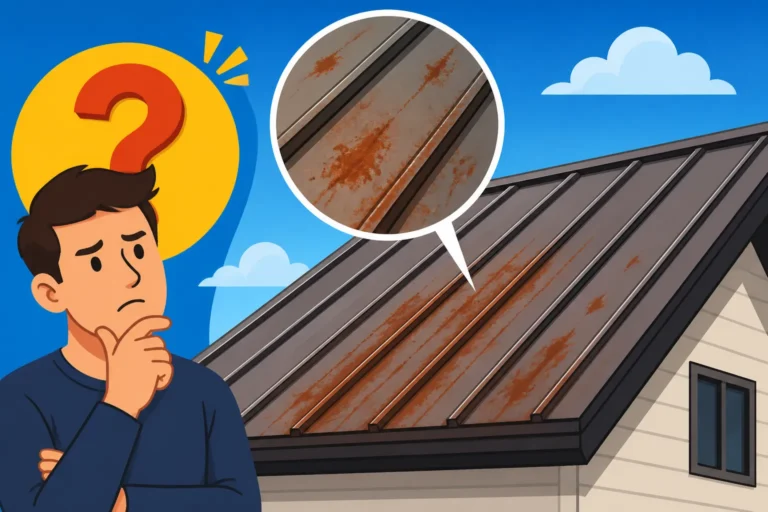
While metal roofs are celebrated for their rust resistance, especially those made from Galvalume or aluminum, the protective coatings are the first line of defense. If that coating is compromised—perhaps due to a scratch, abrasion, or prolonged fading and chalking—the bare metal can become exposed. This exposure, particularly in humid or coastal environments, can lead to minor surface rust or corrosion. You might spot small, reddish-brown spots or streaks, especially around fasteners, seams, or areas where debris tends to accumulate.
It's important to differentiate minor surface rust from structural corrosion. Small spots of surface rust on the coating's surface or around fasteners are often treatable and preventable from spreading with proper repainting or recoating. Ignoring these early signs, however, allows moisture to penetrate deeper, potentially leading to more serious, widespread corrosion of the metal panels themselves. Addressing these minor issues promptly with a new protective layer can save you from far more extensive and costly repairs down the line. You can learn more about Metal Roof Rust and Corrosion Treatment to understand how to handle these issues effectively.
Enhancing Curb Appeal and Property Value
Let's be honest, a faded, chalky, or slightly discolored roof doesn't do much for your home's curb appeal. Whether you're planning to sell your home soon or simply want to enjoy a beautiful property, a dull roof can significantly detract from its overall look. Repainting or recoating your metal roof is one of the most impactful ways to instantly boost its aesthetic appeal, making it look brand new again.
Imagine transforming a tired, streaky roof into a vibrant, uniform surface that complements your home's exterior. This visual upgrade can make your house stand out in the neighborhood, drawing positive attention and potentially increasing its market value. A well-maintained and attractive roof signals to potential buyers that the house has been cared for, giving them confidence in its structural integrity. It's an investment that pays off not just in personal satisfaction but also in tangible property value.
Extending the Lifespan of Your Roof
Beyond aesthetics, the primary reason to repaint or recoat your metal roof is to extend its functional lifespan. The factory-applied finish on metal roofing panels is crucial for protecting the underlying metal from UV radiation, moisture, and chemical exposure. When this coating degrades, the metal itself becomes vulnerable.
A new paint or coating acts as a sacrificial layer, taking the brunt of environmental abuse so the metal panels don't have to. It restores the roof's protective barrier, preventing water intrusion, inhibiting rust and corrosion, and maintaining the roof's energy-efficiency properties. Many modern coatings, especially elastomeric options, can even add an extra layer of waterproofing and flexibility, further enhancing the roof's resilience. Think of it as giving your roof a fresh coat of armor, allowing it to continue performing its job for many more years, potentially reaching or even exceeding its impressive Metal Roof Lifespan: How Long Do They Last?.
Understanding Repainting vs. Recoating
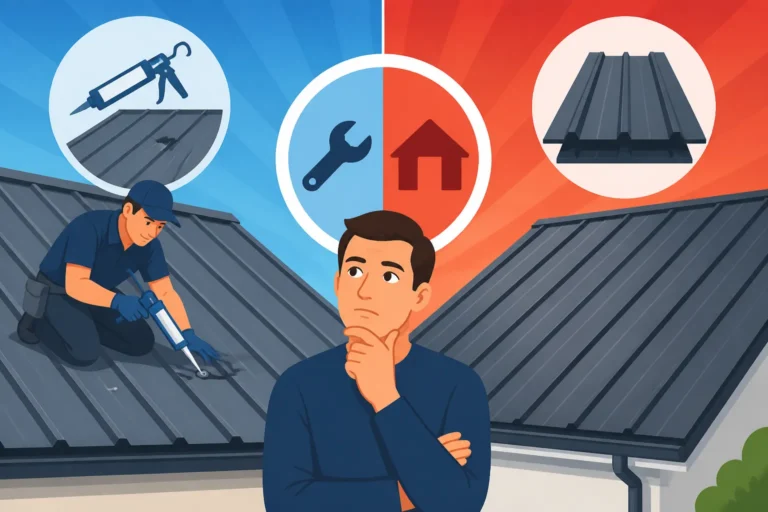
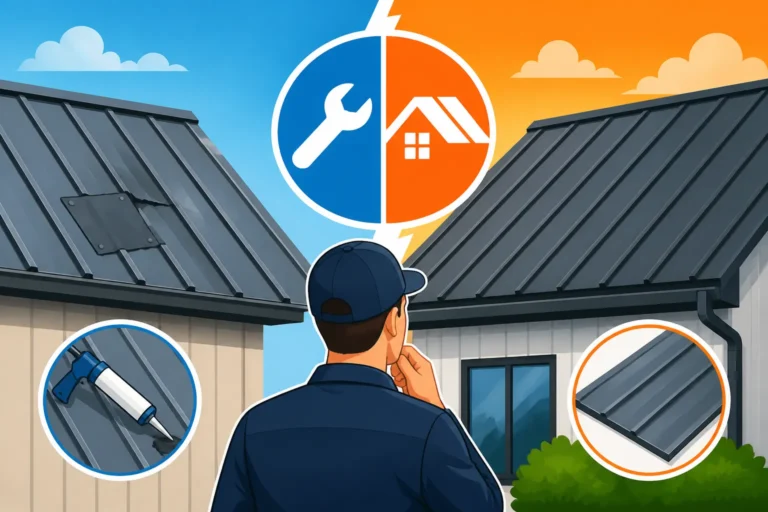
While often used interchangeably, "repainting" and "recoating" a metal roof can refer to slightly different approaches, primarily depending on the condition of your existing roof and the type of product being applied. Understanding the distinction will help you make the best choice for your specific situation.
What is Repainting a Metal Roof?
Repainting a metal roof generally refers to applying a new layer of colored paint, similar to the original factory finish, primarily for aesthetic restoration and basic protection. This process is typically suited for roofs where the existing paint has faded, chalked, or discolored, but the underlying metal and its original coating are still largely intact and free from significant structural issues, widespread rust, or extensive damage.
The goal of repainting is to restore the roof's vibrant color and provide a fresh, uniform look. The paints used are usually high-performance architectural coatings designed for exterior metal surfaces, often acrylic or urethane-based, with good UV resistance and adhesion. These paints are generally thinner than dedicated roof coatings and focus on color retention and light protection. It's a great option if your roof simply looks tired and you want to bring back its original visual appeal, offering a significant improvement in curb appeal without a complete overhaul.
What is Recoating a Metal Roof?
Recoating, on the other hand, typically involves applying a thicker, more robust protective layer that does more than just add color. This process is often chosen for roofs that have more advanced signs of wear, such as widespread chalking, minor leaks, more significant surface rust, or a need for enhanced waterproofing and energy efficiency. Recoatings are essentially liquid-applied roof systems.
The materials used for recoating are specialized roof coatings, such as elastomeric acrylics, silicone, or urethane coatings. These products are designed to create a seamless, monolithic membrane over the entire roof surface. They are thicker, more flexible, and offer superior protection against UV rays, water penetration, and extreme temperatures. Elastomeric coatings, for instance, can expand and contract with the roof's thermal movement, preventing cracks and leaks. Silicone coatings are particularly resistant to ponding water and offer excellent UV stability. While recoating also restores aesthetics, its primary focus is on restoring and enhancing the roof's performance, sealing minor imperfections, and often providing substantial energy savings through high solar reflectivity. For roofs with issues like minor leaks, or where you really want to maximize the protective layer, recoating is often the more appropriate choice.
Key Differences and When to Choose Each
The fundamental difference lies in thickness, purpose, and the level of protection offered. Repainting is primarily for cosmetic renewal and basic surface protection, using standard architectural paints. Recoating is for performance enhancement and robust protection, using specialized, thicker, and more flexible roof coatings that create a protective membrane.
| Feature | Repainting | Recoating |
|---|---|---|
| Primary Goal | Aesthetic renewal, color restoration | Performance enhancement, waterproofing, energy savings |
| Material Type | Thinner architectural paints (acrylic, urethane) | Thicker, specialized roof coatings (elastomeric acrylic, silicone, urethane) |
| Thickness | Generally thinner | Significantly thicker, forms a membrane |
| Protection | Basic UV and weather protection | Superior UV, water, and thermal protection; seals minor leaks |
| Flexibility | Less flexible | Highly flexible, accommodates thermal movement |
| Cost | Generally lower per square foot | Generally higher per square foot (but offers more benefits) |
| Lifespan Added | 5-10 years (aesthetic) | 10-20+ years (functional and aesthetic) |
| Best For | Faded, chalky roofs with sound substrate | Worn, minorly leaking, or energy-inefficient roofs |
You should choose repainting if your metal roof is generally in good structural condition, with no significant rust, dents, or leaks, but simply looks dull and lacks its original vibrancy. It's a cost-effective way to refresh its appearance.
Opt for recoating if your metal roof is showing more signs of wear and tear. This includes widespread chalking, minor surface rust, small leaks, or if you're looking to significantly improve your home's energy efficiency. Recoating provides a much more robust protective layer that can address minor issues and extend the functional life of your roof by a substantial margin. For instance, high-performance elastomeric coatings can reflect a significant amount of solar radiation, keeping your attic and home cooler, which can be a huge benefit in sunny climates.
When is the Right Time to Repaint or Recoat?
Timing is everything when it comes to any home improvement project, and refreshing your metal roof is no exception. Jumping in too early might be unnecessary, while waiting too long could lead to more significant problems that a simple repaint or recoat can't fix.
Signs Your Roof is Ready for a New Finish
Your metal roof is usually pretty good at telling you when it needs attention. It's not going to send you an email, but it will show clear visual cues. One of the most obvious signs, as we've discussed, is significant fading and chalking. If your once-vibrant roof has become a dull, powdery shadow of its former self, that's a major indicator. This isn't just cosmetic; it means the protective resins in the coating are breaking down, leaving the metal more vulnerable.
Another critical sign is the presence of minor surface rust or corrosion, particularly around fasteners, seams, or areas where water might pool slightly. These little orange or brown spots are like tiny alarm bells, telling you that moisture is getting to the metal. If left unaddressed, these small patches can expand and compromise the integrity of the panels. Similarly, peeling, blistering, or chipping paint indicates that the adhesion of the existing coating is failing. Once the paint starts to lift, moisture can easily get underneath, accelerating damage. Any visible streaks, stains, or persistent discoloration that doesn't wash off easily also suggests that the current finish is no longer performing optimally. Paying attention to these Warning Signs Your Metal Roof Needs Attention can save you a lot of headache and expense down the road.
Age of Your Metal Roof and Existing Coating
The age of your metal roof and, more specifically, the age and type of its original coating, are crucial factors. Most high-quality metal roofs come with factory-applied coatings designed to last for 20 to 40 years against fading and chalking. However, environmental conditions play a huge role. A roof in sunny Florida will likely show signs of wear faster than one in a milder climate.
If your roof is 10-15 years old and starting to look tired, it's a good time to consider a refresh. The protective properties of the original coating, especially in high-UV environments, might be diminishing. Even if the metal itself is still in fantastic shape, a new coating can rejuvenate its appearance and extend its protective capabilities. It's often a proactive measure to prevent more serious issues before they even begin. If you know what type of coating you have, like a PVDF vs SMP Paint Coatings for Metal Roofs, you can research its typical lifespan and better gauge when it might need attention.
Climate Considerations and Weather Timing
The climate you live in and the specific weather conditions at the time of application are absolutely critical for a successful repaint or recoat. Most paints and coatings require specific temperature ranges for proper adhesion and curing, typically between 50°F and 90°F (10°C and 32°C). Applying in extreme heat can cause the paint to dry too quickly, leading to bubbling or poor adhesion, while applying in cold weather can prevent proper curing, making the coating brittle or flaky.
Humidity also plays a role. High humidity can slow drying times, while rain, of course, can ruin a fresh application. Therefore, generally, the best times to repaint or recoat are during the milder seasons: late spring, early summer, or early fall. Avoid the peak of summer's heat or the coldest winter months. Always check the manufacturer's specific recommendations for temperature, humidity, and drying times for the product you plan to use. A professional contractor will always factor in these weather conditions and even check the forecast meticulously to ensure ideal application, as a poorly timed application can lead to a quickly failing finish.
The Essential Steps for Proper Preparation
Listen, I can't stress this enough: with painting, whether it's your living room wall or your metal roof, preparation is 90% of the job. Skimp on the prep, and even the most expensive paint or coating won't stick, won't last, and will look terrible. This isn't just about aesthetics; it's about ensuring the new finish adheres correctly and provides the protection it's meant to.
Thorough Cleaning: Removing Dirt, Grime, and Mildew
Before a single drop of new paint or coating goes on, your roof needs to be spotlessly clean. This means getting rid of every speck of dirt, grime, dust, algae, moss, and that chalky residue we talked about. Think about it: if you paint over dirt, the paint will only adhere to the dirt, not the roof, and it'll start peeling off in no time.
The best way to achieve this is often with a thorough pressure washing. However, a word of caution: if you're not experienced, pressure washing a roof can be tricky. Too much pressure can damage the existing coating or even warp metal panels, while too little won't get the job done. Use a wide-angle nozzle and keep the spray moving. For stubborn grime, mildew, or algae, a cleaning solution specifically designed for roofs (often a mix of bleach, detergent, and water) can be applied and allowed to dwell before rinsing. Make sure to rinse extremely thoroughly to remove all cleaning solution residues, as these can interfere with adhesion. This step is critical; you can read more about How to Clean a Metal Roof Safely for detailed instructions and precautions. Ensure the roof is completely dry before proceeding to the next steps, which might take 24-48 hours depending on humidity.
Addressing Rust, Loose Paint, and Damage
Once clean and dry, it's time for a detailed inspection. This is where you address any imperfections that could undermine your new finish.
- Rust: Any visible rust spots, even minor ones, need to be treated. Light rust can often be removed with a wire brush or sandpaper. For more aggressive rust, you might need a rust converter product, which chemically transforms the rust into a stable, paintable surface. After treating, these areas often require a specialized rust-inhibiting primer. Ignoring rust means it will continue to spread under your new coating, eventually bubbling and pushing through.
- Loose Paint/Coating: Any areas where the old paint or coating is peeling, flaking, or blistering must be scraped away. Feather the edges so there isn't a noticeable lip where the old meets the new. This ensures a smooth, uniform surface for your new application and prevents the new coat from lifting off with the old.
- Dents and Damage: While a repaint/recoat won't fix structural damage, it's a good time to assess and address minor dents or dings. Smaller imperfections can sometimes be gently worked out or filled with a suitable metal repair compound, then sanded smooth. More significant damage, like large dents or punctures, might indicate a need for a Metal Roof Leak Repair Guide or even panel replacement, which goes beyond the scope of a simple repaint/recoat.
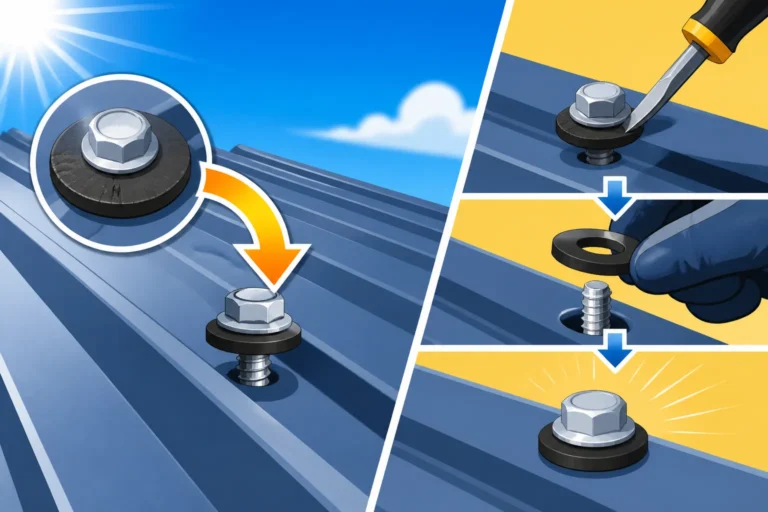
- Loose Fasteners: Check all exposed fasteners. If they're loose, tighten them. If the washers are deteriorated, replace them. Leaks around fasteners are common, and ensuring they're secure and sealed is a must.
Priming for Optimal Adhesion
After cleaning and repairing, priming is the final, non-negotiable step before applying your topcoat, especially if you've done any rust treatment or exposed bare metal. Primer acts as a bonding agent, creating a stable, uniform surface that the new paint or coating can adhere to optimally. It also helps seal any porous areas and provides an additional layer of corrosion resistance.
The type of primer you use is crucial. For metal roofs, you'll typically need a high-quality, corrosion-inhibiting primer specifically designed for metal surfaces. If you've treated rust, some primers are formulated to work particularly well over rust converters. Always ensure the primer is compatible with your chosen topcoat. Apply the primer evenly and allow it to cure completely according to the manufacturer's instructions before applying the finish coat. Skipping primer, especially on a roof that has seen better days, is a common mistake that leads to premature coating failure.
Choosing the Right Paint or Coating for Your Metal Roof
Selecting the right paint or coating is paramount. It's not just about color; it's about durability, protection, and performance. The options available can seem overwhelming, but understanding the characteristics of each will help you make an informed decision.
Types of Metal Roof Paints: Acrylic, Urethane, and Elastomeric
When you're looking to refresh your metal roof, you'll encounter a few common types of paint and coating technologies, each with its own strengths.
- Acrylic Paints: These are widely used for metal roofing due to their cost-effectiveness and good UV resistance. Acrylics offer a strong bond to metal surfaces and are available in a vast array of colors. They're generally easy to apply and clean up. High-quality acrylics are formulated to be flexible, allowing them to expand and contract with the metal panels without cracking. They provide good color retention and a solid level of protection against the elements, making them a popular choice for straightforward repainting projects where the primary goal is cosmetic enhancement and basic weatherproofing.
- Urethane Paints: Urethane-based coatings are known for their exceptional hardness, abrasion resistance, and chemical resistance. They create a tougher, more durable film than many acrylics, making them ideal for roofs in industrial areas or those exposed to harsh conditions. Urethanes also offer excellent gloss retention and color stability. However, they can be more challenging to apply, often requiring two-part systems, and typically cost more than acrylics. They provide a superior level of protection and can significantly extend the life of a metal roof, especially in demanding environments.
- Elastomeric Coatings: These are a standout choice when you're looking for serious protection and performance. Elastomeric coatings are much thicker and more flexible than standard paints. They can stretch and return to their original shape, accommodating the constant expansion and contraction of metal roofs due to temperature fluctuations. This flexibility is key to preventing cracks and leaks over time. Many elastomeric coatings are also highly reflective (often white), which significantly reduces heat absorption, leading to lower attic temperatures and potentially substantial energy savings. They are particularly effective for addressing minor leaks and extending the life of older roofs. The thickness of elastomeric coatings also provides an additional layer of waterproofing.
Advanced Coating Systems: PVDF (Kynar) and SMP
Beyond the commonly available acrylic, urethane, and elastomeric products, original factory-applied metal roof finishes often utilize even more advanced coating systems that offer superior longevity and performance. While these are primarily factory-applied, understanding them helps you appreciate what you're trying to emulate or replace.
- PVDF (Polyvinylidene Fluoride) Coatings (e.g., Kynar 500): These are considered the gold standard for factory-applied metal roof finishes. PVDF coatings, commonly branded as Kynar 500 or Hylar 5000, offer unparalleled color retention, chalking resistance, and gloss stability. They are incredibly resistant to UV degradation, chemical exposure, and abrasion. A PVDF coating can maintain its aesthetic appeal and protective properties for 30, 40, or even 50 years. While you won't typically apply a true PVDF coating in the field (it requires specific baking processes), some high-performance field-applied coatings aim to mimic aspects of their durability. If your existing roof had a PVDF finish, you're replacing a very high bar, and choosing a top-tier elastomeric or urethane coating is crucial to come close to that level of performance. You can compare the qualities of these factory finishes by reading more about PVDF vs SMP Paint Coatings for Metal Roofs.
- SMP (Silicone Modified Polyester) Coatings: SMP coatings are another popular choice for factory-finished metal panels, offering a good balance of performance and cost-effectiveness. They provide excellent resistance to chalking and fading, though generally not quite as long-lasting as PVDF. SMPs offer good hardness and flexibility, making them a durable option for many residential and commercial applications. They typically perform well for 20-30 years before showing significant signs of degradation. When recoating an SMP-finished roof, selecting a high-quality acrylic, urethane, or elastomeric coating will provide a robust new protective layer.
Color Selection and Energy Efficiency
Choosing the color for your metal roof isn't just about aesthetics; it also has a significant impact on your home's energy efficiency.
- Solar Reflectance (SR) and Thermal Emittance (TE): These two metrics are crucial for understanding how well a roof reflects sunlight and re-radiates absorbed heat. Lighter colors, especially white or light gray, have high SR values, meaning they reflect a lot of solar energy away from your home. This translates to less heat absorbed by the roof, keeping your attic and interior cooler, which can lead to lower air conditioning costs. They also typically have high TE, meaning they radiate absorbed heat efficiently.
- "Cool Roof" Technology: Many elastomeric coatings are specifically formulated as "cool roof" products, often available in white or very light shades. These coatings can drastically reduce the surface temperature of your roof, sometimes by 50-60°F or more compared to a dark-colored roof, especially in hot climates like Florida or Arizona. This not only saves energy but also extends the life of the roof by reducing thermal stress.
- Aesthetics vs. Performance: While a classic dark bronze or charcoal gray might look fantastic on your home, be aware that darker colors absorb more solar radiation. If energy efficiency is a top priority, especially in a warm climate, consider lighter, high-reflectivity options. However, modern paint technologies have also improved for darker colors, with some now incorporating "cool pigment" technology to reflect more infrared radiation even in darker hues. Always check the SR and TE values of the specific paint or coating you're considering. Remember, a refreshed roof should look great, but it can also be a savvy energy-saving upgrade. For more ideas on how to pick, check out Best Metal Roof Colors and How to Choose.
The Application Process: DIY vs. Professional
Once you’ve decided on the right coating and prepped your roof, the next big question is: do you tackle this project yourself, or do you bring in the pros? Both routes have their merits and challenges, and understanding them can save you a lot of grief, or money.
What's Involved in a Professional Application
Hiring a professional metal roofing contractor to repaint or recoat your roof offers several significant advantages. For starters, they bring specialized expertise, the right equipment, and safety gear that most homeowners simply don't have lying around.
- Expert Assessment: A reputable contractor will begin with a thorough inspection of your roof, identifying any hidden issues like damaged fasteners, compromised seams, or areas of heavy corrosion. This initial assessment helps them recommend the most appropriate cleaning methods, primers, and coatings for your specific roof and climate.
- Industrial-Grade Equipment: Professionals use commercial-grade pressure washers, surface grinders, and specialized spray equipment that ensure an even, consistent application of the coating. This isn't just about speed; it's about achieving the correct film thickness and coverage for optimal performance and longevity. They also have the proper safety harnesses, ropes, and anchoring points to work safely on pitched roofs, which is incredibly important.
- Preparation Done Right: They understand the nuances of surface preparation—the correct pressure for washing, the right chemicals for mildew, and the proper techniques for rust treatment and feathering loose paint. They know exactly how long primers need to cure and how many coats are necessary for your chosen product. This meticulous preparation is what makes a professional job last.
- Guaranteed Workmanship: Most professional contractors offer warranties on their workmanship, in addition to the manufacturer's warranty on the coating itself. This provides peace of mind that if something goes wrong due to the application, they will come back and fix it. Some manufacturers also require their products to be installed by certified professionals to validate their product warranties. When comparing bids, ask about both Metal Roof Warranties: Workmanship vs Manufacturer.
- Time and Efficiency: A professional crew can complete the job much faster and more efficiently than a DIY approach, minimizing disruption to your home life and ensuring the work is done within optimal weather windows. Finding a contractor for this specific task might involve using services like Modernize, who can connect you with pre-screened professionals in your area.
DIY Considerations and Potential Pitfalls
For the ambitious and handy homeowner, tackling a metal roof repaint or recoat might seem like an appealing way to save money. However, it's crucial to go into it with eyes wide open about the challenges and risks.
- Safety First (and Last, and Always): Working on a roof, especially a metal one, is inherently dangerous. Metal roofs can be slippery when wet or even slightly damp, and even on a dry day, a steep pitch is a fall hazard. Do you have proper fall protection gear, including a harness, ropes, and an anchor? Do you know how to use them correctly? Falls are a leading cause of construction injuries and fatalities, and homeowners are not immune. If safety is a concern, or if your roof has a significant pitch, this is a strong argument for hiring a professional.
- Specialized Knowledge and Tools: Do you know the difference between a wire cup brush and a flap disc for rust removal? Do you have a powerful enough pressure washer and the correct nozzle? Do you know how to properly apply primer to ensure maximum adhesion? Are you comfortable working with paint sprayers that can deliver a consistent film thickness, or will you be rolling the entire roof (which can be incredibly slow and lead to uneven results)? Achieving a professional-looking and long-lasting finish requires specific tools and knowledge that most DIYers don't possess. While it's possible to install a metal roof yourself, as discussed in DIY Metal Roof Installation: What to Know, simply painting it still requires significant skill.
- Product Selection and Application: Choosing the right coating from the myriad of options available can be overwhelming. Each product has specific application instructions, including ideal temperature ranges, dry times between coats, and required film thickness. Deviating from these can lead to premature failure of the coating. A DIYer might inadvertently choose a product not suited for their roof's existing condition or fail to apply it correctly, negating the entire effort.
- Time Commitment and Physical Demands: Cleaning, prepping, priming, and applying multiple coats to an entire roof is a physically demanding and time-consuming process. It's not a weekend project for most homes. Are you prepared to spend several consecutive days, possibly weeks, on this task, all while battling the elements and maintaining focus on detail?
- Warranty Issues: Most high-performance coatings come with manufacturer warranties. However, these warranties often have clauses stating that the product must be applied according to specific guidelines, sometimes even requiring professional certification. A DIY application might inadvertently void these valuable warranties.
Important Safety Precautions
Whether you go DIY or hire a pro, safety on a metal roof cannot be overstated. For DIYers, these precautions are absolutely non-negotiable:
- Fall Protection: This is paramount. Always use a proper fall arrest system, including a full-body harness, a shock-absorbing lanyard, and a secure anchor point. Never work alone.
- Footwear: Wear soft-soled, slip-resistant shoes. Avoid boots with aggressive treads that can scratch the roof's surface.
- Weather Watch: Never work on a wet or icy roof. Be aware of windy conditions, which can make working at heights even more dangerous and affect paint application. Avoid working in extreme heat, which can lead to heat exhaustion and also compromise coating application.
- Power Tools: If using power tools like grinders or pressure washers, ensure they are properly grounded and that you have a GFCI-protected outlet.
- Chemical Handling: Wear appropriate personal protective equipment (PPE) when working with cleaning solutions, rust converters, primers, and coatings. This includes gloves, eye protection, and a respirator, especially in enclosed areas or with solvent-based products. Read all product labels and safety data sheets (SDS).
- Ladder Safety: Use a sturdy ladder, extend it at least three feet above the roofline, and secure it at both the top and bottom. Maintain three points of contact when ascending or descending.
Ultimately, for most homeowners, especially on anything but the lowest-slope, smallest roofs, the risks and complexities of a DIY metal roof repaint or recoat often outweigh the potential cost savings. It's usually a job best left to experienced, insured professionals.
Cost Factors and What to Expect
Let's talk brass tacks: what's this going to cost you? The price tag for repainting or recoating a metal roof can vary significantly, just like the cost to repair other issues. It's influenced by a range of factors, from the materials you choose to the labor involved and the complexity of your roof.
Material Costs for Paints and Coatings
The type of paint or coating you select will be a major driver of your overall cost.
- Acrylic Paints: These are generally the most budget-friendly option, with prices typically ranging from $0.50 to $1.50 per square foot for the paint itself, depending on quality and brand. They offer good basic protection and color refresh.
- Urethane Paints: Stepping up in durability, urethane coatings usually cost more, often between $1.50 and $3.00 per square foot for the material. They provide a harder, more chemical-resistant finish.
- Elastomeric Coatings: These high-performance coatings, known for their flexibility, waterproofing, and energy-saving properties, are often the most expensive material-wise. Expect to pay anywhere from $2.00 to $4.00+ per square foot for elastomeric coatings, especially specialized silicone or highly reflective options.
Remember, these are just the coating materials. You'll also need to factor in the cost of cleaning solutions, rust treatments, primers, and any repair materials (sealants, fasteners, etc.). If you're tackling any metal roof repair beforehand, that's a separate line item. The quality of these ancillary products matters; don't cheap out on primer, as it's the foundation for your new finish.
Labor Costs for Professional Application
Hiring professionals will, of course, add labor costs, but it often pays for itself in quality, longevity, and peace of mind. Labor rates for metal roof repainting or recoating can vary widely based on your location, the complexity of your roof, and the contractor's experience.
- Preparation: A significant portion of the labor cost is dedicated to thorough preparation. This includes pressure washing, scrubbing, rust treatment, scraping loose paint, and applying primer. This detailed prep is what takes the most time and is where a professional's expertise truly shines.
- Application: The actual application of the paint or coating will depend on the chosen method (spraying vs. rolling) and the number of coats required. Spraying is generally faster but requires specialized equipment and skill to ensure even coverage.
- Roof Complexity: A simple, low-pitch gable roof will be much less labor-intensive than a complex roof with multiple valleys, dormers, skylights, and a steep pitch. More angles, penetrations, and height mean more cutting, more detail work, and higher safety requirements, all of which drive up labor costs.
- Regional Differences: Labor rates fluctuate by region and even by city. A project in Los Angeles or New York will likely have higher labor costs than in a rural area in the Midwest.
- Total Project Cost: When you factor in both materials and labor, a professional metal roof repaint or recoat typically ranges from $2.50 to $7.00 per square foot, installed. For a standard 2,000 square foot house, this could mean a total cost between $5,000 and $14,000. While this might seem like a substantial investment, compare it to the full Metal Roof Cost: Complete 2026 Guide for a brand new roof, which can be significantly higher.
When getting quotes, make sure they are detailed and itemize the cleaning, prep, primer, and coating application. Don't just accept a lump sum. This allows you to compare bids apples to apples and understand exactly what you're paying for.
Long-Term Value and ROI
While the upfront cost of repainting or recoating might seem high, consider the long-term value and return on investment (ROI).
- Extended Roof Lifespan: A quality repaint or recoat can add 10-20 years or more of functional life to your existing metal roof. This delays the much larger expense of a full roof replacement by a significant margin.
- Enhanced Energy Efficiency: Especially with highly reflective elastomeric "cool roof" coatings, you can see noticeable reductions in your cooling costs. Over the lifespan of the coating, these energy savings can amount to hundreds or even thousands of dollars, effectively offsetting a portion of your initial investment.
- Increased Property Value: A freshly painted or recoated metal roof significantly boosts your home's curb appeal, making it more attractive to potential buyers. A well-maintained roof is a major selling point and can contribute to a higher appraisal value.
- Preventative Maintenance: Addressing fading, chalking, and minor rust proactively is far less expensive than waiting for these issues to escalate into major leaks, extensive corrosion, or structural damage that would necessitate costly repairs or a complete tear-off and replacement. Think of it as an investment in preventative care for your home's most important protective barrier.
While a full replacement is sometimes necessary, extending the life and revitalizing the look of your existing metal roof through repainting or recoating is often a smart, cost-effective decision that provides both immediate aesthetic benefits and long-term financial returns.
Maintaining Your Newly Finished Metal Roof
Alright, you've gone through all the effort, maybe even spent a pretty penny, to get that metal roof looking brand new again. The last thing you want is for it to fade and wear prematurely. Just like any other part of your home, a newly painted or recoated metal roof benefits immensely from ongoing care and attention.
Regular Cleaning and Inspection
Think of your roof like your car: it needs a wash every now and then, and a quick check-up. Regular cleaning is essential to prevent the buildup of dirt, grime, leaves, and other organic debris that can trap moisture and potentially degrade your new coating. A simple rinse with a garden hose can often do the trick, especially after heavy winds or pollen season. For more stubborn areas, a soft-bristled brush with a mild detergent and water can work wonders. Avoid harsh chemicals or abrasive scrubbers that could scratch or damage the new finish.
Annual or semi-annual inspections are just as important. Take the time, or hire a professional, to safely walk your roof (or inspect it from a ladder or drone) and look for any potential issues. What are you looking for?
- Minor Scratches or Chips: Even the best coatings can get scratched by falling branches or debris.
- Signs of Mildew or Algae: Especially in shaded areas, these can start to grow again.
- Loose Fasteners: Check if any screws are backing out or if their washers are deteriorating.
- Seam Integrity: Ensure all seams and flashing areas are still sealed tight.
- Gutter Performance: Make sure gutters are clear and draining properly, as overflowing gutters can cause water to pool on the roof or splash back onto the fascia, leading to problems.
Catching these Metal Roof Inspection: What to Check issues early can prevent them from becoming major headaches down the road.
Touch-Ups and Minor Repairs
No coating is indestructible. Life happens, and minor damage can occur. The good news is that small issues on a repainted or recoated roof are often easy to address.
- Scratches and Chips: If you find a small scratch or chip that exposes the underlying metal, don't panic. For minor cosmetic damage, you can usually get a small can of touch-up paint directly from your contractor or the coating manufacturer, matching the color precisely. Clean the area thoroughly, apply a small dab of appropriate primer if bare metal is exposed, and then carefully brush on the touch-up paint.
- Loose Fasteners: If you spot a loose fastener, gently tighten it. If the washer is cracked or worn, it might need to be replaced. These small fixes are crucial because a loose fastener is a direct invitation for a leak.
- Minor Leaks: If you notice a very small leak, it might be due to a compromised seam or a fastener issue. For seams, a high-quality, compatible metal roof sealant can be applied. However, if leaks are widespread or persistent, it's time to call in a professional, as it might indicate a more systemic issue or improper initial application. For comprehensive guidance, refer to a Metal Roof Leak Repair Guide.
The key is to address these minor issues as soon as you spot them. Procrastination is the enemy of roof longevity.
Understanding Your Coating's Warranty
Your new coating, especially if professionally applied, almost certainly comes with a warranty. This is your safety net and an important document to understand.
- Manufacturer's Warranty: This covers the material itself against defects, excessive fading, chalking, or adhesion failure under normal conditions. The length can vary widely, from 5 years for basic paints to 20 years or more for high-performance elastomeric or urethane coatings. Read the fine print to understand what is covered, what isn't, and what actions might void the warranty (e.g., using incompatible cleaning agents).
- Workmanship Warranty: If you hired a professional, they should provide a warranty on their installation and application. This covers issues arising from improper preparation or application techniques, such as premature peeling, bubbling, or insufficient coverage. This typically lasts for a few years after the job is completed.
- Maintenance Requirements: Be aware that most warranties require you to perform regular maintenance, such as cleaning and inspections, to remain valid. Neglecting your roof might give the manufacturer or contractor grounds to deny a claim.
- Transferability: If you plan to sell your home, check if the warranty is transferable to a new owner. A transferable warranty can be a valuable selling point.
Make sure you keep all warranty documents, receipts, and any care instructions provided by your contractor or the coating manufacturer in a safe place. Following their guidance and conducting routine maintenance is the best way to ensure your beautiful, protected metal roof lasts for decades. Regularly reviewing your Metal Roof Maintenance Guide will keep your roof in tip-top shape.
Disclaimer
Please note that this guide provides general information and recommendations. Metal roofing projects can be complex and involve significant safety risks. Always consult with qualified and licensed metal roofing professionals for specific advice tailored to your property and local building codes. Prices and material availability are subject to change based on market conditions and location. We do not endorse any specific brand or product mentioned over others.