What Is a Ribbed Panel Metal Roof?
Trying to figure out which metal roof is right for your home can feel like learning a whole new language, with all the different styles and technical terms flying around. If you've heard "ribbed panel" and wondered what that truly means for your house's curb appeal, durability, and your wallet, you're definitely not alone. This guide is designed to demystify ribbed panel metal roofs, helping you understand their unique features, robust benefits, and whether they're the perfect, long-lasting fit for your next roofing project.
Understanding Ribbed Panel Metal Roof Systems
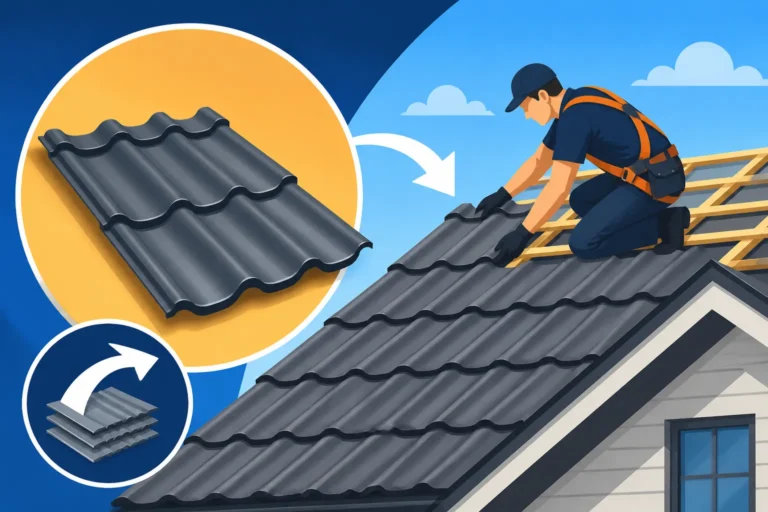
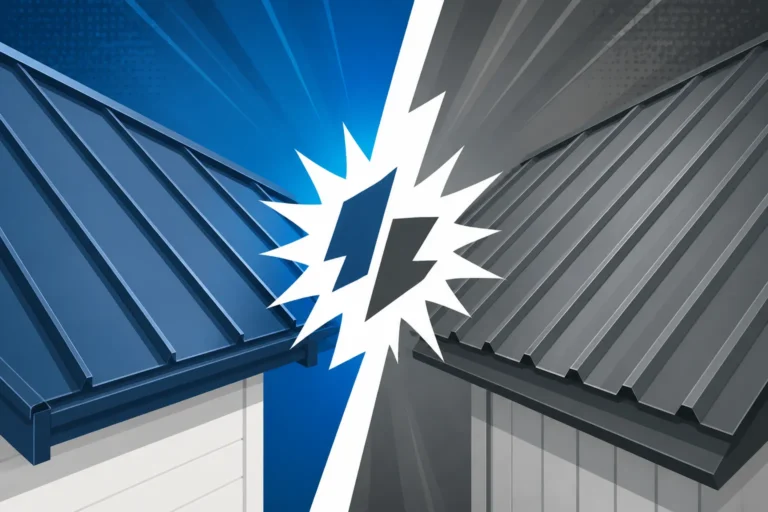
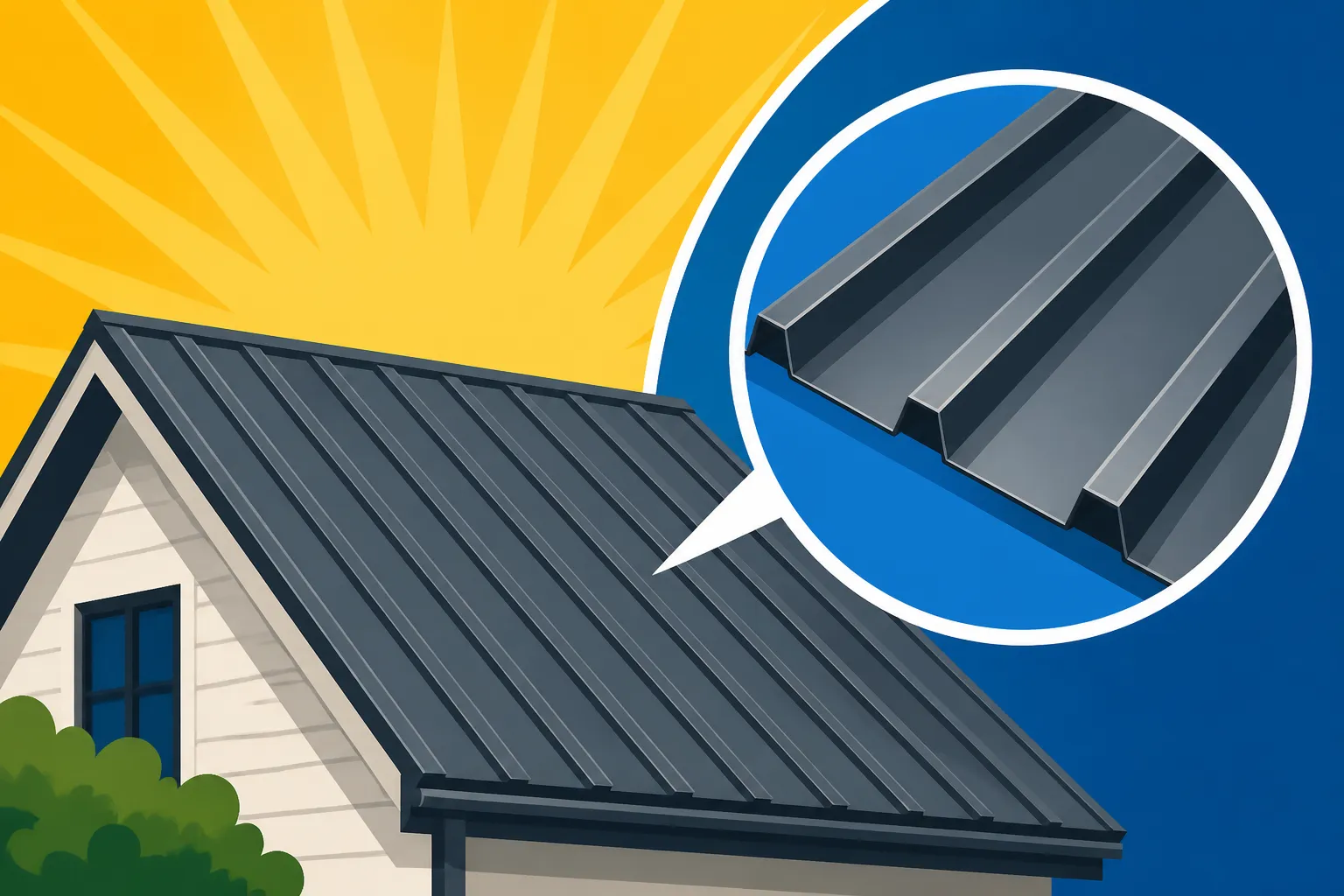
When we talk about ribbed panel metal roofs, we're generally referring to a broad category of metal panels characterized by their distinct, raised linear ribs and flat sections (called "flats" or "pans") between them. Unlike the sleek, often understated look of a Standing Seam Metal Roof Cost, ribbed panels typically feature exposed fasteners and a more utilitarian, yet incredibly durable, aesthetic. They've earned their stripes in commercial, agricultural, and industrial settings for decades, proving their mettle against harsh weather and heavy use. However, their cost-effectiveness and rugged charm are increasingly making them a popular choice for residential applications, from modern farmhouses to rustic cabins and even suburban homes looking for a distinctive, long-lasting roof.
What Defines a Panel as "Ribbed"?
The key characteristic, as the name suggests, is the presence of these parallel ribs or corrugations that run along the length of each panel. These ribs aren't just for looks; they are crucial to the panel's structural integrity. The raised sections significantly strengthen the metal, allowing it to span greater distances between purlins or decking without sagging. More importantly, they create channels that efficiently shed water and snow, directing it down the roof slope and away from your home. The depth and spacing of these ribs can vary significantly, leading to different profiles and, consequently, different levels of strength, water-shedding capabilities, and aesthetic appeal. Think of it like a corrugated cardboard box – the corrugations are what give it surprising strength.
Common Materials and Protective Coatings
Ribbed panel roofs are predominantly made from steel, specifically galvanized or Galvalume steel. Galvanized steel is coated with zinc to prevent rust, while Galvalume adds aluminum to the zinc, providing even superior corrosion resistance, especially in coastal or humid environments. Aluminum is another excellent, lightweight option, particularly popular for its natural resistance to rust and corrosion, making it a stellar choice in salty air. Copper and zinc are also used but are far less common for standard ribbed panels due to their significantly higher cost.
Beyond the base metal, the panels are often finished with high-performance paint systems. The two most common are Siliconized Modified Polyester (SMP) and Kynar 500® or Hylar 5000® (which are brands for PVDF coatings). PVDF coatings like those from Valspar and AkzoNobel are known for their exceptional color retention and resistance to fading, chalking, and dirt accumulation, offering a vibrant look for decades. SMP coatings are a more budget-friendly option that still provides good durability and color stability. Understanding the type of paint finish is just as important as the metal itself, as it plays a huge role in the roof's longevity and appearance.
Different Profiles of Ribbed Metal Panels
While all ribbed panels share the fundamental design of raised ribs, there's a fascinating variety in their specific profiles. Each design offers a slightly different look, performance characteristic, and installation nuance. Knowing these distinctions can help you pinpoint the exact style that aligns with your home's architecture and your practical needs.
R-Panel and PBR-Panel: The Robust Workhorses
The R-panel is perhaps one of the most recognized types of ribbed metal roofing, known for its bold, trapezoidal ribs. It's often associated with commercial and industrial buildings due to its incredible strength and ability to cover large areas quickly. The "R" in R-panel traditionally referred to "roofing," but its robust nature has made it popular for walls too.
The PBR-panel (Purlin Bearing Rib) is very similar to the R-panel but with a crucial difference: it features an extra leg or overlap at the side seam. This additional bearing surface allows for better attachment to the purlins (horizontal framing members) beneath the panels, creating a stronger, more weather-tight overlap. This makes PBR-panels an even more secure option, particularly favored in areas prone to high winds or heavy snow loads. Both R-panel and PBR-panel are excellent choices for projects prioritizing durability and cost-effectiveness, though their pronounced rib profile gives them a distinctly utilitarian or modern-industrial look that might not suit every homeowner's aesthetic preference. Many homeowners are surprised to learn about the R-Panel Metal Roof Cost, finding it often more affordable than they initially expected.
U-Panel: A Smoother, Subtler Option
The U-panel offers a slightly softer aesthetic compared to the more aggressive profile of R-panels. While still featuring prominent ribs, the U-panel's ribs are typically a bit shallower and more rounded or squared off, creating a less dramatic shadow line. This can translate to a smoother, more refined look that bridges the gap between the bold commercial appearance of an R-panel and the more traditional residential feel. U-panels are also commonly used in both roofing and siding applications and provide excellent protection and longevity. They maintain many of the structural advantages of ribbed panels but with a slightly less industrial visual impact, making them a good compromise for homeowners who appreciate the benefits of exposed fastener metal roofing but prefer a more subdued profile.
5V Crimp: The Classic and Coastal Favorite
The 5V Crimp panel is instantly recognizable by its distinctive five "V" shaped crimps or ribs running down the length of the panel. This classic profile has a rich history, particularly in agricultural and coastal regions of the southern United States. Its unique V-shaped ribs are designed to create efficient water channels while offering a charming, traditional aesthetic that evokes images of old farmhouses and seaside cottages.
Beyond its nostalgic appeal, the 5V Crimp design is highly effective. The overlapping V-crimps create a strong, weather-resistant seal, and the overall profile provides excellent rigidity. It's a popular choice for homeowners who want a roof that combines historical character with the modern durability and low maintenance of metal. You can learn more about the specific costs associated with this style in our guide on 5V Crimp Metal Roof Cost.
Here's a quick comparison of these popular ribbed panel types:
| Panel Type | Rib Profile | Common Application | Key Differentiator | Aesthetic |
|---|---|---|---|---|
| R-Panel | Trapezoidal, strong | Commercial, light industrial, residential | High strength, widely available | Bold, industrial, modern |
| PBR-Panel | Trapezoidal with extra leg | Commercial, agricultural, residential | Enhanced structural overlap for purlins | Bold, highly robust, industrial |
| U-Panel | Shallower, rounded/squared | Commercial, residential | Softer profile than R-panel | Subtler, less industrial |
| 5V Crimp | Five "V" shaped crimps | Agricultural, residential (coastal) | Classic, historical, excellent water shedding | Traditional, rustic, coastal charm |
Advantages and Considerations for Homeowners
Choosing a ribbed panel metal roof for your home involves weighing a fantastic set of benefits against a few considerations. For many, the advantages far outweigh the drawbacks, especially when looking for a durable, cost-effective, and distinctive roofing solution.
The Budget-Friendly and Robust Choice
One of the most compelling reasons homeowners turn to ribbed panel metal roofs is their excellent value. Generally, these exposed fastener systems are more affordable than their standing seam counterparts, making the initial investment more manageable. This doesn't mean you're sacrificing quality, though. They offer incredible durability and longevity, often lasting 40-70 years or more, easily outperforming traditional asphalt shingles which typically need replacement every 15-30 years. This long lifespan means fewer replacements over your home's lifetime, saving you money and hassle in the long run. To get a better sense of how this compares to other options, check out our comprehensive guide on Metal Roof Cost: Complete 2026 Guide.
Beyond cost, their robustness is a major draw. Ribbed panels are designed to withstand challenging weather conditions, including high winds (many are rated for 150+ MPH), heavy snow loads, and hail. The inherent strength of the ribbed design, combined with durable steel or aluminum, provides a formidable shield for your home. While they're incredibly strong, it's still good to know about a metal roof's overall longevity. You might be interested in How Long Does a R-Panel Metal Roof Last? to understand the expected lifespan specifically for this type of panel.
Aesthetic Appeal and Customization Potential
While often perceived as industrial, ribbed panel roofs offer a surprising amount of aesthetic versatility for residential homes. The variety in rib profiles, as discussed above, allows for different visual textures, from the bold lines of an R-panel to the traditional charm of a 5V Crimp. The biggest canvas for customization comes with color and finish. Modern manufacturing techniques offer a vast palette of colors, from subdued earth tones and classic grays to vibrant blues and reds. Many finishes include cool roof pigments that reflect solar radiation, helping to reduce energy consumption and keeping your home cooler in hot climates. This energy efficiency can even lead to savings on your utility bills, making the roof an investment that pays you back over time.
For homeowners aiming for a specific architectural style—be it modern farmhouse, industrial chic, or a more rustic, agricultural look—a ribbed panel roof can be the perfect complement, providing character and a distinct visual statement that stands out from a sea of asphalt shingles.
Longevity and Maintenance Aspects
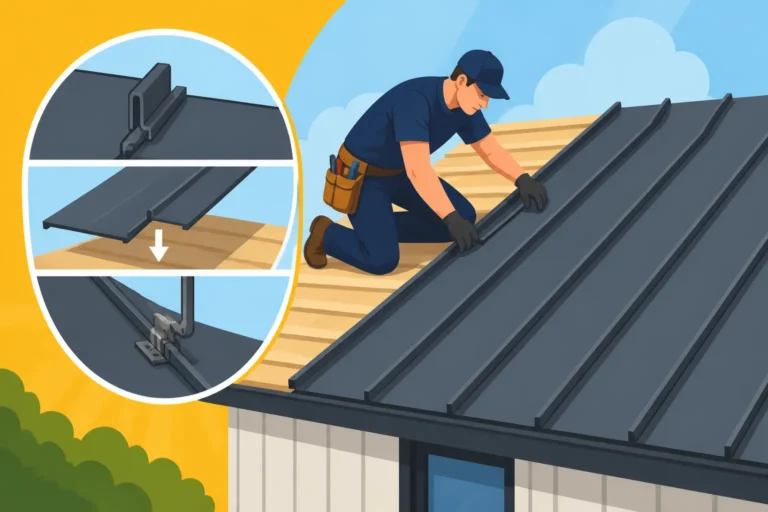
The longevity of a ribbed panel metal roof is truly impressive. With proper installation and minimal maintenance, these roofs can easily outlive the homeowners who install them. However, it's important to be realistic about the "exposed fastener" aspect. Unlike standing seam roofs where fasteners are hidden beneath the panels, ribbed panels use screws with washers that are driven through the panel directly into the purlins or decking below. Over decades, these washers can degrade, or the screws can loosen, potentially becoming a source of leaks. This means occasional inspection and potential replacement of fasteners are a part of a ribbed panel's long-term maintenance.
This isn't a deal-breaker for most, as these repairs are typically straightforward and far less common than, say, patching an asphalt shingle roof. Many homeowners consider this a minor trade-off for the initial cost savings and overall durability. Regular cleaning, often just a simple rinse, helps maintain the aesthetic and performance of the coatings.
Installation and Finding a Qualified Contractor
The proper installation of a ribbed panel metal roof is paramount to its long-term performance and durability. Even the highest quality materials can fail prematurely if not installed correctly. This is where the expertise of a seasoned metal roofing contractor truly shines.
The Installation Process Overview
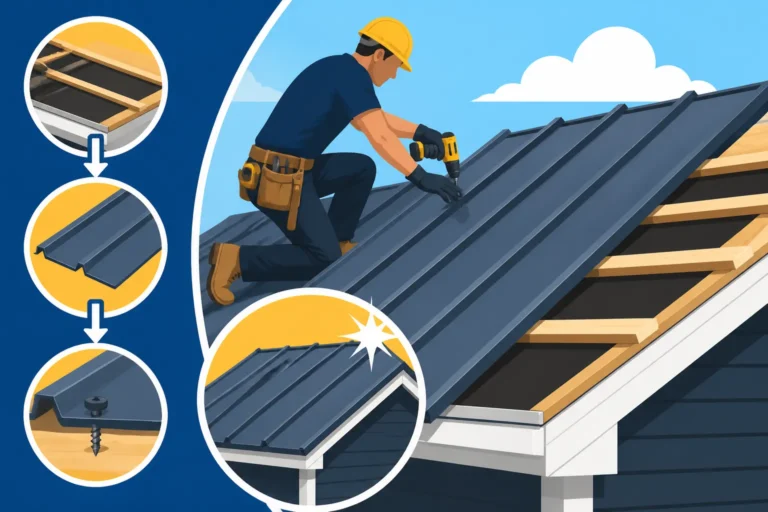
The installation of a ribbed panel metal roof typically follows several key stages. First, the existing roof might need a tear-off, especially if there are multiple layers of old shingles or structural damage. Next, a solid substrate, usually plywood decking, is prepared. Then, a high-quality underlayment is rolled out. While a metal roof itself is highly waterproof, the underlayment provides an essential secondary barrier against moisture intrusion, protecting your home from condensation or any unforeseen leaks. You can dive deeper into this topic with our guide on Metal Roof Underlayment and Ventilation Guide.
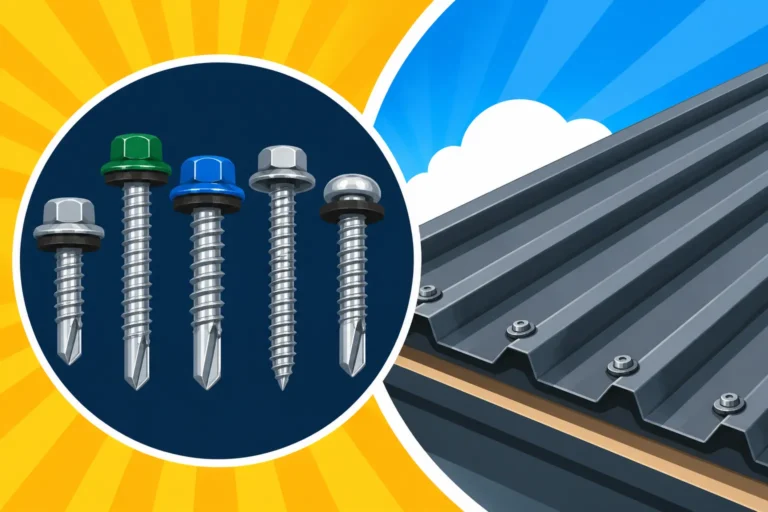
Once the underlayment is in place, the metal panels are carefully measured, cut, and lifted into position. The panels are then secured using specialized, self-tapping screws with neoprene washers, which create a watertight seal around the fastener penetration. These screws are typically spaced according to manufacturer specifications and local building codes, often every 12 to 24 inches along the ribs. Finally, flashing is installed around all penetrations (chimneys, vents, skylights) and at edges to ensure a completely watertight system. The entire process requires precision and an understanding of metal's unique properties, such as expansion and contraction. For a more detailed breakdown, our Metal Roof Installation Process: Step by Step guide is an invaluable resource.
What to Look for in an Installer
Finding the right contractor is arguably the most critical step. You need a team with specific experience installing ribbed panel metal roofs, not just general roofing experience. Here’s what to prioritize:
- Experience with Metal: Ask how many metal roofs, specifically ribbed panel systems, they install per year. Look for contractors who have a proven track record and can provide references for previous metal roofing jobs.
- Licensing, Insurance, and Bonding: Always verify that the contractor is properly licensed, carries adequate liability insurance (to protect you from damage or injury on your property), and is bonded (which offers a layer of financial protection if they fail to complete the job).
- Manufacturer Certifications: While less common for basic exposed fastener systems than for standing seam, some manufacturers offer specific training or certifications for their products. This shows a commitment to best practices.
- Comprehensive Quotes: A good quote should detail materials, labor, underlayment, tear-off (if needed), disposal, and warranty information. Be wary of quotes that seem too low, as they might indicate shortcuts or hidden costs down the line. To make sure you're getting competitive and fair pricing, using a service like Modernize can help you connect with qualified local professionals and streamline the quote process.
- Warranties: Understand both the manufacturer's warranty on the materials (covering defects, fading, chalking) and the contractor's workmanship warranty (covering installation errors).
The process of finding a contractor can be daunting, but it's worth the effort. Our comprehensive guide on How to Hire a Metal Roofing Contractor can walk you through the essential steps to ensure you pick a reputable and skilled professional.
Disclaimer
Please remember that this article provides general informational guidance only and is not intended as professional advice. Metal roofing projects involve specific technical details and safety considerations. Always consult with a qualified, licensed, and insured metal roofing professional for advice tailored to your specific situation, local building codes, and structural requirements. Prices, product availability, and regulations can change, so always verify current information with local experts.