Best Metal Roof for Snow and Cold Climates
Winter can be incredibly tough on roofs, especially with the constant cycle of heavy snowfall, ice accumulation, and fluctuating temperatures that many homeowners experience. The thought of your roof buckling under a massive snow load, suffering from ice dams, or developing leaks from freeze-thaw cycles is enough to keep anyone up at night. This comprehensive guide will walk you through the best metal roofing options specifically designed to tackle the challenges of snow and cold climates, ensuring your home stays protected and warm through the harshest winters.
Why Metal Roofs Excel in Snow and Cold Climates
When the snow starts to fly and temperatures plummet, many roofing materials begin to show their weaknesses. Asphalt shingles can become brittle, crack, and even shed granules under the constant assault of ice and snow. Metal roofs, however, are built differently, offering a suite of advantages that make them a superior choice for regions plagued by harsh winters. Their inherent properties are perfectly suited to combat the specific environmental stressors that cold, snowy climates present, giving homeowners peace of mind.
Superior Snow and Ice Shedding Capabilities
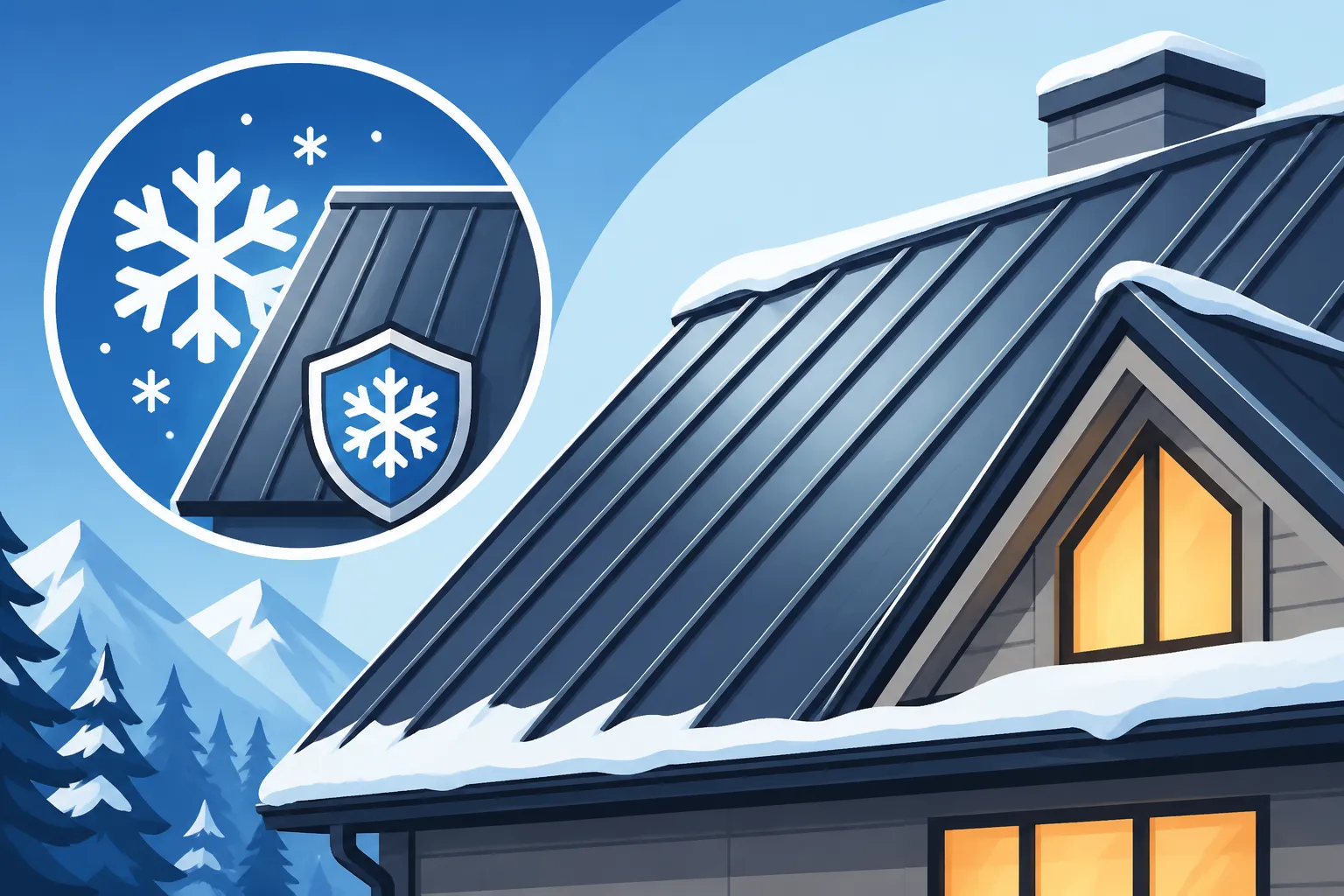
One of the most immediate benefits you'll notice with a metal roof in a snowy region is its incredible ability to shed snow and ice. Unlike granular asphalt shingles that can hold onto snow, potentially leading to heavy loads and ice dam formation, the smooth, hard surface of most metal roofing panels allows snow to slide right off. This isn't just a matter of convenience; it's a critical safety and structural benefit.
When a heavy snowpack accumulates on a roof, it puts immense stress on the entire structure of your home. Metal roofs, by design, minimize this burden. The slick surface, especially on profiles like standing seam, means that snow won't linger for long, significantly reducing the live load on your roof. This natural snow shedding also helps prevent the dreaded ice dams, which form when snow melts, refreezes at the eaves, and causes water to back up under your shingles. Metal roofs minimize the opportunity for this to happen, protecting your eaves, gutters, and interior from water damage. While natural shedding is a huge advantage, it's worth noting that managing snow release can be important for safety around entrances and walkways, often necessitating the installation of Snow Guards and Winter Metal Roof Issues.
Unmatched Durability Against Freeze-Thaw Cycles
The freeze-thaw cycle is the silent killer of many traditional roofing materials. Water seeps into tiny cracks, freezes, expands, and then thaws, slowly but surely deteriorating the material. This relentless process can quickly degrade shingles, leading to cracks, lifting, and eventual leaks. Metal roofs, however, are largely impervious to this cycle. Their non-porous nature means water can't penetrate and cause internal damage.
Most metal roofing materials like steel and aluminum are engineered to withstand extreme temperature fluctuations without cracking, warping, or becoming brittle. They maintain their integrity whether it's 20 degrees below zero or a sunny winter day. This inherent resilience means a metal roof will outlast traditional options by decades, making it a sound investment for homeowners in cold climates. This extreme durability contributes significantly to the overall Metal Roof Lifespan: How Long Do They Last?, offering peace of mind for generations.
Enhanced Energy Efficiency in Colder Temperatures
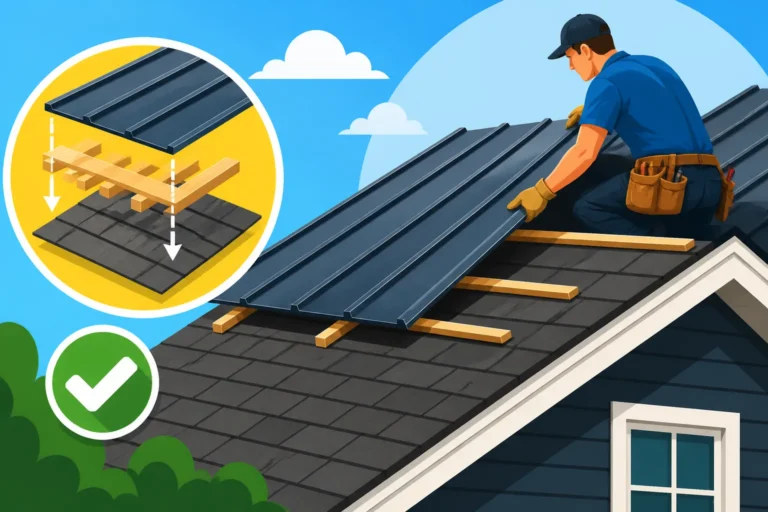
While often highlighted for their reflective properties in hot climates, metal roofs also contribute to energy efficiency in cold environments. Many modern metal roofing systems incorporate cool roof coatings that, while reflective in summer, also help to insulate in winter. Furthermore, the design of metal roofs, particularly those installed with a vented air space between the metal panels and the roof deck, can contribute to a more stable attic temperature.
Proper ventilation combined with the thermal properties of metal helps to prevent heat loss through the roof and maintains a consistent temperature within the attic space. This reduces the risk of condensation forming, which can lead to mold and rot. By minimizing heat loss, your heating system works less, leading to lower energy bills throughout the long winter months. A well-installed metal roof, especially when paired with adequate insulation and a robust Metal Roof Underlayment and Ventilation Guide, acts as an excellent thermal barrier for your home.
Essential Considerations for Metal Roofs in Cold Climates
Choosing a metal roof for a snowy, cold region isn't just about picking a material; it's about understanding how various factors interact with the harsh winter environment. From the basic structure of your roof to specialized accessories, each element plays a crucial role in the long-term performance and safety of your metal roofing system. Overlooking these details can lead to future headaches and unexpected expenses, so it’s vital to get it right from the start.
Understanding Roof Pitch and Snow Load
The pitch, or slope, of your roof is a critical factor when dealing with snow. A steeper pitch naturally encourages snow to slide off more readily, reducing the load on your roof structure. While metal roofs excel at shedding snow on almost any pitch, a very low-slope roof might retain snow longer, even with metal. This isn't necessarily a deal-breaker, but it requires careful consideration of the specific metal panel type and installation methods.
In areas with heavy snowfall, building codes often specify minimum snow load requirements – the amount of weight per square foot your roof must be able to safely bear. Metal roofs, being lighter than many other materials, often simplify meeting these requirements. However, the accumulation of snow and ice, especially in valleys or behind obstacles like chimneys, can still pose a threat. It's important to consult with a structural engineer or a knowledgeable roofing contractor, perhaps found through platforms like Modernize, to ensure your roof structure can adequately handle the maximum anticipated snow load for your specific location.
Incorporating Snow Retention Systems (Snow Guards)
While the natural snow-shedding ability of metal roofs is a huge advantage, it can also pose a hazard. When large sheets of snow and ice suddenly release from a slick metal roof, they can damage landscaping, vehicles, and, most importantly, injure people standing below. This is where snow retention systems, commonly known as snow guards or snow fences, come into play.
Snow guards are small devices, typically made of metal or clear polycarbonate, installed strategically across the roof panels to hold snow in place, allowing it to melt slowly and safely, or to release in smaller, more manageable sections. They are particularly crucial above entryways, walkways, driveways, and lower roof sections. The design and placement of snow guards depend on your roof pitch, the typical snow load in your area, and the specific metal roof profile you choose. Investing in a robust snow retention system is an essential part of a safe and effective metal roofing installation in a snowy climate, and is an integral component for comprehensive Snow Guards and Winter Metal Roof Issues planning.
The Role of Proper Insulation and Ventilation
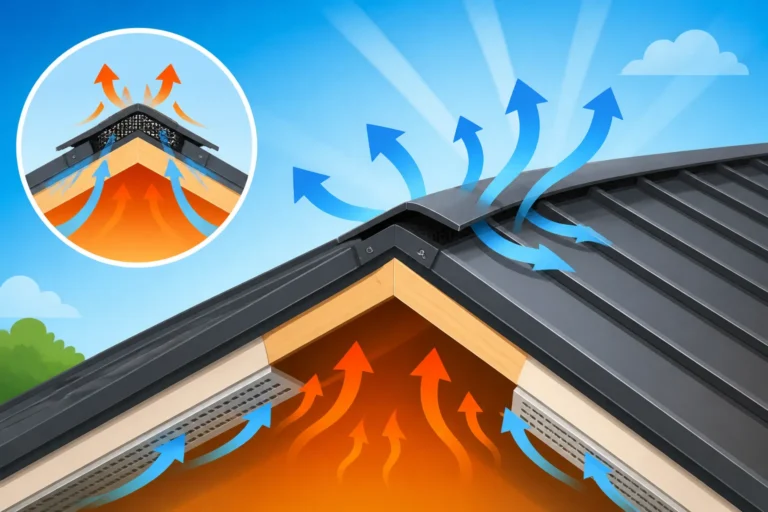
A common misconception is that a metal roof alone will solve all winter problems. In reality, the performance of your metal roof in cold climates is heavily reliant on a well-designed attic insulation and ventilation system. Without proper ventilation, warm, moist air from your home can rise into the attic, condense on the underside of your cold metal roof, and lead to serious issues.
Condensation can cause moisture damage to your roof deck, insulation, and even structural timbers. It can also lead to mold and mildew growth. A continuous flow of air through the attic, from intake vents at the eaves to exhaust vents at the ridge, helps to equalize the temperature and remove moisture. This prevents condensation and also contributes to preventing ice dams by keeping the entire roof surface uniformly cold. Proper insulation, typically R-value rated for your climate zone, along with effective ventilation, works synergistically with your metal roof to create a robust and energy-efficient building envelope, a critical topic also covered in depth in our Metal Roof Underlayment and Ventilation Guide.
Top Metal Roofing Materials for Cold Climates
When considering a metal roof for an area that sees significant snow and cold, the choice of material is paramount. Each metal type brings its own set of characteristics to the table, influencing durability, performance, and overall cost in freezing conditions. While all metal roofs offer advantages over traditional materials in winter, some are simply better suited to withstand the specific rigors of prolonged low temperatures, heavy snow loads, and constant freeze-thaw cycles. Understanding these differences is key to making the best investment for your home.
Robust Steel Options: Galvalume and Galvanized
Steel is by far the most common material for residential metal roofing, and for good reason. It offers an excellent balance of strength, durability, and cost-effectiveness. When it comes to performance in cold and snowy environments, steel stands up incredibly well. The key is in its protective coatings:
- Galvalume Steel: This is a fantastic choice for cold climates. Galvalume is steel coated with a blend of aluminum (55%) and zinc (45%). The aluminum provides excellent barrier corrosion resistance, while the zinc offers sacrificial protection at cut edges. This combination makes Galvalume highly resistant to rust and corrosion, even in the presence of snow, ice, and road salts that might splash onto lower roof sections. Its strength allows it to easily handle significant snow loads without denting or deforming.
- Galvanized Steel: Coated with 100% zinc, galvanized steel also offers good corrosion resistance, though generally not quite as superior as Galvalume in harsh conditions. However, it's still a robust and durable option. Both Galvalume and galvanized steel are available in various gauges (thicknesses), with 24 or 26 gauge often recommended for residential applications in snowy regions to ensure maximum durability against impact and heavy loads. For more on thickness, check out Metal Roof Gauges Explained: 22, 24, 26 & 29.
Both types of coated steel are often finished with high-performance paint systems, such as PVDF (Kynar 500® or Hylar 5000®), which retain their color and integrity for decades, even under UV exposure combined with snow cover. This prevents fading and chalking, maintaining your home's curb appeal in all seasons. Steel offers excellent performance against thermal expansion and contraction, which is vital in climates with large temperature swings.
Lightweight and Durable Aluminum
Aluminum roofing is another top-tier choice for cold and snowy climates, particularly in coastal areas where salt spray is a concern, but its benefits extend inland as well. What makes aluminum so appealing for winter is its inherent corrosion resistance. Unlike steel, aluminum does not rust. This means it can withstand constant exposure to moisture from melting snow and ice without concern for red rust formation.
While slightly softer than steel, aluminum panels are still incredibly durable and designed to handle snow loads. Their lightweight nature means less structural strain on your home, which can be an advantage for certain roof designs. Aluminum is also highly malleable, allowing for intricate designs and seamless installation around complex roof features, minimizing potential leak points where snow and ice could accumulate. Its excellent thermal performance means it reflects heat well in summer and helps insulate in winter. Companies like Englert and McElroy Metal offer various aluminum roofing options known for their longevity and performance.
Copper and Zinc: Premium Options for Extreme Longevity
For those seeking the absolute pinnacle of performance and longevity, copper and zinc metal roofs represent premium choices. While their upfront cost is significantly higher than steel or aluminum, their lifespan and resistance to harsh elements are virtually unmatched.
- Copper: Renowned for its unparalleled durability and natural beauty, copper is impervious to rust and corrosion, making it ideal for the wettest, snowiest conditions. It also boasts incredible thermal expansion and contraction resistance. Over time, copper develops a beautiful protective patina, adding to its charm and further enhancing its longevity. While a large copper roof can be prohibitively expensive, it's often used for accents, dormers, or high-end custom homes where its properties and aesthetic are valued. Find out more at Copper Roof Cost.
- Zinc: Similar to copper, zinc is a self-healing metal that forms a protective patina over time, making it incredibly resistant to corrosion, even in polluted or coastal environments. It’s also highly malleable, allowing for intricate architectural details and excellent waterproofing. Zinc is slightly less expensive than copper but still a premium product. Both copper and zinc offer exceptional performance in cold climates, resisting ice, snow, and freeze-thaw cycles without degradation for well over a century. Their initial investment pays off in terms of minimal maintenance and extreme durability. Explore the details of Zinc Roof Cost if this is an option you are considering.
Best Metal Roof Profiles for Snow Shedding
The type of metal panel profile you choose significantly impacts how effectively your roof handles snow and ice. While the material is crucial, the design of the panels, how they interlock, and whether fasteners are exposed or hidden all play a part in promoting snow shedding, preventing ice dams, and ensuring structural integrity under heavy loads. Selecting the right profile is as important as choosing the right metal for optimal winter performance.
Standing Seam Metal Roofs
Standing seam metal roofs are often considered the gold standard for cold and snowy climates, and for excellent reasons. These systems feature panels that run vertically up the roof, with raised seams that interlock to create a continuous, impenetrable surface. The key advantages for winter are:
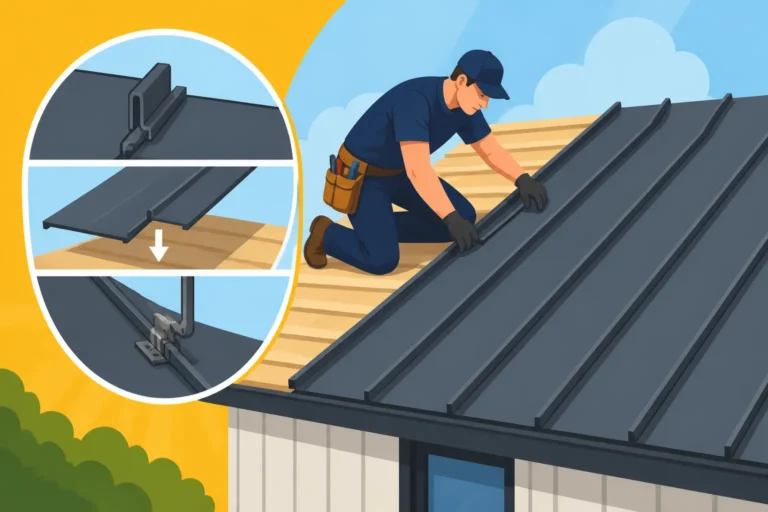
- Hidden Fasteners: The panels are attached to the roof deck with clips and fasteners that are hidden beneath the raised seams. This means there are no exposed screws that can back out or degrade over time, which are common points for leaks in exposed fastener systems. This is a huge advantage when dealing with snow and ice, as melted water cannot seep through fastener holes.
- Smooth, Continuous Surface: The long, uninterrupted panels with their raised seams create an incredibly smooth surface that allows snow and ice to slide off easily. This natural shedding reduces the build-up of heavy snow loads and helps prevent the formation of destructive ice dams.
- Thermal Movement: Standing seam panels are typically installed with a clip system that allows the metal to expand and contract freely with temperature changes. This is vital in cold climates with significant temperature swings, as it prevents warping and oil canning, ensuring the roof maintains its integrity and appearance.
- Exceptional Durability: The robust design of standing seam systems, often utilizing 24-gauge or 26-gauge steel or aluminum, provides superior resistance to denting, high winds, and impact from falling ice or debris. This makes them a long-lasting solution that can withstand decades of harsh winters. Many homeowners find that the long-term benefits of a standing seam roof often outweigh the initial Standing Seam Metal Roof Cost.
Corrugated Metal Roofs
Corrugated metal roofs, or ribbed panel systems, are another popular choice, particularly for their cost-effectiveness and rustic aesthetic. These panels feature a series of waves or ribs, which give them their characteristic profile. While they perform well in snowy climates, there are some important considerations compared to standing seam:
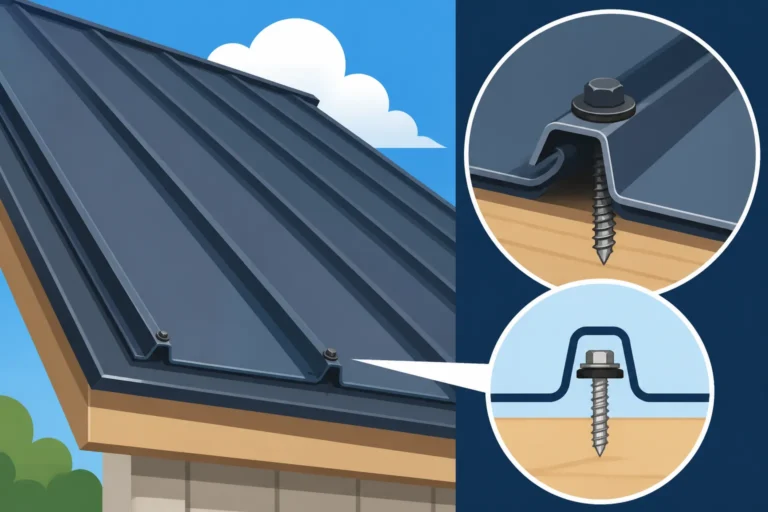
- Exposed Fasteners: Most corrugated panels are installed with exposed fasteners (screws with neoprene washers) that go directly through the panel into the roof deck. While these fasteners are designed to seal, they are potential points of vulnerability. Over time, UV radiation and temperature fluctuations can degrade the washers, leading to leaks, especially in freeze-thaw conditions. Regular maintenance and inspection of these fasteners are crucial in snowy environments.
- Good Snow Shedding: The ribbed profile still promotes snow shedding, though perhaps not as quickly or completely as the smooth surface of standing seam. The ribs themselves add strength to the panels, allowing them to bear snow loads effectively.
- Cost-Effective: Corrugated panels are generally less expensive to purchase and install than standing seam, making them an attractive option for homeowners on a tighter budget who still want the benefits of metal in winter.
- Common Profiles: Popular corrugated profiles include R-panel, PBR panel, and 5V Crimp. Each has slight variations in rib design and coverage. When considering a corrugated roof, ensure the fasteners are high-quality, corrosion-resistant, and installed correctly to maximize winter performance. For a detailed comparison, see Standing Seam vs Corrugated Metal Roof.
Stone-Coated Steel Roofing
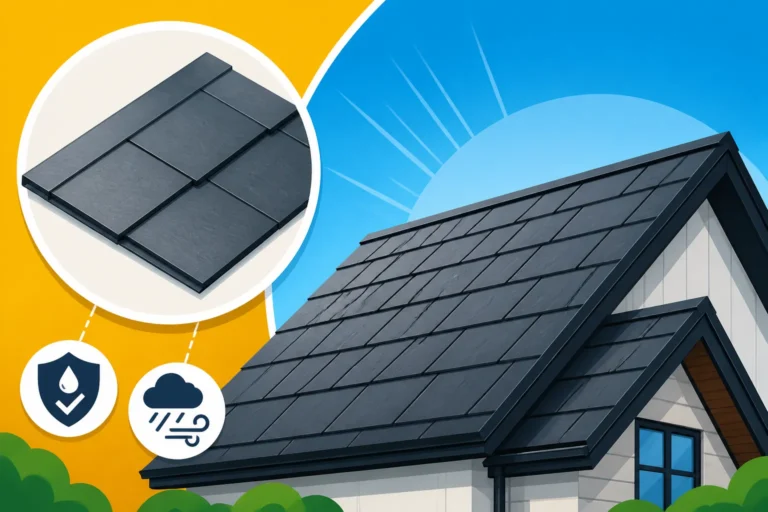
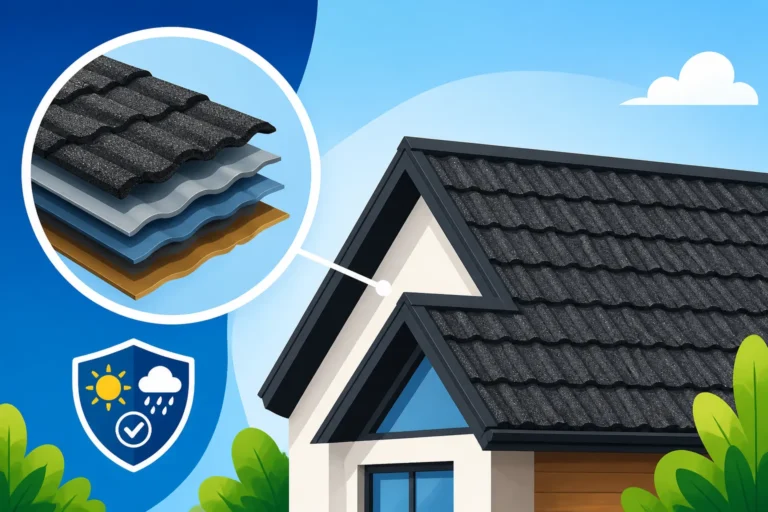
Stone-coated steel roofing offers a unique blend of durability and aesthetics, mimicking the look of traditional shingles, shakes, or tiles while providing the resilience of steel. These panels are typically made from 26-gauge steel, stamped into various profiles, and then coated with acrylic and ceramic-coated stone granules.
- Excellent Impact Resistance: The stone coating and steel substrate make these roofs incredibly resistant to impact, including hail, which can often accompany winter storms. They receive high impact resistance ratings (Class 4), which can even qualify homeowners for insurance discounts in some regions.
- Good Snow Retention (with a caveat): Unlike smooth metal roofs that shed snow quickly, the granular surface of stone-coated steel tends to hold snow in place, similar to asphalt shingles. This can be a benefit as it prevents large, sudden snow avalanches. However, it also means that snow loads will accumulate on the roof for longer periods.
- Ice Dam Resistance: While they hold snow, the underlying steel is still non-porous and resistant to water penetration. The interlocking panel system (often with hidden fasteners) provides a robust barrier against ice damming. Water that melts and refreezes generally won't be able to penetrate the system.
- Aesthetic Appeal: For homeowners who love the look of traditional roofing but want the long-term benefits of metal in cold climates, stone-coated steel is an ideal choice. Brands like DECRA, Gerard, and Metro offer a wide range of styles and colors. The key consideration is ensuring your roof structure is rated for the potential higher snow loads due to slower shedding. For those considering this option, you can learn more about the Stone-Coated Steel Roof Cost.
Installation and Maintenance for Optimal Winter Performance
Even the best metal roofing materials and profiles won't perform optimally in snow and cold climates without correct installation and diligent maintenance. The details of how the roof is put together and how it's cared for throughout its life are just as important as the materials themselves. A shoddy installation can turn a premium metal roof into a leaky nightmare, while neglecting maintenance can shorten its lifespan and compromise its winter resilience.
Critical Importance of Proper Underlayment and Sealing
The underlayment is the unsung hero beneath your metal roof, acting as a crucial secondary barrier against moisture. In snowy and cold climates, where ice dams and melting snow are constant threats, the quality and installation of the underlayment are absolutely critical.
- Ice and Water Shield: For metal roofs in cold climates, an ice and water shield is highly recommended, especially along the eaves, rake edges, valleys, and around penetrations like chimneys and skylights. This self-adhering, waterproof membrane forms a tight seal to the roof deck, preventing water from backed-up ice dams or wind-driven rain from penetrating. It's an investment that pays dividends in preventing interior water damage, which can be devastating.
- Synthetic Underlayment: Beyond the ice and water shield, a high-quality synthetic underlayment provides an additional layer of protection across the entire roof deck. These materials are more durable, water-resistant, and tear-resistant than traditional felt paper, making them ideal for the harsh conditions of a winter installation and for long-term performance. They also typically lie flatter, creating a smoother surface for your metal panels.
- Proper Sealing and Flashing: Every penetration (pipes, vents, chimneys, skylights) and transition (valleys, eaves, ridges) on your roof must be meticulously sealed and flashed. High-quality sealants and correctly installed metal flashing pieces are essential to prevent water ingress from melting snow. Poorly flashed areas are common culprits for winter leaks. For a deeper dive, read our guide on Do You Need Underlayment Under a Metal Roof.
Regular Inspections and Damage Prevention
While metal roofs are known for their low maintenance, "low" doesn't mean "no." Regular inspections, especially before and after winter, are vital to ensure optimal performance and to catch any potential issues before they become major problems.
- Pre-Winter Inspection: Before the first snowfall, inspect your roof (from the ground with binoculars, or by a professional) for any loose fasteners, damaged panels, or compromised sealants. Check that your gutters are clear of debris to ensure proper drainage of melting snow. Ensure snow guards are securely fastened. This is also a good time to trim any overhanging tree branches that could drop heavy snow or ice onto your roof.
- Post-Winter Inspection: After the snow has melted, re-inspect your roof for any signs of damage. Look for dents from falling ice (rare on heavy gauge metal but possible), scratches to the paint coating, or any areas where panels might have shifted. Pay close attention to flashing around chimneys and vents, as these areas can be stressed by snow and ice.
- Addressing Minor Issues Promptly: Small issues, like a loose screw or a hairline crack in sealant, are much easier and cheaper to fix than a full-blown leak. Promptly addressing these minor concerns can prevent significant damage and extend the life of your roof. Platforms like Modernize can help you connect with qualified local roofing contractors who can perform these inspections and necessary repairs.
Preventing and Addressing Ice Dams and Icicles
Even with the superior snow-shedding abilities of metal roofs, ice dams can still form under specific conditions, particularly with improper attic ventilation and insulation. Icicles, while sometimes picturesque, can also indicate a problem and pose a falling hazard.
- Ventilation is Key: The primary defense against ice dams is a properly ventilated and insulated attic. A cold roof deck, achieved through good airflow and insulation, prevents snow from melting from below, running down, and refreezing at the colder eaves. This keeps the entire roof surface at a consistent temperature, allowing snow to melt naturally from the sun or ambient air and drain freely.
- Snow Guards (Revisited): While their main purpose is safety, snow guards can also influence ice dam formation. If snow is held too long by an improperly designed system, it could potentially contribute to dams. However, when strategically placed, they prevent large masses of snow from congregating at the eaves, which is often where ice dams begin.
- Safe Icicle Removal: If icicles do form, resist the urge to violently hack them off, as this can damage your gutters and the roof edge. If they pose a hazard, carefully knock off smaller sections or use hot water to melt them. Better yet, address the underlying cause (usually poor insulation/ventilation) to prevent them from forming in the first place. For more on how to prevent these winter woes, our guide on Snow Guards and Winter Metal Roof Issues is an excellent resource.
| Metal Roofing Type | Snow Shedding | Ice Dam Resistance | Durability in Cold | Typical Lifespan | Aesthetic Options |
|---|---|---|---|---|---|
| Standing Seam Steel | Excellent | Excellent | Excellent | 40-70+ Years | Modern, Clean Lines, Variety of Colors |
| Corrugated Steel | Good | Good | Good | 30-50+ Years | Industrial, Rustic, Ribbed Panels |
| Stone-Coated Steel | Moderate | Excellent | Excellent | 40-60+ Years | Shingle, Shake, Tile Looks |
| Aluminum | Excellent | Excellent | Excellent | 50-100+ Years | Standing Seam, Shingles, Lightweight |
| Copper | Excellent | Excellent | Superior | 100+ Years | Classic, Patina Development |
| Zinc | Excellent | Excellent | Superior | 80-100+ Years | Modern, Patina Development |
Disclaimer
Please remember that the information provided in this article is intended for general guidance and informational purposes only. While we strive to offer accurate and up-to-date content, individual circumstances and local building codes can vary significantly. Always consult with a qualified, licensed, and insured metal roofing professional or contractor in your area before making any decisions related to your roofing project. They can provide personalized advice and ensure your roof meets all local regulations and specific structural requirements for your home.