Standing Seam vs Stone-Coated Steel
Choosing a new roof for your home can feel overwhelming, especially when you're looking for something beyond traditional asphalt shingles. You want durability, curb appeal, and long-term value, but figuring out which premium option truly fits your needs can be a real head-scratcher. This comprehensive guide is designed to cut through the confusion, offering a deep dive into two popular and robust metal roofing choices: standing seam and stone-coated steel, so you can make an informed decision with confidence.
Understanding Standing Seam Metal Roofing
Standing seam metal roofing is a high-end, extremely durable option that has gained significant popularity for its sleek aesthetic and incredible longevity. When you see a roof with distinct, raised interlocking seams running vertically from the eave to the ridge, that’s standing seam. It’s a sophisticated system that offers a clean, architectural look that instantly elevates a home's curb appeal.
What Exactly is Standing Seam?
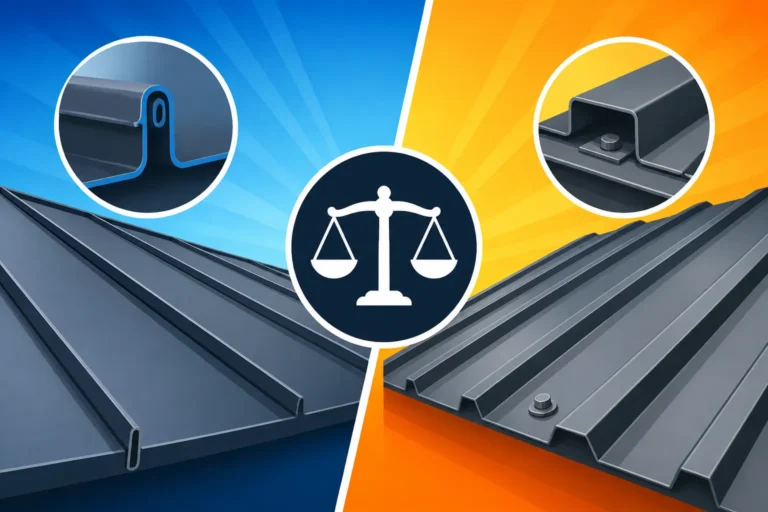
At its core, a standing seam roof consists of large, flat metal panels with seams that rise above the flat of the panel, connecting adjacent panels. These raised seams, or ribs, are mechanically seamed together, creating a watertight barrier that also conceals the fasteners. This hidden fastener system is one of its most defining characteristics and a significant advantage. Unlike many other roofing types where fasteners are exposed to the elements, leading to potential leak points over time, standing seam panels are joined in a way that protects screws and clips from UV degradation, moisture, and thermal expansion and contraction cycles. This meticulous design is a big reason why a standing seam metal roof lasts so long, often outperforming other roofing materials by decades. The precision in manufacturing and installation is paramount to its performance, requiring skilled tradespeople who understand the nuances of metal expansion and proper sealing techniques.
Common Materials and Profiles
Standing seam panels come in a variety of materials, each offering its own set of benefits and cost implications. The most common choice is steel, often coated with a Galvalume or Galvanized finish for enhanced corrosion resistance, followed by a high-quality paint system like Kynar 500 (PVDF). Aluminum is another popular option, particularly in coastal regions, due to its superior corrosion resistance against salt spray. For those seeking an ultra-premium look and unparalleled longevity, materials like copper and zinc are also available, though they come with a significantly higher price tag.
Beyond the material, there are different profiles for standing seam roofs, primarily categorized by how the seams are formed and attached. Mechanical seam systems require a specialized seaming tool to crimp the panels together, creating an extremely robust connection. Snap-lock systems, on the other hand, feature panels designed to simply "snap" together, offering a quicker installation while still providing excellent performance. Then there are variations like double-lock, single-lock, and batten panel systems, each with unique aesthetics and structural properties. Choosing the right material and profile depends on your budget, aesthetic preferences, and the environmental conditions your home faces. Understanding these differences is key, and you can dive deeper into topics like Metal Roofing Materials Compared: Steel, Aluminum, Copper & Zinc for more detailed insights.
Installation Process and Fasteners
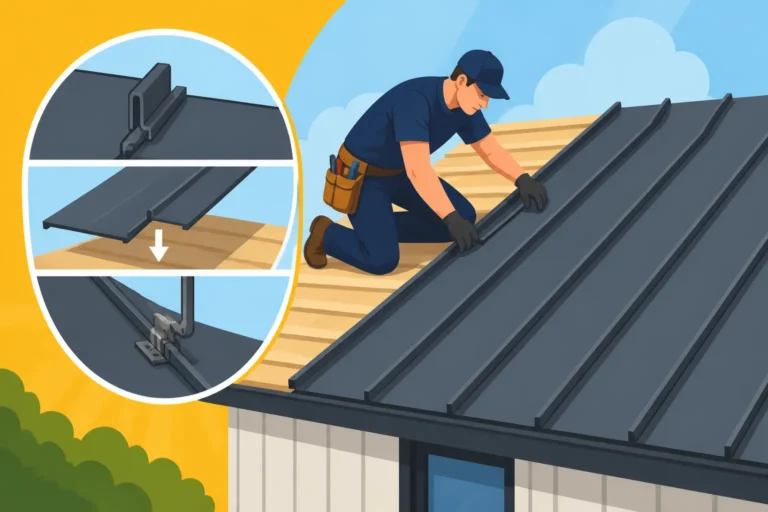
The installation of a standing seam metal roof is a precise and often labor-intensive process, demanding expertise from the roofing crew. First, an appropriate underlayment, often a high-quality synthetic or ice and water shield, is installed over the roof deck to provide an additional layer of protection against moisture. This step is critical, as even the best metal roof needs a robust secondary water barrier. Next, the custom-fabricated metal panels are brought to the site, or sometimes even formed on-site using specialized roll-forming equipment. These panels are then strategically laid out and secured to the roof deck using concealed clips and fasteners.
These clips are typically attached to the roof deck, and the panels are then locked onto the clips, effectively hiding all fastening points beneath the surface of the metal. This concealed fastener method is a major contributor to the system's incredible durability and weather resistance, as it protects the fasteners from direct exposure to UV rays, rain, snow, and ice, which can degrade exposed fasteners over time. The edges of the panels are then typically seamed together, either manually or with a specialized seaming machine, to create the distinctive raised seams. This intricate process ensures that the entire roof surface forms a continuous, weather-tight membrane, minimizing potential leak points and maximizing the roof's lifespan. The careful attention to detail during installation is a testament to why these roofs perform so well.
Exploring Stone-Coated Steel Roofing
If you love the classic look of traditional roofing materials but crave the durability and performance of metal, stone-coated steel might be the answer you've been searching for. This innovative roofing solution offers the best of both worlds, mimicking the appearance of anything from terracotta tiles to wood shakes or asphalt shingles, all while providing the inherent strength of steel. It's a fantastic option for homeowners who don't want the sleek, modern aesthetic of standing seam but still desire a long-lasting, low-maintenance roof.
The Anatomy of Stone-Coated Steel
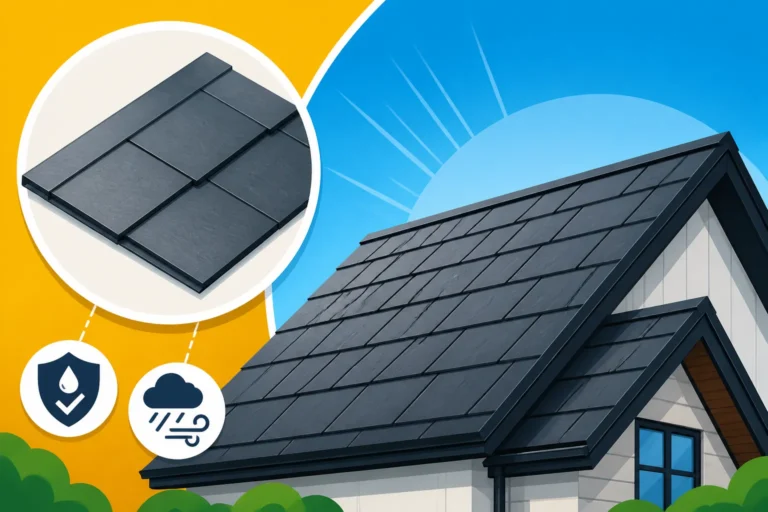
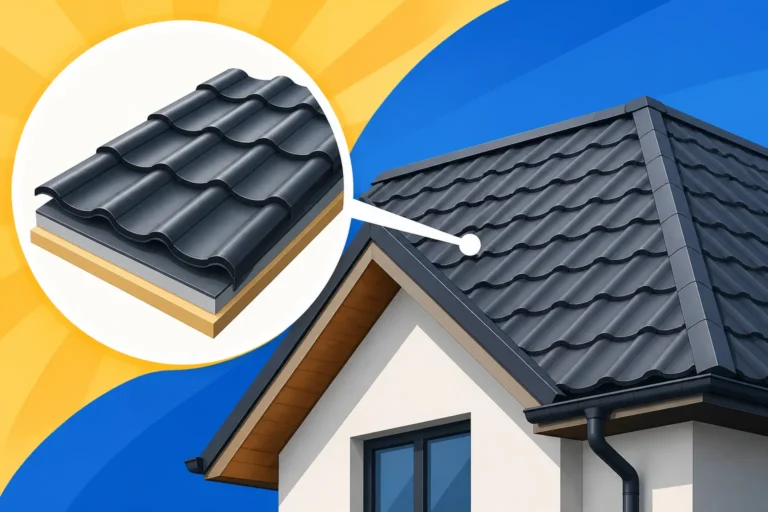
Stone-coated steel roofing panels are manufactured from high-grade steel sheets, typically G-90 galvanized or Galvalume steel, which provides excellent corrosion resistance. What sets them apart is the unique coating applied to their surface. Each steel panel is embossed or formed into various profiles, then coated with an acrylic base primer. Following this, an adhesive layer is applied, onto which natural stone granules are embedded. These granules are usually ceramic-coated for color stability and UV resistance, creating a robust, textured finish that is incredibly resistant to impact and weathering. Finally, a clear acrylic overglaze is applied to seal the granules and further enhance durability and color retention.
This multi-layered construction is what gives stone-coated steel its distinctive appearance and impressive performance characteristics. The steel core provides structural integrity, while the stone coating acts as a protective shield, dampening noise, insulating against temperature extremes, and offering superior resistance to hail and wind. Unlike traditional metal panels that might show dings or scratches, the granular surface of stone-coated steel helps to mask minor imperfections, keeping your roof looking pristine for decades. Brands like DECRA and Gerard are well-known manufacturers in this space, offering a variety of profiles and colors.
Appearance and Design Versatility
One of the most compelling aspects of stone-coated steel roofing is its incredible versatility in appearance. Homeowners often struggle to reconcile the modern look of standing seam with the architectural style of their traditional or historic homes. Stone-coated steel bridges this gap beautifully. It can be manufactured to perfectly emulate the rich textures and aesthetics of traditional clay or concrete tiles, the rugged charm of wood shakes, or the familiar pattern of heavy-cut asphalt shingles. This means you can achieve the desired aesthetic for your home without sacrificing the long-term benefits of a metal roof.
Imagine a Mediterranean-style villa with a classic "tile" roof that's actually lightweight, durable steel, or a craftsman bungalow with "wood shake" shingles that won't rot or attract pests. This design flexibility allows architects and homeowners to maintain or enhance their home's character while investing in a roof that can last 50 years or more. From earthy browns and charcoal grays to vibrant reds and deep blues, the color palette is extensive, ensuring there’s an option to complement any home exterior. This makes it a fantastic choice for those who value both performance and traditional curb appeal, allowing you to get a Metal Roof Cost by Profile: Standing Seam vs Corrugated vs Stone-Coated that fits your aesthetic.
Installation and Structural Considerations
Installing a stone-coated steel roof involves a process that is somewhat different from standing seam, but equally important for optimal performance. The panels are typically installed in an interlocking fashion, creating a secure overlay. Because of their granular surface and robust structure, these panels are designed to be walkable, making installation and future maintenance less challenging compared to the slick surface of a smooth metal roof. The panels are fastened to the roof deck, often using a combination of screws and nails, but unlike exposed fastener corrugated panels, these fasteners are usually hidden by subsequent overlapping panels or are strategically placed in less exposed areas.
Due to the weight of the steel and stone granules, a stone-coated steel roof is generally heavier than a standing seam system, though still considerably lighter than traditional tile or slate roofs. It’s always wise to have a professional assess your roof's structural integrity to ensure it can support the weight, especially for older homes. While the installation might appear simpler than standing seam due to the interlocking nature of the tiles, it still requires experienced roofing professionals to ensure proper flashing, waterproofing, and alignment of the panels. Improper installation can lead to aesthetic inconsistencies or, more critically, compromised weather resistance. This is where partnering with reputable contractors found through platforms like Modernize can make all the difference, ensuring your investment is protected by expert workmanship.
Head-to-Head: Standing Seam vs. Stone-Coated Steel Comparison
When you're comparing two premium roofing systems like standing seam and stone-coated steel, it’s not simply a matter of picking the "better" one. Both offer exceptional performance and longevity, far surpassing traditional asphalt shingles. The real task is to determine which one is the best fit for your specific home, aesthetic preferences, climate, and budget. Let's break down the key areas where these two fantastic options diverge.
Aesthetics and Curb Appeal
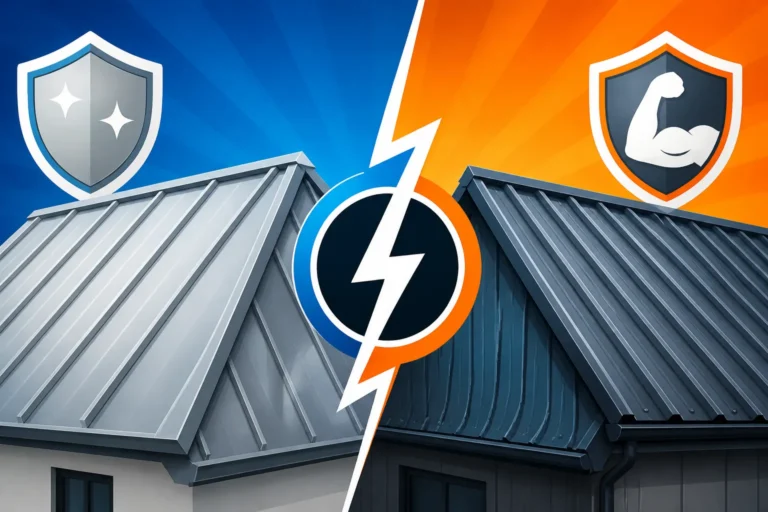
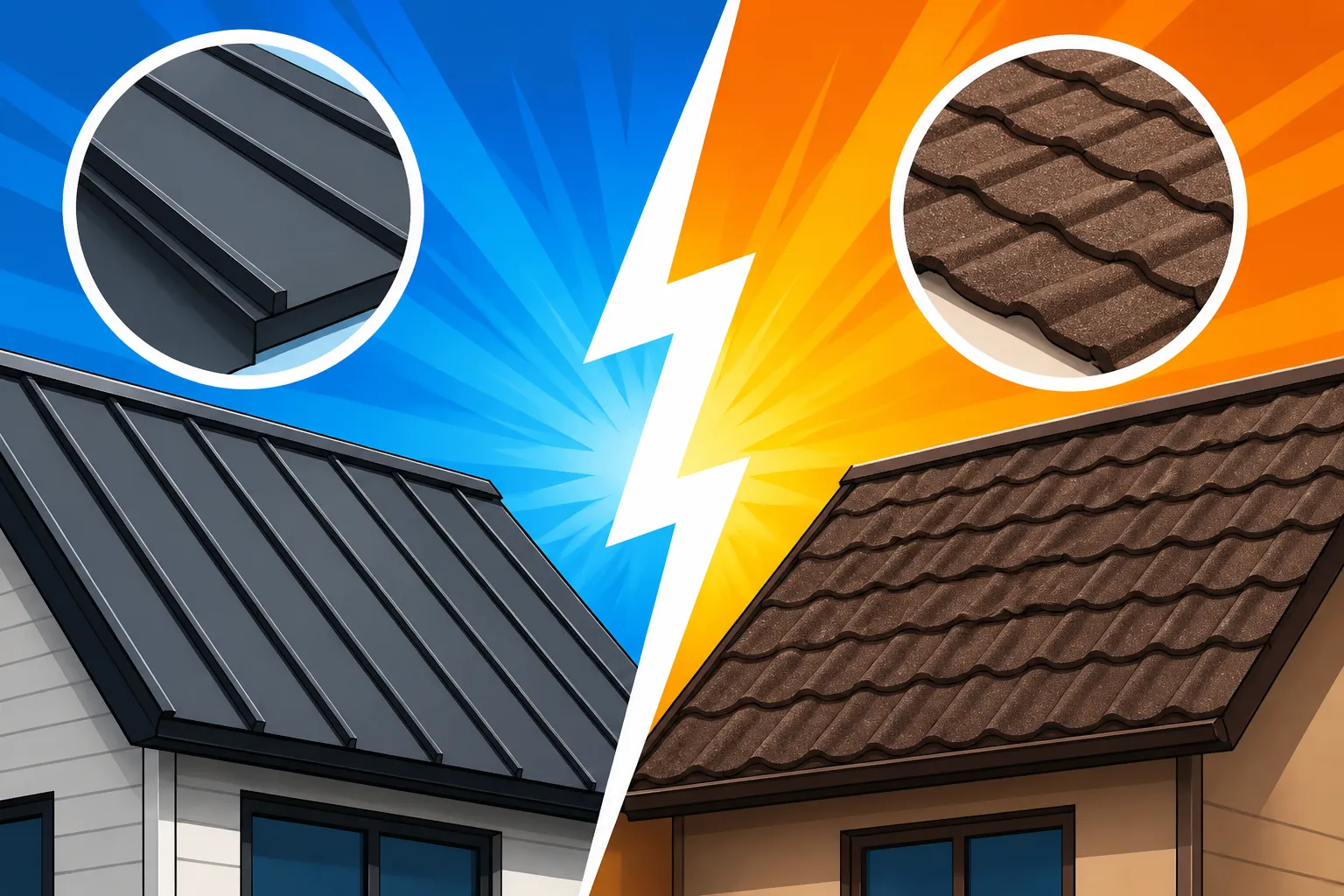
This is often the first and most noticeable difference for homeowners. Standing seam metal roofs present a distinctly modern, sleek, and minimalist aesthetic. The clean lines and raised vertical seams create a sophisticated, architectural look that complements contemporary, modern farmhouse, and even some traditional homes seeking an updated feel. The panels come in a wide array of solid colors, often with a subtle sheen, making a bold statement. If you're aiming for a cutting-edge look or want your roof to be a prominent design feature, standing seam is a clear winner.
Stone-coated steel, by contrast, excels in blending in. Its primary aesthetic goal is to replicate the look of traditional roofing materials – slate, clay tile, wood shake, or asphalt shingles – with remarkable accuracy. The granular surface gives it a matte, textured finish that is visually soft and often indistinguishable from the materials it imitates, especially from the street. This makes it an ideal choice for homes with traditional, colonial, Mediterranean, or rustic architectural styles where a sleek metal roof might look out of place. If maintaining a classic appearance while gaining metal roof benefits is your priority, stone-coated steel offers unmatched versatility.
Durability, Longevity, and Weather Resistance
Both standing seam and stone-coated steel boast impressive durability and longevity, often coming with warranties spanning 50 years or more, far exceeding the typical 15-30 year lifespan of asphalt shingles. However, their approaches to achieving this durability differ.
Standing seam roofs are inherently robust. Made from solid metal panels, they offer exceptional resistance to high winds, punctures from falling debris, and fire. The concealed fasteners protect the weakest points of the roof from the elements, ensuring a long, leak-free life. While large hail can dent softer metals like aluminum, steel panels are quite resilient, and any cosmetic dents typically don't compromise the roof's structural integrity or weatherproofing. Their smooth surface also sheds snow and ice efficiently, which is a big plus in colder climates. You can explore How Long Do Metal Roofs Last? for more general lifespan details.
Stone-coated steel roofs derive their durability from their unique multi-layered construction. The steel core provides strength, while the stone granule coating offers exceptional impact resistance, making them incredibly resistant to hail damage – often earning a Class 4 impact rating, the highest available. This can even lead to Metal Roof Insurance Savings & Discounts. The interlocking panel system also creates a formidable barrier against high winds. While the granular coating is designed to be highly durable, very aggressive abrasion could potentially dislodge some granules over many decades, though this is rare with quality products and doesn't typically affect the roof's waterproofing.
Cost Analysis and Value Over Time
When it comes to initial investment, both standing seam and stone-coated steel are premium roofing options, significantly more expensive upfront than asphalt shingles. Generally, standing seam tends to be on the higher end of the metal roofing spectrum. The materials themselves, especially if opting for heavier gauge steel or specialty metals like copper, are costly, and the precision-intensive installation process requires highly skilled labor. Expect to pay anywhere from $10 to $20 per square foot installed for steel standing seam, with specialty metals pushing that even higher.
Stone-coated steel typically falls into a similar, sometimes slightly lower, price range as standing seam, often between $8 to $16 per square foot installed. While the material cost per panel might be less than a custom-fabricated standing seam panel, the installation can still be intricate due to the individual tile/shingle application and the need for careful alignment to maintain the desired aesthetic. Regardless of the initial cost, both options provide immense long-term value. Their extended lifespan, minimal maintenance needs, potential energy savings, and ability to significantly increase a home's resale value mean that they often pay for themselves over their lifetime. Researching Metal Roof Cost: Complete 2026 Guide can give you a broader financial picture.
Installation Complexity and Timeframe
The installation process for both roofing types is demanding, requiring skilled professionals, but they differ in execution. Standing seam installation is highly specialized. The panels are often long and unwieldy, requiring careful handling and precise measurements. The seaming process, especially for mechanical seams, involves specific tools and expertise to ensure watertight connections. Because of the custom nature and the need for precision, standing seam installation can sometimes take a bit longer than other metal roofs, depending on the roof's complexity and pitch. It’s not a DIY project for most homeowners.
Stone-coated steel installation, while still professional-grade, is often compared more to installing traditional tiles or shingles due to the modular nature of the panels. The interlocking system can sometimes be quicker to install than standing seam, especially for experienced crews. However, the exact fit and alignment of each panel are crucial for both aesthetic appeal and weather performance. Cutting and flashing around penetrations still demand precision. For both types, the expertise of the installer is paramount to the roof's longevity and warranty validity. You'll want to ensure your chosen contractor has specific experience with the system you select.
Maintenance Requirements and Long-Term Care
One of the major draws of both standing seam and stone-coated steel roofs is their remarkably low maintenance requirements compared to other roofing materials. They don't typically need the frequent repairs or periodic replacements that asphalt shingles do.
Standing seam roofs are almost "set it and forget it." Their smooth, non-porous surface naturally sheds debris, and the concealed fasteners mean no exposed screws to check and reseal. Routine maintenance usually involves occasional gutter cleaning and visual inspections for any minor damage, especially after severe storms. Any necessary repairs are often simple panel replacements, though matching older, faded panels can be a consideration. A Metal Roof Maintenance Guide can provide general tips applicable to various metal types.
Stone-coated steel roofs are similarly low maintenance. The granular surface is tough and doesn't easily scratch or fade, and while it might hold a bit more debris than a smooth standing seam, it’s still very easy to keep clean with a gentle rinse. The main concern might be ensuring the granular coating remains intact over decades; however, modern manufacturing techniques have made this a non-issue for reputable brands. Just like standing seam, periodic visual inspections are sufficient, and repairs typically involve replacing individual panels or tiles, which can be done without disturbing the entire roof.
Weighing the Advantages and Disadvantages
Choosing between standing seam and stone-coated steel isn't just about price or looks; it's about understanding the practical implications and long-term benefits of each system. Both are excellent investments, but their specific attributes make them more suitable for different situations and homeowner priorities. Let's dig into the distinct pros and cons of each.
Standing Seam: The Upsides and Downsides
The Upsides:
- Exceptional Durability and Longevity: Standing seam roofs are built to last, often exceeding 50-70 years. Their robust metal construction and concealed fasteners provide superior protection against harsh weather, including high winds and heavy snow loads. The system itself is designed to expand and contract with temperature changes without compromising its integrity, which is a major factor in its long lifespan. Many homeowners find peace of mind knowing they may never have to replace their roof again in their lifetime.
- Superior Weather Resistance: Thanks to the interlocking, raised seams and hidden fasteners, standing seam roofs are incredibly resistant to leaks. There are no exposed screws or vulnerable nail heads that can work loose or allow water intrusion over time. This makes them particularly effective in climates prone to heavy rain, ice, and snow. The slick surface also allows snow and ice to slide off easily, though this can sometimes necessitate How Much Does Snow Guard Installation Cost to protect ground-level features.
- Sleek, Modern Aesthetic: For homes that lean towards contemporary design, standing seam is an aesthetic dream. The clean lines and bold appearance create a high-end, architectural statement that significantly boosts curb appeal. It's a striking choice that instantly modernizes a home's exterior and offers a sophisticated, minimalist look that is increasingly popular.
- Excellent Energy Efficiency: Metal roofs, in general, are energy efficient, but standing seam panels, especially those with lighter colors and highly reflective paint coatings (like Kynar 500/PVDF), excel at reflecting solar radiant heat away from the building. This can significantly reduce cooling costs in warmer climates. The air gap created by the raised seams can also contribute to better attic ventilation when properly installed.
- Low Maintenance: With no granules to shed, no shingles to curl or crack, and hidden fasteners, standing seam roofs require very little upkeep. Annual inspections and gutter cleaning are typically all that's needed to maintain their pristine condition for decades.
The Downsides:
- Higher Upfront Cost: This is typically the biggest hurdle for homeowners. Standing seam is one of the most expensive roofing options on the market. While the long-term value often justifies the investment, the initial outlay can be prohibitive for some budgets. The specialized materials and intricate installation process contribute to this higher price point.
- Specialized Installation Required: The precision and expertise needed to properly install a standing seam roof means you can't just hire any roofer. You need experienced professionals who are well-versed in metal roofing systems and panel fabrication. Hiring an inexperienced contractor can lead to costly mistakes and voided warranties. Finding the right contractor is crucial, and resources like Modernize can connect you with qualified professionals.
- Potential for Oil Canning: While not a structural issue, "oil canning" refers to the visual waviness or distortion that can occur in the flat part of metal panels. It's an aesthetic concern, not a performance flaw, but it can be noticeable, especially on large, flat panels. While manufacturers employ techniques to minimize it, it's a characteristic of large, thin metal panels that some homeowners find undesirable.
- Noise Concerns: Though often exaggerated, some homeowners worry about increased noise during heavy rain or hail. While insulated attic spaces and solid sheathing can greatly mitigate this, the metallic sound can be a factor for some, especially if the roof deck isn't adequately prepared. However, modern installation techniques and insulation advancements have significantly reduced this concern.
Stone-Coated Steel: Its Strengths and Weaknesses
The Strengths:
- Exceptional Aesthetic Versatility: This is arguably the biggest strength. Stone-coated steel allows homeowners to achieve the classic, charming look of traditional roofing materials like clay tile, wood shake, or architectural shingles, all while enjoying the benefits of a metal roof. You don't have to compromise your home's architectural style for durability. This helps you maintain the character of your home while still getting a high-performance roof.
- Superior Impact Resistance: The granular stone coating provides incredible protection against hail and other impacts. Many stone-coated steel products carry the highest Class 4 impact resistance rating, which can translate into significant Metal Roof Insurance Savings & Discounts in hail-prone areas. This surface can absorb impacts that would dent a smooth metal panel, leaving your roof looking unblemished.
- Lightweight Durability: While heavier than standing seam, stone-coated steel is still significantly lighter than traditional clay tile, concrete tile, or slate, meaning it can often be installed on existing roof structures without the need for additional reinforcement. Yet, it offers similar durability to these heavier materials.
- Excellent Wind and Fire Resistance: These systems are designed to withstand hurricane-force winds due to their interlocking panel design and robust fastening. The steel core is non-combustible, giving stone-coated steel a Class A fire rating, offering superior protection against external fires. This is a critical safety feature, particularly in wildfire-prone regions.
- Dampened Noise: The granular coating and multi-layered construction of stone-coated steel panels tend to absorb sound much more effectively than smooth metal panels. This means less noise during rain or hail storms, a common concern for metal roof skeptics.
The Weaknesses:
- Granule Loss Over Time (Minor): While rare with high-quality products and modern technology, there is a theoretical possibility of some granule loss over many decades, especially from extreme weather or abrasive cleaning. This is usually very minor and does not compromise the roof's waterproofing, but it could subtly alter the aesthetic over time.
- Can Be More Difficult to Repair Aesthetically: If an individual panel is damaged, replacement is straightforward. However, precisely matching the color and texture of an aged, weathered granular panel with a brand new one can sometimes be challenging, leading to a visible "patch" if not done meticulously. This is less of an issue with standing seam, where paint colors are generally more consistent.
- Not as Energy Efficient as Lighter Standing Seam: While metal is inherently reflective, the darker, textured surfaces of many stone-coated steel profiles can absorb more heat than lighter-colored, smooth standing seam panels, potentially reducing some of the passive cooling benefits. However, modern coatings are improving this aspect, and proper attic ventilation remains key for all roof types.
- Still a Premium Price Point: Like standing seam, stone-coated steel is a significant investment. While it offers excellent long-term value, the initial cost is still considerably higher than traditional roofing options, which can be a barrier for some homeowners. It's important to view this as a long-term investment rather than just an upfront expense.
- Requires Specialized Installation: Although installation can be quicker than some standing seam systems, it still requires experienced, certified installers who understand the product's specific requirements, panel locking mechanisms, and flashing details. Incorrect installation can lead to leaks or aesthetic problems.
Making Your Choice: Which Metal Roof Suits Your Home?
Deciding between standing seam and stone-coated steel ultimately boils down to a blend of personal preference, home architectural style, local climate considerations, and your budget. Both are phenomenal long-term investments that will protect your home for decades, but they offer distinct advantages tailored to different needs.
Ideal Scenarios for Standing Seam
Standing seam metal roofing truly shines when your goal is to achieve a modern, crisp, and high-performance look. It's often the preferred choice for:
- Modern and Contemporary Homes: If your home features clean lines, large windows, and an minimalist aesthetic, a standing seam roof will perfectly complement and enhance its architectural vision. It makes a bold statement and often becomes a key design element.
- Homeowners Prioritizing Longevity and Minimal Maintenance Above All: With its concealed fasteners and robust construction, standing seam offers some of the longest lifespans in roofing, often extending 50-70 years with virtually no upkeep beyond routine checks. If you want a "set it and forget it" roof that will likely outlast you in the home, this is your champion.
- Properties in Regions with Heavy Snowfall: The smooth, slick surface of standing seam panels is incredibly efficient at shedding snow and ice. This can be a huge advantage in areas like the Northeast or Rocky Mountains, reducing snow load on your roof and preventing ice dam formation. However, ensure proper snow retention systems like snow guards are considered to protect anything below the eaves.
- Focus on Energy Efficiency: While both metal roofs are energy efficient, lighter-colored standing seam panels with advanced reflective coatings tend to offer superior solar reflectivity, potentially leading to greater cooling cost savings in hot, sunny climates.
- Desire for a Unique Architectural Statement: Standing seam isn't just a roof; it's an architectural feature. If you want your home to stand out and make a distinct statement, its unique aesthetic is unparalleled.
Consider exploring Is a Standing Seam Roof Worth the Extra Cost for a deeper dive into the return on investment for this premium choice.
When Stone-Coated Steel Shines Brightest
Stone-coated steel roofing is an excellent solution for those who want the incredible benefits of metal without sacrificing traditional aesthetics. It's particularly well-suited for:
- Traditional, Mediterranean, Ranch, or Historic Homes: If your home has a classic or specific architectural style that would be disrupted by a sleek, modern metal roof, stone-coated steel is the perfect chameleon. It can beautifully mimic slate, clay tile, wood shake, or even heavy architectural shingles, maintaining your home's original charm.
- Areas Prone to Hail and High Winds: Thanks to its Class 4 impact rating and interlocking design, stone-coated steel offers exceptional protection against hail damage and can withstand very high wind speeds. This makes it an ideal choice for places like Texas or Oklahoma, where severe weather is a common occurrence. You can read more about Best Metal Roof for High Wind Areas for general hurricane zone considerations.
- Homeowners Concerned About Noise: The granular coating and multi-layered construction of stone-coated steel panels provide excellent sound dampening, making them a quieter option during rain or hail storms compared to smooth metal panels. If you're sensitive to sound or have a home office under the roof, this could be a deciding factor.
- Desire for Fire Resistance: Both options are fire-resistant, but stone-coated steel's Class A fire rating combined with its traditional aesthetic makes it a strong contender for homes in wildfire-prone areas where specific material requirements might be in place, without compromising on look.
- Seeking Insurance Discounts: Due to its Class 4 impact resistance, stone-coated steel often qualifies for significant homeowner insurance discounts, especially in regions prone to hail or windstorms. This can help offset the initial investment over the long term.
Considering Your Home's Style and Local Climate
Ultimately, your home’s existing architecture should play a significant role in your decision. A sleek standing seam roof might look out of place on a charming Victorian, just as a stone-coated tile roof might clash with a minimalist contemporary design. Think about the overall curb appeal you want to achieve and how the roof will integrate with the rest of your exterior, including siding, windows, and landscaping.
Beyond aesthetics, your local climate is a crucial factor. Do you live in an area with frequent hail? Then stone-coated steel’s impact resistance is a huge advantage. Are heavy snow loads a concern? Standing seam’s ability to shed snow quickly might be more appealing. Is your region particularly prone to high winds and hurricanes? Both offer excellent wind resistance, but understanding the specific certifications and fastening systems for each will be important. Always check local building codes and consult with experienced roofing professionals who understand the demands of your specific environment. Reputable contractors, often found through services like Modernize, can offer tailored advice based on your location and home’s unique characteristics.
| Feature / Consideration | Standing Seam Metal Roof | Stone-Coated Steel Roof |
|---|---|---|
| Aesthetic | Modern, sleek, clean lines | Traditional (mimics tile, shake, shingle, slate) |
| Surface Finish | Smooth, often glossy (PVDF coating) | Textured, granular (stone chips) |
| Typical Materials | Steel (Galvalume/Galvanized), Aluminum, Copper, Zinc | Steel (Galvalume/Galvanized) |
| Fastener Type | Concealed | Concealed (interlocking panels), some exposed |
| Average Lifespan | 50-70+ years | 40-70+ years |
| Impact Resistance (Hail) | Good (steel), Excellent (some thicker gauges); Dents possible | Excellent (Class 4 rating common) |
| Wind Resistance | Excellent (up to 160+ MPH with proper installation) | Excellent (up to 120+ MPH, interlocking panels) |
| Fire Rating | Class A (non-combustible) | Class A (non-combustible) |
| Energy Efficiency | Excellent (especially light colors, reflective coatings) | Very Good (stone granules insulate, though darker colors absorb heat) |
| Noise Dampening | Good (with proper insulation) | Excellent (granular surface absorbs sound) |
| Installation Complexity | Highly specialized, precision-intensive | Specialized, modular, interlocking |
| Initial Cost per Sq Ft (Installed) | $10 – $20+ | $8 – $16 |
| Maintenance | Very Low (occasional cleaning, inspection) | Very Low (occasional cleaning, inspection) |
| Best For | Modern/contemporary homes, heavy snow, ultimate longevity | Traditional homes, hail-prone areas, noise reduction |
Disclaimer
Please remember that the information provided in this article is for general guidance only. Roofing projects are complex, and specific requirements, costs, and regulations can vary significantly based on your location, chosen materials, specific contractor, and the unique characteristics of your home. Always consult with multiple licensed and insured local roofing professionals for personalized advice and accurate estimates tailored to your project. This article does not constitute professional advice or a substitute for expert consultation.