Metal Roof Cost Estimate for a 1,000 Sq Ft Home
You are likely staring at your cozy 1,000-square-foot bungalow or cottage, watching the old asphalt shingles curl and crumble, and wondering if you can finally make the leap to metal. The frustration is real: most online calculators give you ranges for "average" homes that are twice your size, leaving you guessing. This guide provides a realistic, deep-dive metal roof cost estimate for a 1,000 sq ft home in 2026.
Breaking Down the Square: Why Your Home Size Is Not Your Roof Size
The most common trap homeowners fall into is assuming that because their home is 1,000 square feet, they only need to buy 1,000 square feet of roofing material. In the roofing world, we measure by the "square," which is a 10-foot by 10-foot area (100 square feet). However, a 1,000-square-foot interior footprint rarely translates to a 10-square roof. Because of the "slope" or pitch of the roof, the overhangs that protect your siding, and the inevitable waste created during cutting, your actual roof surface area is likely between 1,200 and 1,500 square feet.
Understanding Roofing Squares and Waste Factor
When you receive a Metal Roof Cost Per Square Foot quote, the contractor is looking at the actual surface area. For a small home, the "waste factor" can be surprisingly high. If your home has a complex layout—perhaps a small porch, a dormer, or a chimney—the installer has to cut more panels to fit those angles. We usually estimate a 10% to 15% waste factor for simple roofs and up to 20% for complex ones. This means for your 1,000-square-foot home, you might actually be paying for 13 to 15 squares of material.
Imagine a small ranch-style house in a place like Oklahoma City. If the roof is a simple "up and over" gable, the waste is minimal. But if that same 1,000-square-foot home is a historic cottage with multiple gables, the labor and material costs spike because of the intricate cutting involved. This is why a Metal Roof Cost for a 1,000 Sq Ft House can vary so wildly from neighbor to neighbor.
The Impact of Roof Pitch and Complexity
Pitch refers to how steep your roof is. A "low pitch" roof is easy to walk on and requires less material to cover the same horizontal footprint. A "high pitch" roof, common in snowy climates like Denver or Minneapolis, increases the surface area significantly. Steeper roofs also require specialized safety equipment and more labor hours, as installers cannot move as quickly.
When evaluating What Affects Metal Roof Cost: Gauge, Pitch, Complexity & Tear-Off, remember that pitch is a non-negotiable factor. If your roof is so steep that it’s "unwalkable," you can expect the labor portion of your estimate to increase by 20% to 30%. For a small 1,000-square-foot home, this might be the difference between a $12,000 project and a $16,000 project.
Material and Profile Choices for a Small Home
For a smaller footprint, you actually have a bit more flexibility in your budget to choose higher-end materials because the total volume of metal isn't as massive as it would be for a 3,000-square-foot home. However, you still need to choose between two primary "systems": exposed fastener and concealed fastener.
Standing Seam vs. Exposed Fastener Systems
If you are looking for the gold standard, you are looking at standing seam. This is a concealed fastener system where the screws are hidden beneath the panels. It’s sleek, modern, and virtually leak-proof because the metal can expand and contract freely with temperature changes. However, a Standing Seam Metal Roof Cost is significantly higher than other options. For a 1,000-square-foot home, standing seam is an investment in "peace of mind" for the next 50 years.
On the other hand, exposed fastener systems (like corrugated or R-panel) are much cheaper. They use screws with rubber washers that go right through the face of the metal. While they are budget-friendly, they require more maintenance. In a high-heat environment like Phoenix or San Antonio, those rubber washers can dry out and crack over 10 to 15 years, leading to minor leaks. If you're on a tight budget, these are the Cheapest Metal Roof Options, but you must account for the long-term maintenance of tightening or replacing those screws.
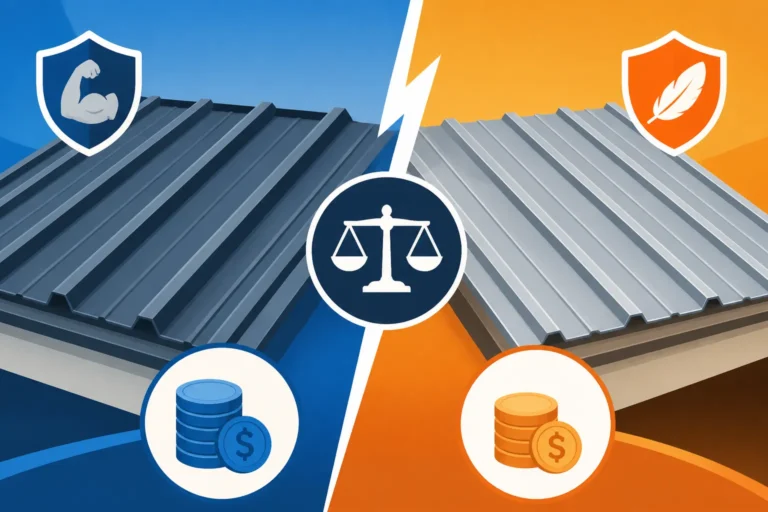
Choosing Between Steel, Aluminum, and Other Metals
Steel is the most common choice for residential homes, usually coated in Galvalume or a zinc-aluminum alloy to prevent rust. For a 1,000-square-foot home, steel offers the best balance of durability and price. But if you live in a coastal area like Miami or Jacksonville, steel is a risky move because the salt air will eventually eat through it.
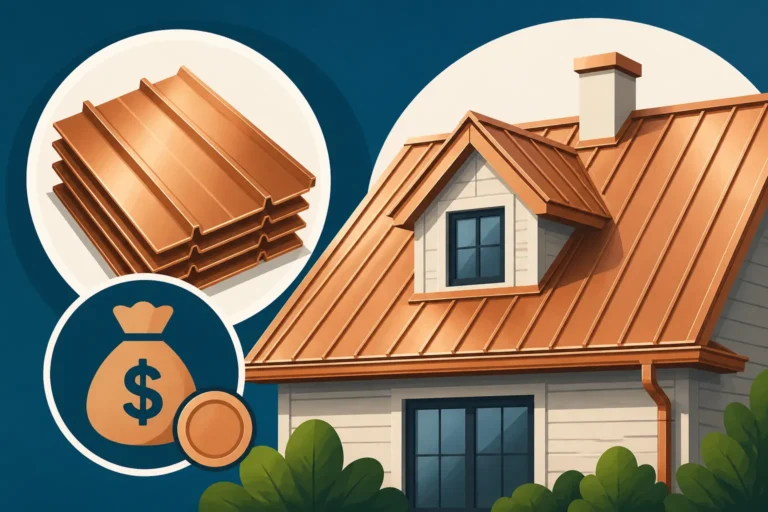
In coastal zones, aluminum is the way to go. It is naturally resistant to salt-water corrosion. While Aluminum Roof Cost is higher than steel, it is the only way to ensure your roof doesn't look like a rusted relic in a decade. For those with a truly unlimited budget and a historic 1,000-square-foot cottage, copper or zinc are options that can last over a century, though they are rarely seen on such small footprints due to the astronomical cost.
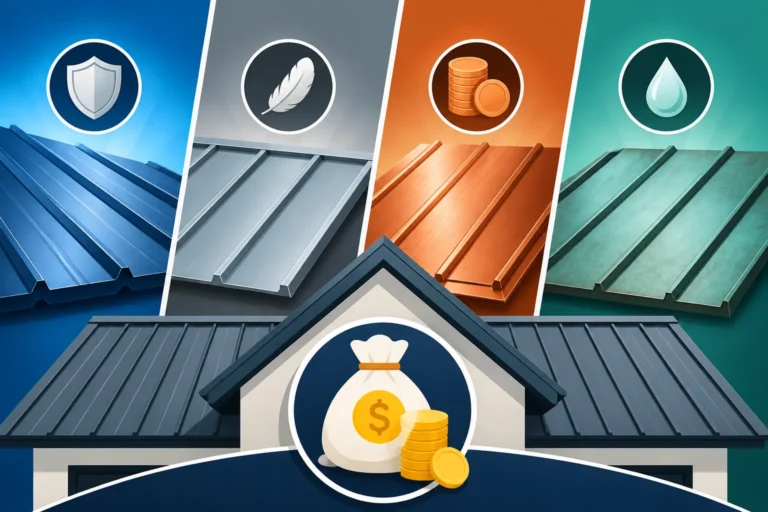
| Metal Type | Estimated Total Cost (1,000 Sq Ft Home) | Durability Rating | Best Climate |
|---|---|---|---|
| Corrugated Steel (29 ga) | $7,500 – $10,500 | Moderate | Rural / Inland |
| Stone-Coated Steel | $12,000 – $18,000 | High | Hail-Prone (TX, OK) |
| Standing Seam Steel (24 ga) | $15,000 – $22,000 | Very High | All Climates |
| Aluminum Standing Seam | $17,000 – $25,000 | Very High | Coastal / Salt Air |
| Copper Standing Seam | $40,000+ | Exceptional | Historic / High-End |
Labor, Installation, and Regional Price Variations
Labor is often the "hidden" half of your quote. Even for a small house, you aren't just paying for the time the crew spends on your roof; you’re paying for their insurance, specialized tools, and the overhead of running a skilled trade business. For metal roofing, Metal Roof Labor Cost is significantly higher than for asphalt shingles because it requires a higher level of precision.
Why Your Zip Code Changes the Price
Local market demand is a huge factor. In areas like Florida, where metal is becoming the standard due to hurricane codes, there are many crews, which keeps pricing competitive. However, in the Northeast or parts of the Midwest where metal is less common, you may pay a premium for a specialized contractor to travel to your location.
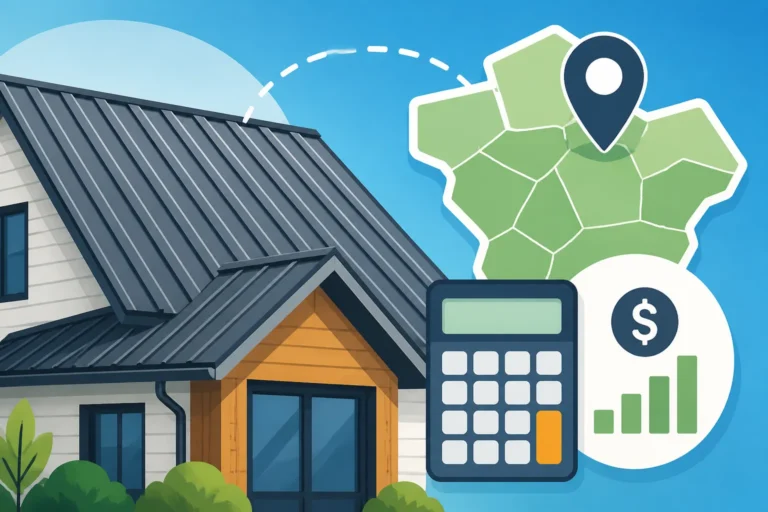
For example, a Metal Roof Cost in Houston might be lower for a basic corrugated system because there is a massive supply of metal and many local installers. Conversely, an Average Metal Roof Replacement Cost 2026 in a high-cost area like Los Angeles or Seattle will reflect much higher local wage requirements and permit fees. When you see a quote that seems high for a small 1,000-square-foot house, often it's because the contractor has a "minimum job" price to cover the cost of moving their equipment and crew to the site.
Tear-off Costs and Decking Repairs
One of the biggest frustrations for homeowners is the "unforeseen" expense. Your estimate will usually include a line item for removing your old shingles. However, the contractor won't know the state of your wood decking until the old roof is gone. If they find rot or water damage in the plywood, you will pay per sheet to have it replaced.
Some homeowners try to save money by Installing a Metal Roof Over Shingles. While this is possible in some jurisdictions and can save you $1,500 to $3,000 on a small home, it isn't always recommended. Trapping old, moisture-laden shingles under new metal can lead to deck rot over time. Furthermore, in states like Florida, building codes often require a full tear-off to inspect the deck's attachment to the rafters for hurricane resistance.
Making the Investment: ROI and Long-Term Savings
It’s hard to swallow a $15,000 to $20,000 bill for a small home, but the math often works out in your favor over time. Most asphalt roofs on small homes will need replacement every 15 to 20 years. A high-quality metal roof can easily last 50 years or more. When you look at the Metal Roof Cost vs Lifespan Value, the "per year" cost of metal is usually lower than any other material.
Insurance Discounts and Energy Efficiency
In many states, insurance companies love metal roofs—specifically those with a Class 4 impact rating. If you live in a hail-prone area like Dallas or Charlotte, installing a stone-coated steel or heavy-gauge standing seam roof can result in a Metal Roof Insurance Savings & Discounts of 20% to 35% on your annual premiums. Over 10 years, that can reclaim thousands of dollars of your initial investment.
Additionally, metal is highly reflective. In the scorching summers of Atlanta or Orlando, a "cool metal roof" with PVDF coatings can reflect a huge portion of solar heat back into the atmosphere rather than absorbing it into your attic. This reduces your cooling load, potentially lowering your electric bill by 10% to 25% during the peak of summer.
The Last Roof You Will Ever Buy Reality Check
When you are weighing a Metal Roof Cost Estimate for a 1,200 Sq Ft Home (remembering the roof is larger than the floor), you have to ask yourself: how long do I plan to stay here? If this is your "forever home," the upfront cost is a one-time pain for a lifetime of gain. If you plan to move in five years, you might not see the full "payback" in energy savings, but you will certainly see it in resale value.
Is a Metal Roof Worth It? ROI, Resale & Payback stats generally show that a metal roof can recoup up to 85% or more of its cost in added home value. Buyers in 2026 are increasingly savvy about climate resilience and maintenance costs; seeing a brand-new metal roof on a 1,000-square-foot starter home or retirement cottage is a massive selling point that often leads to faster sales and higher offers.
Metal Roof Cost Estimation Disclaimer
The pricing information provided in this guide is based on national averages and market trends projected for 2026. Actual costs can vary significantly based on your specific geographic location, the complexity of your roof’s architecture, local building codes, and the specific contractor’s overhead. This guide is for informational purposes only and does not constitute a legal financial quote or a guarantee of pricing. Always obtain at least three written estimates from licensed, insured, and vetted local roofing professionals before beginning any home improvement project.