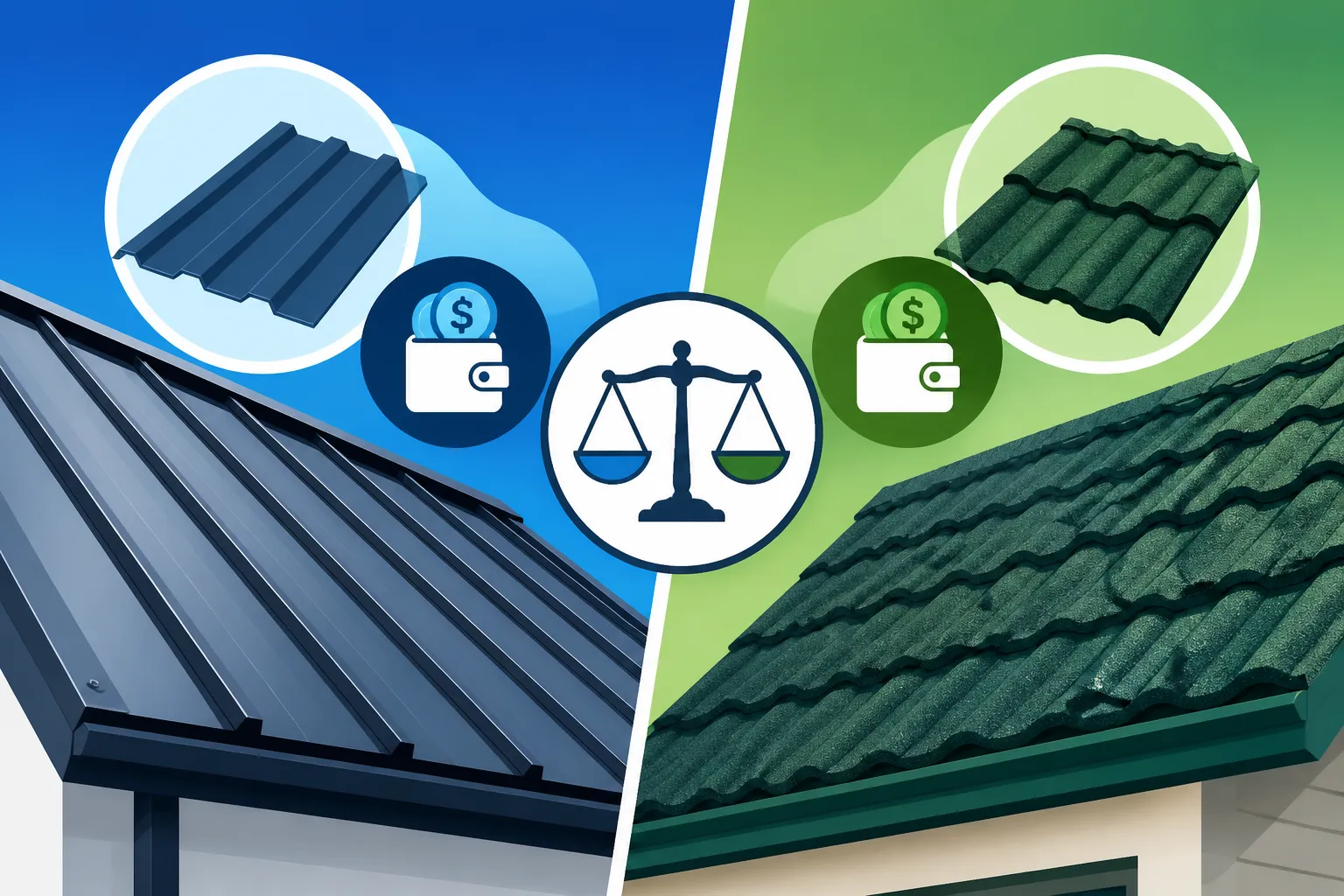
Metal Roof Cost Compared to DECRA Pricing
Deciding on a new roof often leads to a stressful standoff between standard metal panels and premium stone-coated steel options like DECRA. Many homeowners worry about the massive price gap and whether the high-end curb appeal truly justifies the initial investment over a lifetime. This guide breaks down exactly how DECRA pricing stacks up against traditional metal roofing, helping you navigate material costs and long-term value.
Understanding the Base Costs of Metal Roofing vs. DECRA
When you start looking at quotes, the numbers can feel like they are coming from two different planets. Standard metal roofing is a broad category that includes everything from the budget-friendly corrugated panels you see on barns to the sleek, high-end standing seam systems found on modern mountain homes. On the other hand, DECRA is a specific brand of stone-coated steel that mimics the look of traditional shingles, clay tile, or wood shakes. Because DECRA is a specialized product, its entry-point price is significantly higher than your basic agricultural metal panel.
The Metal Roof Cost: Complete 2026 Guide suggests that for most homeowners, the shock comes not from the material itself, but from the specialized nature of the stone-coated industry. While you might find basic steel panels at a local hardware supplier, DECRA is typically sold through professional distributors to certified installers. This controlled supply chain ensures quality, but it also means you aren't going to find "bargain-basement" pricing on these materials. You are paying for a multi-layered product that involves a structural steel core, a zinc-aluminum alloy coating, and an acrylic-bonded ceramic stone chip finish.
When we talk about Stone-Coated Steel Roof Cost, we are looking at a product designed to solve the aesthetic "problem" of metal roofing. Many people love the durability of metal but hate the "industrial" look of flat panels. DECRA solves this by offering profiles like Villa Tile or Shake, but that engineering comes with a price tag that usually starts at double the cost of basic ribbed metal. If you are comparing it to an entry-level asphalt shingle, the gap is even wider, often being three to four times the cost for the total project.
Key Factors Influencing DECRA Pricing and Standard Metal Costs
One of the biggest drivers of the price difference is the complexity of the material composition. A standard Steel Roof Cost Per Square Foot is usually based on a flat or ribbed sheet of galvanized or Galvalume steel with a paint finish. DECRA, however, uses a much more intensive manufacturing process. The stone chips aren't just glued on; they are embedded in a thick acrylic polymer. This creates a textured surface that is incredibly effective at deadening noise and resisting the "oil canning" or wavy appearance sometimes seen on flat metal panels.
Labor is the second major factor. Standard corrugated or ribbed panels are relatively fast to install because they come in large sheets that cover a lot of ground quickly. However, DECRA is a modular system. Each "shingle" or "tile" is installed individually, often requiring a batten system (a grid of wood or metal strips) underneath to create an air gap. This specialized labor means your Metal Roof Labor Cost will be significantly higher for a DECRA installation than for a simple screw-down metal roof. It requires a contractor who understands how to handle the specific flashing and interlocking components of a stone-coated system.
Finally, we have to talk about the "waste factor." On a complex roof with many valleys, dormers, and hips, standard metal panels can lead to a lot of wasted material as large sheets are cut down to fit small angles. Because DECRA panels are smaller and modular, a skilled installer can often reduce waste, though the per-unit cost remains high. You also have to factor in the What Affects Metal Roof Cost: Gauge, Pitch, Complexity & Tear-Off because a steep-pitched roof will require more safety equipment and slower movement, which hits your wallet harder when you are paying for the specialized labor required for stone-coated steel.
| Roofing Type | Estimated Material Cost (Per Sq.) | Estimated Labor Cost (Per Sq.) | Total Installed Cost (Per Sq.) |
|---|---|---|---|
| Corrugated Steel (Exposed Fastener) | $150 – $350 | $300 – $500 | $450 – $850 |
| Standing Seam (Hidden Fastener) | $400 – $700 | $600 – $1,000 | $1,000 – $1,700 |
| DECRA Stone-Coated Steel | $500 – $900 | $700 – $1,200 | $1,200 – $2,100 |
| Aluminum Shingles | $450 – $800 | $600 – $1,100 | $1,050 – $1,900 |
Real-World Comparison: DECRA vs. Standing Seam and Corrugated
If you are trying to decide between a Standing Seam Metal Roof Cost and a DECRA quote, you are essentially choosing between two "premium" options. Standing seam is often seen as the gold standard for modern architectural looks. It’s clean, it’s durable, and it’s excellent for shedding snow. However, DECRA often wins in neighborhoods with strict Homeowners Associations (HOAs). I have seen dozens of cases where an HOA denies a standing seam roof because it looks "too commercial," but they will approve a DECRA Tile or Shake profile because it blends in perfectly with the traditional homes on the block.
In terms of resilience, both systems are top-tier, but they handle damage differently. A standard flat metal panel might show a visible dent if a large hailstone hits it just right. Because DECRA is textured with stone chips, it is much better at hiding small cosmetic imperfections. This is a huge deal if you live in a hail-prone area. In fact, many people find that their Metal Roof Insurance Savings & Discounts are more substantial with DECRA because it often carries a Class 4 impact rating, which is the highest level of protection available.
Maintenance is another area where the costs diverge over time. An exposed-fastener corrugated roof is the cheapest to install, but you have to go up there every 10 to 15 years to replace the rubber washers on the screws. Standing seam and DECRA both use hidden fastener systems, meaning the screws are protected from the elements. This reduces the Metal Roof Cost vs Lifespan Value gap because you won't be paying for frequent repairs. DECRA’s stone coating also provides an extra layer of UV protection, which can prevent the "chalking" or fading sometimes seen on lower-quality painted metal roofs after twenty years in the sun.
Calculating the True Cost: Installation, Accessories, and Beyond
When you look at a DECRA estimate, the "per square" price for the panels is just the beginning. You have to look at the accessories. DECRA uses proprietary trim, ridge caps, and valley pieces that are all stone-coated to match the panels. These pieces are significantly more expensive than the standard bent-metal trim used on a regular steel roof. You might find that your Metal Roof Trim and Flashing Cost accounts for 15% to 20% of the total DECRA quote, whereas it might only be 10% for a standard ribbed roof.
You also need to consider what’s happening underneath the metal. Because DECRA can be installed on battens, it creates a "vented" roof deck. This "Above Sheathing Ventilation" (ASV) can significantly reduce your cooling costs in the summer by preventing heat from transferring directly into your attic. While a Metal Roof Underlayment Cost is a standard part of any project, the specific high-temperature underlayments required for premium metal systems are a non-negotiable expense. You don't want to spend $30,000 on a DECRA roof only to have a cheap underlayment fail in year fifteen.
Lastly, think about the exit strategy—your home’s resale value. There is a strong argument to be made that Does a Metal Roof Increase Home Value?, but DECRA often carries a higher "appraisal premium" because it appeals to a wider range of buyers. A standing seam roof might appeal to someone who likes modern design, but a DECRA roof that looks like high-end cedar shake appeals to almost everyone. When you factor in the potential for a 60% to 85% return on investment at the time of sale, the "pricing compared to DECRA" conversation becomes less about what you spend today and more about what you recoup tomorrow.
Metal Roof Cost vs. DECRA Pricing Disclaimer
The cost information provided in this guide is based on national averages and market trends observed in 2024 through 2026. Roofing prices are highly volatile and are subject to change based on regional labor rates, local building codes, and the fluctuating cost of raw steel and stone materials. A DECRA roof may require specialized structural reinforcement depending on your existing roof deck. Always obtain multiple itemized quotes from licensed and manufacturer-certified contractors in your specific area to ensure accuracy for your unique project. This guide is for informational purposes and does not constitute a formal financial quote or construction agreement.