How to Maintain a Metal Roof in South Carolina
Living in South Carolina means enjoying beautiful beaches, historic charm, and vibrant communities, but it also means dealing with a unique set of weather challenges that can take a toll on your home, especially your roof. High humidity, intense sun, frequent thunderstorms, and the ever-present threat of hurricanes can really test a metal roof. This guide is here to walk you through the specifics of maintaining your metal roof in the Palmetto State, ensuring it stays strong, beautiful, and leak-free for decades to come, protecting your investment against everything Mother Nature throws its way.
Understanding South Carolina's Unique Roofing Environment
When you invest in a metal roof for your South Carolina home, you're making a smart choice for durability and longevity. However, even the toughest metal roofs need a little help to stand up to the specific climate challenges we face here. It's not just about the heat; it's the combination of factors that makes our state truly unique for roofing.
The Impact of Coastal Salt Air and Humidity
If you're lucky enough to live near the coast, say in Charleston or Myrtle Beach, you know the charm of the salty air. What's wonderful for beach walks, unfortunately, can be a real enemy to many building materials, including certain types of metal roofing. Salt spray is highly corrosive. It can accelerate the breakdown of protective coatings and even the metal itself if not properly maintained or if the wrong material was chosen initially. Aluminum and zinc roofs are generally more resistant to salt corrosion than steel, but even they benefit from regular cleaning. Inland areas might not have salt spray, but the pervasive high humidity across the state creates its own issues, fostering conditions for mildew and algae growth. This isn't just an aesthetic problem; persistent organic growth can trap moisture, further contributing to coating degradation and potential surface damage over time. Imagine walking out to your beautiful metal roof only to see green streaks forming – it’s disheartening, but manageable with the right approach.
Storm Season: Hurricanes, Hail, and High Winds
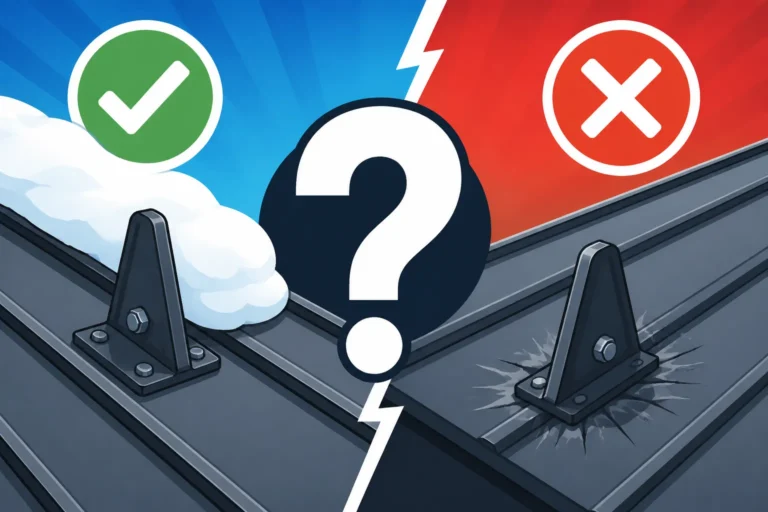
From June through November, South Carolina is squarely in hurricane season, and even outside of that, severe thunderstorms are a regular occurrence, bringing torrential rain, strong winds, and sometimes hail. These events are arguably the biggest threat to your metal roof's integrity. High winds can lift unsecured panels or damage the edges and trim, creating weak points where water can infiltrate. Hail, depending on its size and density, can cause cosmetic dents or, in severe cases, compromise the integrity of coatings, leading to rust. Debris carried by wind, like tree branches or even loose items from a neighbor's yard, can strike the roof, causing scratches or punctures. The key here isn't just surviving the storm, but knowing what to look for after it passes. A seemingly minor ding might turn into a bigger problem if left unchecked. Understanding these risks helps you appreciate why proactive maintenance and post-storm inspections are so crucial. If you're wondering about the strength of your roof, you might want to learn more about Metal Roof Wind and Fire Ratings Explained.
Intense Sun Exposure and Heat
South Carolina summers are glorious, but they come with relentless sunshine and soaring temperatures. While metal roofs are excellent at reflecting solar radiation, reducing cooling costs, the constant exposure to UV rays and thermal cycling (heating up during the day, cooling down at night) still impacts the materials. This expansion and contraction can put stress on fasteners and seams, potentially leading to loosening or cracks in sealants over many years. The UV radiation can also gradually break down the pigments and binders in your roof's paint finish, causing it to fade or chalk. A faded roof might not seem like an immediate structural concern, but it does impact your home's curb appeal and could be a sign that the protective coating is losing its effectiveness, leaving the underlying metal more vulnerable. Regular checks and timely re-coating, if necessary, can keep your roof looking vibrant and performing its best.
Essential Routine Maintenance Practices for SC Metal Roofs
Regular maintenance isn't just about fixing problems when they arise; it's about preventing them altogether. For a metal roof in South Carolina, a proactive approach will save you headaches and money in the long run.
Regular Cleaning to Combat Algae and Grime
Given South Carolina's humidity, algae, moss, and mildew are common culprits that can mar your roof's appearance. Not only do they look unsightly, but they can also trap moisture, potentially leading to corrosion or degradation of your roof's finish over time.
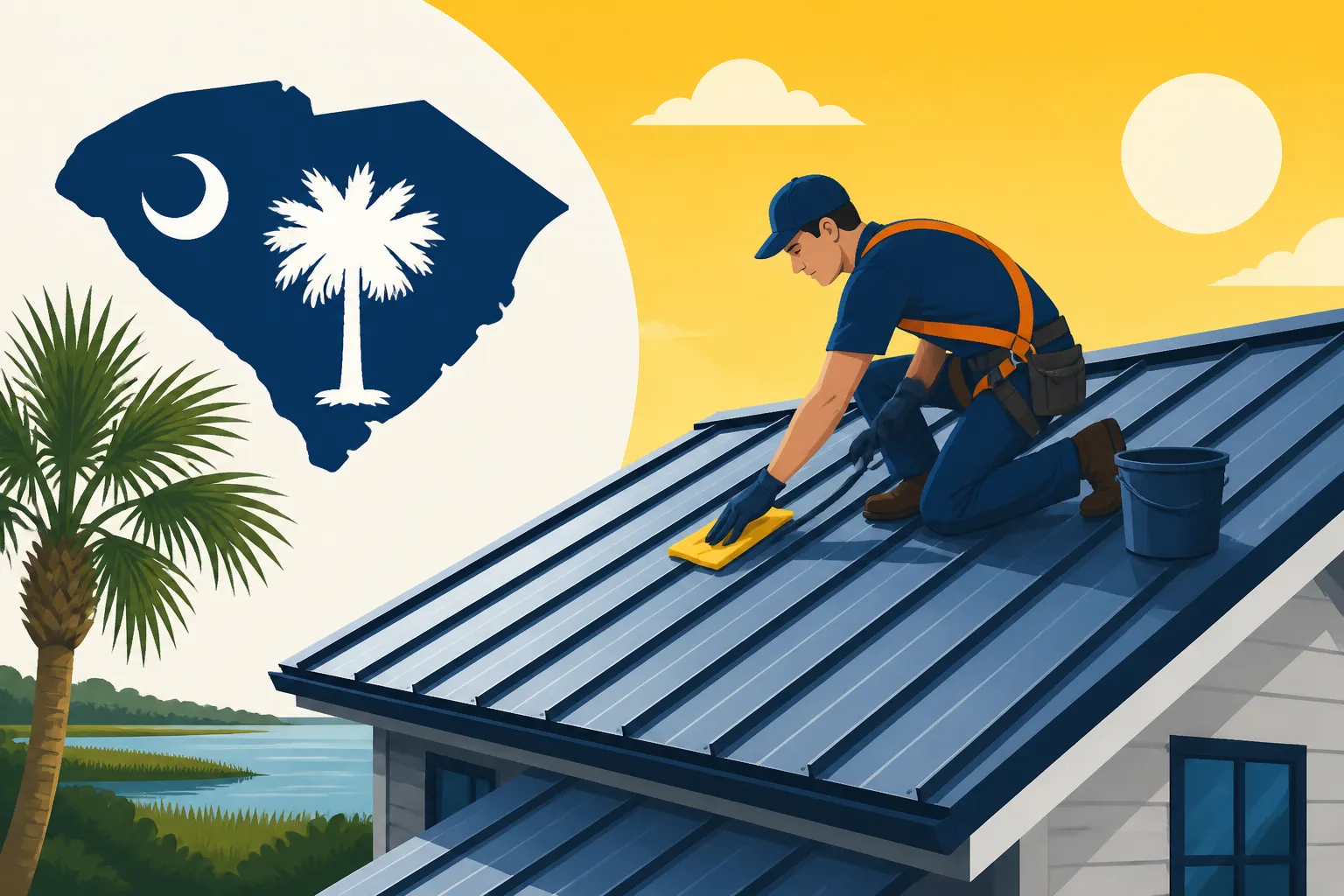
The good news is that cleaning a metal roof is usually pretty straightforward. For general dirt and grime, a simple garden hose with good pressure can often do the trick. For more stubborn biological growth, a mild, non-abrasive cleaning solution is your best bet. Many homeowners find success with a mixture of household bleach (about one cup per gallon of water) or a vinegar solution, applied with a soft-bristle brush or a low-pressure sprayer. Always rinse thoroughly with clear water afterward to remove all traces of the cleaning agent.
Important Safety Note: Never use a high-pressure power washer on a metal roof, especially a standing seam roof, as it can damage the finish, lift seams, or force water under panels. Always work from a secure ladder or harness, and consider hiring a professional if you're uncomfortable working at heights. It's usually best to clean on an overcast day to prevent cleaning solutions from drying too quickly and leaving streaks.
Diligent Inspections: Your First Line of Defense
Think of regular inspections as your roof's annual physical. Catching small issues before they become big, costly problems is paramount. Aim for at least one thorough inspection per year, preferably in the late fall after hurricane season or in early spring before the intense summer heat sets in. After any significant storm, a quick visual check from the ground is also a must.
What are you looking for during these inspections?
- Loose or missing fasteners: Especially common on exposed fastener roofs (like corrugated or R-panel), screws can back out due to thermal expansion and contraction or strong winds.
- Damaged sealants: Around flashings, vents, and skylights, sealants can crack, peel, or degrade, creating entry points for water.
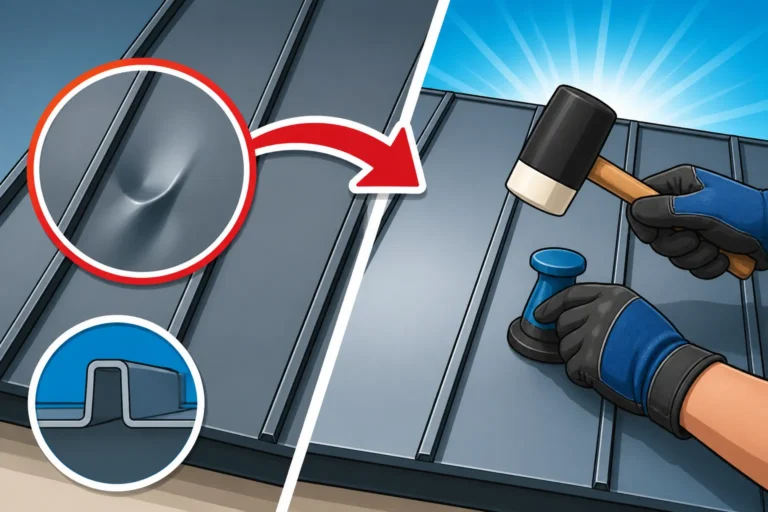
- Scratches, dents, or abrasion: These could be from hail, falling debris, or even foot traffic. Any compromise to the protective coating can lead to rust.
- Rust spots: Particularly around fasteners, edges, or areas where the coating has been scratched. Even small rust spots can spread rapidly.
- Debris accumulation: Leaves, twigs, and dirt can collect in valleys or behind chimneys, trapping moisture.
- Gutter condition: Clogged gutters prevent proper drainage, leading to water backing up onto the roof or fascia.
If you spot anything concerning, don't ignore it. A little proactive repair can prevent a massive headache down the road. This is why learning to conduct a proper Metal Roof Inspection: What to Check is so beneficial for homeowners.
Fastener and Sealant Checks
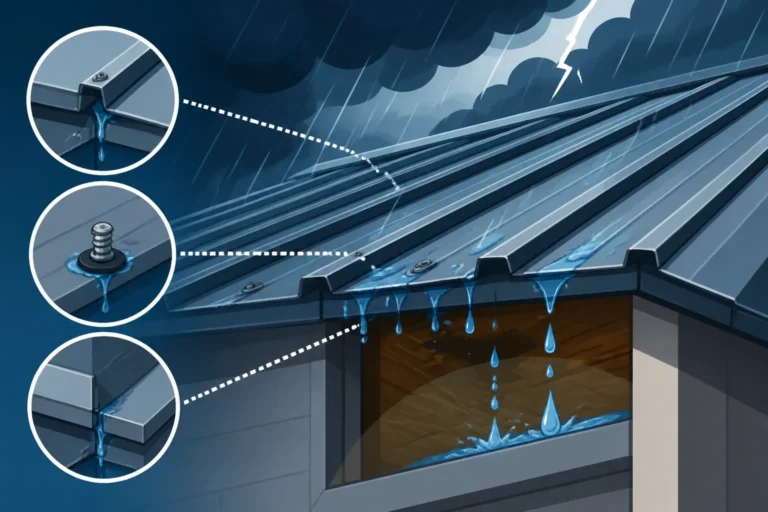
This specific aspect of inspection deserves its own moment, especially for South Carolina roofs. Fasteners, whether they're screws on an exposed fastener system or clips under a standing seam panel, are critical for keeping your roof securely attached. Over time, the rubber washers on exposed fasteners can degrade, leading to leaks. Screws can also loosen due to the constant expansion and contraction of the metal panels, exacerbated by our wide temperature swings. During your inspection, gently test any exposed fasteners you can safely reach. If a screw feels loose, carefully tighten it, but don't over-tighten, which can strip the threads or damage the washer. If the washer is cracked or missing, it's time for a replacement.
Sealants, used around penetrations like pipes, vents, and skylights, are equally vital. The harsh UV rays and intense heat in South Carolina can cause these materials to dry out, crack, and lose their elasticity. Check all sealed areas for signs of deterioration. If you see cracks or gaps, clean the area thoroughly and apply a high-quality, metal-compatible sealant. Silicone-based sealants are often recommended for their durability and flexibility. Remember, a tiny crack in a sealant can be a major entry point for rainwater, especially during the heavy downpours common in our state.
Tackling Common South Carolina Metal Roof Issues
Even with the best routine maintenance, specific issues can pop up. Knowing how to address them quickly and effectively is key to preserving your metal roof's lifespan.
Preventing and Treating Rust and Corrosion
Rust is a metal roof's natural enemy, particularly for steel panels, and it's something we need to be extra vigilant about in South Carolina's humid, sometimes coastal, environment. The best defense against rust is a robust, intact protective coating, typically a paint system like PVDF (Kynar 500) or SMP. If this coating is scratched, chipped, or worn, the exposed metal, especially on galvanized or Galvalume steel, can begin to corrode.
Prevention:
- Choose the right material: For coastal homes, aluminum or zinc roofing often offers superior corrosion resistance compared to steel.
- Regular cleaning: As discussed, removing organic growth and debris prevents moisture from being trapped against the metal.
- Prompt repairs: Any scratch or ding should be touched up with a compatible paint or primer as soon as possible.
Treatment:
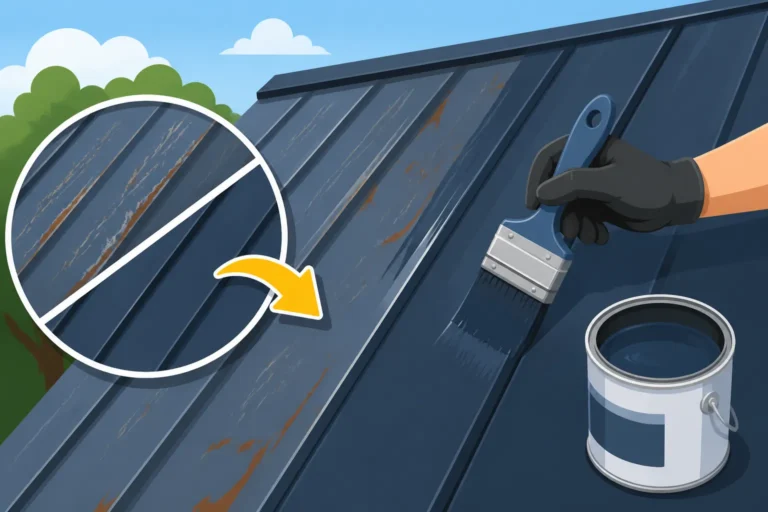
If you do find small rust spots, don't panic. For surface rust, you can often address it with a wire brush to remove the loose rust, followed by an application of a rust-inhibiting primer and then a color-matched exterior paint. For more extensive rust, or if the metal itself appears significantly compromised, it’s often best to consult with a roofing professional. They can assess the damage and recommend solutions, which might include panel replacement or a full roof re-coating if the issue is widespread. Understanding Metal Roof Rust and Corrosion Treatment can provide even more detailed steps for DIYers.
Dealing with Moss, Mildew, and Algae Growth
The high humidity and frequent rainfall across South Carolina create a perfect breeding ground for moss, mildew, and algae. These organic growths can make your beautiful metal roof look dingy, and in some cases, can even degrade its surface. While cleaning helps, some areas might be more prone to recurring growth.
Strategies:
- Mild Cleaning Solutions: As mentioned, a dilute bleach or vinegar solution works well. Commercial roof cleaning products specifically designed for metal roofs are also available and can be very effective.
- Zinc Strips: For persistent moss or algae, installing zinc strips along the ridge of your roof can be a long-term solution. As it rains, small amounts of zinc wash down the roof, inhibiting organic growth. This is a common practice on shingle roofs and can be adapted for metal.
- Trim Overhanging Branches: If growth is concentrated in areas shaded by trees, consider trimming branches to allow more sunlight to reach the roof, which helps dry out moisture and prevent growth.
Remember to always rinse your roof thoroughly after applying any cleaning solution to prevent chemical residue from affecting the finish. For homes nestled in heavily wooded areas or with particularly stubborn growth, a professional roof cleaning service experienced with metal roofs might be a worthwhile investment.
Post-Storm Damage Assessment and Repair
After a severe thunderstorm, tropical storm, or hurricane, a thorough inspection of your metal roof is non-negotiable. Even if your roof appears fine from the ground, hidden damage can lead to leaks down the line.
Steps for Post-Storm Assessment:
- Safety First: Only inspect your roof if it's safe to do so. If there are downed power lines, structural damage, or strong winds, wait for professionals.
- Ground Level Check: From a safe distance, look for obvious signs of damage: missing panels, lifted edges, significant dents, or large debris.
- Detailed Inspection: If safe, carefully inspect the roof surface. Look for:
- Dents and Scratches: Hail can cause widespread dents. Wind-blown debris can scratch or puncture panels.
- Loose or Damaged Flashings: Around chimneys, skylights, and vent pipes, high winds can damage or loosen flashings, creating leak points.
- Compromised Gutters: Clogged or damaged gutters won't direct water away from the roof properly.
- Fastener Issues: Check all fasteners for tightness and intact washers, especially on exposed fastener systems.
If you find any damage, no matter how minor it seems, it's crucial to address it promptly. Small dents or scratches can compromise the coating, leading to rust. Lifted panels or damaged flashings are direct invitations for water intrusion. Document all damage with photos for insurance purposes. When evaluating whether to repair or fully replace sections, consider reviewing resources on Metal Roof Repair vs Replacement: How to Decide and Metal Roof Storm, Hail & Wind Damage. For finding reliable local help, platforms like Modernize can connect you with qualified roofing contractors who understand South Carolina's specific storm recovery needs.
When to Call in the Professionals and Long-Term Care
While some metal roof maintenance tasks are well within the grasp of a diligent homeowner, there are times when bringing in a professional is not just a good idea, but essential. Especially with a significant investment like a metal roof, you want to ensure the work is done correctly.
The Benefits of Professional Metal Roof Inspections
You might be handy, and you might have a good eye, but a professional metal roofing contractor brings a level of expertise and specialized equipment that most homeowners simply don't have. They're trained to spot subtle signs of wear, potential vulnerabilities, and damage that might be invisible to the untrained eye.
What a Pro Does:
- Thoroughness: They'll perform a comprehensive inspection, checking every seam, fastener, flashing, and penetration point.
- Expertise in Local Codes: Professionals in South Carolina will be familiar with local building codes, especially those related to wind resistance and hurricane preparedness, ensuring your roof meets necessary standards.
- Safety: They have the right safety gear and training to navigate roofs safely, especially steep or high-pitched ones.
- Detailed Reporting: A reputable contractor will provide a detailed report of their findings, including photos, and recommend specific repairs or maintenance actions.
- Warranty Compliance: Some metal roof warranties require periodic professional inspections or specific maintenance protocols to remain valid.
Consider scheduling a professional inspection every few years, or after any particularly severe weather event that makes you uneasy about your own assessment. This can be a small investment that prevents much larger, more expensive problems later. You can use platforms like Modernize to find reputable and experienced metal roofing contractors in your area who specialize in maintenance and inspections. They can also help you understand the Metal Roof Labor Cost for any necessary repairs.
Maximizing Lifespan with Proper Coatings and Repairs
One of the most appealing aspects of a metal roof is its incredible lifespan – often 40-70 years or more. To truly achieve that longevity, especially in South Carolina's challenging climate, ongoing vigilance and sometimes, strategic interventions are needed.
Protective Coatings: The factory-applied paint finish on most metal roofs is crucial for both aesthetics and protection. Over decades, especially under our intense sun, this coating can gradually degrade, fade, or chalk. While minor fading is normal, significant chalking or peeling indicates that the protective layer is weakening. In such cases, professional re-coating can revitalize your roof. This process involves thoroughly cleaning and preparing the surface, then applying a new, high-performance coating specifically designed for metal roofs. This isn't just a cosmetic fix; it restores the roof's UV protection, corrosion resistance, and energy efficiency.
Timely Repairs: Don't let small problems fester. A loose fastener, a cracked sealant bead, or a minor rust spot should be addressed as soon as it's identified. Procrastination is the enemy of roof longevity. For instance, if you notice issues with screws, knowing How to Replace Metal Roof Screws and Fasteners can be a huge help, or you can have a professional handle it. Neglecting these minor issues allows moisture intrusion, leading to hidden damage to the underlayment, decking, and even the interior of your home. By being proactive with repairs and investing in professional inspections and re-coatings when necessary, you’re not just maintaining your roof; you’re ensuring it truly lives up to its promise of being a generational investment. Your metal roof is designed to last, and with the right care, it will protect your South Carolina home beautifully for decades.
Disclaimer
The information provided in this guide is intended for general informational purposes only and does not constitute professional advice. Metal roofing maintenance and repair can be complex and potentially dangerous. Always consult with a qualified and licensed metal roofing contractor for specific advice regarding your roof and for any work that requires specialized skills or safety equipment. Always prioritize safety when working on or around your roof.