How to Maintain a Metal Roof in Georgia
It’s a unique challenge living in Georgia, isn’t it? One minute you’re enjoying a beautiful, sunny afternoon, and the next, a pop-up thunderstorm rolls through, bringing heavy rain, high winds, and sometimes even hail. These unpredictable weather patterns, combined with the state’s high humidity and intense summer heat, can really take a toll on any roof, but especially if you’re not properly maintaining your metal roof. This guide is here to walk you through the essential steps and specific considerations for keeping your metal roof in prime condition, ensuring it stands up to Georgia’s distinct climate for decades to come.
Understanding Georgia's Climate Challenges for Metal Roofs
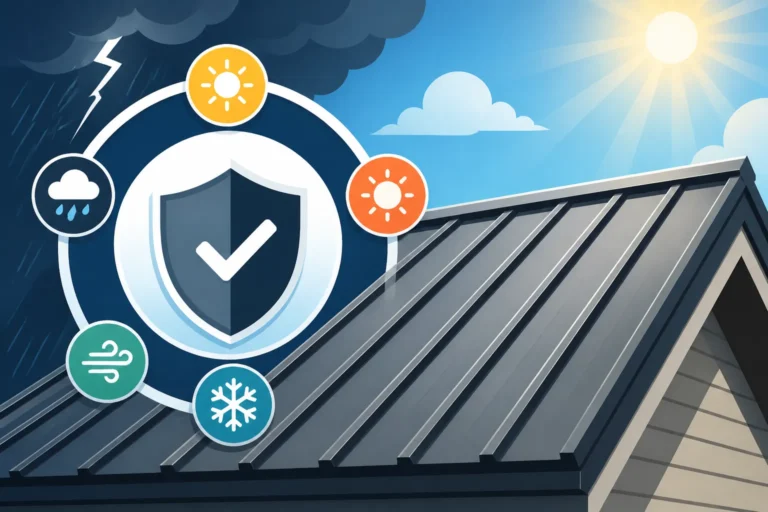
Georgia's weather is, shall we say, enthusiastic. From sweltering summers to sometimes surprisingly chilly winters, and a good dose of humidity and storms year-round, your metal roof has its work cut out for it. It’s not just about the big events; it’s the constant exposure that really matters. Ignoring these factors can lead to premature wear, aesthetic issues, and costly repairs down the line.
High Humidity and Moisture Exposure
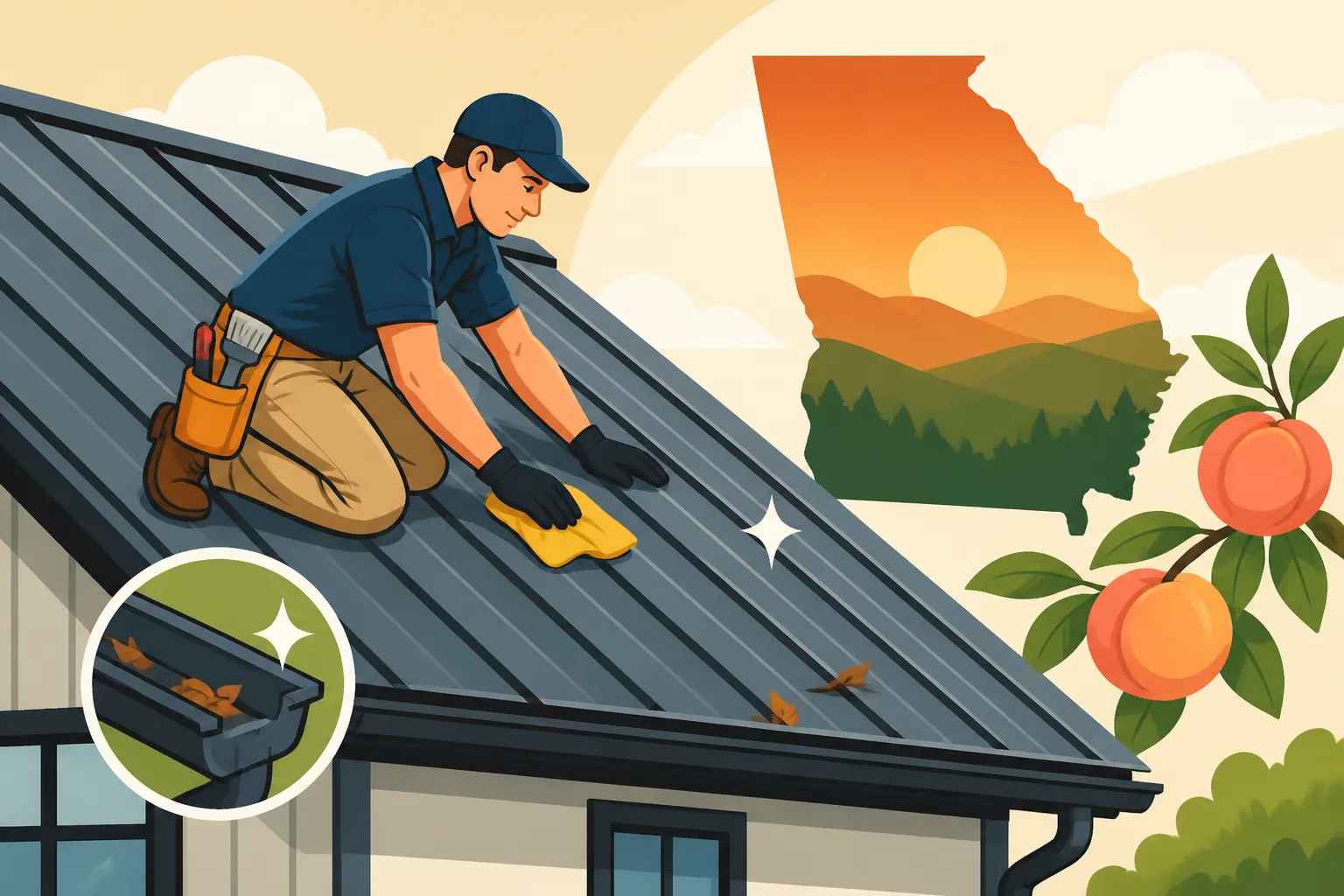
Ah, Georgia humidity! We know it well, don't we? It’s fantastic for the peach trees, but not always a friend to our homes. The constant presence of moisture in the air means your metal roof is rarely truly dry. This persistent dampness can, over time, create an ideal environment for mold, mildew, and algae growth, especially on roofs that don't get direct sunlight all day or in areas with significant tree cover. While metal itself won't typically rot, these organic growths can trap moisture against the surface, potentially impacting the roof's coating and even leading to streaking or discoloration that diminishes your home's curb appeal.
Beyond surface growth, sustained moisture can also contribute to rust and corrosion, particularly if there are any scratches or imperfections in the metal's protective coating. Materials like galvanized steel or Galvalume are designed to resist this, but no roof is entirely impervious without proper care. It's a subtle battle against nature, and consistent vigilance is key to keeping your roof looking sharp and performing optimally.
Intense Heat and UV Radiation
Summers in Georgia are no joke. Days regularly top 90 degrees Fahrenheit, often stretching into the triple digits, all under a blazing sun. This intense heat and constant UV radiation are formidable adversaries for any roofing material. For metal roofs, it primarily affects the paint finish or protective coating. While high-quality metal roofs use advanced coatings designed to reflect UV rays and resist fading, over decades, even the best can start to show signs of wear.
Fading, chalking (a powdery residue on the surface), and a reduction in the roof's solar reflectivity are common issues that can arise from prolonged sun exposure. A faded roof not only looks less appealing but can also absorb more heat, potentially increasing your cooling costs. The expansion and contraction of the metal panels due to extreme temperature swings are also a factor. While metal roofing systems are engineered to handle this movement, poorly installed or aging fasteners can loosen, creating potential leak points. This is why a regular check-up, especially after a particularly hot summer, is so important.
Severe Storms and Debris
Anyone who's lived in Georgia for a while knows that when a storm hits, it can hit hard. We're talking about heavy downpours that can challenge even the best drainage systems, high winds that toss branches around like toothpicks, and occasionally, hail that sounds like rocks hitting your house. These events are arguably the most dramatic threats to your metal roof.
High winds can uplift panels or compromise flashing if not properly secured. Heavy rain, especially when coupled with clogged gutters or inadequate drainage, can lead to water backing up and finding its way under panels. Hail, even smaller pea-sized hail, can create cosmetic dents, while larger hailstones can cause more significant damage, potentially impacting the protective coating and exposing the underlying metal. Fallen branches or other wind-borne debris can scratch, dent, or even puncture panels, creating immediate vulnerabilities. After any significant weather event, it’s crucial to conduct a visual inspection, and if you suspect damage, don’t hesitate to call a professional. This proactive approach can often prevent minor damage from escalating into major issues. Knowing the warning signs your metal roof needs attention is critical for homeowners in storm-prone regions like Georgia.
Essential Maintenance Practices for Georgia Metal Roofs
Keeping your metal roof in top shape in Georgia doesn't require a daily routine, but it does demand consistent attention to a few key practices. Think of it less like a chore and more like giving your home the care it deserves to perform its best.
Regular Cleaning and Debris Removal
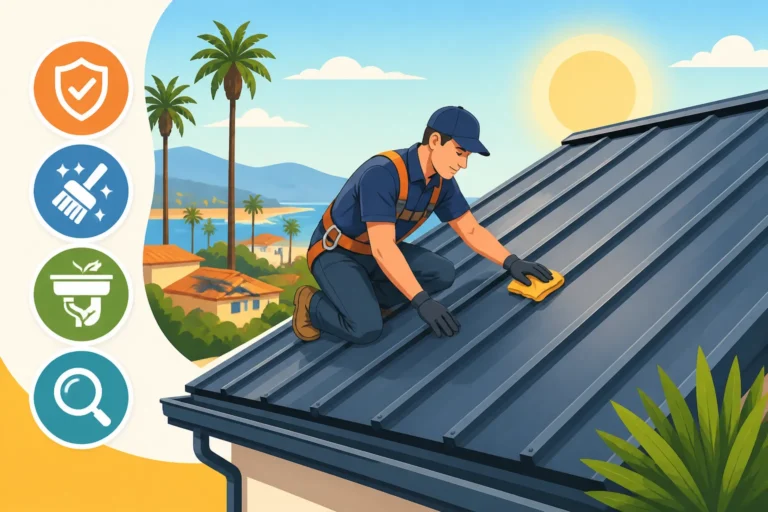
One of the most straightforward and impactful things you can do for your metal roof is to keep it clean. In Georgia, this often means contending with pine needles, leaves from deciduous trees, pollen, and even a layer of dust and grime. These materials don't just sit there innocently; they can trap moisture, promote algae and moss growth, and even stain your roof's surface.
How to Clean:
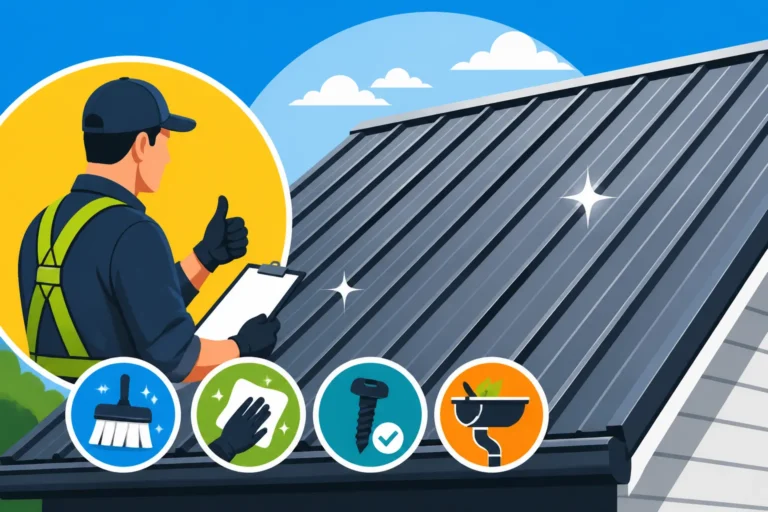
- Gentle Rinsing: For light dust and pollen, a simple rinse with a garden hose is often sufficient. Do this on a mild, overcast day to avoid rapid evaporation which can leave water spots.
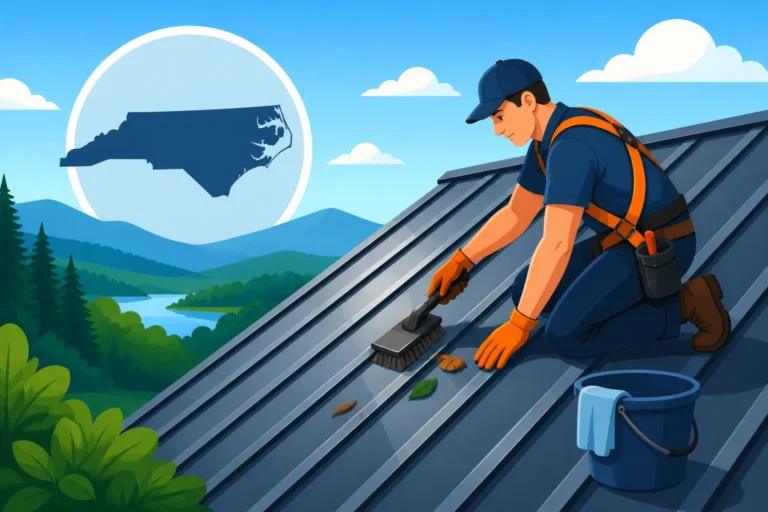
- Soft Brushing: For stubborn grime or initial algae growth, use a soft-bristle brush or broom. Always sweep or brush down the roof panels to avoid pushing debris up under seams or flashing. Never use a wire brush, as this can scratch the protective coating and lead to rust.
- Approved Cleaners: For more significant mold, mildew, or algae, use a diluted, roof-safe cleaning solution. Many manufacturers recommend specific products; a common gentle solution is a mix of water and a small amount of household detergent or bleach (check your manufacturer's warranty and instructions first!). Apply with a soft brush or low-pressure sprayer, let it sit for a recommended time, and then rinse thoroughly. Never use a high-pressure washer, as it can damage the finish, lift panels, or force water into areas it shouldn't be.
- Gutter Cleaning: Don't forget your gutters! Clogged gutters are a primary cause of water overflow, which can lead to staining on your roof and siding, and even foundation issues. Clear out leaves, pine needles, and shingle grit (if applicable) at least twice a year, more if you have significant tree cover.
Think about Georgia's spring, when pollen dusts everything, and fall, when leaves start dropping. These are prime times for a good roof cleaning and gutter sweep. For detailed information on proper cleaning techniques, you might refer to a comprehensive Metal Roof Maintenance Guide.
Seasonal Inspections for Damage
This is where you become your roof's best detective. Seasonal inspections are absolutely crucial for catching small issues before they become big, expensive problems. Georgia's varied climate means you should ideally inspect your roof at least twice a year – once after the harsh summer and fall, and again after winter and before the intense heat returns.
What to Look For (from the Ground or Safely on the Roof):
- Loose or Missing Fasteners: Check for any exposed fasteners that appear lifted or have worn-out washers. These are common culprits for leaks, especially in exposed fastener systems.
- Damaged Panels: Look for dents (from hail or falling debris), scratches, or discolored areas that might indicate a compromised coating.
- Flashing Issues: Inspect all flashing around chimneys, vents, skylights, and valleys. This is a common area for leaks if sealant has cracked or lifted. You can learn more about Metal Roof Flashing Repair if you spot issues.
- Gaps or Lifting at Seams: Especially with standing seam roofs, check that the seams are tight and not separating.
- Rust Spots: Even small specks of rust can spread if not addressed promptly.
- Tree Branches: Are any branches overhanging or touching your roof? They can scratch the surface or drop heavy debris.
- Gutters and Downspouts: Beyond just being clear, ensure they are securely attached and directing water away from your foundation.
If you’re not comfortable getting on your roof, or if your roof has a steep pitch, consider hiring a professional. They have the right equipment and expertise to safely assess the roof’s condition. Many homeowners find it helpful to consult with a company like Modernize to connect with experienced local roofers for inspections.
Addressing Minor Repairs Promptly
Finding a small problem during an inspection isn't a failure; it's a success! It means you caught it early. Promptly addressing these minor issues is paramount to preventing them from escalating into major repairs or even necessitating a full Metal Roof Repair vs Replacement: How to Decide.
Common Minor Repairs and Solutions:
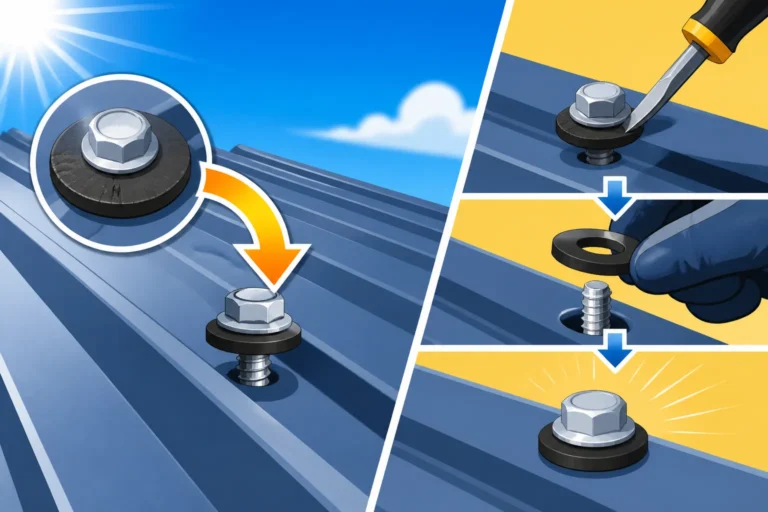
- Loose Fasteners: If you find a loose screw, you might be able to gently tighten it yourself, but ensure you don't overtighten. If the washer is cracked or missing, it's best to replace the entire screw with a new, oversized one designed for metal roofs, ensuring a watertight seal. This is a common solution for when your Metal Roof Leaking at the Screws.
- Small Scratches: For minor scratches that haven't exposed the bare metal, a manufacturer-approved touch-up paint can prevent future rust. For deeper scratches, you might need a small application of sealant before painting.
- Minor Rust Spots: Treat surface rust with a rust-converting primer and then touch up with paint. For more advanced rust, you might need to clean the area thoroughly, sand it lightly, apply a rust inhibitor, and then repaint.
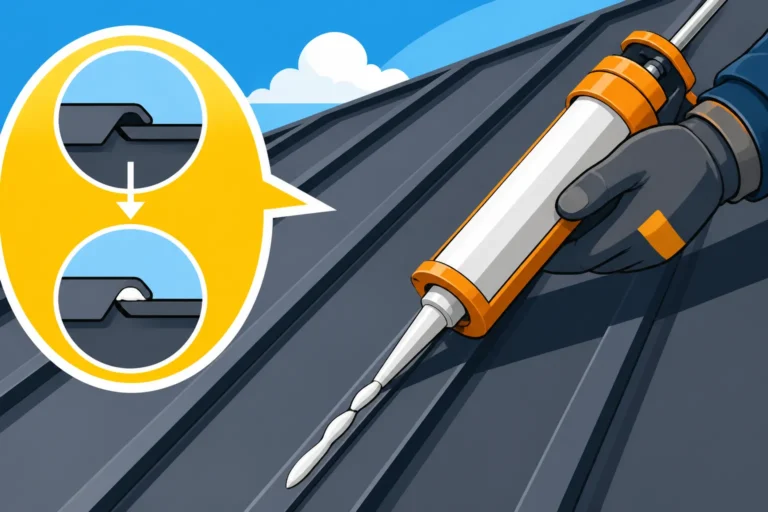
- Sealant Cracks: Areas around flashing, vents, or other penetrations often rely on sealants. If you see cracks or deterioration, carefully remove the old sealant and apply a new, high-quality, UV-resistant roofing sealant.
- Algae/Moss Growth: As mentioned in cleaning, address these promptly with gentle cleaning solutions to prevent them from taking hold and causing further issues.
It's tempting to put off small fixes, but a tiny leak can quickly lead to widespread water damage to your attic, insulation, and interior ceilings. Always prioritize safety when performing any repairs, and if you're unsure, call in a professional.
Addressing Common Metal Roof Issues in Georgia
Georgia's specific environmental factors often lead to a few common challenges for metal roofs. Knowing what to look for and how to tackle these issues can save you a lot of headache and money.
Managing Rust and Corrosion Prevention
Even with modern coatings, rust and corrosion can still become an issue for metal roofs in Georgia's humid climate, especially on older roofs or where the protective layer has been compromised. Prevention is always better than cure. High-quality metal roofing materials like Galvalume are specifically designed for superior corrosion resistance, but no material is truly maintenance-free.
Prevention Strategies:
- Choose the Right Material: When installing or replacing, consider materials and coatings known for their excellent corrosion resistance. For instance, aluminum roofs offer natural corrosion resistance, making them a great choice for humid environments, though they come at a higher Aluminum Roof Cost.
- Protect the Coating: Avoid walking on your roof unnecessarily, and if you must, wear soft-soled shoes and step carefully to avoid scuffing the coating. Be mindful when doing any work around the roof that could cause scratches, like trimming nearby trees.
- Prompt Repair of Scratches: As discussed, even small scratches expose the underlying metal to moisture and oxygen, leading to rust. Address these immediately with touch-up paint.
- Good Drainage: Ensure your gutters and downspouts effectively channel water away from the roof. Standing water is a rust accelerator.
- Regular Cleaning: Remove debris and organic growth that can trap moisture against the roof surface.
Treatment for Existing Rust:
If you do find rust, don't panic. For surface rust, a wire brush (used very carefully and sparingly, just on the rust spot) or sandpaper can remove it, followed by a rust-inhibiting primer and matching paint. For more extensive corrosion, especially along seams or penetrations, it's best to consult a professional. Sometimes, a panel replacement might be necessary if the corrosion is too deep. For deeper insights into Metal Roof Rust and Corrosion Treatment, further research can be helpful.
Preventing Leaks and Water Intrusion
Leaks are every homeowner's nightmare, and while metal roofs are incredibly durable, they are not entirely immune. Georgia’s heavy rains and strong winds can test even the most robust installation. The key to preventing leaks is understanding where they typically occur and addressing those vulnerabilities.
Common Leak Sources:
- Loose or Failed Fasteners: This is perhaps the most common leak source for exposed fastener metal roofs. The rubber washers beneath the screws can degrade over time due to UV exposure and temperature fluctuations, allowing water to seep through.
- Compromised Flashing: Areas where the roof meets a wall, chimney, skylight, or vent are critical points. If the flashing material is damaged, or the sealant around it cracks, water will find its way in.
- Damaged Panels: A puncture from falling debris, a severe dent that creates a low spot where water pools, or a panel that has been lifted by strong winds can all lead to leaks.
- Inadequate Slope or Drainage: While rare for residential metal roofs, if a section of your roof doesn't have proper pitch, water can pool, increasing the chances of leaks, especially if seams are not watertight.
- Ice Dams (Rare but Possible): Though less common in Georgia, during rare sustained freezes, ice dams can form along the eaves, backing water up under roof panels.
Preventative Measures:
- Annual Professional Inspections: A skilled roofer can spot potential leak sources you might miss. They can also check the integrity of your Metal Roof Underlayment and Ventilation Guide which is crucial for overall roof health.
- Sealant Maintenance: Regularly inspect and re-seal flashing and penetration points with high-quality, UV-resistant caulk or sealant.
- Fastener Replacement: For exposed fastener roofs, consider replacing aging fasteners and washers periodically, perhaps every 10-15 years, depending on their condition.
- Tree Trimming: Keep trees trimmed back from your roof to minimize falling debris that can cause damage.
If you suspect a leak, don't delay. Water damage spreads quickly. A professional can typically pinpoint the source and provide an effective Metal Roof Leak Repair Guide.
Mitigating Storm and Wind Damage
Georgia's thunderstorms and occasional tropical storm remnants mean your metal roof needs to be ready for high winds and heavy precipitation. While metal roofs are inherently durable and generally excellent performers in high winds, proactive steps can further protect your investment.
High Wind Considerations:
- Panel Attachment: Ensure your panels are securely fastened according to manufacturer specifications. Standing seam metal roofs, with their concealed fasteners, tend to perform exceptionally well in high winds as there are fewer points of vulnerability compared to exposed fastener systems.
- Edge Details: The edges of your roof, especially the eaves and rakes, are most susceptible to wind uplift. Proper installation of drip edge, rake trim, and fascia trim is critical.
- Professional Installation: This is paramount. A roof installed by experienced professionals who understand wind codes and proper fastening techniques will dramatically outperform a DIY or shoddy installation when faced with a strong Georgia gust.
Hail Damage and Repair:
While metal roofs are rated for impact resistance, large hail can still cause dents.
- Minor Dents: Cosmetic dents usually don't compromise the roof's integrity or coating. Often, these are covered by a "cosmetic damage exclusion" clause in insurance policies, meaning the roof's functionality isn't impaired, so an insurance claim might not be approved unless there's significant structural or coating damage.
- Severe Dents/Coating Damage: If hail is large enough to deeply dent the metal or chip the coating, it can lead to exposed metal and potential rust. In these cases, repair or panel replacement might be necessary. Document the damage thoroughly with photos and contact your insurance provider and a reputable local roofing contractor immediately.
- For major storm damage, you'll need a comprehensive assessment. You might find resources on Metal Roof Storm, Hail & Wind Damage helpful in understanding how to proceed.
A solid preventative measure is to ensure your chosen roofing professional has experience with Georgia's specific building codes and wind resistance requirements. Using a service like Modernize can help you find contractors who are well-versed in local regulations and best practices.
Long-Term Care and Professional Inspections
Your metal roof is a significant investment, designed for longevity. To truly maximize its lifespan, which can be 50 years or more, integrating long-term care strategies and leveraging professional expertise is vital.
The Value of Professional Inspections
While your own eyes on the roof are great for spotting obvious problems, a professional inspection goes much deeper. Metal roofing contractors, especially those with significant experience, know exactly what to look for, from subtle signs of sealant degradation to potential issues with flashing that might not be visible from the ground. They understand how different metal types and profiles respond to stress and wear over time.
What a Professional Inspection Entails:
- Thorough Examination: A pro will meticulously check every panel, seam, fastener, and penetration point. They'll also inspect the gutters, downspouts, and overall roof drainage.
- Underlayment and Ventilation Check: If possible, they might also assess your attic for signs of leaks, condensation, or ventilation issues that impact your roof's health. Poor ventilation can lead to moisture buildup under the panels, which can compromise the underlayment and even promote rust from the underside.
- Damage Assessment: They can accurately assess storm damage, distinguishing between cosmetic issues and structural problems, which is crucial for insurance claims.
- Preventative Recommendations: Based on their findings, they'll offer informed recommendations for maintenance, repairs, or upgrades that can extend your roof's life.
- Warranty Compliance: Many manufacturer warranties require periodic professional inspections to remain valid. A certified inspector can help ensure you meet these terms.
Consider getting a professional Metal Roof Inspection: What to Check at least every 3-5 years, or immediately after any significant weather event in Georgia. This peace of mind is truly priceless. Finding the right professional is key, and resources like Modernize can connect you with qualified local contractors.
Understanding and Maintaining Your Warranty
Your metal roof’s warranty is a critical document, outlining what the manufacturer covers and for how long. Understanding it is essential for long-term protection. Most metal roofs come with a finish warranty (covering fading, chalking, and paint adhesion) and a substrate warranty (covering perforations due to rust). Some also include a workmanship warranty from the installer.
Key Aspects of Warranties:
- Duration: Finish warranties often range from 25 to 40 years, while substrate warranties can be 30 to 50 years, or even limited lifetime.
- Coverage: Know what kinds of damage are covered. Cosmetic damage from hail, for instance, is often excluded if the roof's functionality isn't affected.
- Transferability: If you plan to sell your home, check if the warranty is transferable to a new owner, which can be a significant selling point.
- Maintenance Requirements: Many warranties require specific maintenance practices or periodic inspections by certified professionals. Failing to adhere to these can void your warranty.
- Exclusions: Be aware of what voids your warranty, such as using unapproved cleaning chemicals, walking on the roof improperly, or DIY repairs that aren't done according to manufacturer guidelines.
Keep your warranty documents in a safe place and review them periodically. If you have questions about what's covered or required, contact the manufacturer or your installer. Understanding your Metal Roof Warranties: Workmanship vs Manufacturer is a vital part of protecting your investment.
When to Consider Replacements and Upgrades
Even the best-maintained metal roof will eventually reach the end of its practical lifespan, though for many, that’s 50 years or more! For example, a quality Standing Seam Metal Roof Lasts for many decades. However, there might be times when replacement or significant upgrades become necessary sooner, especially with advancing technology and changing aesthetic preferences.
Reasons for Replacement/Upgrade:
- Beyond Economical Repair: If your roof has suffered extensive damage from a severe storm, or if multiple areas are experiencing significant corrosion or leaks, the cost of continuous repairs might outweigh the benefit.
- Aging Coatings: While the metal substrate might still be good, the aesthetic coating can fade or chalk over many decades, making the home look tired. Repainting is an option, but a full replacement might be considered if the underlying issues are widespread.
- Desire for New Technology: Metal roofing technology is constantly evolving. Newer panels might offer improved solar reflectivity (which can translate into Metal Roof Insurance Savings & Discounts and lower energy bills), enhanced wind resistance, or different aesthetic profiles that better suit your home’s updated look.
- Home Renovation: If you're undertaking a major home renovation, it might be an opportune time to replace an older metal roof, especially if it’s approaching its expected lifespan.
When considering a major project like this, it’s crucial to How to Hire a Metal Roofing Contractor who is reputable, experienced, and knowledgeable about the latest materials and installation techniques. They can help you evaluate whether repair or replacement is the most cost-effective long-term solution. Your metal roof is an investment in your home's future, and thoughtful maintenance ensures that investment pays dividends for decades to come, even in the face of Georgia's unpredictable climate.
Metal Roof Maintenance in Georgia: A Quick Reference
To help you keep track, here’s a quick overview of key considerations for maintaining your metal roof in Georgia:
| Climate Challenge | Impact on Metal Roof | Key Maintenance Tip |
|---|---|---|
| High Humidity | Algae/moss growth, potential for rust if coating compromised | Regular gentle cleaning, ensure good ventilation |
| Intense Heat/UV | Coating fading/chalking, material expansion/contraction | Choose UV-resistant coatings, annual visual inspection |
| Severe Storms (Wind) | Panel uplift, flashing compromise, debris damage | Post-storm inspection, ensure secure panel attachment |
| Severe Storms (Rain) | Leaks, water intrusion if drainage is poor | Clear gutters, inspect flashing/sealant, address leaks fast |
| Severe Storms (Hail) | Dents, coating damage | Professional inspection post-hail, document damage |
| Pollen/Debris | Trapped moisture, staining, clogged gutters | Seasonal cleaning, gutter clearing |
Disclaimer
The information provided in this guide is intended for general informational purposes only. While we strive to offer accurate and helpful advice, local building codes, specific product warranties, and individual roof conditions can vary significantly. Always consult with a qualified and licensed metal roofing professional for specific advice regarding your home's roof and before undertaking any repairs or maintenance.