Does a Tin Roof Rust or Corrode?
It’s a common sight: that older home with a roof that looks like it’s seen better days, showing streaks of orange or patches of discoloration, leading many to wonder, "Does a tin roof rust or corrode?" This is a truly relatable concern for anyone considering or owning a metal roof, especially with the lingering image of old, rusted barns. The good news is, for modern metal roofing, the answer is a lot more nuanced than a simple "yes" or "no," and this guide is here to unravel the truth behind metal roof deterioration and how to keep your home protected.
Deconstructing the "Tin" Roof: What Are We Really Talking About?
When people talk about a "tin roof" today, they're often referring to a variety of metal roofing types, not typically pure tin. The term is a bit of an old-fashioned holdover, conjuring images of simpler, often less durable roofing materials from generations past. Understanding what your metal roof is actually made of is the first step to knowing if it's susceptible to rust or other forms of corrosion.
The Legacy of "Tin" Roofing
Historically, actual tin roofs were a thing, primarily in the form of "terne" roofs. These were steel sheets coated with a lead-tin alloy. The tin provided corrosion resistance, and the lead offered durability and pliability. They were popular for their relatively low cost and ease of installation compared to other options of the time. However, due to concerns about lead content and the advent of superior coating technologies, pure tin or terne roofs are very rare in modern residential construction. When you see an old building with a "tin roof," it's probably an aged galvanized steel roof, or perhaps one of these historical terne systems. The reddish-brown decay we often associate with "tin" is actually the steel core succumbing to oxidation, a process we know as rust.
Modern Metal Roof Materials and Their Composition
Today, when homeowners choose a metal roof for its incredible longevity, energy efficiency, and low maintenance, they're typically selecting from a range of advanced materials. The most common "metal roofs" are made from steel (usually galvanized or Galvalume), aluminum, or sometimes more specialized metals like copper or zinc. Each of these has a distinct chemical makeup that dictates its susceptibility to rust and corrosion.
- Galvanized Steel: This is steel coated with a layer of zinc. The zinc acts as a sacrificial layer, corroding before the steel beneath it. This is a very common and cost-effective metal roofing material.
- Galvalume Steel: This is steel coated with an alloy of zinc, aluminum, and a touch of silicon. The aluminum provides a barrier protection, while the zinc offers sacrificial protection, giving it superior corrosion resistance to plain galvanized steel, especially in certain environments. To really dive into the differences, you might want to read our article on Galvalume vs Galvanized Steel Roofing.
- Aluminum: Naturally resistant to rust because it forms a passive oxide layer when exposed to air. It corrodes, but it doesn't "rust" in the way steel does.
- Copper and Zinc: These are premium metals that develop a beautiful patina over time (a form of corrosion), but they are highly resistant to degradation and incredibly long-lasting. They don't rust.
So, when we ask if a "tin roof" rusts, we're really asking if a steel roof (which is what most people mean by "tin") rusts, or if other modern metal roofing materials corrode.
The Science of Rust and Corrosion on Metal Roofs
Understanding the difference between rust and the broader term "corrosion" is key to assessing your metal roof's vulnerability and lifespan. It's not just semantics; it's about the chemical processes at play.
What is Rust (Oxidation)?
Rust is a very specific type of corrosion that applies exclusively to iron and its alloys, such as steel. It occurs when iron is exposed to oxygen and moisture (water or even high humidity) over time. This chemical reaction, called oxidation, forms iron oxides, which we recognize as that flaky, reddish-brown material that weakens metal. On a metal roof, rust typically starts when the protective coating (like paint or a metallic layer of zinc) is compromised, exposing the steel core to the elements.
Imagine a small scratch on your steel roof panel. When rain hits that scratch, or even just moisture in the air, the exposed steel starts to react. Over time, that tiny scratch can expand into a visible rust spot. If left unaddressed, rust can eat away at the steel, compromising the structural integrity of the panel. This is a primary concern for any steel-based roofing, including galvanized or Galvalume if their protective layers are breached.
What is Corrosion?
Corrosion is a much broader term than rust. It refers to the gradual destruction of materials (usually metals) by chemical or electrochemical reaction with their environment. While rust is a type of corrosion, not all corrosion is rust. Other types of corrosion common to roofing metals include:
- Galvanic Corrosion: This happens when two dissimilar metals are in electrical contact in the presence of an electrolyte (like rainwater). One metal becomes an anode and corrodes faster, while the other acts as a cathode and is protected. This is why you should always use compatible fasteners and flashing with your metal roof. For instance, using plain steel screws on an aluminum roof can lead to the steel screws corroding quickly, or worse, the aluminum around the screws corroding.
- Pitting Corrosion: This form of localized corrosion creates small holes or "pits" in the metal. It can be particularly problematic because it's hard to detect and can quickly lead to leaks. Aluminum, while rust-resistant, can be susceptible to pitting in certain harsh chemical environments, especially coastal areas where salt is abundant.
- Environmental Corrosion: Certain pollutants, acidic rain, or even high concentrations of salt in coastal air can accelerate the corrosive process on various metals.
Aluminum, copper, and zinc roofs do not rust because they don't contain iron. However, they do corrode. Aluminum forms a tough, passive aluminum oxide layer almost instantly when exposed to air, which actually protects the underlying metal from further corrosion. This is why aluminum is so durable. Copper develops a beautiful green-blue patina over time (like the Statue of Liberty!), which is also a protective oxide layer. Zinc develops a similar protective zinc carbonate patina. These patinas are not signs of failure, but rather natural, protective processes.
Factors Accelerating or Preventing Deterioration
The long-term performance of your metal roof, whether it's prone to rust or other forms of corrosion, hinges significantly on several key factors. It's not just about the material itself, but how it's treated and the environment it lives in.
Environmental Conditions
The local environment plays a colossal role in how quickly or slowly your metal roof might show signs of wear.
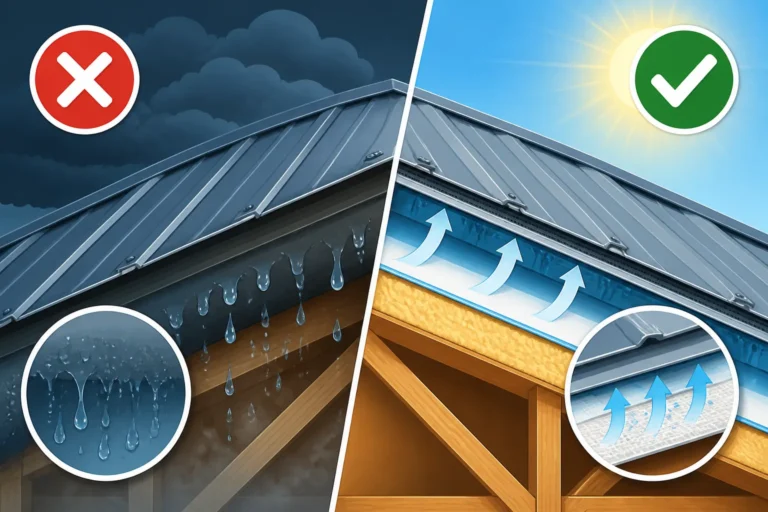
- Humidity and Rainfall: Areas with consistently high humidity and frequent rainfall provide the perfect conditions for rust (on steel) and other forms of corrosion. Water is a key ingredient for oxidation, and constant moisture exposure accelerates the process. For instance, a metal roof in Seattle or the humid Gulf Coast is under more constant attack than one in the dry Arizona desert.
- Coastal Environments: If you live near the ocean, the salt in the air is a major corrosive agent. Salt-laden air can quickly break down protective coatings and accelerate corrosion, especially pitting corrosion on aluminum or galvanized steel. This is why materials like aluminum or specialized coatings (like PVDF) are often recommended for coastal homes. Imagine the salt spray hitting your roof in Miami; it's a relentless assault.
- Industrial Pollutants: Homes located near industrial areas might be exposed to airborne chemicals, acids, or other pollutants that can be highly corrosive to metal roofing materials. These can degrade coatings and even attack the metal directly, leading to premature failure.
- Acid Rain: While less prevalent than in decades past, acid rain can still be a factor, especially in areas with significant industrial activity or high levels of vehicular emissions. Acidic precipitation can strip away protective layers and accelerate corrosion on exposed metal surfaces.
Coating Integrity
For steel roofs (galvanized or Galvalume), the coating is the first line of defense against rust. The quality and integrity of this coating are paramount.
- Paint Finishes: Most modern steel metal roofs come with high-performance paint finishes, often made with Kynar 500 (PVDF) or SMP (Siliconized Modified Polyester) resins. These coatings offer excellent UV protection, fade resistance, and an additional barrier against moisture and environmental pollutants. If these coatings are scratched, chipped, or start to delaminate, the underlying metallic coating (zinc or aluminum-zinc) or even the steel itself can be exposed.
- Metallic Coatings (Galvanizing/Galvalume): Even beneath the paint, the metallic coating provides vital protection. If the paint is gone, the zinc or aluminum-zinc layer then sacrifices itself or provides a barrier. However, if this metallic coating is deeply scratched or worn through, the steel substrate becomes exposed and highly susceptible to rust. This is a common failure point for cheaper, thinner gauge materials or poorly installed roofs where panels are mishandled during installation.
- Improper Installation: This is a big one. Poor installation techniques, such as using incorrect fasteners (e.g., non-stainless steel screws on a Galvalume roof), overtightening screws that damage washers and coatings, or improper cutting techniques that expose raw edges, can all lead to premature corrosion. An experienced, reputable contractor is essential here. When it's time to find a pro, a service like Modernize can connect you with vetted professionals who understand these critical details.
Maintenance Practices
Believe it or not, even a highly durable metal roof benefits from some routine care.
- Regular Cleaning: Keeping your roof free of debris like leaves, pine needles, and dirt is important. These materials can hold moisture against the roof surface, creating localized areas where corrosion can begin or accelerate. Organic matter can also decompose and release mild acids, further contributing to potential issues.
- Prompt Repairs: Addressing minor scratches, dings, or loose fasteners quickly can prevent small problems from escalating into major corrosion issues. Touch-up paint kits are often available for minor cosmetic damage to coated panels. For more significant damage, such as a dent from hail, you'll need professional intervention. Our guide on Metal Roof Repair Guide has more details on this.
- Inspections: Periodically inspecting your roof, or having a professional do it, can catch potential issues early. Look for signs of coating degradation, rust spots, or areas where water might be pooling. This proactive approach can significantly extend the life of your roof. For insights into what to look for, check out Warning Signs Your Metal Roof Needs Attention.
Spotting and Addressing Rust or Corrosion on Your Roof
Finding signs of rust or corrosion on your metal roof can be unsettling, but knowing what to look for and when to act is crucial. Not all discoloration is a death sentence for your roof!
Identifying the Signs
Different metals show different signs of deterioration. Understanding these can help you determine the severity and the best course of action.
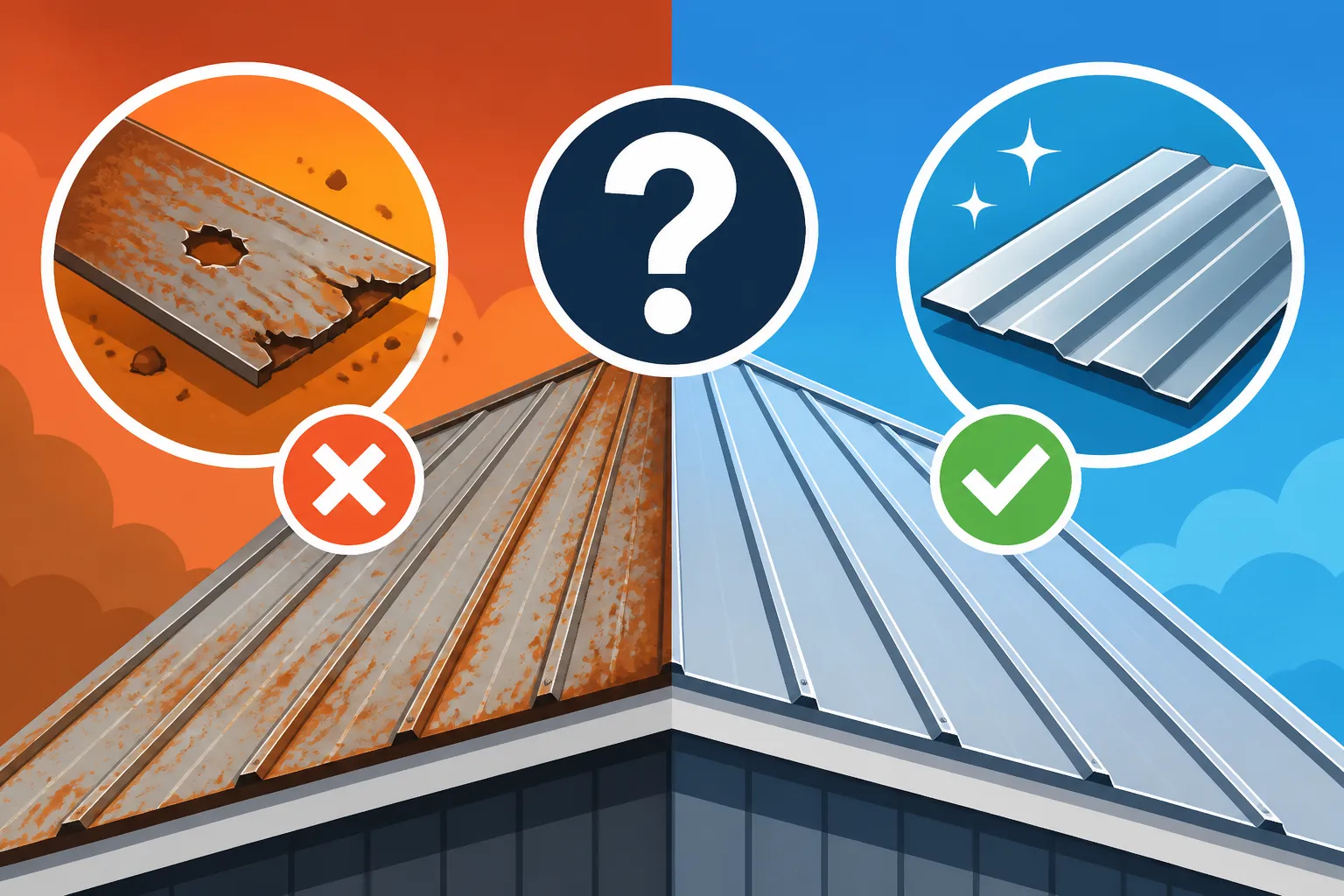
- Reddish-Brown Streaks or Patches (Rust): This is the classic sign of steel oxidation. You'll often see it around fasteners where washers might have failed, along cut edges, or where the paint coating has been damaged by scratches or abrasion. These spots can start small and then spread, causing the paint to bubble or flake off. If you see this, especially on what you thought was a durable metal roof, it's a clear indicator that the underlying steel is exposed and reacting to moisture and oxygen.
- White Powdery Residue (Zinc Corrosion): On galvanized steel, if the paint layer is compromised, the zinc coating will begin to corrode sacrifically. This often appears as a white, powdery substance. While this means the zinc is doing its job protecting the steel, it also means the protective layers are diminishing. If this white residue starts to look chunky or flake off, it indicates more advanced corrosion.
- Pitting or Pinholes: These are small, localized depressions or holes in the metal surface. They can be particularly concerning because they might not be immediately obvious but can lead to leaks surprisingly quickly. Aluminum roofs, while rust-resistant, can sometimes develop pitting in highly corrosive environments like coastal areas.
- Fading or Chalking of Paint: While not directly rust or corrosion, a faded or chalking paint finish can indicate that the protective top layer is degrading. This leaves the metallic coating beneath more exposed and vulnerable to environmental factors, potentially accelerating future corrosion. Modern paint systems are designed to resist this for decades, but cheaper coatings might show signs earlier.
- Galvanic Corrosion Indicators: If you see accelerated corrosion specifically around fasteners or where dissimilar metals meet (e.g., a metal roof panel touching a different metal flashing), this could be galvanic corrosion. The visual cue might be more aggressive rust on one material and less on the other, or a dark staining.
Repair vs. Replacement Considerations
Once you've identified signs of deterioration, the big question becomes: Is it a simple repair or is a full replacement necessary? This is where experience and professional assessment come into play.
- Minor Surface Rust/Corrosion: For small areas of surface rust or minor coating damage on steel roofs, localized treatment can often be effective. This might involve cleaning the area, applying a rust converter, priming, and then repainting with a compatible touch-up paint. For aluminum or copper, minor discoloration is often just part of the natural patina process and doesn't require intervention. However, if you see pitting on aluminum, it's time for a professional assessment.
- Extensive Rust or Perforation: If rust has spread significantly, caused perforations (holes) in the panels, or compromised the structural integrity of the metal, patching may only be a temporary fix. In such cases, replacing individual panels or even a section of the roof might be required. For detailed guidance on this complex decision, you'll find our article on Metal Roof Repair vs Replacement: How to Decide very helpful.
- Systemic Coating Failure: If the paint coating is extensively chalking, peeling, or fading across a large portion of the roof, it might be a sign of systemic coating failure. While repainting or recoating is an option, it's a significant undertaking and its long-term effectiveness depends on the original material and application.
- Age of the Roof: Even the best metal roofs have a lifespan. While some can last 50-70 years, others might be rated for 20-40. If your "tin roof" is an older galvanized steel system nearing the end of its projected lifespan and showing widespread issues, replacement might be the most cost-effective long-term solution. Our piece on Metal Roof Lifespan: How Long Do They Last? provides more context.
- Professional Assessment: It's almost always best to get a professional opinion. A qualified metal roofing contractor can assess the extent of the damage, identify the root cause, and recommend the most appropriate solution. They can differentiate between cosmetic issues and structural problems. When seeking out contractors, consider leveraging services like Modernize to ensure you connect with experienced, vetted professionals who can provide accurate diagnostics and competitive quotes. Getting multiple quotes also allows you to compare recommendations and pricing effectively.
Remember, addressing corrosion early can save you a lot of headache and expense down the road. Ignoring the signs only allows the problem to fester and potentially lead to costly structural damage or leaks.
Comparative Corrosion Resistance of Common Roofing Metals
To give you a clearer picture, here's a table comparing the rust and corrosion resistance of common metal roofing materials. This isn't just about whether they can rust, but how they perform against general environmental degradation.
| Metal Roofing Material | Does it Rust? (Iron Oxidation) | Does it Corrode? (General Degradation) | Primary Protection Mechanism(s) | Typical Lifespan (Years) | Common Vulnerabilities |
|---|---|---|---|---|---|
| Plain Steel | YES, readily | YES, aggressively | None (uncoated) | Very Short (10-20, if painted) | Rusts quickly when exposed to moisture and oxygen; requires constant maintenance. |
| Galvanized Steel | No, if coating intact | YES, gradually (zinc sacrifice) | Zinc coating (sacrificial) | 20-40 | Zinc coating eventually depletes, especially if scratched; susceptible to acid rain. |
| Galvalume Steel | No, if coating intact | YES, very slowly (aluminum/zinc) | Aluminum-zinc coating (barrier & sacrificial) | 40-60 | Highly resistant, but deep scratches can eventually expose steel; certain chemicals (e.g., strong alkalis) can attack coating. |
| Aluminum | NO | YES, very slowly (oxide layer) | Passive aluminum oxide layer | 50-70+ | Susceptible to pitting corrosion in highly saline or acidic environments; galvanic corrosion if in contact with dissimilar metals. |
| Copper | NO | YES, very slowly (patina formation) | Protective copper carbonate patina | 80-100+ | High initial cost; galvanic corrosion if in contact with many other metals; strong acids can etch surface. |
| Zinc | NO | YES, very slowly (patina formation) | Protective zinc carbonate patina | 80-100+ | High initial cost; can be damaged by highly acidic or alkaline run-off from other materials. |
This table clearly illustrates that while steel is the only material that truly "rusts" in the reddish-brown sense, all metals are subject to some form of corrosion. The difference lies in the type of corrosion and how effectively the metal or its coatings resist it over time. Modern metal roofing materials are engineered to minimize this deterioration.
Metal Roof Maintenance and Long-Term Care
Investing in a metal roof means investing in durability, but even the toughest materials benefit from a little TLC. Proactive maintenance is your best friend when it comes to preventing rust and corrosion and ensuring your roof lasts its impressive lifespan.
Regular Inspections and Cleaning
Think of your metal roof like a high-performance vehicle; it needs regular check-ups to keep running smoothly.
- Annual Visual Inspections: Twice a year, ideally in spring and fall, take a look at your roof. From the ground with binoculars, or if safe to do so, carefully walk the roof (knowing How to Walk on a Metal Roof Without Damage is crucial). Look for any obvious signs of damage: scratches, fading, loose fasteners, or areas where debris has collected. Pay close attention to penetrations like chimneys, skylights, and vents, as these are common areas for issues to begin. Our article on Metal Roof Inspection: What to Check offers a thorough guide.
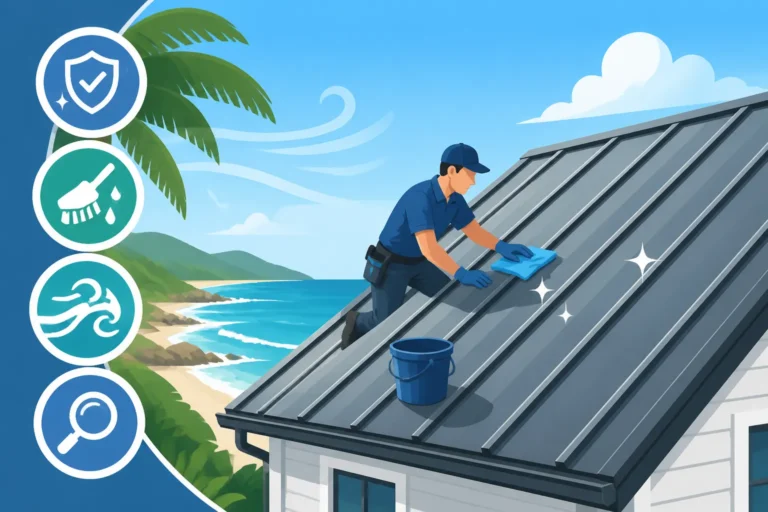
- Clear Debris: Over time, leaves, branches, dirt, and even bird droppings can accumulate on your roof. This debris traps moisture and can become acidic as it decomposes, creating an environment ripe for corrosion, especially if the protective coating is already compromised. Regularly clear your roof and gutters of any organic matter. A gentle rinse with a garden hose can also help remove dust and dirt.
- Address Moss and Algae: In humid climates, moss, algae, and lichens can grow on certain roof types. While metal roofs are generally resistant, if conditions are right, they can sometimes appear, particularly in shaded areas. These growths hold moisture and can potentially degrade coatings over time. Use a gentle, roof-safe cleaning solution and a soft brush, or hire a professional if needed. Avoid harsh chemicals or pressure washing, which can damage the finish.
Protecting the Protective Layers
The coatings on your metal roof are its armor. Keeping them intact is paramount.
- Touch-Up Scratches Promptly: If you notice a minor scratch on your painted metal roof, don't ignore it. Even small breaches can expose the underlying metallic coating or steel to the elements. Most metal roofing manufacturers offer touch-up paint kits that match your roof's color and coating type. Clean the area, allow it to dry completely, and carefully apply the touch-up paint to seal the scratch.
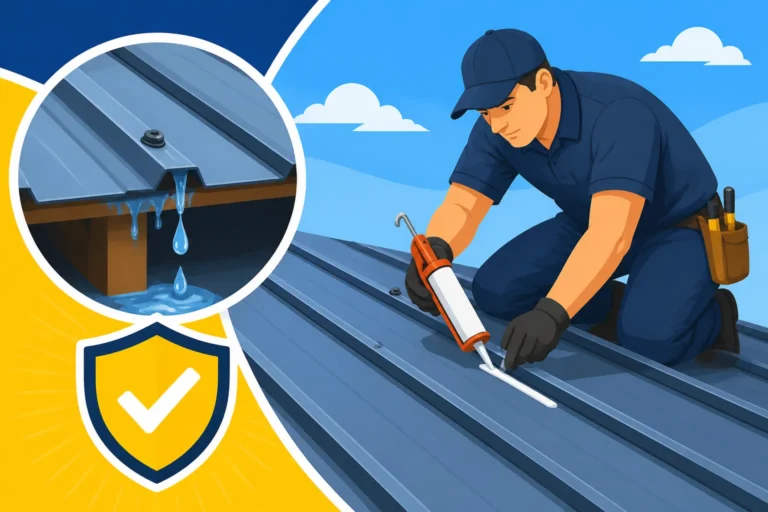
- Check Fasteners: For exposed fastener metal roofs (like corrugated or R-panel), the screws and their washers are critical. Over time, the rubber washers can degrade due to UV exposure, losing their seal and allowing moisture to penetrate around the screw hole, leading to rust. Periodically check fasteners for signs of corrosion or deterioration. Replacing worn washers or screws is a relatively straightforward repair that can prevent significant leaks and rust. For more on this, check out How to Replace Metal Roof Screws and Fasteners.
- Mind Galvanic Corrosion: If you're undertaking any exterior home projects, be mindful of different metals coming into contact. For example, don't let copper flashing drip onto an aluminum or galvanized steel roof, as this can cause galvanic corrosion. Similarly, use compatible materials for repairs and additions.
Professional Intervention and Long-Term Strategies
Sometimes, DIY maintenance isn't enough, or the issue requires expert hands.
- Professional Cleaning and Coating: For extensive cleaning needs, or if you're considering a recoating to extend the life of an older, faded roof, hiring a professional is wise. They have the right equipment and knowledge to clean without damaging your roof and can apply specialized coatings if appropriate. Recoating can significantly rejuvenate a roof that's showing widespread coating degradation, effectively adding years to its life. Our guide to Repainting and Recoating a Metal Roof offers a deeper dive into these options.
- Regular Contractor Inspections: If you're not comfortable inspecting your roof yourself, consider scheduling an annual or bi-annual inspection with a local metal roofing contractor. They can spot subtle issues you might miss and recommend proactive measures. When looking for a trusted local pro, platforms like Modernize can be a valuable resource to find reputable contractors in your area who specialize in metal roofing and understand its unique maintenance needs.
- Understanding Warranties: Familiarize yourself with your metal roof's warranty. Many manufacturers offer extensive warranties on their coatings (often 20-40 years for paint, longer for substrate), which typically cover peeling, chipping, and excessive fading, but not always damage from neglect or improper installation. Knowing what's covered can help you plan for long-term care or address issues if they arise.
By being proactive and attentive to these maintenance tips, you can ensure your metal roof, whether it's galvanized steel, Galvalume, aluminum, or another material, remains beautiful and protective for decades to come, giving you peace of mind and shielding your home from the elements.
Disclaimer
Please remember that the information provided in this article is intended for general guidance and informational purposes only. While we strive to offer accurate and up-to-date advice, roofing projects can be complex and involve significant safety considerations and local building codes. Always consult with a qualified, licensed, and insured metal roofing professional for specific advice tailored to your situation and before undertaking any repairs or installations. They can provide expert assessment and ensure compliance with all relevant regulations.