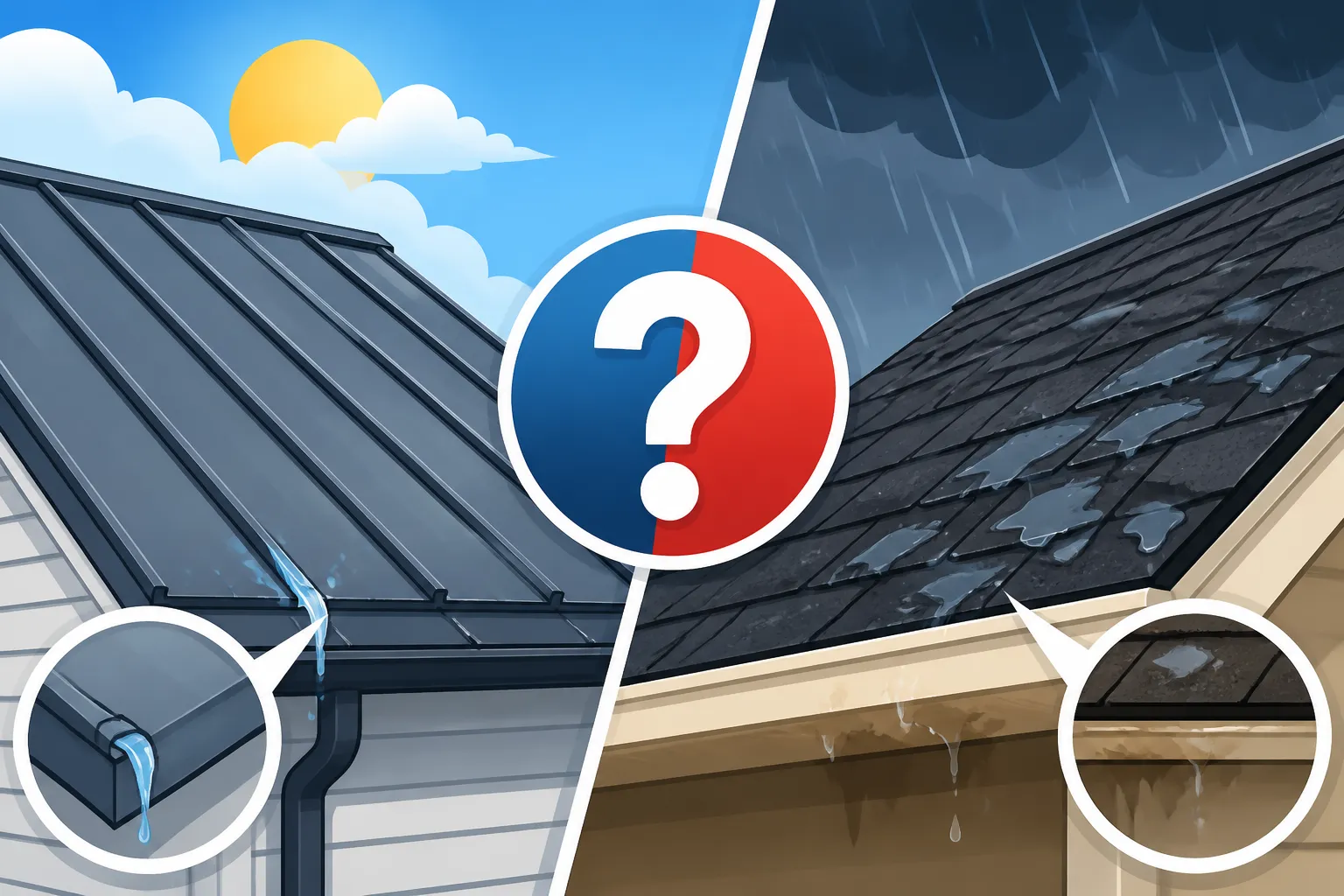
Do Metal Roofs Leak More Than Shingles?
It's a common worry when you're considering a big home improvement like a new roof: "Will this new material cause more problems than it solves?" Specifically, many homeowners wonder if switching to a metal roof means they'll be dealing with more leaks than they would with traditional asphalt shingles. This guide aims to clear up that persistent myth and provide a realistic, in-depth look at the leak potential of both metal and shingle roofing systems, helping you understand the real factors at play.
Understanding Metal Roof Leak Potential
The idea that metal roofs are inherently more prone to leaks than shingles is a pervasive misconception, often fueled by old notions of tin roofs or simply a lack of understanding of modern metal roofing technology. When people picture a metal roof, they might imagine a barn roof with visible screws, or perhaps the clang of rain hitting thin metal, leading them to believe it's a less robust barrier against water. In reality, contemporary metal roofing systems are engineered with advanced designs and materials specifically to create a superior, long-lasting watertight seal.
Common Misconceptions About Metal Roof Leaks
One of the biggest misunderstandings stems from confusing different types of metal roofs. For instance, an exposed fastener system, often seen on agricultural buildings, does have screws that penetrate the metal panels. If these screws aren't properly installed or maintained, their washers can degrade over time, creating potential points of entry for water. However, this is quite different from a standing seam metal roof, where fasteners are hidden beneath interlocking panels, making them virtually impervious to water intrusion from above. Many homeowners also worry about metal expanding and contracting, believing this movement will inevitably create gaps for leaks. While thermal expansion and contraction are real, modern metal roofing systems are designed with floating clips and panel systems that accommodate this movement without compromising the watertight seal. It's not a flaw; it's an engineered feature.
Another misconception is that metal roofs are "louder" in the rain, which some might mistakenly interpret as a sign of weaker protection. The truth is, any properly installed roof, whether metal or shingle, should have adequate decking and underlayment, plus insulation in the attic, to buffer sound. A loud metal roof is usually a sign of poor installation or insufficient insulation, not an inherent leak risk. Ultimately, the perceived vulnerability often comes from a lack of familiarity with the robust engineering behind high-quality metal roofing.
How Metal Roofing Systems Are Designed to Prevent Leaks
Modern metal roofs are built with leak prevention as a top priority, often exceeding the performance of asphalt shingles. The key lies in their design, especially in systems like standing seam. These panels feature interlocking seams that are raised above the roof's surface, creating a continuous barrier where water can't easily penetrate. The fasteners, as mentioned, are concealed, protected from UV degradation and direct water exposure, which is a significant advantage over exposed fastener systems. Moreover, a critical component of any metal roof's defense against water is its underlayment. High-quality synthetic underlayments, and in some cases, ice and water shield membranes, provide an additional layer of protection, acting as a secondary waterproof barrier should any moisture somehow get past the metal panels themselves. You can dive deeper into the layers beneath your roof with our guide on Metal Roof Underlayment and Ventilation Guide.
The way metal panels are formed and joined also plays a crucial role. Manufacturers utilize precise roll-forming techniques to create panels with exact specifications, ensuring tight fits and secure connections. Flashing details around chimneys, skylights, and vents are meticulously designed, often using custom-bent metal pieces that integrate seamlessly with the roof panels, preventing water ingress at these notoriously tricky areas. Reputable manufacturers and installers understand that while the metal itself is highly durable, the weakest points are always at penetrations and edges. Therefore, significant engineering and installation expertise go into sealing these areas, often making a metal roof a much more resilient barrier than many realize.
Factors That Influence Leaks in Both Metal and Shingle Roofs
When it comes down to it, whether you have a metal roof or an asphalt shingle roof, many of the core reasons for leaks actually overlap. It's rarely about the material itself being inherently "leaky," but rather about how that material is handled, installed, and maintained over its lifespan. Thinking about getting a roof replacement? You might want to consider the Metal Roof vs Asphalt Shingles: Full Comparison to weigh your options.
Installation Quality and Workmanship
This is, without a doubt, the single most critical factor for leak prevention in any roofing system. A perfectly engineered metal roof or a top-tier shingle product can fail miserably if installed incorrectly. For metal roofs, mistakes often happen with improper fastener application (too tight, too loose, or wrong type), inadequate flashing around chimneys, vents, and skylights, or poorly sealed seams. Even a tiny gap in a standing seam panel or a misaligned piece of flashing can allow water to seep in during heavy rains or strong winds. Finding a skilled contractor is paramount, and platforms like Modernize can help homeowners connect with experienced professionals who understand the nuances of metal roof installation. You don't want a general roofer experimenting with your expensive investment; you need someone who specializes in metal. Learning How to Hire a Metal Roofing Contractor is a crucial first step.
Similarly, with shingle roofs, poor installation can lead to shingles being improperly nailed, laid incorrectly (not enough overlap, wrong exposure), or having faulty valley and eave flashing. If shingles aren't sealed tightly or are misaligned, wind can easily lift them, allowing water underneath. Even a small error during the installation of an exhaust fan or a pipe boot can create a direct pathway for water into your attic. The difference between a leak-free roof and a constant headache often comes down to the expertise, attention to detail, and quality standards of the installation crew.
Material Degradation and Wear Over Time
Every roofing material eventually succumbs to the relentless assault of weather and time. For asphalt shingles, this degradation is often more apparent and more directly leads to leaks. Over years of sun exposure, thermal cycling, and hail impacts, the protective granules on shingles wear off, exposing the asphalt layer underneath. This makes the shingles brittle, prone to cracking, curling, and eventually breaking. Once the shingles crack or warp significantly, their ability to shed water is severely compromised, and leaks become inevitable. The sealants that hold shingle layers together also dry out and fail, allowing wind and water to penetrate more easily.
Metal roofs, while far more durable, are not entirely immune to material degradation, though its effects are usually different and take much longer to manifest. The protective coatings on metal panels (like Kynar 500 or SMP) can eventually chalk or fade over many decades. In exposed fastener systems, the neoprene washers on screws are a common wear point, degrading under UV light and losing their sealing capability, which can lead to leaks if not replaced periodically as part of Metal Roof Maintenance Guide. Rust can also become an issue, especially with lower-quality steel products or if the protective coating is deeply scratched or compromised. However, the base metal itself remains a strong barrier against water long after shingles would have deteriorated into a leaky mess. The overall Metal Roof Lifespan: How Long Do They Last? is significantly longer than shingles, pushing back the timeline for material-related leaks considerably.
Weather Events and Environmental Stressors
Nature throws a lot at our roofs, and both metal and shingles have different strengths and vulnerabilities when it comes to extreme weather. Hail, for example, can wreak havoc on asphalt shingles, stripping granules, cracking the matting, and creating weak spots that quickly turn into leaks. While metal roofs can sometimes dent from severe hail, these dents rarely compromise the watertight integrity of the panel unless the coating is completely breached and left untreated, or if the impact is exceptionally sharp or forceful. In fact, many metal roofs receive a Class 4 impact resistance rating, the highest available, meaning they can often withstand large hail with minimal functional damage, even if there's cosmetic denting. Understanding Metal Roof Storm, Hail & Wind Damage can help set expectations.
High winds are another major factor. Asphalt shingles, particularly older ones or those with compromised seals, can be easily lifted or torn off in strong gusts, exposing the underlayment and decking to direct rainfall. Metal roofs, especially standing seam systems that are securely fastened to the substructure, are significantly more resistant to wind uplift and blow-offs. They are often rated to withstand hurricane-force winds (up to 150 mph or more). Heavy snow and ice can also cause issues. Ice dams can form on any roof, forcing meltwater back up under shingles or metal panels if proper ventilation and underlayment are not in place. However, the slick surface of metal roofs often sheds snow more readily, which can reduce the severity of ice dams, although it also necessitates considerations for snow retention in certain climates.
Specific Vulnerabilities of Shingle Roofs to Leaks
While no roof is entirely leak-proof, asphalt shingle roofs, by their very design and material composition, possess several inherent vulnerabilities that make them more prone to leaks over their lifespan compared to a well-installed metal roof. These issues often arise due to the material's properties and how it degrades.
Shingle Lifespan and Granule Loss
Asphalt shingles typically have a lifespan of 15 to 30 years, though environmental factors can shorten this considerably. The primary defense of an asphalt shingle against UV radiation and physical wear is its granular surface. These tiny ceramic granules are embedded in the asphalt coating and provide color, reflectivity, and crucial protection from the sun's harsh rays. Over time, these granules inevitably begin to shed, washing away with rain or blowing off with wind. You might notice them accumulating in your gutters or on the ground around your house.
Once the granules are gone, the underlying asphalt is exposed to direct sunlight. This causes the asphalt to dry out, harden, and become brittle. As the shingles lose their flexibility, they start to crack, curl, and warp. These cracks and lifted edges create direct pathways for water. Rainwater, instead of flowing smoothly over the shingle surface and off the roof, can now seep into the cracks, work its way under the curling edges, and eventually penetrate the roof deck. This process is a natural, unavoidable part of shingle aging and is the most common cause of leaks in older shingle roofs. Unlike metal, where the core material often maintains its integrity even if the coating fades, the very structure of an aging shingle becomes compromised, leading directly to water intrusion.
Wind Damage and Blow-offs
Asphalt shingles are designed to overlap, with each shingle relying on an adhesive strip to seal it to the shingle below. While effective in mild conditions, this system can be highly vulnerable to strong winds. During a powerful storm, winds can get underneath the edges of shingles, particularly if the adhesive seal has weakened due to age, heat, or improper installation. Once the wind lifts a shingle, it can tear it from its fasteners, leading to blow-offs. A single missing shingle immediately exposes the underlying roofing felt or decking to the elements.
Even if shingles aren't completely blown off, repetitive lifting and flapping in high winds can loosen their nails, crack them, or break the seal, creating small openings where water can infiltrate. Over time, this constant stress significantly weakens the entire shingle system, leading to widespread damage that can be difficult and costly to repair without a full roof replacement. Areas with frequent strong winds, like coastal regions or tornado-prone states, see shingle roofs succumb to wind damage much more often, directly resulting in leaks.
Ice Dams and Water Intrusion
Ice dams are a homeowner's nightmare in colder climates and are particularly problematic for shingle roofs. They form when snow on a warmer part of the roof melts, runs down to a colder section (typically at the eaves), and refreezes, creating a barrier of ice. This ice then backs up subsequent meltwater, forming a pool of water behind the dam. Because asphalt shingles are designed to shed water downwards, not hold it back, this pooled water can then seep under the shingles, travel horizontally, and eventually leak into the attic or walls of the house.
The rough, granular surface of shingles can also hold onto melting snow and ice more readily than the slicker surface of a metal roof, which tends to shed snow more easily, reducing the conditions conducive to ice dam formation. While proper attic ventilation and insulation can mitigate ice dams on any roof type, shingle roofs are inherently more susceptible to the damaging effects of trapped water from ice dams due to their segmented, overlapping design and less effective shedding capabilities when water is forced up rather than flowing down. This can lead to significant interior damage long before the shingles themselves show signs of direct material failure.
Where Metal Roof Leaks Can (Rarely) Occur
While metal roofs are generally renowned for their superior resistance to leaks, it would be unrealistic to claim they are impervious to every form of water intrusion. When a metal roof does leak, it's almost always attributable to a specific cause, rather than a general failure of the material itself. These issues are often preventable with proper installation and diligent maintenance. If you're currently facing a leak, our Metal Roof Leak Repair Guide can offer immediate assistance.
Fastener Issues in Exposed Fastener Systems
For metal roofs that use exposed fasteners (where screws penetrate the metal panels and are visible on the surface), the screws themselves are the most common, albeit still rare, source of leaks. Each screw is typically fitted with a neoprene or EPDM washer designed to create a watertight seal when tightened correctly. However, these washers are exposed to the elements – constant UV radiation, extreme temperature fluctuations, and environmental pollutants. Over many years, these washers can degrade, crack, or become brittle, losing their elasticity and ability to seal tightly.
If a screw is over-tightened during installation, it can crush the washer, compromising its seal from day one. Conversely, if it's under-tightened, it won't compress the washer enough to form a proper seal. Even if installed perfectly, the natural expansion and contraction of the metal panels can, over decades, cause the screws to back out slightly, loosening the seal. When these washers fail or screws become loose, water can trickle down the screw shank and into the roof deck. Regular inspection and replacement of these fasteners and their washers, typically after 15-20 years, are crucial for maintaining the integrity of an exposed fastener metal roof.
Flashing and Seam Integrity
Just like with any roofing system, the flashing around penetrations (such as chimneys, skylights, plumbing vents, and valleys) is critical for preventing leaks on a metal roof. Flashing is designed to divert water away from these vulnerable areas. If the flashing is improperly installed, made from an incompatible material, or damaged, it can become a direct entry point for water. For instance, if a chimney flashing isn't correctly stepped and counter-flashed, water can run down the chimney brick and under the flashing. Similarly, if the sealant used around a vent pipe boot cracks or dries out over time, it creates a gap for water.
In standing seam metal roofs, the integrity of the seams themselves is paramount. While hidden fastener systems are designed for excellent leak resistance, if the panels are not properly crimped, seamed, or locked during installation, or if there's significant impact damage that distorts the seam, it can compromise the watertight seal. This is where the expertise of a specialized metal roofing contractor, perhaps found through a service like Modernize, becomes indispensable. They understand the intricacies of forming and sealing these critical junctures. Even seemingly minor issues, like improper trimming of panels around edges or poor end laps, can create opportunities for water intrusion, especially during wind-driven rain.
Damage from Impact or Poor Maintenance
Despite their inherent durability, metal roofs are not indestructible. Severe impact, while uncommon, can cause localized damage that leads to leaks. A large falling tree branch, heavy construction debris, or even a clumsy worker walking incorrectly on a standing seam panel can dent or puncture the metal. A significant dent might not immediately leak, but if it creates a low spot where water pools, or if it compromises a seam or flashing, it significantly increases the risk over time. More acutely, a puncture will, of course, lead to an immediate leak.
Furthermore, a lack of routine maintenance can contribute to leak development. While metal roofs are low-maintenance compared to shingles, they aren't entirely maintenance-free. Neglecting to clean gutters and downspouts can lead to water backup, potentially causing issues at the roof edge. Allowing debris (like leaves and twigs) to accumulate on the roof can trap moisture, especially in valleys or around dormers, which can lead to localized corrosion or compromise sealants over time. Regularly inspecting the roof for any signs of wear, damage, or sealant degradation and addressing them promptly is key. Proper Metal Roof Maintenance Guide can help prolong the life and leak-free performance of your roof.
Here's a quick comparison of potential leak issues:
| Feature/Risk | Asphalt Shingle Roof | Metal Roof (Standing Seam) | Metal Roof (Exposed Fastener) |
|---|---|---|---|
| Primary Leak Cause | Material degradation, cracking, granule loss, lifting | Poor flashing/seam installation, extreme impact damage | Washer degradation, loose screws, poor flashing installation |
| Material Aging | Becomes brittle, cracks, curls, loses waterproofing | Coating fades; base metal remains protective (decades) | Coating fades; base metal remains protective (decades); washers degrade |
| Wind Resistance | Moderate; prone to blow-offs, lifting, seal failure | High; excellent resistance to uplift and blow-offs | High; screws can loosen over extreme long periods |
| Hail Resistance | Poor; granule loss, cracking, punctures | Very High; dents can occur, but rarely compromise water-tightness; Class 4 rated options | Moderate to High; dents can be more pronounced; screws can be impacted |
| Ice Dams | High risk due to rough surface, water pooling | Lower risk due to slick surface, but can still form with poor ventilation | Lower risk due to slick surface, but can still form with poor ventilation |
| Fastener Leaks | Nails hidden, but can loosen or allow water wicking | None (hidden fasteners) | Primary concern due to washer degradation/installation issues |
| Maintenance Impact | Crucial to extend life; repairs often short-term | Periodic inspection of flashing/sealants; minimal routine care | Periodic inspection/replacement of fasteners/washers |
| Longevity | 15-30 years | 50-70+ years | 30-50+ years |
In summary, the notion that metal roofs leak more than shingles is largely unfounded. When issues do arise with metal roofs, they are typically isolated incidents stemming from installation errors, localized damage, or neglected maintenance of specific components, rather than a widespread failure of the roofing material itself. Conversely, asphalt shingles have inherent vulnerabilities to degradation that almost guarantee leaks as they age, even with perfect installation.
Disclaimer
The information provided in this article is intended for general guidance and informational purposes only, and does not constitute professional advice. Roofing projects should always be undertaken by qualified and licensed professionals. Consult with a reputable metal roofing contractor for specific advice tailored to your property and local building codes.