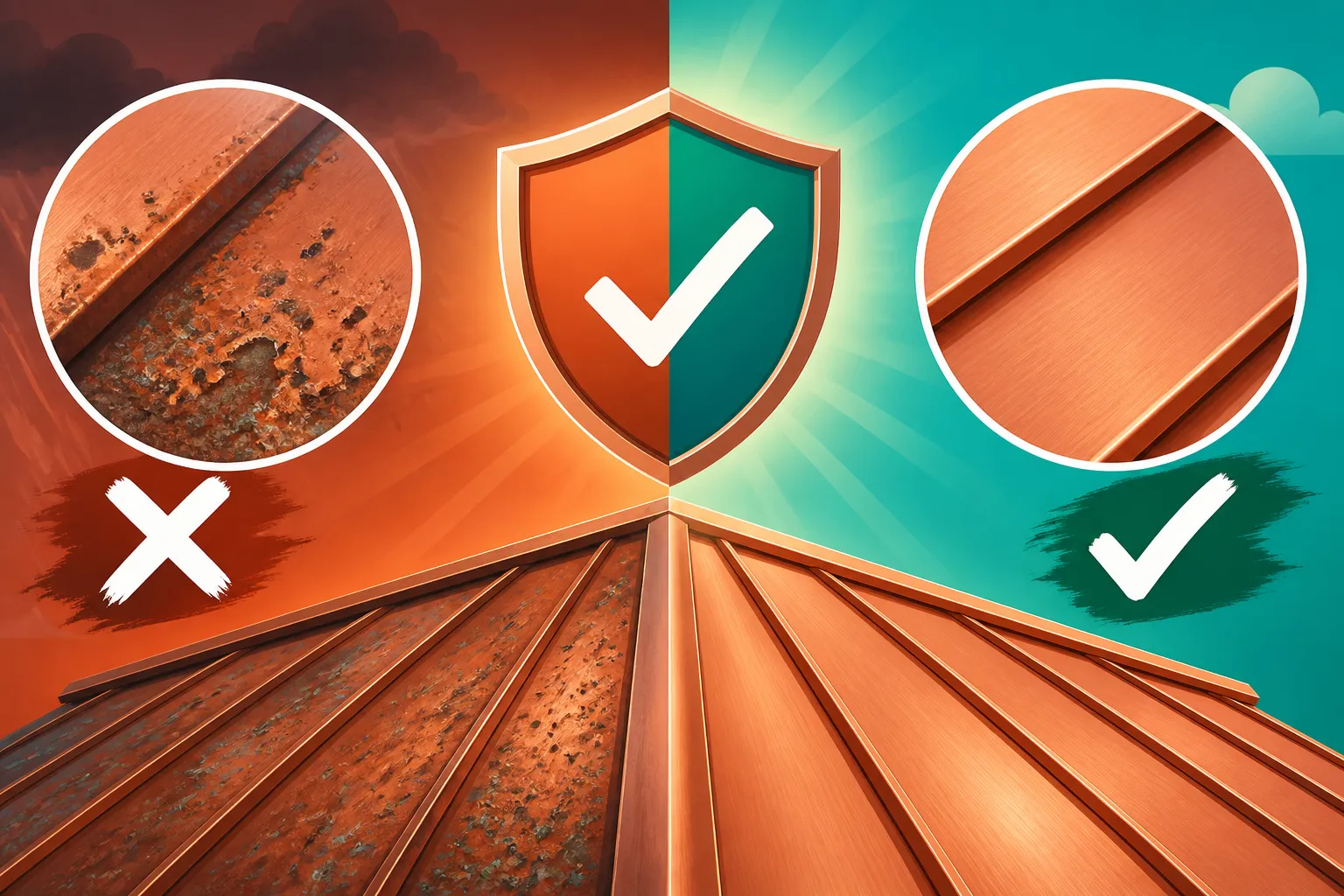
Does a Copper Roof Rust or Corrode?
It’s a totally natural concern when you’re investing in a beautiful, long-lasting copper roof to wonder if that stunning shine will eventually give way to ugly rust or corrosive damage. Many homeowners worry about the longevity and aesthetic changes of metal roofs, and copper, with its unique characteristics, often sparks questions about its resilience. This guide is here to clear up any confusion, explain exactly how copper interacts with the elements, and reassure you about its incredible durability and the true nature of its transformation.
Understanding Copper's Unique Patina Process
When we talk about metal roofs, words like "rust" and "corrosion" often carry a negative connotation, conjuring images of flaky, orange deterioration. However, with copper, the story is entirely different. Copper doesn't rust in the destructive way that iron-based metals do. Instead, it undergoes a beautiful, protective process called patination.
What is Patina and Why Does it Form?
Patina is essentially a protective layer that forms on the surface of copper (and certain other metals like bronze) when it's exposed to the elements. Think of it as copper's natural sunscreen and armor, all rolled into one. When a brand-new copper roof is installed, it typically has that bright, shiny, almost penny-like luster that many find incredibly appealing. But over time, this bare copper reacts with oxygen, moisture, and various pollutants in the air.
This reaction isn't destructive; it's a chemical transformation where the surface layer of copper oxidizes and then undergoes further reactions with sulfur and carbon dioxide. The result is a stable, durable film that not only changes the roof's color but also acts as a barrier, preventing further corrosion of the underlying metal. This is a critical distinction: unlike rust, which eats away at the metal, patina protects the metal, extending its lifespan considerably. It’s truly a marvel of natural engineering, safeguarding your investment for generations.
The Stages of Patina Development on Copper
The formation of copper patina isn't an overnight event; it's a gradual, mesmerizing journey that can take anywhere from a few years to several decades, depending on environmental factors. When you first install your new copper roof, it will likely be a bright, reflective copper color.
Initially, within the first few weeks to months, you'll start to notice the shiny surface begin to dull. This is the first stage, often referred to as the "salmon pink" or "dull brown" phase, as the copper surface starts to oxidize, forming cuprous oxide. This stage can often look uneven or blotchy, which sometimes causes homeowners concern, but it's a completely normal part of the process. If you’re considering a new installation, knowing what to expect can ease any initial worries. You might want to explore articles like Metal Roof Installation Process: Step by Step to understand the full timeline of your roof's journey, from installation to full patina.
Over the next few years, this dull brown will deepen, eventually turning to a rich, dark brown, sometimes almost black, due to the formation of cupric sulfide. This is a particularly stunning phase for many, offering a warm, earthy tone to your home. Finally, and this is the stage most people associate with classic copper roofs, the iconic blue-green patina begins to emerge. This verdant hue, often called verdigris, is primarily composed of basic copper carbonates. This final transformation is slow, often taking 5 to 15 years, or even longer in dry climates. Factors like humidity, rainfall, and airborne pollutants (especially sulfur dioxide) significantly accelerate or slow this process. Coastal areas, for instance, tend to develop the blue-green patina faster due to salt and humidity in the air.
Here's a general overview of the stages:
| Stage Name | Appearance | Primary Chemical Reaction | Timeframe (Approx.) | Notes |
|---|---|---|---|---|
| Initial Luster | Bright, shiny, "new penny" copper | Minimal surface reaction | Day 1 | Freshly installed, highly reflective |
| Dulling/Salmon Pink | Surface begins to dull, faint pink/orange undertones | Oxidation (Cuprous Oxide) | Weeks to 1 year | First signs of oxidation, can appear uneven |
| Dark Brown | Rich, deep chocolate brown, sometimes nearly black | Sulfidation (Cupric Sulfide) | 1 to 5 years | Deepening color, significant protective layer |
| Blue-Green Patina | Iconic verdigris, light to dark blue-green | Carbonation (Basic Copper Carbonates) | 5 to 15+ years (variable) | Fully developed protective layer, highly desired |
Patina vs. Rust: A Crucial Distinction
This is where we cut through the confusion. Rust and patina are fundamentally different chemical processes with vastly different outcomes for your roofing material. Rust is the common term for the corrosion of iron and its alloys, like steel, when exposed to oxygen and moisture. The chemical name for rust is iron oxide, and it's a destructive process. Rust is typically reddish-brown, flaky, and continues to spread, weakening the metal over time until it disintegrates. If you've ever seen an old steel shed or a rusty car, you know how brittle and damaging rust can be.
Copper patina, on the other hand, is a protective layer. As we discussed, it’s a stable compound that forms on the surface of the copper itself. Once formed, this layer actually prevents the underlying copper from corroding further. It seals the metal off from the reactive elements in the environment. So, while your copper roof will certainly change color, it will not rust in the way a steel roof would. This inherent corrosion resistance is one of the many reasons why the Metal Roof Lifespan: How Long Do They Last? is so incredibly impressive for copper, often exceeding 100 years. If you're comparing materials, understanding this distinction is key to appreciating the long-term value of copper.
Is Copper Truly Immune to Rust?
The short answer is yes, copper is truly immune to rust as we commonly understand it – the destructive oxidation of iron. Its unique chemical makeup means it responds to environmental exposure by forming a stable, protective barrier rather than succumbing to corrosive decay.
The Science Behind Copper's Corrosion Resistance
Copper's remarkable resistance to destructive corrosion lies in its atomic structure and how it reacts with elements like oxygen, sulfur, and carbon dioxide. Unlike iron, which forms a loose, flaky oxide layer (rust) that continues to expose fresh metal to corrosion, copper forms dense, adherent compounds.
When copper is first exposed to air, it quickly reacts with oxygen to form a thin layer of cuprous oxide (Cu₂O). This initial layer is already much more stable than iron oxide. Over time, and especially with the presence of moisture and other atmospheric gases, this cuprous oxide further reacts to form cupric oxide (CuO) and then eventually the complex basic copper sulfates and carbonates that give the patina its characteristic blue-green hue. These compounds bond tightly to the copper surface, creating an impermeable barrier. Imagine it like a self-healing skin that grows stronger and more protective with age. This 'skin' effectively isolates the pure copper underneath from any further corrosive attacks. This scientific phenomenon is why copper has been a prized roofing material for centuries, often outlasting the structures it protects. For more details on material comparisons, check out Metal Roof Materials Compared: Steel, Aluminum, Copper & Zinc.
How Different Environments Affect Copper's Surface
While copper doesn't rust, the speed and specific shade of its patina can vary significantly based on the environment. It's a living, breathing material that reacts to its surroundings, much like a fine wine changes with age and storage conditions.
In urban or industrial areas, where the air might contain higher levels of sulfur dioxide from pollution, the patina tends to develop faster and often leans towards darker browns and sometimes a more muted blue-green. The acidic nature of urban rain can also play a role. In coastal regions, the presence of salt in the air and higher humidity accelerates the patination process, often resulting in a quicker transition to the distinctive blue-green. You'll see this vibrant patina on many historic buildings along the Atlantic coast, for example. In dry, arid climates, the patination process is much slower. A copper roof in Arizona, for instance, might retain its brown tones for many more years before showing significant greening compared to one in Florida.
The slope of your roof also plays a part. Steeper pitches allow rainwater to run off more quickly, which can slow down the accumulation of moisture and atmospheric compounds needed for patina formation. Lower-slope roofs, where water may sit longer, can sometimes develop patina more rapidly. It's truly fascinating how many factors influence this natural transformation, making each copper roof uniquely beautiful.
Rare Instances of Actual Copper Degradation
While copper is incredibly corrosion-resistant, it's not entirely indestructible under extreme circumstances or improper installation. These instances are rare, but it's important to be aware of them.
One potential issue is galvanic corrosion. This occurs when two dissimilar metals are in direct contact with each other in the presence of an electrolyte (like rainwater). If copper comes into contact with a less noble metal, such as aluminum, zinc, or even certain types of steel, the less noble metal can corrode at an accelerated rate. This is why it's crucial for contractors to use compatible fasteners and flashing materials, typically copper, stainless steel, or bronze, when installing a copper roof. A knowledgeable How to Find a Copper Roof Installer will be well-versed in these compatibility requirements.
Another rare scenario involves persistent exposure to highly aggressive chemicals or acids, which could potentially damage the patina and even the copper itself. However, for a residential roof under normal atmospheric conditions, this is almost never a concern. Furthermore, improperly installed or damaged underlayment could trap moisture against the copper, leading to issues, but this would be an installation error rather than an inherent flaw in the copper. If you notice any unusual signs of deterioration that don't look like normal patina, it's always best to consult with a metal roofing expert.
Maintaining Your Copper Roof's Beauty and Longevity
One of the great joys of a copper roof is its minimal maintenance, especially if you embrace its natural patination. However, there are still a few things to consider, particularly if you have a specific aesthetic in mind.
Cleaning and Care for Different Aesthetic Preferences
The beauty of copper roofing is that it allows for personal preference when it comes to its appearance. Some homeowners adore the rich, earthy brown tones that precede the green patina, while others anxiously await the full verdigris. Then there are those who prefer to maintain that initial bright, shiny "new penny" look.
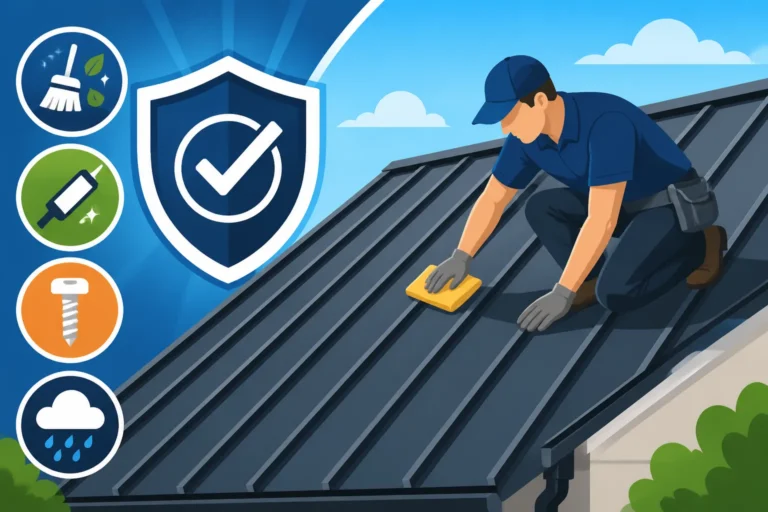
If you love the evolving colors of the patina, your maintenance routine will be incredibly simple: essentially, none at all. The rain will naturally clean your roof, and the patina will continue to develop its protective layer. However, if you're keen on preserving the bright, original copper luster, this requires more consistent effort. You'll need to periodically clean the roof with specialized copper cleaners and then apply a clear sealant or lacquer to prevent oxidation. This is a significant undertaking for an entire roof and often needs reapplication every few years, which can be costly and labor-intensive. Most homeowners choose to let their copper roof age gracefully, embracing its natural transformation. This minimal upkeep is a huge advantage and contributes to why many homeowners consider a copper roof's long-term value. For general best practices, our Metal Roof Maintenance Guide offers excellent insights applicable to all types of metal roofs.
Addressing Minor Issues and Stains
Even with its incredible durability, a copper roof isn't impervious to everything. Sometimes, you might notice minor issues like bird droppings, moss, or unsightly streaks that can temporarily mar its appearance. These usually don't indicate a structural problem but can be an aesthetic nuisance.
For common stains like bird droppings or tree sap, a gentle rinse with plain water from a garden hose is usually sufficient. For more stubborn spots, a soft-bristled brush with a mild, non-abrasive soap (like dish soap diluted in water) can be used. Always rinse thoroughly afterward to prevent soap residue. Moss and algae can sometimes grow in shaded areas, especially on lower-sloped sections. These can generally be removed with a gentle scrub and water, but avoid harsh chemicals or pressure washers, as these can damage the delicate patina or even the copper itself. If you're dealing with very persistent growth, consider a diluted solution of oxygen bleach (not chlorine bleach) and water, applied carefully. Remember, safety first when working on a roof; if you're not comfortable, always call a professional. You might find our post on How to Walk on a Metal Roof Without Damage helpful for safety tips.
Professional Maintenance and Inspection Tips
While copper roofs are low-maintenance, a periodic professional inspection is always a good idea, especially after severe weather events. A qualified metal roofing contractor can spot potential issues early, like loose flashing, damaged trim, or areas where debris might be accumulating and causing localized corrosion (though this is rare with copper).
During an inspection, a professional will check all seams, fasteners, and flashing for integrity. They’ll also ensure your gutters are clear and properly draining, as standing water near the roof can contribute to issues. This is also a great opportunity to ask about the condition of your Metal Roof Underlayment and Ventilation Guide to ensure everything is working together to protect your home. Reputable contractors can also offer advice on specific cleaning or treatment options if you have a particular aesthetic goal in mind for your patina. When it's time for an inspection or any work, using a service like Modernize can help you find pre-screened local professionals who specialize in metal roofing, ensuring you get reliable and experienced help. They can connect you with contractors who understand the nuances of copper and its unique characteristics.
The Long-Term Value and Appeal of Copper Roofing
Beyond its stunning aesthetics, copper roofing offers an impressive array of benefits that contribute to its long-term value and appeal, making it a wise investment for many homeowners.
Lifespan Expectations and Durability
Let's be clear: copper roofs are built to last. When properly installed, a copper roof can easily last 100 years or even longer. We’re talking about a roofing material that often outlives the house it protects! This exceptional lifespan is largely due to the protective patina we've discussed. Once formed, this layer essentially halts further deterioration, turning the roof into a virtually indestructible shield against the elements.
Compare this to traditional asphalt shingles, which might last 20-30 years before needing replacement. While the initial Copper Roof Cost can be higher, the investment quickly pays off when you consider that you might never need to replace your roof again within your lifetime, or even your children's lifetime. This durability also translates into superior performance against harsh weather conditions like high winds, heavy snow loads, and even hail, though severe hail can sometimes cause dents. For a detailed comparison, you might want to look at our guide on Metal Roof Cost vs Lifespan Value to see just how well copper stands up over time.
Resale Value and Curb Appeal Considerations
Installing a copper roof is not just an investment in protecting your home; it’s an investment in its aesthetic appeal and market value. The unique beauty and prestige associated with copper can significantly enhance your home's curb appeal, making it stand out in any neighborhood.
As the patina develops, it adds character and a timeless elegance that few other roofing materials can match. Homes with copper roofs often command higher resale values, as potential buyers recognize the quality, durability, and virtually maintenance-free nature of the material. A well-maintained copper roof signals a home that has been thoughtfully cared for, projecting an image of luxury and longevity. While the Does a Metal Roof Increase Home Value? article covers metal roofs in general, copper specifically contributes a high-end, classic appeal that is hard to quantify but instantly noticeable. It's truly a legacy material that speaks to enduring quality.
Making an Informed Decision for Your Home
Choosing a copper roof is a significant decision, and it’s one that requires careful consideration of its upfront cost, long-term benefits, and unique aesthetic evolution. There's no denying that the initial Copper Roof Cost Per Square Foot is higher than many other roofing options, but as we’ve explored, the long-term value, unparalleled lifespan, and exceptional durability offer a compelling return on that investment.
If you appreciate the beauty of a material that transforms and gains character with age, and you're looking for a roof that will likely outlast you, then copper is an outstanding choice. It's a statement piece, a protector, and an investment all rolled into one. For finding reliable professionals to help you with such an important decision and installation, services like Modernize can be invaluable. They can help you get multiple quotes from qualified contractors, allowing you to compare options and ensure you're making the best decision for your home and budget. Don't be swayed by misconceptions about rust; copper's "corrosion" is its superpower, a testament to its enduring strength and beauty.
Disclaimer
Please note that this guide provides general information about copper roofing and its properties. While we strive for accuracy, specific conditions, local building codes, and individual product specifications may vary. Always consult with a qualified and licensed metal roofing professional for personalized advice, inspections, and installation services tailored to your specific home and location. We are not liable for any actions taken based on the information provided herein.