Warning Signs Your Metal Roof Needs Attention
It's easy to assume your metal roof is invincible. After all, they're renowned for their incredible durability and longevity. But even the toughest metal roofs can start showing signs of wear and tear, and sometimes, those subtle hints can escalate into significant problems if left unaddressed. This guide is here to walk you through the various warning signs your metal roof might be signaling, from the tiny cosmetic issues to the more critical structural concerns, helping you understand when it's time to pay close attention and potentially call in a professional.
The Subtle Whispers: Early Warning Signs You Might Overlook
Sometimes, your metal roof isn't screaming for help; it's just whispering. These early, often subtle, signs are easy to dismiss, but they can be crucial indicators that something is amiss. Catching them early can save you a significant amount of stress and money down the line, preventing minor issues from becoming major headaches. It's like finding a small crack in your car's windshield – you could ignore it, but eventually, it's going to spread.
Fading or Chalking Paint Finish
One of the first things you might notice, especially on older roofs or those exposed to intense sunlight, is a change in the roof's color. That vibrant hue you loved when it was first installed starts to look dull, bleached out, or even powdery. This phenomenon is known as fading or chalking, and it's a common sign that your roof's protective coating is beginning to break down under the relentless assault of UV rays and weather.
While primarily a cosmetic issue in its early stages, fading and chalking shouldn't be entirely ignored. The paint finish on your metal roof isn't just for aesthetics; it provides a vital layer of defense against corrosion, rust, and further degradation of the metal itself. Once this layer starts to thin and erode, the underlying metal becomes more vulnerable. Think of it as your roof's sunscreen wearing off—the longer it's exposed without protection, the higher the risk of damage.
You might notice this more acutely on the southern or western facing slopes of your roof, which receive the most direct sun exposure. For instance, a home in a sunny state like Arizona or Florida might experience accelerated fading compared to one in a cloudier climate. Regularly washing your metal roof can sometimes extend the life of the paint finish by removing accumulated pollutants that can accelerate degradation, but eventually, the coating's natural lifespan will come to an end. Recognizing these subtle shifts in color is your cue to start thinking about maintenance or potential recoating options to protect your investment.
Minor Scratches and Abrasions
It’s inevitable that over the years, your metal roof will encounter various forms of minor abuse. Tree branches might scrape across it during a windy day, a stray baseball could leave a mark, or even foot traffic from an infrequent chimney sweep might leave behind small scratches and abrasions. These aren't usually catastrophic, but they are worth monitoring closely, especially if you have an exposed fastener system.
The danger with scratches and abrasions isn't always immediate structural failure, but rather the breach of the protective coating. Most modern metal roofs are coated with layers of paint, often including specialized resins like PVDF (Kynar 500) or SMP (Siliconized Modified Polyester), designed to resist weathering and corrosion. A deep scratch can cut through this protective layer, exposing the bare metal underneath to the elements.
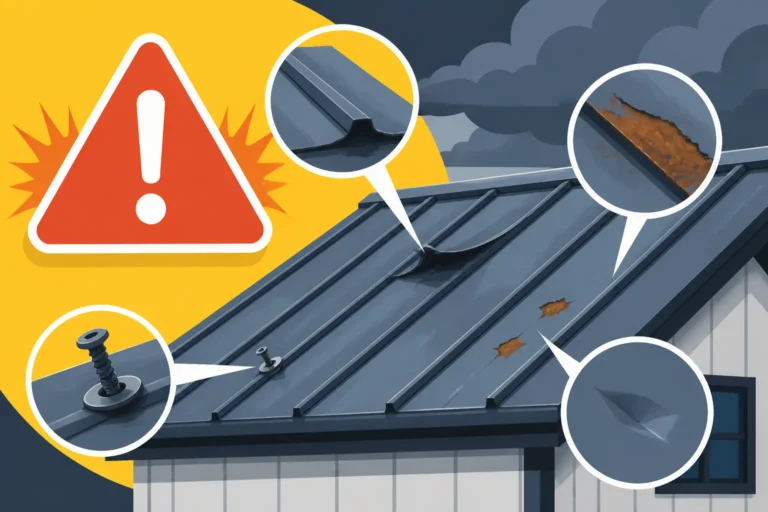
Once the bare metal, whether it's steel, aluminum, or Galvalume, is exposed, it becomes susceptible to oxidation and rust, particularly in humid or coastal environments. A small scratch might seem insignificant, but if it allows moisture to penetrate, it can lead to localized corrosion that, over time, can spread. Regularly inspecting your roof for such damage, especially after a storm, and applying touch-up paint or sealant to minor blemishes can significantly prolong the life of your metal roof and prevent costly future repairs. This proactive approach is a key part of effective Metal Roof Maintenance Guide.
Loose or Compromised Fasteners Exposed Fastener Systems
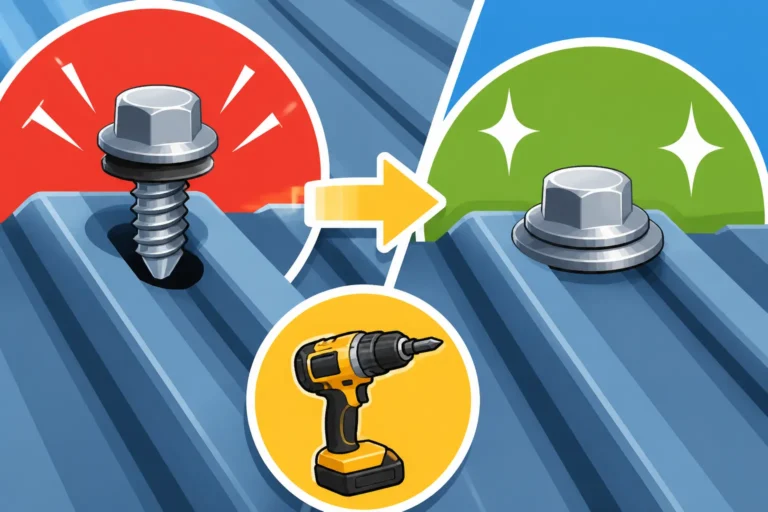
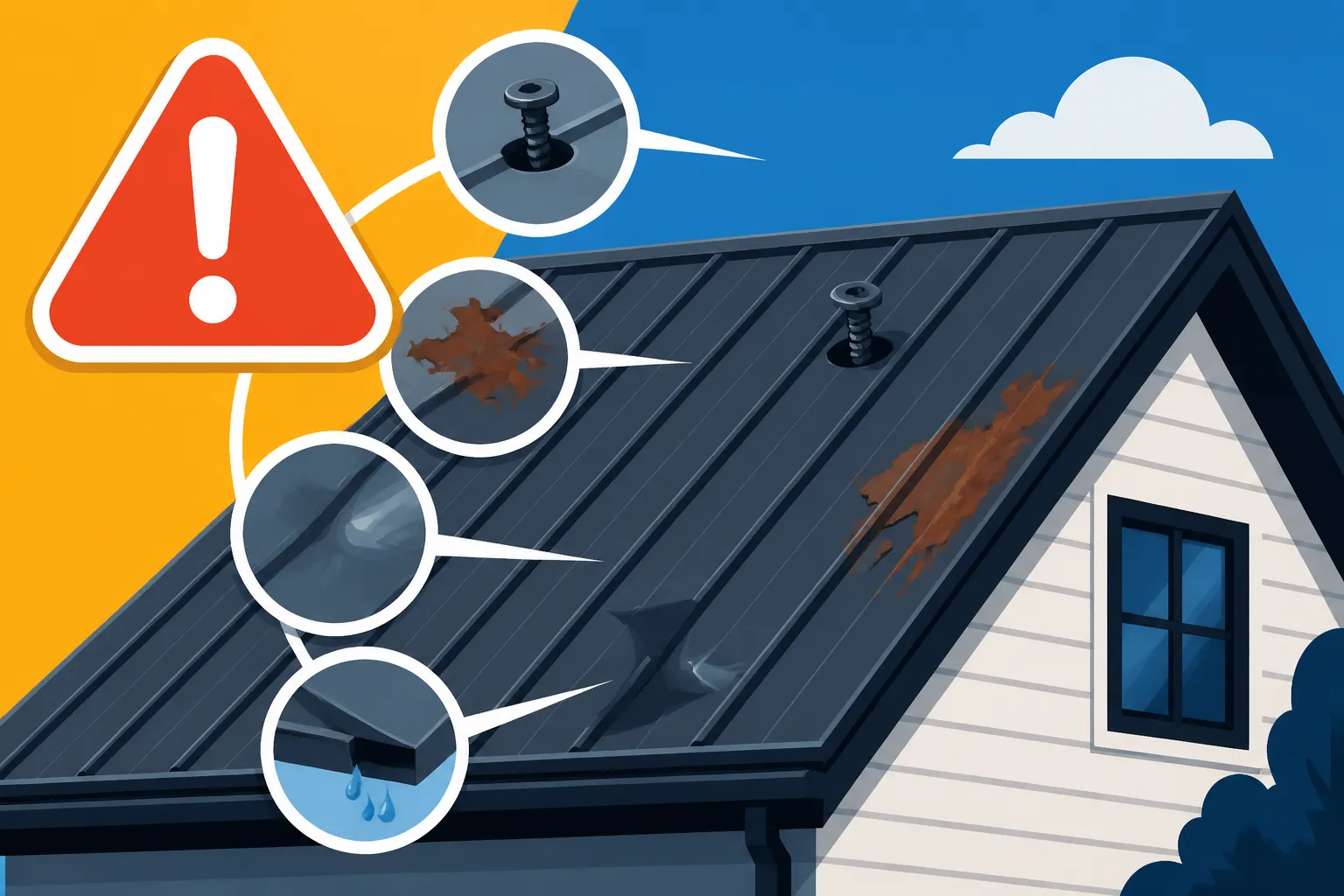
If you have an exposed fastener metal roof system, where the screws are visible and driven directly through the metal panels into the roof deck, the condition of these fasteners is paramount. Over time, due to thermal expansion and contraction of the metal panels, wind uplift, or improper installation, these screws can loosen. You might see them slightly raised, or you might notice a small amount of corrosion forming around the head.
Each fastener on an exposed fastener roof typically includes a rubber or neoprene washer underneath the screw head, designed to create a watertight seal. When a fastener loosens, this washer compresses less effectively, or it can even crack and degrade due to UV exposure and age. This compromises the seal, creating a tiny pathway for water to seep underneath your roof panels. Imagine thousands of tiny potential leaks across your roof; that's the risk with compromised fasteners.
Homeowners in areas with extreme temperature fluctuations, such as parts of the Midwest or Northeast, should be particularly vigilant. The constant cycle of heating and cooling causes the metal panels to expand and contract, putting stress on the fasteners. Catching and tightening these loose screws, and potentially replacing those with degraded washers, is a relatively simple and inexpensive fix that can prevent significant water damage inside your home. It’s also important to ensure that if you need new fasteners, they are the correct length and type for your roof, often with a self-sealing neoprene washer, to maintain the integrity of the system.
Visible Deterioration: When Problems Become Hard to Ignore
These are the signs that typically make you pause and perhaps even worry a little. They’re no longer just cosmetic; they suggest that the protective measures are failing, and the structural integrity or water-shedding capabilities of your roof could be at risk. Ignoring these visible signs is like putting off a dentist appointment when you have a toothache – it's only going to get worse.
Rust and Corrosion Spots
This is perhaps one of the most concerning visible signs, especially if you opted for a metal roof specifically for its longevity and low maintenance. While modern metal roofing materials like Galvalume or aluminum are highly rust-resistant, they are not entirely immune. If you start seeing spots of rust, it's a clear indicator that the protective coating has been breached and the underlying metal is oxidizing.
Rust can appear as reddish-brown stains or actual flaking metal. It often starts in areas where the coating has been scratched, at cut edges of panels, or around fasteners where the protective washer has failed. For example, if you have a steel roof that's been exposed to a lot of rain and humidity, those tiny scratches from a fallen branch can become bright orange spots within a few weeks. In coastal regions, where salt air is a constant presence, corrosion can be even more aggressive, leading to premature deterioration even on aluminum roofs if proper coatings aren't maintained.
Addressing rust promptly is critical. Small spots might be treated with a rust converter and then sealed or painted, but widespread rust can indicate a more serious issue that might necessitate panel replacement. Ignoring it allows the rust to spread, weakening the metal, eventually leading to perforations and leaks. This is especially true for materials like steel and Galvalume, which can degrade significantly if the protective zinc or aluminum-zinc coating is compromised. For an in-depth look at treatment, check out our guide on Metal Roof Rust and Corrosion Treatment.
Dents, Dings, and Panel Deformation
Metal roofs are tough, but they're not indestructible. Hailstorms, falling tree limbs, heavy foot traffic, or even construction mishaps can leave behind dents, dings, or cause panels to deform. While a small dent might seem like just a cosmetic flaw, its implications can be far more significant, impacting both the appearance and functionality of your roof.
Hail damage, for instance, can leave numerous small, round indentations across the panels. While a Class 4 impact-resistant metal roof is designed to withstand severe hail, extremely large hailstones can still cause damage. These dents can create low spots where water might pool, potentially leading to accelerated coating degradation or even affecting the roof's ability to shed water efficiently. More critically, severe impacts can compromise the panel's interlocks or seams on a standing seam roof, creating weak points where leaks can develop.
Panel deformation, such as buckling or warping, is a more serious concern. This can be caused by improper installation, inadequate fastening, or severe thermal stress. A warped panel won't lay flat, which can affect its ability to shed water and can put undue stress on adjacent panels and fasteners. In extreme cases, deformation can lead to "oil canning," a visual waviness in the flat part of the panel, though this is usually an aesthetic issue unless it's severe and impacts the structural integrity of the seam. If you're seeing widespread dents or warped panels, it's definitely time to get a professional assessment to understand the extent of the damage and the best course of action.
Peeling or Blistering Paint Coatings
Beyond simple fading, if you start seeing large areas of paint lifting, cracking, or forming bubbles (blisters) on your metal roof, it's a clear sign of a significant coating failure. This isn't just about your roof looking bad; it's a direct indication that its primary defense against the elements is breaking down.
Peeling or blistering often occurs due to poor adhesion of the paint to the metal, sometimes from improper surface preparation during manufacturing or installation, or from extreme temperature fluctuations causing the layers to separate. Over time, as the UV rays and moisture attack the paint, small imperfections can grow, leading to larger sections of the coating detaching from the metal. Imagine the paint on an old car flaking off – it exposes the primer or the metal underneath, making it vulnerable to rust.
Once the paint begins to peel, the bare metal is exposed, rapidly increasing the risk of rust and corrosion. This is particularly problematic in humid climates or areas with heavy rainfall. Blistering, in particular, traps moisture underneath the paint layer, which can accelerate corrosion. If you notice this, it's essential to consult with a roofing professional. They can assess whether the entire roof needs recoating, if specific panels need to be replaced, or if there's a manufacturing defect that might be covered under warranty. Ignoring peeling paint is essentially leaving your expensive metal roof unprotected and opening it up to much more severe and costly issues.
Performance Issues: How Your Roof Stops Doing Its Job
Your roof's primary job is to protect your home from the elements and maintain a comfortable, energy-efficient interior. When a metal roof starts exhibiting performance issues, it's not just an aesthetic concern; it means it's failing at its most fundamental tasks. These signs often point to deeper problems that require prompt investigation and resolution.
Persistent Leaks and Moisture Intrusion
This is probably the most alarming and immediate warning sign any homeowner can face: water inside your house. While a metal roof is designed to be highly waterproof, leaks can and do happen. They can manifest as dripping water from the ceiling, water stains on walls or ceilings, or even unexplained dampness in your attic. The frustrating thing about roof leaks is that the spot where you see water often isn't directly above the source of the leak, as water can travel along structural elements before it drips down.
Common culprits for leaks on metal roofs include compromised fasteners (as discussed earlier), damaged flashing around chimneys, skylights, or vent pipes, poorly sealed seams, or panels that have been damaged or improperly installed. For example, during a heavy downpour, you might notice a steady drip coming from a light fixture in your kitchen. Upon investigation in the attic, you might find a soggy patch of insulation several feet away from the actual roof penetration where the water is entering. Finding the source of a leak can be a detective job, but it’s critical because even small, consistent leaks can lead to significant damage over time, including mold growth, rot in structural wood, and compromised insulation.
Don't wait if you suspect a leak. Even if it's just a small stain, it's better to address it immediately. A professional roofing contractor can perform a thorough inspection, often using water testing or thermal imaging, to pinpoint the exact entry point. Prompt Metal Roof Leak Repair Guide can save you from far more extensive and expensive repairs to your home's interior structure and finishes. Ignoring a leak, even a seemingly minor one, is a recipe for disaster.
Increased Energy Bills
While you might not immediately link a spike in your utility bills to your roof, a sudden or gradual increase in heating and cooling costs can indeed be a subtle indicator that your metal roof isn't performing optimally. Metal roofs are known for their energy efficiency, often reflecting solar radiation and reducing heat gain, especially those with lighter colors or specialized cool coatings. So, if your energy bills are rising inexplicably, it could signal a problem with your roof's insulation, ventilation, or integrity.
A primary reason for this could be compromised insulation due to moisture intrusion. If water is slowly leaking into your attic or between your roof deck and the metal panels, it can saturate insulation, drastically reducing its R-value (its ability to resist heat flow). Wet insulation is practically useless, allowing heat to escape in winter and seep in during summer. Similarly, issues with your roof's ventilation system, such as blocked ridge vents or soffit vents, can lead to heat buildup in the attic, making your air conditioner work harder.
Another less common but possible cause relates to changes in the roof's surface. If your reflective coating has significantly degraded or been covered by a thick layer of grime and algae, it might lose its ability to reflect sunlight effectively, absorbing more heat. For instance, a white metal roof that has turned dull gray from years of dirt buildup won't be as efficient as it once was. Getting your roof professionally inspected to check for insulation damage, ventilation issues, or widespread coating degradation is a smart move if you're seeing those utility bills climb higher than usual.
Excessive Noise During Weather Events
One of the common misconceptions about metal roofs is that they are inherently noisy, especially during rain or hail. While some noise is normal, particularly on roofs with minimal attic insulation or older, less robust installations, excessive or newly developed noise can be a warning sign. This isn't just an annoyance; it can indicate issues with how your roof panels are secured or how they are interacting with the underlying structure.
The distinct "pinging" sound of rain on a metal roof is often muffled by proper underlayment, insulation, and roof deck materials. However, if you suddenly notice that rain sounds much louder than before, or if you hear unusual rattling, banging, or creaking sounds during windy conditions, it's worth investigating. These noises can sometimes stem from loose panels, fasteners that have backed out, or even problems with the roof's substructure. In a scenario where strong winds hit, a poorly secured panel might flex excessively, creating a loud "flapping" noise that points directly to a potential uplift risk.
Thermal expansion and contraction can also cause sounds, sometimes referred to as "oil canning" or "panel movement" noise. While some of this is normal as the sun hits and leaves the roof, if these noises become consistently loud, sharp, or alarming, it could suggest that the panels aren't properly installed to accommodate this movement. This could lead to premature wear on seams or fasteners. A qualified metal roofing expert can assess the source of these noises and recommend solutions, from tightening fasteners to ensuring proper clips and battens are in place to allow for natural movement without excess noise or structural stress.
Structural Concerns: Signs of Deeper Trouble
When your metal roof shows signs of structural concern, it’s not just about aesthetics or minor leaks anymore. These indicators suggest that the very framework and foundational components of your roof system are compromised, potentially leading to widespread damage, diminished protection, and even safety hazards. These are the kinds of issues that absolutely require a professional assessment.
Damaged or Missing Flashing and Trim
Flashing and trim pieces are the unsung heroes of any roofing system. These metal components are strategically installed around penetrations like chimneys, skylights, vent pipes, and along roof edges (e.g., drip edge, rake trim) to direct water away from vulnerable areas. When flashing or trim becomes damaged, bent, corroded, or goes missing entirely, it creates an open invitation for water to infiltrate your home.
You might notice a bent piece of flashing near your chimney after a heavy windstorm, or perhaps the sealant around a pipe boot has cracked and fallen away, leaving a gap. These seemingly small issues are critical because they are often the primary defense against water in the most complex parts of your roof. Water loves to find the path of least resistance, and an exposed seam or a compromised edge trim is exactly that. A tell-tale sign of flashing failure might be water stains appearing on the ceiling specifically beneath a chimney or around a skylight frame, indicating that water is entering at that penetration point rather than through a field panel.
Replacing or repairing damaged flashing and trim is a specialized job, often requiring precise bending and sealing techniques to ensure a watertight seal. It's not just about slapping on some caulk; the flashing needs to integrate seamlessly with the roof panels to properly divert water. Ignoring these issues can lead to persistent leaks, wood rot in the eaves, fascia, or roof decking, and even mold growth in your attic and walls. This is why a thorough How to Inspect a Metal Roof for Leaks often heavily focuses on the condition of all flashing and trim components.
Uneven Panels or Sagging Areas
Ideally, your metal roof panels should lie flat and true, maintaining a consistent plane across the roof surface. If you start to notice panels that are noticeably uneven, buckling, or if there are entire areas of your roof that appear to be sagging or dipping, this is a serious structural red flag. These issues suggest underlying problems that could compromise the stability and integrity of your entire roof system.
Uneven panels can sometimes be caused by improper installation, where panels weren't adequately aligned or secured. However, widespread unevenness or buckling often points to issues with the roof deck itself or the underlying framing. For example, if the plywood sheathing beneath your metal panels has deteriorated due to previous water damage, it can soften and sag, taking the metal panels with it. Or, if the roof trusses or rafters are compromised due by rot, pest damage, or structural overload, they too can lead to a visible dip in the roofline.
Spotting a sagging roof requires stepping back and looking at your roof from different angles, perhaps from the street or a neighbor's yard. A visual inspection from the ground might reveal a "wavy" appearance that isn't just aesthetic. If you see areas that look like they're sinking, or if panels are visibly bowing between support points, you need to call a professional immediately. This is not a DIY fix and often requires structural engineers or highly experienced roofers to diagnose and repair the underlying issue, which could be extensive.
Vent Pipe or Chimney Disintegration
While not strictly part of the metal roof itself, the components that pass through your roof – such as vent pipes for plumbing or HVAC, and chimneys – are critical points of potential failure. If these elements are showing signs of disintegration, it can directly impact the integrity and longevity of your metal roof, even if the metal panels themselves are in perfect condition.
Vent pipes, often made of PVC or galvanized steel, are capped with rubber or plastic boots where they penetrate the roof. Over time, these rubber boots can degrade and crack from continuous UV exposure, losing their elasticity and ability to seal around the pipe. Similarly, if your home has an older chimney, the mortar can crumble, bricks can spall, or the chimney cap might rust and fail. A common scenario is seeing water stains in the attic right around the base of a vent pipe or the perimeter of a chimney, indicating that the integrity of the penetration has been compromised.
When these elements fail, they create direct pathways for water to enter your home, even if your metal roof panels are perfectly intact. The water can then run down the vent pipe or chimney interior, causing damage far below the roof level. Additionally, a disintegrating chimney can pose a fire hazard or even a structural collapse risk. Regularly inspecting these penetration points, especially the condition of rubber boots and flashing seals, is an important part of overall roof maintenance. Any signs of cracking, rusting, or crumbling indicate a need for immediate repair or replacement to prevent water intrusion and maintain the overall health of your roof system.
Age and Wear: When Time Catches Up
Even the longest-lasting metal roofs aren't immortal. While they boast impressive lifespans, typically 40-70 years or more, continuous exposure to harsh weather and the relentless march of time will eventually take their toll. Understanding the signs of age-related wear is crucial for planning proactive maintenance or considering a timely replacement.
Exceeding Expected Lifespan
One of the most straightforward warning signs that your metal roof needs attention is simply its age. While metal roofs are famed for their durability, they don't last forever without some form of intervention. A typical high-quality standing seam metal roof can last 50-70 years, while a less expensive corrugated steel roof might last 30-50 years. If your roof is approaching or has already surpassed these benchmarks, it's time for a very serious and thorough inspection, even if it "looks fine" from the ground.
Consider a residential metal roof installed in the late 1970s or early 1980s. While it might have served admirably for four decades, the materials, coatings, and installation techniques of that era may not match today's standards. The protective paint coatings might have completely worn away, the sealants around fasteners and flashing could be brittle, and the metal itself might be showing widespread fatigue. For instance, a homeowner in a hurricane-prone region like Florida might have a metal roof that is 45 years old; while it has outlasted many asphalt roofs, its ability to withstand the next major storm might be severely diminished compared to a brand-new, code-compliant installation.
Even if you're not seeing obvious leaks or major damage, an aging roof can be less energy-efficient, more prone to minor issues, and may not offer the same level of protection. Proactively assessing your roof's condition as it approaches the end of its projected lifespan can help you budget for future repairs or replacement. It’s a good idea to research Metal Roof Lifespan: How Long Do They Last? to get a better understanding of what to expect from your specific roof type.
Widespread Wear Across Multiple Panels
While isolated issues like a single dent or a few loose screws can be repaired, widespread wear across many or all panels is a strong indicator that your roof system is deteriorating comprehensively. This isn't about one problem area; it's about the entire roof showing its age and approaching the end of its service life.
This might manifest as general thinning of the paint coating on almost every panel, not just the sun-exposed ones, making the roof look uniformly dull and susceptible to rust. You might observe a consistent pattern of minor surface rust on the edges of multiple panels, or a pervasive network of hairline cracks in the paint across a large section of the roof. Perhaps the rubber washers on all your exposed fasteners are degraded and brittle, not just a select few. This widespread degradation signifies that the initial protective qualities of the roof are failing on a large scale.
Trying to address widespread wear with piecemeal repairs can become a costly and never-ending battle. For example, if you have to replace dozens of fasteners and sealants every year, or constantly touch up rust spots that keep reappearing, you're essentially applying band-aids to a system that needs a complete overhaul. At this point, the cost-effectiveness of Metal Roof Repair vs Replacement: How to Decide leans heavily towards replacement, as the cumulative repair costs will likely exceed the value of the remaining roof life. It's often more practical and financially prudent to invest in a new, modern metal roof that will offer decades of worry-free protection.
Outdated or Obsolete Panel Design
Technology and building codes evolve, and so do roofing materials and designs. If your metal roof features an older, perhaps obsolete, panel design, it could be a warning sign that procuring matching materials for repairs will be difficult, or that the design itself is less efficient or robust than modern alternatives. This is more common with roofs installed several decades ago.
For instance, some older metal roofs might have used less sophisticated interlocking mechanisms or fastener designs that were prone to issues like leakage or wind uplift. Similarly, older paint technologies might not offer the same UV resistance or flexibility as today's advanced coatings. If you have a unique or custom-fabricated metal roof from 30-40 years ago, finding replacement panels that perfectly match in profile, color, and gauge can be nearly impossible. A roofing contractor might tell you that the specific profile of your corrugated metal panels, for example, is no longer manufactured, forcing you to choose a different, non-matching profile for repairs or to replace the entire roof.
The challenge of obtaining parts can lead to either mismatched repairs that look unsightly or, worse, functionally inadequate repairs that fail prematurely. Furthermore, older designs may not meet current energy efficiency standards or high-wind building codes, especially in regions like coastal Texas or Florida where codes have significantly tightened. Even if the roof isn't failing structurally, the difficulty and cost of maintaining an obsolete system can sometimes make a complete upgrade a more sensible long-term decision. Consulting with a reputable metal roofing company, like those you can connect with through Modernize, can help you understand the feasibility of repairing an older design versus the benefits of a modern installation.
Post-Storm Assessment: What to Look for After Bad Weather
After a severe storm, even a resilient metal roof can take a beating. High winds, torrential rain, and large hail can inflict damage that might not be immediately obvious but could lead to significant problems down the line. A thorough inspection after any major weather event is crucial to catch these issues early.
Wind Uplift and Missing Panels
High winds are a formidable enemy of any roof. While metal roofs are generally excellent at resisting wind uplift due, in part, to their interlocking panels and robust fastening systems, extreme gusts can still cause damage. The most dramatic sign is, of course, entirely missing panels, which is impossible to ignore. However, more subtle signs of wind damage can be just as problematic.
Look for panels that appear bent, creased, or lifted at the edges or seams. Strong winds can exert significant force, attempting to peel panels back from the roof deck. This can cause the interlocking seams of a standing seam roof to separate, or it can rip exposed fasteners right through the metal panel, leaving holes. Even if a panel isn't completely blown off, a slight lift or bend can compromise the watertight seal, making it a prime candidate for future leaks, especially during heavy rain.
After a hurricane or tornado, you might see debris from trees or other structures scattered across your yard, but don't forget to look up. If you notice any misaligned panels, exposed underlayment, or areas where the roof looks "ruffled," it's a strong indication of wind uplift. For example, a homeowner in Oklahoma, known for its severe weather, might find several sections of their metal roof's rib panels bent upwards after a strong squall line, even if no panels were completely detached. This damage needs immediate professional assessment and repair to restore the roof's integrity and protect your home from subsequent weather events. Our guide on Metal Roof Storm, Hail & Wind Damage has more details.
Hail Damage and Impact Marks
Hailstorms, particularly those with large, dense hailstones, can wreak havoc on metal roofs, leaving behind distinct impact marks. While metal roofs are often rated for Class 4 impact resistance, meaning they can withstand significant hail without puncturing, the aesthetic damage can still be considerable. And in some cases, the damage can extend beyond cosmetic.
The most common sign of hail damage is the presence of dents or divots on the surface of the metal panels. These might be subtle or quite pronounced, depending on the size and velocity of the hail. On a stone-coated steel roof, hail can chip away the granular coating, exposing the underlying steel. While many hail dents are purely cosmetic, they can compromise the paint finish, leading to potential rust spots over time if the protective coating is breached. In rare, severe cases with exceptionally large hail, the force of impact can even cause stress cracks in the metal, which are definite leak points.
It's important to differentiate between cosmetic hail damage and functional damage. Many insurance policies have a "cosmetic damage exclusion" for metal roofs, meaning they won't cover repairs solely for dents if the roof's functional integrity isn't compromised. However, if the hail has caused widespread coating damage, compromised seams, or actual perforations, then it's a claimable event. After a hailstorm, inspect your downspouts and gutters for metal granules or paint chips, which can be another indicator of significant hail impact on your roof. A professional inspection by a roofer specializing in storm damage is recommended to properly assess the extent and type of damage.
Debris Damage and Punctures
Beyond wind and hail, storms can bring down trees, branches, and other flying debris that can directly impact your roof. Unlike the broad, diffuse damage from wind or hail, debris damage is often localized but can be severe, leading to punctures, deep gouges, or crushing of the roof panels.
Imagine a large tree branch falling directly onto your roof during a thunderstorm. This could create a significant hole or a large, sharp dent that compromises multiple layers of the roofing system. Even smaller, seemingly innocuous debris, like a piece of flying lumber from a fence, can land with enough force to create a puncture in a thinner gauge metal panel. Punctures are immediate and direct pathways for water, posing an urgent threat to your home's interior.
The challenge with debris damage is that it can sometimes be hidden, especially if the debris itself is still on the roof or if the damage is in a less visible area. Always inspect your roof thoroughly after a storm, from the ground with binoculars, and if safe, from a ladder. Look for anything out of place, any visible holes, or deep indentations. If you find a puncture, even a small one, it needs immediate attention to prevent water intrusion. This usually involves patching or replacing the damaged panel and checking for any secondary damage to the underlayment or roof deck beneath.
The Importance of Professional Inspection and Assessment
While knowing these warning signs empowers you to be an informed homeowner, there comes a point when DIY inspection gives way to the need for professional expertise. A trained eye can spot nuanced issues, accurately diagnose problems, and provide reliable recommendations, saving you from costly missteps.
When to Call in the Experts
Knowing when to transition from personal observation to professional assessment is key to effective metal roof maintenance. You should call in the experts if you observe any of the major warning signs we've discussed, especially those related to leaks, structural issues, or widespread material degradation. Don't wait until a small leak turns into a collapsed ceiling or a minor rust spot becomes a widespread structural problem.
For example, if you see persistent water stains on your ceiling, feel a spongy sensation underfoot on your roof, or notice multiple panels lifting after a storm, it's not a moment for procrastination. These are complex issues that require specialized knowledge and tools to diagnose and repair correctly. Similarly, if your roof is nearing the end of its projected lifespan (40-50+ years), even if it appears to be in decent shape, a professional inspection can provide a comprehensive overview of its remaining life and potential future vulnerabilities. This might be a good time to get multiple quotes, and platforms like Modernize can help connect you with qualified local professionals.
Even for less severe concerns, like widespread fading or numerous loose fasteners, a professional can offer insights into the overall condition of your roof, suggest preventative maintenance, or advise on the best timing for a roof recoating or replacement. It’s better to get a definitive assessment from someone who deals with metal roofs every day rather than guessing and risking further damage to your most important asset – your home.
What a Professional Inspection Entails
A professional metal roof inspection goes far beyond a casual glance from the ground. A qualified and experienced metal roofing contractor will perform a meticulous, multi-point assessment, often starting with a thorough ground-level examination and then moving to a safe, hands-on inspection of the roof surface. They'll know precisely what to look for and where to look.
First, they'll check the general condition of the panels, looking for signs of rust, corrosion, fading, peeling paint, dents, or scratches. They'll pay close attention to all seams, interlocks, and fasteners, ensuring they are secure and properly sealed. For exposed fastener systems, they’ll manually check each screw for tightness and washer integrity. Next, they'll meticulously inspect all flashing points around chimneys, skylights, vents, and valleys, as these are common areas for water intrusion. They will also examine the condition of the roof's edge trim, gutters, and downspouts for proper drainage and any signs of damage.
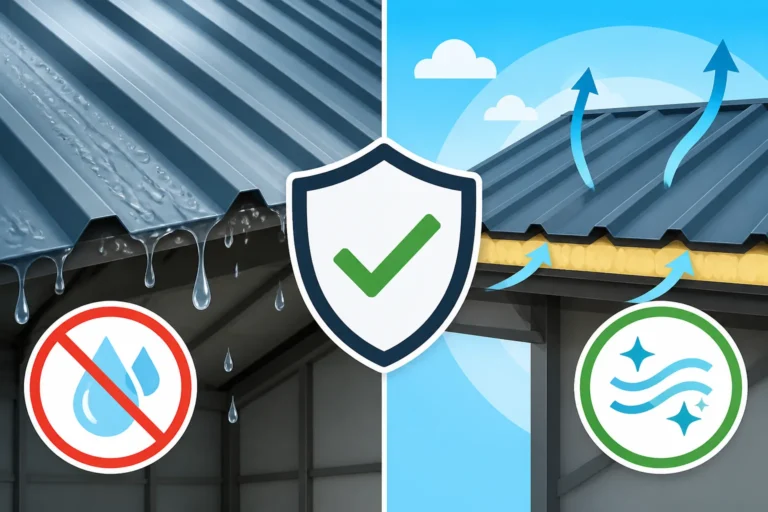
Beyond the visible components, a professional inspector will also assess the roof's ventilation system to ensure proper airflow, which is critical for preventing condensation and heat buildup. They may also inspect the attic space for signs of water intrusion (stains, mold), insulation damage, and structural issues like sagging rafters. They’ll also check for proper Metal Roof Underlayment and Ventilation Guide integrity. Many will take detailed photos or even drone footage to document their findings and provide you with a comprehensive report. This thoroughness is invaluable because it provides an accurate snapshot of your roof's health and any necessary interventions.
The Value of Timely Intervention
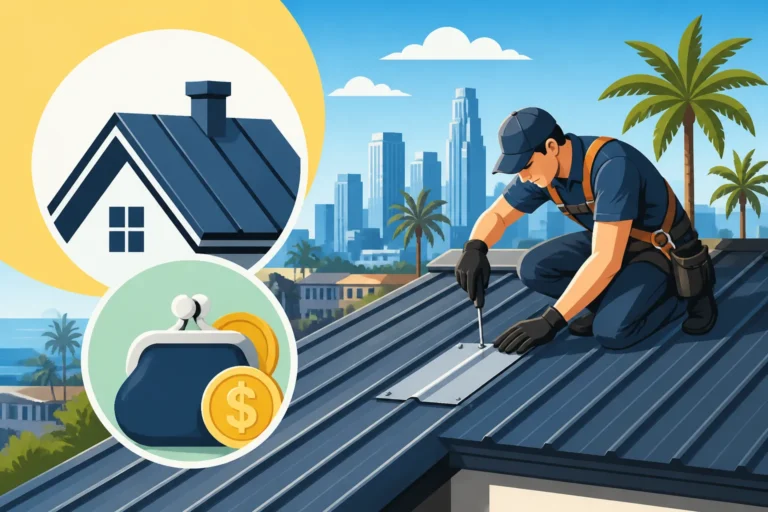
The adage "a stitch in time saves nine" couldn't be more accurate when it comes to metal roof repairs. Timely intervention based on professional assessment offers immense value, both in terms of financial savings and peace of mind. Ignoring warning signs and delaying repairs almost always leads to escalated problems and significantly higher costs down the road.
Consider a small, undetected leak around a vent pipe. If caught early, a simple resealing or replacement of a pipe boot might cost a few hundred dollars. If left unaddressed for months or years, that small leak can lead to extensive water damage to your attic insulation, ceiling drywall, and even structural wood framing, potentially causing thousands of dollars in repairs, not to mention the risk of mold growth. Similarly, a few loose fasteners, if tightened promptly, prevent water intrusion. If allowed to loosen further, they can lead to panels lifting in a storm, requiring far more extensive and expensive panel replacement.
Early diagnosis and repair also help preserve the overall lifespan of your metal roof. By addressing issues as they arise, you ensure that the roof continues to perform optimally, delivering on its promise of durability and longevity. It avoids a situation where multiple, compounding problems force you into a premature and costly full roof replacement. Investing a bit of time and money now in a professional inspection and targeted repairs is a wise investment that safeguards your home and your wallet over the long term.
Making the Repair vs. Replace Decision
Once you've identified warning signs and perhaps even had a professional assessment, the big question often arises: should I repair my metal roof, or is it time for a full replacement? This is a significant decision with long-term implications for your home and finances.
Factors Influencing Your Choice
Deciding whether to repair or replace your metal roof involves weighing several key factors beyond just the visible damage. Each situation is unique, and what makes sense for one homeowner in Austin might not for another in Tampa. It's about looking at the big picture and considering the long-term benefits and costs.
First, consider the extent and severity of the damage. Is it a localized issue, like a single leaking seam or a few dented panels? If so, targeted How Much Does Metal Roof Repair Cost? might be perfectly adequate. However, if you're dealing with widespread rust, multiple compromised panels, or underlying structural issues, a full replacement often becomes the more sensible option. Second, think about the age of your roof. A 10-year-old metal roof with a minor problem is a prime candidate for repair, whereas a 45-year-old roof with similar damage might be better off replaced, as it's nearing the end of its life anyway. Thirdly, consider your budget and future plans. If you're planning to sell your home in a few years, extensive repairs might be a good idea, but a full replacement could offer a significant boost to resale value. If you plan to stay put for decades, investing in a new roof might be the most cost-effective solution in the long run.
Finally, think about material availability and matching. If your roof has an older, discontinued panel profile, finding matching materials for repairs can be difficult or impossible, making replacement more appealing. Also, factor in warranty considerations. A full replacement typically comes with a new manufacturer's warranty and workmanship warranty, offering renewed peace of mind, whereas repairs often only cover the specific repaired section.
Cost Considerations for Repair vs. Replacement
Naturally, cost is a major driver in the repair vs. replace decision. While repairing a metal roof is almost always less expensive upfront than replacing it, you need to look beyond the initial price tag to understand the true long-term financial implications.
A small repair, such as tightening loose fasteners or patching a minor leak, might cost a few hundred dollars. Replacing a few damaged panels could range from several hundred to a couple of thousand dollars, depending on the panel type, accessibility, and labor rates in your area. These costs are often manageable and keep your existing roof performing for longer. However, if repairs are frequent, extensive, or address fundamental failures, the cumulative cost of ongoing repairs can quickly add up, sometimes approaching or even exceeding the cost of a new roof over a few years.
In contrast, a full metal roof replacement is a significant investment, often ranging from $10,000 to $50,000+ depending on your home's size, roof complexity, and chosen materials (e.g., Standing Seam Metal Roof Cost vs. Corrugated Metal Roof Cost). While a hefty initial outlay, a new metal roof comes with a fresh lifespan of 40-70 years, a new warranty, and often improved energy efficiency and curb appeal. It also eliminates the need for repeated repairs and the stress of ongoing roof issues. Use a Metal Roof Cost Calculator: How to Estimate to get a clearer picture. Sometimes, particularly when faced with a very old roof or extensive damage, the peace of mind and long-term value of a new roof outweigh the short-term savings of repeated repairs.
Here's a quick comparison of factors:
| Factor | Repair | Replace |
|---|---|---|
| Initial Cost | Lower | Higher |
| Longevity Added | Limited, extends life of existing roof | Significant (40-70+ years new lifespan) |
| Warranty | Typically limited to repaired section/workmanship | Full new manufacturer & workmanship warranties |
| Energy Efficiency | No significant change unless insulation impacted | Potential for improved energy efficiency |
| Aesthetics | Can create mismatched areas if colors faded | Uniform new look, enhanced curb appeal |
| Material Matching | Can be difficult for older/obsolete panels | All new materials, no matching issues |
| Disruption | Minimal, localized work | More extensive installation, more disruption |
| Resale Value | Minor positive impact | Significant positive impact, strong ROI |
Long-Term Benefits of Addressing Issues Promptly
Regardless of whether you choose to repair or replace, the overarching principle is to address any metal roof warning signs promptly. Procrastination is the enemy of a healthy roof and a healthy bank account. The long-term benefits of timely intervention are undeniable, offering both financial advantages and invaluable peace of mind.
Financially, addressing issues early prevents cascading damage. A small leak fixed today prevents extensive water damage and potential mold remediation tomorrow. A few loose fasteners tightened now prevents panels from blowing off in the next storm, saving you from a costly emergency repair and potentially higher insurance premiums. Investing in preventative maintenance, such as resealing flashing or recoating a faded roof, can significantly extend the overall Metal Roof Lifespan: How Long Do They Last?, pushing back the date of a full replacement by years or even decades. This proactive approach ensures you get the maximum return on your initial metal roof investment.
Beyond the financial aspect, timely intervention provides peace of mind. Knowing that your roof is sound and performing as it should allows you to sleep better during a heavy rainstorm or strong winds. It protects your home's interior, your belongings, and your family from the elements. A well-maintained metal roof also contributes to your home's overall value and curb appeal. By being vigilant and responsive to the warning signs your metal roof gives you, you're not just fixing a problem; you're safeguarding your most valuable asset and ensuring its long-term health and performance.
Disclaimer
Please remember that the information provided in this guide is intended for general informational purposes only and does not constitute professional roofing advice. Every roof and home is unique, and local conditions, building codes, and specific material types can vary significantly. Always consult with a qualified, licensed, and insured metal roofing contractor for any specific questions, inspections, repairs, or replacement needs for your roof. They can provide expert assessment and recommendations tailored to your individual situation.