Is Aluminum a Good Roofing Material?
Choosing a new roof is one of those big home decisions that can feel overwhelming, especially when you're trying to wade through all the different material options out there. You've likely heard a lot about steel and even copper roofs, but what about aluminum? Many homeowners find themselves wondering, "Is aluminum a good roofing material?" It’s a completely valid question, and one that deserves a deep dive into its unique properties, benefits, and considerations, which is exactly what this guide aims to provide.
The Unique Appeal of Aluminum Roofing: What Makes It Stand Out?
When you start looking at metal roofing, you quickly realize it’s not a one-size-fits-all solution. Different metals bring different strengths to the table, and aluminum, while perhaps not as widely known for roofing as its steel counterparts, boasts some truly compelling features. Its unique composition makes it a standout choice for specific needs and environments, setting it apart from other materials right from the start.
Natural Corrosion Resistance
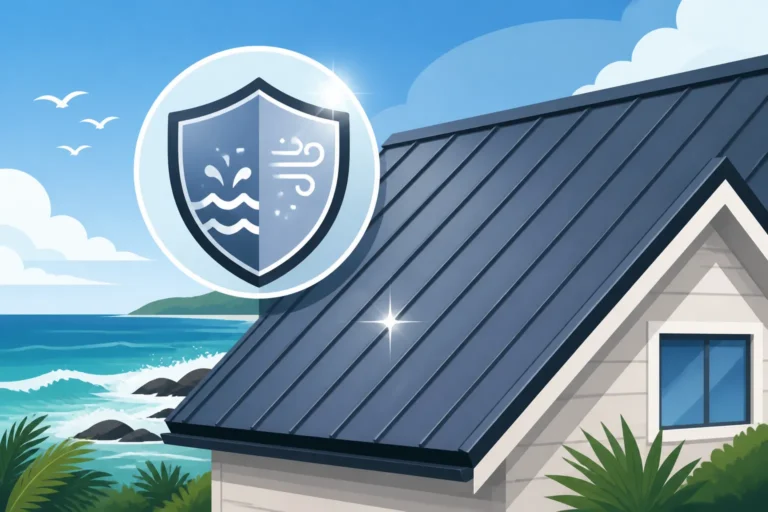
One of aluminum's absolute superpowers is its inherent ability to resist corrosion. Unlike steel, which relies on coatings like galvanization or Galvalume to prevent rust, aluminum forms a natural, protective oxide layer almost instantly when exposed to air. This isn't just a surface-level protection; it's a fundamental characteristic of the metal itself. This makes it an incredibly resilient material, especially in places where other metals might struggle.
Imagine living in a coastal town, say, Myrtle Beach, South Carolina, where the salty air is constantly assaulting everything, including your roof. Or perhaps you're in a humid climate like central Florida, where moisture is almost always present. In these environments, conventional metal roofs, if not meticulously maintained or if their protective coatings are compromised, can start to show signs of rust over time. Aluminum, however, shrugs off salt spray and humidity with ease, making it an ideal choice for homes exposed to these harsh conditions. It’s why you often see aluminum used in marine applications – if it can withstand a constant saltwater bath, it can certainly handle your roof. This long-term resistance to decay is a major factor in its impressive lifespan.
Lightweight Champion of Roofing
Another significant advantage of aluminum is its incredibly light weight. This might not sound like a big deal at first, but it carries a multitude of benefits for your home and the installation process. Consider that aluminum is typically one-third the weight of steel, and significantly lighter than asphalt shingles, tile, or slate.
This reduced weight translates directly into less stress on your home's existing structural framework. For older homes, or those with complex roof designs, this can be a crucial factor. You might avoid the need for costly structural reinforcements that would be necessary with heavier materials. Furthermore, the lighter panels are easier for installers to handle, which can sometimes translate into a quicker, more efficient installation process. Less heavy lifting often means less fatigue for the crew, potentially fewer installation hours, and less overall disruption to your daily life. It also means that a contractor can often install an aluminum roof over existing shingles, assuming local codes allow and the existing decking is sound, saving you the expense and mess of a tear-off. This flexibility is a huge plus, especially when considering the overall project scope and budget. For a deeper dive into how this impacts costs, check out our guide on Aluminum Roof Cost.
Energy Efficiency and Cool Roof Properties
In an age where energy costs are a constant concern, aluminum roofing truly shines as an energy-efficient choice. It's naturally highly reflective, meaning it bounces a significant portion of the sun's radiant heat away from your home rather than absorbing it. This "cool roof" property can lead to noticeable reductions in your cooling costs, especially if you live in a hot climate like Phoenix, Arizona, or Austin, Texas.
Beyond its natural reflectivity, aluminum roofs are often finished with special coatings, like Kynar 500® or Hylar 5000®, which further enhance their ability to reflect UV and infrared light. These highly emissive coatings not only improve energy performance but also protect the roof's color and finish from fading over time. The combined effect means your attic stays cooler, your air conditioning system works less strenuously, and you save money on your utility bills. This benefit alone can significantly contribute to the long-term value proposition of an aluminum roof, making it a smart investment for homeowners looking to reduce their carbon footprint and save on energy expenses. It’s a primary reason why many consider it among the Best Metal Roof for Hot Climates and Heat Reflection.
Practical Considerations: The Pros and Cons of Aluminum Roofs
No roofing material is perfect, and aluminum is no exception. While its benefits are substantial and often outweigh the drawbacks for many homeowners, it's essential to have a clear understanding of both sides of the coin. Knowing the practical advantages and potential limitations will help you make an informed decision that aligns with your budget, climate, and aesthetic preferences.
Advantages Beyond Durability
While we've touched on corrosion resistance and light weight, the advantages of aluminum roofing extend even further, making it a remarkably robust and adaptable option for modern homes.
First off, its incredible longevity is a huge draw. A properly installed aluminum roof can easily last 50 years or more, far surpassing the lifespan of traditional asphalt shingles, which typically need replacement every 15-20 years. This means less frequent roof replacements, saving you money and hassle in the long run. If you're wondering How Long Do Metal Roofs Last?, aluminum is certainly at the top of the list for durability.
Secondly, aluminum is a remarkably sustainable choice. It's one of the most recycled materials on the planet, with a high percentage of new aluminum roofing panels often containing recycled content. At the end of its very long life, an aluminum roof can be 100% recycled again, reducing waste and supporting a circular economy. This eco-friendly aspect appeals strongly to environmentally conscious homeowners.
Finally, the aesthetic versatility of aluminum is often underestimated. While many associate metal roofs with industrial-looking corrugated panels, modern aluminum roofing comes in a vast array of styles. You can find aluminum standing seam panels for a sleek, contemporary look, or choose aluminum shingles or tiles designed to mimic the appearance of traditional slate, wood shake, or clay tiles. This means you don't have to compromise on your home's architectural style to gain the benefits of metal roofing. The advanced paint systems, like the aforementioned Kynar 500®, allow for a wide range of colors that resist fading, chalking, and chipping for decades.
Potential Drawbacks to Keep in Mind
Despite its many virtues, aluminum roofing does come with a few potential considerations that homeowners should be aware of before committing.
The most significant hurdle for many is the initial cost. Aluminum roofing generally falls into the mid-to-high end of the metal roofing price spectrum, often more expensive upfront than steel but less than copper or zinc. The Metal Roof Cost Per Square Foot for aluminum can vary, but expect to pay a premium compared to asphalt shingles. This higher initial investment is often recouped over time through energy savings, lower maintenance, and increased home value, but it's a considerable outlay nonetheless. For those weighing the long-term value, understanding that Is a Metal Roof Worth It? ROI, Resale & Payback often confirms the investment.
Another common concern is dent resistance. While very durable, aluminum is a softer metal than steel. This means that extremely large hail or falling debris could potentially cause dents. However, it’s important to put this into perspective: most residential aluminum roofing is thicker (lower gauge) than cheaper exposed fastener steel panels, offering good impact resistance. Also, severe hail can damage any roof, including asphalt shingles which might crack or lose granules. With a standing seam aluminum roof, for example, minor impacts might be barely noticeable, and the roof's performance isn't compromised unless the damage is severe enough to breach the panel. Modern manufacturing and installation techniques also contribute to enhanced impact resistance.
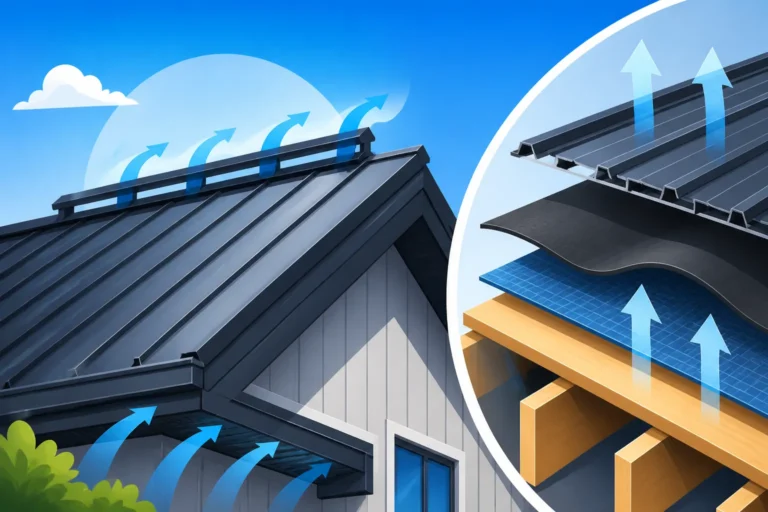
Lastly, some homeowners worry about noise. While it's a common misconception that all metal roofs are excessively noisy during rain or hail, a properly installed aluminum roof with adequate underlayment and decking will mitigate most of this sound. Modern installation methods often include solid decking, a high-quality underlayment (like synthetic felt), and proper insulation, which collectively dampen sound to levels comparable to or even quieter than other roofing materials. For an effective installation, especially with a Standing Seam Metal Roof Cost, the quality of components like the Metal Roof Underlayment and Ventilation Guide becomes vital in managing noise and protecting your home.
Here's a quick comparison of aluminum with other popular metal roofing materials:
| Feature | Aluminum | Steel (Galvalume/Galvanized) | Copper |
|---|---|---|---|
| Corrosion Resistance | Excellent, natural protection | Good, relies on coating (zinc/aluminum alloy) | Excellent, develops protective patina |
| Weight | Very lightweight | Moderate to heavy | Heavy |
| Durability | 50+ years | 40-70 years | 100+ years |
| Cost (Installed) | Mid-to-high | Low to mid-range | Very high |
| Denting | More susceptible than steel (large impacts) | Good resistance | Excellent resistance (but soft initially) |
| Energy Efficiency | Excellent reflectivity, often coated | Good reflectivity, often coated | Good reflectivity, darkens with patina |
| Recyclability | 100% recyclable, high recycled content | Highly recyclable | 100% recyclable, often recycled content |
| Best For | Coastal, humid, energy-conscious homes | All climates, budget-friendly | High-end, historic, extreme longevity |
Is Aluminum the Right Fit for Your Home? Key Factors to Consider
Deciding on a roofing material isn't just about the material itself; it's about how that material interacts with your home, your environment, and your personal priorities. When it comes to aluminum, its unique properties make it an excellent fit for certain situations, but it's important to evaluate these factors against your specific needs.
Climate and Environment
This is where aluminum truly shines. If you live in a region that experiences harsh environmental conditions, especially those related to moisture and salt, aluminum is often the superior choice.
Consider homes located near the ocean, such as those along the Gulf Coast of Florida or the Atlantic coastline. The constant exposure to salt spray in the air can be incredibly corrosive to many building materials, including galvanized steel roofs if their protective coatings are scratched or age. Aluminum's natural resistance to rust and saltwater corrosion means it will hold up beautifully over decades without needing special maintenance against these elements. It's truly among the Best Metal Roof for Coastal and Salt Air.
Beyond coastal areas, aluminum also performs exceptionally well in regions with high humidity and frequent rainfall, like much of the Pacific Northwest or the southeastern United States. Its ability to withstand constant moisture exposure without degrading makes it a reliable, long-lasting solution in these wet climates. While other metals might be adequate, aluminum offers an added layer of peace of mind, knowing your roof won't succumb to the elements prematurely.
Budget and Long-Term Value
Let's be realistic: the initial sticker price of an aluminum roof can be higher than that of a traditional asphalt shingle roof or even some entry-level steel options. However, focusing solely on the upfront cost misses the bigger picture of long-term value.
An aluminum roof is an investment, plain and simple. Its exceptional longevity (often 50+ years) means you'll likely never have to replace your roof again, saving you the significant cost and disruption of future re-roofing projects. When you factor in the energy savings from its "cool roof" properties, especially in warmer climates, those monthly utility bill reductions can add up to substantial savings over decades. Many homeowners find that a metal roof, especially aluminum, leads to Metal Roof Insurance Savings & Discounts because of its durability and fire resistance.
Moreover, a high-quality aluminum roof can significantly enhance your home's resale value. Buyers are often willing to pay a premium for a home with a durable, low-maintenance, and aesthetically pleasing roof that they won't have to worry about for decades. When you look at the total cost of ownership over 30 or 40 years, comparing initial investment, energy savings, maintenance, and replacement cycles, aluminum often proves to be the more economical choice in the long run. It's about shifting from a short-term expense mindset to a long-term asset perspective.
Aesthetics and Architectural Style
Gone are the days when metal roofs were exclusively seen on barns or industrial buildings. Modern aluminum roofing has evolved dramatically, offering an incredible range of profiles, textures, and colors that can complement virtually any architectural style.
For contemporary homes, sleek What Is a Standing Seam Metal Roof? aluminum panels provide clean lines and a minimalist aesthetic that's highly sought after. These panels can be custom-cut to specific lengths, creating a seamless look. If your home has a more traditional or rustic charm, you might consider aluminum shingles or tiles that are embossed and coated to perfectly mimic the appearance of cedar shakes, natural slate, or even clay tiles. These options give you the classic look you desire with the unparalleled durability and performance of metal.
The advanced paint finishes available, such as those made with PVDF (polyvinylidene fluoride) resins, offer a vast palette of colors, from subdued grays and bronzes to vibrant reds and blues. These finishes are engineered to resist fading, chalking, and dirt retention, ensuring your roof looks fantastic for decades. So, whether you're aiming for a modern masterpiece or a historically accurate restoration, aluminum roofing offers the flexibility to achieve your design goals without compromise.
Finding the Right Aluminum Roofing and Installer
Once you’ve decided that aluminum might be the perfect fit for your home, the next crucial steps involve navigating the myriad of product options and, perhaps most importantly, finding a skilled professional to install it. An aluminum roof is a long-term investment, and its performance is only as good as its installation.
Types and Finishes of Aluminum Roofing
Just saying "aluminum roof" is a bit like saying "car"—it covers a lot of ground! Aluminum roofing comes in several profiles, each offering a distinct look and fastening method.
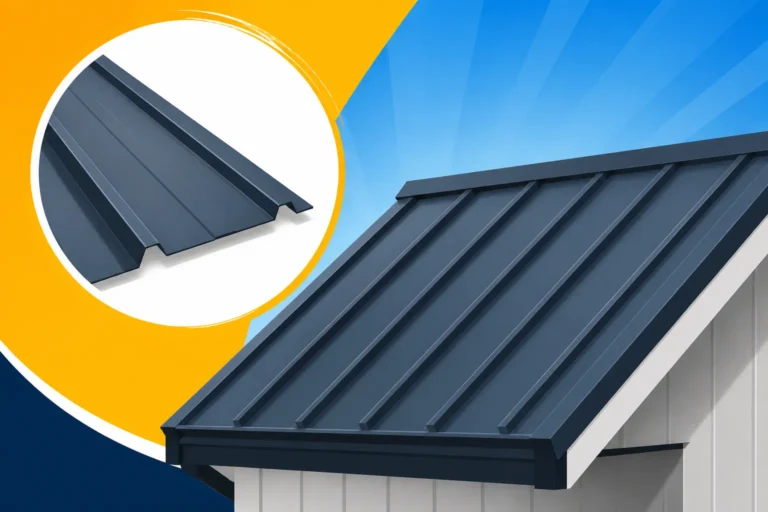
The most popular choice for residential applications is often standing seam aluminum. This system features panels with raised interlocking seams that conceal the fasteners, providing a clean, elegant look and superior weather protection. The hidden fasteners mean fewer potential leak points and a longer lifespan. For homeowners interested in its specifics, understanding How Much Does a Standing Seam Metal Roof Cost is a great next step.
Other options include aluminum shingles, tiles, or shakes. These are typically stamped from aluminum sheets and designed to replicate the appearance of traditional roofing materials. They offer the aesthetic versatility mentioned earlier, allowing you to achieve a classic look with modern metal performance. There are also corrugated or ribbed panel aluminum options, which are more commonly seen on outbuildings or some contemporary designs, offering a more utilitarian aesthetic at a potentially lower cost.
Beyond the profile, the finish and coating are critically important. As discussed, high-performance paint systems, particularly those using PVDF resins, are key to durability and color retention. These coatings protect the aluminum from UV radiation, acid rain, and environmental pollutants, ensuring its longevity and aesthetic appeal. When reviewing samples or talking to contractors, always ask about the type of paint system used and its warranty. Popular brands that use these high-quality coatings include Valspar (e.g., Fluropon®) and PPG (e.g., Duranar®).
Vetting a Reputable Contractor
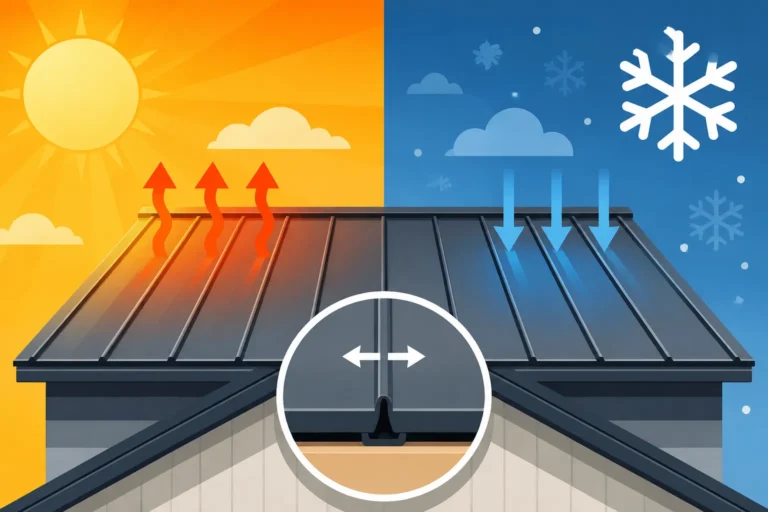
This step cannot be overstated. Even the highest quality aluminum roofing material will fail prematurely if not installed correctly. Aluminum expands and contracts with temperature changes, and a skilled installer knows how to account for this movement to prevent issues like oil canning or fastener problems down the line.
When searching for a contractor, prioritize those with specific experience in metal roofing, and ideally, aluminum. Ask pointed questions:
- How many aluminum roofs have you installed in the past year?
- Can you provide references for aluminum roofing projects you've completed?
- What training or certifications do your installers have for metal roofing systems?
- Do you offer a workmanship warranty specifically for metal roofs?
Look for contractors who are licensed, bonded, and insured, and who can provide proof of these credentials. Don’t be shy about asking to see their insurance certificates. A reputable contractor will also walk you through the entire process, from material selection and underlayment options to ventilation considerations and warranty details. They should also be transparent about the Metal Roof Labor Cost and all components of the quote.
Resources like Modernize can be incredibly helpful in connecting you with pre-vetted, qualified roofing professionals in your area. They can help streamline the process of getting multiple quotes and ensure you're working with a company that has a proven track record. Always get at least three detailed bids and compare them thoroughly, making sure each covers the same scope of work and materials to ensure an apples-to-apples comparison. A good contractor is your partner in this significant home improvement project.
Disclaimer
Please remember that this article provides general information and guidance regarding metal roofing. Building codes, regulations, and best practices can vary significantly by location and specific project requirements. Always consult with a qualified, licensed, and insured roofing professional and your local building authorities before making any decisions or beginning any roofing project. The information herein is not a substitute for professional advice.