How to Prevent Leaks on a Metal Roof
There's nothing quite as disheartening as discovering a leak in your roof, especially when you've invested in a durable metal system. That persistent drip, the water stain spreading across your ceiling, or the frantic scramble with buckets during a storm—it’s enough to make anyone frustrated. This comprehensive guide is here to walk you through the most effective strategies to prevent leaks on your metal roof, ensuring it remains a steadfast protector for your home for decades to come.
Understanding Common Metal Roof Leak Points
Even the most robust metal roof systems can develop leaks if not properly installed or maintained. It’s crucial to understand where these vulnerabilities typically arise so you can be proactive in preventing them. Knowing the common culprits will empower you to communicate better with contractors and perform more effective DIY checks.
Fastener and Screw Issues
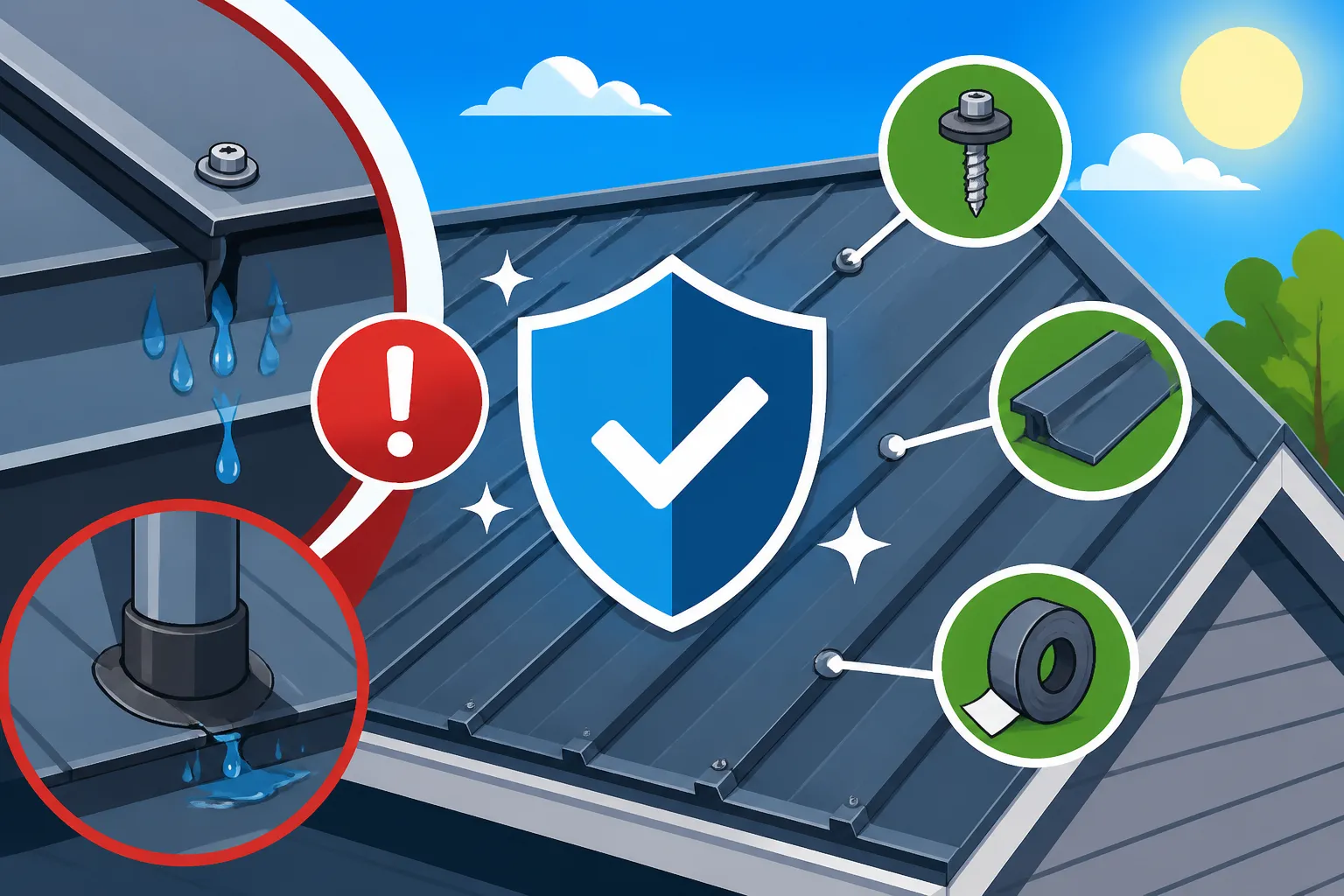
One of the most frequent sources of leaks in metal roofs, especially those with exposed fasteners, comes directly from the screws themselves. Over time, the rubber washers beneath these screws can degrade due to UV exposure, extreme temperatures, or simply age. Once these washers crack, shrink, or lose their elasticity, water can easily seep through the screw holes.
Another common problem is screws that are improperly driven. If a screw is overtightened, it can strip the metal or crush the washer, compromising its seal. Conversely, an undertightened screw won't create a sufficient compression seal, allowing water to wick in. Even a screw driven at an angle can create an uneven seal, becoming an invitation for moisture. Rust around the screw heads, often a sign of failing coatings or low-quality fasteners, also indicates a breach in protection. Regular inspection of every single fastener is a critical step in Metal Roof Maintenance Guide.
Seam and Panel Overlap Vulnerabilities
The very design of metal roofing involves joining panels, and these seams are another critical area where leaks can occur. In systems like corrugated or R-panel roofing, where panels overlap and are fastened through the overlap, movement from thermal expansion and contraction can stress these connections. If the overlap isn't sufficient, or if the sealant used between panels degrades, water can be forced in by wind or capillary action.
Standing seam metal roofs, while generally more watertight due to their concealed fasteners and raised seams, aren't entirely immune. If the seams aren't properly crimped, seamed, or "snapped" during installation, or if damage occurs that compromises the seam integrity, leaks can develop. These types of leaks can be particularly tricky to diagnose because the water often travels laterally within the panel system before showing up inside your home, far from the actual point of entry.
Flashing and Penetration Weaknesses
Anywhere your roof deck is interrupted—think chimneys, skylights, vents, pipes, or changes in roof pitch—is a high-risk area for leaks. This is where flashing comes into play: a thin material, typically metal, designed to create a watertight seal around these penetrations. If the flashing is improperly installed, bent, or made from a material that isn't compatible with the roof (leading to galvanic corrosion), it will fail.
For example, inadequate counter-flashing around a chimney or a vent boot that has cracked from sun exposure can lead to significant water intrusion. Even seemingly small details, like poor sealing around a satellite dish mount or an unaddressed gap where electrical conduits pass through the roof, can become major leak points. Ensuring every single penetration is expertly flashed is absolutely paramount for a truly leak-proof metal roof. This is where the expertise of a seasoned installer becomes invaluable, as detailed in our guide on Metal Roof Flashing Repair.
Crucial Pre-Installation Leak Prevention Measures
Preventing leaks in a metal roof starts long before the first panel is ever lifted onto your home. The decisions you make during the planning and material selection phases, combined with the quality of the installation, are foundational to a watertight system. Cutting corners here will almost certainly lead to headaches down the road.
Choosing the Right Metal and Profile
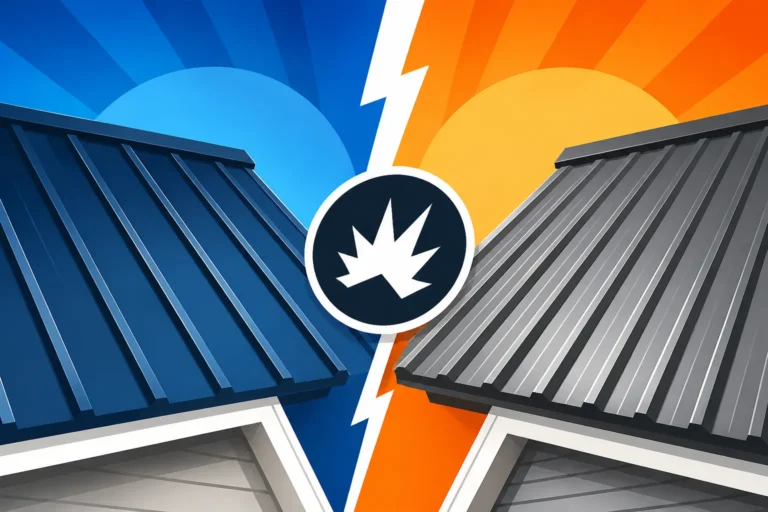
The type of metal and the profile you select play a significant role in a roof's resistance to leaks. For instance, a Standing Seam Metal Roof Cost might be higher upfront than a corrugated metal roof, but its concealed fastener system inherently offers superior leak protection by minimizing exposed points where water can enter. The raised seams also prevent water from pooling or migrating laterally.
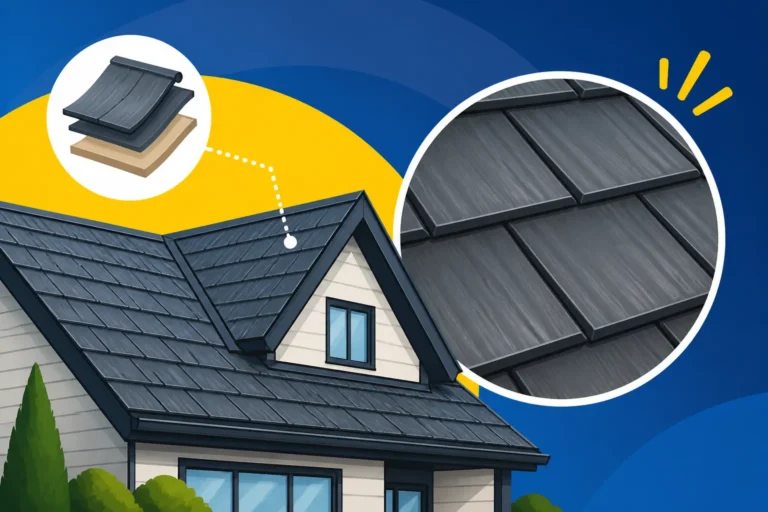
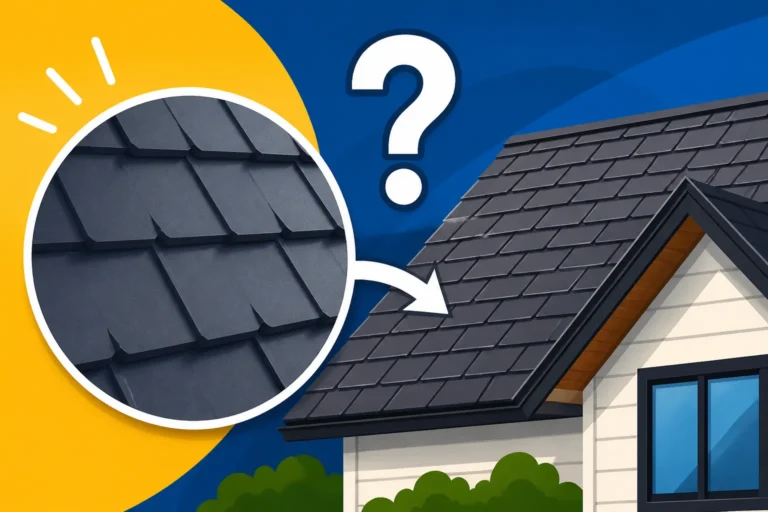
Materials also matter. Aluminum roofing, for example, is highly resistant to corrosion, making it an excellent choice for coastal areas where salt air can rapidly degrade other metals and compromise seals. Steel, often coated with Galvalume or galvanized finishes, offers robust strength but requires high-quality coatings to prevent rust, which can lead to panel degradation and eventual leaks. Understanding the nuances of Metal Roofing Types Explained: Profiles & Panels will help you make an informed decision that aligns with your climate and budget.
Proper Underlayment and Decking Preparation
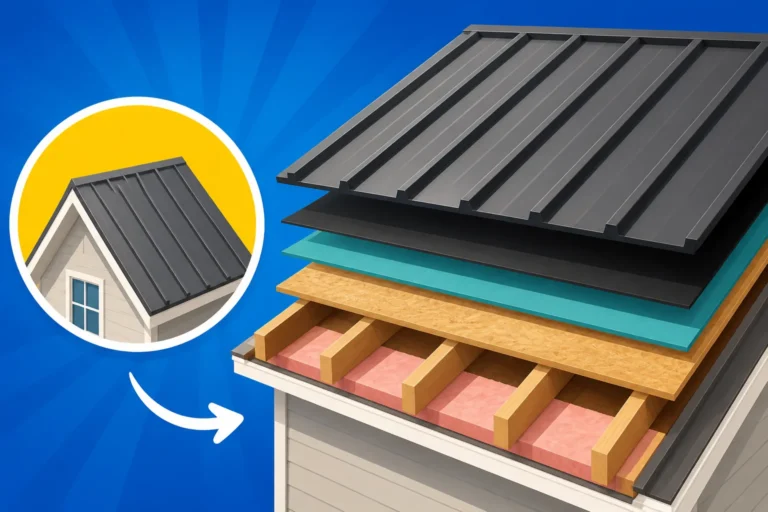
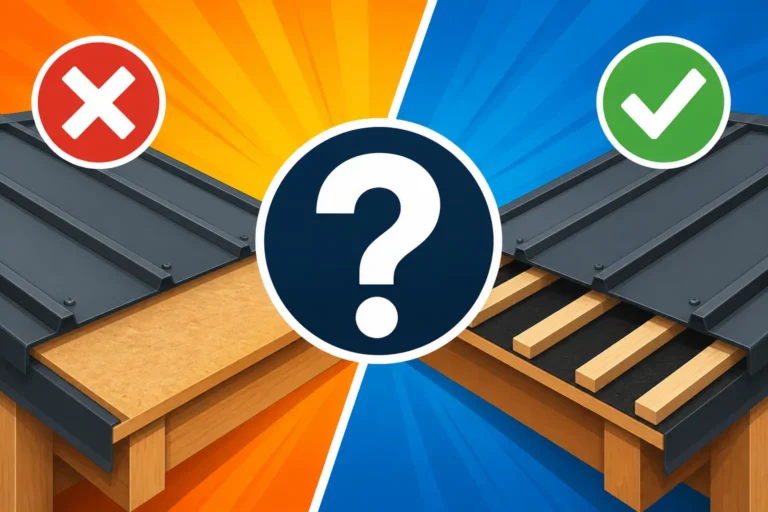
A high-quality underlayment acts as a critical secondary barrier against water intrusion, catching any moisture that might bypass the primary metal panels. Choosing the right underlayment, such as a self-adhering modified bitumen or a high-performance synthetic product, is essential, especially for low-slope roofs or regions prone to heavy rain and ice dams. For example, using an ice and water shield in critical areas like eaves, valleys, and around penetrations provides an extra layer of protection that many standard felt papers simply can't match.
Beyond the underlayment, the structural integrity of your roof decking is paramount. A weak or uneven roof deck can lead to "oil canning" (wavy appearance) in metal panels, creating stress points or gaps. Any existing damage, rot, or moisture issues in the decking must be addressed and repaired before a new metal roof is installed. Think of the underlayment and decking as the solid foundation upon which your leak-proof metal roof will be built, as explored further in Metal Roof Underlayment and Ventilation Guide and What Goes Under a Metal Roof? Layers Explained.
Professional Installation and Experience
This is arguably the single most critical factor in preventing leaks. A metal roof, particularly a standing seam system, is a highly specialized installation that requires precision, specific tools, and deep experience. An improperly installed metal roof will inevitably leak, regardless of how high-quality the materials are. Issues like incorrectly cut panels, improperly seamed standing seams, misaligned fasteners, or flashing that isn't meticulously integrated are all common amateur mistakes.
Always seek out a contractor with extensive, demonstrable experience specifically with metal roofing, not just general roofing. Ask for references, view their previous work, and ensure they are manufacturer-certified if possible. Websites like Modernize can help connect you with vetted professionals in your area who specialize in metal roof installations. A professional will understand the nuances of thermal movement, proper sealant application, and local building codes, ensuring every component of your new roof works together seamlessly to keep water out. Hiring a reputable expert is key, and our guide on How to Hire a Metal Roofing Contractor provides excellent advice.
Maintenance and Inspection for Long-Term Watertightness
Even a perfectly installed metal roof needs regular attention to maintain its leak-proof integrity over its long lifespan. Just like any other major component of your home, preventive maintenance is far less costly and stressful than reactive repairs after a leak has already occurred.
Regular Roof Inspections and Cleaning
Establishing a routine for inspecting your metal roof is paramount. Aim for at least twice a year—once in the spring after winter storms and again in the fall before winter hits—and always after any significant weather event like a heavy hailstorm or strong winds. What should you be looking for?
Firstly, check all exposed fasteners. Are any backing out? Are the rubber washers cracked, dried, or missing? Rust spots around fasteners can indicate a failing seal. Secondly, examine seams and overlaps for any signs of separation, damage, or sealant degradation. Pay close attention to areas where panels meet trim pieces. Thirdly, inspect all flashing around chimneys, skylights, vents, and valleys. Look for cracks, bent metal, or gaps in sealant. Clear away any debris like leaves, branches, or dirt that can trap moisture and accelerate material degradation. Regular cleaning prevents these build-ups from creating dams that hold water and encourage corrosion. For more specific insights, refer to Metal Roof Maintenance Guide.
Addressing Minor Issues Promptly
The moment you spot a loose fastener, a hairline crack in a sealant, or a small bend in a flashing component, it's time to act. Delaying these minor repairs allows small problems to escalate into significant leaks, potentially causing expensive interior damage. For instance, replacing a few failing screw washers is a quick, inexpensive fix, but ignoring them could lead to water infiltration into your decking, resulting in rot and requiring much more extensive, costly repairs.
Keep high-quality metal roof sealant on hand for minor touch-ups. When dealing with exposed fastener issues, sometimes simply replacing the screw with a slightly larger gauge screw and a new rubber washer is all that’s needed. For damaged flashing, a temporary fix might involve applying a specialized flashing tape or mastic sealant, but a permanent repair, often involving replacement of the damaged section, is always the best long-term solution. Knowing when to call in a professional for repairs is also important.
Snow and Ice Management
In colder climates, snow and ice present unique challenges for metal roofs. While metal roofs are excellent at shedding snow, sometimes large amounts can accumulate, especially on lower slopes or behind snow guards. The freeze-thaw cycle can lead to ice dams forming at the eaves, which prevents melting snow from draining properly. When this happens, water backs up under the panels or flashing, leading to leaks.
Proper insulation and ventilation are crucial to prevent ice dams. Good attic ventilation helps keep the roof deck temperature even, reducing the freeze-thaw cycle that contributes to ice dam formation. If snow accumulation is a concern, strategically installed snow guards can prevent sudden, dangerous avalanches but must be designed and placed correctly to avoid creating new points of stress or pooling water. In cases of heavy snow, carefully removing some of the snow from the roof, often from the ground with a roof rake, can alleviate pressure, but extreme caution must always be exercised to avoid damaging the roof or endangering yourself.
Advanced Solutions and Best Practices
Beyond the basics of proper installation and regular maintenance, there are several advanced solutions and best practices that can further enhance your metal roof's leak prevention capabilities, offering an even higher degree of protection and peace of mind.
High-Performance Sealants and Coatings
Not all sealants are created equal, especially when it comes to the extreme conditions a roof endures. For metal roofs, high-performance sealants like urethanes, silicones, and butyl rubber compounds offer superior elasticity, UV resistance, and adhesion compared to generic caulks. These advanced sealants are crucial for sealing panel overlaps, around flashing, and addressing minor penetrations. They can withstand the thermal expansion and contraction of metal panels without cracking or losing their seal.
Beyond sealants, specialized roof coatings can provide an additional layer of protection and prolong the life of your metal roof. Elastomeric coatings, for example, create a seamless, waterproof membrane over the entire roof surface, protecting against corrosion and minor imperfections while also offering UV reflection for energy efficiency. These coatings are particularly beneficial for older metal roofs showing signs of wear or as a proactive measure on roofs exposed to harsh environmental conditions. When choosing, always ensure the coating is compatible with your specific metal type. Our article on Best Sealant for Metal Roof Leaks dives deeper into specific options.
Ventilation and Condensation Control
Many leaks aren't actually rain coming in from the outside, but rather condensation forming under the metal panels due to temperature differences and inadequate ventilation. This "sweating" can mimic a leak, leading to water stains and, over time, can cause rust on the underside of panels or rot in your roof deck and framing. Effective attic ventilation is key to managing this issue.
A well-designed ventilation system, combining continuous soffit vents (intake) with ridge vents or static vents (exhaust), ensures a constant airflow that removes warm, moist air from the attic. This airflow helps equalize the temperature between the attic and the outside, preventing condensation. Additionally, a robust vapor barrier beneath the underlayment can help prevent moisture from inside the home from migrating into the attic space and condensing. Neglecting ventilation can undermine even the most perfectly installed metal roof, leading to long-term moisture damage.
Incorporating Drip Edges and Gutter Systems
While often overlooked in discussions about leak prevention, proper drip edges and a functional gutter system are essential for directing water away from your home's vulnerable points. A drip edge is a metal flashing installed along the eaves and rake edges of the roof. It extends slightly beyond the fascia, ensuring that water sheds cleanly off the roof and into the gutters, preventing it from running down the fascia or behind the gutter system.
Without a drip edge, water can cling to the underside of the roof edge and wick back onto the fascia board, leading to rot, paint peeling, and eventually, water intrusion into the soffit or wall structure. A properly installed gutter system then collects this water and channels it safely away from your foundation. Ensure gutters are adequately sized, sloped correctly, and kept free of debris. An overflowing gutter can cause water to back up onto the roof, seep behind flashing, or damage the foundation, negating many of your leak prevention efforts.
What to Do If You Spot a Leak
Even with the best preventative measures, sometimes a leak can still occur. When that happens, the key is to act quickly and systematically. Panic can lead to mistakes, so staying calm and following a structured approach will minimize damage and stress.
Identifying the Leak Source Accurately
The hardest part about a roof leak is often finding the exact source, especially with metal roofs where water can travel significant distances within the panel system before appearing indoors. Don't assume the water stain on your ceiling is directly below the leak point. Start your investigation in the attic with a flashlight during daylight hours or while it's raining (if safe). Look for water trails, discolored insulation, or actual drips.
Pay close attention to all penetrations: vent pipes, chimneys, skylights, and any areas where the roof slope changes. Check for damaged flashing or sealant. Sometimes, you might need to go on the roof (exercising extreme caution and safety measures) to inspect for visible damage like loose panels, missing fasteners, or compromised seams. If you have an exposed fastener system, inspect every screw head in the vicinity of the leak. A professional metal roofing contractor is often the best resource for accurate leak detection, especially if the source is elusive.
Temporary Fixes and Emergency Protocols
Once you've located the approximate leak area, your immediate goal is to stop or at least slow down the water flow to prevent further interior damage. For a small hole or crack, a temporary patch using roofing cement (mastic) and a piece of compatible membrane or even heavy-duty waterproof tape can buy you some time. For exposed fasteners, a dab of high-quality sealant can help. If a panel has lifted, you might be able to carefully secure it down with temporary weights, but avoid walking on it if it's unstable.
Inside, place buckets or tarps to catch the dripping water. If water is pooling, creating channels to direct it to a collection point can prevent it from spreading. It’s also wise to move furniture and valuables away from the affected area. For major leaks, consider turning off power to the affected section of the house, especially if water is near electrical fixtures. These temporary measures are not long-term solutions; they are meant to bridge the gap until professional, permanent repairs can be made. For more immediate advice, check out Metal Roof Leak Repair Guide.
Hiring a Qualified Repair Professional
Once the immediate crisis is managed, your next step is to contact a qualified metal roofing repair specialist. This isn't the time to call a general handyman. Metal roofs require specific expertise, materials, and techniques for effective repair. Look for contractors who specifically advertise metal roof repair services, not just installation.
When interviewing professionals, ask about their experience with your specific type of metal roof (e.g., standing seam, corrugated). Inquire about their diagnostic process—how will they pinpoint the leak? Ensure they are licensed, insured, and can provide references. Get multiple quotes and compare them, not just on price, but on the proposed solution and warranty for the repair work. A good contractor will explain the root cause of the leak and detail the permanent fix, ensuring your roof is watertight for years to come. This is an excellent opportunity to consult resources like How to Find a Metal Roofing Contractor for a Historic Home or simply utilize platforms like Modernize to connect with skilled local professionals.
The Long-Term Value of a Leak-Free Metal Roof
While the initial focus is often on avoiding the headaches and costs associated with leaks, it’s important to remember that preventing them contributes significantly to the overall value proposition of choosing a metal roof in the first place. A well-maintained, leak-free metal roof is an investment that pays dividends for decades.
Protecting Your Investment and Home Value
Your roof is one of the most critical components protecting your entire home structure. A leak-free metal roof safeguards your attic, insulation, drywall, flooring, and even your foundation from water damage. When water infiltrates, it can lead to rot, mold growth, compromised structural integrity, and costly interior repairs. By preventing leaks, you are directly protecting these expensive assets.
Furthermore, a long-lasting, leak-free metal roof significantly enhances your home's resale value. Homebuyers recognize the durability, low maintenance, and energy efficiency benefits of metal roofing. A new owner won't have to worry about replacing the roof for decades, making your property more attractive and often commanding a higher price. It’s a clear sign of a well-maintained home, demonstrating that the previous owner invested in quality and care. Considerations like Is a Metal Roof Worth It? ROI, Resale & Payback highlight this long-term financial benefit.
Energy Efficiency and Longevity Benefits
One of the often-cited advantages of metal roofing is its energy efficiency, particularly its ability to reflect solar radiant heat. A leak-free roof maintains its integrity, allowing these reflective coatings and proper ventilation to perform optimally, keeping your home cooler in summer and potentially reducing energy bills. Leaks, even minor ones, can compromise insulation in the attic, diminishing your home's thermal performance and leading to higher energy consumption.
The impressive lifespan of metal roofs—often 40 to 70 years or even longer for materials like copper or zinc—is directly tied to their ability to resist environmental degradation and remain watertight. By preventing leaks through proper installation and maintenance, you are ensuring your metal roof achieves its maximum intended lifespan, providing decades of reliable protection without the need for frequent replacement cycles common with other roofing materials. This longevity means less waste and a smaller environmental footprint.
Peace of Mind
Ultimately, the greatest benefit of a leak-free metal roof might just be the peace of mind it offers. Knowing that your home is well-protected against the elements, that you won't wake up to a sudden drip during a thunderstorm, or have to face the daunting prospect of expensive water damage repairs, is invaluable.
This peace of mind extends to your financial planning as well. With a durable, well-maintained metal roof, you can budget for other home improvements without the constant worry of an unexpected roof replacement or major leak repair looming over your head. It’s about more than just metal and fasteners; it’s about providing a secure, comfortable, and worry-free environment for you and your family for many years to come.
| Leak Source | Primary Prevention Method | Typical Repair Action | Cost Implications (Repair) |
|---|---|---|---|
| Fasteners/Screws | Proper torque, high-quality washers | Replace screws/washers, apply sealant | Low |
| Seams/Overlaps | Expert seaming/sealing during install | Re-seam, apply specialized seam sealant | Medium |
| Flashing/Penetrations | Meticulous custom flashing, proper sealants | Repair/replace flashing, re-seal penetrations | Medium to High |
| Underlayment Failure | High-performance underlayment install | Panel removal, partial underlayment replacement | High |
| Condensation | Adequate attic ventilation, vapor barrier | Improve ventilation, add vapor barrier | Medium |
| Drip Edge/Gutters | Correct installation, regular cleaning | Repair/replace drip edge, clear gutters | Low to Medium |
| Impact Damage | Material gauge, careful roof access | Panel replacement, dent repair (if possible) | Medium to High |
Disclaimer
Please remember that this guide provides general information about preventing leaks on metal roofs. Specific conditions, local building codes, and individual roof configurations can vary widely. Always consult with a qualified, licensed, and insured metal roofing professional for personalized advice, inspections, and repairs tailored to your specific situation. Attempting DIY repairs without proper knowledge and safety equipment can be dangerous and may void warranties.