Concealed Fastener vs Exposed Fastener Cost & Durability
Deciding on a new metal roof for your home is a huge investment, and it can feel overwhelming trying to sift through all the different options and technical jargon. One of the biggest head-scratchers for many homeowners is understanding the fundamental difference between concealed fastener and exposed fastener metal roofing systems, especially when it comes to how they impact your wallet and how long they'll truly last. This guide is here to break down those complexities, helping you understand the real cost implications and durability factors of each so you can make an informed choice for your home.
Understanding Exposed Fastener Metal Roofing Systems
When you picture a traditional metal roof, especially on barns, workshops, or older commercial buildings, you're likely thinking of an exposed fastener system. These roofs are characterized by their panels being secured directly to the roof deck or purlins using screws with visible heads. It’s a straightforward, time-tested method, but it comes with its own set of considerations.
What are Exposed Fastener Systems?
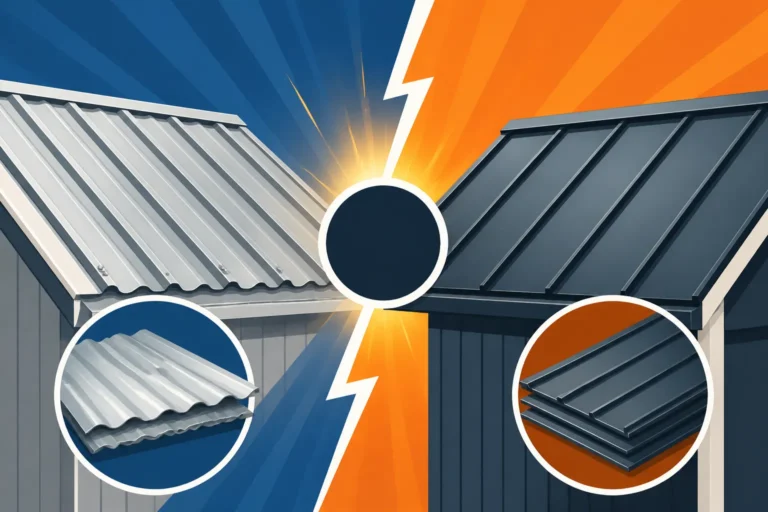
Exposed fastener metal roofing systems are exactly what they sound like: the fasteners, typically screws, are visible on the surface of the metal panels after installation. These systems usually involve long, continuous metal panels that overlap at the edges, and then screws are driven through these overlapping sections directly into the roof's substructure. Common profiles in this category include corrugated panels, R-panel, PBR panel, and 5V Crimp. Each has its own distinct wave pattern or rib profile, giving the roof a specific aesthetic.
The appeal of these systems often comes down to their industrial look, which can suit certain architectural styles, especially in more rustic or modern farmhouse designs. They've been a staple in agricultural and light commercial buildings for decades because of their functionality and cost-effectiveness. However, don't let their utilitarian roots fool you; many homeowners are embracing the rugged charm these profiles offer for their residences, often selecting sleek, modern colors to elevate the look. For those exploring their options, it’s worth noting that a deeper dive into specific profiles like a How Much Does a Corrugated Metal Roof Cost can reveal various styles and price points.
The Mechanics and Materials
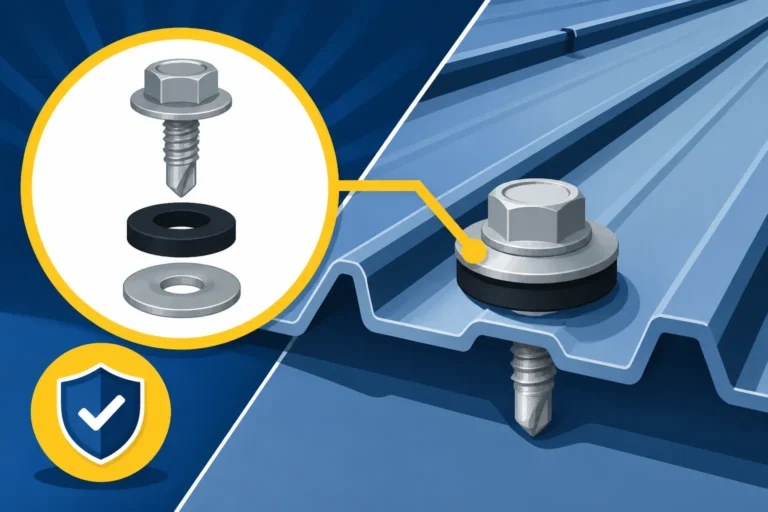
The backbone of an exposed fastener system lies in its fastening method. The screws used are specially designed for roofing, typically made of steel and often coated for corrosion resistance, like ceramic-coated or galvanized screws. Crucially, each screw includes a washer, usually made of EPDM rubber or neoprene, which compresses against the metal panel to create a watertight seal around the penetration point. Over time, these washers are the primary wear point, exposed directly to UV radiation, extreme temperatures, and general weathering.
The panels themselves are typically made from steel (Galvalume or galvanized) or aluminum, and come in various gauges, such as 29, 26, or 24 gauge. The lower the gauge number, the thicker and more durable the metal. While the panels are quite resilient, the integrity of the roof system heavily relies on every single screw and its washer maintaining its seal. Thermal expansion and contraction of the metal panels mean these screws and washers are under constant stress as the metal moves throughout the day and year, which can eventually lead to the washers cracking, shrinking, or the screws backing out slightly.
Common Applications and Aesthetic
Historically, exposed fastener metal roofs found their home primarily on utility buildings, industrial facilities, and agricultural structures like barns and sheds. Their robust, no-nonsense appearance and straightforward installation made them ideal for these applications where functionality often trumped high-end aesthetics. Think of the classic red barn roof – that’s often an exposed fastener corrugated panel system.
However, in recent years, there's been a growing trend in residential architecture to incorporate these panels for a more contemporary, industrial, or even rustic-chic look. Modern homes often use sleek, low-profile R-panels or 5V crimp designs in dark, matte finishes to achieve a striking contrast. For homes in a more rural setting, a corrugated metal roof can perfectly complement a farmhouse aesthetic. While they might not offer the ultra-smooth, seamless look of their concealed counterparts, their distinct ribbed or corrugated textures provide visual interest and a sense of sturdy reliability. The key is choosing the right profile and color that harmonizes with your home’s overall design, transforming a practical choice into a stylistic statement.
Understanding Concealed Fastener Metal Roofing Systems
Stepping up in terms of sophistication and often aesthetics, we find concealed fastener metal roofing systems. These roofs hide their fasteners, creating a smooth, clean, and often very modern look that has become increasingly popular in residential and high-end commercial applications.
What are Concealed Fastener Systems?
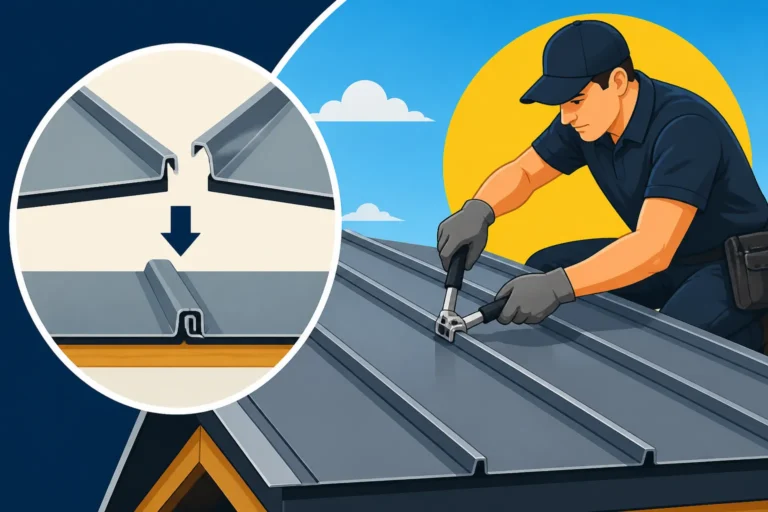
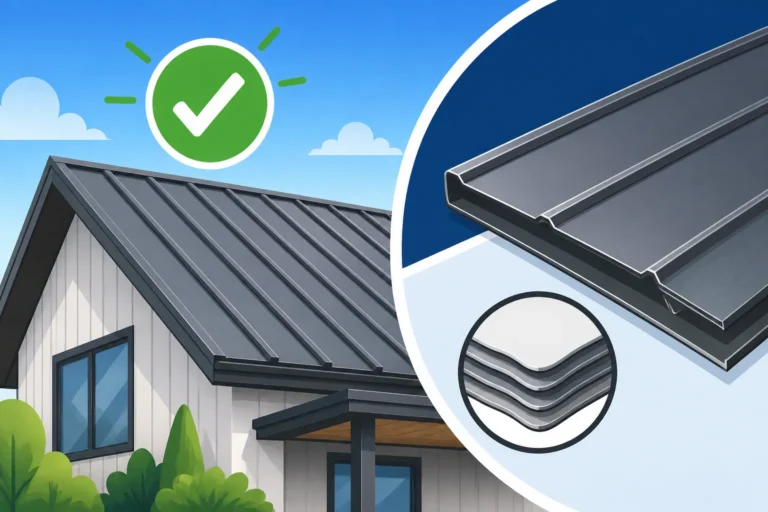
Concealed fastener systems, most notably standing seam metal roofs, are designed so that the fasteners are completely hidden from view. Instead of screws penetrating the face of the panel, these systems utilize clips that attach the panels to the roof deck. The adjacent panels then lock or "seam" together over these clips, effectively concealing them beneath the metal surface. This creates a continuous, unbroken metal plane, giving the roof a sleek, contemporary appearance that many homeowners find incredibly appealing.
Beyond standing seam, other variations include snap-lock panels, which feature an interlocking design that snaps together, and mechanically seamed panels, which require specialized tools to crimp the seams shut, providing an even more robust connection. These systems are typically made from high-quality steel (Galvalume, galvanized), aluminum, copper, or zinc, offering a wide range of material options and aesthetics. You might want to check out information on Standing Seam Metal Roof Cost for a closer look at this premium option.
The Engineering Behind the Hidden Fasteners
The ingenious design of concealed fastener systems addresses one of the primary weaknesses of exposed fastener roofs: the vulnerability of the penetration points. By hiding the fasteners, these systems largely eliminate the risk of leaks associated with degrading washers or loose screws. The clips used in these systems are typically designed to allow for thermal movement of the metal panels. As metal heats up and expands or cools down and contracts, the panels can slide slightly within the clips without putting stress on the fasteners or creating buckling. This freedom of movement is crucial for the longevity and performance of the roof, preventing issues like oil canning and premature wear on the panel itself.
These clips are usually screwed directly into the roof deck or purlins, and then the metal panels are placed over them and interlocked. The seam, whether snap-lock or mechanically seamed, forms a watertight barrier, protecting both the fasteners and the roof deck beneath. This sophisticated engineering not only contributes to a superior aesthetic but also significantly enhances the roof's durability and resistance to the elements.
Popularity and Aesthetic Appeal
Concealed fastener systems, particularly standing seam, have soared in popularity for residential homes over the past couple of decades. Homeowners are increasingly drawn to their clean lines, modern aesthetic, and the wide array of colors and finishes available. Unlike exposed fastener roofs which can sometimes be perceived as utilitarian, concealed fastener roofs offer a premium, architectural look that enhances curb appeal and can significantly boost a home's value. From sleek urban dwellings to expansive custom homes in the suburbs, the seamless appearance integrates beautifully with various architectural styles, adding a touch of sophistication.
Beyond aesthetics, the perception of superior quality and longevity also drives their popularity. Homeowners often view these roofs as a long-term investment, appreciating the reduced maintenance and enhanced weather protection they offer. In fact, many actively seek out services like Modernize to connect with contractors specializing in high-end roofing, including standing seam, to ensure they get a system that not only looks great but performs flawlessly for decades. The absence of visible screws creates an uninterrupted visual flow, making the roof a deliberate and prominent design element of the entire home.
A Deep Dive into Cost Implications
When we talk about metal roofing, cost is almost always the first thing on a homeowner's mind. While it's easy to get caught up in the initial sticker price, it's crucial to look beyond that and consider the long-term investment. The difference in fastening systems profoundly impacts both upfront and ongoing costs.
Material Costs: Exposed vs. Concealed
Generally speaking, the material costs for concealed fastener systems tend to be higher than those for exposed fastener systems. This isn't just because of the panels themselves, but also the specialized components required.
-
Exposed Fastener Materials: These systems typically use panels that are often thinner gauge steel (e.g., 29 or 26 gauge) and are less complex to manufacture. The fasteners are standard self-tapping screws with rubber washers, which are relatively inexpensive in bulk. Trim pieces, while essential, are also usually less intricate. The cost per square foot for materials can be quite competitive, making it an attractive option for budget-conscious projects. For instance, a basic corrugated steel panel system might range from $2 to $5 per square foot for materials, depending on the gauge and coating. You can find more detail on this if you explore Metal Roof Cost by Material: Steel vs Aluminum vs Copper vs Zinc.
-
Concealed Fastener Materials: Standing seam panels, the most common type of concealed fastener roof, are generally made from heavier gauge steel (24 or 26 gauge) or aluminum, and feature intricate roll-formed edges for seaming. The specialized clips that secure the panels are precision-engineered and add to the material cost. Furthermore, specialized trim and flashing pieces are often required to maintain the hidden fastener aesthetic and ensure watertightness. Consequently, the material cost for a standing seam system typically starts higher, often ranging from $4 to $10 per square foot or more, depending on the material, finish, and panel profile. Factors like a premium Kynar 500 (PVDF) paint finish or specific panel widths can further influence these prices.
Labor Costs: Installation Complexity
Installation labor is a significant portion of any roofing project, and here too, the differences between fastening systems are stark.
-
Exposed Fastener Installation: Installing an exposed fastener system is generally less labor-intensive and requires less specialized skill. The panels are typically larger, cover more area quickly, and the fastening process is straightforward: measure, align, and screw. While precision is still important for proper alignment and sealing, the learning curve for installers is shorter. This often translates to lower labor costs per square foot. A skilled roofing crew can install an exposed fastener system relatively quickly, which can mean fewer hours billed for the project. For example, a basic exposed fastener system might have labor costs ranging from $2 to $5 per square foot.
-
Concealed Fastener Installation: Standing seam and other concealed fastener systems demand a higher level of skill, precision, and specialized tools. Each panel must be meticulously aligned, secured with clips, and then carefully seamed or snapped into place. This process is more time-consuming and requires experienced installers who understand the nuances of metal expansion, proper clip placement, and watertight seaming techniques. Specialized equipment, such as mechanical seaming tools for certain profiles, also adds to the overall cost. As such, labor costs for concealed fastener systems are significantly higher, often ranging from $5 to $10 per square foot, and sometimes even more for complex roof designs or premium materials like copper. This expertise is why many homeowners use platforms like Modernize to find certified, experienced roofing contractors for such intricate installations. This higher labor cost contributes to the overall Metal Roof Labor Cost.
Long-Term Cost of Ownership
The true cost of a roof isn't just what you pay upfront; it's what you continue to pay over its lifespan. When you factor in maintenance, repairs, and lifespan, concealed fastener systems often present a better long-term value, despite their higher initial investment.
-
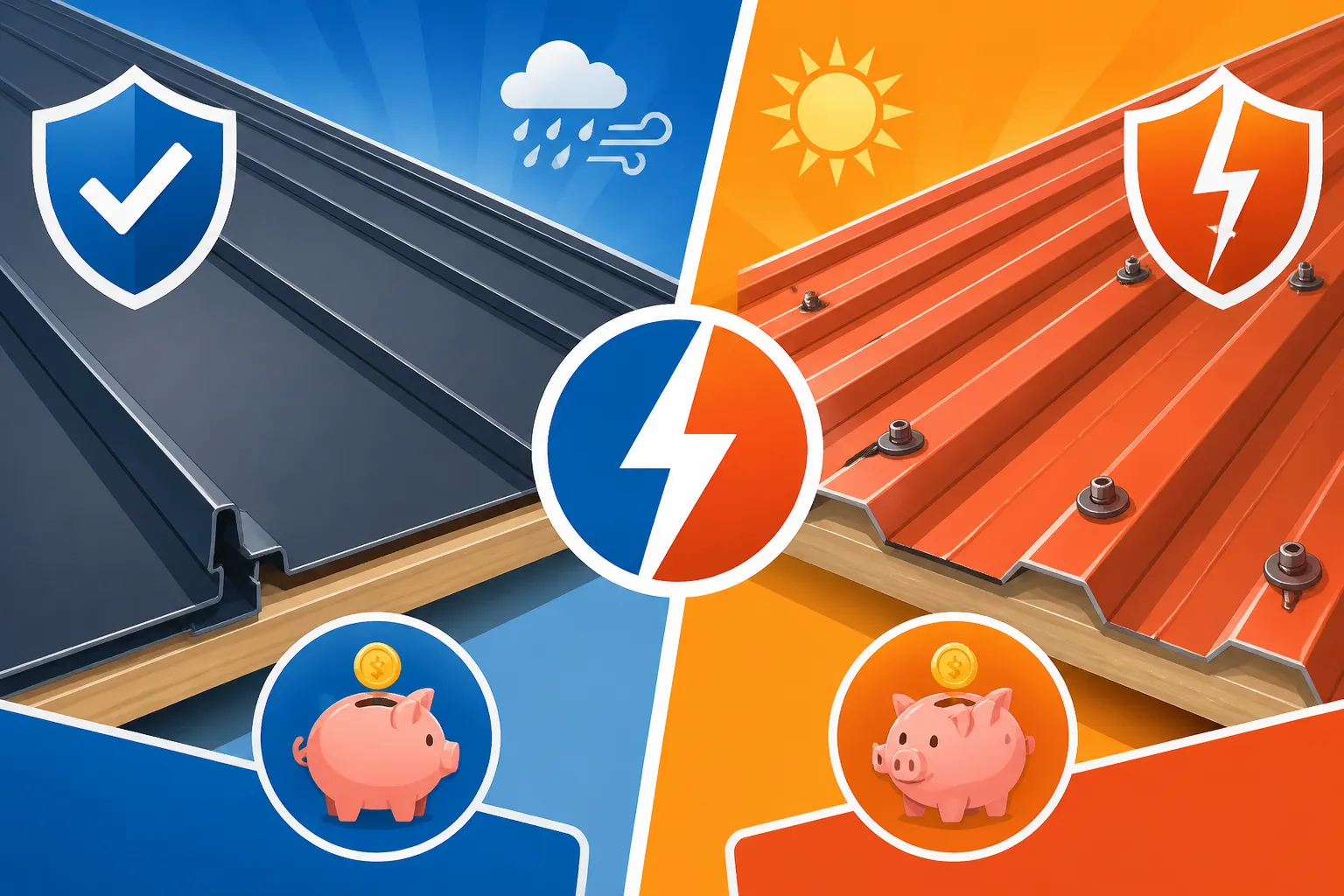
Exposed Fastener Long-Term Costs: While cheaper to install, exposed fastener systems typically require more frequent maintenance. The rubber washers on the screws, exposed to the elements, will eventually degrade. This degradation can lead to leaks around the fastener points, necessitating screw replacement, re-sealing, or tightening every 10-15 years. This recurring maintenance adds up. A typical repair might involve resealing or replacing hundreds, if not thousands, of screws, which can be a significant expense over the roof's 20-40 year lifespan. Furthermore, the constant movement around the screws can enlarge the holes, potentially leading to more complex leak issues down the line.
-
Concealed Fastener Long-Term Costs: With no exposed fasteners, these systems inherently require less maintenance related to penetrations. The hidden clips and robust seams mean there are fewer points of failure. While still beneficial to have periodic inspections, the major recurring maintenance of fastener replacement is largely eliminated. This results in lower long-term repair costs and a longer overall lifespan for the roof, often extending 50 years or more. While a Metal Roof Maintenance Guide is always recommended, the specific tasks for a concealed fastener system are generally less intensive concerning leak prevention. The initial investment might be higher, but the significant savings on maintenance and potential repairs over several decades can make them a more economical choice in the long run.
Durability and Longevity Factors
When you invest in a metal roof, you’re hoping for a roof that will stand the test of time, weather any storm, and protect your home for decades. Durability and longevity are where the two fastening systems really diverge.
Weather Resistance and Performance
Both types of metal roofs offer excellent weather resistance compared to traditional asphalt shingles, but their performance nuances differ significantly.
-
Exposed Fastener Weather Resistance: These systems are robust against high winds if properly installed with enough fasteners and the correct screw pattern. However, the numerous exposed screw penetrations are potential weak points during extreme weather events. Strong updrafts or prolonged high winds can potentially loosen screws, especially if the washers have degraded, compromising the roof's integrity. Heavy rains, particularly if combined with wind, can exploit any failing washer seals, leading to leaks. Hail can also be a concern; while the metal panels themselves are impact-resistant (especially thicker gauges), direct hits to the screw heads or washers can sometimes damage the seal or even cause the screw to back out. Proper installation, including correct torque on fasteners and appropriate spacing, is critical for maximizing resilience.
-
Concealed Fastener Weather Resistance: This is where concealed fastener systems truly shine. Without exposed penetrations, the roof surface presents a continuous, impermeable barrier to water. The interlocking panels and robust clips are designed to withstand very high winds, often rated for hurricane-force gusts exceeding 150 mph. The hidden clips allow the panels to expand and contract freely, reducing stress and maintaining the structural integrity of the system even through extreme temperature fluctuations. This makes them exceptionally resistant to leaks caused by driving rain, melting snow, or ice dams. While no roof is entirely impervious to severe hail, the hidden fasteners mean there are no exposed points for hail to compromise the watertight seal, significantly enhancing the roof's long-term performance and durability. You can explore how these systems hold up in various climates by looking into the Best Metal Roof for High Wind Areas or Best Metal Roof for Snow and Cold Climates.
Maintenance Needs and Vulnerabilities
Maintenance is often overlooked during the initial selection phase but becomes a real-world consideration over the roof's lifespan.
-
Exposed Fastener Maintenance: The primary vulnerability of exposed fastener systems lies in the rubber washers on the screws. Over time, UV radiation, ozone, and extreme temperatures cause these washers to dry out, crack, and lose their elasticity. When this happens, the seal around the screw penetration fails, leading to leaks. This degradation usually necessitates periodic maintenance, typically every 10-15 years, where a contractor will inspect the entire roof, tightening loose screws and replacing deteriorated washers. In some cases, if screws have backed out significantly or the holes have wallowed out, larger-head screws or specialized sealants may be required. If neglected, these small leaks can lead to significant damage to the underlayment and roof deck. This ongoing maintenance adds to the cost of ownership and requires diligence.
-
Concealed Fastener Maintenance: One of the most significant advantages of concealed fastener systems is their dramatically reduced maintenance requirements related to fastening. Since the clips and fasteners are protected beneath the metal panels, they are not exposed to the same environmental stressors. The robust seams provide a durable, long-lasting barrier. Maintenance primarily involves general cleaning, ensuring gutters are clear, and occasional inspections for any potential issues like damaged flashing or sealant failures around penetrations for vents or skylights. The risk of widespread leaks due to fastener degradation is virtually eliminated, making these systems a true "set it and forget it" option for many decades. This translates to lower long-term costs and less worry for homeowners, proving that a Metal Roof Lifespan: How Long Do They Last? is often directly tied to the fastening system.
Warranty Differences and Expectations
Warranties are a critical part of any roofing investment, offering peace of mind and protection. There are often significant differences in warranty coverage between the two types of systems.
-
Exposed Fastener Warranties: Manufacturers of exposed fastener panels typically offer paint finish warranties ranging from 20 to 40 years, protecting against chipping, peeling, or fading. However, structural or weathertightness warranties on exposed fastener systems can be more limited, often due to the inherent vulnerability of the exposed fasteners. Workmanship warranties from contractors for exposed fastener installations usually range from 1 to 5 years, covering installation errors. It's crucial to understand that these warranties often don't cover the gradual degradation of the screw washers, which is considered a maintenance item. Homeowners must be proactive in their maintenance to keep these roofs in good standing.
-
Concealed Fastener Warranties: This is an area where concealed fastener systems often excel. Manufacturers frequently offer more extensive, long-term warranties – often 30-50 years on paint finishes and even lifetime warranties against defects or rust for the panels themselves. More importantly, many manufacturers offer comprehensive weathertightness warranties for these systems, some extending for 20-30 years, directly due to their inherent design advantages. Because the fasteners are protected, the system's integrity is less prone to external factors. When combined with a reputable contractor's workmanship warranty (which might range from 5-10 years or even more from highly specialized installers), homeowners can enjoy exceptional peace of mind. For those considering this long-term investment, understanding Metal Roof Warranties: Workmanship vs Manufacturer is paramount, and certified installers are often a requirement for the most robust manufacturer warranties.
Pros and Cons: Making Your Decision
Choosing between concealed and exposed fastener metal roofing isn't just about cost; it's about weighing a variety of factors unique to your home, budget, and aesthetic preferences. Let's break down the advantages and disadvantages of each.
Advantages of Exposed Fastener Systems
For many homeowners, especially those on a tighter budget or with a specific aesthetic in mind, exposed fastener systems offer compelling benefits.
-
Lower Upfront Cost: Without a doubt, the most significant advantage is the lower initial investment. Both material and labor costs are generally less than their concealed fastener counterparts, making metal roofing accessible to a broader range of budgets. This can be particularly appealing for smaller homes, detached garages, workshops, or those looking to replace an asphalt roof without breaking the bank. For a detailed comparison, you might want to look at Metal Roof vs Asphalt Shingle Cost.
-
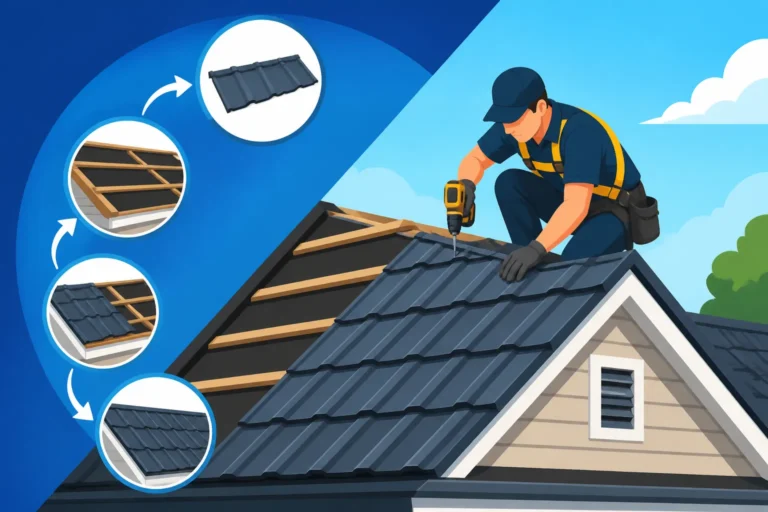
Easier and Faster Installation: The installation process for exposed fastener systems is typically simpler and quicker. Panels cover large areas, and the direct fastening method means less intricate work. This can reduce disruption during installation and allow for faster project completion. While it's always best to hire a professional, the perceived simplicity also makes it a more viable (though still challenging) option for experienced DIY enthusiasts.
-
Rustic or Industrial Aesthetic: If you're aiming for a farmhouse, industrial, or rugged look, the visible ribs and fasteners of these panels can be a distinct design advantage. They provide texture and character that a smooth standing seam roof simply doesn't. Colors and profiles can be chosen to enhance this specific architectural vision, adding a unique charm to your property.
-
Simple Repair and Replacement: Should a single panel be damaged, or a section require repair, it's often more straightforward to remove and replace individual panels on an exposed fastener roof compared to the interlocking nature of concealed systems. Fastener replacement is also a relatively simple, albeit labor-intensive, task.
Advantages of Concealed Fastener Systems
For those prioritizing longevity, low maintenance, and a premium aesthetic, concealed fastener systems present a strong case.
-
Superior Durability and Longevity: By protecting fasteners from the elements and allowing for thermal movement, concealed fastener systems inherently last longer. They are less prone to leaks from screw degradation and can perform reliably for 50-75 years or even more, far outstripping the typical lifespan of exposed fastener roofs. This makes them a true multi-generational investment.
-
Excellent Weather Performance: The continuous, impenetrable surface provides superior protection against severe weather. They excel in high wind zones and are exceptionally resistant to water infiltration from heavy rains and ice dams, making them an ideal choice for challenging climates.
-
Minimal Maintenance: With no exposed fasteners to worry about, the recurring maintenance associated with tightening or replacing screws and washers is eliminated. This significantly reduces long-term maintenance costs and the hassle of regular roof upkeep, freeing up your time and money.
-
Sleek, Modern Aesthetic: The clean lines and smooth surface of a standing seam roof offer a high-end, contemporary look that boosts curb appeal and property value. It's a sophisticated architectural statement that complements modern and traditional homes alike, making the roof a focal point of design.
Disadvantages and Considerations
No roofing system is without its drawbacks, and it's important to be realistic about the potential downsides of each.
-
Exposed Fastener Disadvantages: The main drawback is the ongoing maintenance required for the exposed fasteners. The rubber washers will eventually degrade, necessitating inspection and replacement, which adds to the long-term cost and hassle. While initial material costs are lower, they typically come in thinner gauges which can be more susceptible to denting. Furthermore, the visible fasteners and ribs might not suit every architectural style, potentially detracting from curb appeal for some.
-
Concealed Fastener Disadvantages: The most significant hurdle for many is the higher upfront cost. Both materials and specialized labor mean a much larger initial investment. Installation is also more complex and time-consuming, requiring highly skilled and experienced contractors, which further contributes to the higher price tag. While repairs are rare, if a panel is severely damaged, replacement can be more intricate and costly due to the interlocking design. This higher initial investment is a key consideration when reviewing your Metal Roof Cost: Complete 2026 Guide.
Real-World Scenarios and Expert Recommendations
Making the final choice between these two metal roofing systems often boils down to balancing your budget with your long-term goals and aesthetic preferences. Let's look at some real-world situations and expert advice.
When Exposed Fasteners Shine
There are definitely scenarios where an exposed fastener system is not just the more economical choice, but also a perfectly suitable and even desirable one.
-
Budget-Conscious Projects: If you're working with a tighter budget but still want the undeniable benefits of a metal roof (energy efficiency, durability against fire, wind, and pests), exposed fastener systems are your best friend. They offer a significant upgrade from asphalt shingles without the premium price tag of a standing seam roof. This is often the case for smaller homes, rental properties, or secondary structures like sheds and detached garages where a utilitarian aesthetic is fine, or even desired.
-
Specific Aesthetic Preferences: For homes that embrace a rustic, industrial, or modern farmhouse architectural style, exposed fastener panels can perfectly complement the design. Imagine a mountain cabin or a renovated barn-style home; the visible ribs and fasteners of a corrugated or R-panel roof can add authentic character and charm that a smooth, hidden fastener system simply wouldn't achieve. They can be a deliberate design choice, not just a budget compromise.
-
Less Critical Applications: For agricultural buildings, workshops, or light commercial structures where long-term aesthetic perfection is less of a priority than robust protection and cost-effectiveness, exposed fastener roofs are often the go-to choice. Their straightforward installation and maintenance make them practical for these applications. In areas like Texas or Florida, where there are many outbuildings, these systems are very common.
When Concealed Fasteners are the Clear Winner
Conversely, there are many situations where the benefits of a concealed fastener system far outweigh the higher initial cost.
-
High-End Residential Homes: For luxury homes, custom builds, or homeowners looking to significantly increase their property's value and curb appeal, concealed fastener systems like standing seam are often the preferred choice. Their sleek, uninterrupted aesthetic elevates the entire appearance of the home, signaling quality and sophistication. This makes them a strong investment, impacting Does a Metal Roof Increase Home Value?.
-
Long-Term Investment and Low Maintenance: If your goal is a "forever roof" – one that requires minimal intervention for several decades and can withstand the test of time and severe weather without constant upkeep – then a concealed fastener system is the clear winner. The reduced long-term maintenance costs and extended lifespan make it an excellent investment for homeowners who plan to stay in their home for many years.
-
Challenging Climates: In regions prone to extreme weather conditions, such as areas with heavy snow, high winds (like hurricane zones), or significant temperature fluctuations, the superior weathertightness and thermal movement capabilities of concealed fastener systems provide unmatched protection. They are less likely to leak, buckle, or be compromised by Mother Nature's fury.
How to Vet Your Contractor for Either System
No matter which system you choose, the quality of installation is paramount. Even the best materials will fail if installed incorrectly. This is why vetting your contractor thoroughly is non-negotiable.
-
Experience and Specialization: Always ask about their experience with the specific type of metal roof you're considering. Installing a standing seam roof requires different skills and tools than installing a corrugated exposed fastener system. A contractor who primarily does asphalt shingles might not have the nuanced expertise for metal. Look for specialists who have a proven track record with your chosen system. You'll want to ask questions like How Many Metal Roofs Should a Contractor Have Installed and ensure they are proficient.
-
Certifications and Training: Many metal roofing manufacturers offer certification programs for installers. These certifications ensure that contractors are trained in the correct installation techniques for specific products, which is often a requirement for honoring extended manufacturer warranties. Ask for proof of manufacturer certifications.
-
Local References and Portfolio: Don't just rely on online reviews. Ask for local references and drive by to see their previous work. Seeing completed projects in person can give you a real sense of their quality and attention to detail. A reputable contractor will be proud to show off their past projects.
-
Licensing, Insurance, and Bonding: Always verify that your contractor is properly licensed, insured, and bonded. This protects you from liability in case of accidents or damage during the project. You can often check licensing through your state's contractor board. Understanding Metal Roof Contractor Licensing, Bonding & Insurance is crucial for your protection.
-
Detailed Quotes: Get at least three detailed quotes. Ensure they break down material costs, labor costs, disposal fees, and include specifics about the panels (gauge, material, finish), fasteners, underlayment, and trim. This allows for an "apples-to-apples" comparison. Services like Modernize can help you connect with vetted local contractors, simplifying the process of getting multiple quotes from qualified professionals. They help ensure you're speaking with a pro who understands the intricacies of both concealed and exposed fastener installations, rather than just any general roofer.
Ultimately, both exposed and concealed fastener metal roofing systems offer significant advantages over other roofing materials. Your decision will hinge on your priorities: if budget and a particular aesthetic are paramount, an exposed fastener system might be right for you. If a premium look, minimal long-term maintenance, and the absolute longest lifespan are your driving factors, then a concealed fastener system is likely the better investment. Take your time, do your research, and choose a contractor who can expertly deliver the metal roof of your dreams.
Disclaimer
Please note that this article is intended for informational purposes only and does not constitute professional advice. Roofing projects can be complex and dangerous. Always consult with a qualified and licensed metal roofing contractor for specific advice, estimates, and installation for your property. Building codes and regulations vary by location, and it is the homeowner's responsibility to ensure compliance.