What License Does a Roofer Need in California
Trying to figure out the exact licensing requirements for a metal roofing contractor in California can feel like navigating a complex maze, leaving you worried about hiring the right professional and avoiding costly mistakes. It's frustrating when you just want to ensure your home is in safe, capable hands, but the legalities seem to pile up. This comprehensive guide is here to demystify California's contractor licensing process, specifically for metal roofing, ensuring you understand exactly what to look for and how to verify your chosen roofer is legitimate and qualified.
The Essential California Roofing Contractor License
When you're looking to install a beautiful, durable metal roof on your home in sunny California, the single most critical piece of information you need to know about your potential contractor is their license. The state of California, through its Contractors State License Board (CSLB), has very specific classifications to ensure that contractors are knowledgeable and experienced in their declared trade. This isn't just bureaucratic red tape; it's a crucial layer of protection for you, the homeowner, and for the integrity of the work being done on your property.
For any roofing project, including a specialized metal roof installation, a contractor absolutely must hold a C-39 Roofing Contractor license. This isn't a general contractor's license with a roofing endorsement; it's a dedicated license for those who specialize in roofing systems. A C-39 license holder has demonstrated to the CSLB that they possess the necessary experience and expertise in all aspects of roofing installation, repair, and replacement. This includes a deep understanding of different roofing materials, proper installation techniques, safety protocols, and compliance with California's stringent building codes, which are particularly important for metal roofing given its unique properties and installation nuances. Without this specific license, a contractor is not legally permitted to undertake roofing projects over a certain dollar amount (usually anything above $500 in labor and materials combined, making virtually all roofing jobs require a license). This distinction is incredibly important because many general contractors might claim they can do roofing, but they might not have the specialized knowledge that a dedicated C-39 licensee brings to a complex project like a metal roof.
Why the C-39 License Matters for Your Metal Roof Project
Hiring a contractor with the correct C-39 license isn't just about following the law; it's about protecting your investment and ensuring the longevity and performance of your new metal roof. Metal roofing, while incredibly durable and long-lasting, requires precision during installation. Mistakes made during the installation process can lead to significant issues down the line, such as leaks, premature corrosion, or even voided manufacturer warranties. A properly licensed C-39 contractor is well-versed in the intricacies of various metal roofing types, whether you're considering a sleek Standing Seam Metal Roof Cost system, a robust corrugated panel, or a stylish Stone-Coated Steel Roof Cost. They understand how to properly flash around chimneys and vents, handle expansion and contraction of metal panels, and ensure adequate ventilation and underlayment are installed.
Beyond the technical expertise, a licensed contractor provides a layer of accountability. The CSLB oversees licensed contractors, offering a formal channel for resolving disputes if issues arise. Unlicensed contractors, on the other hand, operate outside this regulatory framework, leaving homeowners with little to no recourse if the work is subpar, left incomplete, or if damages occur. Imagine if an unlicensed individual installs your new standing seam roof incorrectly, leading to widespread leaks after the first major rainstorm. Without a license, pursuing legal action or even getting them to fix the problem can be incredibly difficult, often resulting in significant out-of-pocket expenses to correct their mistakes. This is why organizations like Modernize strongly emphasize hiring licensed professionals, connecting homeowners with qualified contractors who meet state-specific requirements.
Other Crucial Contractor Credentials to Verify
While the C-39 license is non-negotiable, a truly reputable and reliable metal roofing contractor in California will possess several other key credentials that offer additional layers of protection and peace of mind. These aren't just "nice-to-haves"; they are fundamental indicators of a professional, responsible business. Don't be afraid to ask for proof of each of these; a good contractor will be happy to provide it. You can learn more about these protective measures by reading about Metal Roof Contractor Licensing, Bonding & Insurance.
Insurance: General Liability and Workers' Compensation
Any contractor working on your home absolutely must carry adequate insurance. There are two primary types of insurance you should verify:
- General Liability Insurance: This protects you from damages to your property or injuries to third parties that occur as a result of the contractor's work. For example, if a worker accidentally drops a tool and shatters a window, or if a material delivery truck damages your driveway, general liability insurance would cover these costs. Without it, you could be left footing the bill for repairs or even legal fees. The typical coverage for residential projects should be at least $1 million, but higher limits are always better.
- Workers' Compensation Insurance: If the contractor has employees, they are legally required to carry workers' compensation insurance. This covers medical expenses and lost wages for workers who are injured on the job. If a contractor doesn't have workers' comp and one of their employees gets hurt on your property, you, as the homeowner, could be held liable for their medical bills and other associated costs. This is a massive risk you simply cannot afford to take. Always ask for a current certificate of insurance directly from the insurance carrier, not just a copy from the contractor, to ensure its validity.
Bonding: A Financial Safety Net
A contractor's bond is another vital safeguard for homeowners. In California, licensed contractors are generally required to post a contractor's bond with the CSLB. This bond provides a financial guarantee that the contractor will complete the job according to the contract and pay for any valid claims, such as failure to complete the project, defective work, or failure to pay subcontractors and suppliers. While the standard CSLB bond might not cover the full cost of a large metal roofing project, it does offer a starting point for recourse. It's a sign of a contractor's commitment to their obligations and often provides a mechanism for homeowners to recover funds in case of significant issues. Some contractors may also carry additional project-specific bonds for larger jobs, offering even greater protection. Don't hesitate to ask if they have a current bond, and verify it through the CSLB.
Verifying a Contractor's Credentials in California
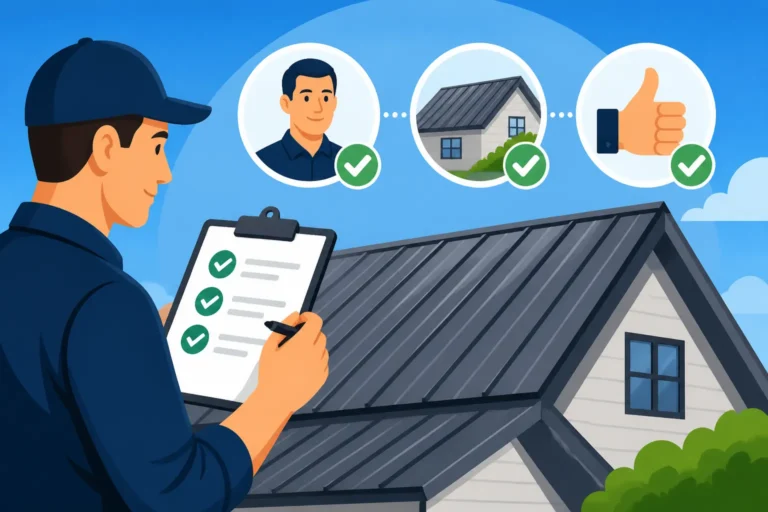
With so much at stake, simply taking a contractor's word for it isn't enough. Thankfully, California makes it relatively straightforward to verify the credentials of any roofing contractor you're considering. This step is non-negotiable and should be done for every contractor you receive a quote from. You can find more detail on this by looking up How to Verify a Roofing License by State.
The CSLB Website: Your Go-To Resource
The primary tool for verifying a contractor's license in California is the Contractors State License Board (CSLB) website. The CSLB offers a free online search tool where you can look up a contractor by license number, contractor name, or business name. When you perform a search, you'll want to pay close attention to several pieces of information:
- License Status: Ensure the license is "Active." Avoid any contractor whose license is "Inactive," "Suspended," or "Expired."
- License Classification: Confirm they hold the C-39 Roofing Contractor classification. If it shows a general contractor's license (like A or B) but no C-39, proceed with extreme caution, as they may be subcontracting the roofing work, or not truly qualified themselves.
- Bond Information: The CSLB record will show if the contractor has a current contractor bond on file.
- Disciplinary Actions: Look for any disciplinary actions or complaints against the contractor. While a single minor complaint might not be a deal-breaker, a pattern of serious issues or unresolved complaints is a major red flag.
- Workers' Compensation Information: The record will indicate whether the contractor has workers' compensation insurance or if they are exempt (meaning they have no employees). If they claim to be exempt but show up with a crew, this is a serious concern.
Always double-check that the name on the license matches the name of the company or individual you're hiring. Scammers sometimes try to use inactive or unrelated license numbers. Taking the time to do this quick check can save you a world of trouble and help you Avoid Roofing Contractor Fraud. Reputable companies like Modernize are keen to help homeowners connect with contractors who have gone through this rigorous verification process, streamlining your search for a trustworthy professional.
Checking References and Reviews
Beyond official licensing, a responsible homeowner will also delve into a contractor's reputation. This includes checking references and thoroughly reviewing their online presence.
- References: Ask for at least three recent references from previous clients who had metal roofing work done. Contact these references directly. Ask about the contractor's communication, adherence to budget and timeline, quality of work, and how they handled any unexpected issues. A key question is, "Would you hire them again?"
- Online Reviews: Sites like Yelp, Google Reviews, and industry-specific platforms can offer valuable insights. Look for consistent positive feedback regarding their metal roofing expertise, professionalism, and customer service. Be wary of contractors with no online presence or a disproportionate number of negative reviews. While one bad review might be an anomaly, a pattern of complaints about workmanship, timeliness, or customer service should be a significant deterrent.
By combining official CSLB verification with thorough reference and review checks, you create a robust vetting process that significantly reduces your risk of hiring an unqualified or disreputable contractor. This comprehensive approach ensures you're hiring someone not just legally able to do the job, but someone with a proven track record of quality work.
The Risks of Unlicensed Contractors in California
It might be tempting to go with a contractor who offers a significantly lower bid because they don't have the overhead of licensing, bonding, and insurance. However, this is a classic "penny wise, pound foolish" scenario, especially for a significant investment like a metal roof. The risks associated with hiring an unlicensed contractor in California far outweigh any potential upfront savings. Many homeowners regret this decision when they face issues that could have been avoided. This is a major Red Flags When Hiring a Metal Roofing Company to watch out for.
Lack of Accountability and Quality Control
Unlicensed contractors operate outside the legal framework designed to protect consumers. This means they are not subject to the CSLB's oversight, standards, or dispute resolution processes. If an unlicensed contractor performs shoddy work, disappears halfway through the project, or uses inferior materials, your options for recourse are extremely limited. You might have to pursue legal action through civil court, which can be costly, time-consuming, and often fruitless if the contractor has no assets. Licensed contractors, on the other hand, have a vested interest in maintaining their license and reputation, making them more likely to adhere to high standards of quality and service. They understand that their livelihood depends on it, and issues can lead to disciplinary actions from the CSLB, including license suspension or revocation.
Financial and Legal Liabilities
The most significant risks of hiring an unlicensed contractor are the potential financial and legal liabilities you could incur.
- Injury Liability: As mentioned earlier, if an unlicensed contractor's worker is injured on your property and they don't have workers' compensation insurance, you, the homeowner, could be held responsible for their medical bills and lost wages. This could amount to hundreds of thousands of dollars, a risk that licensed and insured contractors completely remove from your shoulders.
- Property Damage: If an unlicensed contractor damages your property during the roofing process, their lack of general liability insurance means you'd be responsible for all repair costs. This could include damage to your landscaping, siding, windows, or even the interior of your home if the roof is left exposed to weather.
- Subpar Work and Warranty Issues: Unlicensed contractors often lack the specialized training and knowledge required for proper metal roof installation. This can lead to defects that compromise your roof's integrity, necessitating expensive repairs or even a full replacement much sooner than expected. Furthermore, many metal roof manufacturers require installation by a licensed and certified professional for their warranties to remain valid. Hiring an unlicensed individual could void your valuable Metal Roof Warranties Workmanship vs Manufacturer from the outset, leaving you without protection for material or installation defects.
- Permit Problems: In California, most significant home improvement projects, including roof replacements, require permits from your local building department. Licensed contractors understand this requirement and pull the necessary permits, ensuring the work is inspected and meets local building codes. Unlicensed contractors often skip this crucial step, leaving you with unpermitted work that could cause problems when you try to sell your home or if you ever need to file an insurance claim.
- No Recourse for Liens: If an unlicensed contractor doesn't pay their suppliers or subcontractors, those parties could place a mechanic's lien on your home, even if you paid the contractor in full. You could then be forced to pay twice to release the lien. Licensed contractors are typically bonded, which provides some protection against this, and they understand the importance of managing their subcontractors and suppliers correctly.
In essence, hiring an unlicensed contractor is a gamble with your home and finances. It strips away all the protections put in place by the state to ensure consumer safety and quality workmanship. For a vital component of your home like a metal roof, it's a risk that is simply not worth taking.
Preparing to Hire a Licensed Metal Roofing Contractor
Once you understand the licensing requirements and the importance of hiring a legitimate professional, the next step is to prepare yourself for the hiring process. This involves gathering multiple quotes, asking the right questions, and understanding what a comprehensive quote should include. For further guidance on getting started, check out How to Get a Metal Roof Estimate.
Gathering Multiple Quotes
It's a common mistake to get just one or two quotes for a major home improvement project. For a metal roof, you should aim to get at least three to five detailed quotes from different licensed C-39 roofing contractors. This allows you to compare not only prices but also the scope of work, materials proposed, warranty offerings, and the professionalism of each company. Don't automatically go for the lowest bid; a significantly lower price could indicate corner-cutting, an inexperienced contractor, or even a scam. Instead, look for a fair price that reflects quality materials and expert labor.
When receiving bids, ensure that each contractor is quoting on the same specifications. Are they all proposing the same type of metal (e.g., Aluminum Roof Costvs. steel roof cost), gauge, color, and profile (e.g., standing seam versus corrugated)? Do they include the same underlayment and ventilation solutions? Inconsistent bids make it impossible to compare "apples to apples," so ensure clarity on all proposed components.
Questions to Ask Every Potential Contractor
Beyond verifying their C-39 license and insurance, you should come prepared with a list of targeted questions to assess their expertise and suitability for your metal roofing project. These questions help you gauge their experience, process, and commitment to quality.
- "Can you provide proof of your active C-39 Roofing Contractor license in California?"
- "Can I see current certificates of insurance for both general liability and workers' compensation, directly from your insurance carrier?"
- "How many metal roofing projects, specifically in this area, have you completed in the last year? Can you provide references for those jobs?"
- "What type of metal roofing material are you recommending, and why? What gauge material do you typically use for residential projects like mine?"
- "What is your installation process step-by-step, and how long do you anticipate the project will take?"
- "What kind of warranty do you offer on your workmanship, and what are the details of the manufacturer's warranty for the materials?"
- "Who will be performing the work? Are they your direct employees or subcontractors? (If subcontractors, ask about their licensing and insurance too.)"
- "How do you handle unexpected issues or changes during the project?"
- "What is your payment schedule, and what deposit do you require upfront?" (Be wary of contractors asking for a very large upfront payment, especially in cash.)
These questions, along with the information covered in this guide, will empower you to make an informed decision and select a highly qualified, licensed metal roofing contractor for your home in California. Remember, your roof is your home's first line of defense; investing in a properly installed metal roof by a reputable professional is an investment in your home's long-term protection and value.
Comparing Licensed Roofing Contractor Services
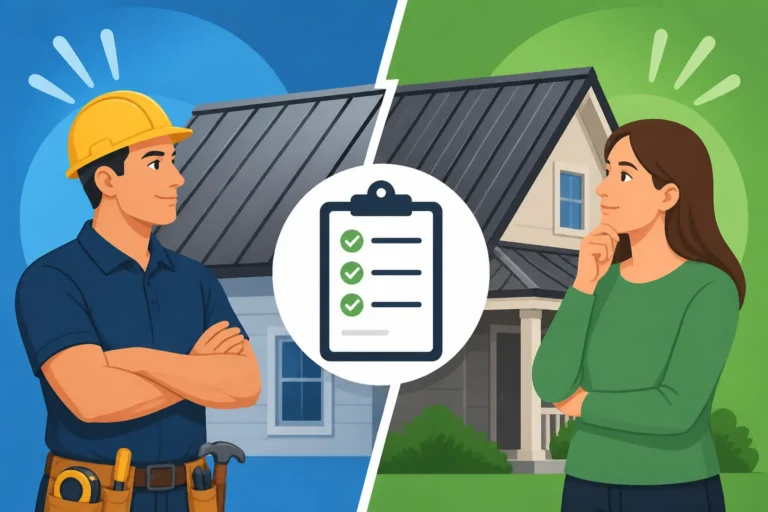
When you’ve gathered multiple quotes from CSLB-licensed C-39 roofing contractors, the next crucial step is to meticulously compare their proposals. It’s not just about the bottom line; it’s about understanding the value, scope, and quality promised by each bid. A comprehensive comparison helps you choose the contractor who offers the best combination of experience, materials, warranties, and price for your metal roof. You can use resources like How to Compare Metal Roof Bids Apples to Apples to help you through this process.
Understanding the Details of Each Bid
A good quote for a metal roof should be incredibly detailed. It shouldn't just list a single price. Instead, it should break down costs and specifications clearly. Here’s what you should look for and compare:
- Material Specifications: Each bid should specify the exact type of metal (steel, aluminum, copper, etc.), the profile (standing seam, corrugated, metal shingle, etc.), the gauge (thickness), the finish/coating (e.g., Kynar 500/PVDF, SMP), and the color. Confirm these are consistent across bids, or understand the differences if they vary. For example, a 24-gauge standing seam metal roof will likely cost more than a 29-gauge exposed fastener corrugated roof, but the longevity and durability will also differ significantly.
- Scope of Work: What exactly is included? Does it cover tear-off of your old roof (if applicable), disposal fees, installation of new underlayment, flashing, trim, and any necessary ventilation? Ensure all bids address the same aspects of the project. If one bid seems significantly lower, it might be omitting crucial steps or materials, which could lead to unexpected costs later.
- Permits and Inspections: Confirm that the contractor will handle all necessary permits and coordinate with local building inspectors. This is a critical step in California to ensure compliance and avoid future headaches.
- Warranties: Compare the workmanship warranty offered by the contractor (how long they guarantee their installation) and the manufacturer’s warranty on the metal panels. Longer warranties often indicate greater confidence in the materials and installation. Ask if the warranty is transferable if you sell your home, which can be a valuable selling point.
- Timeline: While not a cost, a clear timeline for project completion is essential. Understand when they can start, how long the actual installation will take, and what factors might cause delays.
The Value of Experience with Metal Roofing
While a C-39 license indicates general roofing competence, experience specifically with metal roofing installations is a significant advantage. Metal roofs behave differently than asphalt shingles, expanding and contracting with temperature changes, and requiring specialized fastening techniques and flashing details. A contractor who primarily installs asphalt shingles might not have the nuanced expertise for a flawless metal roof installation, especially for complex systems like standing seam.
Ask contractors about their experience with the specific metal roof type you are considering. For example, a contractor might have extensive experience with corrugated metal panels but less with standing seam systems, or vice versa. The more experience they have with your chosen material and profile, the more confident you can be in their ability to handle any challenges that arise. Organizations like Modernize can help connect you with contractors who have a proven track record in metal roofing, ensuring you get specialized expertise for your project.
Final Contract Review
Before you sign anything, carefully review the entire contract. Ensure it includes all the details discussed, including the specific materials, scope of work, payment schedule, timeline, and warranty information. Look for a clause about lien waivers, which protect you from subcontractors or suppliers placing a lien on your property if the primary contractor fails to pay them. A clear, comprehensive contract protects both you and the contractor and sets clear expectations for the entire project. Don't be rushed into signing, and if anything is unclear, ask for clarification. Getting everything in writing is paramount to a successful metal roofing project.
| Credential Type | What It Is | Why It Matters for Homeowners | How to Verify in CA |
|---|---|---|---|
| C-39 License | Issued by CSLB for Roofing Contractors. | Legal requirement for roofing work, ensures specialized expertise and adherence to codes. | CSLB website lookup by license number/name. |
| General Liability | Covers property damage or third-party injuries caused by contractor's work. | Protects your finances from accidents on your property. | Ask for Certificate of Insurance from carrier. |
| Workers' Compensation | Covers worker injuries on the job. | Protects you from liability if a worker is injured on your property. | Ask for Certificate of Insurance from carrier (if employees). |
| Contractor's Bond | Financial guarantee for contract fulfillment and payment to subs/suppliers. | Provides a financial safety net in case of incomplete or defective work, or unpaid debts. | CSLB website lookup. |
By taking the time to thoroughly vet, question, and compare licensed contractors in California, you are setting the stage for a successful metal roof installation that will protect your home for decades to come.
Disclaimer
Please remember that this article provides general information and should not be considered legal advice. Licensing requirements and regulations can change, and interpretations may vary. Always consult with the California Contractors State License Board (CSLB) or a qualified legal professional for the most current and specific information regarding contractor licensing for your particular project in California.