How to Avoid Roofing Contractor Fraud
Imagine waking up after a severe hailstorm in Dallas or a coastal gale in Florida, only to find a stranger at your door promising a "free" metal roof through insurance loopholes. Every year, thousands of homeowners lose their life savings to deceptive practices and shoddy workmanship. This guide breaks down exactly how to spot, avoid, and report roofing contractor fraud to ensure your home remains protected.
Identifying Common Types of Metal Roofing Scams
The roofing industry, unfortunately, attracts a fair share of bad actors who prey on the urgency of home repairs. Because a metal roof is a premium investment, the stakes are significantly higher than they are with traditional shingles. Understanding the "playbook" of a scammer is your first line of defense. Most fraudulent activities follow a predictable pattern, often revolving around high-pressure tactics or too-good-to-be-true financial promises.
The Post-Storm Door Knocker and Storm Chasers
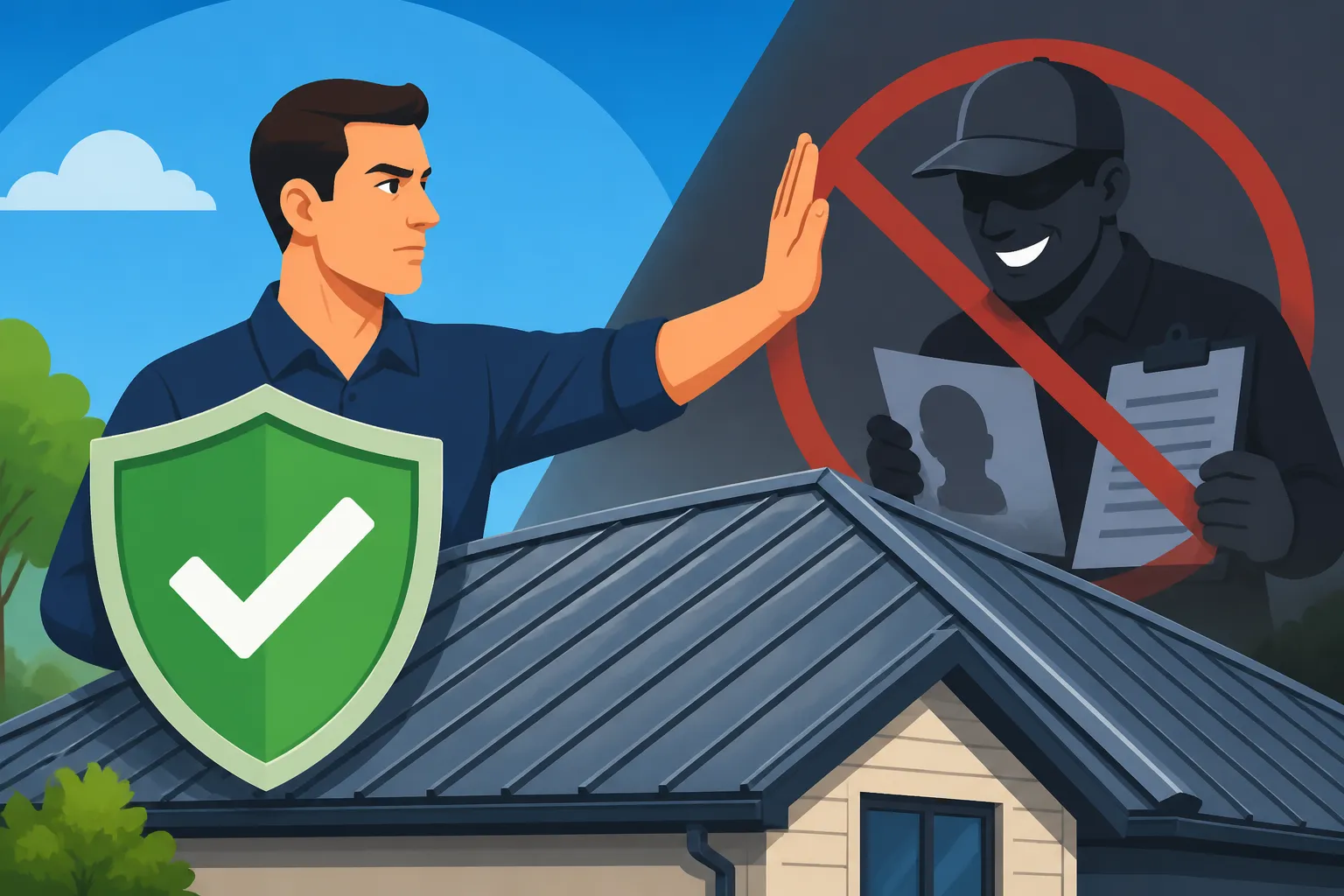
After a major weather event, neighborhoods are often swarmed by "storm chasers." These are out-of-state contractors who follow the path of destruction to capitalize on insurance payouts. They often use aggressive sales tactics, promising they can get your insurance company to pay for the entire project while "waiving" your deductible—which is actually a form of insurance fraud in many states. These crews typically do fast, low-quality work and disappear long before the first leak appears, leaving you with no recourse when things go wrong.
The danger of hiring a storm chaser is that they lack local roots. If you have an issue with your flashing six months later, that 1-800 number on their flyer will likely be disconnected. They are experts at How to Spot a Roofing Scam After a Storm, but they are not experts at the meticulous installation required for a standing seam metal roof. Always check for a local physical address and local references before even letting someone up on your roof for an "inspection."
The Leftover Material Sales Pitch
A classic scam involves a contractor claiming they just finished a large commercial job nearby and have "extra" metal panels they can sell you at a massive discount. They might say, "I’ve got just enough 26-gauge steel left over to cover your ranch house if we do it today." In reality, these materials are often rejected batches, the wrong profile for your roof's pitch, or even stolen goods.
A reputable contractor calculates material orders specifically for your roof's dimensions to minimize waste and ensure color consistency across batches. Accepting "leftover" material often means you are getting a mismatched, inferior product that carries no manufacturer warranty. This is one of the most common Metal Roofing Scams and Red Flags to Avoid that specifically targets those looking for a bargain on high-end materials.
High-Pressure Sales and Artificially Low Bids
If a contractor tells you the price is only valid if you sign the contract right this second, walk away. Scammers use artificial urgency to prevent you from doing your due diligence. They know that if you have time to look up their reviews or call the Better Business Bureau, you’ll find the skeletons in their closet. They might provide a bid that is 40% lower than everyone else, but this is usually a "bait and switch."
Once the old roof is torn off and your home is vulnerable, the price suddenly skyrockets due to "unforeseen" wood rot or "rising steel prices." By then, you are trapped. A legitimate company will provide a detailed quote and give you the space to compare it. Using platforms like Modernize can help you find vetted professionals who understand the importance of transparency and competitive, honest pricing.
Essential Steps to Vet Your Metal Roofing Contractor
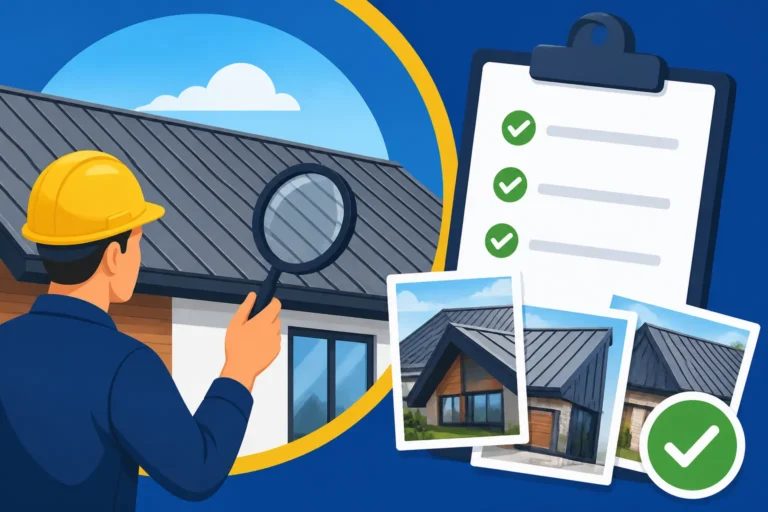
Vetting is the most time-consuming part of the process, but it is also the most critical. You aren't just buying metal panels; you are buying the expertise of the people installing them. A metal roof is a complex system involving underlayment, ventilation, and precision-cut trim. If any part of that system is compromised by an unqualified installer, the entire investment is at risk.
Verifying Licenses and State Requirements
Every state has different rules for roofing contractors. In Florida, the requirements are incredibly stringent due to hurricane codes, whereas other states may only require a general business license. You must go beyond taking the contractor's word for it. Ask for their license number and verify it through your state’s licensing board website. This step is non-negotiable.
When you How to Verify a Roofing License by State, you can also see if there are any active complaints or past disciplinary actions against them. A license isn't just a piece of paper; it’s proof that the contractor has met the minimum competency and financial stability requirements to operate in your area. If they can’t produce a valid license, they shouldn't be on your property.
Checking Insurance and Bonding Details
A contractor might be licensed but underinsured. You need to see proof of both General Liability insurance and Workers' Compensation insurance. General Liability protects your home if a crane falls over or a fire starts during installation. Workers' Comp is even more vital; if a crew member falls off your roof and the contractor doesn't have insurance, you could be held liable for their medical bills and lost wages.
Don't just look at a photocopy of an insurance certificate. Call the insurance agency listed on the document to ensure the policy is active and has adequate coverage limits for a major project. A "bonded" contractor adds another layer of protection, providing a financial guarantee that they will complete the job according to the contract and pay their material suppliers.
Evaluating Past Project Experience and Reviews
Metal roofing requires a different skill set than asphalt shingles. You should ask, "How many metal roofs have you installed in the last year?" A contractor who does 90% shingles and 10% metal might not be the best choice for a complex standing seam project. Ask for at least three references from local homeowners who had a metal roof installed more than two years ago.
Checking online reviews on Google, Yelp, and the BBB is a good start, but look for patterns rather than isolated incidents. Every company eventually gets a bad review, but a pattern of "poor communication," "leaks," or "unpaid subcontractors" is a massive red flag. Services like Modernize often aggregate professional data to help you connect with contractors who have a proven track record specifically in metal roofing systems.
The Red Flags of Shady Roofing Estimates
An estimate is more than just a price tag; it’s a reflection of the contractor’s professionalism and attention to detail. If an estimate is written on a cocktail napkin or a single sheet of paper with a lump sum at the bottom, you are inviting trouble. A proper metal roofing estimate should be several pages long and include every component of the system.
Lack of Specificity in Material Quotes
In the world of metal roofing, details matter. An unethical contractor will simply write "metal roof" on the estimate. This gives them the freedom to install the cheapest, thinnest 29-gauge corrugated panels when you were expecting a 24-gauge standing seam system. The estimate should clearly state the metal type (steel, aluminum, etc.), the gauge (thickness), the profile, and the specific paint coating (like PVDF or Kynar 500).
Make sure you know exactly What Should Be Included in a Metal Roof Estimate before you sign. This includes details on the underlayment brand, the type of flashing to be used, and even the fasteners. If the contractor is vague about the materials, it’s often because they plan to swap them out for cheaper alternatives once the job starts.
Unusually Large Upfront Deposit Requests
One of the most common ways homeowners get scammed is through the "vanishing deposit." A contractor asks for 50% or more upfront to "order materials." Once the check clears, they delay the start date repeatedly until they eventually stop answering the phone. While it is normal for a contractor to ask for a deposit, it should rarely exceed 10% to 33% of the total project cost depending on your local laws.
A reputable company should have enough credit with their suppliers to get the materials to your driveway before asking for a significant payment. Understanding the Normal Deposit and Payment Schedule for a Roof can save you from losing thousands of dollars. Never pay the full amount until the job is completed, the site is cleaned, and you have performed a final walkthrough.
Refusal to Pull Proper Local Permits
If a contractor asks you to pull the building permit in your own name, or claims "you don't need a permit for a metal roof," they are likely trying to hide something. Usually, this means they aren't licensed, they don't have insurance, or they don't want an inspector looking at their work. When you pull a permit as the "owner-builder," you become legally responsible for the work meeting local codes.
If the work fails to meet code—which is common with fraudulent contractors—you will be the one paying to fix it, not them. A professional roofer includes the cost of permits in their quote and handles the entire process with the local building department. This ensures that a third-party inspector will verify that the roof was installed correctly before the permit is closed.
| Feature | Reputable Contractor | Fraudulent Contractor |
|---|---|---|
| Address | Local, physical office with a history. | P.O. Box or out-of-state plates. |
| Price | Competitive and detailed. | Suspiciously low or "negotiable." |
| Payment | Milestone-based (Deposit, Delivery, Completion). | Large upfront cash or total payment. |
| Contract | Multi-page, specific, and clear. | Vague, one-page, or verbal. |
| Permits | Contractor pulls and manages all permits. | Asks homeowner to pull or skip permits. |
| Insurance | Provides verifiable certificates immediately. | "Forgot them at the office" or expired. |
Protecting Yourself Through Detailed Documentation
The contract is your only legal protection if things go south. In the excitement of getting a new roof, many homeowners skim the fine print or rely on verbal promises. In the eyes of the law, if it isn't in writing, it didn't happen. You need a document that covers every possible scenario, from weather delays to how they will protect your landscaping.
What a Comprehensive Metal Roof Contract Should Include
A solid contract should start with a clear scope of work. This includes the removal of the old roof (tear-off), the repair of any damaged decking, and the installation of the new system. It should specify the exact brand and color of the metal. It should also include a "clean-up" clause, stating that the contractor will use a magnetic sweep to pick up stray screws and dispose of all debris.
Beyond the work itself, the contract must include start and completion dates. While weather can cause delays, you don't want your project sitting unfinished for three months. By following the advice in How to Hire a Metal Roofing Contractor, you can ensure your contract also includes a termination clause that defines how you can end the relationship if the contractor fails to meet their obligations.
Understanding Manufacturer vs. Workmanship Warranties
Scammers often conflate these two very different protections. A manufacturer's warranty covers defects in the metal or the paint finish. For example, if your 2026-grade Galvalume panels start peeling in three years, the manufacturer may replace the panels. However, this warranty does not cover leaks caused by poor installation.
A workmanship warranty is provided by the contractor and covers the labor. If a technician fails to flash a chimney correctly and it leaks, the contractor should fix it for free. You must understand Metal Roof Warranties: Workmanship vs Manufacturer to realize that a "50-year warranty" from a manufacturer is useless if the contractor who installed it incorrectly goes out of business. Always get the workmanship warranty duration in writing—typically, 2 to 10 years is standard for high-end metal work.
The Importance of Lien Waivers
This is a technical but vital part of avoiding fraud. In many states, if a contractor doesn't pay their material supplier (the company that provided the metal panels), that supplier can put a "mechanic's lien" on your home. This means that even if you paid the contractor in full, you could be forced to pay the supplier as well to keep your house from being sold at auction.
To prevent this, you should require a signed lien waiver from the contractor and their primary suppliers before making your final payment. This document proves that everyone involved in the project has been paid and waives their right to place a lien on your property. Learning about Lien Waivers and Roofing: What to Know is perhaps the most important financial safeguard you can implement.
Financial Safeguards for Homeowners
How you handle the money is often the difference between a successful project and a disaster. Fraudulent contractors thrive on cash payments and confusing financial arrangements. By staying in control of the funds, you keep the leverage in the relationship.
Structuring a Safe Payment Schedule
A safe payment schedule is always tied to progress milestones. A typical structure might be 10% upon signing the contract, 40% when the materials are delivered to your property, and the remaining 50% only after the final inspection is passed and the clean-up is done. This ensures that the contractor has enough "skin in the game" to finish the job.
Avoid paying in cash at all costs. Use a credit card or a check, which provides a paper trail and may offer some level of fraud protection through your bank. If a contractor insists on cash, it’s usually because they are hiding income from taxes or don't have a business bank account—both of which are red flags. Make sure you agree on the Questions to Ask a Metal Roofing Contractor Before You Hire regarding their payment terms before the first shingle is moved.
How to Handle Insurance Claims Without Fraud
If you are using insurance to pay for your metal roof, you must be extremely careful. It is illegal for a contractor to "cover your deductible." This is done by inflating the estimate sent to the insurance company and then giving you a "credit" for the deductible amount. If you are caught participating in this, you could face felony insurance fraud charges.
A reputable contractor will meet with your insurance adjuster to ensure all damage is accounted for, but they will never ask you to lie or sign over your entire insurance check before work begins. They should provide a fair estimate based on market rates, not just whatever the insurance company "allows." Using Modernize to find contractors familiar with the insurance process can help ensure your claim is handled legally and professionally.
Leveraging Third-Party Vetting Services
In the digital age, you don't have to vet contractors alone. Third-party platforms do much of the heavy lifting by pre-screening companies for licenses, insurance, and reputation. These services act as a bridge, connecting you with professionals who have already been vetted for basic compliance.
When you use a service like Modernize, you are tapping into a network of contractors who are held to a higher standard of accountability. While you still need to perform your own final checks, these platforms significantly reduce the risk of running into a fly-by-night scammer. They provide a layer of transparency that is often missing when you simply pick a name out of a local "coupon" book or respond to a door-to-door solicitation.
Summary of Best Practices
Protecting yourself from roofing fraud is about slowing down. The scammers rely on your panic after a storm or your desire for a "steal" of a price. By insisting on local references, verifying insurance with the source, and never paying for work that hasn't been performed, you make yourself a "hard target" for fraudsters.
Remember that a metal roof is a 40- to 70-year investment. Saving $2,000 today by hiring a questionable contractor could cost you $30,000 in repairs five years from now. Always prioritize credentials over cost. If you feel pressured or if something feels "off" in your gut, trust that instinct and look elsewhere. There are plenty of honest, skilled metal roofing professionals who will be happy to earn your business the right way.
Disclaimer
The information provided in this guide is for educational purposes only and does not constitute legal or financial advice. Building codes, licensing requirements, and insurance laws vary significantly by state and municipality. Always consult with a qualified local professional or legal counsel before signing any home improvement contracts.