Metal Roof Installer Cost vs Material Cost
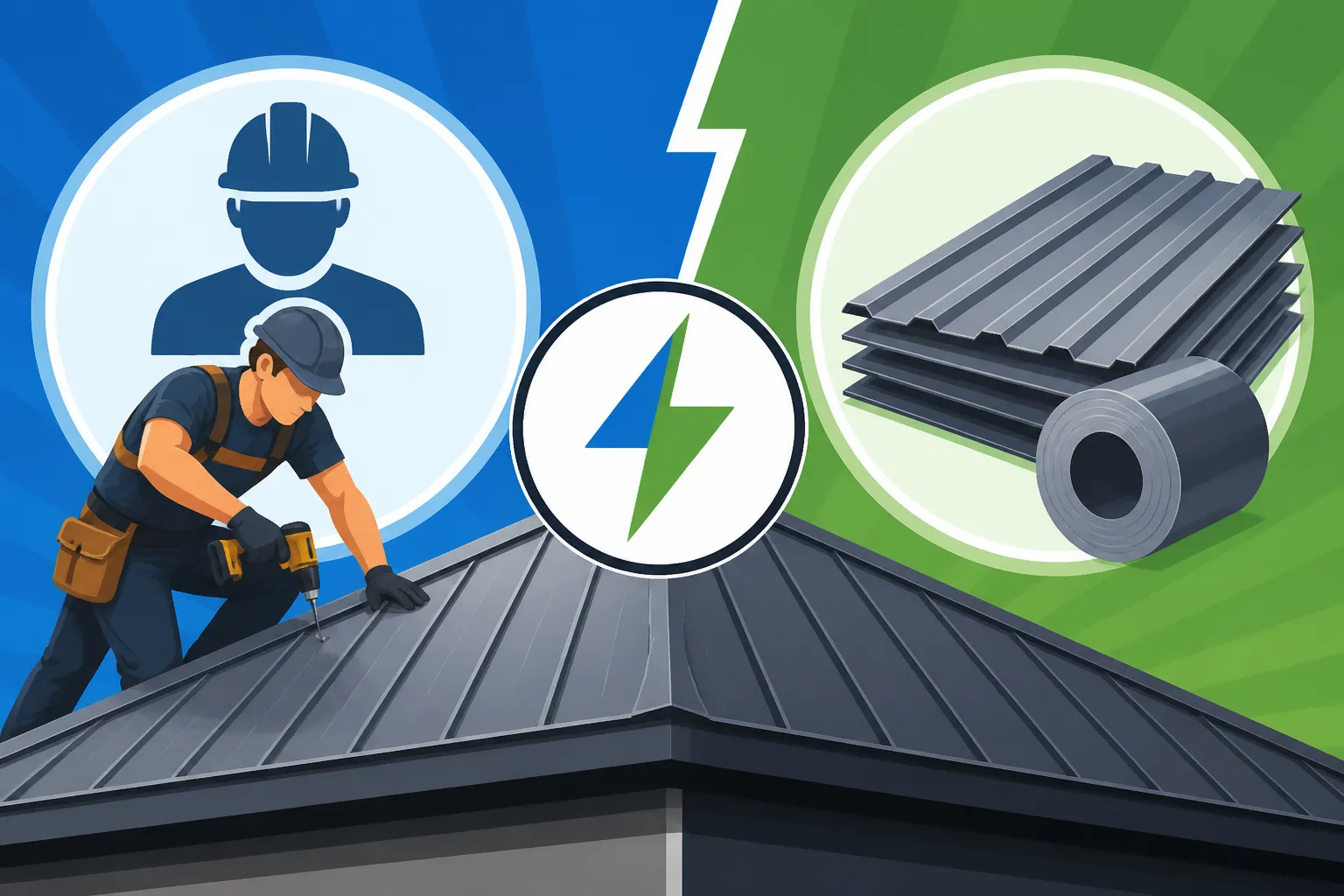
Most homeowners walk into a roofing project expecting the materials to be the lion's share of the invoice, only to be hit with a "sticker shock" when they see the labor fees. It is incredibly frustrating to feel like you are being overcharged for a few days of work. This guide breaks down the complex split between metal roof installer cost vs material cost to help you negotiate with confidence and understand exactly where every dollar of your investment is going.
Understanding the Cost Divide: Labor vs. Materials
When you first receive a quote for a metal roof, it is easy to assume that the high price tag is mostly due to the "precious metal" sitting in the contractor’s truck. However, the reality of the roofing industry is that labor and overhead often match or even exceed the cost of the materials themselves. This isn't just a random markup; it's a reflection of the specialized skill required to work with a material that is far less forgiving than traditional asphalt.
The General Rule of Thumb for Cost Split
In the world of metal roofing, a common baseline is a 50/50 split, but it is not unusual to see labor climb to 60% or 65% of the total project cost. For instance, if you are looking at a Standing Seam Metal Roof Cost, you’ll find that the precision required for the interlocking panels demands a much higher labor-to-material ratio than a simple corrugated roof. While the materials for a standing seam roof are certainly more expensive than shingles, the man-hours required to ensure the roof is watertight and aesthetically perfect are substantial.
I have spoken with countless homeowners who were baffled that a quote for a 2,000-square-foot home could vary by $10,000 just based on the contractor's labor rates. The reason for this often lies in the contractor’s expertise and the specific needs of your roof. Using a service like Modernize can help you compare these labor-to-material ratios across several local pros so you can see if a specific quote is leaning too heavily in one direction without a clear explanation.
Why Labor Often Rivals or Exceeds Material Costs
Unlike asphalt shingles, which can be somewhat "fudged" or overlapped with a bit of flexibility, metal is rigid. Every cut must be exact. Every fastener must be driven to the precise depth to allow for thermal expansion. If an installer rushes the job, you end up with "oil canning"—that wavy, distorted look that ruins a home’s curb appeal. The Metal Roof Labor Cost reflects this need for craftsmanship.
A high-quality installer is essentially a sheet metal artist. They have to navigate dormers, valleys, and chimneys with custom-bent flashing. This isn't just "installing" a product; it is fabrication on-site. When you pay for labor, you are paying for the years of experience it takes to handle these complex transitions without creating a leak point. You are also paying for the safety equipment and insurance required to keep workers safe on a surface that can be incredibly slick and dangerously hot during the summer months.
Deep Dive into Material Costs
The "stuff" that goes on your roof is obviously a major factor, and the price of metal is notoriously volatile. Depending on the current global market, the price of steel, aluminum, or copper can swing significantly in a single quarter. This is why most roofing quotes are only valid for 15 to 30 days. When looking at Metal Roof Cost by Material: Steel vs Aluminum vs Copper vs Zinc, the material you choose dictates the baseline of your budget before a single tool is even lifted.
Material Quality and Gauge Impact
Not all metal is created equal. You might find a great deal on 29-gauge steel, but you’ll quickly realize it’s much thinner and more prone to denting than 24-gauge steel. The thickness, or gauge, of the metal is a primary driver of the material cost. A lower number means a thicker, more durable panel. For most residential homes, 24-gauge is the gold standard for standing seam, while 26-gauge is common for corrugated or ribbed panels.
Beyond the metal itself, the coating matters immensely. A Galvalume-coated steel panel with a Kynar 500 or Hylar 5000 finish will cost more upfront but will resist fading and chalking for decades. These high-end finishes are part of what makes the Metal Roof Cost Per Square Foot seem high compared to shingles, but they are the reason your roof will still look brand new in 2045. When you use Modernize to find contractors, be sure to ask them specifically about the gauge and paint system they are quoting, as these "hidden" material specs can drastically change the price.
Profiles and Their Price Points
The "look" of your roof—its profile—is the other major material cost driver. A corrugated or "exposed fastener" roof is the most affordable because the panels are simple to manufacture and the installation doesn't require complex hidden clips. On the other end of the spectrum, stone-coated steel or metal shingles simulate the look of wood shakes or slate but come with a higher manufacturing price tag.
Each profile also requires different accessories. A standing seam system requires clips, specialized ridge vents, and heavy-duty flashing. These "bits and pieces" can add up to 15% or 20% of the total material cost. Homeowners often forget to factor in the underlayment, drip edges, and sealants. These are all part of the material bundle that ensures your home stays dry.
Factors That Drive Professional Installation Costs
If you’ve ever wondered why your neighbor's roof was cheaper to install than yours despite having the same square footage, the answer almost always lies in the roof's complexity. A professional roofer looks at a project and calculates the "risk and rig" factor.
Complexity and Pitch of the Roof
A simple "up and over" gable roof is a roofer's dream. It requires minimal cuts and allows for a fast pace. However, if your home has multiple gables, valleys, dormers, or a very steep pitch, the labor cost will skyrocket. Steep roofs (anything over a 6/12 pitch) require extensive fall protection and staging. The workers cannot move as quickly when they are tied off to anchors and navigating a 45-degree angle.
Furthermore, every valley where two roof planes meet requires custom-cut metal and specialized valley flashing. This is slow, tedious work. If you have a chimney or several skylights, each one adds hours of labor to the project. When you are looking at How to Hire a Metal Roofing Contractor, always ask how they handle complex flashing. A cheap installer might use gobs of caulk, whereas a premium professional will fold the metal to create a mechanical seal.
Regional Labor Market Trends
Where you live has a massive impact on the labor portion of your quote. In areas with a high cost of living or a shortage of skilled tradespeople, hourly rates for roofers are significantly higher. For example, the Metal Roof Cost in Houston might be vastly different from the Metal Roof Cost in Orlando due to local building codes and the availability of specialized metal roofing crews.
In some regions, metal roofing is the norm (like in Florida or coastal Texas), which means there is more competition and a larger pool of skilled labor. In other areas where shingles dominate, finding a crew that actually knows how to install standing seam correctly is like finding a needle in a haystack. You will pay a premium for that specialized knowledge. Modernize is particularly helpful here because it connects you with pros who are already active in your specific zip code, giving you a realistic view of local market rates.
Hidden Costs and Contractor Overheads
It is a common mistake to think that "labor cost" is just the money going into the worker's pocket. In reality, a legitimate roofing company has massive overhead costs that must be covered by the labor portion of your contract. This is what separates a "guy with a truck" from a professional company that will be there to honor your warranty in ten years.
Permits, Inspections, and Waste Disposal
Before the first panel is laid, there are administrative costs. Depending on your city, a roofing permit can cost anywhere from $100 to $1,000. Then there is the matter of what happens to your old roof. The Metal Roof Cost With Tear-Off Included must account for the labor to strip the old shingles, the cost of the dumpster rental, and the landfill fees.
In some jurisdictions, you may also need a mid-project inspection of the underlayment and a final inspection of the flashing. Coordinating these takes time and administrative effort. If you live in a coastal area, you might also need an engineer to sign off on the wind-load calculations, which is another "hidden" labor/service cost that most people don't see coming.
Insurance and Workmanship Warranties
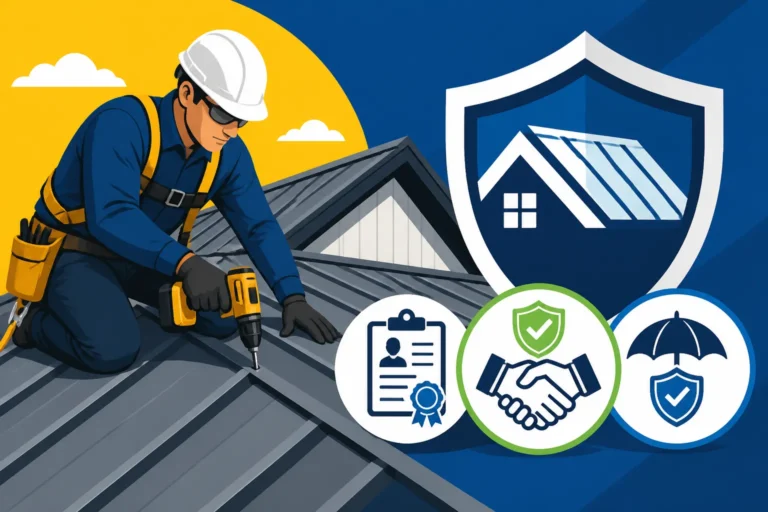
This is the biggest differentiator in labor pricing. A reputable contractor carries General Liability insurance and, more importantly, Workers' Compensation insurance. Workers' Comp for roofers is incredibly expensive because it is a high-risk job. If a contractor doesn't have this, they can give you a much lower labor quote, but you are taking on a massive legal risk if someone is injured on your property.
Additionally, you are paying for the Metal Roof Warranties: Workmanship vs Manufacturer. A manufacturer’s warranty only covers the product itself. The workmanship warranty—the promise that the roof won't leak due to installation errors—is backed by the contractor. A company that offers a 10-year or 20-year workmanship warranty has to price their labor high enough to build a "reserve" for potential future service calls. This is why Manufacturer-Certified Metal Roof Installers Explained often charge more; they have been vetted by the material brand and offer superior peace of mind.
Comparison of Labor vs. Material Costs by Metal Type
To help you visualize how these costs stack up, the following table provides estimated ranges for different metal roofing types. Note that these are averages and can vary based on your specific roof's complexity.
| Metal Roof Type | Estimated Material Cost (per Sq.) | Estimated Labor Cost (per Sq.) | Total Estimated Cost (Installed) |
|---|---|---|---|
| Corrugated Steel | $150 – $350 | $300 – $500 | $450 – $850 |
| Standing Seam Steel | $400 – $700 | $600 – $1,000 | $1,000 – $1,700 |
| Aluminum Shingles | $450 – $800 | $500 – $900 | $950 – $1,700 |
| Stone-Coated Steel | $450 – $700 | $500 – $900 | $950 – $1,600 |
| Copper (Premium) | $1,200 – $2,000 | $1,000 – $1,800 | $2,200 – $3,800 |
Note: One "Square" equals 100 square feet of roof surface.
How to Vet and Hire the Right Contractor
Knowing the numbers is only half the battle. The other half is making sure you aren't overpaying for mediocre work or, conversely, underpaying for a disaster waiting to happen. I always tell my readers: the most expensive roof is the one you have to install twice.
Avoiding Low-Ball Labor Quotes
If you get three quotes and one is significantly lower than the others, it is usually because the contractor is cutting corners on labor. This might mean they aren't using the proper underlayment, they are skipping the perimeter flashing, or they are using an "exposed fastener" crew to try and install a "hidden fastener" system.
Ask very specific Questions to Ask a Metal Roofing Contractor Before You Hire. Find out if they use their own crews or if they sub the work out to the cheapest available team. In-house crews tend to have more pride in their work and better training, though they usually come with a higher labor price tag. You can use Modernize to see reviews and ratings for contractors in your area, which is a great way to verify if their past clients felt the labor cost was justified by the quality of the finish.
The Role of Specialized Equipment
Metal roofing requires tools that shingle roofers simply don't have. This includes powered seamers for mechanical standing seam roofs, specialized metal shears (to avoid "burning" the paint edge, which leads to rust), and brake presses for custom flashing. When you pay for professional installation, you are also subsidizing the cost of this high-end equipment.
A contractor who shows up with a circular saw and a standard hammer is a red flag. A professional metal roofer will have a trailer filled with specialized equipment designed to handle metal without scratching the finish or compromising the structural integrity of the panels. This level of professionalism is a major component of the "installer cost" but it is what ensures your roof lasts the 50+ years it was designed for.
Summary of the Value Proposition
At the end of the day, the split between metal roof installer cost vs material cost is a balance of product and performance. You can buy the most expensive copper panels in the world, but if they are installed by someone who doesn't understand thermal expansion, that roof will fail in five years.
Investing in high-quality labor is actually a form of insurance. It protects the significant investment you've made in the materials. When you look at your quote through this lens, that high labor cost starts to look a lot more like "value." By using Modernize to find experienced, local pros, you can ensure that you are getting a fair price for the skill and security that a professional metal roof installation provides.
Disclaimer
The cost data and price estimates provided in this guide are based on national averages and current market trends as of 2026. Actual prices for materials and labor vary significantly by geographic location, roof complexity, and individual contractor overhead. This information is intended for educational purposes and does not constitute a formal quote or financial advice. Always obtain multiple written estimates from licensed and insured professionals before beginning any home improvement project.