How to Handle a Roofing Contractor Dispute
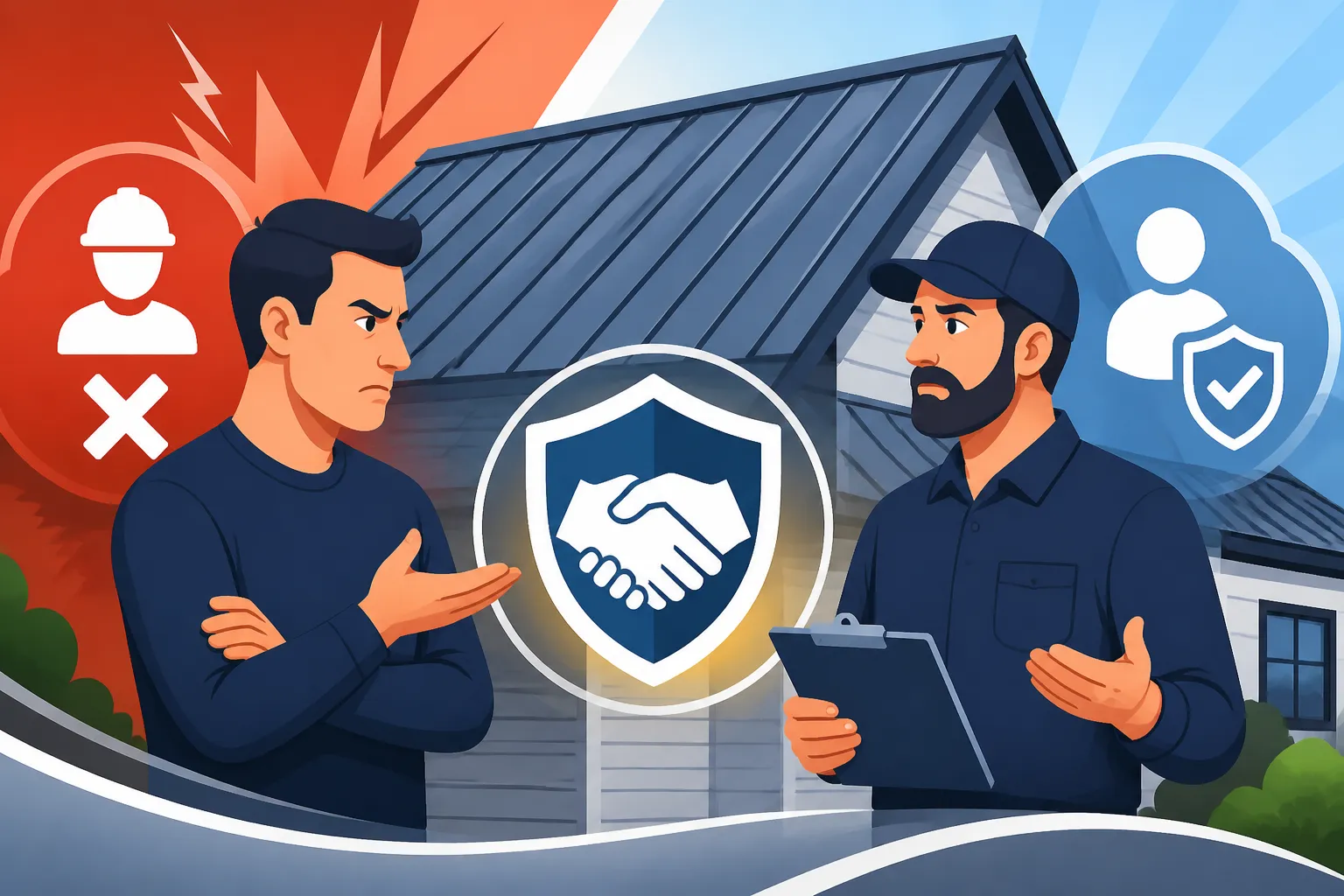
Finding yourself in a dispute with a metal roofing contractor can be incredibly frustrating and stressful, leaving you feeling helpless and unsure of how to protect your investment. Whether it's shoddy workmanship, unexpected costs, or communication breakdowns, these situations can quickly turn your dream of a beautiful, durable metal roof into a nightmare. This guide is here to walk you through the practical steps to resolve contractor disputes, from initial communication to knowing when legal action might be your only recourse.
Understanding the Root of the Dispute
Before you can even begin to think about resolving a conflict, you need to clearly understand what went wrong. It’s easy to get emotional when your home project isn't going as planned, but a clear-headed assessment is crucial for effective resolution. Pinpointing the exact issue will help you articulate your concerns and seek appropriate remedies.
Common Causes of Disagreements
Disputes often arise from a few predictable areas, and recognizing these can help you better frame your argument. One of the most common issues is poor workmanship. This isn't just about aesthetics; it can mean improper installation of panels, flashing, or fasteners, which can lead to leaks, premature wear, or even structural issues down the line. Perhaps the contractor used substandard materials compared to what was agreed upon, or the finish isn't what you expected. These problems can directly impact the longevity and performance of your new metal roof.
Another frequent culprit is a communication breakdown. This can manifest in many ways: a lack of updates on progress, misunderstandings about specific details, or a contractor failing to respond to your inquiries in a timely manner. It's often the small things, like not clarifying how long a metal roof installation should take, that escalate into bigger problems when expectations aren't managed properly. Sometimes, the contractor might have promised certain things verbally that were never put into the written contract, leading to a "he said, she said" scenario when issues arise.
Unexpected costs are another major flashpoint. You might receive a bill that's significantly higher than the original estimate, with add-ons you weren't aware of or didn't approve. This could be due to hidden costs of a metal roof, unforeseen material price increases, or additional labor that wasn't properly communicated. Project delays, whether due to scheduling conflicts, material shortages, or poor planning, can also cause major friction, especially if they impact your daily life or other planned home projects.
Identifying the Specific Problem
To effectively address a dispute, you need to move beyond general dissatisfaction and pinpoint the precise problem. Is it a specific area of the roof that's leaking, indicating improper sealing or panel overlap? Is it a visible dent that wasn't there before, potentially from careless installation? Take detailed photos and videos of the problem areas. Dates and times are important here, as is showing the extent of the damage or faulty installation.
Next, refer directly to your contract. This document should be your ultimate guide. Does the issue contradict a specific clause in the contract regarding materials, installation standards, or timeline? For instance, if your contract specified a 24-gauge standing seam metal roof and you suspect 26-gauge material was used, this is a clear breach. Having a clear understanding of what a metal roof contract should include is paramount. Highlight the specific sections that the contractor has failed to uphold. This objective approach strengthens your position and makes it harder for the contractor to dismiss your concerns.
Steps to Resolve the Dispute Amicably
When a dispute arises, the goal should always be to find a resolution without immediately resorting to legal action. An amicable solution is often faster, less expensive, and less stressful for everyone involved. The key is structured communication and a clear paper trail.
Direct Communication and Documentation
Your first step should always be to communicate directly with your contractor. Start with a phone call or an in-person meeting to express your concerns calmly and clearly. Be specific about the issues, referring to your documentation (photos, contract clauses). Avoid accusatory language and focus on problem-solving. It's often helpful to prepare a bulleted list of your concerns beforehand so you don't forget anything important.
Following any verbal communication, always send a written follow-up. This could be an email or a formal letter. This creates a critical paper trail. In your written communication, reiterate the issues, reference any previous discussions, and propose a specific solution or a course of action you expect them to take. For example, "Following our call on [date], I reiterate my concern about the improper flashing installation at the north gable. As per our contract's section 3.2, proper flashing is required to prevent leaks. I request that your team return to correct this issue by [date]."
Keep meticulous records of all communications, including dates, times, names of people you spoke with, and summaries of conversations. This includes emails, text messages, and certified letters. If you've been asked for additional payments or change orders, ensure you have all documentation related to those as well. This robust documentation will be invaluable if the dispute escalates. Remember, a lack of clear communication is a major cause of disputes, so make sure your end is well-documented.
Involving Third-Party Mediation
If direct communication with your contractor isn't yielding results, or if responses are slow or unsatisfactory, it might be time to bring in a neutral third party. Mediation is a process where an impartial person helps both parties communicate and negotiate a resolution. A mediator doesn't decide who is right or wrong but facilitates discussion to help you reach a mutually agreeable solution. Many local consumer protection agencies offer mediation services, sometimes for free or at a low cost.
Another valuable resource can be the Better Business Bureau (BBB). You can file a complaint with the BBB, which will then contact the contractor to try and facilitate a resolution. While the BBB doesn't have enforcement power, a contractor’s willingness to resolve issues through the BBB can speak volumes about their reputation, and their rating can be affected by unresolved complaints. Platforms like Modernize, which connect homeowners with contractors, sometimes have their own internal dispute resolution processes or can provide guidance on finding reputable mediators, though the direct engagement remains between you and the contractor. Before you hire any contractor, checking their standing with the BBB and other review sites is a good practice.
Here's a quick comparison of initial dispute resolution methods:
| Method | Description | Pros | Cons |
|---|---|---|---|
| Direct Communication | Speaking or writing directly to the contractor about the issues. | Fast, cost-effective, preserves relationship. | Can be difficult if contractor is unresponsive or uncooperative. |
| Formal Letter/Email | Documented communication outlining issues, referencing contract, seeking resolution. | Creates a clear paper trail, sets expectations formally. | May be ignored if contractor is uncooperative. |
| Mediation | Neutral third party facilitates discussion to reach a mutual agreement. | Structured, can preserve relationship, non-binding outcome. | Requires willingness from both parties, may incur costs. |
| BBB Complaint | Filing a complaint with the Better Business Bureau. | Influences contractor's reputation, no-cost, structured process. | Not legally binding, contractor may not participate. |
When Legal Action Becomes Necessary
Sometimes, despite your best efforts, amicable resolution simply isn't possible. The contractor might be completely unresponsive, unwilling to rectify the issues, or their proposed solutions are inadequate. In these situations, exploring legal avenues might be your only path to protecting your home and your investment.
Small Claims Court vs. Legal Counsel
Deciding whether to pursue a claim in small claims court or hire an attorney depends largely on the amount of money at stake and the complexity of the case. Small claims courts are designed for individuals to represent themselves without a lawyer, typically for disputes involving smaller monetary amounts. These limits vary by state and even by county, but they usually range from a few thousand dollars up to $10,000 or $15,000. It's generally a faster, less expensive process than traditional litigation. If the cost to repair your metal roof leak or replace a few damaged panels falls within your state's small claims limit, this could be a viable option.
However, if the damages are extensive, if the legal issues are complex (e.g., involving multiple parties, intricate contract clauses, or severe structural damage), or if the amount exceeds the small claims limit, then consulting with a legal professional is highly advisable. A lawyer specializing in construction law can assess your case, explain your rights, and guide you through the process, which might include arbitration, civil court, or even exploring options like a mechanic's lien on the property (though this is a complex step). They can help you understand the full implications of your contract, including metal roof warranties, which can be critical in demonstrating liability.
Filing a Complaint with Licensing Boards
Most states, and many localities, require roofing contractors to be licensed. This license is not just a formality; it signifies that the contractor has met certain standards of competency and business practice. If your contractor is licensed, you can often file a formal complaint with the state's contractor licensing board or consumer affairs department.
These boards have the authority to investigate complaints and, if they find evidence of negligence, incompetence, or violation of codes, they can impose disciplinary actions. This might range from fines and mandatory training to suspension or revocation of the contractor's license. While filing a complaint with a licensing board might not directly get your roof fixed or your money back, it puts significant pressure on the contractor. It also creates a public record of their misconduct, which can be helpful for other homeowners and for any future legal proceedings you might pursue. Knowing how to verify a roofing license by state is a fundamental step to ensure you're dealing with a legitimate business from the outset, and it’s even more important if you ever need to file a complaint.
Preventing Future Disputes: A Proactive Approach
The best way to handle a roofing contractor dispute is to avoid one entirely. While not every issue can be foreseen, a proactive approach to hiring and contracting can significantly reduce your risk. Taking the time upfront to do your due diligence can save you a world of headaches and expense down the line.
Thorough Contractor Vetting
Hiring a metal roofing contractor requires more than just getting a few quotes. You need to thoroughly vet potential candidates. Start by looking for contractors with a strong track record specifically in metal roofing. Platforms like Modernize can be a great starting point for finding local, pre-screened professionals, allowing you to compare reputations and services. Don't just pick the cheapest option; focus on value, experience, and reliability.
Always check references and, if possible, inspect their previous work. Ask questions to ask a metal roofing contractor before you hire, such as how long they've been in business, what specific experience they have with the type of metal roof you're installing (e.g., standing seam vs. corrugated), and what their project management process looks like. Verify their licensing, bonding, and insurance. An uninsured contractor can leave you liable for accidents on your property. Beware of common metal roofing scams and red flags to avoid, such as contractors demanding large upfront payments or pressuring you into signing immediately. A reputable contractor will be transparent and patient throughout the estimation process.
The Importance of a Detailed Contract
A comprehensive, written contract is your shield against potential disputes. Never rely on verbal agreements, no matter how friendly your contractor seems. The contract should clearly outline every aspect of the project. This includes a detailed scope of work, specifying the exact type of metal panels, color, gauge (e.g., 24 vs 26 gauge metal roof), and any accessories like trim, flashing, and underlayment.
The contract must also clearly state the payment schedule, including the total cost, any deposit required (and the normal deposit and payment schedule for a roof), and milestones for subsequent payments. Be wary of contractors asking for 50% or more upfront; a smaller deposit (typically 10-30%) is more common. Furthermore, the contract should specify the project timeline, including start and estimated completion dates. It's crucial that it details the metal roof warranties offered, both for materials and workmanship. Ensure it outlines the process for change orders (any modifications to the original plan) and how they will be approved and priced. Without these clear terms, you leave yourself vulnerable to disagreements over scope, cost, and quality.
Disclaimer
Please note that this article provides general information and is not a substitute for professional legal advice. Laws and regulations regarding contractor disputes vary by jurisdiction. If you are involved in a dispute with a roofing contractor, it is highly recommended to consult with a legal professional who specializes in construction law in your area.