What Happens If My Roofer Goes Out of Business
It’s a homeowner’s worst nightmare: you’ve invested time, trust, and a significant chunk of change into a metal roofing project, only for your contractor to suddenly vanish, leaving you in the lurch. This isn't just an inconvenience; it can feel like a devastating betrayal, especially if your roof is half-finished, poorly installed, or just starting to show issues a few months later. When a roofing company goes out of business, it leaves a trail of uncertainty, from lost deposits to voided warranties. This guide will walk you through exactly what steps you can take to protect yourself and your home when your metal roofing contractor is no longer around.
The Immediate Fallout and What to Do First
The moment you discover your roofing contractor has ceased operations, a wave of panic is completely normal. You might be staring at an unfinished job, a newly installed roof with mysterious leaks, or simply wondering what happens if a problem arises down the line. It's a stressful situation, but taking a deep breath and acting strategically is key.
Understanding Your Project's Status
The very first thing you need to do is clearly assess where you stand. Is your metal roof project completely finished? Was it abandoned mid-way through? Or perhaps the installation was completed, but now you're noticing defects, and the company that did the work is nowhere to be found. Each scenario presents its own set of challenges and requires a slightly different approach. If the project is unfinished, you’re looking at getting a new contractor on board, which means new quotes and potentially dealing with the previous contractor’s shoddy work or material choices.
If the work was completed but is now exhibiting problems, you're dealing with potential defects that would typically fall under a workmanship warranty. Leaks, loose panels, or premature rust could indicate a poor installation. This is particularly frustrating because you thought you had a solid, long-lasting metal roof, only to find yourself back at square one sooner than expected. The emotional toll of discovering your investment might be compromised is significant, but clear-headed action is your best path forward.
Gathering Essential Documentation
Before you make any phone calls or seek legal advice, meticulously collect every single piece of documentation related to your roofing project. This is your arsenal, and it will be crucial for any subsequent claims or discussions with new contractors or legal professionals. Think of it as building your case, piece by painstaking piece.
This includes your original contract, all invoices, receipts for payments made (especially proof of deposits or progress payments), any written communications such as emails or texts, and detailed records of phone calls. Don't forget before-and-after photos of the roof, if you have them, and any inspection reports. If you've already noticed problems, take extensive photographs and videos of the issues, noting dates and specific locations. The more evidence you have, the stronger your position will be when trying to resolve the situation, whether it’s through an insurance claim, a new contractor, or legal action. Without this paper trail, proving what was agreed upon or what payments were made can become incredibly difficult.
Navigating Lost Warranties and Project Completion
One of the most immediate concerns when a roofer goes out of business is the fate of your warranty. Metal roofs are a significant investment, partly justified by their long lifespan and robust warranties. Losing that protection can feel like a punch to the gut. Understanding the different types of warranties is critical here.
Distinguishing Between Workmanship and Manufacturer Warranties
It’s important to understand that a metal roof typically comes with two main types of warranties, and they cover different things. The first is the workmanship warranty, which is provided by the installer or contractor. This warranty covers the quality of the installation itself – essentially, that they put the roof on correctly, according to industry standards and manufacturer specifications. If your roofer goes out of business, this workmanship warranty, unfortunately, often goes with them. It’s a huge problem because even the best metal roofing materials can fail if installed improperly.
The second type is the manufacturer’s warranty, which covers the actual metal roofing materials (the panels, coatings, finishes, etc.) against defects in manufacturing or premature failure. This warranty is provided by companies like Boral, DECRA, McElroy Metal, or Englert, not your installer. Crucially, this warranty usually remains valid even if your contractor goes out of business, provided the roof was installed correctly and you haven't done anything to void it. This is a significant silver lining, as material defects can be costly. You’ll need proof of purchase and installation details to claim against this, so all that documentation you gathered earlier will be invaluable.
Steps to Finish an Abandoned Project
If your metal roof project was left incomplete, your priority will be finding a new, reliable contractor to pick up where the last one left off. This can be a challenging process, as not all contractors are eager to take on someone else's unfinished work, especially if there are questions about the quality of the prior installation. You’ll need to get several quotes, and be very upfront about the situation.
Start by getting a professional assessment of the existing work. A reputable new contractor will likely want to inspect what’s already been done to determine if it meets code and quality standards. They might need to undo some work to ensure a proper installation moving forward, which could add to your costs. Be prepared for potential complications, such as mismatched materials or a need to bring the existing work up to par before continuing. When looking for a new contractor, use platforms like Modernize to connect with pre-vetted professionals who understand the complexities of metal roofing. Getting multiple bids and comparing them diligently, as discussed in How to Read and Compare Metal Roof Quotes, is more important now than ever.
Proactive Measures to Protect Your Warranty
While you can't guarantee a contractor will stay in business, you can take steps to strengthen your position regarding warranties. Always get all warranty information in writing, detailing what is covered, for how long, and by whom. Understand the specific terms and conditions. For example, some manufacturer warranties require installation by a Manufacturer-Certified Metal Roof Installers Explained to remain valid.
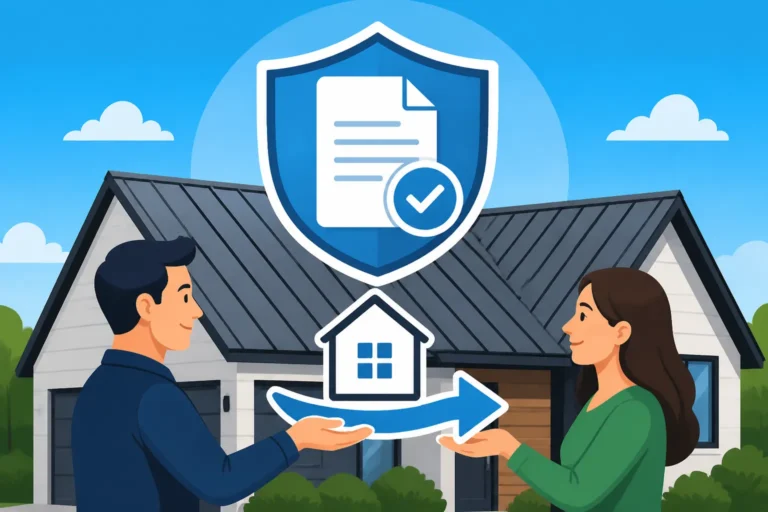
Before signing a contract, explicitly ask about the transferability of both workmanship and manufacturer warranties. If you ever sell your home, a transferable warranty can be a huge selling point. Make sure the contract includes clauses outlining what happens if the company ceases operations, though this is rare. Keep copies of all warranty documents in a safe place, alongside your contract and payment records. Regular maintenance, as outlined in a Metal Roof Maintenance Guide, can also help demonstrate that you've upheld your end of any warranty agreement.
Recouping Financial Losses and Legal Avenues
Losing money is often the most painful part of a contractor going out of business. Whether it’s an unreturned deposit for work never started or the cost of fixing shoddy work, the financial hit can be substantial. Fortunately, there are several avenues you can explore to try and recoup some of your losses.
Exploring Bonds, Insurance, and Consumer Protection
Many reputable contractors carry surety bonds. A surety bond acts as a financial guarantee that the contractor will complete the job as per the contract. If they fail to do so, or go out of business, you might be able to make a claim against their bond to recover funds for unfinished work or to correct defective installation. You’ll need to check your local or state licensing board to see if the contractor was bonded and how to initiate a claim.
Your homeowners insurance might also offer some protection, but it’s usually limited to damage caused by faulty work (e.g., if a poorly installed roof leads to water damage inside your home), rather than the cost of fixing the roof itself. Always review your policy and speak with your insurance agent to understand your coverage. Additionally, some states or counties have contractor recovery funds or consumer protection agencies that can assist homeowners who have been defrauded or left with incomplete work by licensed contractors. Contact your state's contractor licensing board or consumer affairs department to inquire about such programs and how to file a complaint.
If you paid a significant deposit with a credit card, you might be able to dispute the charge with your credit card company. There are often time limits for these disputes, so act quickly. If you used a third-party financing option, speak with the lender to understand their policies regarding contractor default.
Legal Consultations and Dispute Resolution
If the financial losses are substantial, consulting with an attorney specializing in construction law or consumer protection is a wise step. They can help you understand your legal rights and options, such as filing a lawsuit against the contractor's assets (if any are recoverable) or pursuing claims against their bond or insurance. An attorney can also help you navigate the complexities of lien waivers and potential issues if subcontractors weren't paid by the original contractor.
Sometimes, mediation or arbitration can be an effective way to resolve disputes, though this typically requires the other party to be present and willing to participate, which isn't usually the case if a business has completely dissolved. However, a legal professional can advise you on the best course of action given your specific circumstances and the laws in your state. Remember, this step can be costly, so weigh the potential recovery against legal fees.
Protecting Yourself: Hiring Strategies and Contract Essentials
The best defense is a good offense, and that holds true when hiring a metal roofing contractor. Taking the time to do thorough research and secure a solid contract can save you immense headaches and financial strain down the road. This section is all about empowering you to make informed choices from the start.
Thorough Vetting and Due Diligence
Before you even think about signing a contract, you need to conduct serious due diligence on any potential contractor. This isn't just about getting a good price; it's about finding a reliable, long-standing business. Start by verifying their licensing, bonding, and insurance. A legitimate contractor will be happy to provide proof of all three. You can often check a contractor's license status and history with your state’s licensing board. For example, you can learn How to Verify a Roofing License by State to ensure they are properly credentialed.
Don't skip checking references and reading online reviews. Look for patterns in feedback—are people consistently praising their professionalism or complaining about unfinished work or poor communication? Ask for local projects they've completed that you can drive by and inspect. A strong track record of successful metal roof installations speaks volumes. Utilize online platforms like Modernize, which can help you connect with pre-screened local metal roofing professionals. These platforms often do some of the initial vetting for you, saving you time and giving you a starting point of more reliable options. Asking the right Questions to Ask a Metal Roofing Contractor Before You Hire can uncover vital information about their stability and work quality.
Crafting an Ironclad Contract
Your contract is your ultimate protection. Never accept a verbal agreement or a vague, one-page estimate. A comprehensive metal roofing contract should be detailed, clear, and leave no room for ambiguity. It needs to explicitly outline the scope of work, including the exact type of metal roof material (e.g., standing seam, corrugated, stone-coated steel), color, gauge, and all components like underlayment, flashing, and fasteners.
Crucially, the contract should clearly state the payment schedule, ideally with staggered payments tied to significant milestones rather than large upfront deposits. For instance, a common schedule might be a small deposit, followed by payments upon delivery of materials, substantial completion, and final completion. Avoid paying more than 10-20% upfront. The contract must also include detailed warranty information for both materials and workmanship, including duration and what voids the warranty. If possible, consider adding a clause about dispute resolution or what happens in the event of contractor default, though this may require legal counsel to draft. Remember, a detailed contract protects both parties and sets clear expectations.
The Power of Reputable Networks
Finding a good metal roofing contractor can feel like an overwhelming task, especially when you're already wary from hearing horror stories (or experiencing one yourself). This is where leveraging reputable networks and referral services becomes incredibly valuable. Instead of randomly searching online, these platforms can connect you with contractors who have been pre-screened for licensing, insurance, and positive customer feedback.
Services like Modernize act as a bridge, connecting homeowners with qualified local professionals, often saving you the legwork of initial vetting. While you still need to do your own due diligence on the specific contractor you choose from their network, it significantly reduces your risk of encountering fly-by-night operations. They can help streamline the process of getting multiple quotes from reliable sources. When you’re looking for someone to install your durable Standing Seam Metal Roof Cost or any other metal roofing system, starting with a trusted network can provide peace of mind and better long-term results.
Here’s a quick overview of actions to take if your metal roofer goes out of business:
| Immediate Action Step | Details |
|---|---|
| Document Everything | Collect all contracts, invoices, payment receipts, communications, photos, and videos related to the project. This is your evidence. |
| Assess Project Status | Determine if the project is unfinished, completed with defects, or fully completed but now needing warranty service. |
| Contact Manufacturer | For material defects, contact the metal roofing manufacturer directly (e.g., Boral, DECRA) with your purchase and installation details to check on your material warranty. |
| Check for Bonds/Insurance | Inquire with your state's licensing board or consumer protection agency about any surety bonds the contractor might have had. Also, review your homeowner's insurance policy for any potential coverage. |
| Dispute Credit Card Charges | If you paid a deposit or a significant portion by credit card for work not rendered, contact your credit card company immediately to dispute the charge. |
| Seek Legal Advice | For substantial financial losses, consult with a construction law attorney to understand your rights and potential legal avenues for recovery. |
| Find a New Contractor | Obtain multiple quotes from new, reputable contractors to assess and complete or repair the work. Vet them thoroughly (licenses, insurance, references). Platforms like Modernize can help. |
| Report to Licensing Board | File a complaint with your state’s contractor licensing board. Even if they can't recover funds, it creates a record and might prevent future consumers from facing similar issues. |
The situation of a metal roofing contractor going out of business is undoubtedly challenging. But by being proactive in your documentation, understanding your warranty rights, exploring financial recovery options, and diligently vetting future contractors, you can navigate these stormy waters and ensure your home's protection. It's a tough lesson, but one that ultimately leads to more resilient choices and a more secure investment in your home.
Disclaimer
Please remember that the information provided in this guide is intended for general informational purposes only and does not constitute legal, financial, or professional advice. Roofing regulations, contractor licensing, and consumer protection laws vary significantly by state and local jurisdiction. Always consult with a qualified legal professional, insurance provider, or licensed metal roofing contractor for advice tailored to your specific situation.