How to Find a Metal Roofing Contractor in Texas
Deciding to upgrade to a metal roof for your Texas home is a smart move – they’re durable, energy-efficient, and can stand up to our wild weather. But then comes the big headache: finding a trustworthy, skilled metal roofing contractor who truly knows their stuff in the vast and varied landscape of the Lone Star State. It can feel like searching for a needle in a haystack, especially when you want someone who understands everything from our scorching summers to sudden hailstorms. This guide is here to walk you through exactly how to find, vet, and choose the perfect metal roofing professional for your Texas property, ensuring a smooth project and a roof built to last.
Understanding the Texas Metal Roofing Landscape
Texas isn't just big; it's a state of extreme weather patterns and diverse building considerations. What works for a roof in the Panhandle might not cut it on the Gulf Coast. Understanding these unique challenges and how metal roofing rises to meet them is your first step in finding the right contractor.
Why Texas is Unique for Metal Roofs
Living in Texas means dealing with a full spectrum of weather, often within the same year, or even the same week! We face intense, prolonged heat that can bake lesser materials, sudden and often destructive hailstorms that punish roofs, and powerful winds, especially in the coastal regions where hurricanes are a real threat. Then there's the expansive soil in many areas, which can cause structural shifts over time. This isn't just an inconvenience; these are significant factors that directly impact your roof's longevity and performance.
Metal roofs are increasingly popular here precisely because they're built to withstand these conditions. Their inherent durability stands up to hail much better than traditional asphalt shingles, and many metal panels are designed with high wind ratings to resist uplift during severe storms. The reflective properties of certain metal finishes also help mitigate the brutal Texas heat, reducing your cooling costs. A truly great Texas metal roofing contractor doesn't just install a roof; they install a solution tailored to your local climate. They'll know about the specific requirements for Metal Roof Building Codes Explained in your city or county.
Common Metal Roof Types in Texas
You’ll find a variety of metal roofing styles thriving across Texas, each offering different benefits, aesthetics, and price points. Knowing a bit about them helps you speak intelligently with contractors and ensures you get the right fit for your home.
- Standing Seam Metal Roofs: These are incredibly popular for a reason. With hidden fasteners and clean, vertical lines, they offer superior weather protection because there are no exposed screws for water to seep through. They're excellent in high-wind zones and often come with robust warranties. Many homeowners in areas like Dallas and Austin opt for standing seam for its modern look and durability. If you’re interested in a premium, long-lasting option, you might want to learn How Much Does a Standing Seam Metal Roof Cost.
- Corrugated and R-Panel Metal Roofs: These exposed fastener systems are often seen on barns, commercial buildings, and increasingly, on modern or rustic residential homes in areas like the Texas Hill Country. They're typically more budget-friendly than standing seam and can be installed relatively quickly. While durable, their exposed fasteners require more maintenance over time to prevent leaks as washers wear out. R-panel, in particular, offers a strong, industrial aesthetic.
- Stone-Coated Steel Roofs: If you love the look of traditional shingles, tile, or shake but want the benefits of metal, stone-coated steel is a fantastic choice. These panels are pressed into various profiles and coated with stone granules, offering excellent hail resistance and a more traditional appearance. They’re a common sight in master-planned communities across Houston and San Antonio where HOAs might have strict aesthetic guidelines but allow for high-performance roofing.
A good contractor will be experienced with several Metal Roofing Types Explained: Profiles & Panels and can guide you through the pros and cons of each for your specific home and budget.
Essential Qualities of a Top-Tier Texas Metal Roofing Contractor
When you’re looking for someone to install a roof that will protect your home for decades, you can’t cut corners. The qualities of your contractor are just as important as the materials they use.
Licensing, Insurance, and Bonding
This is non-negotiable, folks. I cannot stress this enough. Many homeowners get caught up in price shopping and overlook these critical details, only to find themselves in a nightmare scenario later. While Texas doesn't have a statewide roofing license, many cities and counties require contractors to be licensed to operate within their jurisdiction. This often involves a local general contractor or home improvement license. Always check with your local city's permitting office to confirm the exact requirements for your area.
- Licensing: This confirms the contractor is registered to do business and meets any local regulatory standards. It doesn't always guarantee skill, but it's a baseline for legitimate operation. For example, in larger cities like Houston or San Antonio, contractors typically need to be registered and licensed locally. You can find out How to Verify a Roofing License by State, though in Texas it often means checking at the municipal level.
- Insurance: A reputable contractor should carry both General Liability and Worker’s Compensation insurance. General Liability protects your property in case of damage caused by the contractor or their crew during the project. Worker’s Compensation is vital because if a worker is injured on your property and the contractor doesn’t have it, you, as the homeowner, could potentially be held liable for their medical bills and lost wages. This is a huge risk to take on, so always ask for current certificates of insurance directly from the insurance carrier, not just a copy from the contractor.
- Bonding: While not always mandatory for residential projects, bonding offers an extra layer of protection. A bond is a form of financial guarantee that if the contractor fails to complete the job or doesn’t meet their contractual obligations, you have recourse through the bond. It’s a good indicator of a financially stable and reliable company.
Always ask for proof of these credentials upfront. A legitimate contractor will be happy to provide them and explain what they cover. Don't just take their word for it; verify the information directly with the issuing authorities or insurance companies.
Specialized Metal Roofing Experience
Installing a metal roof is a specialized skill that differs significantly from installing asphalt shingles. The materials are different, the tools are different, and the installation techniques are unique. You wouldn't hire a general practitioner to perform heart surgery, would you? The same logic applies here.
Look for a contractor who specifically highlights their expertise in metal roofing. This isn't just about having some experience with metal; it’s about it being a significant part of their portfolio. Ask them:
- How many metal roofs have they installed in the last year?
- Can they provide references for recent metal roofing projects?
- Do they have experience with the specific type of metal roof you’re considering (e.g., standing seam, stone-coated steel)?
- Are they certified by specific metal roofing manufacturers? This certification often means they've undergone specialized training and are approved to install certain brands, which can be crucial for honoring manufacturer warranties.
A contractor who primarily installs asphalt shingles but occasionally does a metal roof might not have the nuanced knowledge to handle complex details like flashing around chimneys, proper panel sequencing, or preventing oil canning. You want a team that breathes and lives metal roofing.
Local Knowledge and Reputation
Texas is vast, and local conditions vary wildly. A contractor based in El Paso might have little experience with coastal hurricane preparedness, and someone from Galveston might not understand the specific hail patterns of the Panhandle. Local knowledge means understanding:
- Regional Weather Patterns: How to brace for specific local winds, intense heat, or hailstorms.
- Local Building Codes and Permitting Processes: Navigating the bureaucracy of a small town versus a major metropolitan area like Houston can be very different. Understanding Do You Need a Permit for a Metal Roof? for your specific city is crucial.
- Trusted Local Suppliers and Subcontractors: A contractor with deep local roots often has established relationships, which can mean better material sourcing, more reliable crews, and smoother project timelines.
- Community Reputation: Ask around! Word-of-mouth is still incredibly powerful. Check online reviews on platforms like Google, Yelp, and the Better Business Bureau. Look for consistent patterns in reviews, both positive and negative.
For example, a contractor specializing in metal roofs in the Dallas-Fort Worth area will likely be highly attuned to hail-resistant solutions and aesthetic preferences common in North Texas. Similarly, someone operating near Corpus Christi will prioritize robust wind uplift systems for hurricane season. Platforms like Modernize can help connect you with local contractors who understand these nuances.
Transparent Communication and Detailed Quotes
One of the biggest frustrations homeowners face is vague or confusing communication and estimates. You deserve to know exactly what you're paying for and what to expect. A top-tier contractor will offer clear, concise communication and a thoroughly detailed quote.
When you receive a quote, it shouldn't just be a single price. It should break down the costs for materials, labor, tear-off (if applicable), disposal, flashing, underlayment, and any other components. This level of detail helps you understand What Affects Metal Roof Cost: Gauge, Pitch, Complexity & Tear-Off and compare bids accurately. Ensure the quote specifies the brand and type of metal, gauge, coating, and warranty information.
Beware of contractors who pressure you to sign immediately or offer "today-only" discounts. A reputable professional will give you time to review their proposal and answer all your questions. They should be transparent about their Metal Roof Labor Cost and the timeline for the Metal Roof Installation Process: Step by Step.
Strategies for Finding and Vetting Contractors in the Lone Star State
Now that you know what to look for, how do you actually find these stellar contractors amidst the sea of options? It takes a bit of legwork, but it’s worth every minute to secure your home’s future.
Leveraging Online Resources and Platforms
The internet has made finding contractors much easier, but it also means wading through a lot of information. Here's how to use it effectively:
- Online Search Engines: Start with specific searches like "metal roofing contractors in Houston" or "standing seam roof installation Austin." This will give you a list of local companies.
- Review Sites: Google Reviews, Yelp, and the Better Business Bureau are excellent places to gauge a contractor's reputation. Look beyond just the star rating; read the actual reviews. Are there recurring complaints about communication, missed deadlines, or quality? Are positive reviews specific and genuine?
- Contractor Matching Services: This is where platforms like Modernize can be incredibly helpful. You input your project details, and they connect you with pre-screened contractors in your area who specialize in metal roofing. This can save you a lot of time sifting through unqualified leads and ensure you’re getting quotes from businesses that actually do the work you need. It’s a good starting point to get multiple bids without the exhaustive search.
- Manufacturer Websites: Many metal roofing manufacturers list their certified installers on their websites. This is a fantastic way to find contractors who have undergone specific training for certain high-quality products, which is often a requirement for the manufacturer's warranty to be valid.
When using online resources, always cross-reference information. If a contractor has a perfect 5-star rating with only five reviews, that's less reassuring than a 4.8-star rating with hundreds of detailed reviews.
Seeking Referrals and Local Recommendations
Even in the digital age, word-of-mouth remains one of the most reliable ways to find a great contractor. Ask friends, family, neighbors, or colleagues who have recently had metal roofs installed in Texas.
- Personal Experiences: A personal referral comes with the benefit of direct experience. You can ask your contact about the contractor's professionalism, adherence to budget and schedule, quality of work, and post-installation support. You can even drive by their home to see the finished product.
- Local Community Groups: Check neighborhood social media groups or forums. Often, residents are eager to share their positive (or negative) experiences with local businesses. This can give you insights into who is genuinely doing good work in your immediate area.
- Other Home Professionals: Your real estate agent, home inspector, or even a local handyman might have recommendations for reputable metal roofing specialists. These professionals often interact with various contractors and can steer you towards reliable options.
When you get a referral, still do your due diligence. What was a great experience for someone else might not perfectly align with your expectations, so always follow up with your own vetting process.
Interviewing and Asking the Right Questions
Once you have a shortlist of potential contractors, it’s time to sit down and talk to them. This is your chance to assess their expertise, communication style, and overall fit for your project. Don't be afraid to ask tough questions. You can find a comprehensive list of Questions to Ask a Metal Roofing Contractor Before You Hire to guide your interviews.
Here are some specific questions to cover, especially relevant for metal roofing in Texas:
- "How long have you been installing metal roofs specifically, and how much of your business is dedicated to metal roofing?" This helps you gauge their specialization. You want someone who focuses on metal, not just dabbles in it.
- "Can you provide proof of current licensing, general liability, and worker's compensation insurance, and how can I verify them?" Insist on current certificates directly from their insurers. This protects you legally and financially.
- "What specific metal roofing products and manufacturers do you work with, and why?" A knowledgeable contractor can articulate the pros and cons of different materials (e.g., steel vs. aluminum vs. Galvalume) and coatings (PVDF vs. SMP), relating them to Texas weather conditions.
- "What is your warranty for workmanship, and what manufacturer warranties do you offer?" Understand the difference between the installer's warranty and the material warranty. A good contractor will offer a robust workmanship warranty, typically 5-10 years, in addition to the manufacturer's product warranty. This also links to understanding Metal Roof Warranties: Workmanship vs Manufacturer.
- "How do you handle severe weather events, especially during installation?" Given Texas's unpredictable storms, you need to know their plan for securing the site and protecting your home if a storm rolls in mid-project.
- "Can you provide a detailed, itemized quote that breaks down materials, labor, and all other costs?" As discussed, transparency is key. You should be able to clearly see the cost of the metal panels, fasteners, flashing, underlayment, and installation labor. This makes it easier to How to Read and Compare Metal Roof Quotes.
- "What is your project timeline, and how do you handle potential delays?" Get a realistic timeframe. Metal roof installations can sometimes be quicker than shingles, but unforeseen issues or weather can cause delays.
- "Can you provide at least three references for recent metal roofing projects in my area?" Always call these references. Ask about their satisfaction, the contractor's communication, tidiness, and if they’d hire them again.
Avoiding Pitfalls and Ensuring a Smooth Project
Even with thorough vetting, knowing common pitfalls can save you from headaches down the road. Protect your investment by being aware of red flags and understanding the finer points of contracts and payment.
Red Flags and Scams to Watch Out For
Unfortunately, the roofing industry, especially in Texas after a major storm, can attract unscrupulous individuals. Knowing the warning signs can protect you from becoming a victim.
- Door-to-Door Salespeople After a Storm: Be very wary of "storm chasers" who appear unsolicited after a hail or wind event. They often promise quick repairs or discounted rates but may perform shoddy work, use inferior materials, or even take your money and disappear. A reputable contractor rarely solicits door-to-door, especially when everyone in the neighborhood needs repairs. Learn more about Metal Roofing Scams and Red Flags to Avoid.
- High-Pressure Sales Tactics: If a contractor pressures you to sign a contract immediately or offers "limited-time" discounts that expire in hours, it's a huge red flag. Take your time, get multiple quotes, and never feel rushed into a decision.
- Demanding Full Payment Upfront: While a deposit (often 10-30%) is normal to cover initial material costs, legitimate contractors will never ask for 100% of the project cost before any work has begun. A typical payment schedule involves milestones: a deposit, a payment upon material delivery, and the final balance upon satisfactory completion.
- Cash-Only Deals: If a contractor insists on cash payments without a detailed invoice or contract, or offers a significantly lower price for cash, run the other way. This often indicates they're trying to avoid taxes, and it leaves you with no paper trail or protection if something goes wrong.
- Vague Contracts or No Contract at All: Every detail of your metal roofing project, from the scope of work to materials, timeline, and payment schedule, should be in writing. A vague contract leaves too much open to interpretation and can lead to disputes. Make sure it includes the full company name, address, contact info, and licensing numbers.
Understanding Warranties and Contracts
The contract and warranties are your legal protection. Don't skim these; read them carefully, and if anything is unclear, ask for clarification.
- Workmanship Warranty: This covers the quality of the installation itself. A good metal roofing contractor in Texas will offer a strong workmanship warranty, typically 5 to 10 years, guaranteeing that their labor will be free from defects. This is crucial because even the best materials can fail if installed incorrectly.
- Manufacturer's Warranty: This covers the metal roofing materials against defects, fading, or other manufacturing issues. These can be quite long, often 30 to 50 years, or even a lifetime for some high-end products. Be sure to understand what voids these warranties (e.g., improper installation, using non-approved fasteners). Ensure your contractor provides you with all the necessary manufacturer warranty documents.
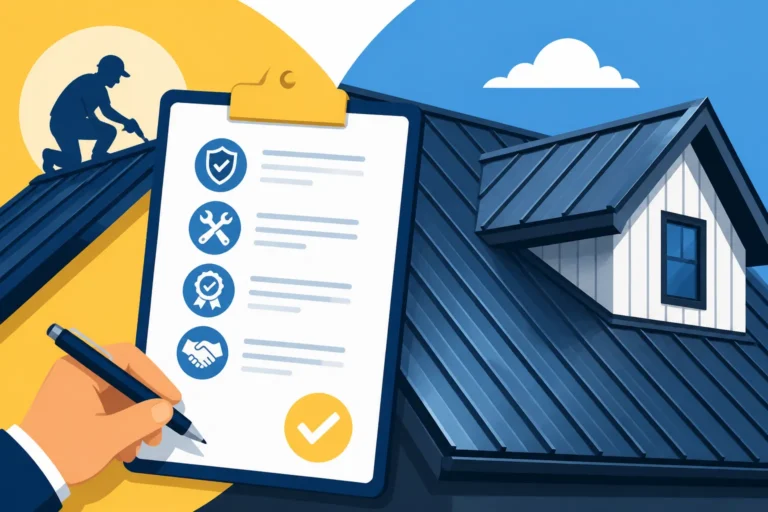
- Comprehensive Contract: A solid contract should clearly outline:
- Scope of Work: What exactly is being done (e.g., tear-off, specific metal panel type, underlayment, flashing details).
- Materials: Specific brands, gauges, finishes, and colors of all materials.
- Timeline: Start and estimated completion dates.
- Payment Schedule: Clear milestones and amounts for each payment.
- Change Order Process: How changes to the project will be documented and priced.
- Cleanup and Debris Removal: What happens to the old roofing and construction waste.
- Lien Waivers: Especially important for larger projects, these protect you from subcontractors or suppliers placing a lien on your home if the general contractor doesn't pay them.
Always keep a copy of the signed contract and all warranty documents in a safe place. This will be invaluable if you ever need to address an issue or sell your home.
Payment Schedules and Project Management
Managing the finances of a metal roof project correctly ensures both parties are protected and motivated.
- Typical Payment Schedule: As mentioned, a common structure for a substantial project like a metal roof involves a deposit (10-30% depending on the contractor and project size), a payment when materials are delivered, and the final payment upon satisfactory completion of the work. For very large projects, there might be additional progress payments at significant milestones.
- Material Delivery: Be aware that some contractors might ask for a payment when materials are ordered rather than delivered. While this can be acceptable for custom orders, ensure you have a clear understanding of when payments are due and what they cover.
- Site Management: During the project, observe how the contractor manages the site. Are they keeping it tidy? Are safety precautions being taken? Is there a designated supervisor you can communicate with if you have questions or concerns? Good project management is a hallmark of a professional operation.
- Final Inspection and Walk-Through: Before making the final payment, conduct a thorough walk-through with your contractor. Inspect the roof (safely, or have an inspector do it), check the attic for any issues, and ensure all debris has been removed. Address any punch list items before handing over that last check. This is your last chance to ensure everything is perfect.
Finding the right metal roofing contractor in Texas requires diligence, but by following these steps, you’ll be well-equipped to make an informed decision and invest in a roof that will truly stand the test of time, weathering everything the Lone Star State throws at it.
Disclaimer
Please remember that the information provided in this guide is for general informational purposes only and does not constitute professional advice. Roofing regulations, contractor licensing requirements, and best practices can vary by specific location within Texas and may change over time. Always consult with local authorities, qualified roofing professionals, and your insurance provider for advice tailored to your specific situation.