How to Negotiate a Metal Roof Price
Facing a five-figure quote for a new roof can feel like a punch to the gut, especially when you are trying to balance long-term home protection with a realistic budget. Most homeowners believe the first number a contractor gives is set in stone, leading to unnecessary financial stress. This guide solves that problem by revealing exactly how to negotiate a metal roof price effectively and confidently.
Preparation Before the Negotiation Starts
Before you ever sit down at the kitchen table to discuss numbers with a contractor, you have to do your homework. Negotiation is not just about asking for a lower price; it is about demonstrating that you understand the market value of the service being provided. If you walk into a meeting without knowing the baseline for your area, you are essentially flying blind. I always tell my readers that the most prepared homeowner is the one who gets the best deal because they cannot be easily swayed by high-pressure sales tactics or inflated overhead costs.
Knowledge is Your Best Bargaining Tool
The first step in your preparation is understanding the specific materials and labor involved in your project. You should start by researching the Metal Roof Cost: Complete 2026 Guide to get a sense of where the industry stands today. Material prices for steel, aluminum, and copper fluctuate based on global supply chains, and by 2026, we have seen specific shifts in how these metals are valued. If a contractor quotes you a price that seems significantly higher than the regional average, you can point to current market trends as a point of contention.
Furthermore, you need to be specific about what you want. Are you looking for the premium look of a standing seam system, or is a corrugated panel more in line with your barn-style aesthetic? Knowing the difference allows you to ask for "apples to apples" quotes. When you use platforms like Modernize to find contractors, you are already one step ahead because you are accessing a network of pros who know they are competing for your business. This competition is the ultimate leverage in any price discussion.
Getting Your Timing Right
Timing is a frequently overlooked factor in roofing negotiations. If you try to negotiate a price in the middle of the "busy season"—typically late spring through early autumn—contractors have very little incentive to budge. Their schedules are full, and if you do not pay their premium rate, the next person in line will. However, if you plan your project for the late fall or early winter (depending on your local climate), you may find that contractors are much more willing to work with you on the price just to keep their crews busy during the slow months.
I have seen homeowners save thousands just by being flexible with their start date. For instance, if you are in a place like Chicago or Denver, roofing companies often see a dip in residential inquiries as the first frost hits. By offering to be the "fill-in" job between larger commercial projects, you position yourself as a convenient client rather than a demanding one. This convenience often translates directly into a labor discount.
Decoding Your Metal Roof Quote
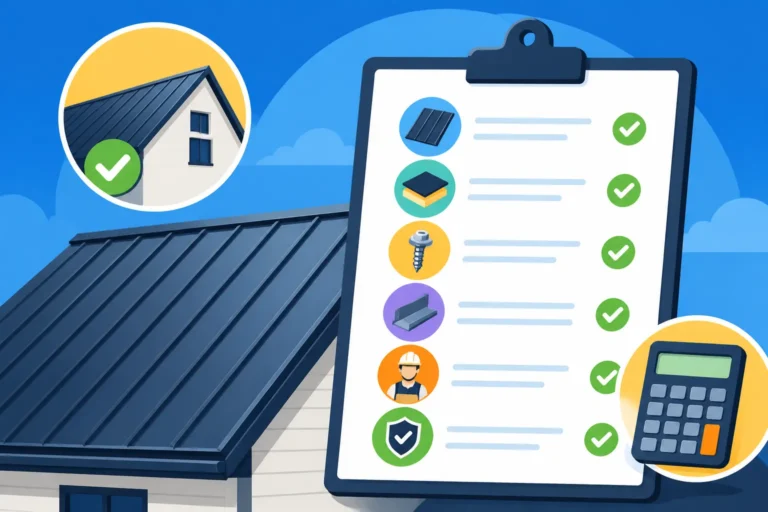
When a contractor hands you a proposal, it can look like a wall of text filled with industry jargon. To negotiate effectively, you have to strip away the fluff and see where the money is actually going. A standard quote is usually divided into materials, labor, permits, and overhead. If these are not itemized, your first "negotiation" move should be asking for a line-item breakdown. Without this, you cannot identify which parts of the project are flexible and which are fixed.
Material Costs vs Labor Costs
In a metal roofing project, materials often account for about 40% to 50% of the total cost, with labor and overhead making up the rest. It is important to know that contractors often get "preferred pricing" from suppliers that they might not automatically pass on to you. By researching Metal Roof Labor Cost, you can determine if the workforce portion of your quote is realistic for your specific zip code. If the labor seems unusually high, ask about the crew size and the estimated number of days for completion.
You can also look at the material choices themselves. Perhaps you were quoted for a 24-gauge steel roof when a 26-gauge would be perfectly sufficient for your home's structural needs and local weather patterns. Understanding the 24 vs 26 Gauge Metal Roof: Cost Difference can give you a specific dollar amount to point to when asking for a reduction. It is not about being cheap; it is about paying for exactly what your home requires and nothing more.
Identifying Potential Areas for Cost Reduction
There are several "hidden" areas in a quote where a contractor might have some wiggle room. For example, the cost of "tear-off" (removing your old shingles) can be a significant chunk of the labor. If your local building codes allow it, you might discuss Installing a Metal Roof Over Shingles, which can save a massive amount in both labor and disposal fees. However, be sure to ask how this affects the long-term warranty and ventilation of the home.
Another area is the accessories. Drip edges, flashing, and ridge vents are essential, but some contractors use premium branded versions that carry a heavy markup. Ask if there are generic but high-quality alternatives that meet the same specifications. Using Modernize to compare these detailed bids side-by-side will help you spot when one contractor is overcharging for basic components that another contractor includes at cost.
| Expense Category | Typical % of Total | Negotiation Flexibility |
|---|---|---|
| Raw Materials | 40-50% | Low (Market Dependent) |
| Labor & Installation | 35-45% | High (Seasonal/Skill) |
| Disposal & Tear-off | 5-10% | Moderate (Over-shingle options) |
| Permits & Fees | 2-5% | Zero (Fixed by City) |
| Overhead & Profit | 10-15% | Moderate (Business Size) |
Practical Negotiation Tactics for Homeowners
Once you have the data and understand the quote, it is time to have the actual conversation. This is where many people get nervous, but remember: roofing is a service industry. Most contractors expect some level of back-and-forth. The goal is to reach a "win-win" scenario where the contractor makes a fair profit and you get a fair price for a job well done.
The Power of Multiple Bids
You should never hire the first contractor who walks through your door, no matter how much you like them. A standard rule of thumb is to get at least three to five quotes. When you have multiple bids in hand, you can say to Contractor A, "I really prefer your company's reputation, but Contractor B quoted me $2,000 less for the same standing seam panels. Is there any way you can get closer to that number?" Often, they will meet you in the middle or explain why their price is higher (perhaps better insurance or a longer workmanship warranty).
This is a great time to consult How to Read and Compare Metal Roof Quotes to ensure you aren't falling for a "low-ball" bid that cuts corners on underlayment or fastener quality. If a quote is significantly lower than the others, use that as a red flag rather than a victory. A reputable contractor will be able to justify their price, and a savvy homeowner will use the other bids to keep that justification honest.
Bundling and Referral Discounts
If you have a neighbor who also needs a new roof, you have a massive bargaining chip. Roofing crews spend a lot of time and money on "mobilization"—getting the trucks, equipment, and dumpsters to a job site. If a contractor can do two houses in the same cul-de-sac back-to-back, their mobilization costs drop significantly. Ask for a "neighborhood discount" or a "referral fee."
Additionally, consider bundling other services. If your gutters are trashed or your chimney needs new flashing, ask for a package deal. It is much cheaper for a contractor to do these jobs while they already have the scaffolding up and the crew on-site than it is to come back six months later for a separate project. This is a classic lifestyle-blogger tip: always look for the "while you're at it" savings.
Common Pitfalls to Avoid When Haggling
While negotiating is healthy, "haggling" to the point of desperation can backfire. If you push a contractor too hard, they might agree to your low price but then be forced to use cheaper materials or rush the installation to make a profit. In the world of metal roofing, a bad installation is a recipe for a lifetime of leaks and frustration.
Sacrificing Quality for a Lower Price
The biggest mistake I see is homeowners choosing the Cheapest Metal Roof Options without considering the consequences. For example, opting for an exposed fastener system (like corrugated panels) just because it's cheaper than a standing seam roof might save you money today, but you will spend that money later on maintenance. Exposed fasteners have thousands of screws with rubber washers that eventually degrade and leak.
Before you insist on a lower price, ask yourself what is being sacrificed. Is the contractor removing the Metal Roof Underlayment Cost from the bid? Are they using a thinner gauge of metal? It is far better to pay a fair price for a high-quality Standing Seam Metal Roof Cost than to get a "steal" on a roof that won't last fifteen years. Use Modernize to find contractors who specialize in quality over volume, as they are often more transparent about where they can and cannot cut costs.
Ignoring the Long-Term ROI
A metal roof is an investment in your home’s future value. When negotiating, keep the big picture in mind. A well-installed metal roof can last 50 years or more, whereas an asphalt shingle roof might need replacing in 15 to 20 years. When you look at Is a Metal Roof Worth It? ROI, Resale & Payback, you realize that even if you pay a bit more upfront, the "cost per year" of a metal roof is actually much lower than almost any other roofing material.
If a contractor is firm on their price, instead of asking for a discount, ask for an upgrade. See if they will throw in a high-temp underlayment or a better paint finish (like PVDF instead of SMP) for the same price. This increases the value of your roof without taking money directly out of the contractor’s pocket, making it an easier "yes" for them.
How Your Location Influences Price Flexibility
The "market price" for a roof in Miami is not the same as the price in rural Oklahoma. Regional factors like local building codes, permit fees, and the availability of skilled metal smiths play a huge role in how much a contractor can negotiate. You need to be aware of your local landscape to know if your expectations are realistic.
Regional Differences and Labor Shortages
In areas with high demand and few specialists, such as parts of California or the Northeast, you may find very little room for negotiation. Conversely, in places where metal roofing is common, such as the South, competition is fiercer. For example, looking into Metal Roof Cost in Texas or Metal Roof Cost in Florida will show you that because there are so many installers in these states, you have much more leverage as a consumer.
I’ve talked to homeowners in Houston and Orlando who were able to shave 10% off their quotes just by showing they had done their research on local labor rates. If you live in a coastal area, however, remember that your roof requires specific "salt-air" resistant materials and extra fasteners to meet hurricane codes. Don't negotiate away the safety features that your specific location demands.
Navigating High-Demand Seasons
If a major storm has recently hit your area, forget about negotiating. When a hail storm rips through a city like Dallas or a hurricane hits the coast, every roofer for 500 miles is booked solid for the next year. In these scenarios, the "price" is often dictated by insurance companies. Check out Metal Roof Insurance Savings & Discounts to see how your choice of roofing can actually pay you back through your premiums, which can be a form of negotiation with your insurance carrier rather than the contractor.
In high-demand times, your negotiation should focus on "contractor reliability" rather than just the bottom line. Ask about their Metal Roof Contractor Licensing, Bonding & Insurance and ensure they aren't a "storm chaser" from out of state. Paying a bit more for a local, established company during a crisis is a smarter move than negotiating a "deal" with someone you can't find six months later when the roof starts to leak.
Finalizing the Agreement
Once you have reached a verbal agreement on the price, the negotiation isn't over until it's in writing. A contract is your only protection if things go sideways during the installation. Never rely on a "handshake deal," especially for a project that costs as much as a small car.
What a Metal Roof Contract Should Include
The final contract should reflect every single detail you negotiated. This includes the specific brand and gauge of metal, the type of underlayment, the payment schedule, and the estimated start and completion dates. It should also clearly state the Metal Roof Warranties: Workmanship vs Manufacturer. Many homeowners negotiate a great price but forget to ensure the labor is warrantied for at least 5-10 years.
Ensure there is a "change order" clause. This prevents the contractor from coming back mid-project and claiming they found "unforeseen damage" and charging you double for it. If they find rotted decking, the contract should already state the price per sheet for replacement. This kind of transparency is what separates professional contractors from the rest. When using Modernize, take advantage of their resources to vet the contract terms before you sign on the dotted line.
Payment Schedules and Final Walkthroughs
Never pay 100% upfront. A standard, fair payment schedule is often 1/3 at the signing of the contract, 1/3 when materials are delivered to your driveway, and the final 1/3 only after the job is completed and you have done a final walkthrough. This keeps the contractor motivated to finish the job to your satisfaction.
During that final walkthrough, look at the "details." Are the ridges straight? Is the flashing around the chimney neat and well-sealed? Did they clean up all the metal shavings and screws from your lawn? Only when you are 100% happy with the work should you hand over the final check. This is your ultimate leverage—the power of the final payment.
Disclaimer
This guide is intended for informational purposes only. Roofing costs, labor rates, and material availability can vary significantly based on your specific location, home design, and the current economic climate of 2026. Always consult with a licensed and insured professional contractor and check your local building codes before beginning any major home improvement project. The advice provided here does not constitute a legal or financial guarantee of savings.