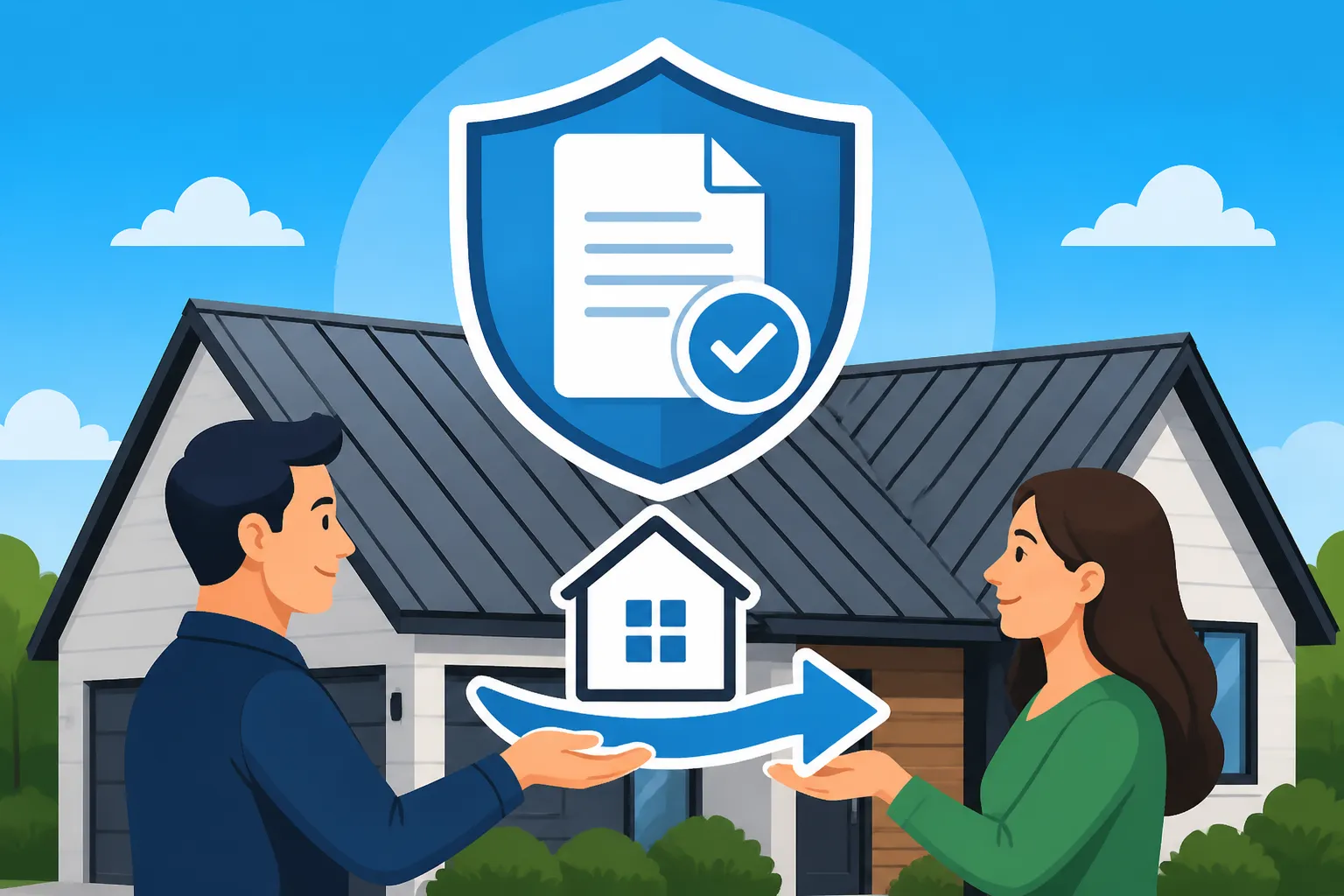
Is a Roofing Warranty Transferable to a New Owner
Buying or selling a home with a metal roof can bring a lot of questions, especially when it comes to the long-term protection of that investment. One of the most common points of confusion for homeowners is whether the existing metal roof warranty will transfer to a new owner. This guide will help demystify the intricacies of metal roofing warranties, focusing specifically on their transferability, so you can navigate this important aspect with confidence.
Understanding Metal Roofing Warranties: A Quick Primer
Before we dive into transferability, it’s crucial to understand the two main types of warranties you’ll encounter with a metal roof. Many homeowners mistakenly believe all warranties are the same, leading to big headaches down the road. The reality is, your roof's protection comes from different sources, covering different things, and it’s vital to know the distinction.
Manufacturer Warranties vs. Workmanship Warranties: What's the Difference?
When you invest in a durable metal roof, you're typically getting protection from two key players: the company that made the materials and the company that installed them. Understanding their individual responsibilities is the first step in knowing what's covered.
A manufacturer's warranty, sometimes called a materials warranty, comes directly from the company that produced the metal panels, coatings, and other components like fasteners or sealants. This warranty usually covers defects in the materials themselves, such as premature fading, chalking, peeling paint, or structural integrity issues that stem from the manufacturing process. For instance, if your standing seam panels from a company like McElroy Metal or Sheffield Metals start to delaminate years before they should, the manufacturer's warranty is what protects you. These warranties often last a long time, sometimes 30, 40, or even 50 years, and typically cover a significant portion of the material cost if a defect arises. However, they almost never cover problems caused by improper installation, which is where the other type of warranty comes in.
On the flip side, a workmanship warranty is provided by the roofing contractor who installed your metal roof. This warranty specifically covers the quality of the installation itself. If your roof starts leaking around a chimney flashing because it wasn't installed correctly, or if panels come loose due to improper fastening, the workmanship warranty is your safeguard. These warranties can vary widely in length, from just a few years to 10 or even 20 years, depending on the contractor and the quality of their work. A reputable contractor, like those you might find through a platform like Modernize, will typically offer a strong workmanship warranty because they stand behind their team's skills. It’s important to remember that even the highest quality metal panels can fail prematurely if they're not installed correctly, so a robust workmanship warranty is incredibly valuable. Many homeowners overlook the importance of asking specific questions to Ask About Metal Roof Warranty during the quoting process, which can lead to significant issues later.
It’s also worth noting that some high-end manufacturers offer system warranties, which combine elements of both materials and workmanship coverage. This usually happens when the installer is a certified partner of the manufacturer, ensuring they adhere to strict installation protocols.
Why Transferability Matters for Homeowners
The concept of warranty transferability might seem like a small detail when you're caught up in the excitement of a new roof or the stress of a home sale, but it's actually a huge deal. For current homeowners, a transferable warranty can significantly enhance the value and marketability of your home when it comes time to sell. Imagine two identical homes on the market: one has a 10-year-old metal roof with a non-transferable warranty, meaning the buyer gets no protection; the other has a 10-year-old metal roof with a 50-year transferable warranty, meaning the new buyer inherits 40 years of coverage. Which home do you think will be more appealing and command a better price?
For prospective buyers, inheriting a transferable warranty on a metal roof offers immense peace of mind. Metal roofs are a premium investment, known for their longevity, often lasting 40-70 years. Knowing that the roof is protected against manufacturer defects or installation errors for decades to come can alleviate concerns about potential costly repairs down the line. It's essentially an assurance from the original manufacturer and installer that they stand behind their product and work, regardless of who owns the house. This kind of long-term protection can be a major differentiator, especially considering that a metal roof is a significant component of your home's overall value. Understanding the Metal Roof Lifespan: How Long Do They Last? helps underscore the importance of these long-term protections.
Without a transferable warranty, a buyer essentially inherits the roof as is, with no recourse if issues arise that would have been covered for the original owner. This can lead to unexpected expenses and reduce the perceived value of an otherwise high-quality roofing system.
Is Your Metal Roof Warranty Transferable? The Key Details
So, how do you figure out if your specific metal roof warranty can be passed on? This isn't a "one size fits all" situation, and it really boils down to the specific terms and conditions set forth by the warranty provider.
Reading the Fine Print: What to Look For in Your Warranty Document
The absolute first step is to locate your original warranty document. This isn't just a piece of paper; it's a legal contract, and every single word matters. Often, homeowners stash these away and forget about them until a problem arises or they decide to sell. But when it comes to transferability, you need to pull it out and read it carefully, especially the sections pertaining to "assignment," "transfer of ownership," or "successors and assigns."
Here’s what you should specifically be looking for:
- Explicit Transferability Clause: Does the warranty explicitly state that it is transferable to subsequent owners? Some warranties will clearly say "non-transferable," while others will lay out a detailed process for transfer. If it says nothing, assume it's not transferable without specific action.
- Number of Transfers Allowed: Many manufacturer warranties, even if transferable, limit the transfer to only one subsequent owner. This means if you buy a house from someone who already transferred the warranty to them, you might not be able to transfer it again to the next buyer. This is a common limitation designed to keep the warranty tied to a reasonable number of owners.
- Time Limits for Notification: This is a crucial detail often missed. If a warranty is transferable, there's almost always a strict deadline for notifying the manufacturer or contractor of the change in ownership. This window is typically 30, 60, or 90 days from the date of closing. Miss this window, and you could permanently lose the ability to transfer the warranty, even if the clause technically allows it.
- Required Documentation: What paperwork do you need? Often, it's a simple form provided by the warranty issuer, but it might require a copy of the deed, closing documents, or even an affidavit from the new owner.
- Transfer Fees: Be prepared for potential administrative fees. While not always steep, some companies charge a nominal fee to process the transfer, which can range from $50 to a few hundred dollars.
- Conditions for Transfer: Are there any specific conditions? For example, some warranties require the original installation to have been performed by a "manufacturer-certified installer" for the warranty to remain valid upon transfer. This is a strong argument for why choosing a reputable contractor from the outset is so important. When you're comparing bids, it's wise to consider not just the Metal Roof Cost: Complete 2026 Guide but also the long-term warranty implications.
Don't hesitate to contact the manufacturer directly if the language in your warranty document is unclear. They are the ultimate authority on their own terms.
Conditions and Fees for Warranty Transfer
As we touched upon, transferability isn't usually a simple automatic switch. There are often specific hoops you need to jump through to ensure the warranty protection continues for the next homeowner. Ignoring these conditions can lead to the warranty becoming void, leaving the new owner without crucial coverage.
One common condition is that the roof must have been installed by a certified or authorized installer. Many premium metal roofing systems, especially standing seam options, are complex and require specialized knowledge. Manufacturers want to ensure their products perform as intended, so they often limit full warranty coverage (especially transferability) to installations performed by contractors who have completed their training programs. This is why when you're looking for a new metal roof, vetting your contractor by asking about their certifications, perhaps even using a service like Modernize, is paramount. Choosing a less expensive, uncertified installer might save you a little upfront cash, but it could jeopardize the long-term warranty benefits and future resale value.
Administrative fees are another common aspect. These fees are usually intended to cover the cost of processing the transfer paperwork, updating records, and sometimes even a brief administrative review of the original installation records. While it might feel like an unnecessary expense, it's a small price to pay for ensuring potentially decades of coverage. The exact amount will be detailed in your warranty document, or you can inquire directly with the manufacturer.
Beyond the fees, notification requirements are probably the most critical condition. You must notify the warranty provider within the specified timeframe (e.g., 30 or 60 days) of the property's sale and new ownership. Failing to do so almost invariably voids the transferability, making the warranty null and void for the new owner. This often means the seller needs to be proactive, gathering all necessary information and initiating the transfer process before or immediately after the sale closes. It’s not something to put off until next month. Some warranties might even require an inspection by the original installer or a designated third party before the transfer is approved, to ensure the roof is in good condition and there are no pre-existing issues that could lead to immediate claims.
Common Transfer Scenarios and Exceptions
While many metal roof warranties are designed with transferability in mind, there are common scenarios and exceptions that can impact whether yours actually goes through. Understanding these can help manage expectations.
The most straightforward scenario is a first-time transfer. The original homeowner, who had the metal roof installed, sells the house to a new buyer. If the warranty allows for transfer, and all conditions (like fees and notification timelines) are met, the warranty typically transfers to that first subsequent owner. This is often the ideal situation, as the original owner likely has all the documentation and can facilitate the process smoothly.
However, things can get trickier with multiple transfers. As mentioned, many warranties are explicitly limited to a single transfer. This means if you are the second owner of a home with a metal roof, and the warranty was transferred to you, you might not be able to transfer it again to a third owner. This is an important distinction for buyers to understand: just because a warranty was transferable to the seller, doesn't mean it will be transferable from the seller. Always verify this directly with the warranty issuer.
Another common exception involves rental properties or commercial use. Some residential warranties become void or significantly limited if the property transitions from owner-occupied residential use to a rental property or commercial use. The wear and tear, maintenance expectations, and liability can be different for these types of properties, so manufacturers adjust their warranty terms accordingly. If you're purchasing a property with the intent to rent it out, double-check if this impacts the existing roof warranty.
Finally, any unauthorized repairs or modifications can void a warranty, even if it's otherwise transferable. For instance, if the original owner or a previous owner had a non-certified contractor perform a significant repair, or if solar panels were installed in a way that violated the manufacturer's guidelines, the warranty could be compromised. This is a crucial point for buyers: always ask about any roof repairs or modifications and get documentation. An independent inspection can help uncover such issues before you commit to the purchase. Learning what a Metal Roof Contract Should Include can help you ensure all these details are upfront.
The Process of Transferring a Metal Roof Warranty
Navigating the actual process of transferring a metal roof warranty can feel daunting, but it’s quite manageable if you follow a clear, step-by-step approach. Both sellers and buyers have roles to play to ensure a smooth transition of coverage.
Step-by-Step Guide for Sellers
As a seller, taking proactive steps regarding your metal roof warranty can make your property more attractive and potentially increase its value. It also offers peace of mind to your buyer, fostering trust during the transaction.
- Locate All Warranty Documents: Dig out every piece of paper related to your metal roof installation. This includes the original manufacturer's warranty, the contractor's workmanship warranty, proof of purchase, and any maintenance records. The more complete your file, the easier the process will be.
- Review Transferability Clauses: Carefully read both the manufacturer's and contractor's warranties for specific language on transferability, required notifications, deadlines, and any associated fees. Highlight these sections.
- Contact the Warranty Issuers: As soon as you decide to sell, or ideally before listing your home, contact both the metal roofing manufacturer and your installing contractor. Inform them of your intent to sell and inquire about their specific warranty transfer procedures. They can provide the necessary forms and clarify any questions you have. This also gives you time to address any potential issues or conditions before the sale becomes imminent.
- Complete Required Forms and Pay Fees: Fill out all transfer forms accurately and completely. Be prepared to provide information about the new owner, the property address, and the original installation details. Pay any required transfer fees promptly.
- Submit Documentation Within Deadline: This is critical. Ensure all completed forms, fees, and any supporting documents (like a copy of the new deed or closing statement) are submitted to the warranty issuers within their specified timeframe after the sale closes. It’s often a tight window, so don't procrastinate. Keep copies of everything you submit, including proof of mailing or email confirmation.
- Provide Documentation to the Buyer: Once the transfer is complete or initiated, provide the new homeowners with all original warranty documents, copies of the transfer paperwork, and contact information for the warranty providers. This transparency is invaluable.
By following these steps, you not only fulfill your obligations but also offer a significant benefit to the new owners, potentially helping your home stand out in the market.
What Buyers Should Do to Verify a Warranty
For buyers, inheriting a transferable metal roof warranty is a huge bonus. However, you can't just assume it’s there or that it will transfer automatically. Diligence on your part is key to ensuring you actually receive the promised protection.
- Ask Early and Explicitly: During initial negotiations or when making an offer, specifically ask about the metal roof warranty. Request to see all warranty documents upfront. Don't wait until the closing table to bring this up.
- Review the Warranty Documents Yourself: Don't just take the seller's word for it. Read through the manufacturer's and contractor's warranties, paying close attention to the transferability clauses, conditions, limitations, and deadlines. Verify the remaining term of the warranty.
- Contact the Warranty Issuers for Verification: This is arguably the most important step. Reach out directly to the metal roofing manufacturer and the original installing contractor. Provide them with the property address and inquire if a transferable warranty exists and what the process is for you as the new owner to activate it or confirm its transfer. This allows you to verify the warranty's validity independently. If the original contractor is no longer in business, the workmanship warranty might be void, but the manufacturer's warranty for materials should still hold.
- Confirm Transfer Completion After Closing: After you've purchased the home and the seller has submitted the transfer paperwork, follow up with the warranty issuers to confirm that the transfer has been officially completed and that the warranty is now registered in your name. Get written confirmation.
- Consider an Independent Roof Inspection: Even with a transferable warranty, it's always wise to get a professional, independent roof inspection as part of your home purchase due diligence. A reputable inspector can identify any existing issues that might not be covered by the warranty (e.g., poor maintenance, storm damage) or could potentially void it. You can find experienced local roofing inspectors and contractors to help with this through trusted networks like Modernize. This is a critical step, especially when considering the Cost to Replace Shingles With a Metal Roof, as you want to ensure the installation was done correctly from the start.
Taking these precautions ensures you're fully aware of the scope and validity of your metal roof's warranty, safeguarding your investment for years to come.
Maximizing Your Investment: Why a Transferable Warranty is a Big Deal
The discussion around transferable warranties isn't just about paperwork; it's about safeguarding one of the most significant investments in your home and making smart financial decisions in the long run. A transferable warranty can have tangible benefits that extend far beyond simply covering a repair.
Boosting Resale Value and Buyer Confidence
Think about it from a buyer's perspective: a metal roof is a premium feature, known for its longevity and performance. But like any major home component, it represents a substantial investment. If a potential buyer knows that a large chunk of that investment is protected for decades by a manufacturer's warranty and potentially a workmanship warranty, it significantly de-risks their purchase. This often translates directly into higher offers and a quicker sale.
A transferable warranty essentially acts as a guarantee of quality that outlives the original owner. It tells the buyer, "This roof was built to last, and the companies behind it stand by their product and installation, regardless of who lives here." This instills confidence, reduces buyer hesitation, and removes a major potential point of negotiation (or concern) during the inspection phase. In a competitive housing market, this kind of tangible assurance can make your home stand out. It helps answer the question, Does a Metal Roof Increase Home Value? with a resounding yes, especially when backed by a solid, transferable warranty.
This benefit becomes even more pronounced with high-value, long-lasting metal roofing types, such as standing seam metal roofs, which are a significant investment. A transferable warranty on such a system reinforces its long-term value.
Protecting Your Future Investment
Beyond resale, a transferable warranty is about securing your own financial future. Even if you're not planning to sell anytime soon, knowing that your metal roof is protected against manufacturing defects or installation failures offers invaluable peace of mind. Without it, a significant issue like widespread coating failure or premature panel corrosion could lead to an unexpected, massive expense for a full Metal Roof Repair vs Replacement.
For new homeowners, inheriting a robust, transferable warranty means you're protected from major unforeseen costs that aren't your fault. This can save you thousands of dollars over the lifetime of the roof. Consider a scenario where an issue arises 15 years down the line – a non-transferable warranty would leave you entirely responsible for the repair or replacement, whereas a transferable one could cover a substantial portion of the cost.
It’s about more than just money, though. It’s also about time and hassle. Dealing with a major roof problem is stressful, time-consuming, and disruptive. A warranty ensures that if a covered issue does arise, you have a clear path to resolution, with the manufacturer or contractor taking responsibility. This allows you to enjoy the benefits of your durable, energy-efficient metal roof without constantly worrying about what might happen next.
A transferable warranty for a metal roof is not just a perk; it's a critical component of its long-term value proposition, benefiting both current owners and future buyers by providing essential protection and boosting confidence in a major home asset.
Important Warranty Comparison
To help you understand the nuances, here's a quick comparison of the common types of warranties and their typical transferability.
| Feature | Manufacturer's Material Warranty | Contractor's Workmanship Warranty |
|---|---|---|
| Issuer | Metal panel or coating manufacturer | Roofing contractor who performed the installation |
| What it Covers | Defects in materials (e.g., rust, fading, delamination) | Errors in installation (e.g., leaks due to flashing) |
| Typical Duration | 25-50+ years for materials, 20-30 years for coatings | 1-20 years, depending on contractor |
| Transferability | Often transferable, usually once, with conditions | Less commonly transferable, depends on contractor |
| Conditions for Transfer | Notification, fees, deadlines, sometimes certified installer | Notification, fees, deadlines, contractor approval |
| Impact on Resale | Significantly positive, offers long-term material protection | Positive, but often shorter-term or less certain |
Disclaimer
Please note that the information provided in this guide is for general informational purposes only and does not constitute legal or professional advice. Warranty terms and conditions can vary significantly by manufacturer, contractor, product, and geographic location. Always consult your specific warranty documents, and if in doubt, contact the warranty issuer directly or seek advice from a qualified legal or roofing professional. This content is not intended to replace the specific details of your individual warranty agreement.