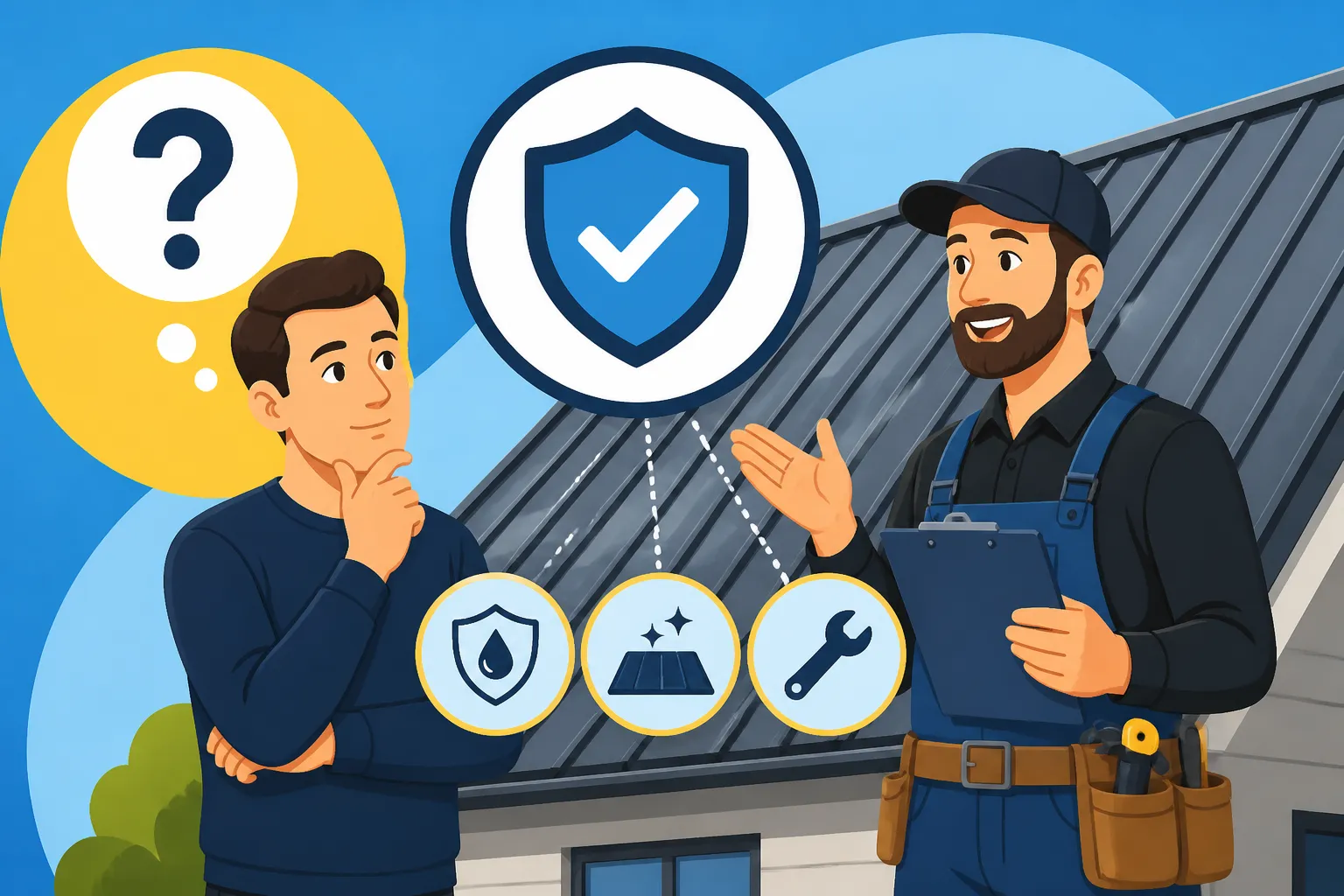
Best Questions to Ask a Roofer About Warranty
Deciding to invest in a metal roof for your home is a big step, and it comes with a lot of questions. One of the trickiest parts, and often the most overlooked, is truly understanding the warranty that comes with it. It’s easy to get lost in the jargon, feel rushed by a contractor, or simply assume all warranties are the same. But believe me, they are not. This comprehensive guide is here to equip you with the best questions to ask any roofer about their metal roof warranty, ensuring you’re fully protected and confident in your long-term investment.
Why Understanding Your Metal Roof Warranty is Absolutely Critical
Think about it: a metal roof is designed to last for decades, often 50 years or even more. That’s a significant chunk of your home's life, and a considerable investment. Without a clear understanding of your warranty, you’re essentially buying a car without knowing if the engine is covered if it breaks down next year. The nuances of a metal roof warranty can mean the difference between a free repair and an unexpected bill for thousands down the line.
Protecting Your Investment and Peace of Mind
A metal roof isn't just a purchase; it's a long-term commitment to your home's protection and value. When you choose a metal roof, you're doing so for its durability, energy efficiency, and longevity. A robust warranty is the safety net that backs up those promises. Imagine paying a premium for a high-quality standing seam metal roof, expecting it to last 50 years, only to find the finish starts peeling after 10. Without a solid warranty, you could be left with a visually unappealing roof and no recourse.
Consider the scenario: you've just had a beautiful new metal roof installed. A few years down the line, you notice some panels starting to show signs of rust, or maybe the paint color isn't as vibrant as it used to be. Your peace of mind depends entirely on knowing that these issues are covered, and that the company you hired will stand behind their product and their work. This is why digging deep into the warranty details is paramount. It protects your financial investment and ensures you won't be losing sleep over unexpected future costs. For a deeper dive into overall costs, you might want to read our guide on the topic: Metal Roof Cost: Complete 2026 Guide.
Avoiding Future Headaches and Unexpected Costs
The stories are endless: homeowners who thought they had a lifetime warranty only to discover it was prorated after 10 years, or that hail damage wasn't covered despite the roof being advertised as impact-resistant. These situations can turn a dream renovation into a nightmare of unexpected expenses and frustrating disputes.
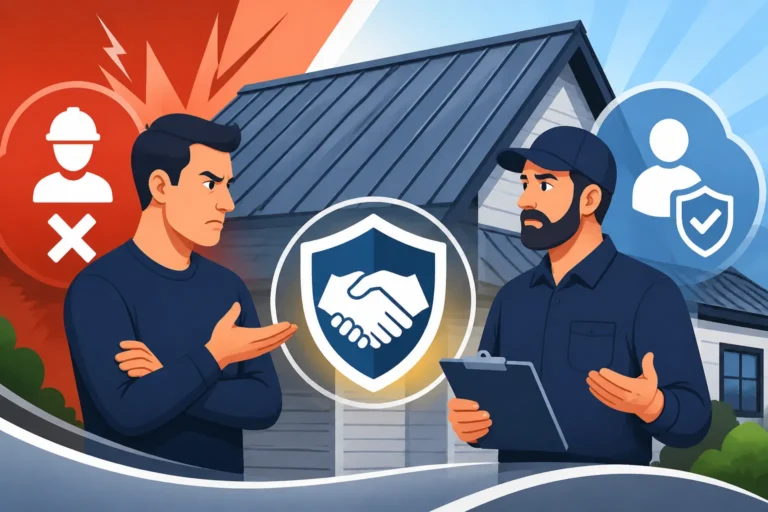
For instance, a seemingly minor leak could escalate quickly. If the leak is due to a manufacturing defect in a panel, the manufacturer's warranty should kick in. But what if it’s due to improper flashing installation? That's where the contractor's workmanship warranty becomes your best friend. Without a clear understanding of both, you might find the manufacturer blaming the installer, and the installer blaming the manufacturer, leaving you stuck in the middle with a dripping ceiling. A proper warranty discussion upfront clarifies who is responsible for what, setting clear expectations and preventing such blame games. This proactive approach saves you both money and mental anguish in the future.
The Essential Questions to Ask About Manufacturer Warranties
When a roofer talks about a metal roof warranty, they're often referring to two distinct types: the manufacturer's warranty and their own workmanship warranty. Let's start with the manufacturer's warranty, which covers the actual materials you're putting on your home.
Material and Finish Warranties
These are often the most heavily advertised parts of a metal roof warranty. They cover the integrity of the metal panels themselves and the performance of their protective coatings and paint finishes. But don't just take a glance; you need to probe deeper.
- "What exactly is covered under the material warranty?" This seems basic, but you need specifics. Does it cover perforation (holes forming)? Does it cover structural integrity against specific types of corrosion? For example, a quality Galvalume steel panel will have a strong anti-perforation warranty.
- "What are the specifics of the finish warranty?" This is crucial, as the finish is what you see and what protects the metal. Ask:
- "Does it cover chipping, peeling, or cracking?" Most reputable manufacturers like McElroy Metal or Metal Sales will cover these for a good duration.
- "What about fading or chalking? Is there a specified percentage of color change over time that's acceptable?" Some warranties might allow for a 5-10% color change over 20 years, which can be noticeable. For instance, a quality Kynar 500 or Hylar 5000 finish typically offers excellent color retention warranties, often for 30-40 years, protecting against excessive fading and chalking.
- "Are there different warranties for different colors or finishes?" Sometimes darker colors or specific paint systems might have different coverage periods.
- "What are the conditions that void the material or finish warranty?" This is where you really need to pay attention. Improper cleaning, certain chemicals, or even repairs performed by uncertified personnel can void your coverage.
Understanding these details ensures you know exactly what recourse you have if the roof's appearance or structural integrity degrades prematurely. It's not enough to hear "lifetime warranty" – you need to understand the terms that define that lifetime.
Transferability and Proration
These two terms are incredibly important, especially if you ever plan to sell your home. They directly impact the long-term value and appeal of your metal roof.
- "Is the warranty transferable to a new homeowner?" A transferable warranty is a huge selling point. It means if you sell your home, the new owners get the benefit of the remaining warranty, adding significant value. Many metal roof warranties offer a limited transferability, perhaps for one transfer within a certain timeframe (e.g., 20 years from original installation).
- "If transferable, what is the process, and are there any fees involved?" Some manufacturers require notification within a certain period (e.g., 30-90 days of sale) and a small administrative fee to transfer the warranty. Make sure your contractor explains this thoroughly.
- "Is the warranty prorated over time?" A prorated warranty means the coverage diminishes over the life of the warranty. For example, a 50-year prorated warranty might cover 100% of material costs for the first 20 years, but only 50% for the next 10, and even less after that. This is a critical distinction from a non-prorated warranty, which maintains full coverage for the entire term. This difference significantly impacts your potential out-of-pocket costs down the road.
If a warranty is heavily prorated, the "50-year" promise might not be as robust as it sounds in the later years. Always push for clarity on this point.
Exclusions and Limitations
This is the fine print that can sometimes feel like a cruel joke. Every warranty has them, and knowing them upfront prevents major disappointments.
- "What specific events or conditions are excluded from coverage?" Common exclusions include "acts of God" (like tornadoes, hurricanes, or floods, though sometimes wind damage is specifically covered up to a certain speed), damage from improper maintenance, structural failures of the building not related to the roof, or even alterations made to the roof (like installing solar panels without proper care).
- "Are there specific environmental limitations?" For homes in coastal areas, for example, salt spray can be a factor. Some warranties might have different terms or even be voided if certain materials are installed within a specified distance of saltwater. This is why choosing the Best Metal Roof for Coastal and Salt Air is so important, and understanding its specific warranty limitations is critical.
- "What about cosmetic damage?" Many warranties specifically exclude cosmetic damage that doesn't impact the roof's functionality. A small dent from a falling acorn might not be covered, even if it bothers you aesthetically. This can be a point of contention with insurance claims too, so understand this nuance.
- "Are there specific requirements for fasteners or accessories that could void the warranty if not met?" For instance, using unapproved screws or sealants might void the entire panel warranty. This emphasizes why understanding Metal Roof Components & Accessories Explained is so vital.
A good contractor will walk you through these exclusions, rather than letting you find out the hard way. Make sure to get a copy of the actual manufacturer's warranty document to read for yourself.
Claim Process and Documentation
Knowing what's covered is one thing; knowing how to get it covered is another. The claim process can be daunting if you're unprepared.
- "What is the step-by-step process for filing a warranty claim?" Ask for clarity: Who do you contact first – the contractor or the manufacturer? What forms need to be filled out? What's the typical timeline?
- "What documentation will I need to keep?" This is crucial. Typically, you'll need your original purchase invoice, proof of installation, the signed warranty document, and possibly photos or records of maintenance. Keep everything in a safe, accessible place.
- "Who performs the inspection and decides if a claim is valid?" Is it the manufacturer, an independent third party, or the contractor? Understanding the chain of command helps manage expectations.
Getting clear answers on the claims process will save you immense frustration should an issue arise. A reputable contractor, like those you might find through a service like Modernize, will have a clear process for assisting you with manufacturer warranty claims.
Deep Diving into Workmanship and Installation Warranties
While the manufacturer's warranty covers the product, the workmanship warranty covers the installation itself. This is arguably more important, as even the highest-quality materials can fail if installed incorrectly. This is often where homeowners get caught out, as a poor installation can void your manufacturer warranty.
The Difference Between Manufacturer and Workmanship Warranties
This distinction is frequently misunderstood, leading to homeowner frustration when problems arise.
- Manufacturer Warranty: This warranty comes from the company that made the metal panels (e.g., Sheffield Metals, Englert, or PAC-CLAD). It covers defects in the materials themselves, like premature rust, paint fading beyond acceptable limits, or structural failure of the panel due to a manufacturing flaw. If a panel is defective from the factory, this is the warranty you'll use.
- Workmanship Warranty: This warranty comes directly from your roofing contractor. It covers errors in the installation process. If the panels are installed incorrectly, fasteners aren't sealed properly, flashing is done poorly leading to a leak, or seams aren't crimped correctly on a standing seam roof, this is the warranty that should protect you. A faulty installation can also lead to issues like oil canning or improper drainage, which a good workmanship warranty would address.
It's vital that your contractor provides a strong workmanship warranty, separate from the manufacturer's. The best manufacturer warranty in the world won't help you if the problem is due to shoddy installation, as improper installation is often an exclusion in the manufacturer's terms. You'll want to review our guide on Metal Roof Warranties: Workmanship vs Manufacturer for a more comprehensive breakdown.
Duration and Scope of Workmanship Coverage
The length and specifics of a workmanship warranty vary greatly among contractors. This is a key area where a cheaper bid might indicate less coverage.
- "How long is your workmanship warranty?" For metal roofs, a good workmanship warranty should be at least 5-10 years, with some top-tier contractors offering 20-year or even "lifetime" warranties (which usually means as long as you own the home). Be wary of anything less than 5 years for a metal roof.
- "What specific installation defects are covered?" Ask for concrete examples. Does it cover leaks caused by faulty flashing? Panels coming loose due to incorrect fastening? Problems arising from improper underlayment installation? Be precise.
- "Does the warranty cover both repairs and full replacement if needed?" Most should cover both, but clarify if there are any limitations on replacement scenarios.
- "Are there any actions on my part that would void your workmanship warranty?" Similar to manufacturer warranties, modifications to the roof, repairs by another contractor, or failure to perform basic recommended maintenance might void the contractor's warranty.
A contractor confident in their work will offer a robust workmanship warranty. If a roofer seems vague or unwilling to commit to a clear timeframe or scope, that’s a significant red flag. This is one of the crucial Questions to Ask a Metal Roofing Contractor Before You Hire.
Who Performs Warranty Work
This is a practical question that often gets overlooked, but it's critical if you ever need to make a claim.
- "Who will perform the repairs or warranty work if an issue arises?" Will it be the original crew, a different internal crew, or will you use subcontractors? Ideally, you want the original company to handle it, as they are most familiar with the installation.
- "What happens if your company goes out of business?" This is a tough but necessary question. Unfortunately, contractors can go out of business. Some larger companies might have provisions or insurance to cover this, but many smaller operations won't. This underscores the importance of choosing a financially stable and reputable company. Platforms like Modernize can help connect you with established contractors who have a track record.
- "Is your workmanship warranty backed by a third-party assurance or bond?" Some high-end contractors offer third-party backed warranties, which provide an extra layer of protection if the contractor ceases operations. This is less common but a great sign of confidence.
Knowing who will show up, and whether they'll even be there, can make a huge difference in your experience should a problem occur.
Beyond the Basics: Advanced Warranty Considerations
Once you've got the foundational warranty questions covered, it's time to dig into some more nuanced aspects that can significantly impact your coverage.
Understanding Gauge and Panel Type Limitations
The type and thickness (gauge) of your metal roof panels can play a role in warranty coverage, especially regarding certain types of damage or performance guarantees.
- "Does the warranty vary based on the metal gauge I choose?" For example, if you opt for a lighter 29 gauge metal roof, the manufacturer's warranty against hail damage or wind uplift might be different compared to a more robust 24 gauge. This is a critical consideration. For homes in hail-prone regions, a heavier gauge might be recommended, and its warranty should reflect that increased durability. We have an entire article dedicated to Metal Roof Gauges Explained: 22, 24, 26 & 29, which can help you understand the differences.
- "Are there specific limitations or enhancements in the warranty for my chosen panel profile (e.g., standing seam vs. corrugated)?" Different panel profiles have different installation methods and vulnerabilities. A standing seam metal roof, with its hidden fasteners, might have different warranty terms related to leak protection compared to an exposed fastener corrugated metal roof. Ensure the warranty aligns with the specific product you’re installing.
- "What is the expected lifespan, and how does that correlate with the warranty period?" While a metal roof might last 50 years, the warranty itself might be for 30 or 40 years. Understanding this gap is important.
The Impact of Underlayment and Accessories
Your metal roof isn't just the visible panels. It's a system, and components like underlayment, fasteners, and flashing are critical.
- "Are the underlayment and other accessories (like flashing, fasteners, vents) also covered under any warranty?" Often, these components have separate warranties, or they might not be covered at all. If a leak occurs due to a faulty underlayment, whose responsibility is it? A high-quality synthetic underlayment, for example, might have its own product warranty. You should always ask about this. This links directly to our guide on Metal Roof Underlayment and Ventilation Guide.
- "Does the use of specific, approved accessories impact the manufacturer's warranty?" Many manufacturers require the use of their proprietary or approved fasteners, sealants, and flashing components to maintain their warranty. Using generic or unapproved parts could void your material warranty.
- "What about paint or coatings on trim pieces? Is that covered under the same finish warranty as the main panels?" Sometimes trim pieces, which are often factory-formed, might have slightly different finish warranties.
These details might seem minor, but a chain is only as strong as its weakest link. Ensuring all parts of your roofing system are adequately covered is crucial.
Verifying Installer Certifications
Some of the best metal roof warranties require that the installation be performed by a "manufacturer-certified installer." This isn't just a fancy title; it's a critical assurance of quality.
- "Are your installers certified by the metal roof manufacturer?" If so, ask to see proof of their current certification. Many manufacturers offer extensive training programs to ensure their products are installed correctly. This is so vital that we have a whole article on Manufacturer-Certified Metal Roof Installers Explained.
- "How does installer certification impact my warranty coverage?" Often, being installed by a certified professional can extend the warranty period, offer better coverage terms, or even be a prerequisite for the warranty to be valid at all.
- "How can I verify your certification directly with the manufacturer?" A reputable contractor will provide contact information or a certification number that you can cross-reference with the manufacturer. Don't be shy about doing your homework here.
This step is a powerful way to ensure that the people putting your roof on know exactly what they're doing and are held to a high standard, which directly impacts the validity and strength of your manufacturer's warranty.
Comparing Warranty Offers and What Red Flags to Watch For
Once you've asked all these questions to several potential roofers, you'll likely have a stack of information. Now comes the critical step of comparing offers and identifying any potential pitfalls.
Getting Everything in Writing
This cannot be stressed enough: verbal promises are absolutely worthless when it comes to warranties.
- Insist on a written contract: Ensure that all warranty details discussed are clearly outlined in your contract. This includes the duration, scope, and specific exclusions for both the manufacturer's and the contractor's workmanship warranties.
- Get a copy of the actual manufacturer's warranty document: Don't rely on a contractor's summary. Get the official document and read it yourself. Compare the terms your contractor is quoting with what the manufacturer explicitly states.
- Verify all promised aspects: If a contractor promises a "lifetime, non-prorated" warranty, make sure those exact terms are in writing. If they aren't, it’s not a promise, it’s just talk.
This step is non-negotiable. It’s your only real protection if a dispute arises.
Red Flags: Too Good to Be True Promises or Vague Language
Be a savvy consumer. If something sounds too good to be true, it probably is.
- Unrealistically long workmanship warranties from new companies: A "lifetime" workmanship warranty from a company that’s only been in business for a few years should raise a huge red flag. How confident can you be they’ll still be around in 30 years to honor it?
- Vague or evasive answers: If a contractor can't or won't provide specific details about what's covered, excluded, or how the claims process works, walk away. They either don't know (which is bad) or they're intentionally being unclear (which is worse).
- Lack of distinction between manufacturer and workmanship warranties: If a roofer lumps everything into one generic "roof warranty" without clarifying the two distinct types, they might be trying to obscure limited coverage.
- Pressure tactics: A reputable contractor will give you time to review all documents and ask questions. If you feel pressured to sign quickly without thoroughly understanding the warranty, consider it a major warning sign.
The Value of a Reputable Contractor
Ultimately, the best warranty in the world is only as good as the company backing it. This means choosing a contractor with a proven track record.
- Check their history and reviews: Look for contractors with a solid history in metal roofing, positive reviews, and a strong local presence. Organizations like the Better Business Bureau or platforms like Modernize can be excellent resources for vetting roofers.
- Ask for references: A good contractor will gladly provide references from past metal roof clients.
- Verify licenses and insurance: Ensure your contractor is fully licensed, bonded, and insured. This protects you from liability if an accident occurs on your property. This is covered in depth in our guide on How to Hire a Metal Roofing Contractor.
A contractor who stands behind their work and has a long-standing reputation is far more likely to honor their warranty promises than a fly-by-night operation. They view the warranty not just as a legal document, but as a reflection of their commitment to quality.
Key Warranty Comparison Table
To help you organize your thoughts and compare different contractor offers, here’s a handy table of the key warranty aspects to keep in mind:
| Warranty Aspect | Manufacturer Warranty (Material/Finish) | Workmanship Warranty (Contractor) | What to Ask |
|---|---|---|---|
| Coverage | Defects in metal, paint fading/peeling/chalking, perforation. | Installation errors (leaks from flashing, loose panels, poor sealing). | "What specific material defects are covered?", "What are the acceptable limits for fading?", "What installation failures are included?" |
| Duration | Varies by material/finish (e.g., 30-50 years for Kynar finish, 20-40 years for perforation). | Varies by contractor (e.g., 5-20 years, some "lifetime"). | "How many years for each component?", "Is it prorated?", "How long is your company's workmanship guarantee?" |
| Transferability | Often limited (e.g., one transfer within X years). | Rarely transferable; tied to the original homeowner and contractor. | "Is the manufacturer warranty transferable? If so, what's the process & fee?", "Is your workmanship warranty transferable?" |
| Proration | Common for material/finish after an initial period. | Not typically prorated, but duration is key. | "At what point does coverage decrease?", "Is the workmanship warranty fully covered for its entire term?" |
| Exclusions | Acts of God, improper maintenance, unapproved alterations, cosmetic damage. | Customer modifications, damage from external factors, lack of maintenance. | "What specific events or actions void both warranties?", "Are underlayment and accessories covered?" |
| Claim Process | Often involves contacting manufacturer directly (sometimes via contractor). | Contact the contractor directly. | "What's the step-by-step process?", "What documentation do I need?", "Who makes the final decision on claims?", "What happens if your company goes out of business?" |
| Installer Impact | Often requires manufacturer-certified installers for validity/extension. | Directly dependent on the contractor's skill and reputation. | "Are your installers certified?", "How does installer certification impact my warranty?", "How can I verify certification?" |
By taking the time to ask these vital questions and comparing the answers side-by-side, you'll be well on your way to making an informed decision about your metal roof, securing not just a durable covering for your home, but also years of confidence and peace of mind.
Disclaimer
Please note that this guide provides general information about metal roof warranties. Specific warranty terms and conditions can vary significantly by manufacturer, contractor, product type, and local regulations. Always review your individual warranty documents carefully and consult with a qualified legal professional or roofing expert for personalized advice.