Metal Roof Cost for a 3,000 Sq Ft Home
Trying to figure out the exact cost of a new metal roof for a larger home, like a sprawling 3,000 sq ft property, can feel like trying to hit a moving target. It’s not just about the square footage; there are so many variables that can swing the price wildly, leaving many homeowners feeling overwhelmed and unsure of where to even start. This guide is here to untangle those complexities, offering a realistic look at what goes into the cost of a metal roof for a 3,000 sq ft home, from materials to labor and everything in between, so you can plan your budget with confidence.
Understanding the Factors Influencing Metal Roof Cost
When you're looking at roofing a substantial property like a 3,000 sq ft home, the price isn't just a simple multiplication of size by a flat rate. There are several critical components that come into play, each influencing the final tally. Think of it less like buying a loaf of bread and more like designing a custom kitchen – every choice, big or small, has an impact.
Material Choices and Their Impact
The type of metal you choose for your roof is arguably the biggest cost driver. It’s like picking between a basic sedan and a luxury car; both get you from point A to point B, but the experience and the price tag are vastly different.
- Steel (Galvanized/Galvalume): This is often the most common and budget-friendly option for residential metal roofing. Galvanized steel is coated with zinc, while Galvalume steel has a blend of aluminum and zinc, offering superior corrosion resistance. They are strong, durable, and can be formed into various profiles, from classic corrugated to sleek standing seam. For a 3,000 sq ft home, steel roofs typically offer an excellent balance of cost and performance, making them a popular choice for many homeowners. You might want to dive deeper into the differences by checking out our guide on Metal Roof Cost by Material: Steel vs Aluminum vs Copper vs Zinc.
- Aluminum: If you live in a coastal area or a region with heavy rainfall, aluminum is a fantastic choice due to its inherent resistance to rust and corrosion. It’s lighter than steel, which can sometimes reduce labor costs, but the material itself is generally more expensive. For a 3,000 sq ft home by the ocean, the investment in aluminum could pay dividends in longevity and reduced maintenance.
- Copper and Zinc: Now we're talking high-end. Copper and zinc roofs are truly architectural statements. They are incredibly long-lasting, often developing a beautiful patina over time, but their material cost is significantly higher than steel or aluminum. While stunning, these materials can push the total Metal Roof Cost for a 3,000 Sq Ft Home into a premium bracket, often reserved for custom luxury builds or specific aesthetic desires.
- Specialty Alloys: Beyond the main players, there are also specialized alloys and coatings that can enhance durability, energy efficiency, or aesthetics, each coming with its own price point.
Profile and Fastener Systems
The "look" of your metal roof, along with how it’s installed, dramatically affects both the material and labor costs. It's not just about aesthetics; it's about engineering and installation complexity.
- Standing Seam: This is the sleek, modern look many people envision when they think of metal roofs. Standing seam panels have raised seams that interlock, concealing the fasteners underneath. This hidden fastener system is less prone to leaks, allows for thermal expansion and contraction, and offers a clean, contemporary appearance. However, the manufacturing and installation of standing seam panels are more labor-intensive, making them a pricier option. For a 3,000 sq ft roof, a Standing Seam Metal Roof Cost will typically be on the higher end due to these factors.
- Exposed Fastener (Corrugated, R-Panel, 5V-Crimp): These profiles are characterized by their fasteners being visible on the surface of the roof, screwing directly through the metal panels into the decking or purlins below. They are often more affordable to produce and install, making them a popular choice for barns, commercial buildings, and homes where budget is a primary concern. Profiles like Corrugated Metal Roof Cost are generally lower than standing seam. While effective, the exposed fasteners require periodic inspection and potential re-sealing over the roof's long lifespan.
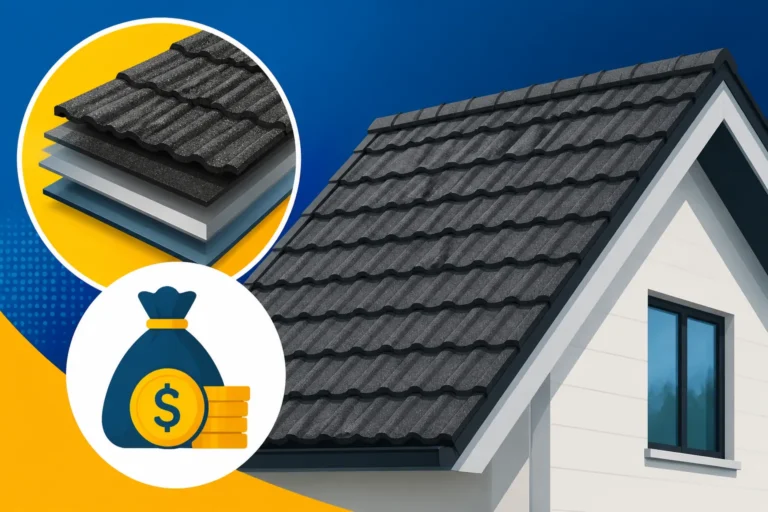
- Metal Shingles, Shakes, and Tiles: These options are designed to mimic the appearance of traditional roofing materials like asphalt shingles, wood shakes, or clay tiles, but with the benefits of metal durability. They are typically made from steel or aluminum and can offer a gorgeous, textured look. The installation can be more intricate than large panels, impacting labor costs, but they provide a distinct aesthetic that many homeowners desire. Check out our detailed article on Metal Roof Cost by Profile: Standing Seam vs Corrugated vs Stone-Coated for a deeper dive.
Gauge and Coating Considerations
It might seem like a small detail, but the thickness of the metal (its gauge) and the quality of its protective coating are crucial for durability and, you guessed it, cost.
- Gauge: In metal roofing, a lower gauge number means a thicker metal. For residential applications, you'll commonly see 24-gauge, 26-gauge, and sometimes 29-gauge steel or aluminum. Thicker metal (lower gauge) is more rigid, more resistant to dents and hail, and generally lasts longer, but it also costs more. For a substantial 3,000 sq ft home, a 24-gauge steel or aluminum roof is a premium choice offering superior strength, while 26-gauge is a very common and durable option. A 29-gauge might be used for simpler structures or if budget is extremely tight, but it offers less dent resistance. This is one of the factors detailed in What Affects Metal Roof Cost: Gauge, Pitch, Complexity & Tear-Off.
- Coatings: Beyond the base metal, most residential metal roofs come with highly engineered paint coatings. The most common and highest quality is PVDF (Polyvinylidene Fluoride), often sold under brands like Kynar 500 or Hylar 5000. These coatings offer exceptional color retention and chalking resistance, meaning your roof will look great for decades. SMP (Silicone Modified Polyester) is another popular option, offering good performance at a slightly lower price point. The type and quality of the coating directly influence the material cost and the manufacturer's warranty. A superior coating ensures your metal roof maintains its aesthetic appeal and protective qualities for years, especially vital for a large surface area like a 3,000 sq ft roof.
Breaking Down the Costs for a 3,000 Sq Ft Home
Now, let's get down to the nitty-gritty of what you can expect to pay for a metal roof on a 3,000 sq ft home. It’s important to remember that these are averages, and local market conditions, contractor availability, and specific project details can always cause variations. However, this breakdown should give you a solid framework for budgeting.
Material Costs per Square Foot
When calculating the material costs for a 3,000 sq ft home, it's not simply the square footage of the house's footprint. The actual roof surface area is often larger due to pitch, overhangs, and complex designs. A good rule of thumb is to add 10-20% to the living space square footage for the actual roof area. So, for a 3,000 sq ft home, you might be looking at a roof surface area of roughly 3,300 to 3,600 square feet. Roofers often quote by "square," which is 100 square feet. So, a 3,000 sq ft roof might equate to 30-36 squares.
Here’s a general material cost range per square foot (not including installation):
- Corrugated/Exposed Fastener Steel (26-29 gauge): $2.50 – $6.00 per sq ft
- Standing Seam Steel (24-26 gauge, Galvalume/Galvanized with PVDF): $4.00 – $9.00 per sq ft
- Metal Shingles/Tiles (Steel/Aluminum with premium coatings): $3.50 – $10.00 per sq ft
- Aluminum Standing Seam/Shingles: $6.00 – $12.00 per sq ft
- Copper/Zinc: $15.00 – $40.00+ per sq ft
So, for a 3,000 sq ft home (estimating 3,300 sq ft roof surface), your material costs alone could range dramatically:
- Entry-Level Steel (Corrugated): $8,250 – $19,800
- Mid-Range Steel (Standing Seam): $13,200 – $29,700
- Premium Aluminum: $19,800 – $39,600
- Luxury Copper/Zinc: $49,500 – $132,000+
It's clear that your material choice is paramount. For more specific numbers, consider looking at our Metal Roof Cost Per Square Foot guide.
Labor and Installation Expenses
Labor is a significant portion of any roofing project, and for a 3,000 sq ft home, it's no different. The complexity of your roofline, the pitch, and whether an old roof needs to be removed all play a substantial role. A basic, low-pitch gable roof will be much less labor-intensive than a multi-level, steep-pitch roof with numerous dormers and valleys.
- Tear-Off and Disposal: If you're replacing an existing roof, the old material needs to be removed and disposed of. This adds to labor costs and typically includes dumpster rental and landfill fees. For a 3,000 sq ft home, tearing off multiple layers of asphalt shingles can be a significant undertaking.
- Roof Decking and Underlayment: Ensuring a solid substrate for your metal roof is crucial. This might involve repairs to existing decking or even full replacement if it's damaged. High-quality synthetic underlayment is highly recommended for metal roofs, particularly standing seam systems, to provide an extra layer of protection against moisture. This is an area where cutting corners can lead to costly problems down the line. You can learn more about Metal Roof Underlayment Cost.
- Installation Complexity: Installing metal roofing requires specialized skills and tools. Standing seam, with its meticulous panel fabrication and seaming, demands highly experienced installers. Exposed fastener systems are generally quicker to install. For a larger home, the sheer scale of the project means more man-hours.
- Local Labor Rates: Labor costs vary by region. A contractor in a high cost-of-living area like Los Angeles or New York will charge more for labor than one in a smaller town in the Midwest.
As a general estimate, labor and installation for a metal roof can range from $4.00 to $10.00+ per square foot, depending on all the factors mentioned above. For a 3,000 sq ft home (again, estimating 3,300 sq ft roof surface), this translates to an additional $13,200 to $33,000+ on top of material costs. This means your Metal Roof Labor Cost can be a huge variable.
Additional Cost Factors to Consider
Beyond the obvious materials and labor, several other line items can pop up on your estimate, and it’s important to budget for them.
- Trim and Flashing: These are the metal components that seal the edges of your roof, around chimneys, skylights, vents, and valleys. They are essential for a watertight installation and can add a significant amount to the material and labor cost. A complex roofline on a 3,000 sq ft home will naturally require more intricate trim and flashing work. This area alone can add several thousand dollars to your project. Don't forget to look at our guide on Metal Roof Trim and Flashing Cost.
- Permits and Inspections: Nearly all roof replacements require a building permit from your local municipality. The cost of permits varies widely but can range from a few hundred to over a thousand dollars for a large project. These permits ensure the work meets local building codes and will involve inspections at various stages of the installation.
- Fasteners and Accessories: Screws, clips, sealants, snow guards (if needed), and other small components add up. While individually inexpensive, collectively they form part of the total project cost.
- Accessibility and Staging: If your home has difficult access for equipment, or if the property requires extensive protection of landscaping during the project, these factors can increase labor time and overall cost. Scaffolding for a steep or multi-story home can also be an additional expense.
- Contingency Fund: This is crucial for any home improvement project, especially one as significant as a roof replacement. Unforeseen issues, like extensive rot discovered after the old roof is removed, can quickly derail a budget. It's wise to set aside an additional 10-15% of your total estimated cost as a contingency.
Here's a simplified table illustrating potential cost ranges for a 3,000 sq ft home (with an estimated 3,300 sq ft roof surface):
| Cost Component | Material Type | Estimated Cost Range (3,300 sq ft roof) | Notes |
|---|---|---|---|
| Materials | Corrugated Steel | $8,250 – $19,800 | Exposed fasteners, good for budget |
| Standing Seam Steel | $13,200 – $29,700 | Hidden fasteners, modern look, durable | |
| Metal Shingles | $11,550 – $33,000 | Mimics traditional materials, complex installation | |
| Aluminum Standing Seam | $19,800 – $39,600 | Corrosion-resistant, lighter, premium option | |
| Copper/Zinc | $49,500 – $132,000+ | High-end, very long lifespan, unique aesthetic | |
| Labor | Varies by complexity/location | $13,200 – $33,000+ | Includes tear-off, installation, site prep |
| Additional Costs | Permits, Flashing, Misc. | $2,000 – $7,000+ | Depends on roof complexity, local fees |
| Total Project Range | Corrugated Steel | $23,450 – $59,800+ | For a 3,000 sq ft home |
| Standing Seam Steel | $28,400 – $69,700+ | For a 3,000 sq ft home | |
| Aluminum Standing Seam | $35,000 – $80,000+ | For a 3,000 sq ft home | |
| Copper/Zinc | $65,000 – $175,000+ | For a 3,000 sq ft home |
This table gives you a clear picture of the vast range, making it essential to get detailed quotes. Don't forget that understanding How to Read and Compare Metal Roof Quotes is a skill worth developing!
Long-Term Value and ROI for a 3,000 Sq Ft Metal Roof
While the upfront cost of a metal roof for a 3,000 sq ft home might seem substantial, it's crucial to look beyond the initial investment and consider the long-term value. Metal roofs aren't just a purchase; they're an investment in your home's future, often paying for themselves over their extended lifespan.
Longevity and Durability
One of the most compelling arguments for a metal roof is its incredible lifespan. Unlike asphalt shingles that typically need replacement every 15-25 years, a well-installed metal roof can easily last 40-70 years, sometimes even longer with proper maintenance. This means that over the lifetime of your ownership, you might replace an asphalt shingle roof two or even three times, while your metal roof continues to perform.
For a large 3,000 sq ft home, avoiding two or three future re-roofing projects represents a massive saving in materials, labor, and the headache of repeated construction. Metal roofs are also highly resistant to severe weather, including high winds, hail, and heavy snow loads, which means less money spent on repairs after a storm. This inherent durability is a key component of the metal roof lifespan ROI.
Energy Efficiency and Insurance Savings
Metal roofs are often lauded for their energy-efficient properties. Many come with "cool roof" coatings that reflect a significant portion of the sun's radiant energy. This reflection reduces the amount of heat absorbed into your attic and, subsequently, into your living space, especially beneficial for a larger home that can be expensive to cool. Homeowners often report lower air conditioning bills, particularly in hotter climates.
Beyond energy savings, metal roofs can also lead to discounts on homeowners' insurance premiums. Because they are non-combustible (Class A fire rating) and highly resistant to impact damage (like hail, often Class 4 impact resistance), many insurance providers offer incentives. For a large home, these savings can be quite significant over the decades. It's always a good idea to check with your insurance provider about potential Metal Roof Insurance Savings & Discounts before starting your project.
Resale Value and Investment
While a roof might not be the flashiest upgrade, a metal roof is a substantial asset that can increase your home's resale value. Potential buyers recognize the benefits: long lifespan, low maintenance, energy efficiency, and superior protection. Studies have shown that homes with metal roofs can see a higher resale value and often sell quicker. The appeal of not having to worry about a major roof replacement for decades is a huge selling point.
Furthermore, a metal roof is considered a permanent improvement, contributing to the overall equity of your home. When you consider the extended lifespan, reduced maintenance, potential energy savings, and added resale value, the higher upfront cost of a metal roof for your 3,000 sq ft home begins to look less like an expense and more like a wise, long-term investment. If you're pondering the ultimate financial benefit, our Is a Metal Roof Worth It? ROI, Resale & Payback article delves into this very topic.
Disclaimer
Please remember that all cost estimates provided in this article are approximate and can vary significantly based on your specific location, chosen materials, contractor, roof complexity, and current market conditions. It is always recommended to obtain multiple detailed quotes from local, reputable metal roofing contractors to get the most accurate pricing for your project. This guide is for informational purposes only and should not be considered a substitute for professional advice.