Metal Roof Cost vs Metal Roof Lifespan ROI
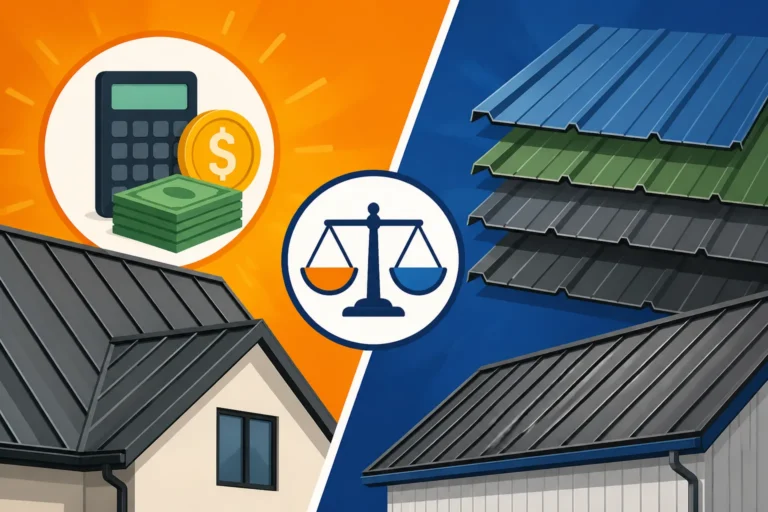
When you're staring up at your old, worn-out roof, contemplating the daunting task of replacement, the idea of a metal roof often sparks a mix of excitement and apprehension. You've heard amazing things about their longevity and durability, but then your mind immediately jumps to the price tag, which can feel like a punch to the gut compared to traditional options. It's a classic homeowner's dilemma: how do you weigh that significant upfront metal roof cost against the promise of a metal roof lifespan ROI that could potentially save you a fortune over decades? This guide is all about helping you unpack that very question, making sure you understand the true financial picture.
The Elephant in the Room: Initial Metal Roof Costs
Let's not beat around the bush; a metal roof typically costs more to install than an asphalt shingle roof. This isn't a secret, and it's often the first hurdle homeowners encounter. It's perfectly normal to feel a bit of sticker shock when you see the initial estimates. However, understanding what contributes to that cost can help you appreciate the value you're getting. You're not just paying for a roof; you're investing in a sophisticated, long-lasting building envelope.
Breaking Down the Upfront Investment
When you receive a quote for a metal roof, it's not just a single, arbitrary number. There are several key components that contribute to the overall price. Think of it like building a custom home – every choice, from the foundation to the finishes, adds to the total. With a metal roof, the primary cost drivers include the raw materials themselves, the labor involved in installation, and any complexities unique to your specific roof or property.
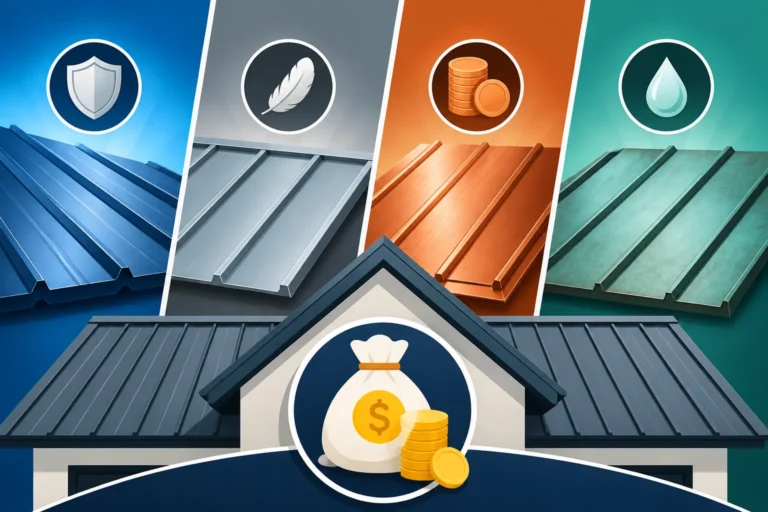
First, the material cost varies wildly depending on the type of metal you choose. Steel, aluminum, copper, and zinc all have different price points, with steel and aluminum generally being the most budget-friendly for residential applications, while copper and zinc represent a significant premium due to their aesthetic appeal and extreme longevity. Then there's the profile: Metal Roofing Types Explained: Profiles & Panels such as standing seam, corrugated, or metal shingles. Standing seam, for instance, involves more specialized fabrication and installation, often pushing its material and labor costs higher than exposed fastener panels like corrugated metal. You might even consider something like a Stone-Coated Steel Roof Cost which offers a unique look and durability blend.
Second, labor is a huge factor. Installing a metal roof, especially a standing seam system, requires highly skilled and experienced professionals. This isn't a job for just any roofing crew; precision is paramount to ensure proper sealing, panel alignment, and long-term performance. The complexity of your roof – think multiple dormers, steep pitches, or intricate valleys – will also increase labor hours. A simple, straightforward gable roof will naturally be less expensive to install than a sprawling, multi-level roof with numerous transitions.
Third, don't forget the underlying components. Things like specialized underlayment, flashing, and fasteners contribute to the overall material cost. While seemingly small individually, these components are crucial for the roof's integrity and weather resistance. For a more detailed look into what drives the price, check out our guide on What Affects Metal Roof Cost: Gauge, Pitch, Complexity & Tear-Off.
How Various Factors Influence the Price Tag
The overall price of your metal roof is really a sum of many parts, each influenced by specific choices and circumstances. It’s never a one-size-fits-all situation, which can be frustrating when you’re just trying to get a ballpark figure, but it’s the reality of a custom-fit product for your home.
The type of metal you choose is perhaps the most significant factor. Steel, often coated with Galvalume or other protective layers, is a popular and relatively affordable choice, offering excellent durability. Aluminum is lighter, fantastic for coastal areas due to its superior corrosion resistance, but generally comes at a higher price point than steel. Then, for those looking for extreme longevity and unique aesthetic patinas, copper and zinc stand at the top of the price scale. Think about a Copper Roof Cost compared to a standard steel option; the difference can be substantial.
Next, the profile, as mentioned, plays a big role. Standing Seam Metal Roof Cost tends to be higher because it uses hidden fasteners and interlocking panels, which creates a sleek, continuous surface and superior weather protection but demands more precise installation. Exposed fastener panels, like corrugated or R-panel, are generally less expensive to manufacture and install, making them a more budget-friendly option, though they might not offer the same high-end aesthetic or fastener longevity.
Gauge, which refers to the thickness of the metal, is another key consideration. A lower gauge number means a thicker, more durable, and typically more expensive panel. While 29-gauge might be sufficient for a barn or shed, residential roofs often opt for 26-gauge or 24-gauge for enhanced strength and dent resistance. Your roof's size, measured in squares (100 square feet), is obviously a direct multiplier for both material and labor costs. A larger roof means more materials and more installation time. You can get a better idea of these costs by checking out our resource on Metal Roof Cost Per Square Foot. Finally, your geographical location impacts labor rates, material shipping costs, and even local building code requirements, all of which contribute to the final price.
The Long-Term Game: Metal Roof Lifespan
Now, let's talk about the payoff. While the upfront cost might give you pause, the real beauty of a metal roof shines through in its incredible longevity. Unlike other roofing materials that demand frequent attention or early replacement, a metal roof is truly built to last, often outliving the homeowners themselves. This extended lifespan is the cornerstone of its impressive return on investment.
Expected Lifespan of Different Metal Roof Types
One of the most compelling arguments for a metal roof is its sheer durability. When you invest in a metal roof, you're not just getting 15-20 years out of it like you might with asphalt shingles; you're often looking at a roofing system that will perform for half a century or more. That's right, imagine putting on a roof and knowing you likely won't ever have to replace it again in your lifetime. This long-term peace of mind is invaluable.
The specific lifespan, however, can vary based on the type of metal you choose and its coating. For instance, a quality steel or aluminum metal roof, especially those with advanced coatings like PVDF (Kynar 500), can easily last 40 to 70 years. These coatings are fantastic at resisting fading, chalking, and corrosion, maintaining both the roof's aesthetic appeal and structural integrity for decades. Copper and zinc roofs take longevity to another level, with lifespans that can exceed 100 years, often outliving the structures they protect. Their natural patina development isn't just beautiful; it's a protective layer that enhances their durability over time. Even more budget-friendly options, like corrugated Galvalume steel, are often warrantied for 25-40 years, far surpassing the typical life of a conventional asphalt roof. For a deep dive into just how long these amazing roofs can last, our guide on Metal Roof Lifespan: How Long Do They Last? is a fantastic resource.
Factors That Truly Affect Lifespan
While metal roofs are inherently durable, their actual lifespan isn't entirely set in stone. Several critical factors can influence whether your roof reaches the higher end of its projected longevity or, unfortunately, falls short. Understanding these elements means you can make choices that maximize your investment.
First and foremost is the quality of installation. This cannot be stressed enough. A poorly installed metal roof, even with the best materials, is destined for premature failure. Improper fastening, incorrect flashing techniques around penetrations like chimneys or skylights, or inadequate sealing can lead to leaks, panel damage, and corrosion long before their time. Choosing a reputable, experienced contractor who specializes in metal roofing is absolutely crucial. They understand the nuances of expansion and contraction, proper panel alignment, and sealing methods that ensure the roof performs as intended for decades.
Secondly, environmental factors play a significant role. If you live in a coastal area, a highly corrosive environment due to salt spray, then opting for aluminum or a specially coated steel is paramount. These materials are designed to resist the specific challenges of such climates. Similarly, areas with extreme temperature fluctuations or heavy snowfall require careful consideration of panel design and installation to accommodate movement and prevent ice damming. Regular, though minimal, maintenance also contributes. While metal roofs are low-maintenance, a quick annual check for debris, clogged gutters, or minor damage can prevent small issues from becoming big problems.
Lastly, the quality of the specific metal and its protective coatings are fundamental. A high-quality Galvalume steel with a Kynar 500 (PVDF) finish will outperform a lesser-grade steel with a basic polyester paint coating. The finish is not just for color; it's a crucial layer of protection against UV degradation, scratching, and corrosion. Making informed choices about these aspects upfront directly impacts the ultimate lifespan and, by extension, the ROI of your metal roof.
Why Metal Roofs Outlast Alternatives
The reason metal roofs last so incredibly long compared to most other roofing materials boils down to their inherent properties and engineered design. It's not just a lucky accident; it's a deliberate outcome of superior material science and manufacturing processes. When you compare them side-by-side with common alternatives, the differences become stark.
Consider asphalt shingles, for example. They are essentially layers of asphalt, granules, and fiberglass felt. Over time, sunlight (UV radiation) breaks down the asphalt, causing the granules to loosen and fall off. This process is called degradation, and it's why shingle roofs start to look faded and worn after 10-15 years, often requiring full replacement around the 20-25 year mark. They are susceptible to cracking in extreme cold, curling in intense heat, and can be easily damaged by strong winds or hail. Each storm or season chips away at their integrity.
Metal, on the other hand, doesn't degrade in the same way. It's an inorganic material, meaning it won't rot, warp, or crack from temperature extremes. Modern metal roofs are designed with interlocking panels or hidden fasteners that create a robust, monolithic system capable of withstanding hurricane-force winds (often rated for up to 140-180 mph or more). They are also Class A fire rated, providing superior protection against external fires. The factory-applied paint finishes, particularly high-end PVDF coatings, are engineered to resist UV degradation, fading, and chalking for decades, keeping the roof looking new for much longer than any shingle. This fundamental resistance to environmental wear and tear is why metal roofs continue to perform exceptionally well long after other roofing materials have been sent to the landfill. This durability also means far fewer Metal Roof Repair vs Replacement decisions over the years.
Calculating Your Return on Investment (ROI)
Okay, so we've established that metal roofs last a long time. But how does that translate into actual dollars and cents for your pocket? The ROI of a metal roof isn't always immediately obvious, but when you break it down, the financial benefits become crystal clear. It's about looking beyond that initial expenditure and seeing the long-term gains.
Direct Savings: Lower Costs Over Time
One of the most compelling aspects of a metal roof's ROI comes from the direct, tangible savings you'll experience over its long lifespan. These aren't just theoretical benefits; they are real financial advantages that add up significantly.
The most obvious direct saving is the avoidance of repeated roof replacements. With an asphalt shingle roof, you can expect to replace it every 15-25 years. Over a 50-year period, you're looking at two, possibly three, full roof replacements. Each replacement isn't just the cost of materials and labor; it involves the hassle, the disruption, and the potential for unexpected issues. With a metal roof, a single installation typically covers that entire 50+ year period. When you crunch those numbers, the cumulative cost of multiple shingle roofs often far exceeds the single, higher upfront cost of a metal roof.
Beyond replacement, think about repair costs. Metal roofs are incredibly resilient. They resist impact damage from hail, won't suffer from wind uplift as easily as shingles, and are less prone to leaks when properly installed. This means fewer emergency repairs, which can quickly add up, especially after severe weather events. You won't be calling a roofer every few years for patching or sealing loose shingles. For insights on managing potential issues, our Metal Roof Maintenance Guide offers great advice.
Another often-overlooked direct saving comes from homeowners insurance. Many insurance providers offer discounts for metal roofs due to their superior fire, wind, and impact resistance. Especially in areas prone to severe weather like hurricanes or hail, a metal roof can significantly reduce your premiums. This isn't a one-time saving; it's a yearly reduction on a recurring household expense. Over decades, those savings truly add up. You might be surprised at the difference; learn more in Metal Roof Insurance Savings & Discounts.
Finally, metal roofs can contribute to energy efficiency. Many metal panels are available with cool roof coatings that reflect solar radiant heat, rather than absorbing it like darker asphalt shingles. This can lead to lower cooling costs in warmer climates, as your attic and home stay naturally cooler. Some homeowners report saving 10-25% on their air conditioning bills during hot months, which, when multiplied over 50 years, represents a substantial saving.
Indirect Benefits: Beyond the Dollar Signs
While the direct savings from a metal roof are impressive, its return on investment extends well beyond measurable cash flow. There are significant indirect benefits that enhance your quality of life, protect your property, and contribute to your overall financial well-being in less obvious ways. These are the "hidden gems" of choosing metal.
Perhaps one of the most compelling indirect benefits is the enhanced resale value of your home. A metal roof is a premium upgrade that immediately signals quality and longevity to potential buyers. When a buyer sees a relatively new metal roof, they understand they won't have to worry about a major roof replacement expense for decades, which is a huge selling point. It removes a significant financial unknown for them and adds tangible value to your property. Many real estate professionals suggest that a metal roof can increase a home's value by an average of 1% to 6%, and homes with metal roofs often sell faster. Dive deeper into this topic with our article, Does a Metal Roof Increase Home Value?.
The aesthetic appeal of modern metal roofs is another huge plus. Gone are the days when metal roofs only meant corrugated tin on a barn. Today's metal roofs come in a vast array of colors, profiles, and finishes that can mimic traditional shingles, shakes, slate, or tile, providing incredible curb appeal. A beautiful, durable roof enhances the entire look and feel of your home, making it stand out in the neighborhood and creating a sense of pride in ownership. Whether you prefer the sleek lines of a standing seam or the rustic charm of a metal shake, there's a style to fit every architectural design.
Durability isn't just about saving money on repairs; it's about peace of mind. Knowing your home is protected by a robust, weather-resistant metal roof during severe storms, heavy snow, or high winds provides an invaluable sense of security. You won't be lying awake during a thunderstorm wondering if your roof will hold up. This psychological benefit, while hard to quantify in dollars, is a substantial part of the ROI for many homeowners. It frees up your mental energy to focus on other things, rather than constantly worrying about your roof.
Finally, metal roofs are an environmentally friendly choice. Many are made from a high percentage of recycled content and are 100% recyclable at the end of their exceptionally long life. This reduces landfill waste compared to asphalt shingles, which contribute millions of tons of waste annually. Choosing a metal roof means making a sustainable choice for your home and the planet, which for many, holds significant intrinsic value.
Understanding the Payback Period
When you're thinking about ROI, the concept of a "payback period" is incredibly useful. It helps you understand how long it will take for the initial extra investment in a metal roof to be recouped through the various savings and benefits we've discussed. It's about finding that sweet spot where your long-term gains start to outweigh your initial higher cost.
Calculating the payback period for a metal roof involves a bit of estimation, as many variables are at play. You start with the difference in upfront cost between a metal roof and a comparable alternative, like a high-quality asphalt shingle roof. Let's say a metal roof costs $15,000 more to install than an asphalt shingle roof. Then, you estimate your annual savings:
- Avoided Shingle Replacements: If a shingle roof lasts 20 years and costs $10,000 for each replacement, and your metal roof lasts 50 years, you effectively save $10,000 every 20 years you avoid replacement. Averaged annually, that's $500/year.
- Energy Savings: If your metal roof saves you $200 per year on cooling costs.
- Insurance Discounts: If you save $150 per year on homeowners insurance premiums.
- Reduced Repairs: Estimating a modest $50-$100 per year in avoided minor repairs that shingle roofs often incur.
Adding these up, your estimated annual savings might be around $500 (replacement avoidance) + $200 (energy) + $150 (insurance) + $75 (repairs) = $925 per year.
Now, divide your initial extra investment by your annual savings: $15,000 / $925 per year = approximately 16.2 years.
This means that, in this hypothetical scenario, it would take a little over 16 years for your metal roof to essentially pay for itself through direct savings. After that, every year your metal roof continues to perform, you are essentially saving money compared to what you would have spent on a traditional roof. This timeframe can be even shorter if your area experiences frequent severe weather that often damages asphalt roofs. Understanding this payback period helps contextualize the initial cost and illustrates the long-term financial wisdom of choosing metal. For more insights, refer to Is a Metal Roof Worth It? ROI, Resale & Payback.
Making the Smart Decision: Cost vs. Lifespan ROI
Ultimately, deciding on a metal roof is a significant investment that requires careful thought. It's not just about picking a color or a style; it's about making a strategic financial decision for your home's future. By now, you probably realize that the initial cost is only one piece of a much larger, more impressive puzzle.
Weighing Short-Term Pain for Long-Term Gain
This is where the rubber meets the road. The higher upfront cost of a metal roof can be a tough pill to swallow, especially when you're facing other home improvement expenses. It's perfectly natural to gravitate towards the cheaper, immediate solution, which often means asphalt shingles. However, taking a step back and truly understanding the long-term implications can shift your perspective dramatically.
Think of it like this: are you buying a disposable product, or are you investing in a durable asset? Asphalt shingles are, by nature, a consumable product with a finite, relatively short lifespan. You buy them, they protect your home for 15-25 years, and then you dispose of them and buy new ones. It’s a recurring expense. A metal roof, on the other hand, is closer to a permanent fixture. It's designed to outlast several cycles of traditional roofing, meaning you pay more once, but then you're done.
The "short-term pain" is the higher initial outlay. This might mean tapping into more savings, securing a larger loan, or prioritizing this renovation over others. But the "long-term gain" is peace of mind, consistent performance, superior protection, reduced maintenance, and significant financial savings over the decades. For many homeowners, especially those who plan to stay in their homes for 10 years or more, the long-term benefits far outweigh the initial discomfort of the higher price. It’s about delayed gratification, where the financial rewards ripen over time. If you're comparing the total cost of ownership over several decades, the Metal Roof Cost vs Shingles Over 30 Years comparison strongly favors metal.
When a Higher Upfront Cost Makes Sense
A higher upfront cost for a metal roof isn't always justifiable for everyone, but there are specific scenarios where it absolutely becomes the smarter, more economical choice in the long run. Identifying these situations can help you confidently commit to the investment.
First, if you plan to stay in your home for an extended period – say, 15 years or more – the investment in a metal roof almost always makes financial sense. Over this timeframe, you'll start realizing the significant savings from avoided asphalt shingle replacements, lower energy bills, and reduced insurance premiums. The longer you live under your metal roof, the greater your cumulative savings and the more favorable your ROI becomes. It’s about leveraging that extended lifespan to its fullest potential.
Second, if you live in an area prone to severe weather, such as hurricanes, frequent hailstorms, or heavy snowfall, a metal roof's superior durability makes it an incredibly wise choice. The cost of repeatedly repairing or replacing a traditional roof after storm damage can quickly erode any initial savings. Metal roofs, with their high wind, impact, and fire ratings, offer unmatched protection and peace of mind. This can be particularly true in states like Florida or Texas, where extreme weather is a regular occurrence.
Third, if you're looking to increase your home's resale value and curb appeal, especially in a competitive real estate market, a metal roof is a premium upgrade that pays dividends. It differentiates your home and appeals to buyers who are looking for low-maintenance, durable features. A brand-new metal roof can be a huge selling point, reducing buyer concerns about future expenses.
Finally, for those who value energy efficiency and environmental sustainability, the higher upfront cost aligns with their personal values. The reflective properties of cool metal roofs lead to lower energy consumption, and their recyclable nature reduces environmental impact. For these homeowners, the benefits extend beyond pure financial metrics. Ultimately, for many, the higher initial cost is a one-time investment in decades of worry-free, high-performance roofing.
Personalized Considerations for Your Home
While the financial arguments for a metal roof's ROI are strong, the "smart" decision often comes down to your individual circumstances and priorities. What makes sense for your neighbor across the street might not be the perfect fit for you, and that's totally okay.
One of the biggest personal considerations is how long you plan to stay in your home. If you're planning to sell within the next 3-5 years, the payback period for a metal roof might not fully materialize in your ownership window. While it will still add significant resale value, you might not fully recoup the entire difference in cost purely through direct savings like avoided replacements. However, if this is your "forever home" or even just a long-term residence for 10+ years, the scales tip heavily in favor of metal.
Your budget is, of course, a practical consideration. While financing options for metal roofs exist, you need to be comfortable with the upfront investment. It’s important to explore options like Metal Roof Financing Options if the initial cost is a stretch but you’re committed to the long-term benefits. Don't overlook the importance of getting multiple, detailed quotes to truly compare apples to apples when it comes to both cost and included components.
Finally, think about your personal tolerance for maintenance and potential future headaches. If you're the kind of homeowner who wants to "set it and forget it" when it comes to your roof, then the low-maintenance nature and extreme durability of a metal roof will likely appeal to you more than the regular upkeep and eventual replacement cycle of other materials. It's about aligning the roof's characteristics with your lifestyle and your long-term vision for your home.
| Feature / Consideration | Asphalt Shingles | Metal Roofing |
|---|---|---|
| Initial Cost | Lower | Higher |
| Lifespan | 15-25 years | 40-70+ years |
| Durability | Moderate | Excellent |
| Maintenance | Moderate | Low |
| Repair Frequency | Higher | Lower |
| Energy Efficiency | Lower | Higher (cool roofs) |
| Resale Value Impact | Minimal to none | Positive |
| Environmental Impact | Higher waste | Often recycled, recyclable |
| Insurance Premiums | Standard | Often discounted |
| Long-Term ROI | Lower | Higher |
Remember, a metal roof is more than just a cover for your home; it's an investment in its protection, value, and your peace of mind for decades to come.
Disclaimer
Please note that the information provided in this guide is for general informational purposes only and does not constitute professional financial, roofing, or insurance advice. Actual costs, lifespans, ROI, and local regulations can vary significantly based on your specific location, chosen materials, contractor, and current market conditions. Always consult with qualified roofing professionals, financial advisors, and insurance providers for personalized advice tailored to your unique situation.