How to Maintain a Metal Roof in North Carolina
Living in North Carolina means enjoying beautiful seasons, but it also means dealing with everything from humid summers and heavy rains to hurricane threats and even occasional winter weather. These diverse conditions can be tough on any roof, and your metal roof is no exception. It’s easy to assume a metal roof is set-it-and-forget-it, but neglecting its specific needs in our state can lead to costly problems down the line. This guide will walk you through exactly how to maintain your metal roof in North Carolina, ensuring it stands strong against our unique climate for decades.
Understanding North Carolina's Unique Climate and Its Impact on Metal Roofs
North Carolina is a state of incredible climatic diversity, from the balmy, hurricane-prone coast to the humid Piedmont and the snowy, mountainous west. Each region presents its own set of challenges for your home, and your metal roof bears the brunt of it all. What works for a roof in, say, Arizona, isn't necessarily going to be the full story here in the Tar Heel State. We need a strategy that's tailored to our specific weather patterns.
The Triple Threat: Humidity, Rain, and UV Exposure
Our summers are legendary for their heat and oppressive humidity. This isn't just uncomfortable for us; it creates a breeding ground for mildew, algae, and moss on any surface that can hold moisture, including your roof. While metal roofs are far more resistant to these organic growths than asphalt shingles, they aren't immune, especially in shaded areas or valleys where debris can accumulate. Constant moisture can also accelerate corrosion if your roof’s protective coatings are compromised, leading to issues like Metal Roof Rust and Corrosion Treatment. Beyond the humidity, we get a lot of rain. From slow, steady drizzles to torrential downpours and thunderstorms, all that water needs to drain effectively. Any blockages or poorly sealed areas will quickly become leak points, and in NC, those leaks can foster mold and rot in your attic or ceiling faster than you'd believe.
Then there's the sun. Even though we get plenty of cloudy days, the UV rays are powerful, especially during our long summers. Over time, this intense sunlight can cause the vibrant colors of your metal roof to fade or chalk, diminishing its aesthetic appeal and, in extreme cases, affecting the integrity of the paint system. While high-quality paint finishes like PVDF (Kynar 500) are incredibly durable, even they will show signs of wear after decades of constant exposure. This isn't just about looks; a degraded coating can expose the underlying metal to the elements, potentially accelerating other forms of damage.
Navigating Hurricane Season and High Winds
If you live anywhere near the coast, or even further inland, you know hurricane season is a very real thing from June through November. Tropical storms and hurricanes bring not just immense rainfall but also incredibly strong winds and sometimes even hail. A well-installed metal roof, particularly a standing seam system, is known for its superior wind resistance, but even the best installation can be tested by sustained gale-force winds or flying debris. Fasteners can loosen, panels can lift at the edges if not properly secured, and flashing around chimneys or vents can be torn away. It's not just hurricanes, though; severe thunderstorms can also pack enough punch to cause significant damage. Understanding your roof's Metal Roof Wind and Fire Ratings Explained is crucial, especially when considering replacements or upgrades in storm-prone areas.
Even away from the direct path of hurricanes, the sheer force of these storms can bring down trees and branches. Falling debris is a major concern for any roof. While a metal roof is far more durable against impacts than asphalt shingles, extremely heavy branches or entire trees can still dent or even puncture panels. In coastal areas, the salt spray can also be an insidious enemy, accelerating corrosion on unprotected metal surfaces or where coatings have been scratched. This makes regular inspections and proactive maintenance all the more critical for homeowners in coastal communities like Wilmington or the Outer Banks.
Essential Routine Maintenance Tasks for Your NC Metal Roof
Consistent, proactive maintenance is truly the secret sauce to making your metal roof last its projected 50+ years, especially in North Carolina's demanding climate. Don't wait until you see a leak or a major issue; a little effort now saves a lot of money and headache later.
Keeping Your Roof Clean and Clear of Debris
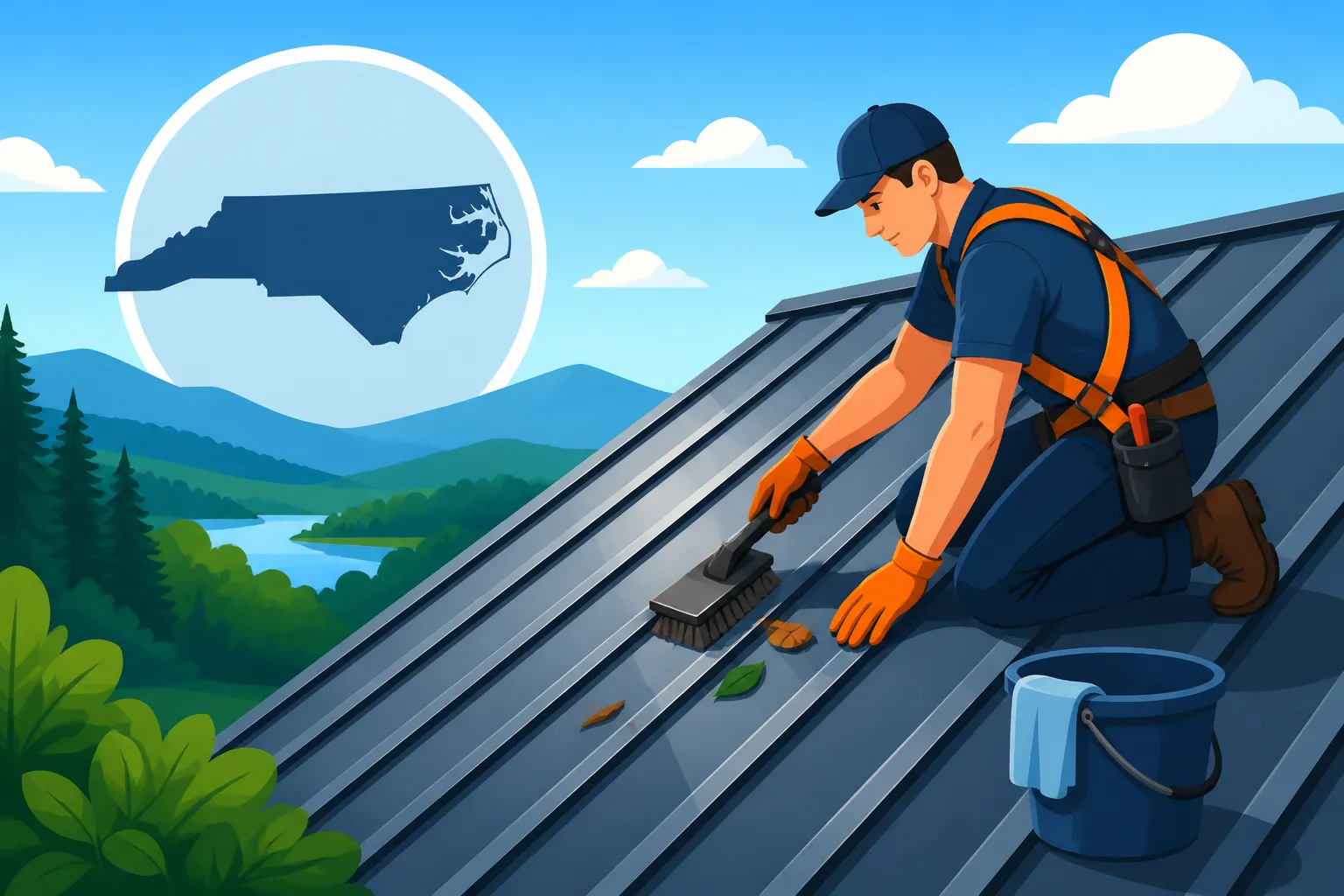
One of the easiest and most crucial steps is keeping your roof free of leaves, twigs, pine needles, and other debris. In a state with so many beautiful trees, this is a year-round job. Debris accumulation, particularly in valleys, behind chimneys, or near skylights, traps moisture and can lead to several problems. It creates a damp environment where moss, algae, and mildew can thrive, potentially staining your roof and even holding enough moisture to compromise coatings over time. More importantly, this debris can clog gutters and downspouts, preventing proper drainage. When gutters are blocked, water can back up, overflowing and running down your fascia boards, potentially causing rot and directing water directly to your home's foundation.
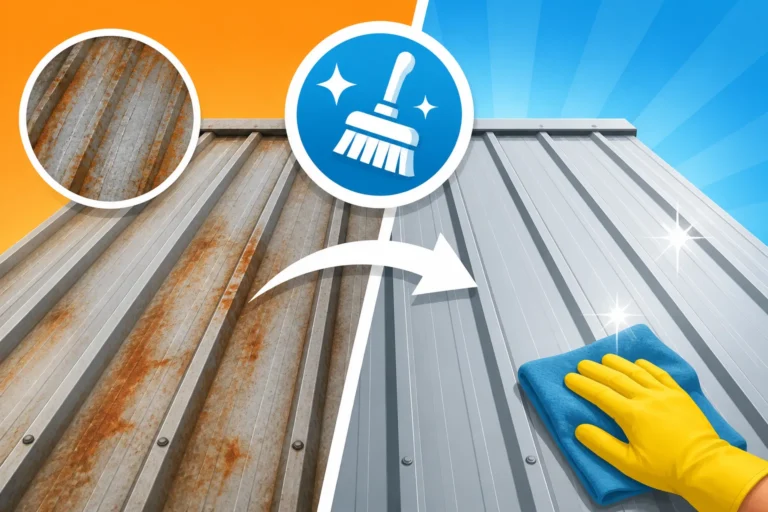
Regularly cleaning your gutters is a non-negotiable part of this process. If you have particularly tall trees, consider investing in gutter guards, but remember that even guards need occasional cleaning as small debris can still accumulate on top. For the roof itself, a soft-bristle brush and a garden hose are usually sufficient for general cleaning. Avoid pressure washers with too much force, as they can damage paint coatings or force water into seams. If you need to walk on your roof, always take extreme caution, wear soft-soled shoes, and be aware of proper safety protocols, especially on steeper pitches. If you're not comfortable with heights or don't have the right safety gear, consider hiring a professional for this task. You might want to refer to our guide on How to Clean a Metal Roof Safely for detailed steps.
Inspecting Fasteners, Flashing, and Sealants Regularly
This is where the rubber meets the road, quite literally. Over time, especially with our temperature fluctuations and wind events, the fasteners that hold your metal panels in place can loosen or the rubber washers beneath them can degrade. For exposed fastener systems, this is a common source of leaks. It's essential to perform a visual check at least once a year, preferably after a major storm or during your fall or spring cleaning. Look for any screws that appear raised, have damaged washers, or show signs of rust around the head. These are prime candidates for re-tightening or replacement. Our article on Why Is My Metal Roof Leaking Where the Screws Are delves deeper into this common issue.
Flashing, which is the metalwork around penetrations like chimneys, vents, skylights, and along the eaves and rake edges, is another critical area. This is often where leaks originate because these are complex transitions where water needs to be expertly diverted. Check for any signs of lifting, cracking, or damage to the flashing pieces themselves. Also, inspect any sealants or caulking used around flashing, vents, or seams. UV exposure and temperature changes can cause these materials to dry out, crack, or pull away, creating openings for water intrusion. If you spot any degradation, address it promptly. High-quality, UV-resistant sealants are key. For complex flashing issues, don't hesitate to consult a professional. A comprehensive Metal Roof Inspection: What to Check can help you systematically go through all these crucial points.
Identifying and Addressing Common Metal Roof Issues in North Carolina
Even with the best intentions and diligent maintenance, issues can arise. Knowing what to look for and how to respond quickly is key to preventing minor annoyances from escalating into major expenses.
Dealing with Leaks: From Fasteners to Flashing
Leaky roofs are every homeowner's nightmare, and while metal roofs are incredibly watertight when installed correctly, leaks can happen. In North Carolina, often the first culprit to check are the exposed fasteners. The rubber washers under the screw heads are designed to seal out water, but they have a finite lifespan. Sun exposure, temperature swings, and even the natural expansion and contraction of the metal panels can cause these washers to dry out, crack, or compress, losing their seal. If you see signs of water intrusion directly below where screws are located, a simple fix might be to replace the old screw with a slightly larger, self-sealing one, or to apply a specialized sealant designed for metal roofs around the existing fastener.
Another frequent source of leaks, especially in our heavy rain, is damaged or improperly installed flashing. Flashing directs water away from vulnerable areas like the base of chimneys, around vent pipes, and where different roof planes meet in a valley. If the flashing becomes bent, separated, or if the sealant used around it fails, water will find its way in. Metal Roof Leak Repair Guide can provide you with detailed instructions. For those living closer to the coast, salt corrosion can also weaken flashing over time. While some minor flashing repairs can be a DIY project for a handy homeowner, anything involving complex bends or multiple layers of flashing is often best left to experienced metal roofing professionals. They have the tools and expertise to ensure a watertight seal that will withstand our often-intense weather.
Rust, Corrosion, and Fading: Protecting Your Investment
Rust and corrosion are significant concerns, especially for steel-based metal roofs (like Galvalume or galvanized steel) in North Carolina's humid and sometimes coastal environment. While modern metal roofs come with advanced protective coatings and paint systems, scratches or prolonged exposure to moisture can lead to surface rust. This is particularly prevalent in coastal areas like the Outer Banks or Myrtle Beach, where salt-laden air can accelerate the process. If you spot isolated spots of rust, it's crucial to address them quickly before they spread. Often, this involves carefully cleaning the area, applying a rust-inhibiting primer, and then touching up the paint with a matching color. For larger areas or widespread corrosion, a full Repainting and Recoating a Metal Roof might be necessary.
Fading, or chalking, is another aesthetic issue caused by prolonged UV exposure. While it doesn't typically affect the roof's performance, it can certainly make your home look a bit tired. High-quality paint finishes like those from Sherwin-Williams or AkzoNobel are designed to resist fading for many years, but over decades, some degree of degradation is inevitable. Regular cleaning can help remove surface chalking and maintain color vibrancy. If fading is extensive and bothering you, a professional recoating service can restore the roof's appearance and add another layer of protection. This can be a cost-effective alternative to full replacement, breathing new life into your existing roof. For finding qualified professionals to handle such jobs, services like Modernize can help you connect with local contractors who specialize in metal roof restoration.
When to Call a Professional: Expert Help for Your Metal Roof in NC
While a lot of metal roof maintenance can be handled by an attentive homeowner, there are times when bringing in a seasoned professional isn't just a good idea, it's essential. Knowing when to pick up the phone can save you a world of trouble and expense in the long run.
The Value of Professional Inspections
Even if you're meticulously cleaning your gutters and keeping an eye out for obvious issues, a professional inspection offers a level of detail and expertise that most homeowners simply can't match. A qualified metal roofing contractor has specialized training and tools to spot subtle signs of wear, potential vulnerabilities, or early stages of damage that might be invisible to the untrained eye. They can identify issues like compromised underlayment, early signs of oil canning, proper ventilation problems, or potential fastener fatigue before they develop into serious leaks or structural damage. For homeowners in North Carolina, especially after a severe storm or hurricane, a post-storm professional inspection is invaluable. They can assess wind damage, hail impacts, or shifted panels that could compromise the integrity of your roof.
It's generally recommended to have a professional inspection every 3-5 years, or immediately after any significant weather event. Think of it like getting your car checked by a mechanic; preventative care is always cheaper than emergency repairs. A professional will often provide a detailed report, complete with photos, outlining any issues and recommending solutions. This comprehensive approach ensures your investment is protected and allows you to address problems proactively. If you're wondering How Often Should a Metal Roof Be Inspected?, this guide points to the benefits of regular professional oversight. To find a reputable local expert for your inspection, consider using platforms like Modernize to get quotes from vetted professionals.
Major Repairs, Installations, and Replacements
Some jobs are simply beyond the scope of DIY. If you're dealing with extensive panel damage from a falling tree, widespread corrosion that requires multiple panel replacements, or complex flashing repairs around a difficult architectural feature, it's time to call in the pros. Trying to tackle these types of repairs yourself without the proper training, equipment, and safety gear can lead to further damage to your roof, voiding warranties, or even personal injury. Metal roofing requires specific techniques for cutting, bending, sealing, and fastening to ensure a watertight and durable finish. A professional metal roofing contractor not only has the expertise but also the specialized tools, like seamers for standing seam roofs, that ensure the job is done right.
Furthermore, if your metal roof has reached the end of its life, or if you're considering replacing an old asphalt roof with metal, professional installation is non-negotiable. Proper installation is critical for the longevity and performance of a metal roof, especially in NC's climate. An expert will understand local building codes, ensure proper underlayment and ventilation, and correctly manage details like expansion and contraction of metal panels. When considering a full replacement, comparing your options, like Standing Seam Metal Roof Cost versus other profiles, will be much clearer with professional input. They can also help you understand your Metal Roof Warranties: Workmanship vs Manufacturer for both materials and installation, providing peace of mind for your significant investment. To explore your options and get detailed quotes for major repairs or installations, a service like Modernize can connect you with multiple qualified metal roofing companies in your area.
North Carolina Metal Roof Maintenance Checklist
To help you stay on top of your metal roof's health, here's a handy checklist tailored to our NC climate.
| Maintenance Task | Frequency | North Carolina Specific Consideration |
|---|---|---|
| Gutter & Downspout Cleaning | Quarterly or Bi-Annually | Essential due to high rainfall and abundant tree cover (pine needles!). Prevents water backup, especially important during hurricane season. |
| Surface Debris Removal | Quarterly or Bi-Annually | Crucial to prevent moisture trapping, mold/algae growth, and potential for accelerated corrosion, especially in humid regions. |
| Fastener Inspection | Annually & Post-Storm | Check for loose screws, degraded washers. High winds and temperature swings can stress fasteners. |
| Flashing & Sealant Check | Annually & Post-Storm | Inspect for cracks, separation, or lifting. Vital around chimneys, vents, and valleys due to heavy rains and potential wind uplift. |
| Panel Surface Inspection | Annually | Look for scratches, dents, or early signs of rust. Coastal areas are prone to salt corrosion; interior areas prone to hail damage. |
| Tree Trimming | As needed | Keep branches away from the roof to prevent abrasion, debris accumulation, and impact damage during storms. |
| Professional Inspection | Every 3-5 Years & Post-Hurricane | Expert eye to catch subtle issues, assess storm damage, and ensure long-term integrity against NC's varied climate. |
Disclaimer
Please note that this guide provides general information on metal roof maintenance. Specific conditions, local building codes, and individual product warranties may vary. Always consult with a qualified, licensed metal roofing professional for personalized advice and before undertaking any significant repairs or maintenance tasks. Safety should always be your top priority when working on or around your roof.