How to Maintain a Metal Roof in Texas
Living in Texas means enjoying wide-open spaces, diverse landscapes, and, let's be honest, some pretty intense weather that can put even the most resilient homes to the test. If you've invested in a metal roof, you've already chosen a durable, long-lasting solution, but thinking that it's completely "set it and forget it" would be a disservice to your investment. This guide is all about helping you understand the specific challenges Texas throws at your metal roof and giving you actionable steps to keep it looking great and performing flawlessly for decades.
Understanding Texas's Unique Climate Challenges for Metal Roofs
Texas isn't just one type of climate; it's a vast state with a range of weather patterns that can impact your metal roof differently from region to region. From the scorching summers of West Texas to the humid, stormy Gulf Coast, your roof faces a unique set of adversaries. Understanding these is the first step in creating an effective maintenance plan.
Intense Heat and UV Radiation
There's no sugarcoating it: Texas summers are brutally hot, and the sun's rays are relentless. This isn't just uncomfortable for us; it's a constant stressor on your metal roof. The intense ultraviolet (UV) radiation can slowly break down even high-quality paint coatings and sealants over time.
Think about a car left out in the Texas sun year after year – the paint eventually fades, peels, and loses its luster. The same process, albeit slower due to superior roofing materials, happens to your roof. This constant solar exposure leads to what roofers call "chalking," where the finish oxidizes and sheds a fine, powdery residue. While it's part of the natural aging process for most painted surfaces, excessive chalking can indicate that the protective coating is degrading, potentially exposing the underlying metal to elements it wasn't designed to withstand directly. Moreover, the extreme temperature swings from blistering daytime heat to cooler nights cause your metal panels to expand and contract. This isn't usually a problem for properly installed standing seam or screw-down systems, but over many years, it can put stress on fasteners and seams, potentially leading to issues down the line if not monitored.
Severe Weather Events: Hail, Wind, and Rain
Texas is no stranger to severe weather, and your metal roof is on the front lines, battling everything from baseball-sized hail to hurricane-force winds. These aren't just minor inconveniences; they pose real threats to your roof's integrity.
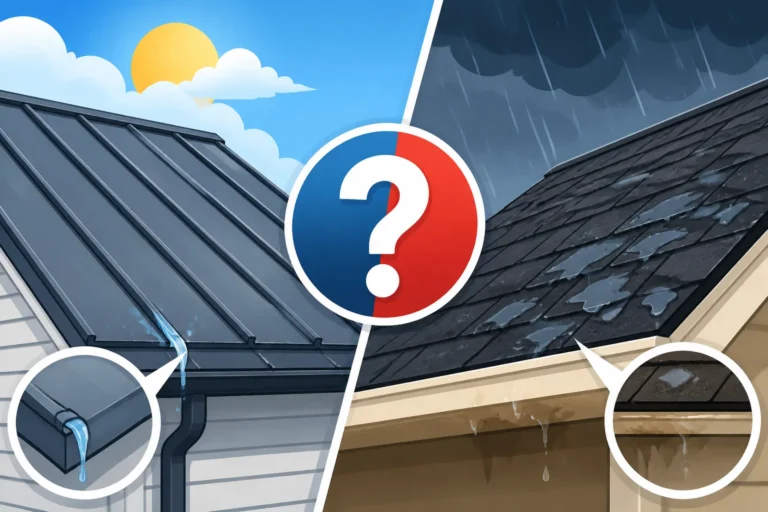
Hailstorms are particularly prevalent in regions like the Panhandle, North Texas (think Dallas and Fort Worth), and parts of Central Texas during spring storm season. While metal roofs are far more resistant to hail impact than traditional asphalt shingles (often qualifying for Class 4 impact resistance ratings), they aren't completely impervious. Large, hard hail can still cause cosmetic dents, especially on thinner gauge or softer metal panels like aluminum. More importantly, it can damage the protective paint coating, creating tiny fractures that might expose the underlying metal to moisture and the risk of rust. High winds are another major concern, especially along the Gulf Coast during hurricane season, but strong thunderstorms can produce damaging gusts anywhere in the state. Strong winds can lift panel edges, rip off trim pieces, or even loosen fasteners if they weren't installed correctly or have degraded over time. When heavy rain accompanies these storms, it can exploit any new vulnerabilities, leading to leaks. Keeping an eye on your roof after any major weather event is crucial, as even seemingly minor damage can escalate into bigger problems. To learn more about protecting your roof from severe weather, you might want to read our guide on Metal Roof Storm, Hail & Wind Damage.
Humidity and Its Impact
While West Texas might be known for its dry heat, much of the rest of the state, particularly East Texas and the entire Gulf Coast, experiences significant humidity levels. This constant moisture in the air creates an environment where certain issues can thrive, even on a durable metal roof.
High humidity, coupled with shade from trees or poor ventilation in the attic, can lead to the growth of mold, mildew, and algae on your roof's surface. While these usually don't compromise the structural integrity of the metal itself, they can discolor the roof, making it look dirty and detracting from its curb appeal. More critically, persistent moisture can contribute to corrosion, especially if the protective coating is compromised by scratches or other damage. For example, areas where debris accumulates, trapping moisture against the metal, are prime spots for rust to begin. Proper attic ventilation is also key in humid climates to prevent condensation from forming on the underside of your metal panels, which can lead to moisture issues within your attic and potentially on the metal itself over time.
Essential Routine Maintenance Practices
Proactive maintenance is your best defense against Texas's challenging climate. By performing regular checks and cleanings, you can catch minor issues before they become major headaches, saving you money and stress in the long run.
Regular Cleaning and Debris Removal
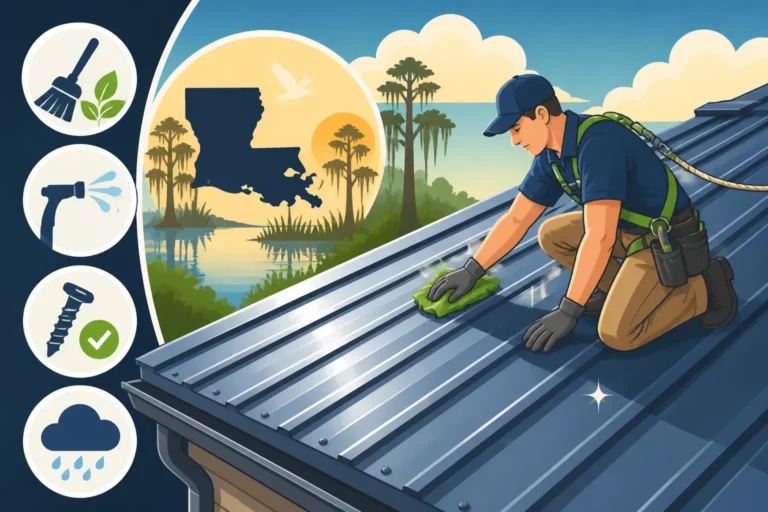
It might seem simple, but keeping your metal roof clean and free of debris is one of the most effective maintenance tasks you can perform. Ideally, you should aim for a thorough cleaning twice a year – perhaps in late spring after pollen season and again in late fall once most leaves have dropped. However, after any major storm, it's a good idea to quickly survey your roof for new accumulations.
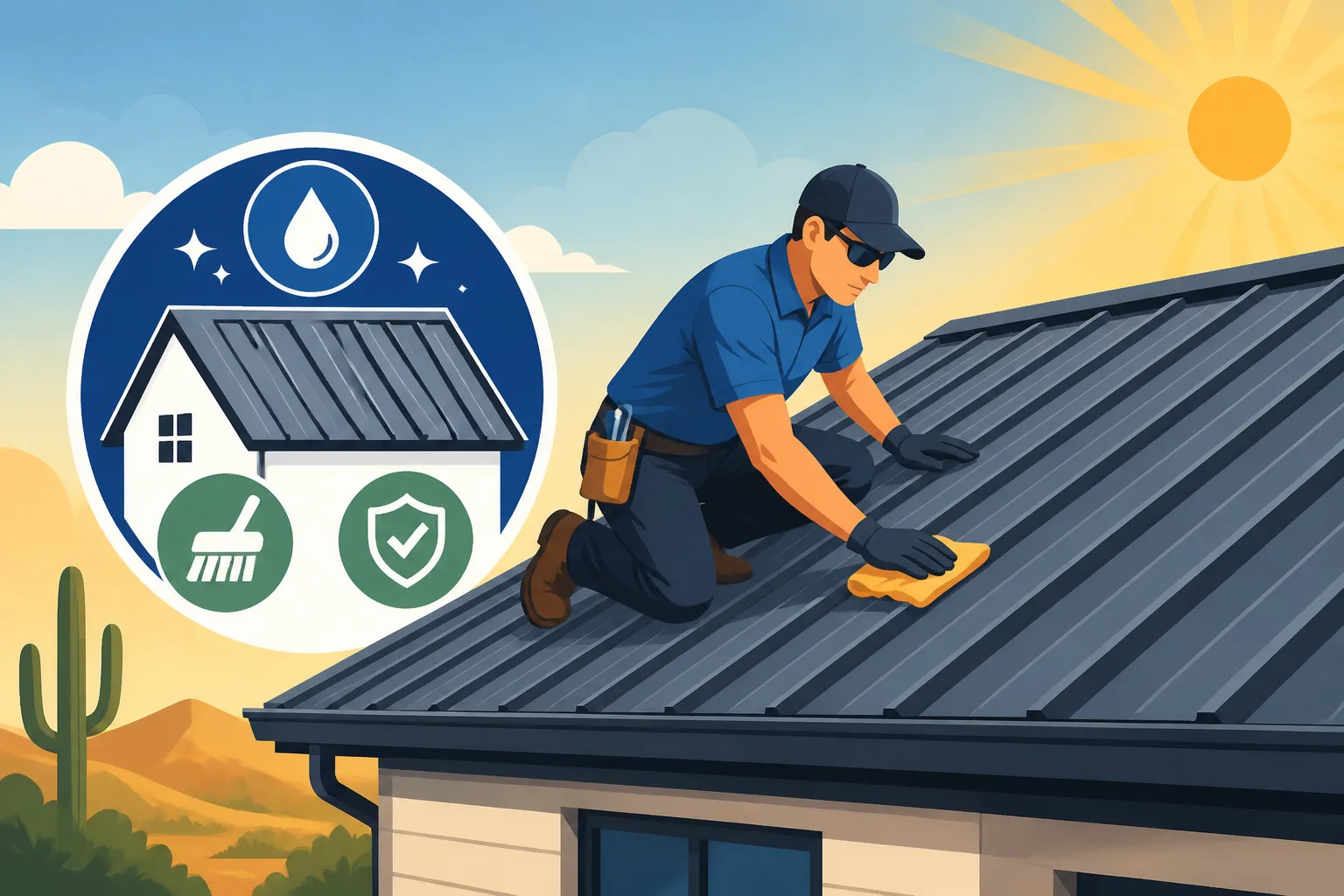
Look out for leaves, twigs, pine needles, and any other organic matter that can gather in valleys, around chimneys, skylights, and in your gutters. When this debris sits on your roof, especially in damp conditions, it can trap moisture against the metal, creating an ideal environment for mold, mildew, and even corrosion. It can also scratch the protective coating as it gets blown around by wind. When it comes to cleaning, think gentle. A soft-bristled brush, mild dish soap, and a garden hose with low to moderate pressure are usually all you need. Always start at the top of the roof and work your way down, rinsing thoroughly. A word of caution: avoid high-pressure washers, as they can damage the paint finish, blast water under seams, and void your warranty. If you’re unsure how to safely walk on your metal roof or reach certain areas, don't hesitate to call a professional.
Fastener and Sealant Inspection
One of the most common culprits for metal roof leaks, especially in exposed fastener systems, are the fasteners themselves. The rubber washers beneath the screw heads can degrade over time due to UV exposure and temperature fluctuations, losing their elasticity and creating pathways for water.
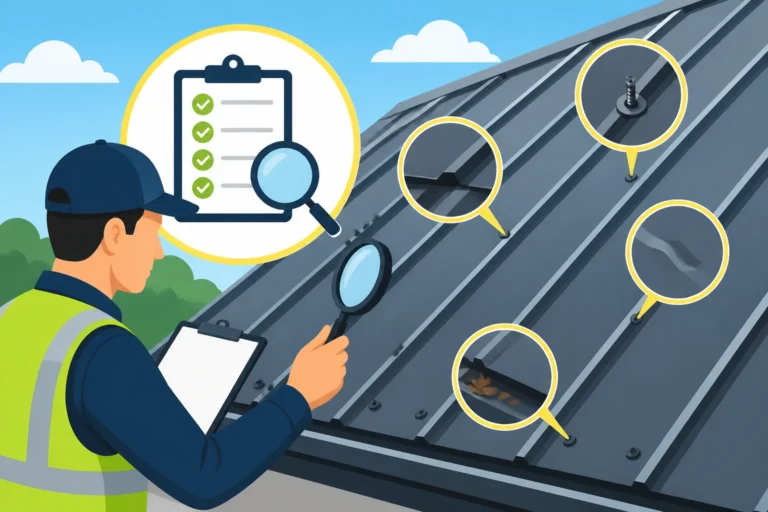
You should inspect all visible fasteners for signs of wear: are any missing? Are the rubber washers cracked, dry, or shrinking? Are any screws backing out or appearing loose? If you have an exposed fastener system, this is a critical check. For concealed fastener systems, like standing seam roofs, the fasteners are hidden, but you should still pay close attention to any visible seams, clips, and where panels meet flashing. Similarly, examine all sealants around roof penetrations like pipes, vents, skylights, and along the eaves. Look for any signs of cracking, peeling, or shrinkage. These flexible sealants are designed to move with your roof, but they have a finite lifespan and will eventually degrade. A small crack in a sealant might not seem like much, but it's an open invitation for water to seep under your panels and into your home. Promptly replacing or resealing these areas can prevent costly leaks down the line. If you're encountering issues with leaks around fasteners, our article on Why Is My Metal Roof Leaking Where the Screws Are offers valuable insights, and you might also find our guide on the Best Sealant for Metal Roof Leaks helpful.
Coating and Paint Finish Check
The factory-applied coating on your metal roof isn't just for aesthetics; it's a crucial layer of protection against UV rays, moisture, and corrosion. Over the years, especially under the intense Texas sun, this coating will naturally age.
Regularly check your roof for signs of fading, chalking (that powdery residue we talked about), and any areas where the paint might be chipping, peeling, or showing scratches. While minor chalking is normal, extensive or uneven chalking can indicate that the coating's protective qualities are diminishing. Scratches, whether from falling branches or foot traffic, are particularly concerning because they expose the bare metal beneath, leaving it vulnerable to rust. If you find small scratches or areas of wear, touch-up paint specifically designed for metal roofing can be applied. For larger areas of significant fading or wear, you might consider a professional recoating. Brands like AkzoNobel with their CERAM-A-STAR® 1050 coatings or PPG with their Duranar® finishes are known for their durability and color retention, which is vital in Texas climates. Maintaining this protective layer is key to extending the life of your roof and preventing more serious issues.
Addressing Specific Texas Metal Roof Problems
Texas weather can present unique challenges, and being aware of specific issues and how to tackle them can save your metal roof from premature wear and tear.
Preventing and Treating Rust and Corrosion
Even though modern metal roofs are engineered for exceptional rust resistance, no material is entirely immune, especially when its protective layers are compromised. The combination of intense heat, humidity, and occasional damage means rust and corrosion are real concerns for Texas homeowners.
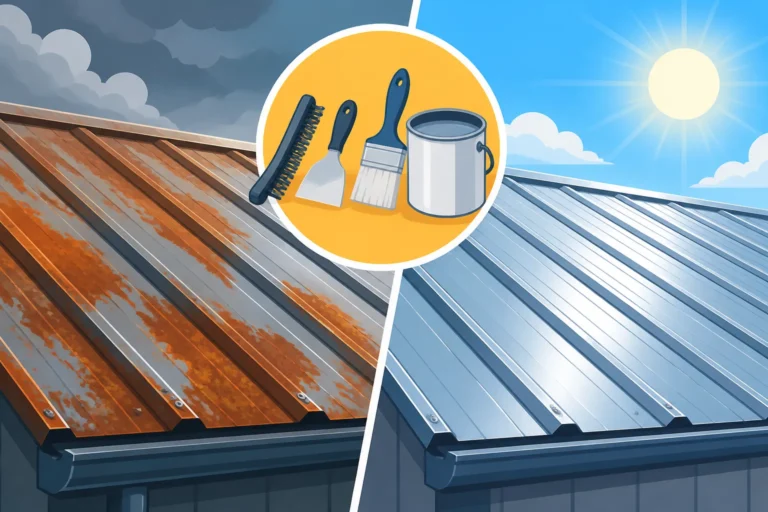
Most residential metal roofs in Texas are made from galvanized steel (steel coated with zinc) or Galvalume (steel coated with aluminum and zinc), both of which offer excellent corrosion resistance. However, if a scratch penetrates through these coatings, exposing the raw steel underneath, or if debris consistently traps moisture in one spot, rust can begin to form. This is why addressing scratches and keeping the roof clean is so important. When rust does appear, it typically starts as small, reddish-brown spots. For minor surface rust, you can often treat it with a rust converter product, followed by a suitable primer and touch-up paint. More extensive rust, especially if it's pitting the metal, might require panel replacement or professional restoration. The key is early detection and intervention. Our detailed guide on Metal Roof Rust and Corrosion Treatment provides in-depth strategies for dealing with this common issue.
Managing Hail and Wind Damage
Given the frequency of severe storms in Texas, understanding how to manage potential hail and wind damage is paramount. While metal roofs excel in these conditions, they still require attention after a major weather event.
After a hailstorm, inspect your roof for dents. While small dents are usually cosmetic and won't affect performance, larger, deeper dents can sometimes compromise the coating or create areas where water might pool. High winds, particularly prevalent during thunderstorms or tropical systems, can cause more structural damage. Look for lifted panels, bent edges, torn flashing, or loosened trim pieces. Pay special attention to the eaves, gables, and around any roof penetrations. If you notice any of these signs, it's crucial to call a qualified roofing professional for a thorough inspection. They can assess the extent of the damage, determine if it impacts the roof's integrity, and advise on necessary repairs. Many reputable roofing contractors, like those you can find through Modernize, are well-versed in handling storm damage claims and can help you navigate the process. Remember, prompt action after a storm can prevent small problems from escalating into significant, costly repairs or leaks inside your home.
Mitigating Heat-Related Issues
The relentless Texas heat doesn't just impact your roof's coatings; it also affects the metal panels themselves through thermal expansion and contraction. While metal is designed to flex with temperature changes, consistent extreme heat can exacerbate certain issues.
One phenomenon you might notice, particularly with wider, flatter metal panels, is "oil canning." This is a visual waviness or distortion in the flat area of a metal panel, often caused by stresses from manufacturing, installation, or thermal movement. While usually aesthetic and not a structural or performance issue, it can be more pronounced in extreme heat. Choosing lighter-colored metal roofs can significantly help mitigate heat buildup by reflecting sunlight rather than absorbing it. A light gray, white, or even certain blues can make a big difference, not just for your roof's longevity but also for your home's energy efficiency. These lighter colors and highly reflective coatings, often with ENERGY STAR ratings, help keep your attic and home cooler, reducing your cooling costs during those long Texas summers. If you're curious about how metal roofs handle the heat, our article Will a Metal Roof Make My House Hotter? offers more detailed information.
Professional Inspections and When to Call an Expert
While regular homeowner checks are invaluable, there are times when you absolutely need the eyes and expertise of a seasoned professional. Knowing when to call in the cavalry can make all the difference in maintaining your metal roof in Texas.
The Value of Routine Professional Inspections
Even the most diligent homeowner can miss subtle signs of wear or damage that a professional metal roofing contractor would immediately spot. This is why scheduling routine professional inspections is a wise investment, especially in a state like Texas, where weather conditions are often extreme and unpredictable.
Aim for an annual inspection, ideally after the peak storm season in late spring or early summer, or perhaps another check in the fall before winter sets in. During a professional inspection, experts will meticulously examine your entire roof system. They look beyond the obvious, checking the integrity of all flashings, the condition of the underlayment (if accessible), the proper functioning of your ventilation system, and the state of your gutters and downspouts. They can identify potential issues like subtle seam separations, hidden corrosion in less visible areas, or worn-out pipe boots that might be on the verge of leaking. A professional can also advise on necessary maintenance, such as resealing specific areas or recommending minor repairs, preventing these small problems from escalating into costly structural damage or widespread leaks. Think of it as a preventative health check for your roof – catching potential problems early can save you a significant amount of money and headache down the road. Our guide on Metal Roof Inspection: What to Check offers a deeper dive into what a professional inspection entails.
Finding a Reputable Texas Metal Roofing Contractor
When it's time for an inspection or repair, choosing the right contractor is paramount, especially for a specialized product like a metal roof. Not all roofers are equally skilled in metal roofing systems.
Start by looking for contractors who specialize in metal roofing and have extensive experience specifically in Texas. This local expertise means they understand the unique building codes, weather challenges, and material preferences for the region. Always verify their licensing and insurance to ensure they are properly covered and legitimate. You can often check licensing through state or local contractor boards. Don't hesitate to ask for references and look for reviews on platforms like Google, Yelp, or even industry-specific sites. A good contractor will have a solid track record and be transparent about their experience. Furthermore, getting multiple quotes is always a good idea. This allows you to compare not just prices, but also the scope of work, materials proposed, and the overall professionalism of different companies. Services like Modernize can be incredibly helpful in connecting you with vetted, local metal roofing contractors who can provide estimates and perform the necessary maintenance or repairs. Asking specific questions, such as "What certifications do you hold from metal roofing manufacturers?" or "How do you handle expansion and contraction in your installations?" can also help you gauge their expertise. Our article How to Find a Metal Roofing Contractor in Texas offers even more tips on selecting the best professional for your needs, and you might also find value in Questions to Ask a Metal Roofing Contractor Before You Hire.
Understanding Warranties and Maintenance Records
Your metal roof is a significant investment, and its warranty is a crucial document protecting that investment. However, warranties aren't just a "get out of jail free" card; they often come with important stipulations, especially concerning maintenance.
It’s essential to thoroughly read and understand both your manufacturer's warranty (covering the materials and their finishes) and your contractor's workmanship warranty (covering the installation). Many manufacturers stipulate that proper, regular maintenance is required to keep your warranty valid. Neglecting routine cleaning, inspections, and minor repairs could potentially void parts of your warranty if an issue arises that could have been prevented by proper care. Therefore, keeping detailed records of all maintenance performed, including dates, what was done, and by whom, is incredibly important. This includes DIY cleanings, professional inspections, and any repairs. Retain copies of invoices, inspection reports, and any communication with your roofing contractor. These records serve as proof of your due diligence and can be invaluable if you ever need to file a warranty claim. Understanding the specifics of your coverage, including what's typically excluded (like cosmetic hail damage for some policies), will also help you set realistic expectations for your roof's long-term protection. You can explore this topic further in our guide on Metal Roof Warranties Workmanship vs Manufacturer.
Texas Metal Roof Maintenance Checklist
To help you keep track, here's a handy table outlining key maintenance tasks tailored for Texas homeowners.
| Maintenance Task | Frequency | Texas-Specific Considerations |
|---|---|---|
| Clear Debris & Gutters | Bi-annually (Spring & Fall), or after major storms | Check more frequently if surrounded by oak or pecan trees. High winds can carry debris from far away. Humid conditions (East TX) make debris-trapped moisture worse. |
| Inspect Fasteners & Sealants | Annually | Intense UV and extreme temperature swings can degrade rubber washers and sealants faster. Focus on areas with direct, prolonged sun exposure. Coastal areas may see accelerated corrosion on exposed fasteners. |
| Check for Scratches & Dents | Annually, and after every major hailstorm | Texas is a hail-prone state. Even Class 4 metal roofs can show cosmetic dents from large hail. Promptly touch up paint on scratches to prevent rust, especially in humid regions. |
| Evaluate Coating/Paint Finish | Annually | High UV exposure leads to chalking and fading. Look for excessive chalking or peeling. Lighter colored roofs may show less visible degradation but still need inspection. |
| Inspect Flashings | Annually | Crucial around chimneys, skylights, and valleys. High winds and thermal expansion/contraction can stress these critical junctions. Look for lifting, bending, or sealant failure. |
| Professional Inspection | Every 1-3 years, or after severe storms | Essential for identifying subtle issues, especially after a strong hurricane, tornado, or significant hailstorm. A local expert understands regional vulnerabilities and codes. Use services like Modernize to find qualified professionals. |
| Check Ventilation | Annually | Proper attic ventilation is critical to manage heat buildup and prevent condensation under panels, especially in humid Texas climates. Blocked vents can lead to internal moisture issues. |
Conclusion
Maintaining a metal roof in Texas means being proactive and understanding the unique challenges that the state's diverse and often extreme weather presents. It's not about constant worry, but rather consistent, informed care. By regularly cleaning, inspecting fasteners and sealants, checking your roof's protective coating, and addressing potential issues like rust, hail damage, or heat-related stress, you're not just performing tasks – you're actively extending the lifespan of your roof and safeguarding your home. Don't underestimate the value of professional inspections and always keep detailed records; these steps ensure your investment remains protected for decades to come, providing peace of mind under the big Texas sky.
Disclaimer
Please note that this guide provides general information for metal roof maintenance in Texas. Specific situations may vary based on your roof's material, age, installation, and local conditions. Always consult with a qualified, licensed, and insured metal roofing professional for personalized advice and before undertaking any significant repairs or maintenance work.