Why Does My Metal Roof Leak Only Sometimes?
There’s nothing quite as frustrating as a roof that sometimes leaks. You’re not dealing with a constant drip that you can immediately pinpoint and fix. Instead, it’s a phantom menace – appearing after a specific storm, during a certain type of rain, or when the wind hits just right, only to vanish when you go looking for it. This guide is here to demystify those elusive, intermittent metal roof leaks, helping you understand their sneaky origins and, more importantly, how to finally put a stop to them.
The Frustration of Intermittent Metal Roof Leaks
Let's be real: a constant leak, while alarming, is often easier to diagnose. You see the water, you trace it back, and you get it fixed. But an intermittent leak? That’s a whole different beast. It’s like your roof is playing hide-and-seek, and it only comes out to reveal itself under very specific, and often maddeningly inconsistent, conditions. This uncertainty is enough to drive any homeowner crazy, creating a constant low hum of anxiety every time the weather turns.
Why "Sometimes" is the Trickiest Part
The "sometimes" aspect of a leak is arguably the most challenging part of metal roof repair. It means you can have a perfectly dry attic during a week of typical rain, only to find a water stain spreading after a particularly blustery afternoon storm. This inconsistency makes it incredibly difficult to pinpoint the exact source, because the evidence often disappears by the time you're able to investigate thoroughly. You might convince yourself it was a one-off, only for it to reappear weeks later, reinforcing that nagging worry.
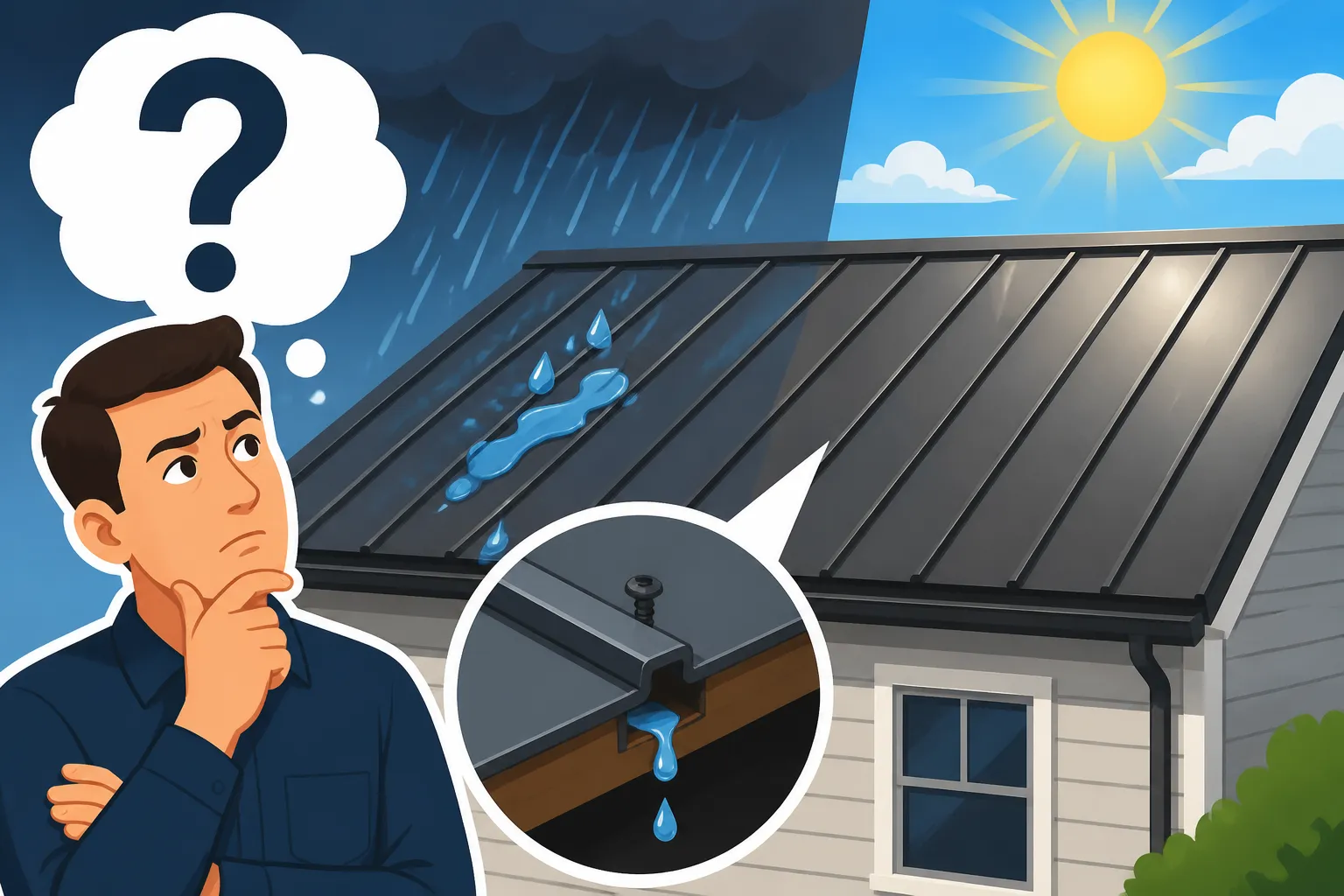
Imagine this scenario: a torrential downpour hits, and you brace yourself, running to check the usual spots, but everything seems fine. Then, a few days later, a gentle, all-day drizzle occurs, and suddenly, there's a drip in the guest bedroom. It defies logic, right? This is because different types of rain, wind direction, and temperature fluctuations can activate different vulnerabilities in your metal roof, making the problem sporadic and incredibly hard to predict or replicate on demand.
The psychological toll of an intermittent leak is also significant. You might hesitate to make repairs because you're not entirely sure what needs fixing, or you've had contractors come out who couldn't find the source. This can lead to a cycle of postponing necessary work, increasing the risk of more significant, long-term damage to your home’s structure and interior, all because the leak is so elusive.
Common Misconceptions About Metal Roof Leaks
One of the biggest myths floating around is that "metal roofs don't leak." While metal roofs are incredibly durable and long-lasting, lasting upwards of 40-70 years, they are not impervious to leaks. Any roofing system, if not installed correctly or maintained over time, can develop problems. Thinking your metal roof is impenetrable can lead to a false sense of security, causing you to overlook early warning signs that could prevent a small, intermittent drip from becoming a major issue.
Another common misconception is that a leak must be due to a massive, obvious hole or tear in the roof. In reality, most intermittent metal roof leaks stem from tiny, almost imperceptible issues. We're talking about a microscopic crack in a sealant bead, a fastener that has backed out just a fraction of an inch, or a flashing component that has slightly shifted. These minute imperfections are often only exposed under specific environmental pressures, making them difficult to spot with the naked eye during a casual inspection.
People also often assume that leaks only happen during heavy downpours. While intense rain can certainly expose weaknesses, some metal roof vulnerabilities are more susceptible to prolonged, lighter rain, or even wind-driven moisture. The way water travels across the complex planes of a metal roof, especially one with a low slope or intricate architectural features, means that the most obvious leak isn't always from the most obvious source. Understanding these nuances is key to finally addressing the problem.
Environmental Factors That Trigger Sporadic Leaks
The weather plays a starring role in the sporadic nature of many metal roof leaks. It’s not just about how much rain falls, but how it falls, the direction it comes from, and the temperatures before, during, and after a storm. These environmental variables can create unique conditions that reveal weaknesses in your roof that might otherwise remain hidden.
Wind-Driven Rain and Directional Leaks
Wind-driven rain is a prime suspect when it comes to intermittent leaks. Unlike vertical rainfall that simply cascades down your roof, strong winds can force water horizontally, or even upwards, into areas that are usually protected from direct precipitation. This means that a seam or flashing component that performs perfectly well during a calm rain shower might fail spectacularly when strong gusts from a particular direction push water underneath or into a slight gap.
Certain vulnerabilities are particularly susceptible to wind-driven rain. Overlap seams on exposed fastener panels, for instance, or the edges of trim pieces around dormers or skylights, can become entry points. If the prevailing winds in your area typically come from the west, you might only experience leaks during significant storms that bring strong westerly winds, leaving your roof seemingly leak-free during storms from other directions. It’s a game of angles and pressure that most homeowners rarely consider.
A real-life example might be a homeowner in coastal North Carolina whose metal roof only leaks during strong nor'easters, but remains dry through summer thunderstorms. The sustained, driving winds from the northeast in those specific storms can exploit a minute flaw in a north-facing gable flashing that is otherwise perfectly fine. The key here is observation: note the wind direction and intensity when a leak occurs. This data can be invaluable for you or a professional when trying to locate the source. For more on how weather affects your roof, check out Metal Roof Storm, Hail & Wind Damage.
Ice Dams and Freeze-Thaw Cycles
While metal roofs are generally excellent at shedding snow, they are not entirely immune to the issues that can arise from ice and snow accumulation, particularly ice dams. An ice dam forms when snow on the warmer parts of the roof melts, runs down to the colder eaves, and then refreezes, creating a barrier of ice. This barrier prevents subsequent meltwater from draining off the roof, causing it to pool behind the dam and potentially back up under the metal panels.
The intermittent nature of ice dam leaks comes from the specific conditions required for their formation and subsequent melting. You need sufficient snowfall, followed by a period where the sun or heat loss from the attic melts the snow, and then freezing temperatures at the eaves for the water to refreeze. The actual leak might only appear during the thawing phase, when the backed-up water finally finds a way through a seam or fastener hole, only to disappear once the ice melts completely.
The pressure exerted by a significant ice dam can be immense, forcing water into areas that would normally be watertight. This process, known as ice damming, often creates leaks that manifest far from the actual ice dam, sometimes traveling along the roof decking or framing before dripping into your living space. If you live in an area with harsh winters and experience leaks only during specific winter thaws, ice dams could be your culprit.
Heavy Rainfall vs. Prolonged Drizzle
It might seem counterintuitive, but sometimes the most intense downpours aren't the only, or even primary, cause of intermittent leaks. While heavy rain can certainly test the immediate integrity of sealants and flashing, sometimes it’s the prolonged, steady drizzle that reveals different types of vulnerabilities. Each scenario stresses your roof in unique ways, leading to sporadic leaks.
Heavy rainfall, especially when combined with wind, can overwhelm a roof’s drainage system. Gutters might overflow, or water might pool in areas not designed for such volumes. This can lead to water pushing past seals or finding minor gaps that wouldn't be an issue during lighter rain. For example, a sudden, heavy deluge might cause water to splash up under an eave or into a poorly sealed vent stack that would otherwise stay dry.
On the other hand, prolonged, lighter rainfall can allow for capillary action to draw water into tiny gaps that would usually repel it. This slow saturation can also reveal issues with a compromised underlayment. A small tear or poorly sealed section of underlayment might not let water through during a quick shower, but over several hours of continuous moisture, it could become saturated and start dripping. It’s a slower, more insidious form of water ingress, often leading to those frustrating "I don't know why it's leaking now" moments.
Installation and Material-Related Culprits
Even with the best weather, issues related to how your metal roof was installed or the materials used can definitely lead to those frustrating on-again, off-again leaks. Metal roofing is a precise science, and any shortcut or oversight during the installation process can create a ticking time bomb for future water intrusion.
Expansion, Contraction, and Fastener Issues
One of the most defining characteristics of metal roofing is its thermal movement. Metal panels naturally expand when heated by the sun and contract when temperatures drop. This constant movement, while accounted for in proper installation, can exert significant stress on the entire roofing system over time, particularly on fasteners and seams. This is a common reason for leaks that only appear under specific temperature conditions or after a certain amount of wear.
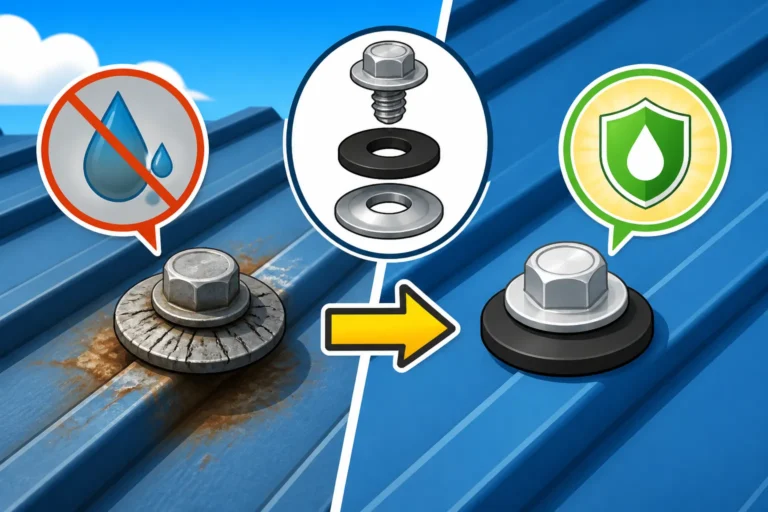
Over the years, this continuous expansion and contraction can cause fasteners to "back out" slightly from the roof deck. Even a minuscule lifting of a screw head can compromise the watertight seal of its neoprene washer, creating a pathway for water. These washers, critical for preventing leaks at fastener points, also degrade over time due to UV exposure and thermal cycling. Once they crack or lose their elasticity, they become ineffective, allowing water to seep in, especially when driven by wind or pooling. For more on this, check out Metal Roof Fastener Washer Replacement.
Similarly, sealants used at panel overlaps, flashing, and penetration points are also under constant stress from thermal movement. Over time, these sealants can dry out, crack, or pull away from the metal, creating tiny fissures that are only exposed when water finds its way to that specific spot under certain conditions. You might not see a leak during a dry spell, but a long, cold winter followed by a warm spring rain can make these cracks expand just enough to let water through.
Flashing and Trim Detachment
Flashing is the unsung hero of a watertight roof, providing critical protection around edges, valleys, chimneys, skylights, and any other penetration in your roof. If flashing is not perfectly installed, sealed, or if it detaches slightly over time, it becomes a prime candidate for intermittent leaks. These are often the spots where water is diverted and concentrated, making any flaw particularly problematic.
Wind is a major culprit in flashing detachment. Strong gusts can lift or subtly bend a piece of flashing that has become loose, creating a temporary gap. Water can then be forced into this gap, causing a leak that might only occur when the wind comes from a particular direction and is strong enough to create that momentary opening. Once the wind dies down, the flashing settles back into place, and the leak disappears, leaving you scratching your head.
There are various types of trim and flashing, from drip edges to valley flashings, and each has its own vulnerabilities. For instance, a small, unsealed seam in a valley flashing might not leak during a light rain but will fail when a deluge sends a high volume of water rushing through it. Knowing the common problem areas for these components can help narrow down the search for that elusive drip. For a deeper dive into these components, consider reading Metal Roof Trim and Flashing Cost and Metal Roof Components & Accessories Explained.
Underlayment Compromises
Think of your metal roof’s underlayment as its backup plan – a crucial secondary barrier that protects your home if any water manages to get past the metal panels themselves. However, if this underlayment is compromised, whether through improper installation, accidental damage, or natural degradation, it too can become a source of intermittent leaks. The leaks become sporadic because the underlayment might only fail when specific conditions allow water to truly challenge its integrity.
During installation, the underlayment can be inadvertently torn or punctured by foot traffic, tools, or even debris before the metal panels are laid. These small breaches might not immediately cause a leak, especially if they are small and water has to travel a specific path to reach them. They typically manifest as leaks when there’s prolonged rain, heavy water flow, or when water is somehow forced into that particular area, such as during an ice dam event.
Over many years, even high-quality synthetic underlayments can degrade, particularly around fasteners or seams if they weren't adequately sealed. A minor tear or a patch where the underlayment has pulled away from the decking might only allow water through when it becomes fully saturated. This means your roof might stay dry for most storms but develop a leak during an extended period of heavy rain that allows water to pool on the underlayment long enough to seep through. For a comprehensive look at this vital layer, refer to Metal Roof Underlayment and Ventilation Guide.
Identifying and Addressing Sporadic Leaks
When your metal roof is leaking only sometimes, finding the source feels like finding a needle in a haystack. It requires patience, keen observation, and sometimes, a little help from the pros. Don't throw in the towel; there are systematic ways to tackle this issue.
The Water Test: A Double-Edged Sword
One of the most common DIY methods to find an elusive leak is the water test. This involves getting a helper and a garden hose, with one person on the roof applying water and the other inside watching for drips. The trick is to apply water slowly and systematically, starting at the lowest point of the roof and gradually moving upwards, saturating small sections at a time for several minutes. Be patient and wait for the leak to show itself indoors.
It's crucial to mimic the conditions that trigger the leak as much as possible. If the leak typically occurs during wind-driven rain from the west, try to spray water towards the suspected area at an angle, simulating that pressure. Pay close attention to penetration points like vents, chimneys, and skylights, as well as seams and flashing. Having a communication system (like walkie-talkies or cell phones) between the person on the roof and the person inside is absolutely essential for accurate timing.
However, the water test can be a double-edged sword. If the leak doesn't show up during your test, it doesn't necessarily mean the problem is gone or that you’ve fixed it. It could mean you haven't replicated the exact conditions, or the water needs more time to travel through the roof structure. This can lead to false confidence or increased frustration, making you feel like the leak is truly a phantom. Never assume "no leak found" means "no leak exists" if you still have concerns.
Professional Inspection and Diagnosis
When your DIY water test yields no results, or if you’re simply uncomfortable scaling your roof, it’s time to call in a professional. Expert metal roofing contractors have specialized knowledge and tools to diagnose elusive leaks. They understand the intricacies of metal roof systems, including thermal expansion, different panel profiles, and specific flashing details that an average roofer might overlook. To find a reputable contractor, you can use services like Modernize, which connects homeowners with qualified professionals in their area.
Professionals often employ advanced techniques that go beyond a simple garden hose test. They might use infrared cameras to detect subtle temperature differences caused by moisture trapped within the roof assembly, even when it's not actively dripping. Some might use smoke tests, where non-toxic smoke is introduced into the attic and observed for signs of escape through roof penetrations or seams, indicating a breach. Their experience allows them to systematically eliminate potential sources based on your description of when and how the leak occurs.
Choosing a contractor who specializes in metal roofing is paramount. They’re familiar with the unique challenges of materials like steel, aluminum, and copper, as well as different installation methods like Standing Seam vs Corrugated Metal Roof systems. They’ll also know what questions to ask to truly understand your specific situation. Don't be afraid to ask about their experience with metal roofs and specific leak detection methods when you're interviewing them. You want someone who truly understands how metal roofs work, not just any roofer. You can also review our guide on How to Hire a Metal Roofing Contractor for more insights.
Common Repair Strategies for Intermittent Leaks
Once the source of your intermittent leak has been identified, the good news is that many solutions are fairly straightforward. Often, it involves addressing the specific points of failure caused by thermal movement or weather exposure. Getting the right fix in place quickly can prevent further damage and restore your peace of mind.
Common repair strategies often include tightening or replacing loose fasteners. This involves carefully removing the old fastener and its compromised washer, cleaning the area, and then installing a new, high-quality screw with a fresh, durable neoprene washer, ensuring it’s torqued correctly. For areas where sealants have cracked or pulled away, reapplying specialized, flexible sealants is key. Urethane-based or high-quality silicone sealants designed for metal are often used, as they can withstand the constant expansion and contraction of the panels. See our guide on How to Fix a Leaking Metal Roof for more details.
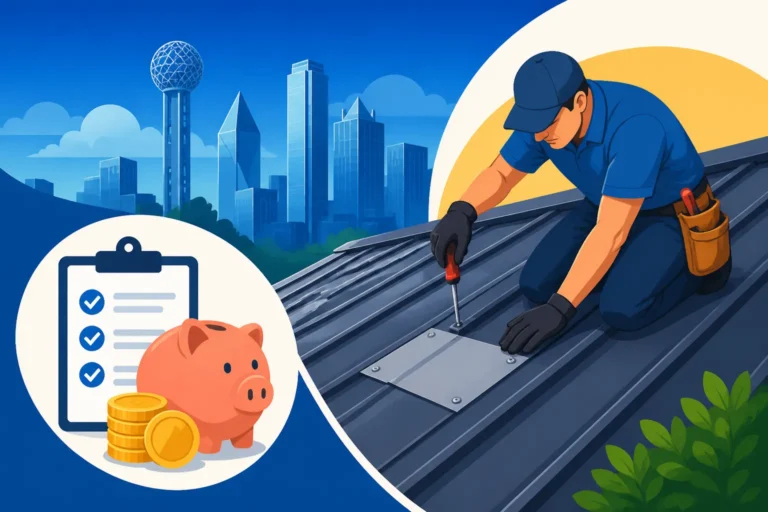
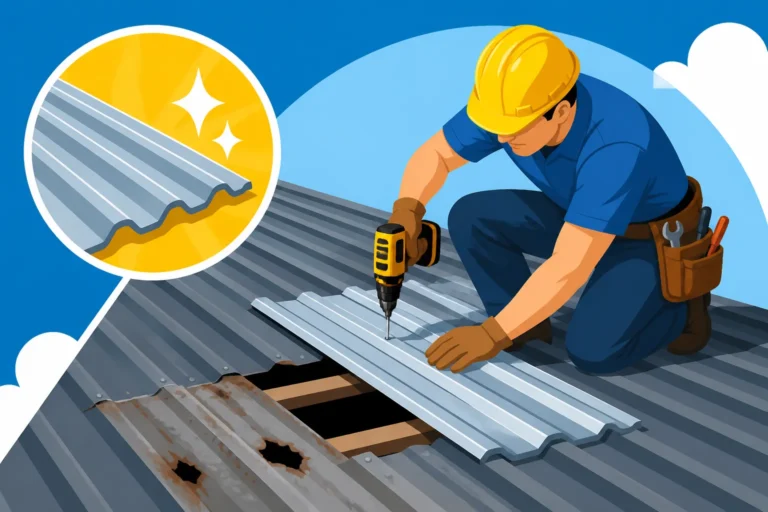
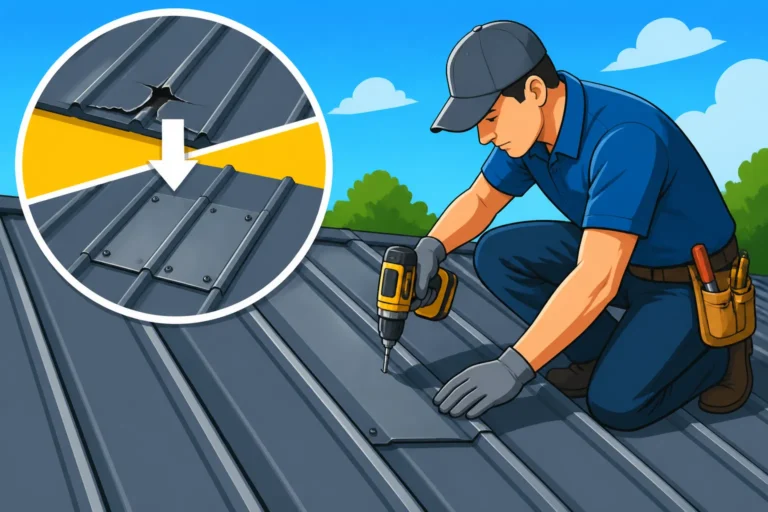
In cases where flashing or trim has detached or corroded, the solution might involve refastening it securely, resealing its edges, or, if the damage is significant, replacing the damaged section of flashing entirely. Sometimes, small holes or punctures in a panel can be repaired with specialized patches and sealants, while more extensive damage might necessitate replacing an entire metal roof panel. Always ensure that any repair work matches the existing materials and is done with longevity in mind, using materials designed to stand up to the elements and the unique movement of metal.
Proactive Measures to Prevent Future Intermittent Leaks
While dealing with an existing leak is stressful, taking proactive steps can significantly reduce the chances of ever having to deal with that frustrating "sometimes" leak again. Investing a little time and care into your metal roof can extend its lifespan and keep your home dry for decades.
Regular Maintenance and Inspections
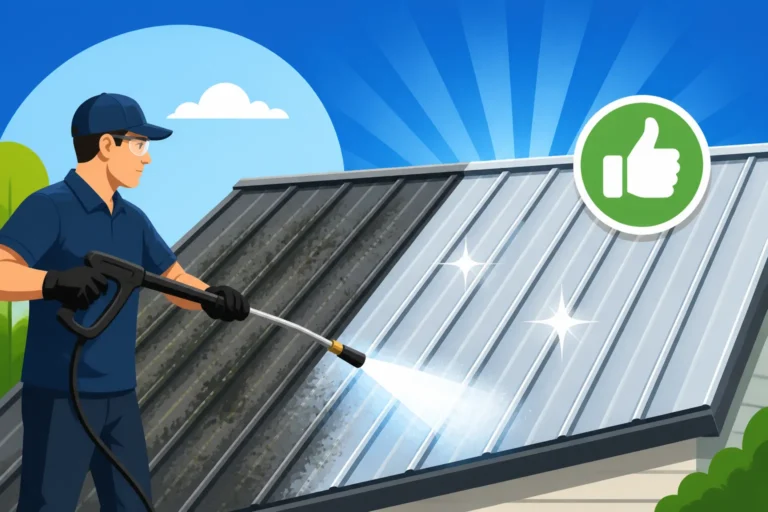
Regular maintenance is perhaps the single most effective way to prevent intermittent leaks from ever starting. Your metal roof, while low-maintenance, isn't maintenance-free. It’s a good idea to perform visual inspections twice a year, ideally in the spring and fall, and especially after any major weather event like a severe thunderstorm or heavy snowfall. This routine check-up can catch minor issues before they escalate into full-blown leaks.
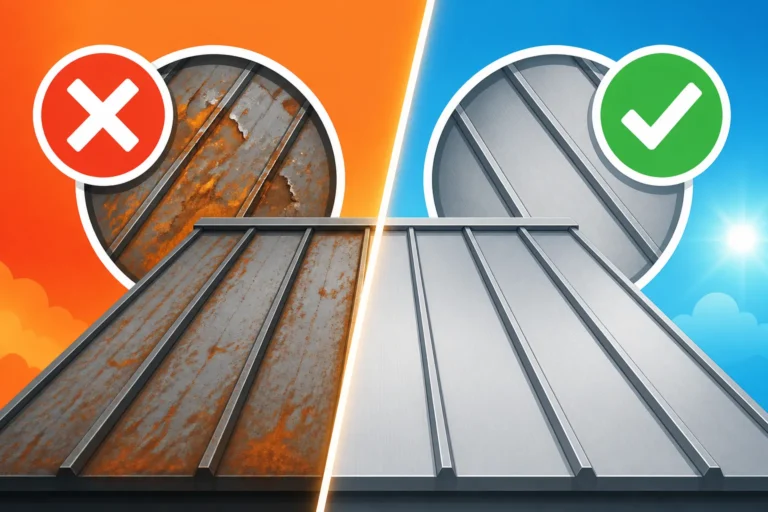
During your inspection, look for loose or backed-out fasteners, paying close attention to the condition of their rubber washers. Check all sealant beads around flashing, vents, and panel seams for cracks, shrinkage, or signs of detachment. Look for any debris accumulation, such as leaves or branches, particularly in valleys or behind chimneys, as this can impede water flow and cause pooling. Keep an eye out for any unusual rust spots, especially around dissimilar metals.
Don't forget to clean your gutters and downspouts regularly. Clogged gutters can cause water to back up onto the roof, leading to pooling and potential leaks under your metal panels. Proper water drainage away from your roof is fundamental to its long-term health. For a comprehensive guide on keeping your roof in top shape, check out our Metal Roof Maintenance Guide.
Proper Installation is Key
We simply cannot overstate the importance of proper installation. Many of those elusive, intermittent leaks can be traced back to shortcuts or errors made during the initial installation of the metal roof. Even the highest quality materials won't perform as intended if they aren't installed correctly, according to manufacturer specifications and local building codes.
This means hiring a qualified, experienced, and reputable metal roofing contractor. Look for professionals who specialize in metal roofing, not just general roofers. They should be familiar with the specific type of metal roof you have (e.g., standing seam, exposed fastener) and understand the nuances of working with metal, such as allowing for thermal expansion and contraction. Resources like Modernize can help you find certified installers in your area. Ask about their certifications and experience, and consider reading Manufacturer-Certified Metal Roof Installers Explained before making your decision.
Ensure that the contractor uses appropriate underlayment, correctly spaces and torques fasteners, and meticulously seals all flashing and penetration points. A quality installation isn't just about speed; it's about precision and adherence to best practices that will ensure your roof stands up to decades of weather without developing those frustrating, sporadic leaks.
Investing in Quality Materials and Accessories
While it might seem like a way to save money upfront, cutting corners on materials and accessories for your metal roof can lead to costly intermittent leaks down the line. Investing in high-quality components from the start is a crucial proactive measure that pays dividends in longevity and peace of mind.
This includes choosing durable metal panels with robust coatings like PVDF (Kynar 500) that resist fading, chalking, and corrosion. Ensure that fasteners are made of the appropriate material to prevent galvanic corrosion and come with high-quality, long-lasting neoprene washers. High-grade sealants specifically formulated for metal roofing and designed to withstand thermal cycling are also essential. Remember that the overall Metal Roof Cost: Complete 2026 Guide factors in the quality of these components.
Furthermore, ensure that all flashing materials are of a matching or compatible metal and are installed with the same attention to detail as the main roof panels. High-quality accessories, such as durable vent boots and sturdy snow guards (if applicable), all contribute to the overall integrity of the roof system. A slight increase in initial investment for superior materials often translates into a roof that functions flawlessly, without those annoying intermittent leaks, for its entire impressive lifespan.
Disclaimer
Please remember that this article is intended for informational purposes only and should not be considered professional advice. Roofing work can be dangerous and should ideally be performed by qualified and insured professionals. Always consult with a licensed roofing contractor for specific recommendations and before undertaking any repairs or installations on your metal roof. Local building codes and regulations may also apply.