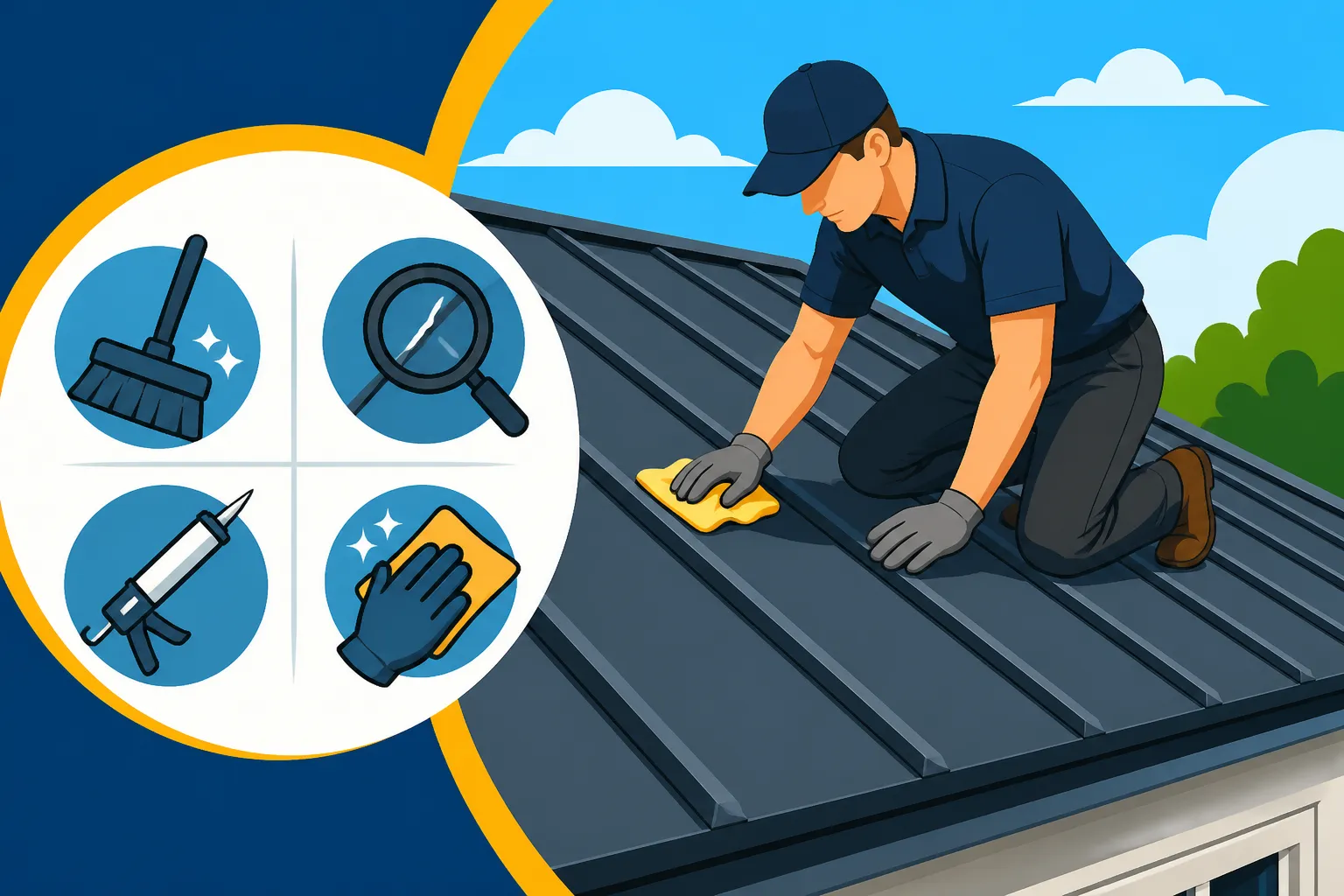
How to Maintain a Standing Seam Metal Roof
Your standing seam metal roof is a significant investment, promising decades of reliable protection and undeniable curb appeal. But even the toughest materials, designed for longevity, benefit immensely from a thoughtful maintenance routine. Many homeowners assume these roofs are entirely "set it and forget it," only to be frustrated when minor issues arise prematurely. This guide will walk you through the essential steps and considerations for maintaining your standing seam metal roof, ensuring it lives up to its legendary lifespan and continues to enhance your home for years to come.
The Undeniable Value of Standing Seam Metal Roof Maintenance
When you choose a standing seam metal roof, you're not just buying a roof; you're investing in a long-term solution. These roofs are renowned for their durability, weather resistance, and impressive lifespan, often outperforming traditional roofing materials by decades. However, simply installing it and walking away isn't the whole story. Just like any high-performing asset, a little proactive care goes a long way in maximizing its benefits and protecting your initial investment. Skipping maintenance can lead to small, easily fixable issues growing into major headaches, compromising both your roof's performance and your peace of mind.
Protecting Your Long-Term Investment
The upfront cost of a standing seam metal roof can be higher than other options, but that's precisely because of its superior quality and extended lifespan. Most standing seam roofs are expected to last 40 to 70 years, with some even surpassing that mark. But this incredible longevity isn't purely automatic; it's a direct result of how well the roof is installed and, critically, how diligently it's maintained. Regular maintenance helps safeguard that projected lifespan, ensuring you get every penny's worth of value from your investment. Think of it like changing the oil in your car – you wouldn't expect your engine to last if you ignored basic care, and the same principle applies to your roof. You can learn more about just how long these robust roofs are expected to last by checking out our guide on How Long Does a Standing Seam Metal Roof Last?.
Without routine checks, seemingly minor issues like accumulated debris or slight sealant degradation can go unnoticed, slowly chipping away at your roof's integrity. Over time, this neglect can prematurely age your roof, leading to a much shorter lifespan than advertised and, ultimately, diminishing your return on investment. A well-maintained roof, however, not only reaches its full potential but also contributes significantly to your home’s value and provides decades of worry-free protection.
Preventing Costly Catastrophes and Upholding Warranty
One of the biggest frustrations for homeowners is facing an expensive repair that could have been avoided. This is especially true with standing seam metal roofs, where the robust design often lulls people into a false sense of security. Neglecting simple maintenance tasks can turn what would have been a quick, inexpensive fix into a major, budget-busting project. For example, a small accumulation of leaves and pine needles in a roof valley might seem harmless, but over time, it can trap moisture against the metal, leading to localized corrosion or ice damming in colder climates. This constant moisture exposure can compromise the panel's coating or even its structural integrity, eventually requiring significant Metal Roof Leak Repair Guide or even full panel replacement.
Beyond the repair costs, consider your warranty. Most reputable metal roofing manufacturers offer robust warranties covering materials and finishes, often for 30 to 50 years. However, these warranties almost always contain clauses requiring proper installation and regular maintenance by the homeowner. Failing to adhere to these stipulations could potentially void your warranty, leaving you financially responsible for repairs that would otherwise be covered. Staying proactive not only saves you money in the long run by preventing serious damage but also ensures that if a manufacturing defect does arise, your warranty is fully intact to protect you. Knowing what to look for can prevent these headaches, and our resource on Warning Signs Your Metal Roof Needs Attention can be a great starting point.
Your Comprehensive Standing Seam Metal Roof Maintenance Checklist
Maintaining a standing seam metal roof isn't about constant, grueling work. It's about smart, periodic checks and simple cleaning tasks that prevent small problems from becoming big ones. The beauty of a standing seam system lies in its hidden fasteners, which means fewer points of entry for water and generally less maintenance compared to exposed fastener systems. However, "less maintenance" doesn't mean "no maintenance." Here’s a practical checklist to keep your roof in prime condition.
Routine Visual Inspections: Your Eyes are the First Line of Defense
Your most powerful maintenance tool is your own observation. Regularly performing visual inspections, both from the ground and, if safe, closer up, allows you to catch issues before they escalate.
- What to Look For from Afar: Start with a monthly walk around your property. Look for anything out of the ordinary: excessive debris, discoloration, streaks, or panels that appear to be lifting or warped. Pay close attention to areas near trees, which are prone to accumulating leaves and branches. Notice any signs of "oil canning" – a wavy appearance in the flat panel sections – which is usually cosmetic but can be an indicator of other issues if severe.
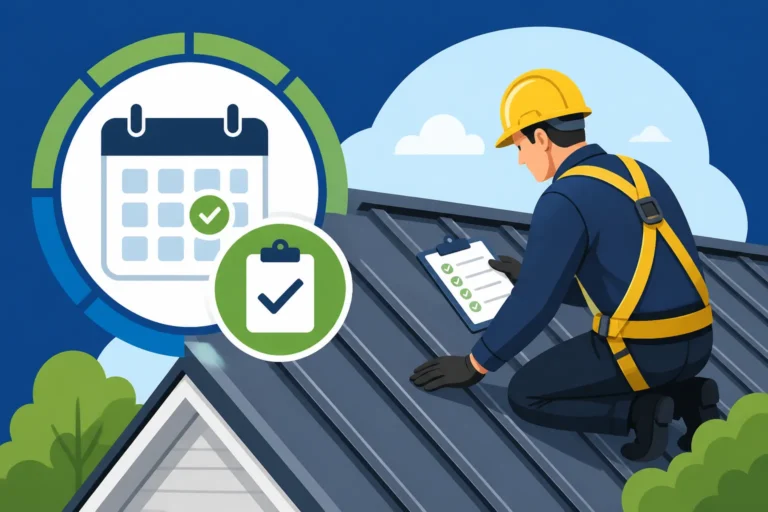
- Getting a Closer Look (Safely!): At least twice a year, typically in the spring and fall, a closer inspection is highly recommended. If you're comfortable and have the right safety gear, you can get on the roof. Otherwise, a good pair of binoculars can do wonders from a ladder or even an upstairs window. Focus on the roof's valleys, eaves, and around any penetrations like chimneys, skylights, and vent pipes. Look for any signs of seam separation, corrosion spots, or damaged flashing. Even though standing seam panels have hidden fasteners, there are often exposed fasteners on trim pieces and flashing that need scrutiny. Early detection of potential problems, like a small scratch that could lead to rust, is key to preventing more extensive and expensive repairs down the line.
Keeping it Clean: Debris Removal and Washing
A clean roof isn't just about aesthetics; it's about prolonging the life and integrity of your standing seam system. Debris and grime can lead to serious issues if left unchecked.
- Debris Management is Paramount: Leaves, twigs, pine needles, and other organic matter naturally accumulate on any roof, especially in areas with significant tree cover. While standing seam roofs drain well, debris can get trapped in valleys, behind chimneys, or along the lower edges, forming dams. This trapped organic material holds moisture against the metal, creating an environment ripe for corrosion and accelerated wear on the protective coatings. It can also lead to the growth of moss and lichen, which, while perhaps appearing quaint, can also trap moisture and degrade the roof finish over time. Regularly clearing these accumulations, particularly after heavy winds or seasonal leaf drops, is crucial. Ensure your gutters and downspouts are also free-flowing to prevent water backup onto the roof surface, which can lead to ice dams in winter.
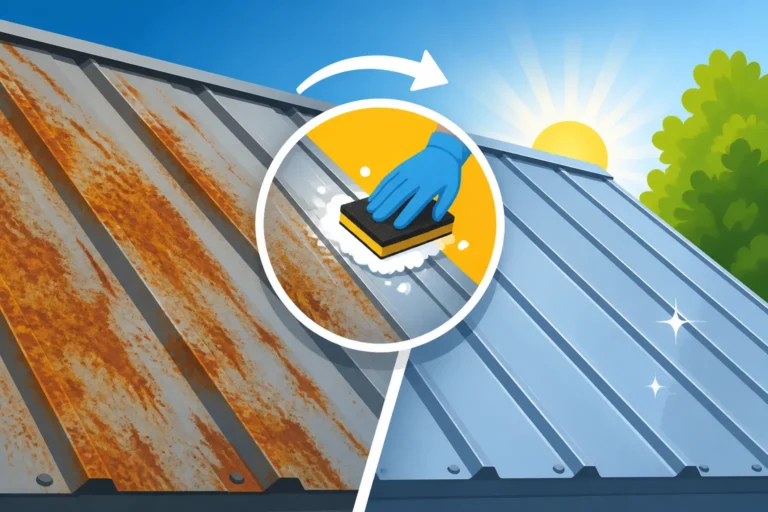
- Gentle Cleaning for Longevity: You might think a tough roof needs tough cleaning, but the opposite is true. For general cleaning, a soft-bristle brush, a garden hose with good pressure, and a mild, non-abrasive detergent are usually all you need. Avoid using harsh chemical cleaners, wire brushes, or high-pressure washers, as these can strip or damage the roof's protective coating, which is vital for its longevity and aesthetic appeal. When cleaning, always work from the ridge down to the eaves to avoid forcing water underneath seams or panels. Rinse thoroughly to ensure no detergent residue is left behind. Regular, gentle cleaning not only keeps your roof looking fantastic but also prevents the build-up of pollutants and mildew that can degrade the finish over time. For detailed instructions on how to approach this task safely and effectively, see our article on How to Clean a Metal Roof Safely.
Checking the Connections: Seams, Fasteners, and Flashings
The integrity of your standing seam roof hinges on its connections. While the main panels feature concealed fasteners, other critical areas still rely on exposed components that require attention.
- Seam Integrity is Non-Negotiable: The "standing seam" refers to the raised interlocked seams where panels join, designed to shed water and protect fasteners. While incredibly durable, these seams should still be checked periodically for any signs of separation, warping, or damage, especially after extreme weather events. Look for any areas where the seam might appear flattened or compromised, which could indicate an impact or installation issue. Any deformation could potentially allow water intrusion or compromise the panel's ability to expand and contract properly.
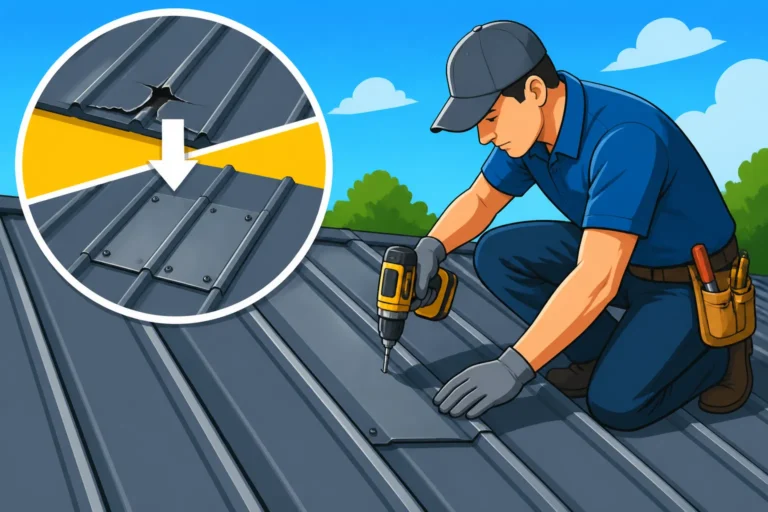
- Fastener and Sealant Review: Though the major panels of a standing seam roof boast hidden fasteners, many accessory components like trim, ridge caps, and wall flashing rely on exposed screws and sealants. These are vital points to inspect. Check for any screws that appear loose, stripped, or backed out. The rubber washers beneath these screws are crucial for a watertight seal; inspect them for cracking, drying out, or degradation, as these are common sources of leaks. Similarly, examine any sealant or caulk used around penetrations or flashing for signs of cracking, shrinking, or peeling. If you spot any of these issues, addressing them promptly with appropriate repair screws or high-quality, compatible sealant is crucial to prevent leaks. Ignoring a failing screw washer can lead to a significant water entry point. Proactive checks here are a great way to How to Prevent Leaks on a Metal Roof.
- Flashing Inspection for Watertightness: Flashing is the metal used to seal the intersections of your roof, such as around chimneys, skylights, pipe vents, and along dormers. Its purpose is to direct water away from vulnerable areas. Examine all flashing thoroughly for any signs of bending, corrosion, holes, or detachment from the adjacent surfaces. Even a small gap in flashing can allow water to seep into your home, causing extensive damage over time. Ensure that any sealant used in conjunction with the flashing is also in good condition. If you notice any issues with the flashing, it's often best to consult with a professional, as proper flashing repair or replacement requires specialized skills to maintain a watertight seal.
When to Bring in the Experts: Professional Maintenance and Repair
While many routine maintenance tasks can be handled by a diligent homeowner, there are times when professional expertise is not just recommended, but essential. Knowing when to call in the pros can save you time, ensure the job is done correctly, and prevent further damage to your valuable standing seam metal roof. Trying to tackle complex repairs yourself without the proper training or equipment can be dangerous and could inadvertently cause more harm than good, potentially even voiding your roof's warranty.
Beyond DIY: Recognizing Your Limits
There’s a fine line between a savvy DIYer and someone taking on a task that requires specialized knowledge, tools, and safety protocols. For standing seam metal roofs, this line often comes into play when dealing with anything more than basic cleaning and visual inspection.
- Complex or Extensive Damage: If you notice significant panel damage, widespread corrosion, persistent leaks that you can't trace, or any structural concerns, it's definitely time to bring in the experts. Attempting to repair or replace a large standing seam panel, for instance, requires specific tools, precise measurements, and techniques to ensure a watertight and aesthetically pleasing result. Incorrect panel replacement can lead to more leaks, improper thermal movement, and an unsightly patchwork appearance. For serious issues like significant rust, you might need specialized Metal Roof Rust and Corrosion Treatment that only professionals can apply effectively.
- Steep Pitches and Safety Concerns: Working on a roof, especially a steep one, carries inherent risks. Metal roofs can be slippery, even when dry. If your roof pitch is high, or if you simply don't feel comfortable or equipped to safely access and work on your roof, it's always best to defer to professionals. They have the necessary safety equipment, training, and insurance to perform the work without putting themselves (or your property) at undue risk. Remember, your safety is paramount, and no amount of cost savings is worth a serious injury.
Professional Inspections and Specialized Services
Even the most meticulous homeowner can miss subtle signs of trouble or lack the specialized equipment to properly diagnose certain issues. This is where professional roofing contractors shine, offering expert eyes and hands for more intensive maintenance and repairs.
- Annual or Biennial Professional Check-ups: We recommend having a professional metal roofing contractor inspect your roof every one to three years, or immediately after a severe weather event like a major hailstorm or high winds. These inspections are far more comprehensive than a homeowner’s visual check. Professionals can identify nascent issues such as minor sealant failures, slight seam distortions, or potential areas for future leaks that might be invisible to the untrained eye. They often use specialized tools and their extensive experience to thoroughly assess your roof’s condition, providing you with a detailed report and recommendations for any necessary actions. This proactive approach can significantly extend your roof's life and save you from unexpected repair costs down the road. For more information on recommended inspection frequency, see our guide on How Often Should a Metal Roof Be Inspected?.
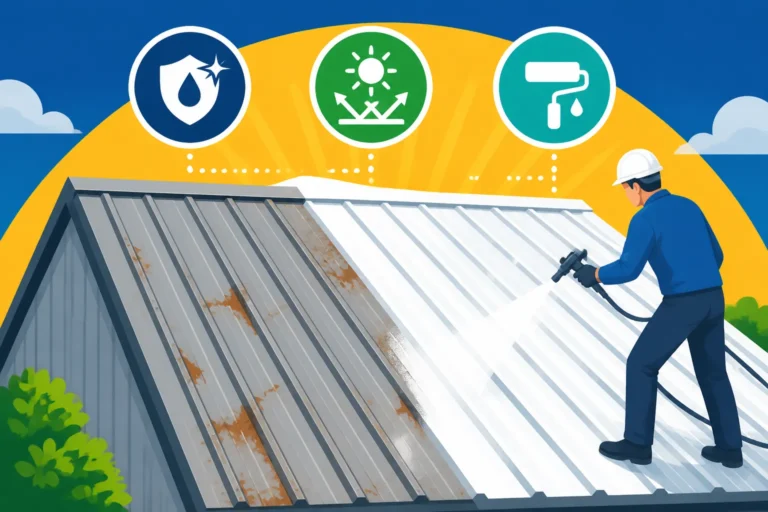
- Addressing Advanced Issues and Choosing the Right Professional: Beyond routine checks, professionals are indispensable for specialized services such as extensive Repainting and Recoating a Metal Roof, major leak detection and repair, or the installation of snow retention systems. These tasks require not only specific skills but also the right materials and adherence to manufacturer guidelines to maintain warranty validity.
Finding a skilled metal roofing contractor who understands the nuances of standing seam systems is paramount. You want someone with a proven track record, proper licensing, and insurance. Platforms like Modernize can be incredibly helpful in connecting you with local, reputable professionals who specialize in this type of work, ensuring you find a contractor with the right expertise. When considering professional help, it’s always wise to consult with several contractors. Using a service like Modernize allows you to easily compare quotes and read reviews, ensuring you find a contractor with the right experience and a fair price. Whether it’s a detailed inspection or a significant repair, partnering with a certified specialist found through resources like Modernize ensures your standing seam roof receives the expert care it deserves, protecting your investment for decades to come.
Here's a quick reference table for common maintenance tasks:
| Task | Frequency | DIY/Professional | Notes |
|---|---|---|---|
| Visual Inspection (ground level) | Monthly | DIY | Check for debris, obvious damage, loose components, or discoloration. |
| Debris Removal (valleys, gutters) | Quarterly (or after storms/heavy leaf fall) | DIY (if safe) | Essential in areas with heavy tree cover. Prevents water pooling and corrosion. Ensure gutters are clear. |
| Gentle Washing | Annually | DIY (if safe)/Professional | Use mild soap and low-pressure rinse. Avoid harsh chemicals or power washers that can damage coatings. Learn more at How to Clean a Metal Roof Safely. |
| Seam/Fastener/Flashing Check | Bi-annually (or after severe weather) | DIY (if safe)/Professional | Look for separation, loosened fasteners (on trim/flashing), degraded caulk around penetrations. Crucial for preventing leaks. |
| Minor Paint Touch-ups | As needed (address promptly) | DIY (if small)/Professional | Address scratches or faded spots quickly to prevent rust or further degradation of the finish. Refer to Repainting and Recoating a Metal Roof. |
| Professional Inspection | Every 1-3 years (or after severe storms) | Professional | In-depth assessment, particularly for hard-to-reach areas or subtle issues. Highly recommended to catch problems early. More details at How Often Should a Metal Roof Be Inspected?. |
| Metal Roof Underlayment Check | During any major roof work or severe leak investigation | Professional | While not a routine maintenance item, a professional can assess the underlayment's condition if issues arise. Read more at Metal Roof Underlayment and Ventilation Guide. |
Disclaimer
The information provided in this article is intended for general guidance and informational purposes only, and does not constitute professional advice. While we strive to offer accurate and up-to-date content, metal roofing systems and maintenance requirements can vary significantly based on material, installation, local climate, and specific building codes. Always consult with a qualified and licensed metal roofing professional before undertaking any significant repair or maintenance work on your roof. Neither the author nor the publisher will be held responsible for any losses, damages, or injuries resulting from the use of this information.