How Long Does a Ribbed Panel Metal Roof Last?
One of the biggest worries homeowners face when considering a new roof is how long it will actually last. Nobody wants to invest in a major home improvement only to find themselves replacing it again in a decade or two. When you're looking at a ribbed panel metal roof, you’re likely wondering if it lives up to the hype of metal roofing longevity. This guide will walk you through the expected lifespan of these durable roofs and all the factors that play into how many decades of protection you can truly expect.
What Exactly is a Ribbed Panel Metal Roof?
Before we dive into how long they last, let's get on the same page about what a ribbed panel metal roof actually is. You might hear these referred to by various names, like PBR panels, R-panels, or even just exposed fastener panels. Essentially, they are large, flat metal sheets that feature a series of raised ribs or striations along their length. These ribs aren't just for looks; they provide structural rigidity and help with water runoff, making the panels incredibly strong and efficient.
These panels are typically made from steel or aluminum, often coated with a protective layer like Galvalume (a mix of aluminum and zinc) and then painted with a high-performance finish like PVDF or SMP. Unlike some other metal roofing systems, ribbed panels are installed with fasteners that go directly through the face of the panel and into the roof deck or purlins below. This is why they're sometimes called "exposed fastener" systems. While incredibly popular for commercial buildings, barns, and sheds due to their cost-effectiveness and quick installation, they've also gained significant traction in residential applications, especially for those seeking a modern aesthetic or superior durability. If you’re curious about Metal Roofing Types Explained: Profiles & Panels, you’ll find that ribbed panels offer a distinct balance of strength and affordability.
Understanding the Panel Design and Materials
The design of a ribbed panel roof is quite straightforward, which contributes to its robust nature. The raised ribs create channels that direct water flow efficiently, and the broad, flat sections between the ribs provide ample coverage. The overlap between panels is designed to interlock, creating a weather-tight seal, though the exposed fasteners are the primary sealing points.
The choice of material fundamentally impacts both the cost and the performance. Steel is a common choice, especially Galvalume steel, known for its corrosion resistance. Aluminum is lighter and even more resistant to rust, making it a favorite for coastal regions where salt air is a concern. Each material, along with its specific coating, brings its own set of characteristics that contribute to the overall resilience of the roof. For a deeper dive into the raw materials, check out our guide on Metal Roofing Materials Compared: Steel, Aluminum, Copper & Zinc.
Why Homeowners Choose Ribbed Panels
Homeowners are increasingly drawn to ribbed panel metal roofs for a few compelling reasons beyond just longevity. One major factor is their aesthetic versatility. While often associated with industrial looks, modern ribbed panels come in a wide array of colors and finishes that can complement various architectural styles, from contemporary to farmhouse. They provide a clean, linear look that many find appealing.
Another draw is the bang for your buck. Generally, ribbed panel roofs are among the most economical metal roofing options on the market, especially when compared to standing seam or metal shingles. This makes the long-term investment in metal roofing more accessible. Installation is typically faster and less complex than hidden fastener systems, which can also translate to lower labor costs. This combination of aesthetics, durability, and cost-effectiveness makes them a strong contender for many residential projects.
The Expected Lifespan of a Ribbed Panel Metal Roof
So, how long can you really expect a ribbed panel metal roof to last? This is the million-dollar question, and the good news is that these roofs offer impressive longevity. On average, a well-installed and properly maintained ribbed panel metal roof can easily last anywhere from 40 to 60 years, and sometimes even longer. This is a significant improvement over traditional asphalt shingle roofs, which typically last 15-30 years.
When you look at the spectrum of metal roofing options, ribbed panels stand firm in the mid-to-high range for durability. While higher-end systems like standing seam might boast a 50-70+ year lifespan, the 40-60 year range for ribbed panels still represents a multi-generational investment for your home. It means you could install one and likely never have to think about a roof replacement again in your lifetime, passing the benefits on to the next homeowner. This long lifespan is a core reason why many homeowners consider a metal roof to be a smart investment in terms of Metal Roof Cost vs Lifespan Value.
Comparison to Other Roofing Materials
To truly appreciate the longevity of a ribbed panel metal roof, it helps to put it into context with other common roofing materials.
| Roofing Material | Average Lifespan (Years) | Key Characteristics |
|---|---|---|
| Ribbed Panel Metal | 40 – 60+ | Durable, good corrosion resistance, cost-effective metal option, exposed fasteners. |
| Standing Seam Metal | 50 – 70+ | Superior durability, hidden fasteners, premium aesthetic, higher initial cost. |
| Stone-Coated Steel | 30 – 50 | Mimics tile/shingle look, good impact resistance, often lighter than traditional materials. |
| Asphalt Shingles | 15 – 30 | Most common, affordable initial cost, requires more frequent replacement, susceptible to wind/hail. |
| Clay/Concrete Tile | 50 – 100 | Very long-lasting, heavy, excellent fire resistance, higher upfront cost, requires strong roof structure. |
| Wood Shakes/Shingles | 20 – 40 | Natural aesthetic, requires more maintenance, susceptible to fire/rot, longevity varies greatly with care. |
As you can see, ribbed panel metal roofs consistently outperform asphalt shingles by a wide margin, offering at least double the lifespan. They stand as a testament to the enduring quality that modern metal roofing brings to residential properties.
The Role of Initial Quality
It's crucial to understand that the lifespan estimates are based on quality products and professional installation. Just like anything else, not all ribbed panels are created equal. A panel made from thinner, lower-grade steel with a basic paint finish won't perform as well or last as long as a thicker gauge panel with a robust Galvalume coating and a high-performance Kynar 500 (PVDF) paint system.
Choosing panels from reputable manufacturers known for their quality control and advanced coating technologies is paramount. This initial investment in better materials and coatings pays off exponentially in terms of longevity and reduced maintenance over the decades. When you’re looking at different options, don’t hesitate to ask your contractor about the specific panel manufacturer and the coating system used.
Factors That Influence Lifespan
While 40-60 years is a fantastic average, your specific ribbed panel metal roof's journey can be longer or shorter depending on a handful of critical factors. These aren't just minor details; they profoundly impact how many years of reliable service your roof will provide.
Material Composition and Coatings
The type of metal and the quality of its protective coatings are perhaps the most significant determinants of lifespan.
- Steel (Galvanized or Galvalume): Most residential ribbed panels are made from steel. Galvanized steel is coated with zinc, while Galvalume steel uses a mixture of aluminum and zinc. Galvalume is generally superior in terms of corrosion resistance, especially at cut edges, offering extended durability. A good Galvalume coating can significantly extend the life of your steel panels by preventing rust.
- Aluminum: While less common for standard ribbed panels due to higher cost, aluminum is inherently rust-proof. This makes it an excellent choice for coastal areas where salt spray can be highly corrosive to steel, even Galvalume-coated steel. An aluminum ribbed panel roof might push towards the higher end of the 60-year lifespan, particularly in harsh environments.
- Protective Paint Coatings: Beyond the metal itself, the paint system applied to the panels is vital. High-performance coatings like PVDF (often branded as Kynar 500 or Hylar 5000) are known for their exceptional resistance to fading, chalking, and UV degradation. Cheaper SMP (Silicone Modified Polyester) paints are less expensive but typically don't hold their color or finish as long, potentially leading to a shorter aesthetic life, though the underlying metal may still be sound. The quality of these coatings directly impacts how well your roof shrugs off UV rays, acid rain, and other environmental stressors.
Metal Gauge (Thickness)
The gauge of the metal refers to its thickness. Counterintuitively, a lower gauge number indicates a thicker piece of metal. For residential ribbed panel roofs, common gauges are 26-gauge and 29-gauge.
- 26-Gauge: This is a good, robust option for residential use. It’s thicker, more rigid, and generally more resistant to denting from hail or falling debris. A 26-gauge panel will typically last longer and maintain its appearance better than a thinner panel.
- 29-Gauge: This is a lighter, more economical option, often used for agricultural buildings or sheds, but also sometimes for homes. While still durable, it's more prone to denting and can exhibit more oil canning (visible waviness) than thicker gauges. Its lifespan might lean towards the lower end of the 40-60 year range, especially in areas prone to severe weather.
When choosing, it's often worth the slightly higher upfront cost to opt for a thicker gauge, particularly if you live in an area with unpredictable weather. Understanding Metal Roof Gauges Explained: 22, 24, 26 & 29 can help you make an informed decision.
Quality of Installation
This is perhaps the most critical factor. Even the highest quality materials can fail prematurely if installed incorrectly. A professional, experienced metal roofing contractor understands the nuances of ribbed panel installation, including:
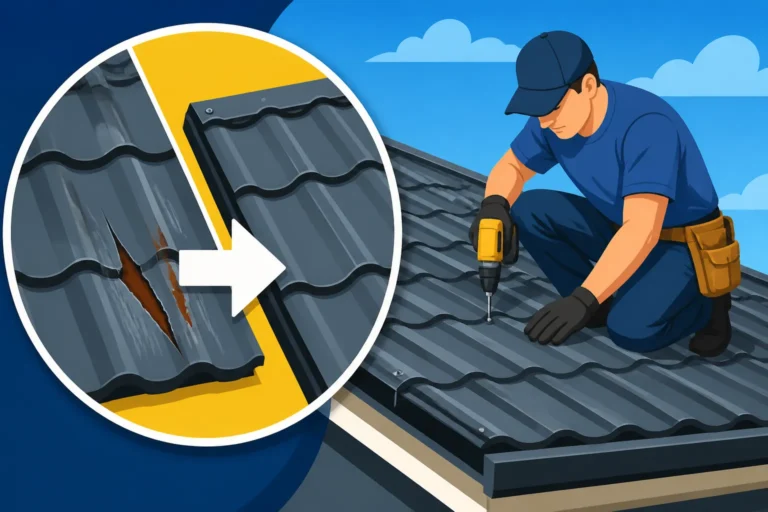
- Proper Fastening: Using the correct type and number of fasteners (screws with neoprene washers), ensuring they are driven to the right tension – tight enough to seal, but not overtightened to crush the washer. Improperly installed fasteners are the leading cause of leaks in exposed fastener systems.
- Flashing and Sealing: Correctly flashing around chimneys, vents, skylights, and valleys is essential to prevent water intrusion.
- Underlayment: A high-quality underlayment provides a critical secondary barrier against moisture and helps protect the panels during installation. Read more about Metal Roof Underlayment and Ventilation Guide.
- Panel Alignment and Overlap: Panels must be aligned perfectly and overlap correctly to prevent gaps and ensure proper water shedding.
Hiring a contractor with specific experience in metal roofing, and ideally, manufacturer certifications, is non-negotiable for maximizing your roof's lifespan. If you're looking for qualified professionals, services like Modernize can help connect you with experienced metal roofing contractors in your area. This ensures you get competitive bids and experienced installers.
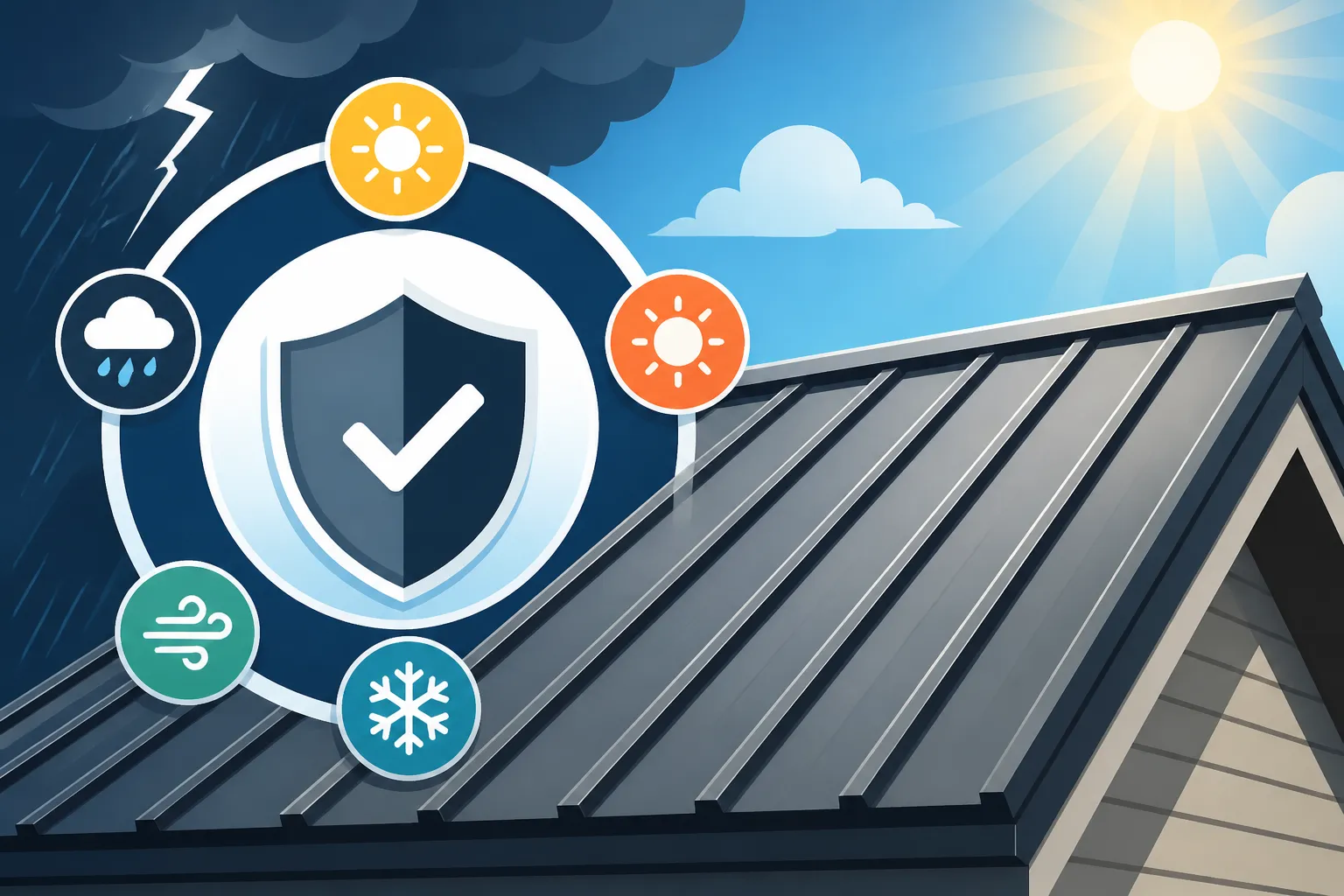
Environmental Conditions
Your local climate and environmental factors play a huge role in how long your roof will last.
- UV Exposure: Intense, prolonged sun exposure can degrade paint coatings over time, leading to fading and chalking, which in turn can expose the underlying metal to corrosion.
- Temperature Extremes: Constant expansion and contraction of metal due to wide temperature swings can put stress on fasteners and panel seams over decades.
- Precipitation: Heavy rain and snow loads test the roof's structural integrity and water shedding capabilities.
- Wind: High winds can stress fasteners and potentially lift panels if not installed correctly.
- Hail: While metal roofs are generally hail-resistant (especially thicker gauges), extremely large or jagged hail can cause dents, which, though often cosmetic, can sometimes compromise the paint coating.
- Salt Air: For homes near the coast, salt spray is a highly corrosive agent. Aluminum or specific marine-grade coatings on steel are often recommended for these environments to extend lifespan.
Maintenance and Repairs
Even the most durable roof needs a little love and attention. Regular maintenance can significantly extend the life of your ribbed panel metal roof.
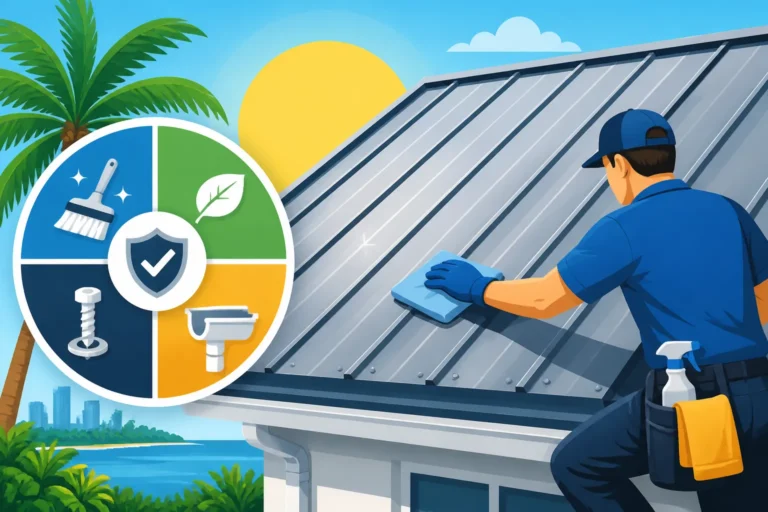
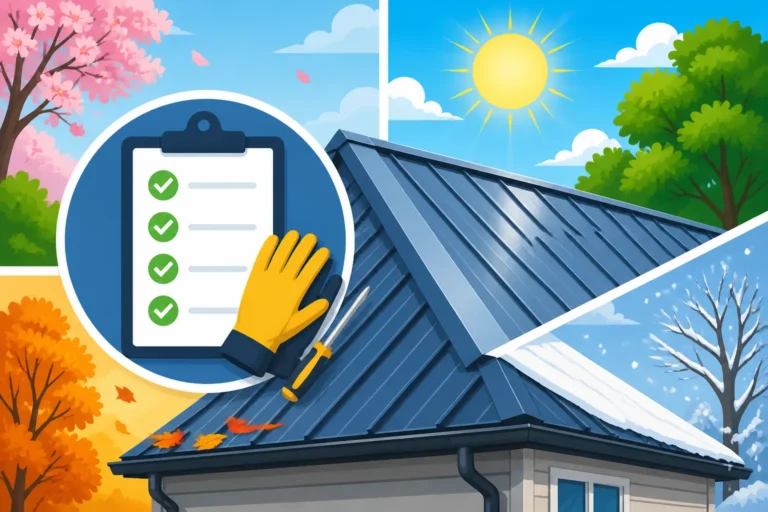
- Routine Inspections: Annual or bi-annual inspections (especially after severe weather) can catch small issues before they become big problems. Look for loose or backing out fasteners, compromised washers, debris accumulation, or signs of rust.
- Cleaning: Keeping your roof free of leaves, branches, and other debris prevents moisture from accumulating and potentially causing corrosion or staining.
- Fastener Checks: Periodically checking and tightening loose fasteners, and replacing any with worn washers, is crucial for exposed fastener systems. This is a common point of potential failure that can be easily mitigated with proactive maintenance.
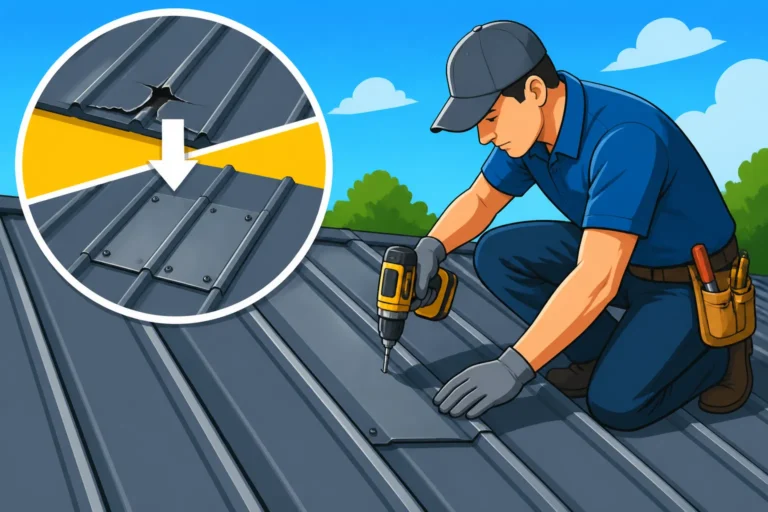
- Minor Repairs: Addressing small scratches, dings, or areas of surface rust promptly can prevent further degradation.
Ignoring these basic maintenance steps can drastically cut down on your roof's expected lifespan, potentially reducing it by decades. Many homeowners forget this, but it’s key. Our Metal Roof Maintenance Guide provides comprehensive steps to keep your roof in top shape.
Maximizing Your Ribbed Panel Metal Roof's Longevity
Investing in a metal roof is a long-term decision, and you want to make sure you get every possible year out of it. Beyond the initial quality and installation, there are proactive steps you can take to ensure your ribbed panel metal roof hits, or even exceeds, that 60-year mark.
Choosing the Right Materials and Gauge for Your Climate
This is where your initial research pays off. Don't just pick the cheapest option. Consider your local climate seriously.
- For High Wind Areas: Opt for a lower gauge (thicker metal) like 26-gauge for enhanced rigidity. Ensure your contractor uses robust fasteners and follows strict installation guidelines for wind uplift resistance.
- For Coastal Regions: Prioritize aluminum panels or heavily coated Galvalume steel panels with marine-grade paint systems. These offer superior resistance to salt corrosion, which can quickly degrade lesser materials.
- For Hail-Prone Zones: Again, a thicker 26-gauge panel offers better impact resistance than a thinner 29-gauge, reducing the likelihood of cosmetic damage and potential coating breaches.
- For Extreme UV Exposure: Invest in panels with a premium PVDF (Kynar 500) paint finish. These coatings are specifically designed to resist fading and chalking, maintaining your roof’s aesthetic and protective qualities for much longer.
Making these informed choices upfront ensures your roof is inherently suited to the challenges of your specific environment, laying the groundwork for maximum longevity.
Regular Inspections and Preventative Maintenance
Think of your roof like your car – it needs regular check-ups to perform its best.
- Annual Visual Checks: Once a year, preferably in the spring or fall, conduct a visual inspection from the ground with binoculars. Look for any obvious signs of damage, like loose fasteners, missing screws, excessive chalking or fading, or accumulated debris. If you’re comfortable and have the proper safety equipment, a walk-on inspection can be more thorough, but always exercise extreme caution.
- Post-Storm Assessments: After any significant weather event – heavy winds, hail, or severe thunderstorms – perform a quick visual check. Even if there’s no immediate leak, storm damage can sometimes be subtle, affecting coatings or fasteners.
- Gutter and Downspout Cleaning: Ensure your gutters and downspouts are clear of leaves, twigs, and other debris. Blocked gutters can cause water to back up, leading to overflow and potential moisture issues at the roof's edge, accelerating wear.
- Fastener Management: For exposed fastener systems, the fasteners are the most common point of maintenance. Over time, the neoprene washers under the screw heads can degrade due to UV exposure, or the screws themselves might back out slightly from thermal expansion/contraction cycles. Periodically, (perhaps every 10-15 years, depending on fastener quality and climate) it’s a good idea to have a professional inspect and potentially replace any compromised fasteners, driving new, slightly larger screws next to any that have backed out significantly or have deteriorated washers. This simple step can prevent widespread leaks and extend your roof's life by decades.
Addressing Minor Issues Promptly
Small problems can quickly escalate if left unaddressed.
- Scratch and Scuff Repair: If you notice small scratches or scuffs in the paint coating (perhaps from tree branches or installation mishaps), clean the area and apply a touch-up paint specifically designed for metal roofing, matching your panel’s color. This prevents rust from forming in the exposed metal.
- Surface Rust Treatment: For any minor spots of surface rust, gently clean the area, remove the rust with a wire brush or sandpaper, apply a rust-inhibiting primer, and then touch up with matching paint. Catching rust early is key, especially with steel panels. Our guide on Metal Roof Rust and Corrosion Treatment offers more details.
- Sealant Reapplication: Over many years, sealants around flashings or penetrations might dry out and crack. These areas should be inspected, and old sealant removed and replaced with a high-quality, UV-resistant sealant compatible with metal roofing.
For any issues that seem beyond your DIY comfort level, or if you simply prefer professional assurance, don’t hesitate to call in a reputable metal roofing contractor. Using a service like Modernize can help you find qualified local pros for inspections and repairs, ensuring the job is done right to protect your investment. You don't want to let small leaks turn into major structural damage. Getting timely professional help for Metal Roof Leak Repair Guide can save you a lot of headaches and money in the long run.
Proper Ventilation and Underlayment
While often overlooked, good attic ventilation and a quality underlayment system are integral to a metal roof's long-term performance.
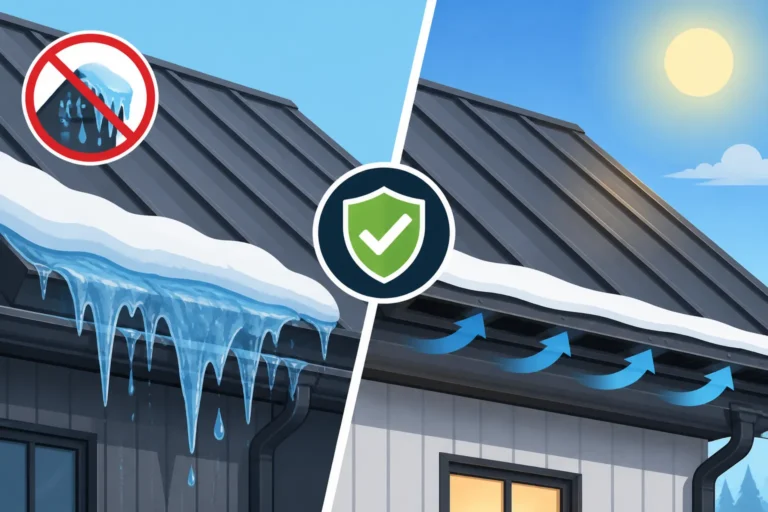
- Ventilation: Proper attic ventilation helps regulate temperature and moisture within the attic space. This prevents heat buildup that can accelerate the degradation of the roof deck and panels from below, and it prevents condensation, which can lead to rust on the underside of the metal panels over time. A well-ventilated attic makes your home more energy-efficient and extends the life of your entire roof system.
- Underlayment: The underlayment acts as a secondary waterproof barrier. If any moisture manages to penetrate the metal panels (e.g., from a compromised fastener or extreme wind-driven rain), the underlayment protects your roof deck and the interior of your home. A high-quality synthetic underlayment provides superior protection and durability compared to traditional felt paper, offering decades of reliable performance underneath your metal panels. This secondary line of defense is crucial for the overall longevity and resilience of your roofing system.
By being diligent about these steps, you’re not just hoping your ribbed panel metal roof lasts a long time; you’re actively ensuring it does, providing decades of durable, low-maintenance protection for your home.
Disclaimer
Please remember that the information provided in this article is for general guidance and informational purposes only. While we strive to offer accurate and up-to-date details based on industry standards and typical scenarios, individual results and conditions may vary. Always consult with a qualified, local metal roofing professional or contractor for personalized advice, estimates, and to ensure compliance with local building codes and regulations for your specific project. Roofing work can be dangerous and should ideally be performed by experienced professionals.