What Is the Best Metal Roof for Colorado Weather
If you’re a homeowner in Colorado, you know that the weather here isn’t just a little challenging—it’s an epic battle against Mother Nature herself. From relentless sun beating down at high altitudes to brutal hailstorms, heavy snow, and winds that feel like they’re trying to lift your house right off its foundation, your roof takes a serious beating. Trying to figure out which roofing material can actually stand up to all that without costing a fortune or needing constant repairs can feel overwhelming. This guide is here to cut through the confusion and help you discover the best metal roof options specifically designed to thrive in Colorado’s unique and demanding climate.
Understanding Colorado's Demanding Climate
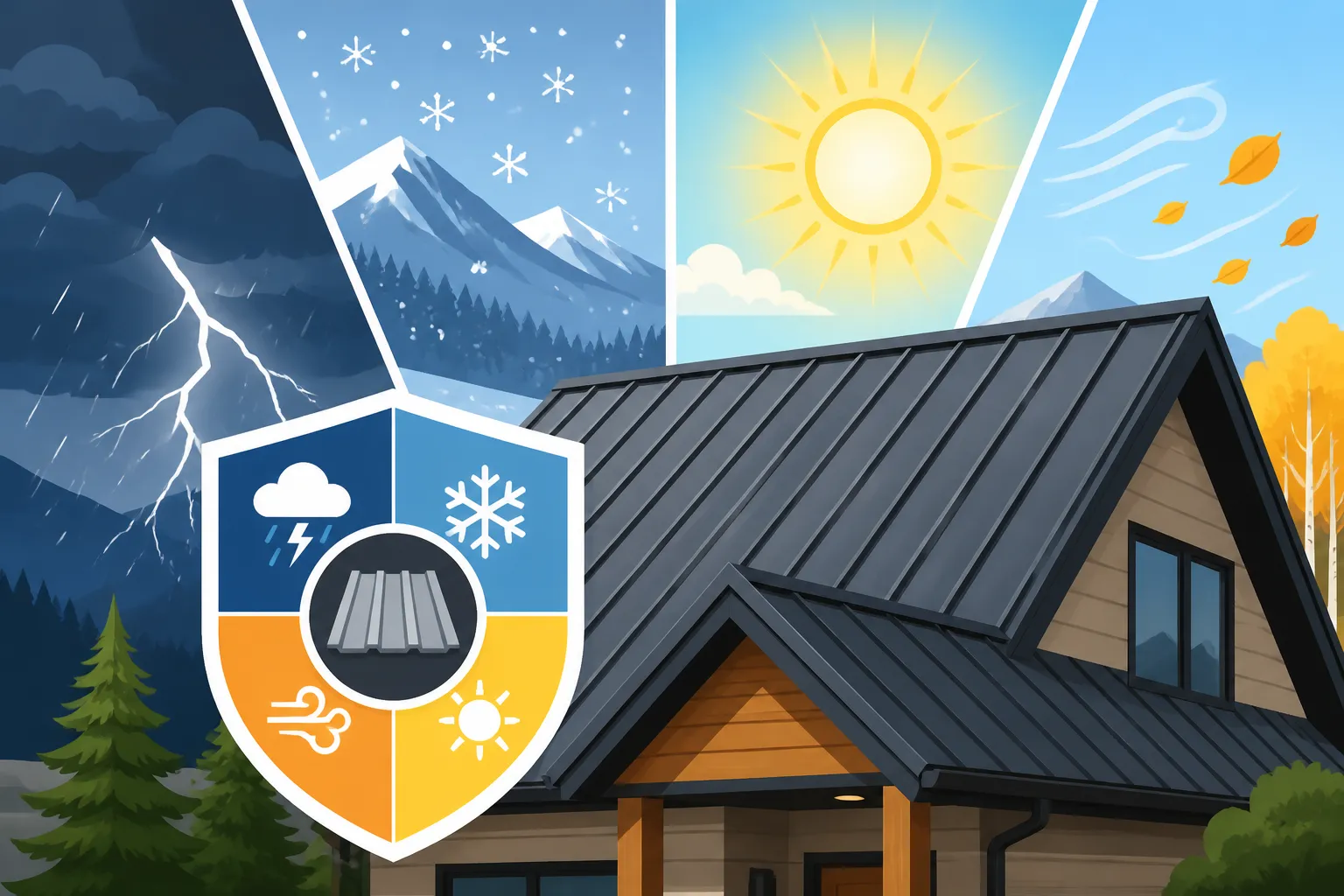
Colorado's weather isn't just a general challenge; it's a specific, multi-faceted assault on your home's exterior, especially your roof. It's not enough to pick a "tough" roof; you need one that's tough in all the right ways for the specific conditions we face here in the Centennial State.
High-Altitude Sun and UV Exposure
Living at elevation in Colorado means closer proximity to the sun, and with that comes an intensity of ultraviolet (UV) radiation that many other parts of the country simply don't experience. This isn't just about getting a sunburn quicker; it's about the accelerated breakdown of materials. Standard roofing materials can crack, fade, and degrade much faster when exposed to these harsh UV rays day in and day out. Think about how your deck or outdoor furniture fades and breaks down over time—your roof is enduring that same, if not greater, stress. A roof that looks great initially might start chalking or losing its color within a few years if it doesn't have superior UV resistance. This premature aging doesn't just look bad; it compromises the material's integrity, leading to a shorter lifespan and potential issues down the road.
Heavy Snowfall and Ice Dams
Winter in Colorado is a wonderland, but it’s also a weighty challenge for your roof. We're talking about significant snow loads that can put immense stress on your home's structure. Beyond the sheer weight, heavy snowfall brings the notorious problem of ice dams. These frozen ridges form at the eaves, preventing melting snow from draining off the roof. The trapped water then backs up under your shingles or panels, seeping into your attic and walls, causing extensive water damage, mold, and costly repairs. A roof that can effectively shed snow helps mitigate these issues. You need a surface that doesn't hold onto snow and ice, allowing it to slide off safely, and a system that can handle the freeze-thaw cycles without buckling or failing.
Hail and Wind Resilience
Anyone who's lived in Colorado for more than a couple of seasons knows the dread that comes with a severe thunderstorm warning, especially when it mentions hail. Hailstones here can range from pea-sized to golf-ball-sized, or even larger, raining down destruction on homes and cars. Traditional asphalt shingles are particularly vulnerable, often sustaining widespread damage that requires full replacement after a single severe storm. Beyond hail, Colorado is also known for its strong, gusting winds, particularly along the Front Range. These winds can tear off shingles, lift poorly secured panels, and exacerbate damage caused by other elements. Your chosen roof needs to be a fortress against both impact and uplift, maintaining its integrity even when nature throws its worst at it. You can learn more about how to protect your home from these events in our guide on Metal Roof Storm, Hail & Wind Damage.
Dramatic Temperature Swings
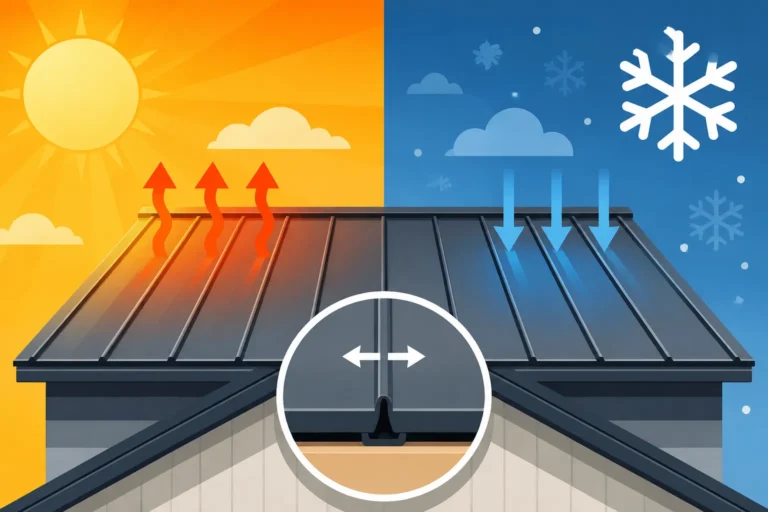
Colorado's climate is characterized by significant temperature fluctuations, not just between seasons but often within a single day. You might have freezing nights followed by warm, sunny afternoons. These constant cycles of heating and cooling cause roofing materials to expand and contract. Materials that aren't designed to handle these movements can crack, warp, or pull apart at the seams and fasteners. This constant stress gradually weakens the roof structure, creating vulnerabilities for leaks and other failures. A good metal roof for Colorado needs to have excellent thermal expansion properties and a robust fastening system that can accommodate these shifts without compromise.
Top Metal Roofing Materials for Colorado Homes
When you're looking for a metal roof that can truly withstand Colorado's diverse weather, the material itself is your first line of defense. Each metal offers a unique set of advantages and considerations, impacting durability, aesthetics, and cost.
Steel (Galvalume and Galvanized)
Steel is by far the most common and versatile metal roofing material, and it’s a fantastic choice for Colorado homes due to its inherent strength and relative affordability. Within steel roofing, you'll primarily encounter two types: galvanized steel and Galvalume steel.
- Galvanized Steel: This refers to steel that has been coated with a layer of zinc. The zinc acts as a sacrificial layer, corroding before the steel beneath it does, thereby providing excellent rust protection. It's a robust and cost-effective option, offering good impact resistance against hail and standing up well to wind. However, if the zinc coating is compromised—say, by a deep scratch—the underlying steel can eventually rust.
- Galvalume Steel: This is an alloy coating composed of zinc, aluminum, and silicon. Galvalume offers superior corrosion resistance compared to traditional galvanized steel, especially in areas with potential salt spray (though less relevant for landlocked Colorado, it still signifies advanced protection against general corrosion). The aluminum component provides excellent barrier protection, while the zinc offers sacrificial protection. This combination makes Galvalume incredibly durable and less prone to red rust, even if scratched. It's highly resistant to the intense UV exposure and temperature swings we see here, and its strength makes it an excellent defender against hail.
Both galvanized and Galvalume steel roofs can come with various paint finishes, such as PVDF (Kynar 500) or SMP (Siliconized Modified Polyester), which are crucial for UV protection and color retention in Colorado's intense sun. When considering steel, pay attention to the gauge, which refers to the thickness of the metal. Generally, a lower gauge number means a thicker, more durable panel. For residential applications in Colorado, 24-gauge or 26-gauge steel is typically recommended for optimal performance against hail and wind. You can dive deeper into the cost considerations for different steel options in our guide on Steel Roof Cost Per Square Foot.
Aluminum Roofing
Aluminum is another excellent contender for Colorado, offering distinct advantages that make it highly suitable for our climate. Its most significant benefit is its natural resistance to rust and corrosion, thanks to its inherent properties. Unlike steel, aluminum won't rust even if its coating is scratched, making it a truly low-maintenance option in terms of corrosion.
- Lightweight and Durable: Aluminum is much lighter than steel, which can be beneficial for older homes or structures where overall roof weight is a concern. Despite its light weight, it's incredibly durable and flexible, allowing it to withstand impacts from hail better than some might expect. It tends to dent rather than crack or puncture, which can sometimes be aesthetically unappealing but functionally superior to a compromised seal.
- Excellent for Temperature Swings: Aluminum is superb at handling the dramatic temperature fluctuations common in Colorado. It expands and contracts readily without suffering stress, and high-quality fastening systems designed for aluminum roofing accommodate these movements seamlessly.
- Energy Efficiency: Aluminum also boasts excellent reflective properties, helping to reflect solar radiation and keep your home cooler in the summer, which is a big plus during our hot, sunny days. This can lead to noticeable energy savings.
While generally more expensive than steel, aluminum's longevity, superior corrosion resistance, and specific benefits for thermal expansion make it a top-tier choice for a long-lasting roof in Colorado. Find out more about its specific costs in our Aluminum Roof Cost article.
Stone-Coated Steel
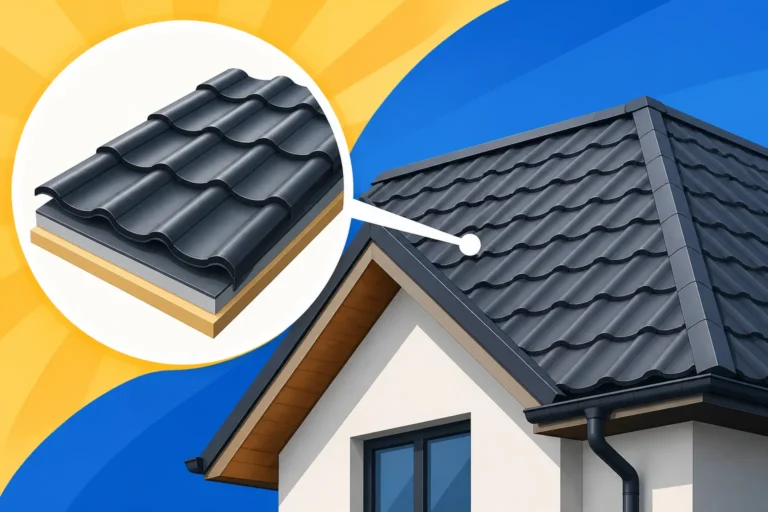
If you love the classic look of asphalt shingles, clay tiles, or wood shakes but demand the durability of metal, stone-coated steel is your answer. This material is made from steel panels (usually 26-gauge Galvalume steel) that are then coated with an acrylic adhesive layer and embedded with stone granules, similar to those on asphalt shingles.
- Exceptional Impact Resistance: This composite nature makes stone-coated steel incredibly resilient against hail. The stone granule layer absorbs impact effectively, often earning it a Class 4 impact resistance rating—the highest available. This is a huge benefit for homeowners in Colorado's notorious hail corridors.
- Aesthetic Versatility: Stone-coated steel offers a wide array of profiles and colors, mimicking traditional roofing materials so closely that you might not even realize it's metal. This makes it a fantastic option for HOAs or homeowners who want the benefits of metal without the industrial look.
- Wind and Fire Resistance: Like other metal roofs, stone-coated steel is highly resistant to wind uplift and has excellent fire ratings.
- Noise Reduction: The stone granule coating helps to dampen the sound of rain and hail, providing a quieter experience than bare metal panels might.
The main drawback for stone-coated steel can be the initial Stone-Coated Steel Roof Cost, which is often higher than traditional steel panels. However, its aesthetic appeal, coupled with outstanding hail resistance and longevity, often makes it a worthwhile investment for Colorado homeowners.
Copper and Zinc Options
While less common for entire residential roofs due to their premium cost, copper and zinc are also high-performance metal roofing materials worth a brief mention.
- Copper Roofing: Renowned for its unparalleled longevity (often lasting 100+ years), natural beauty, and distinctive patination process, copper is the ultimate luxury roofing material. It's incredibly durable, resistant to corrosion, and holds up exceptionally well to all of Colorado's weather challenges. The initial Copper Roof Cost is significantly higher than steel or aluminum.
- Zinc Roofing: Like copper, zinc offers exceptional longevity, corrosion resistance, and a unique aesthetic that develops a beautiful patina over time. It's also incredibly flexible, allowing for intricate architectural designs. Zinc is self-healing, meaning minor scratches will disappear as the patina reforms. Similar to copper, its upfront cost places it in the premium category.
These materials are typically chosen for their aesthetic appeal and extreme durability on high-end homes or architectural features rather than as a standard whole-house solution.
Best Metal Roof Profiles for Colorado's Challenges
Once you've considered the material, the profile of your metal roof—how the panels are shaped and fastened—becomes the next critical decision, especially when facing Colorado's unique weather patterns. The profile directly impacts performance against snow, wind, and leaks.
Standing Seam Metal Roofing
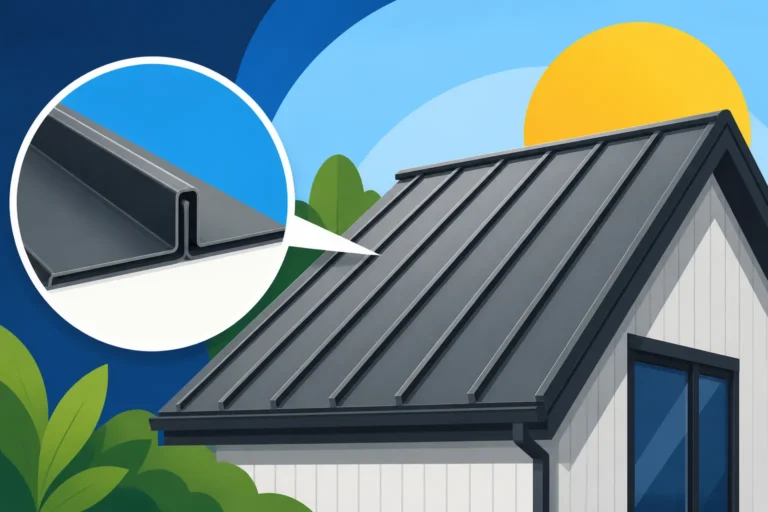
Without a doubt, standing seam metal roofing is often hailed as the gold standard for residential metal roofs, and it's particularly well-suited for Colorado's climate. This system features panels with raised, interlocking seams that stand vertically (or "stand up") above the flat of the roof deck.
- Hidden Fasteners for Superior Protection: The defining characteristic of standing seam is its concealed fastener system. The screws and clips that attach the panels to the roof deck are hidden beneath the raised seams, protected from direct exposure to UV rays, rain, snow, and ice. This eliminates common leak points associated with exposed fastener systems, which can degrade over time due to washer failure or screws backing out. For Colorado's intense sun, freeze-thaw cycles, and hail, this hidden design is a massive advantage in preventing leaks and extending the life of your fasteners.
- Exceptional Snow Shedding: The smooth, continuous surface of standing seam panels, combined with its vertical seams, makes it incredibly effective at shedding snow. Unlike shingles that can create friction, metal roofs allow snow to slide off, significantly reducing snow load on your roof and minimizing the risk of ice dam formation. For homes in mountain towns or areas with heavy snowfall, this is an invaluable feature. However, ensure proper snow retention systems like snow guards are installed to prevent large sheets of snow and ice from sliding off unexpectedly and causing damage below.
- Accommodates Thermal Expansion and Contraction: The interlocking seams of a standing seam system are designed to "float," allowing the metal panels to expand and contract freely with Colorado's dramatic temperature swings without stressing the fasteners or panels. This prevents warping, buckling, and fatigue, maintaining the roof's integrity for decades.
- Longevity and Low Maintenance: A properly installed standing seam roof can last 50-70 years or even longer, requiring minimal maintenance beyond occasional inspections. Its robust design, combined with durable coatings, ensures it will stand strong against everything Colorado throws at it.
- Aesthetic Appeal: Modern standing seam roofs come in a wide range of colors and finishes, offering a sleek, contemporary look that can significantly boost curb appeal and even home value. Many homeowners appreciate its clean lines.
While the Standing Seam Metal Roof Cost tends to be higher upfront compared to other metal profiles, its superior performance and longevity in Colorado's harsh conditions often provide a better return on investment over the long haul.
Stone-Coated Steel Shingles and Tiles
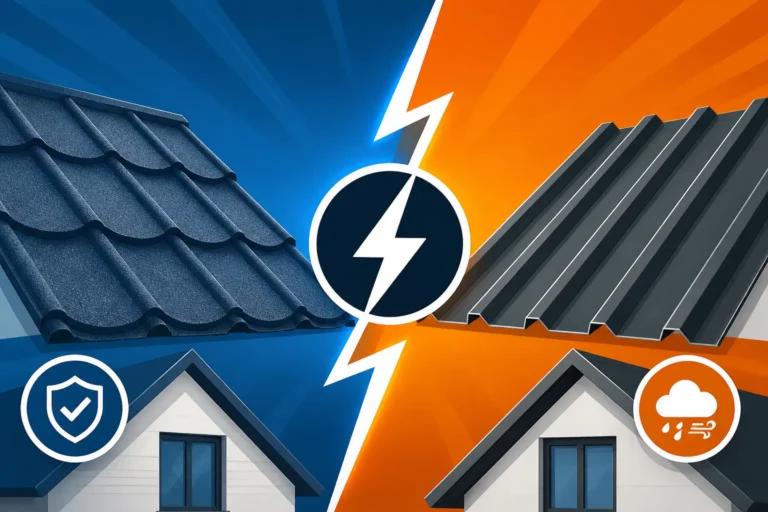
As discussed in the materials section, stone-coated steel offers a unique blend of aesthetics and extreme durability that makes its shingle and tile profiles highly desirable for Colorado homeowners.
- Superior Hail Impact Resistance: The layered construction of stone-coated steel panels, often featuring a heavy-duty Galvalume steel core topped with a granular finish, makes them incredibly resistant to hail damage. These systems often carry a Class 4 impact rating, meaning they can withstand the force of a 2-inch steel ball dropped from 20 feet without cracking. This is a huge advantage in Colorado, where hail damage is a frequent and costly problem for traditional roofs.
- Mimics Traditional Roofing: If you prefer the look of traditional asphalt shingles, clay tiles, or wood shakes, stone-coated steel profiles offer an uncanny resemblance. This allows homeowners to achieve a classic aesthetic while benefiting from the strength and longevity of metal. This is particularly appealing in neighborhoods with strict HOA guidelines or for those who simply prefer a more conventional look.
- Wind Resistance: These interlocking panels are designed to withstand high winds, providing excellent uplift resistance. Each panel typically locks into the adjacent panels and to the roof deck, creating a robust, unitary system.
- Enhanced Sound Dampening: The stone granule coating provides an added layer of sound absorption, making these roofs quieter during rain or hail storms compared to bare metal panels.
- Fire Resistance: Stone-coated steel roofs are non-combustible, offering excellent fire resistance, an important consideration in Colorado's dry seasons.
The investment in stone-coated steel is often higher than basic exposed fastener panels, but its combination of aesthetic versatility, superior hail protection, and long lifespan makes it a compelling choice for many Colorado homes.
Exposed Fastener Panels: Corrugated and R-Panel Systems
Exposed fastener metal roofing systems, such as corrugated or R-panel (also known as PBR panel) profiles, are characterized by their fasteners (screws) being driven directly through the metal panel and into the roof deck or purlins. The heads of these fasteners remain visible on the roof's surface.
- Cost-Effectiveness: The primary advantage of exposed fastener systems is their lower material and installation cost compared to standing seam or stone-coated steel. This makes them an attractive option for homeowners on a tighter budget or for non-residential structures like barns, sheds, or garages.
- Durability and Wind Resistance (with caveats): Steel panels used in corrugated or R-panel systems are inherently strong and can resist significant wind uplift if properly installed with a high number of fasteners. They are also quite durable against general wear and tear.
- Hail Impact: While the steel itself is strong, the exposed fasteners can be a vulnerability. Very large hail can potentially impact and compromise the washer seals around the screws, leading to potential leaks over time. The panels themselves might dent, but typically resist penetration.
- Snow Shedding: Like standing seam, the smooth metal surface allows for good snow shedding, reducing snow load. However, the protruding fastener heads can offer a slight obstruction compared to the perfectly smooth surface of standing seam.
- Maintenance Considerations: The exposed fasteners are the main point of concern for long-term performance in Colorado. The neoprene or EPDM washers under the screw heads, which seal against water intrusion, can degrade over time due to intense UV exposure and extreme temperature cycling. This degradation can lead to leaks, requiring periodic inspection and potential replacement or re-sealing of screws every 10-20 years. This adds a maintenance component that isn't typically necessary with hidden fastener systems.
For Colorado, while more budget-friendly, exposed fastener systems demand more rigorous installation and potentially more long-term maintenance to ensure leak-free performance, especially in areas with significant hail or intense sun. It’s crucial to use high-quality screws with oversized, UV-resistant washers and ensure they are properly torqued during installation.
Critical Factors for Metal Roofing in Colorado
Choosing the right material and profile is a huge step, but a truly successful metal roof installation in Colorado depends on several other critical details. Overlooking these can undermine even the best materials.
Gauge Thickness and Coatings
When we talk about metal roofing, gauge refers to the thickness of the metal. Counterintuitively, a lower gauge number indicates a thicker piece of metal. So, 24-gauge steel is thicker and stronger than 26-gauge steel. For Colorado's demanding climate, especially with the prevalence of hail and high winds, gauge thickness is paramount.
- Hail Resistance: Thicker gauges (like 24-gauge or even 22-gauge for heavy-duty applications) provide superior impact resistance against hail. While no roof is entirely impervious to extreme hail, a thicker panel is less likely to dent severely or be compromised structurally. A 26-gauge panel might be sufficient for milder climates, but in Colorado, investing in a 24-gauge steel or aluminum roof offers a significant boost in durability and peace of mind. Our guide on 24 vs 26 Gauge Metal Roof: Cost Difference can help you weigh these options.
- Wind Resistance: Thicker panels are also less prone to "oil canning" (a visual waviness) and provide a more rigid structure, making them more resistant to uplift in high winds.
- Longevity: Simply put, a thicker material generally means a longer-lasting roof, able to endure decades of Colorado's weather without significant degradation.
Beyond thickness, the coating on your metal roof is its shield against the intense UV radiation and temperature fluctuations.
- PVDF (Polyvinylidene Fluoride) Coatings: Often known by brand names like Kynar 500 or Hylar 5000, PVDF is considered the premium choice for paint finishes on metal roofs. It offers exceptional color retention, chalk resistance, and fade resistance. This is crucial in Colorado's high-altitude sun, where cheaper coatings can show significant fading within a few years. PVDF coatings also perform exceptionally well against corrosion and chemical degradation.
- SMP (Siliconized Modified Polyester) Coatings: SMPs are a good mid-range option, offering better performance than standard polyesters but generally not matching the longevity and fade resistance of PVDF. They are more affordable and still provide decent protection against the elements, but if long-term aesthetics and maximum UV protection are priorities, PVDF is the better investment for Colorado.
Always ask your contractor about the specific gauge and coating system being used. This information is vital for ensuring your roof will stand the test of time and maintain its appearance.
Proper Ventilation and Underlayment
A metal roof isn't just the panels you see; it's a complete system, and what's underneath those panels is just as important, especially in Colorado. Proper ventilation and a high-quality underlayment are non-negotiable for performance and longevity.
- Underlayment: This layer, installed directly over your roof deck before the metal panels go on, serves multiple critical functions.
- Secondary Water Barrier: In the event of extreme weather, fastener failure, or accidental damage, the underlayment provides a crucial secondary layer of protection against water intrusion, especially important with our heavy rains and melting snow.
- Ice Dam Protection: A high-quality self-adhering ice and water shield installed along the eaves and in valleys is essential for preventing ice dams from causing leaks. This is paramount in Colorado, where ice dams are a constant threat.
- Protects Against Condensation: Metal roofs can experience condensation on their underside due to temperature differences between the attic and the exterior. A breathable underlayment helps manage moisture, preventing it from damaging the roof deck or attic insulation.
- Sound Dampening: Some underlayments can also help reduce the sound of rain or hail hitting the metal panels, contributing to a quieter interior.
For more detailed information, check out our Metal Roof Underlayment and Ventilation Guide.
- Ventilation: Adequate attic ventilation is critical for any roof, but especially with metal.
- Prevents Heat Buildup: In the summer, proper ventilation allows hot air to escape the attic, keeping your home cooler and reducing strain on your HVAC system. This is especially important as metal roofs can radiate heat downwards if the attic isn't properly vented.
- Prevents Moisture Buildup: In winter, warm, moist air from your home can rise into the attic. Without proper ventilation, this moisture can condense, leading to mold, mildew, and rot. Ventilation helps flush this moist air out.
- Prevents Ice Dams: Good attic ventilation helps keep the entire roof deck uniformly cold, preventing uneven melting and refreezing that causes ice dams. Continuous ridge vents and soffit vents are typically the best combination.
Never skimp on the underlayment or ventilation for your Colorado metal roof. These components are relatively inexpensive compared to the overall cost of the roof but provide invaluable protection against common climate-related issues.
Installation Expertise and Local Pros
Even the highest quality metal roof materials and profiles will fail prematurely if not installed correctly. This is where the human element becomes paramount, especially in a region like Colorado with such specific roofing challenges.
- Understanding Colorado Codes and Conditions: A truly experienced local contractor understands the nuances of installing metal roofs in high winds, heavy snow loads, and extreme temperature fluctuations. They know which fasteners perform best, how to properly flash around chimneys and skylights to prevent leaks during heavy snowmelt, and the specific building codes for your county or city. They'll also be familiar with best practices for handling Colorado’s hail and wind events.
- Specialized Skills: Metal roofing installation, especially standing seam, is a specialized skill. It's not the same as installing asphalt shingles. It requires precision cutting, proper panel alignment, meticulous sealing, and an understanding of thermal movement. An inexperienced crew can easily make mistakes that lead to leaks, oil canning, or premature failure.
- Manufacturer Certifications: Look for contractors who are certified by specific metal roofing manufacturers. These certifications indicate that the installers have undergone specialized training and adhere to the manufacturer's strict installation guidelines, which is often a requirement for maintaining your warranty.
- Warranty and Insurance: A reputable local contractor will provide a comprehensive workmanship warranty in addition to the manufacturer's material warranty. They should also be fully licensed, bonded, and insured, protecting you from liability in case of accidents or faulty work. Before signing any contract, it's always wise to ask Questions to Ask a Metal Roofing Contractor Before You Hire. Platforms like Modernize can help connect you with vetted local professionals who understand these specific needs.
- Local Reputation: Word-of-mouth and online reviews for local contractors are invaluable. Ask for references from past clients who had metal roofs installed in similar Colorado climates. A good contractor will have a track record of successful installations and satisfied customers right here in your community.
Don't underestimate the importance of professional, local installation. This is an investment that will protect your home for decades, and the expertise of your installer is key to realizing that potential. If you're wondering how to find such experts, our guide on How to Hire a Metal Roofing Contractor offers detailed advice.
The Verdict: Recommending the Best for Colorado
After weighing all the factors that Colorado's dynamic weather throws at your home, certain metal roofing options clearly rise to the top. The "best" choice often comes down to balancing superior performance with your budget and aesthetic preferences.
For the vast majority of Colorado homeowners seeking the ultimate in protection and longevity, standing seam metal roofing made from 24-gauge Galvalume steel is arguably the best overall choice. Its hidden fastener system effectively guards against leaks caused by UV degradation, hail impact, and thermal expansion, which are all critical concerns here. The smooth surface of standing seam excels at shedding heavy snow, mitigating the risk of ice dams. Paired with a top-tier PVDF coating, it will maintain its color and integrity for 50-70 years, often outlasting the homeowners themselves. While the initial Metal Roof Cost: Complete 2026 Guide might be higher, its unparalleled durability, minimal maintenance, and long-term performance make it an exceptional investment against Colorado's relentless elements.
If you love the look of traditional roofing materials but refuse to compromise on metal's durability, stone-coated steel roofing is a fantastic alternative. Its Class 4 impact resistance makes it a champion against hail, a constant threat across much of Colorado. The granular finish also offers superior sound dampening and a wide range of aesthetic options, making it ideal for neighborhoods with HOAs or those desiring a more conventional appearance. It offers similar longevity to standing seam, making it another excellent, albeit often premium-priced, long-term solution.
Aluminum metal roofing also presents a compelling case, particularly for those prioritizing corrosion resistance and lightweight strength. While often pricier than steel, its natural rust-proof properties and excellent handling of temperature fluctuations make it a robust choice, especially if you live in areas prone to persistent moisture or want the added benefit of its energy-efficient reflective properties.
Ultimately, the best metal roof for your Colorado home will depend on your specific location within the state, your budget, and your aesthetic goals. However, prioritizing materials like Galvalume steel or aluminum, choosing a hidden fastener profile like standing seam, insisting on a minimum 24-gauge thickness, and demanding a high-performance PVDF coating will ensure your investment stands strong for decades to come. And always, always choose a local, experienced contractor who understands the unique challenges of roofing in Colorado to ensure a flawless Metal Roof Installation Process: Step by Step. Don't settle for anything less when protecting your most valuable asset against our beautiful but brutal Rocky Mountain weather.
Disclaimer
Please remember that this article is intended for informational purposes only. While we strive to provide accurate and up-to-date information, local building codes, regulations, and product availability can vary significantly. Always consult with a qualified, licensed, and insured local metal roofing contractor to discuss your specific project, obtain accurate quotes, and ensure compliance with all applicable standards and manufacturer warranties.