Is a Metal Shingle Metal Roof Good for a House?
Deciding on a new roof for your home can feel like navigating a maze, especially when you’re trying to balance aesthetics with long-term performance and value. Many homeowners love the traditional look of shingles but are tired of their short lifespan and endless maintenance. This guide will dive deep into whether a metal shingle roof can truly be the best of both worlds, offering the familiar beauty you desire with the unparalleled durability and efficiency that modern metal roofing provides.
The Allure of Metal Shingles for Your Home
The idea of a metal roof often conjures images of industrial buildings or utilitarian barn roofs, but the world of metal roofing has evolved dramatically. Metal shingles are a fantastic innovation, designed specifically to mimic the classic appearance of materials like asphalt, cedar shake, slate, or even clay tiles, all while delivering the robust benefits of metal. This blend of form and function addresses a significant frustration for homeowners: how to get a roof that looks great and lasts for decades without constant fuss.
Blending Aesthetics and Performance
One of the biggest advantages of metal shingles is their incredible versatility in design. You’re not stuck with a single look; instead, you have a vast array of styles, colors, and textures to choose from. Imagine having the sophisticated, multi-dimensional appearance of natural slate, but knowing it's actually durable steel or aluminum beneath a high-performance coating. Companies like DECRA and Classic Metal Roofing Systems have truly mastered the art of manufacturing metal shingles that are virtually indistinguishable from their traditional counterparts, even up close. This means you can maintain or even enhance your home's curb appeal and architectural integrity, fitting seamlessly into any neighborhood aesthetic, from historic districts to modern developments.
These engineered panels interlock tightly, creating a robust shield for your home. Unlike conventional asphalt shingles that start deteriorating from the moment they're installed, metal shingles are designed to maintain their appearance and structural integrity for an incredibly long time. This gives homeowners peace of mind, knowing their investment in beauty is also an investment in lasting protection.
Beyond the Traditional Look
While the aesthetic replication is certainly a draw, the real magic of metal shingles lies in their core material. Beneath that beautiful, authentic-looking surface is cold, hard metal, ready to protect your home. This inherent strength is what truly elevates them above conventional roofing materials. They don't just look good; they are good, providing a level of defense against the elements that many traditional options simply can't match.
Thinking about the long haul, metal's resistance to common roofing woes like curling, cracking, and rot is a game-changer. It means less time worrying about your roof and more time enjoying your home. This underlying performance makes metal shingles a compelling option for anyone looking for a truly long-lasting solution that doesn't compromise on visual appeal.
Why Metal Shingles Stand Out in Durability and Efficiency
When you choose a metal shingle roof, you're not just picking a pretty face; you're investing in a powerhouse of durability and efficiency that offers tangible benefits over many decades. It's about moving beyond the cycle of constant repair and replacement that plagues traditional roofing materials.
Unmatched Longevity and Low Maintenance
One of the most compelling arguments for metal shingles is their incredible lifespan. While asphalt shingles typically last 15-30 years, a properly installed metal shingle roof can easily last 40 to 70 years, and often even longer. We're talking about a roof that could very well outlast you in your home! This impressive durability means you're unlikely to ever replace your roof again, saving you significant hassle and expense over time. To understand the full scope of this long-term value, it's worth exploring the nuances of Metal Roof Lifespan: How Long Do They Last?.
Beyond sheer endurance, metal shingles are remarkably low maintenance. They don't absorb water, so you won't deal with moss, algae, or mildew growth that can disfigure and degrade asphalt shingles. They also resist insect infestations and rot, common issues with wood shakes. Routine maintenance often boils down to occasional cleaning of debris and checking fasteners, making your life much easier in the long run. This drastically reduces the hidden costs of a roof, making the initial investment even more attractive when you consider the cost savings over 50 years.
Superior Protection Against the Elements
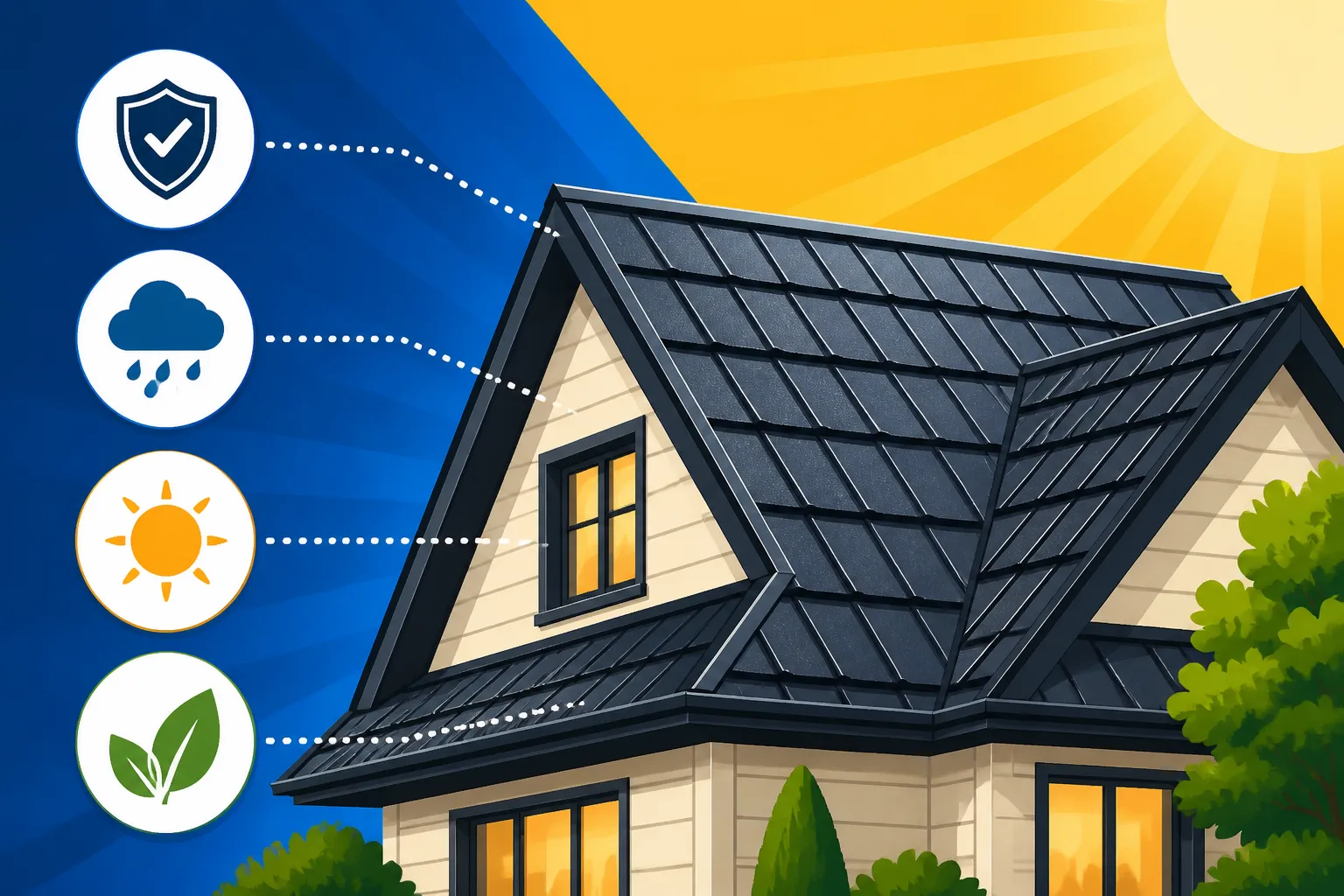
Metal shingles are champions when it comes to standing up to severe weather. They boast excellent wind resistance, often rated to withstand hurricane-force winds of 140 mph or more, especially when professionally installed with high-quality fasteners. This makes them a strong choice for homes in storm-prone regions, offering a level of security that many other materials can't.
They also excel in hail resistance, frequently earning a Class 4 impact resistance rating – the highest available. This means they can shrug off impacts that would severely damage or even puncture traditional shingles, which is a huge benefit if you live in areas prone to hailstorms. Furthermore, metal shingles are non-combustible, earning a Class A fire rating, which can be a vital safety feature, particularly in wildfire-prone regions.
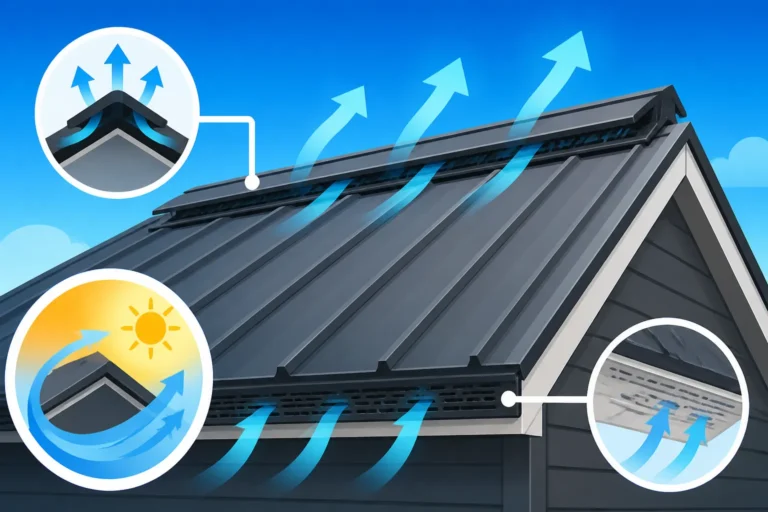
Let's not forget energy efficiency. Many metal shingle products feature cool-roof coatings that reflect a significant portion of the sun's radiant heat, reducing heat gain in your attic and, consequently, cooling costs inside your home. This can lead to substantial energy savings, especially during hot summers. In fact, many homeowners report notable reductions in their utility bills, which contributes to the overall return on investment. This excellent performance often translates into Metal Roof Insurance Savings & Discounts, making your home safer and more affordable to insure.
An Eco-Friendly Choice
For environmentally conscious homeowners, metal shingles are an excellent choice. Most metal roofing materials, whether steel or aluminum, contain a high percentage of recycled content and are 100% recyclable at the end of their exceptionally long life. This dramatically reduces landfill waste compared to asphalt shingles, which are a major contributor to construction waste. Coupled with their energy-saving properties, a metal shingle roof is a responsible, sustainable decision for your home.
Important Considerations Before Choosing Metal Shingles
While the benefits of metal shingles are clear, it's crucial to approach any major home improvement project with realistic expectations. There are a few key considerations you'll want to ponder before making the leap to metal shingles.
Understanding the Investment
Let's be upfront: the initial Metal Shingle Cost will typically be higher than that of a traditional asphalt shingle roof. This is often the biggest hurdle for homeowners considering metal roofing. While asphalt might cost anywhere from $4.00 to $8.00 per square foot installed, metal shingles can range from $8.00 to $18.00 per square foot, and sometimes even more depending on the material and complexity. However, it’s vital to look beyond this upfront figure.
Think of it as a long-term investment. Over the lifespan of a metal roof, you would likely replace an asphalt roof two or even three times. When you factor in the material costs, labor, and disposal fees for multiple asphalt roof replacements, the lifetime cost of a metal shingle roof often becomes comparable, or even lower. Plus, you get decades of worry-free protection and potential energy savings. For a comprehensive overview, checking out a guide like Metal Roof Cost: Complete 2026 Guide can help put things into perspective. This perspective shift from initial outlay to long-term value is essential for making an informed decision.
Installation Nuances and Expertise
Installing a metal shingle roof is a specialized skill that requires precision and experience. It's not the same as nailing down asphalt shingles. Metal panels need to be cut accurately, fastened correctly to allow for thermal expansion and contraction, and flashed meticulously around penetrations like chimneys and skylights. If installed incorrectly, even the highest quality metal roof can experience issues like leaks or premature wear.
This is why selecting the right contractor is paramount. You can't just hire any roofer; you need someone with specific expertise in metal roofing systems. They should be familiar with the various types of metal shingles, proper underlayment, and local building codes. Platforms like Modernize can be incredibly helpful for connecting you with reputable local installers who specialize in metal shingles, allowing you to compare bids and expertise. Asking about their experience with metal shingle projects and checking references is a must. For guidance, consider reading How to Hire a Metal Roofing Contractor.
Material Variety and Performance
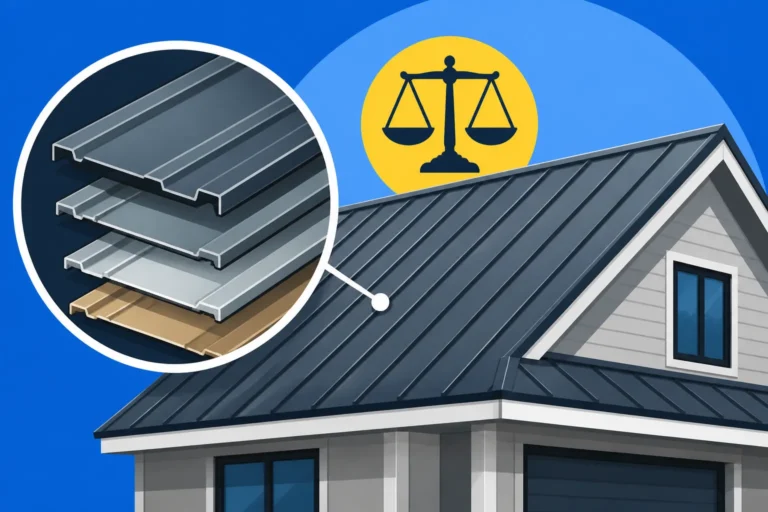
Metal shingles are available in various materials, each with its own characteristics, cost, and best applications. The most common options include steel and aluminum, but you can also find them in copper or zinc for truly high-end projects.
- Steel: Often galvanized or Galvalume (steel coated with zinc and aluminum), steel shingles are incredibly strong, durable, and cost-effective. They are often protected with high-performance paint systems like Kynar 500 or Hylar 5000, which offer excellent fade and chalk resistance.
- Aluminum: Naturally rust-resistant, aluminum is lighter than steel, making it ideal for structures that may not support heavy loads or in coastal environments where salt air can be an issue. However, aluminum is typically more expensive than steel.
- Copper & Zinc: These are premium, highly durable, and distinctively beautiful options that develop a unique patina over time. They come with a significantly higher price tag but offer unmatched longevity and aesthetic appeal for certain architectural styles.
Understanding the differences in Metal Roof Cost by Material: Steel vs Aluminum vs Copper vs Zinc will help you choose the best fit for your home and budget. Each material will perform slightly differently in terms of weight, rust resistance, and overall cost, so it’s worth discussing these options thoroughly with your chosen professional.
Here’s a quick comparison of common metal shingle materials:
| Feature | Steel (Galvalume) | Aluminum | Copper | Zinc |
|---|---|---|---|---|
| Corrosion Resist. | Excellent (with coating) | Excellent (natural) | Excellent (natural) | Excellent (natural) |
| Weight | Moderate | Light | Heavy | Moderate |
| Cost | Moderate | High | Very High | Very High |
| Lifespan | 40-70+ years | 50-100+ years | 100+ years | 80-100+ years |
| Aesthetics | Wide color/profile range | Wide color/profile range | Patina develops | Patina develops |
| Coastal Use | Good (premium coatings) | Excellent | Excellent | Excellent |
What to Expect: From Installation to Lifespan
Once you've made the decision to go with metal shingles, understanding the installation process and what to expect over the long life of your roof can help you feel more prepared and confident in your choice.
The Installation Journey
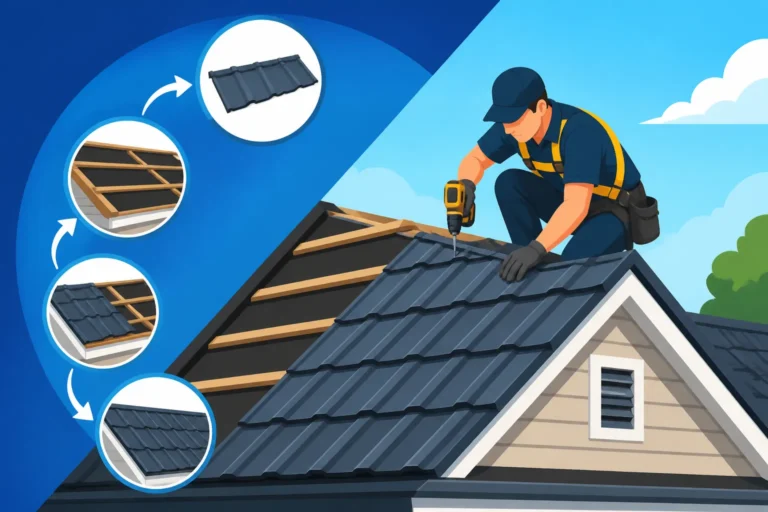
While they look like traditional shingles, the installation process for metal shingles is quite different from asphalt. Typically, the existing roof material, if any, is torn off, and the roof deck is inspected and repaired as needed. Then, a high-quality underlayment is installed. This crucial layer provides an extra barrier against moisture and helps protect your home. It’s important to remember that even with a metal roof, a proper underlayment is essential for performance and warranty coverage. You can learn more about this by looking into Do You Need Underlayment Under a Metal Roof.
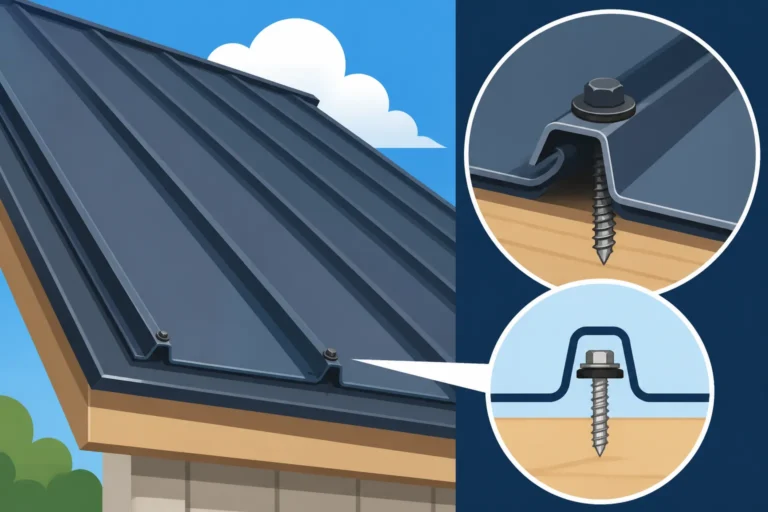
Next, the metal shingle panels are installed, usually starting from the eaves and working upwards. These panels are specifically designed to interlock, creating a weather-tight seal that stands up to wind and water. Fasteners are often concealed, giving the roof a clean, sleek appearance and protecting the fasteners from the elements. This concealed fastener system is one of the key differences between metal shingles and exposed fastener metal panels. The crew will meticulously flash around all roof penetrations, like vents, pipes, and chimneys, to prevent any potential leaks.
The entire process, while specialized, is usually efficient. Depending on the size and complexity of your roof, installation for a typical residential home can take anywhere from a few days to a week or two. It's an intricate process, which is why working with a seasoned metal roofing contractor is non-negotiable. For a detailed breakdown of what to expect, check out our guide on the Metal Roof Installation Process: Step by Step.
Long-Term Value and Warranties
After installation, the real benefits begin to unfold. You can look forward to decades of minimal fuss, knowing your home is protected by one of the most durable roofing materials available. The lifespan of a metal shingle roof is truly exceptional, often extending beyond 50 years. This means less stress, fewer repair calls, and more money staying in your pocket over time.
A critical aspect of your metal shingle roof investment is the warranty. Most reputable manufacturers offer robust warranties that cover material defects for 30 to 50 years, or even a limited lifetime. These warranties often cover fading, chalking, and granule loss, ensuring your roof maintains its aesthetic appeal. Additionally, a good contractor will provide a workmanship warranty, guaranteeing their installation for a certain period, typically 5-10 years. Understanding the difference between these is important, and you can delve deeper into this topic with Metal Roof Warranties: Workmanship vs Manufacturer. When getting quotes, make sure to ask for full details on both manufacturer and contractor warranties.
Choosing a metal shingle roof is an investment in your home's future, providing unparalleled protection, aesthetic appeal, and long-term value. With proper installation and minimal maintenance, it's a choice you'll appreciate for decades to come.
Disclaimer
Please remember that this article provides general information and should not be considered professional advice. Always consult with a qualified metal roofing contractor and local building authorities to discuss your specific project needs, codes, and regulations.