DECRA vs Boral Metal Roofing
Deciding on a new metal roof is a huge commitment, and when you start diving into the specifics, it can feel like you’re drowning in options. Especially when you’re comparing two powerhouse brands like DECRA and Boral, both known for their quality and durability, the nuances can be really hard to pin down. This guide is here to cut through the confusion, offering a side-by-side, no-nonsense look at what each brand brings to your home so you can make an informed decision without all the stress.
Understanding DECRA Metal Roofing: The Stone-Coated Steel Pioneer
When people talk about stone-coated steel roofing, DECRA is often the first name that comes to mind. And for good reason! They've really paved the way in this niche, offering a blend of robust protection and stunning aesthetics that mimic traditional roofing materials. It’s not just a fancy name; it’s a meticulously engineered product designed to stand up to some serious weather while looking fantastic for decades.
The DECRA Legacy: A Deep Dive into Stone-Coated Steel
DECRA has a long-standing history, being one of the originators of stone-coated steel roofing in the United States. They didn’t just jump on a trend; they helped create it, developing roofing systems that combine the strength and longevity of steel with the classic appeal of natural stone. Think about it: you get the incredible durability of a metal roof, which you can learn more about in our Metal Roof Lifespan: How Long Do They Last? guide, but with the look of architectural shingles, clay tiles, or wood shakes. This innovative approach has made them a go-to for homeowners who want the best of both worlds.
Their panels are typically made from 26-gauge steel, which is then coated with an acrylic-bonded stone chip finish. This multi-layer protection system is what gives DECRA roofs their distinctive look and exceptional performance. The stone chips aren't just for show; they add another layer of protection against the elements, enhance UV resistance, and even help muffle sound, which is a common concern people have about metal roofs. Imagine living in an area prone to harsh weather, like the intense summer storms of Florida, and knowing your roof is not only incredibly strong but also looks exactly how you want it to. That peace of mind is invaluable.
Why Homeowners Choose DECRA: Performance and Aesthetics
Homeowners flock to DECRA for a whole host of reasons, but two stand out: their unparalleled performance in challenging conditions and their incredible versatility in design. When you’re looking at a roof that could last 50 years or more, you want it to look good and perform flawlessly.
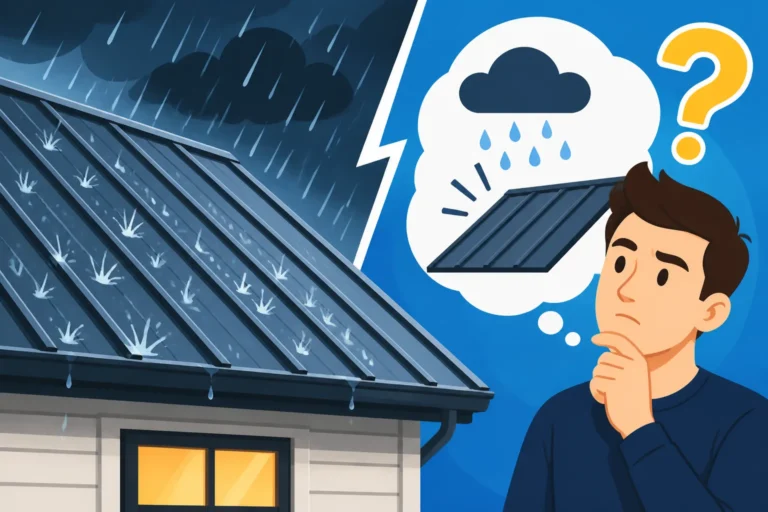
First, let's talk about performance. DECRA roofs are celebrated for their class 4 impact resistance, which is the highest rating available for roofing materials. This means they can take a beating from hail and flying debris without showing much, if any, damage. For those living in areas with frequent hailstorms, this is a game-changer and can even lead to Metal Roof Insurance Savings & Discounts. Beyond impact resistance, they also boast superior wind resistance, often certified to withstand winds up to 120 mph or even higher, depending on the specific product and installation. Their interlocking panel design and robust fastening system are key to this strength. Plus, their steel core provides excellent fire resistance, often earning a Class A fire rating. It’s truly built to protect your home.
Then there’s the aesthetic appeal. DECRA offers a wide array of profiles and colors, mimicking everything from Spanish tile to cedar shakes and traditional heavy-cut shingles. For instance, their DECRA Tile product offers the elegant, Mediterranean look of clay tiles but without the weight or fragility. Or, if you love the rustic charm of wood, their DECRA Shake product replicates that appearance with all the benefits of metal. This versatility means you don't have to compromise on curb appeal to get the durability of a metal roof. You can achieve a truly high-end, custom look that will enhance your home's value for years to come.
Exploring Boral Metal Roofing: Diverse and Innovative Solutions
Boral is a massive player in the building materials industry, and while they offer a wide range of products from concrete to bricks, their roofing division, specifically Boral Roofing, has made significant strides in the metal roofing sector. They bring a reputation for innovation, quality, and a commitment to sustainable building practices, offering a comprehensive suite of roofing solutions.
Boral's Broad Spectrum: More Than Just Metal
Unlike DECRA, which primarily focuses on stone-coated steel, Boral Roofing provides a broader spectrum of roofing materials, including clay, concrete, and, of course, metal. Within their metal roofing offerings, they also feature high-quality stone-coated steel, which directly competes with DECRA, but they might also offer other metal panel options depending on the market and region. This wider product portfolio means they often have a solution for almost any architectural style or performance requirement, drawing on their extensive experience across various roofing types.
Boral's approach often emphasizes blending aesthetics with long-term performance and sustainability. Their metal roofing products, including their stone-coated steel lines, are designed to be energy-efficient, often featuring cool roof technology that reflects solar heat, which can be a huge benefit in warmer climates. This focus on efficiency can translate into real savings on your utility bills over time, making it a compelling option for environmentally conscious homeowners or those looking to reduce their energy consumption. You can learn more about how metal roofs handle heat in our guide, Will a Metal Roof Make My House Hotter?
Innovation and Durability: The Boral Promise
Boral has built its reputation on manufacturing quality and driving innovation in the roofing industry. When it comes to their metal roofing lines, this commitment to excellence is clearly visible. They utilize advanced manufacturing processes and high-grade materials to ensure their products are not just durable but also consistently meet stringent performance standards.
Their stone-coated steel roofs, for example, are engineered to provide exceptional protection against the elements. Similar to DECRA, Boral's stone-coated steel products often come with impressive class 4 impact resistance ratings, making them highly resilient to hail damage. They are also known for strong wind uplift resistance and excellent fire ratings, ensuring comprehensive protection for your home. The durability is built into every panel, from the steel substrate to the multi-layer coating system that includes a corrosion-resistant base, an acrylic primer, and the stone granule finish that resists fading and wear.
Furthermore, Boral often emphasizes the ease of installation and the longevity of their roofing systems. While metal roofs generally require specialized installation expertise, Boral strives to create products that streamline the process for certified installers. This can potentially lead to more efficient project completion and, when done by experienced professionals, ensures the roof performs as designed for its full lifespan. For more on installation, check out Metal Roof Installation Process: Step by Step. The company also offers robust warranties, reflecting their confidence in the long-term performance and durability of their metal roofing materials.
Key Differences and Comparison Factors
When you're trying to choose between DECRA and Boral for your metal roof, it's really about drilling down into the specifics. Both are excellent choices, offering high-quality stone-coated steel, but they do have distinct philosophies and product ranges that might sway your decision. It's not about one being definitively "better," but rather which one is "better for you."
Material Composition and Profile Variety
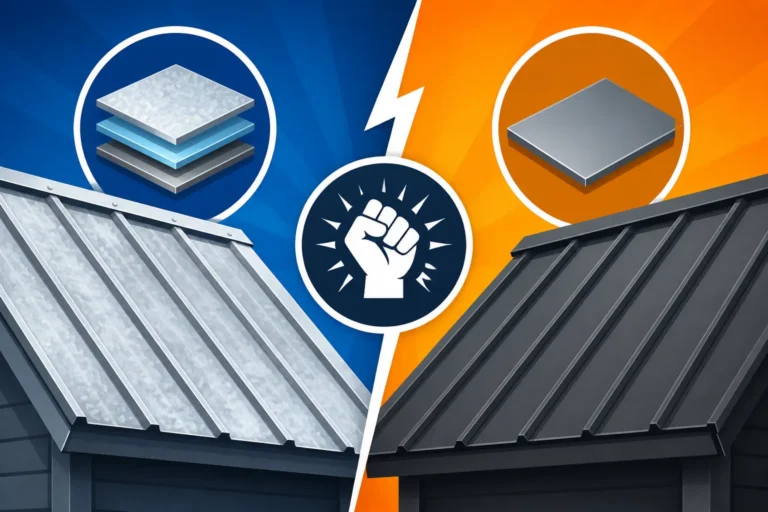
Both DECRA and Boral excel in stone-coated steel roofing, using high-quality steel coated with stone granules. However, there can be subtle differences in the exact coatings, profiles, and finishes they offer.
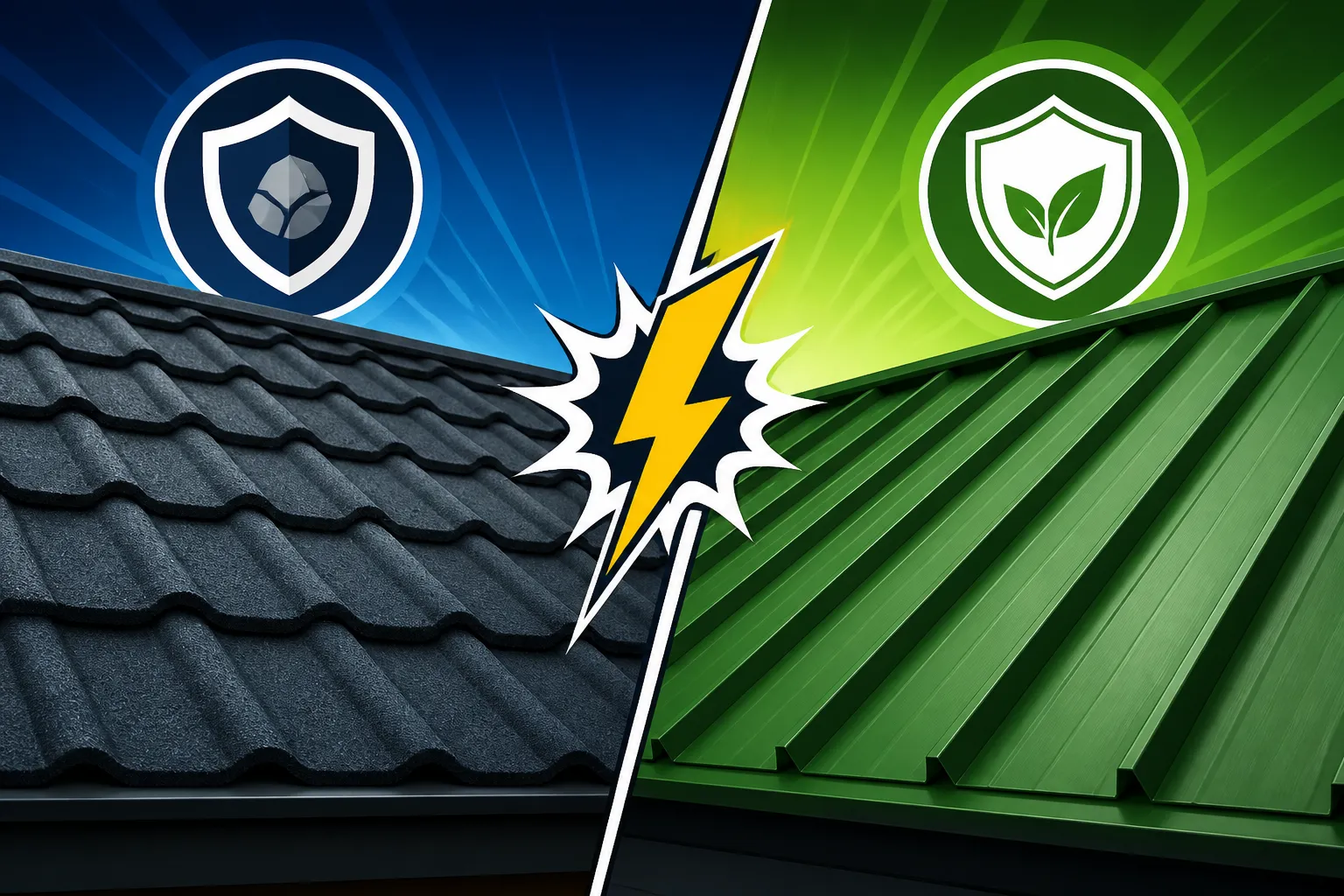
DECRA is almost exclusively focused on stone-coated steel. This specialization means their entire research and development is geared towards perfecting this particular product. They offer profiles that meticulously mimic traditional roofing materials like tile, shake, and shingle, often with a slightly more pronounced texture and depth in their stone chip finish. For example, their DECRA Shingle XD has a distinct, deep-drawn profile that creates shadow lines, giving it a very substantial look, much like a heavy architectural shingle. Their focus is on delivering a premium, highly specialized stone-coated steel product.
Boral, while offering stone-coated steel that is very competitive, has a broader material portfolio. This means that if you're exploring other metal roofing options beyond stone-coated steel—perhaps a sleek standing seam or corrugated panels—a Boral distributor might have a wider range of solutions available, or at least a wider network of contractors familiar with their diverse products. However, when comparing their stone-coated steel lines head-to-head, Boral's products, like their Stone Coated Steel Tile, Shingle, or Shake, are engineered for similar performance and aesthetics, often emphasizing a clean, authentic look for various architectural styles. The granular coatings on both brands are designed for durability and UV resistance, but installers and homeowners might have personal preferences based on the specific feel or sheen of one over the other.
Durability, Performance, and Weather Resistance
In terms of sheer durability and performance against the elements, both DECRA and Boral are top-tier contenders. They both engineer their stone-coated steel products to withstand harsh weather conditions, making them excellent choices for most climates across the country.
Both brands boast Class 4 impact resistance, which is phenomenal. This means they are incredibly resistant to damage from large hail, a huge benefit for homeowners in "hail alley" states like Texas, Oklahoma, or Colorado. This resistance often translates into lower insurance premiums, as discussed in Does a Metal Roof Lower Home Insurance Premiums?. Furthermore, both manufacturers offer excellent wind uplift resistance, generally certified for hurricane-force winds (often 120 mph or more), making them suitable for coastal areas or regions prone to high winds. Their interlocking panel systems contribute significantly to this strength, preventing panels from detaching during severe weather events. Fire resistance is also a shared strength, with both typically achieving Class A fire ratings, offering superior protection against external flame spread.
The primary difference here often comes down to specific product lines and regional certifications. For instance, in areas like Florida's High-Velocity Hurricane Zones (HVHZ), both brands will have specific products and installation methods certified to meet the incredibly strict building codes. It's crucial to check the specific product certifications for your local area. While their core performance metrics are very similar, some homeowners or contractors might have a preference based on long-term experience with one brand's particular coating or fastening system in their local climate. It's always a good idea to speak with local metal roofing contractors who work with both brands to get their nuanced insights into performance in your specific environment.
Cost, Warranty, and Installation Factors
When it comes to your budget, warranty coverage, and the installation process, DECRA and Boral tend to be quite comparable, given they are both premium stone-coated steel products. However, there are nuances worth exploring.
Cost Considerations
Generally, stone-coated steel roofs from both DECRA and Boral fall into the higher end of the metal roofing cost spectrum. They are an investment, often costing more upfront than traditional asphalt shingles or even some exposed fastener metal panels. You can dive deeper into this in our Metal Roof Cost: Complete 2026 Guide. The cost will vary significantly based on the specific profile chosen, the complexity of your roof, geographical location, and the installer's labor rates. It's not uncommon for these roofs to range from $8 to $15 per square foot installed, and sometimes even higher for complex projects or premium profiles. While there might be slight price differences between comparable products from DECRA and Boral, these are often negligible in the grand scheme of a full roof replacement and are more influenced by the local supplier and contractor.
It's vital to get detailed quotes from several reputable contractors. Services like Modernize can connect you with experienced roofers who work with these high-end materials. Remember, the true value of these roofs comes from their longevity, low maintenance needs, and enhanced protection, which often leads to a favorable Metal Roof Cost vs Lifespan Value.
Warranty Coverage
Both DECRA and Boral offer robust warranties that reflect the expected long lifespan of their products. Typically, you'll find limited lifetime warranties for the original homeowner, often transferable to a new owner for a certain period. These warranties usually cover manufacturing defects and performance against factors like hail penetration, wind uplift, and sometimes even significant color fading.
It's crucial to read the fine print of each warranty. Pay attention to what constitutes a "defect," what level of fading is covered (if any), and any exclusions. Also, consider the workmanship warranty offered by your installer, as this is separate from the manufacturer's product warranty. Our guide on Metal Roof Warranties: Workmanship vs Manufacturer can help clarify these distinctions. Both brands have a strong presence and are financially stable, which is important for honoring long-term warranty claims.
Installation Process
The installation process for stone-coated steel from both DECRA and Boral is specialized and requires experienced professionals. These are not DIY roofs. The panels are lightweight but need precise cutting, fitting, and fastening to ensure proper performance and aesthetics. The interlocking nature of many stone-coated steel panels means they create a highly robust system when correctly installed, but improper installation can lead to problems like leaks or premature wear.
Contractors experienced with one brand often have an easy time transitioning to the other, as the fundamental installation principles are similar. However, each brand has its own specific installation guidelines and accessories that must be followed to maintain warranty validity. It's always best to choose a contractor who is factory-trained or certified to install the specific brand you choose. Our guide on Manufacturer-Certified Metal Roof Installers Explained offers more details on why this is important.
Here's a quick comparison table to summarize the key differences:
| Feature | DECRA Metal Roofing | Boral Metal Roofing |
|---|---|---|
| Primary Focus | Exclusively stone-coated steel | Broad roofing portfolio, including stone-coated steel |
| Gauge (Stone-Coated) | Typically 26-gauge steel | Typically 26-gauge steel |
| Impact Resistance | Class 4 (Highest) | Class 4 (Highest) |
| Wind Resistance | Excellent (120+ mph, product-specific) | Excellent (120+ mph, product-specific) |
| Fire Rating | Class A | Class A |
| Aesthetic Diversity | Wide range of traditional profiles (tile, shake, shingle) | Wide range of traditional profiles (tile, shake, shingle) |
| Weight | Lightweight (approx. 1.4-1.6 lbs/sq ft) | Lightweight (approx. 1.4-1.6 lbs/sq ft) |
| Core Material | Steel with acrylic-bonded stone granules | Steel with acrylic-bonded stone granules |
| Energy Efficiency | Often "cool roof" rated | Often "cool roof" rated, emphasized sustainability |
| Typical Cost (Installed) | Higher end of metal roofing ($8-$15+ per sq ft) | Higher end of metal roofing ($8-$15+ per sq ft) |
| Warranty | Limited Lifetime (transferable) | Limited Lifetime (transferable) |
Making Your Decision: Which Brand is Right for You?
Choosing between DECRA and Boral for your metal roof is truly a choice between two excellent options. Both provide superior protection, longevity, and curb appeal through their high-quality stone-coated steel products. The "right" choice isn't about finding a winner in a head-to-head battle, but rather aligning the brand's specific strengths and offerings with your unique priorities, budget, and home's requirements.
Assessing Your Home's Needs and Architectural Style
Before you even start looking at specific product lines, take a good, hard look at your home and its surroundings. What kind of weather does your region experience regularly? Do you live in an area prone to hurricanes, heavy snow, or frequent hail? Both DECRA and Boral are exceptional performers in harsh climates, offering high wind, fire, and impact resistance. If you need a roof that can truly stand up to extreme conditions, either brand will deliver. You can learn more about robust roofing in our guide, Metal Roof Wind and Fire Ratings Explained.
Next, consider your home's architectural style. Are you aiming for a classic Mediterranean look that calls for a clay tile aesthetic? Or perhaps a rustic lodge vibe that would suit a wood shake appearance? Both DECRA and Boral offer stunning profiles that mimic these traditional materials with remarkable fidelity. DECRA, with its focused expertise in stone-coated steel, has perfected many of these traditional looks, sometimes offering slightly more aggressive textures or specific color blends that might appeal to a particular design sensibility. Boral also offers beautiful selections, often with an emphasis on authentic appearance across their broader range of roofing products, which includes concrete and clay tiles. It really comes down to comparing the exact profile and color samples from each brand against your home's exterior to see which one creates the perfect harmony.
Budgeting and Long-Term Value
Let's be realistic: metal roofs, especially premium stone-coated steel ones, are a significant investment. You're looking at a higher upfront cost compared to asphalt shingles. However, it's crucial to view this through the lens of long-term value. Both DECRA and Boral roofs are designed to last 50 years or more, often outliving two or three asphalt shingle roofs. This extended lifespan, coupled with minimal maintenance needs and potential insurance savings, can result in significant cost savings over the decades. Check out our Is a Metal Roof Worth It? ROI, Resale & Payback article for a deeper look at the financial benefits.
When budgeting, consider the total installed cost. As we discussed, prices for both brands' stone-coated steel products are generally comparable. Focus on getting multiple, detailed quotes from certified installers who specialize in these materials. Don't just compare the bottom-line number; look at what's included in each quote, such as underlayment, flashing, trim, and labor. A slightly higher quote from a highly reputable contractor with extensive experience in DECRA or Boral might be a better investment than a lower bid from an less experienced crew. Remember, proper installation is paramount to the longevity and performance of these high-end roofing systems. Consider talking to several reputable roofers, and perhaps using a service like Modernize to help streamline that process. They can assist in finding the best match for your specific project and ensuring you receive comprehensive estimates.
Ultimately, the choice between DECRA and Boral might come down to the specific product profile you prefer, the availability and expertise of local contractors, or even a slight preference for one brand's warranty terms over another. Both are exceptional choices that will provide your home with beauty, protection, and lasting value for decades to come.
Disclaimer
Please remember that the information provided in this guide is intended for general informational purposes only and does not constitute professional advice. Roofing material costs, availability, specific product features, and warranty terms can vary significantly based on location, market conditions, and individual project requirements. Always consult with qualified and licensed roofing professionals for accurate estimates, product recommendations, and installation specific to your home and local building codes.