Is Steel a Good Roofing Material?
When you're facing the big decision of replacing your roof, the question "Is steel a good roofing material?" often comes up, and it's completely valid to wonder. For years, asphalt shingles have been the go-to, so stepping into the world of metal roofing can feel a bit daunting, shrouded in myths and unknowns. This comprehensive guide is here to cut through the confusion, offering a realistic look at steel as a roofing material, its benefits, potential downsides, and whether it’s the right fit for your home.
Understanding Steel as a Roofing Material
Steel roofing isn't just one thing; it's a category with various compositions and styles, each bringing its own set of characteristics to the table. When people talk about steel roofs, they're usually referring to durable, long-lasting panels or shingles designed to protect your home for decades. But what exactly are these different types, and how do they impact your decision?
Types of Steel Roofing
The primary distinction in residential steel roofing often comes down to the protective coating applied to the steel core, which dictates much of its performance and longevity.
Galvanized vs. Galvalume
When you hear about steel roofing, two terms often pop up: galvanized and Galvalume. Both are designed to prevent the steel from rusting, but they go about it in slightly different ways.
-
Galvanized Steel: This type of steel is coated with a layer of zinc. The zinc acts as a sacrificial barrier, meaning it corrodes before the underlying steel does, offering excellent protection against rust. It's been a reliable choice for generations, particularly for agricultural buildings and more utilitarian structures, but has also found its way into residential applications, especially for those seeking a classic, industrial look. The zinc coating, however, can scratch or wear down over time, exposing the steel beneath. Regular maintenance and proper installation are key to its longevity. You'll often find galvanized steel used in corrugated panels, which are a familiar sight on many barns and some modern homes.
-
Galvalume Steel: A newer innovation, Galvalume steel boasts a coating that's a blend of zinc, aluminum, and a touch of silicon. This combination provides superior corrosion resistance compared to traditional galvanized steel. The aluminum in the coating offers a barrier protection similar to aluminum roofing, while the zinc still provides sacrificial protection. This dual-action defense makes Galvalume incredibly resilient, particularly in harsh environments or areas prone to moisture. It’s often the preferred choice for standing seam metal roofs due to its enhanced durability and often comes with longer warranties. You can find detailed information on Galvalume Roof Cost Per Square Foot to get a better sense of its investment.
Stainless Steel
While less common for an entire residential roof due to its higher cost, stainless steel is sometimes used for specific architectural details or in very high-end custom homes. Stainless steel contains chromium, which creates an invisible, self-healing oxide layer that makes it highly resistant to rust and corrosion, even without an additional coating like zinc or aluminum. Its exceptional durability and sleek appearance are undeniable, but the price point usually steers most homeowners towards galvanized or Galvalume options.
Common Profiles and Aesthetics
Beyond the material composition, steel roofing comes in a variety of profiles, each offering a distinct aesthetic and different installation characteristics. Understanding these profiles is crucial as they greatly influence the final look of your home and how the roof performs. You can explore various options in our guide on Metal Roofing Types Explained: Profiles & Panels.
Standing Seam
This is perhaps the most popular and recognizable form of modern metal roofing for residential homes. Standing seam panels feature raised seams that run vertically up the roof, effectively hiding the fasteners beneath the panels. This concealed fastener system gives it a clean, linear look and significantly enhances its weather resistance, as there are no exposed screws for water to penetrate. Standing seam roofs are known for their sleek, contemporary appearance and exceptional durability, often lasting 50 years or more. If you're curious about this option, our article on How Much Does a Standing Seam Metal Roof Cost provides more details.
Corrugated
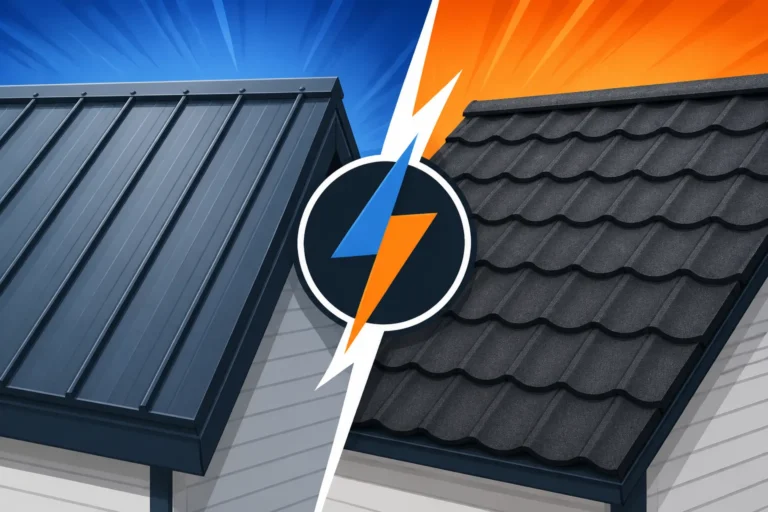
Corrugated steel roofing is characterized by its wavy or ribbed profile. These panels are typically less expensive than standing seam and are installed with exposed fasteners. While historically seen on barns and industrial buildings, corrugated steel has gained popularity in modern residential design for its rustic charm and industrial aesthetic. It's a robust choice, especially for those looking for a more budget-friendly metal roof, and its profile allows for excellent water runoff. However, the exposed fasteners require periodic inspection and maintenance to prevent leaks. For a deeper dive, check out our comparison of Standing Seam vs Corrugated Metal Roof.
Stone-Coated Steel
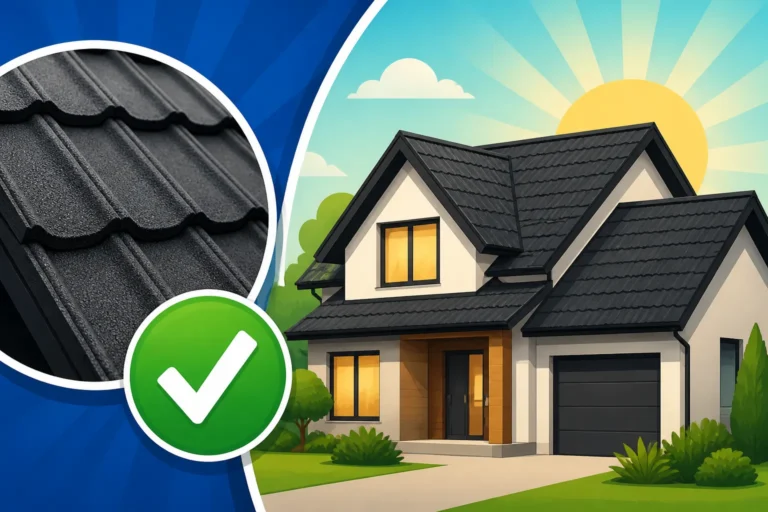
If you love the look of traditional shingles, tile, or shake but want the benefits of steel, stone-coated steel roofing might be your ideal solution. These panels are made from steel, then coated with an acrylic adhesive layer infused with ceramic-coated stone granules. The result is a roof that mimics the appearance of conventional roofing materials while retaining the strength and longevity of steel. It's an excellent option for homeowners who need to adhere to HOA aesthetic guidelines or simply prefer a more classic look. The stone coating also adds an extra layer of protection against impact and can help dampen noise. You might be interested in knowing the Stone-Coated Steel Roof Cost for budgeting purposes.
The Advantages of Choosing Steel for Your Roof
Opting for a steel roof brings a host of benefits that extend far beyond its initial installation. Homeowners often find that the long-term value, peace of mind, and performance outweigh the upfront cost.
Exceptional Durability and Lifespan
One of the most compelling reasons to choose a steel roof is its incredible durability. Unlike traditional asphalt shingles that degrade over time due to UV exposure, temperature fluctuations, and moisture, steel stands strong.
Steel roofs are engineered to withstand the elements year after year, offering superior resistance to cracking, shrinking, and eroding. This inherent strength means you won't be dealing with crumbling granules or brittle shingles after just a few years. Instead, you get a robust shield over your home. Our guide on Metal Roof Lifespan: How Long Do They Last? delves into this topic further, often highlighting that a properly installed steel roof can last 40 to 70 years, sometimes even longer, depending on the material and coating. This is significantly longer than the typical 15-30 year lifespan of asphalt. The higher gauge steel, like 24 or 26 gauge, provides even greater rigidity and impact resistance, which you can learn more about in Metal Roof Gauges Explained: 22, 24, 26 & 29.
Weather Resistance and Protection
Steel roofs are champions when it comes to standing up to severe weather, offering a level of protection that many other materials simply can't match.
-
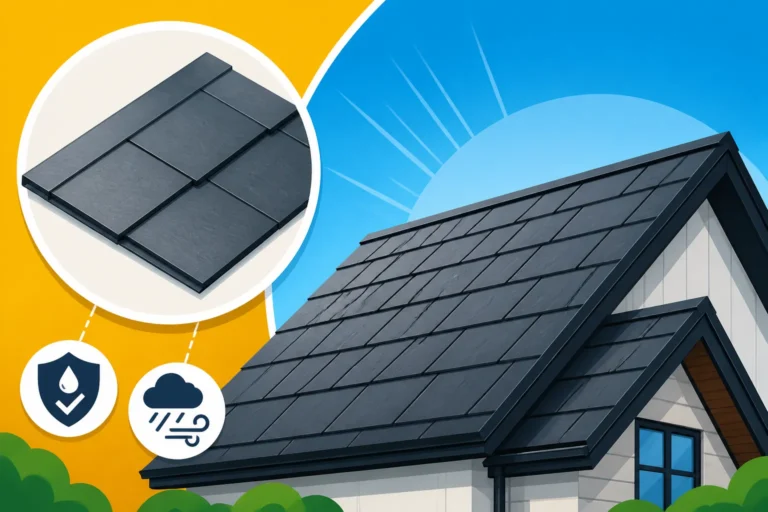
Wind Resistance: When properly installed, steel roofs can resist extreme wind uplift, often rated to withstand hurricane-force winds up to 140-160 mph. Their interlocking panel systems or secure fastening methods prevent individual components from detaching, which is a common failure point for shingle roofs during high winds. This makes them a fantastic choice for homes in hurricane or tornado-prone regions.
-
Fire Resistance: Steel is non-combustible, earning it a Class A fire rating, the highest possible. This means a steel roof will not ignite or spread flames, offering critical protection against external fire sources like wildfires, fireworks, or embers from a nearby house fire. This can be a huge benefit for homeowners, especially in areas with a higher risk of wildfires.
-
Hail and Impact Resistance: While no roof is entirely impervious to large hail, many steel roofing systems, particularly stone-coated steel and heavier gauge standing seam panels, offer excellent impact resistance. They are often rated Class 4 for impact resistance, meaning they can withstand the force of a 2-inch steel ball dropped from 20 feet without cracking. This superior performance can even lead to Metal Roof Insurance Savings & Discounts in some areas, as insurers recognize the reduced risk.
-
Snow and Ice: The smooth, hard surface of a steel roof helps snow and ice shed more easily than on textured surfaces like shingles. This reduces the risk of heavy snow loads building up and minimizes the potential for ice dam formation, which can cause significant damage to gutters and eaves.
Energy Efficiency and Sustainability
Beyond its brawn, steel roofing is also a smart choice for your wallet and the planet.
-
Energy Savings: Many steel roofs are "cool roofs," meaning they are designed to reflect a significant portion of the sun's radiant heat. This reflectivity reduces the amount of heat absorbed by your attic and, consequently, your home. With less heat penetrating the building envelope, your air conditioning system doesn't have to work as hard, leading to noticeable energy savings, especially in warmer climates. Light-colored steel roofs with specialized coatings can reflect up to 70% of solar energy.
-
Environmentally Friendly: Steel is one of the most recycled materials globally. Most steel roofing products contain a significant percentage of recycled content, and they are 100% recyclable at the end of their long life. This minimizes landfill waste and reduces the demand for new raw materials, making it a highly sustainable roofing option. Its long lifespan also means fewer roof replacements over the lifetime of your home, further reducing environmental impact. Proper Metal Roof Underlayment and Ventilation Guide can further enhance energy performance.
Potential Drawbacks and Considerations for Steel Roofing
While the benefits are plentiful, being a realistic homeowner means understanding the full picture. Steel roofing does come with a few considerations that are important to weigh before making a final decision.
Initial Cost Investment
There's no getting around it: a steel roof typically has a higher upfront cost compared to a traditional asphalt shingle roof. This is often the biggest hurdle for homeowners considering the switch.
The materials themselves are more expensive to produce and process, and the specialized manufacturing of panels and coatings adds to that cost. Additionally, the installation of a steel roof, particularly complex profiles like standing seam, requires specialized tools and a higher level of skill and precision than laying shingles. This translates to higher labor costs. While a new asphalt shingle roof might cost an average of $8,000 to $15,000 for a typical home, a steel roof can range from $15,000 to $40,000 or even more, depending on the type, complexity, and location. For a detailed breakdown, you can check out our comprehensive guide on Metal Roof Cost: Complete 2026 Guide. However, it’s crucial to view this as an investment rather than just an expense. When you factor in the extended lifespan, reduced maintenance, and potential energy savings, the lifetime cost of a steel roof can often be lower than repeatedly replacing an asphalt roof.
Noise Concerns and Solutions
One of the most common myths and concerns about metal roofs is that they are excessively noisy, especially during rain or hail. It's true that metal can amplify sound, but modern installation techniques largely mitigate this issue.
In a properly installed residential steel roof, the metal panels are installed over a solid substrate (like plywood decking) and typically with an underlayment. This layered construction, combined with attic insulation, significantly dampens sound. The drumming sound you might imagine from rain on a tin shed is very different from the sound inside a home with a well-insulated, professionally installed steel roof. In fact, many homeowners report that a heavy rain on their steel roof sounds no louder than on an asphalt roof, and sometimes even quieter than heavy rain on an older, uninsulated roof. The key here is proper insulation and a solid roof deck beneath the panels.
Installation Complexity and Expertise Required
Installing a steel roof is not a typical DIY project, and it demands a higher level of expertise than many other roofing materials. This isn't just about nailing down panels; it involves precision, specialized tools, and a deep understanding of metal properties.
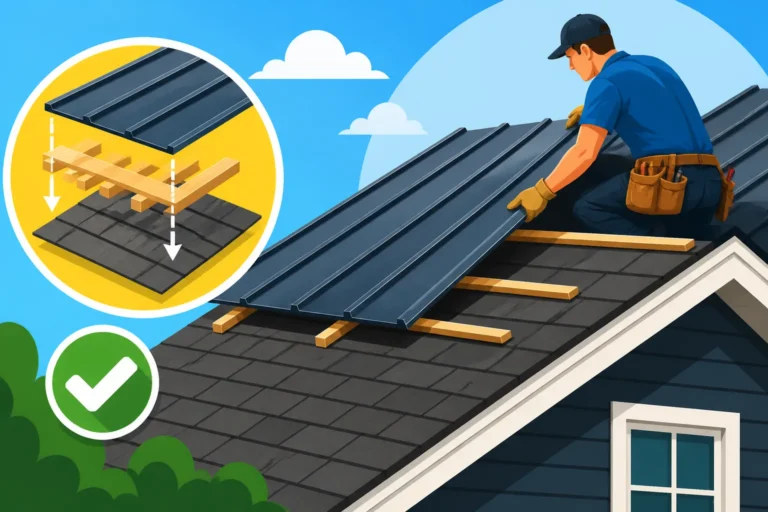
Steel panels need to be cut accurately, fasteners must be applied correctly to ensure watertightness and allow for thermal expansion and contraction, and flashing details around chimneys, vents, and valleys are critical. An inexperienced installer can easily make mistakes that lead to leaks, premature corrosion, or a compromised warranty. This is why choosing a highly experienced and reputable metal roofing contractor is paramount. They should have a proven track record specifically with metal installations, not just general roofing. It's always a good idea to refer to resources like How to Hire a Metal Roofing Contractor to ensure you're working with the right professionals. The Metal Roof Installation Process: Step by Step is much more involved than traditional roofing.
Is Steel the Right Choice for Your Home?
Deciding whether a steel roof is right for you involves weighing its many advantages against its initial cost and specific installation requirements. It's a significant investment, but one that often pays dividends in the long run.
Factors to Weigh in Your Decision
As you ponder the switch to steel, consider these key aspects unique to your situation:
-
Climate: If you live in an area prone to severe weather—heavy snow, strong winds, hail, or even wildfires—steel's superior durability and resistance can be an invaluable asset. Its ability to shed snow, withstand high winds, and resist fire offers a level of protection that provides true peace of mind. For instance, a metal roof is a popular choice in Florida due to its resilience against hurricane-force winds.
-
Budget vs. Long-Term Value: While the upfront cost is higher, think about the total cost of ownership. A steel roof will likely outlast several asphalt roofs, meaning fewer replacements, less material waste, and less disruption to your home over 50+ years. Factor in potential energy savings and insurance discounts, and the lifetime value proposition of steel becomes very strong. If you plan to stay in your home for many years, the investment makes even more sense.
-
Aesthetics and Home Style: Steel roofing, especially standing seam, offers a modern, sleek aesthetic that complements many contemporary and even traditional homes. Stone-coated steel provides a versatile option that can mimic almost any traditional roofing material. Consider how the specific profile and color will enhance your home’s curb appeal and overall architectural style. Our guide on What Is the Best Metal Roof for a House? can help you visualize the various styles.
-
Resale Value: A durable, aesthetically pleasing steel roof can significantly boost your home’s resale value. Homebuyers often appreciate the longevity, low maintenance, and energy efficiency of metal roofing, making your property more attractive in the market.
Getting Professional Advice and Quotes
Making an informed decision about your roof requires expert input tailored to your specific home and local conditions.
-
Seek Multiple Quotes: Don't settle for the first estimate you receive. Contact at least three different reputable metal roofing contractors. This allows you to compare not only prices but also the scope of work, material options, warranties, and contractor experience. When evaluating quotes, ensure they are apples-to-apples, specifying the same gauge, finish, and profile of steel.
-
Vet Contractors Thoroughly: Ask for references, check reviews, and verify their licensing and insurance. A good metal roofing contractor should be able to provide examples of their past work with steel and clearly explain the installation process. They should also be knowledgeable about local building codes and permitting requirements. Many homeowners start their search on platforms like Modernize, which can help connect them with pre-vetted local professionals. Using a service like Modernize can help streamline this process, giving you access to reputable installers who specialize in metal roofing.
-
Understand Warranties: A quality steel roof comes with robust warranties, often covering materials for 30-50 years and finishes for 20-30 years against fading or chalking. Understand what these warranties cover and for how long. Also, inquire about the contractor's workmanship warranty, which protects you against installation errors.
By carefully considering all these aspects and leveraging resources like Modernize to find experienced professionals, you can confidently determine if steel is indeed a good roofing material for your unique home and investment goals.
Disclaimer
Please note that this article provides general information and should not be considered professional advice. Roofing projects involve inherent risks and complexities. Always consult with qualified and licensed metal roofing professionals for specific recommendations, detailed cost estimates, and installation guidance tailored to your property and local building codes. Building codes, product availability, and costs can vary significantly by location and change over time.