What Roof Wind Rating Is Required in Hurricane Zones?
If you live in a hurricane-prone area, the thought of your home's roof being ripped apart by relentless winds is a terrifying, very real concern. It's not just about surviving the storm, but about knowing your biggest investment — your home — is genuinely protected. When you're eyeing a metal roof for its durability and longevity, understanding the specific wind rating requirements isn't just a good idea, it's absolutely essential to ensure it stands up to Mother Nature's worst. This guide will walk you through the critical wind rating standards for metal roofs in hurricane zones, helping you make informed decisions for ultimate peace of mind.
Understanding Wind Ratings for Metal Roofs
Navigating the world of building codes and structural requirements can feel like learning a new language, especially when it comes to something as vital as your roof's ability to withstand a hurricane. But trust me, understanding what "wind rating" truly means for your metal roof is paramount, not just for compliance but for the actual safety of your home and family. It’s a lot more complex than just picking a tough-looking panel.
What Is a Wind Rating and Why It Matters So Much
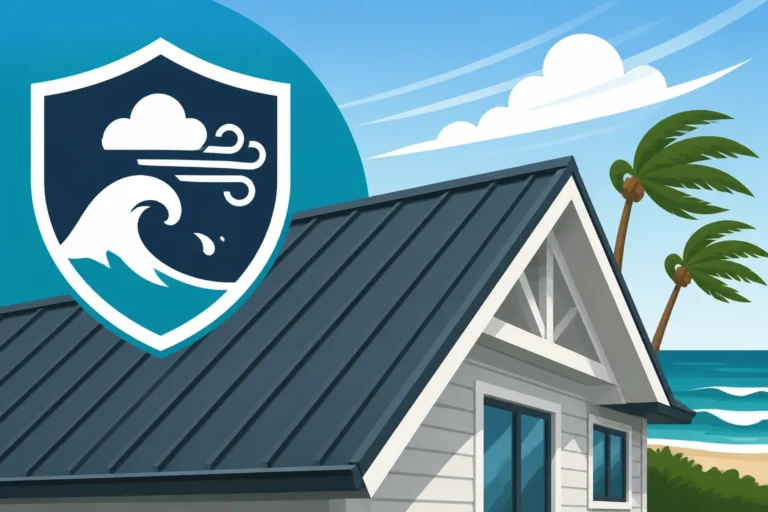
At its core, a wind rating describes a roofing system's ability to resist specific wind pressures. It’s typically expressed in pounds per square foot (psf) and usually includes both uplift and downward pressure resistance. Think of it this way: when hurricane-force winds hit your roof, they don’t just push down; they also create a tremendous suction effect that tries to lift the roof right off your house. This uplift is often the primary cause of roof failure during severe storms. A robust wind rating means your entire roofing system – from the panels and fasteners to the decking and framing connections – has been engineered and tested to resist these forces.
Without an adequate wind rating, your beautiful new metal roof, no matter how good it looks, could become a casualty in the next major storm. This isn't just about property damage; a compromised roof leaves your entire home vulnerable to water intrusion, which can lead to extensive interior damage, mold, and even structural instability. It's about protecting everything under that roof. Many homeowners don't realize that simply having "metal" isn't enough; the design and installation are equally, if not more, important.
Key Wind Rating Standards and Certifications
When you're looking at metal roofing products, you'll encounter several important certifications and testing standards. These aren't just fancy labels; they represent rigorous testing to ensure the products can perform under extreme conditions.
- ASTM (American Society for Testing and Materials): This organization develops and publishes technical standards. For metal roofing, you might see standards like ASTM E1592, which covers the structural performance of sheet metal roof and siding systems by uniform static air pressure difference. This test helps determine how much pressure a metal panel can withstand before deforming or failing.
- UL (Underwriters Laboratories): UL is a global safety certification company. For roofing, UL 580 and UL 1897 are crucial. UL 580 assesses the uplift resistance of roof assemblies, subjecting them to varying wind pressures. UL 1897 is a more intense dynamic uplift test, designed to simulate the pulsating effects of wind during a hurricane, providing a much more realistic assessment of performance in extreme conditions. A UL Class 90 rating is commonly sought after and required in many high-wind zones, indicating exceptional uplift resistance.
- FM Global (Factory Mutual Global): This is another well-respected international insurance and loss prevention company. FM Global has its own set of stringent standards, often designated as FM 4471 for roof panels. Products with FM approval have undergone extensive testing for uplift, fire, hail, and wind-driven rain, providing a comprehensive assurance of quality and durability, particularly for commercial or high-value residential properties where insurance requirements are very strict.
- Miami-Dade Notice of Acceptance (NOA): This is the gold standard for roofing products in Florida's High-Velocity Hurricane Zone (HVHZ), which includes Miami-Dade and Broward counties. An NOA indicates that a product has met some of the most rigorous testing requirements in the world, specifically designed to withstand the devastating hurricanes that frequently impact South Florida. If a product has a Miami-Dade NOA, you can be extremely confident in its performance in other hurricane zones too. You can learn more about specific requirements by looking into Florida Metal Roof Codes: FBC, HVHZ & Approvals.
These certifications are your assurance that the metal roofing system isn't just marketing hype; it's been independently verified to perform. Always ask your contractor for documentation proving that the specific system being installed meets the required standards for your area.
Specific Requirements in Hurricane Zones
The wind rating required for your metal roof isn't a "one-size-fits-all" number. It depends heavily on where your home is located within a hurricane zone, and which specific local and state building codes apply. These codes are in place for a very good reason – to protect lives and property from the immense destructive power of tropical storms and hurricanes. Ignoring them is a costly gamble.
The Florida Building Code (FBC) and High-Velocity Hurricane Zones (HVHZ)
Florida, being the poster child for hurricane activity, has some of the most stringent building codes in the nation, particularly the Florida Building Code (FBC). Within Florida, the High-Velocity Hurricane Zone (HVHZ), encompassing Miami-Dade and Broward counties, has an even higher standard of regulations. In these areas, roof systems must be designed to withstand extreme wind speeds, often exceeding 180 mph, and are subject to dynamic uplift pressures.
The FBC mandates specific design pressures, which vary based on your building's height, proximity to the coast, and terrain category. For most residential metal roofs in typical Florida hurricane zones (outside HVHZ), the required wind resistance might range from 110-140 mph, but in HVHZ, it can be significantly higher. These requirements affect everything from the gauge of the metal panels to the spacing and type of fasteners used, and even the substrate beneath the metal. The installation must strictly adhere to the Florida Product Approval or Miami-Dade NOA for the specific roofing product. This includes detailed instructions for everything from underlayment installation to flashing and edge details. Ignoring these details could not only void your warranty but, more importantly, leave your home exposed. Understanding Metal Roof Wind and Fire Ratings Explained can give you a broader perspective on these performance criteria.
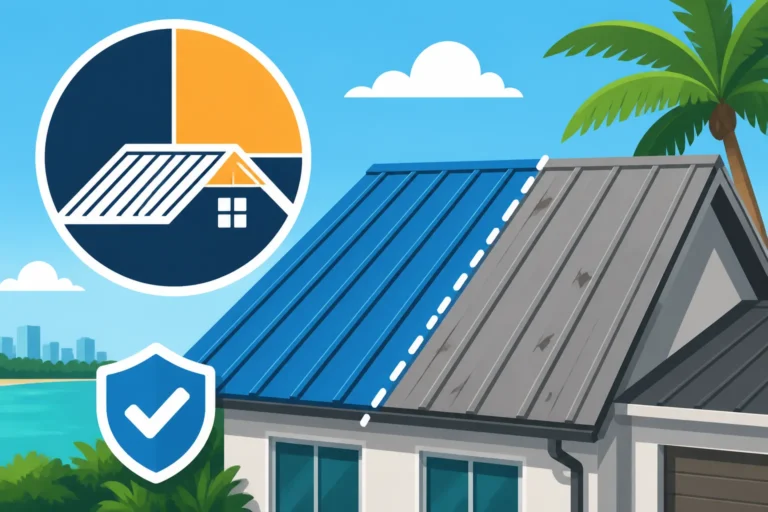
It's also worth noting Florida's "25% Rule" for roof replacement, which can trigger requirements to bring the entire roof up to current code if more than 25% is being replaced. This means even a partial repair might necessitate a full code upgrade.
Other Coastal States and Their Requirements
While Florida often leads the way, many other coastal states have adopted equally serious building codes to address hurricane threats.
- Texas Gulf Coast: Areas like Galveston, Houston, and Corpus Christi are no strangers to hurricanes. Texas adopts versions of the International Building Code (IBC) and International Residential Code (IRC), with amendments that increase wind design requirements for coastal regions. The Texas Department of Insurance (TDI) often certifies products for windstorm resistance, and many coastal counties require structures to meet specific windstorm provisions, often enforced by the Texas Windstorm Insurance Association (TWIA) in specific designated catastrophe areas. If you're in the Galveston area, for instance, you'll need a roof system capable of handling wind speeds up to 140-150 mph or more, depending on your exact location relative to the coastline.
- Louisiana: Following devastating hurricanes like Katrina and Ida, Louisiana significantly updated its building codes. Areas closer to the Gulf Coast often require roofs capable of withstanding 130-150 mph winds, again with specific uplift and component/cladding requirements. The state's Uniform Construction Code mandates adherence to IBC/IRC standards, often with local amendments for high-wind zones.
- The Carolinas (North and South Carolina): States like North and South Carolina, especially their barrier islands and coastal communities (think Outer Banks, Myrtle Beach, Charleston), also face a high risk of hurricanes. Their building codes incorporate specific wind speed design maps, with critical areas requiring roofs to withstand sustained winds of 140 mph or higher. Compliance often involves specific fastener schedules, decking attachment, and fortified roof systems that enhance overall resilience.
- Other Eastern Seaboard States: Even states further north like Virginia, Maryland, and New Jersey have coastal regions with elevated wind design requirements, especially for structures within a certain distance from the shoreline. While not always at the extreme levels of Florida or Texas, these areas still demand robust roofing solutions to handle potential hurricane or nor'easter impacts.
To understand your specific local requirements, always consult with a local, reputable metal roofing contractor who is familiar with the exact codes in your city and county. They can help you navigate the nuances and ensure your project is compliant. Don't underestimate the value of expertise when it comes to Hurricane and Coastal Metal Roof Requirements.
Table: Typical Wind Speed Requirements by Hurricane Category and Zone
This table provides a general overview. Actual design pressures will depend on specific local codes, building height, and exposure category.
| Hurricane Category | Sustained Wind Speeds (MPH) | Typical Design Wind Speeds (MPH) for Roofs in Designated Zones |
|---|---|---|
| Tropical Storm | 39-73 | 90-110 (Standard code, non-coastal) |
| Category 1 | 74-95 | 110-130 (Coastal regions, basic protection) |
| Category 2 | 96-110 | 130-145 (Coastal high-wind zones, improved protection) |
| Category 3 | 111-129 | 145-160 (High-risk coastal areas, very strong protection) |
| Category 4 | 130-156 | 160-180 (Extreme coastal, HVHZ equivalent) |
| Category 5 | 157+ | 180+ (HVHZ, direct coastlines, most stringent) |
Note: The "Typical Design Wind Speeds" are not the hurricane's sustained wind speeds, but rather the speeds against which a roof system is designed to provide resistance, accounting for gust factors and building-specific aerodynamics.
How to Ensure Your Metal Roof Meets Wind Rating Standards
Getting a metal roof that looks great is one thing, but getting one that truly protects your home when a hurricane is bearing down is another. It’s a multi-faceted approach that involves careful selection of materials, precise installation, and strict adherence to local building codes. Cutting corners here can lead to devastating consequences, both financially and emotionally.
Choosing the Right Metal Roof System and Materials
Not all metal roofs are created equal, especially when it comes to wind resistance. The choice of profile, material, and gauge all play significant roles.
- Standing Seam Metal Roofs: These are often considered the top-tier option for hurricane zones. Their panels have raised seams that are crimped or snapped together, concealing the fasteners. This hidden fastener system offers superior uplift resistance because the fasteners are protected from direct wind exposure and the panels are interconnected more robustly. They are less prone to wind uplift and panel detachment compared to exposed fastener systems. Many homeowners opt for standing seam for its longevity and performance, even if the Standing Seam Metal Roof Cost is higher upfront.
- Exposed Fastener Systems (e.g., Corrugated, R-Panel): While more economical, these systems rely on screws that penetrate the panel, exposing the fasteners to the elements. While perfectly suitable for many applications, they may require more fasteners, specific screw types, and robust sealing to meet stringent hurricane zone wind ratings. Always ensure that the specific exposed fastener system chosen has the necessary certifications and a detailed installation guide that meets your local codes. A good contractor will walk you through the differences between Standing Seam vs Corrugated Metal Roof.
- Metal Shingles or Tiles: These systems are designed to mimic traditional shingles or tiles but offer the durability of metal. Their wind resistance can vary significantly depending on the interlocking design and fastener system. Stone-coated steel tiles, for example, can be highly wind-resistant due to their small size and robust attachment points, often carrying high wind ratings.
- Material and Gauge: The type of metal (steel, aluminum) and its thickness (gauge) also matter. Thicker gauge metal (lower number, e.g., 24-gauge over 26-gauge) generally offers greater rigidity and resistance to deformation under wind pressure. Aluminum is lighter and highly corrosion-resistant, which is excellent for coastal areas, but may require a slightly heavier gauge to match the strength of steel. Choosing appropriate materials is critical for the overall Metal Roof Lifespan: How Long Do They Last?.
Always specify that you need a system that is rated for your particular wind zone. Manufacturers like McElroy Metal, Metal Sales, and Englert offer a range of products specifically designed and tested for high-wind applications, often with published wind load charts and engineering specifications.
The Importance of Professional Installation and Inspections
Even the best-rated metal roofing system will fail if it's not installed correctly. This is where a skilled, experienced, and licensed metal roofing contractor becomes indispensable.
- Experienced Contractors: Look for contractors with a proven track record of installing metal roofs in hurricane zones. They understand the specific requirements for fastener spacing, sealing techniques, flashing details, and edge conditions that are crucial for wind resistance. A contractor who regularly works in coastal areas will know the nuances of How to Hire a Metal Roofing Contractor who understands high-wind installations.
- Manufacturer Specifications: A professional installer will strictly adhere to the manufacturer's installation guidelines, which are often tied directly to the product's wind rating certifications. Deviating from these can void warranties and, more importantly, compromise the roof's performance.
- Proper Fastening: The type, quantity, and pattern of fasteners are critical. In hurricane zones, this often means more fasteners, specific lengths, and high-quality sealants to prevent moisture intrusion around screw holes.
- Perimeter and Edge Details: The edges and corners of a roof are often the most vulnerable points to wind uplift. Proper drip edge, rake trim, and gable flashing are absolutely critical. They need to be securely fastened and sealed to prevent wind from getting underneath the panels and initiating a peel-off effect.
- Building Code Inspections: Your local building department will require inspections at various stages of the roofing process, particularly for structural elements and final installation. These inspections are not just bureaucratic hurdles; they are vital checks to ensure the work meets minimum safety and performance standards for your area. Make sure your contractor pulls all necessary permits and schedules these inspections.
Documentation and Verification for Peace of Mind
Once your metal roof is installed, ensuring you have the right documentation is crucial for both insurance purposes and any future dealings with your home.
- Product Certifications: Keep copies of all product approvals, such as Miami-Dade NOA, Florida Product Approval numbers, or UL/FM certifications for the specific metal roofing system installed on your home.
- Installation Documentation: Your contractor should provide details of the installation, including the fastener schedule, underlayment used, and any specific wind mitigation features integrated into the roof.
- Permits and Inspection Records: Retain copies of all permits pulled and the final Certificate of Completion from your local building department. This proves that the installation passed required inspections and meets local codes.
- Wind Mitigation Inspections: In many hurricane-prone states, having a qualified inspector perform a wind mitigation inspection after your roof is installed can qualify you for significant homeowners insurance discounts. This inspection verifies features like roof-to-wall connections, secondary water resistance, and opening protection, including the wind rating of your new roof. Getting a Wind Mitigation and Roof Premium Credits inspection can save you money annually.
By actively engaging with your contractor, understanding the components of a wind-resistant metal roof, and ensuring all documentation is in order, you can have confidence that your investment will truly protect your home when it matters most.
Disclaimer
Please remember that the information provided in this article is for general guidance only. Building codes and regulations are subject to change and can vary significantly by specific location, even within the same state. Always consult with a licensed, reputable local metal roofing contractor and your local building department to confirm the exact wind rating requirements and installation specifications for your property.