Metal Roof Permit Cost in Tampa
Deciding to upgrade to a metal roof for your home in Tampa is a fantastic choice, promising durability, energy efficiency, and a sleek modern look. But that excitement can quickly be overshadowed by the bureaucratic maze of permits and fees. It's completely understandable to feel overwhelmed, wondering what hidden costs might be lurking and how to even begin navigating the City of Tampa or Hillsborough County's permitting process. This comprehensive guide is designed to cut through the confusion, clearly explaining the metal roof permit costs in Tampa, what influences them, and how to prepare for a smooth, compliant installation.
Understanding Metal Roof Permits in Tampa and Hillsborough County
Before a single metal panel touches your roof, understanding the local permitting landscape is crucial. In Tampa, and indeed across Hillsborough County, any significant structural change or replacement of a roofing system requires a permit. This isn't just red tape; it's a critical step designed to ensure your new roof meets rigorous safety and structural standards, protecting your investment and your family.
Why Permits Are Essential for Roofing Projects in Tampa
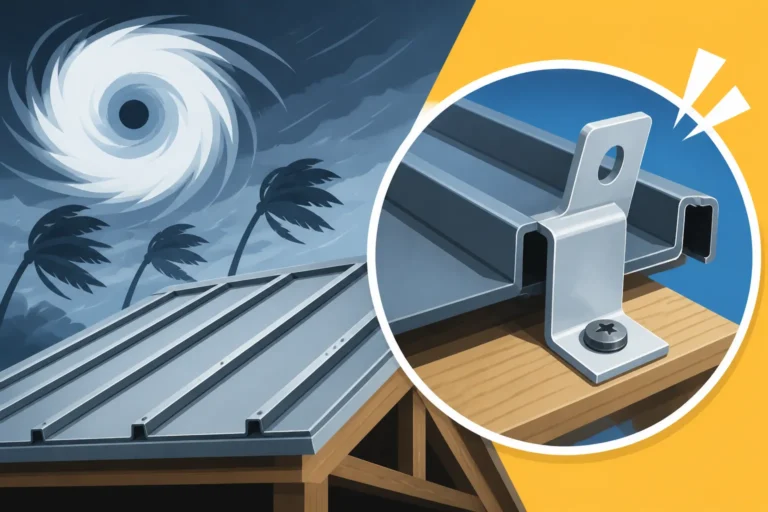
You might be tempted to skip the permit process to save a little time or money, but I strongly advise against it. Permits are in place for several compelling reasons, especially in a region like Tampa, prone to severe weather. First, they ensure that your roof replacement or installation adheres to the Florida Building Code, which is particularly stringent for hurricane-prone areas. This means your metal roof will be built to withstand the high winds and heavy rains that Florida often experiences, providing essential protection.
Secondly, permits trigger necessary inspections at various stages of your project. These inspections verify that the work is being done correctly by qualified professionals and that the materials used, like your chosen metal panels and underlayment, meet approved specifications. Without these inspections, you could end up with a faulty installation that might lead to costly repairs down the road or even compromise your home's safety during a storm. Finally, an unpermitted roof job can cause significant headaches when you go to sell your home, potentially lowering its value or making it difficult to secure insurance. Think of the permit as an assurance policy for your home's structural integrity.
What Roofing Work Requires a Permit in Tampa
Generally, any re-roofing project, which includes removing an old roof and installing a new one, or even installing a new roof on new construction, will require a permit. This certainly applies to metal roofs, whether you're opting for a sleek standing seam system or a more traditional corrugated metal roof. The key is that the structural integrity of your home is being touched, and the city or county wants to ensure it’s done right. Minor repairs, like replacing a handful of loose panels, might not always need a full permit, but it's always best to check with the City of Tampa Development Services or Hillsborough County Building Services directly to be absolutely sure. Erring on the side of caution here can save you a world of trouble later on.
The General Permit Process in Tampa
The permit process in Tampa and Hillsborough County typically starts with an application, usually submitted by your licensed roofing contractor. They'll submit detailed plans, product information (including Florida Product Approvals for the specific metal roofing materials), and their contractor licensing information. Once submitted, the plans go through a review process by the relevant departments (structural, sometimes even historical preservation if you're in an older district).
After approval, the permit is issued, and work can begin. During the installation of your metal roof, specific inspections will be scheduled. These generally include a "dry-in" inspection after the underlayment is installed, and a final inspection once the entire roof system is complete. Your contractor should handle all of this, including coordinating with the inspectors, which is why choosing a reputable and experienced professional is so important. Make sure your contract clearly outlines who is responsible for pulling and managing the permit. You can learn more about the entire process in our guide on the "Metal Roof Installation Process: Step by Step".
Key Factors Influencing Permit Costs for Metal Roofs in Tampa
It's natural to want a single, clear number for your metal roof permit cost, but the reality is, it's not a one-size-fits-all situation. Several variables come into play that can significantly impact the final fee. Understanding these factors will help you better anticipate and budget for this essential part of your metal roofing project in the Tampa Bay area.
Scope of Work: Replacement, New Construction, and Tear-Off
The nature of your roofing project is one of the biggest determinants of permit costs. A full tear-off and replacement, where the old roof is completely removed before the new metal roof is installed, often carries a different fee structure than simply putting a new metal roof over existing shingles. While installing a metal roof over shingles can sometimes be permitted, it has specific requirements and implications for your roof's weight and structural load, which the permitting office will assess. New construction projects might also have different permit fees and additional review requirements compared to a re-roofing job on an existing home. The complexity of the tear-off itself, like dealing with multiple layers of old roofing material, could also influence the time and effort required by inspectors, indirectly affecting costs.
Roof Size and Complexity
It stands to reason that a larger roof will generally incur higher permit fees. Many jurisdictions, including parts of Hillsborough County, calculate some fees based on the total square footage of the roof or the overall valuation of the project. A sprawling ranch house with a 3,000 sq ft roof will likely have a higher permit cost than a modest 1,000 sq ft cabin.
Beyond size, complexity plays a huge role. A simple gable roof is much less complicated to permit and inspect than a multi-faceted roof with numerous valleys, dormers, skylights, and chimneys. Each of these features adds to the detail required in the permit application and the time needed for inspectors to ensure proper flashing and integration, which can subtly increase the overall permit-related expenses. Our article on "What Affects Metal Roof Cost: Gauge, Pitch, Complexity & Tear-Off" dives deeper into how these elements impact the overall project budget, including permit considerations.
Type of Metal Roof System
Believe it or not, the specific type of metal roof you choose can also factor into the permit cost. A standard exposed fastener metal roof, like a corrugated or R-panel system, might have a more straightforward review process. However, a more complex system, such as a standing seam metal roof, with its intricate panel locking mechanisms and concealed fasteners, might require more detailed plan reviews to ensure compliance with wind uplift requirements, especially in high-velocity hurricane zones (HVHZ) prevalent in Florida. Each system has unique installation requirements and product approvals that must be thoroughly vetted by the building department.
For instance, the City of Tampa and Hillsborough County building codes have specific requirements for how different roofing systems must perform under various conditions. A system that requires more specialized engineering review, even if it's minimal, could lead to slightly higher plan review fees. The good news is that most reputable metal roofing systems, like those from popular manufacturers, already have comprehensive Florida Product Approvals, which streamlines the process.
Breaking Down the Fees: What You'll Actually Pay in Tampa
Now, let's talk numbers – or at least the components that make up those numbers. When you receive a quote for your metal roof permit in Tampa, it's not just one single charge. It's usually a combination of several fees designed to cover the administrative, review, and inspection costs associated with ensuring your project's safety and compliance. These fees are set by the local jurisdiction, whether it's the City of Tampa or unincorporated Hillsborough County, and can change, so always verify current rates.
Base Permit Fees and Valuation-Based Charges
Many municipalities, including those in the Tampa Bay area, start with a base permit fee for re-roofing projects. This is a foundational charge just to initiate the permitting process. Beyond that, it's common for additional fees to be calculated based on the valuation of your roofing project. This valuation is typically the estimated cost of materials and labor for the entire metal roof installation. For example, Hillsborough County might have a base fee, and then an additional fee for every thousand dollars of construction value.
So, if your beautiful new metal roof project costs $30,000, and the permit office charges $10 per $1,000 of valuation, that's an additional $300 on top of the base fee. This is why a more expensive, high-end metal roof, like a copper roof or a premium standing seam system, will naturally lead to higher permit fees than a more budget-friendly option. It's not a punishment for choosing quality, but rather a reflection of the municipality's costs to process and inspect a larger financial investment. This is often where contractors will help provide an accurate valuation for the permit application.
Review Fees and Surcharges
Beyond the base and valuation fees, you'll encounter several other charges:
- Plan Review Fees: When your contractor submits detailed drawings and specifications for your metal roof, building department staff (often structural engineers) will review these plans to ensure they comply with all applicable building codes, especially related to wind loads and structural integrity in Florida. This review process incurs a fee, which can vary based on the complexity of your project.
- State Surcharges: The State of Florida mandates certain surcharges on all building permits to fund statewide construction regulation and education initiatives. These are typically a small percentage of the total permit fee but are unavoidable.
- Technology Surcharges/Processing Fees: Many jurisdictions have modernized their permitting systems, offering online applications and tracking. To cover the costs of these digital services, a technology or processing fee might be added.
- Inspections: While often bundled into the overall permit cost, it's worth noting that a portion of your permit fee covers the multiple inspections required during installation (e.g., dry-in, final). These ensure the work meets code at critical stages.
Example Permit Fee Breakdown in Tampa (Hypothetical)
To give you a clearer picture, here's a hypothetical breakdown of what you might see, keeping in mind that exact numbers vary and you should always consult the official City of Tampa or Hillsborough County websites or your chosen contractor for the most current figures.
| Fee Category | Description | Estimated Cost Range (Tampa/Hillsborough) |
|---|---|---|
| Base Re-roofing Permit Fee | Basic administrative fee to open the permit. | $75 – $150 |
| Valuation Fee | Calculated based on the total project cost (materials + labor). Often $X per $1,000 of valuation. | $100 – $500+ (depending on roof value) |
| Plan Review Fee | Covers the cost of reviewing submitted plans for code compliance. | $50 – $200 |
| Florida State Surcharge | State-mandated fee, typically a small percentage (e.g., 1.5%) of the total permit fees. | $5 – $25 |
| Technology/Processing Fee | Covers online portal access and digital processing. | $10 – $50 |
| Other Surcharges (e.g., Affordable Housing) | Local government may add small surcharges for specific funds. | $5 – $30 |
| Total Estimated Permit Cost | This range is for reference; actual costs vary significantly based on project. | $200 – $1,000+ |
Note: These are illustrative ranges based on common municipal fee structures in Florida. Always verify current fees with the City of Tampa Development Services or Hillsborough County Building Services directly or through your licensed contractor.
It's clear that the "Metal Roof Permit Cost in Tampa" isn't a single line item, but a collection of necessary charges. A good contractor will itemize these for you in their quote, so you know exactly what you're paying for.
Navigating the Permit Application Process in Tampa
Once you understand why permits are necessary and what makes up their cost, the next step is actually getting one. While your contractor will handle the bulk of this process, it's good to be informed so you can follow along and ensure everything is on track. The City of Tampa and Hillsborough County have made efforts to streamline their permitting systems, but there are still nuances to be aware of.
Online vs. In-Person Application
Both the City of Tampa and Hillsborough County offer robust online portals for permit applications, which has become the preferred and most efficient method for many contractors. For the City of Tampa, this is typically done through their Accela Citizen Access portal, and for Hillsborough County, through their Build Permitting & Inspection System. These platforms allow contractors to submit plans digitally, track the status of their application, schedule inspections, and often pay fees online.
While online submission is generally quicker, some contractors or homeowners (if doing a DIY project, though for metal roofs, this is generally not recommended) might still opt for in-person submission, especially for unique or complex situations that might benefit from direct consultation with permit staff. However, for a standard metal roof replacement, digital submission is almost always the way to go.
Required Documentation
The permitting office won't just take your word for it – they need documentation! For a metal roof permit, your contractor will typically need to provide:
- Completed Application Form: Basic project and property information.
- Notice of Commencement: For projects over a certain value (e.g., $2,500 in Florida), this legal document protects property owners from mechanics' liens.
- Detailed Site Plans: Showing the property lines, building footprint, and potentially roof layout.
- Roofing Plans: Specific drawings detailing the layout of the metal panels, flashing, and any associated structural work.
- Product Approvals: Crucially, Florida requires all roofing materials to have a Florida Product Approval number. This demonstrates that the metal panels, fasteners, underlayment, and other components have been tested and approved to meet the state's stringent building codes, particularly for wind resistance. Your contractor will need to list these.
- Contractor's License and Insurance Information: Proof that the contractor is properly licensed, bonded, and insured in Florida. This is non-negotiable!
- Proof of Homeowner's Association (HOA) Approval (if applicable): While Florida state law limits an HOA's ability to prohibit metal roofs for certain aesthetic reasons (see "Florida HB 293 and Metal Roof HOA Rights"), they can still have rules regarding color, profile, or other specifics. You'll want to ensure you have that sorted before permit application.
Having all this documentation ready and accurate from the start can significantly speed up the approval process.
Timeline Expectations and Common Pitfalls
The timeline for permit approval can vary. For a straightforward re-roofing project, it might be a few days to a couple of weeks, but more complex jobs or busy periods (like after a major storm) can extend these timelines. It's not uncommon for permits to take 2-4 weeks. Your contractor should be able to give you a realistic estimate based on current workloads at the City of Tampa or Hillsborough County.
Common pitfalls that can delay your permit include:
- Incomplete or Inaccurate Application: Missing information or errors will lead to delays as the permit office requests corrections.
- Lack of Florida Product Approvals: If your chosen materials aren't properly approved, it's a non-starter.
- Unlicensed Contractor: This is a huge red flag and will halt the process immediately. Always ensure your contractor is licensed and reputable. You can verify their license through the Florida Department of Business and Professional Regulation (DBPR).
- Unaddressed Review Comments: If the plan reviewer has questions or requires modifications, your contractor must address them promptly.
A seasoned metal roofing contractor who is familiar with the local Tampa and Hillsborough County permitting requirements will be invaluable in navigating this process efficiently. They know the ropes and can avoid common mistakes that lead to frustrating delays. This is one of the reasons why knowing "How to Hire a Metal Roofing Contractor" is so important.
Tips for Estimating and Budgeting Your Tampa Metal Roof Permit
While we can't give you an exact, real-time figure, there are definite strategies you can employ to get a solid handle on your metal roof permit cost in Tampa and ensure it's properly accounted for in your overall budget. Don't let the permit be a surprise expense; plan for it just like you would for materials and labor.
Consulting with Experienced Local Contractors
This is hands down your best resource. A reputable metal roofing contractor operating in the Tampa Bay area will have a deep understanding of current permit fees, typical project valuations, and the specific requirements of both the City of Tampa and Hillsborough County. They submit permit applications regularly and know what to expect. When you're getting quotes for your metal roof project, ask for a detailed breakdown that specifically itemizes the permit fees.
A good contractor will be transparent about these costs and include them in their overall estimate. They should be able to explain how the fees are calculated and what inspections are required. If a contractor is vague about permit costs or suggests you handle it yourself without clear guidance, that's a potential red flag. Our guide on "Questions to Ask a Metal Roofing Contractor Before You Hire" can provide more insights into finding the right professional.
Getting Multiple Quotes and Reviewing Estimates
Don't settle for just one estimate. Reach out to at least three different, reputable metal roofing contractors in the Tampa area. This not only allows you to compare overall project costs but also gives you a chance to see how different contractors handle and quote permit fees. While the actual permit fees are fixed by the municipality, how they are presented and whether they're estimated accurately can vary.
When you receive the quotes, carefully review each line item. Ensure that permit fees are explicitly listed, not just buried in a lump sum. This also helps you compare "apples to apples" when evaluating bids, as some contractors might include more administrative costs in their permit line item than others. It's a key part of understanding "How to Read and Compare Metal Roof Quotes".
Accounting for Potential Hidden Costs and Delays
While the permit fee itself is a direct cost, sometimes there are indirect costs associated with the permitting process that homeowners overlook. For instance, if your contractor discovers an unexpected issue during the tear-off—perhaps damaged decking or deteriorated fascia—these issues may require additional permits or amendments to your existing permit, incurring extra fees and causing delays. While these aren't directly permit costs, they are related to the permitting and inspection process uncovering unforeseen problems.
Another "hidden cost" could be the time delay itself. If permit approval takes longer than expected, it could push your project back, potentially into a busier season for contractors or lead to material price fluctuations. While these are less common with experienced contractors and proper planning, it's wise to have a small contingency fund (say, 5-10% of the total project cost) to cover any unexpected expenses, including potential additional fees or costs related to unforeseen permitting adjustments. Being prepared for these "Hidden Costs of a Metal Roof" will help keep your project on budget and on schedule.
Ultimately, getting a metal roof in Tampa is a smart long-term investment. By understanding the permit costs and process upfront, you'll be well-equipped to manage your project successfully, ensuring your new roof is not only beautiful but also fully compliant with local regulations.
Disclaimer
Please note that the information provided in this guide regarding metal roof permit costs in Tampa and Hillsborough County is intended for general informational purposes only and is subject to change. Permit fees and regulations are set by local government agencies and can be updated without notice. We strongly recommend consulting the official websites of the City of Tampa Development Services and Hillsborough County Building Services, or a licensed local roofing contractor, for the most current and accurate fee schedules and permitting requirements specific to your project.