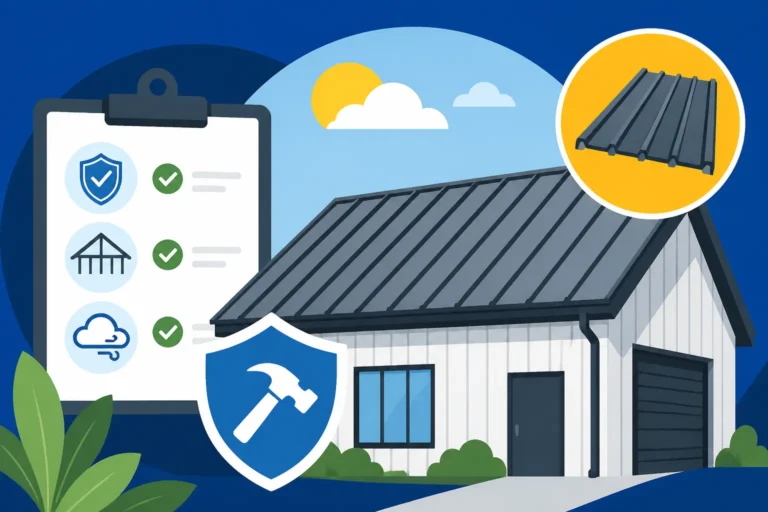
Do HOAs Allow Standing Seam Metal Roofs?
Trying to upgrade your home with a beautiful, durable standing seam metal roof only to hit a brick wall with your homeowners' association (HOA) can be incredibly frustrating. Many homeowners find themselves caught between a desire for a long-lasting, energy-efficient roofing solution and the often rigid rules of their community. This guide will walk you through the complexities of HOA regulations regarding metal roofs, especially the increasingly popular standing seam style, and equip you with the knowledge to navigate the approval process successfully.
Understanding Why HOAs Regulate Roofing Materials So Closely
Homeowners' associations exist to maintain property values and uphold a certain aesthetic standard within a community. While this intention is generally good, it can sometimes lead to strict rules that seem to stifle individual homeowner choices, especially when it comes to significant exterior changes like roofing.
Maintaining Community Aesthetics and Property Values
One of the primary drivers behind HOA roofing regulations is the desire to preserve a consistent visual appeal throughout the neighborhood. This concept, often termed "curb appeal," is believed to directly impact property values. If one home installs a roof that is perceived as clashing with the established look, the HOA worries it could detract from the overall desirability and value of other homes. For years, traditional asphalt shingles have been the default, creating a uniform look that many HOAs became accustomed to. Deviating from this norm, even with a superior material like standing seam metal, can raise red flags for committees focused on maintaining visual harmony. They might fear a standing seam roof will look too "different" or industrial, even if modern designs are far from that.
The Evolving Perception of Metal Roofing
It's no secret that metal roofing has a bit of an image problem in some circles, often rooted in outdated perceptions. Many people, including some HOA board members, still associate metal roofs with agricultural buildings, commercial structures, or even mobile homes. They might envision shiny, corrugated tin roofs that rattle in the wind, not the sleek, sophisticated panels of a modern standing seam system. This historical perception often clashes with the reality of today's advanced metal roofing technology. Modern standing seam metal roofs, with their clean lines and wide array of colors and finishes, are far removed from these antiquated images. However, changing deeply ingrained perceptions takes time and a concerted effort to educate. Many HOAs are simply slow to adapt to new trends and materials, preferring to stick with what they know and what is explicitly approved in their often decades-old governing documents. This is where homeowners need to step in with solid information and clear visuals.
Common Hurdles for Standing Seam Metal Roof Approval with HOAs
Even with the best intentions, homeowners often encounter specific points of resistance when presenting a standing seam metal roof proposal to their HOA. These usually revolve around aesthetics, perceived performance issues, and general unfamiliarity.
Aesthetic and Visual Impact Concerns
The most frequent objection HOAs raise against standing seam metal roofs relates to their distinct visual characteristics. Unlike flat asphalt shingles, standing seam panels feature raised seams where the panels interlock. While this is a critical design element that provides superior weather protection and a clean look, it can be seen as too "contemporary" or "non-traditional" by HOAs with a more conservative aesthetic.
- Panel Width and Seam Height: HOAs might scrutinize the width of the panels and the height of the seams, fearing they will look too bold or industrial. They might specify acceptable panel profiles or even demand a less visible seam style, which could limit your choices.
- Color Restrictions: Color is a huge factor. Many HOAs have strict palettes for exterior components, including roofs. While metal roofs come in an incredible range of colors, from classic grays and browns to vibrant blues and reds, your HOA might only allow muted, traditional tones. They could also have rules against highly reflective finishes, which leads us to the next point. It’s crucial to understand these color limitations, as they can often be a deal-breaker.
- Architectural Conformity: Some HOA documents might broadly state that all exterior modifications must "conform to the architectural style of the community." A standing seam roof, with its clean, modern lines, might be deemed non-conforming if the prevailing architectural style is traditional, colonial, or Mediterranean, even if it objectively looks fantastic and improves the home's value and efficiency.
Noise and Glare Misconceptions
Despite significant advancements in metal roofing technology, old myths persist. Two of the most common are that metal roofs are incredibly noisy when it rains and that they cause excessive glare.
- Noise Misconceptions: The image of rain pounding loudly on a tin roof often comes to mind. In reality, modern standing seam metal roofs, especially when properly installed over a solid substrate like plywood decking with good underlayment, are often no noisier than asphalt shingles. The insulation and attic space between the roof and living areas significantly dampen sound. In fact, many homeowners report a pleasing, subtle pitter-patter sound rather than a disruptive din. You can emphasize how proper installation, which includes a robust underlayment system, dramatically reduces sound transmission. If you’re considering installing over existing shingles, that extra layer of material will also help with sound dampening.
- Glare Concerns: Another common fear is that a metal roof will reflect sunlight intensely, creating a blinding glare for neighbors. While metal is inherently more reflective than asphalt, modern metal roofing often features matte finishes, low-gloss coatings, and cool roof pigments designed to absorb rather than reflect solar radiation. These specialized coatings, such as PVDF, significantly reduce reflectivity while still offering the energy efficiency benefits of a metal roof. By providing samples and specifications demonstrating the low-gloss nature of the chosen finish, you can often alleviate this concern. It’s also important to note that many light-colored asphalt roofs can also create significant glare, so the issue isn’t exclusive to metal.
Durability and Safety Standards
Ironically, sometimes HOAs resist metal roofs despite their superior durability and safety features. This often stems from a lack of information or a focus on perceived aesthetic deviations over practical benefits. While they might initially resist, metal roofs often exceed safety and durability standards, which can be a point in the homeowner's favor.
- Wind Resistance: Metal roofs are renowned for their exceptional wind resistance, often rated to withstand hurricane-force winds of 140 mph or more. This is a significant advantage in storm-prone areas. HOAs might not immediately see this benefit, but it contributes directly to the long-term structural integrity of homes in the community.
- Fire Resistance: Most metal roofs have a Class A fire rating, the highest achievable, offering superior protection against external fire sources like embers from wildfires or nearby house fires. This is a crucial safety feature that often surpasses the ratings of other roofing materials.
- Impact Resistance: While not entirely impervious, many metal roofing systems, especially thicker gauges like 24-gauge steel or stone-coated steel, offer excellent impact resistance against hail and falling debris. This can reduce the frequency of roof damage claims, benefiting both homeowners and potentially lowering community-wide insurance rates in the long run. When discussing the benefits, highlight these practical advantages. Understanding Metal Roof Wind and Fire Ratings Explained and Class 4 Impact-Resistant Roof Insurance Discount can provide valuable talking points.
Strategies for Gaining HOA Approval for Your Standing Seam Metal Roof
Successfully getting your standing seam metal roof approved by your HOA often requires a proactive, informed, and diplomatic approach. It's about being prepared and presenting a compelling case.
Reviewing Your HOA Documents Thoroughly
Before you even think about picking out colors, the absolute first step is to dive deep into your HOA's governing documents. This includes the Covenants, Conditions, and Restrictions (CC&Rs), bylaws, and any architectural guidelines or design review handbooks. This might sound tedious, but trust me, it's critical.
- Specific Roofing Language: Look for any clauses that specifically mention roofing materials, styles, or colors. Does it explicitly forbid metal roofs? Does it only allow "shingle-style" roofs? Sometimes, the language is vague, allowing for interpretation. For example, if it says "all roofing materials must be harmonious with the existing structures," that leaves room for argument.
- Approved Materials List: Some HOAs have a pre-approved list of materials, colors, and even manufacturers. If metal isn't on it, don't despair immediately. It might just mean they haven't updated it in years. However, if it explicitly excludes metal, you'll know you have a tougher battle ahead.
- Application Process and Deadlines: Understand the exact procedure for submitting an architectural review request. Are there specific forms? What are the deadlines? Who is the contact person? Missing a deadline or procedure can lead to automatic denial, forcing you to restart the process.
- Appeal Process: Familiarize yourself with the appeal process in case your initial request is denied. Knowing your options beforehand is empowering. Check out Can an HOA Deny a Metal Roof? for more insights.
Preparing a Comprehensive Proposal Package
Your proposal isn't just a casual request; it's a formal presentation of your project. The more thorough and professional it is, the better your chances of approval.
- Detailed Plans and Specifications: Include actual product brochures, manufacturer specifications, and warranty information for the specific standing seam system you plan to install. This should cover material type (e.g., steel, aluminum), gauge (e.g., 24-gauge), coating (e.g., Kynar 500/PVDF), and panel profile.
- Color Samples and Swatches: Provide physical color samples. A small swatch from a brochure looks very different from an actual piece of the metal panel. Ask your contractor for larger samples if possible.
- Visual Mock-ups: This is incredibly persuasive. Use photos of your home and, using software, create renderings of what the standing seam roof will look like. You can also include photos of other homes in similar neighborhoods (or even other communities) that have successfully installed standing seam roofs that blend well with their surroundings.
- Contractor Information: Include your chosen roofing contractor's credentials, license, and insurance. An experienced metal roofing contractor can be a huge asset in this process, as they often have prior experience dealing with HOAs.
- Benefits Statement: Craft a concise statement outlining the benefits of a standing seam metal roof for your home and the community. Emphasize longevity, energy efficiency, storm resistance, and minimal maintenance. Highlight how it can actually enhance curb appeal in a modern context. You might find resources like Is a Metal Roof Worth It? ROI, Resale & Payback helpful for this.
- Neighbor Input: If you have neighbors who support your project, gathering their informal (or even formal) support can be beneficial. An HOA is less likely to deny something if there's no community pushback.
Engaging in Constructive Dialogue and Education
Don't just submit your package and wait. Be prepared to engage with the HOA board or architectural committee members in a constructive, educational manner.
- Request a Meeting: Ask for an opportunity to present your proposal in person. This allows you to answer questions, address concerns in real-time, and show your commitment to the community's standards.
- Address Misconceptions Head-On: If they raise concerns about noise or glare, be ready with factual information and data. Explain that modern standing seam roofs are often insulated and finished with low-gloss coatings. Bring sound-dampening material samples or demonstrate how different finishes look under varying light conditions if possible.
- Highlight Long-Term Value: Explain that a standing seam metal roof is a long-term investment that increases home value and reduces maintenance for decades. This aligns with the HOA's goal of maintaining property values. Discussing Metal Roof Cost vs Lifespan Value might be a good angle.
- Offer Compromises (If Necessary): Be open to slight adjustments. Perhaps they'll approve certain colors but not others, or they might prefer a particular panel width or seam height if you have options. Showing a willingness to work with them can go a long way. However, don't compromise on core performance or quality.
What to Do If Your HOA Denies Your Standing Seam Metal Roof Request
A denial can be disheartening, but it's not always the end of the road. There are still steps you can take to pursue your desired roofing solution.
Understanding Appeal Processes and Next Steps
Most HOAs have a formal appeal process. It's designed to give homeowners a chance to challenge decisions they believe are unfair or incorrect.
- Review the Denial Letter: Understand the specific reasons for the denial. Is it purely aesthetic? Is it based on a misinterpretation of their rules or outdated information about metal roofing? A specific denial reason gives you a target to address in your appeal.
- Follow the Formal Appeal Procedure: Adhere strictly to the HOA's established appeal process, including timelines, required forms, and submission methods. Skipping steps can invalidate your appeal.
- Strengthen Your Case: For the appeal, gather more evidence to counter the specific reasons for denial. This might involve more detailed technical specifications from manufacturers, expert opinions from your contractor, or even testimonials from neighbors. You might even consider having your contractor present at an appeal meeting to answer technical questions.
- Legal Precedent: Research if other homeowners in your community or similar HOAs have successfully installed standing seam metal roofs, especially if the denial seems arbitrary. This can provide valuable leverage.
Seeking Professional or Legal Guidance
Sometimes, despite your best efforts, you might need to bring in external expertise.
- Consult a Roofing Professional: Your chosen metal roofing contractor likely has experience dealing with HOAs. They can offer insights, provide technical details, and even help you refine your proposal or appeal. They might have a track record of successful HOA approvals in other communities. For example, a reputable company like McElroy Metal or Metal Sales, known for their standing seam systems, often provides detailed product information that can strengthen your case.
- HOA Law Attorney: If you believe the HOA's denial is unreasonable, discriminatory, or violates their own governing documents or state law, it might be time to consult with an attorney specializing in HOA law. They can review your documents, assess the validity of the denial, and advise you on your legal options. This is usually a last resort due to cost but can be necessary in some situations, especially if the HOA is acting outside its authority. State laws, such as Florida's HB 293, sometimes grant homeowners certain rights regarding roofing materials, particularly for energy efficiency or storm resistance, that override HOA restrictions. Understanding these state-specific nuances is critical, and an attorney can guide you through them. Read about Can My HOA Stop Me From Getting a Metal Roof in Florida? for more localized details.
Exploring Alternative Metal Roofing Styles
If, after all your efforts, a traditional standing seam metal roof is simply not going to be approved, don't give up on metal roofing entirely! There are other metal profiles that might be more palatable to your HOA's aesthetic guidelines.
- Metal Shingles: These are designed to mimic the appearance of traditional asphalt shingles, slate, or wood shakes, but with all the benefits of metal. They are made from steel or aluminum, come in various colors, and are often less visually disruptive to a traditional neighborhood aesthetic. This can be a fantastic compromise that gives you the durability and longevity of metal without the "industrial" look an HOA might fear. You might want to explore Metal Shingle Cost.
- Stone-Coated Steel: This roofing material consists of steel panels coated with an acrylic film and ceramic-coated stone granules. It closely resembles traditional tile, shake, or shingle roofs but offers the strength and lifespan of metal. The stone coating provides a matte finish and significantly reduces glare. This is often an excellent choice for HOAs that want a traditional look but appreciate the robustness of metal. Check out What Is a Stone-Coated Steel Metal Roof? for more information.
- Consider "Hidden Fastener" Options (Beyond Standing Seam): While standing seam is a hidden fastener system, other panel systems exist that also conceal fasteners and offer a cleaner look than exposed fastener corrugated panels. These might be less "bold" in their profile than some standing seam options but still offer many of the same benefits.
- Ribbed Panel or R-Panel: In some cases, if the community allows more utility-style roofing on accessory buildings, or has a more relaxed stance, a ribbed panel or R-panel might be an option. However, these are exposed fastener systems and typically have a more industrial look than standing seam, making them less likely for residential HOA approval.
Here's a quick comparison of how HOAs might view different roofing options:
| Feature | Traditional Asphalt Shingles | Standing Seam Metal Roof | Metal Shingles / Stone-Coated Steel |
|---|---|---|---|
| Aesthetic | Familiar, traditional | Modern, clean lines, distinct seams | Mimics traditional materials |
| HOA Perception | Generally accepted | Can be seen as too modern/industrial | Often more acceptable, blends in |
| Color Options | Wide, often muted | Very wide, can be vibrant or muted | Wide, designed to match traditions |
| Glare Concerns | Low to moderate | Moderate (can be mitigated with coatings) | Low (stone coating, matte finishes) |
| Noise Concerns | Low | Low (with proper installation) | Low |
| Durability | Good (20-30 years) | Excellent (50+ years, wind/fire) | Excellent (50+ years, impact/fire) |
| Cost | Lower initial | Higher initial | Higher initial |
Ultimately, getting your standing seam metal roof approved by your HOA might be a process that requires patience, thorough preparation, and clear communication. By understanding their concerns and presenting a well-reasoned case backed by facts and visuals, you significantly increase your chances of success and soon enjoy the many benefits of a beautiful new metal roof.
Disclaimer
The information provided in this article is intended for general guidance and informational purposes only, and does not constitute professional advice. Roofing regulations, building codes, and HOA rules can vary significantly by location and are subject to change. Always consult with a qualified local roofing contractor, your specific HOA, and relevant local authorities to ensure compliance with all applicable laws and regulations before undertaking any roofing project.