What Is a Corrugated Metal Roof?
Many homeowners dream of a durable, long-lasting roof, but the sheer variety of metal roofing options can feel overwhelming. You might have heard terms like "standing seam" or "metal shingles," but today, we're diving deep into a classic and increasingly popular choice: the corrugated metal roof. This guide will cut through the confusion, explaining exactly what a corrugated metal roof is, why it's a fantastic option for many homes, and what you need to know to make an informed decision for your next roofing project.
Unpacking the Corrugated Metal Roof: A Deep Dive
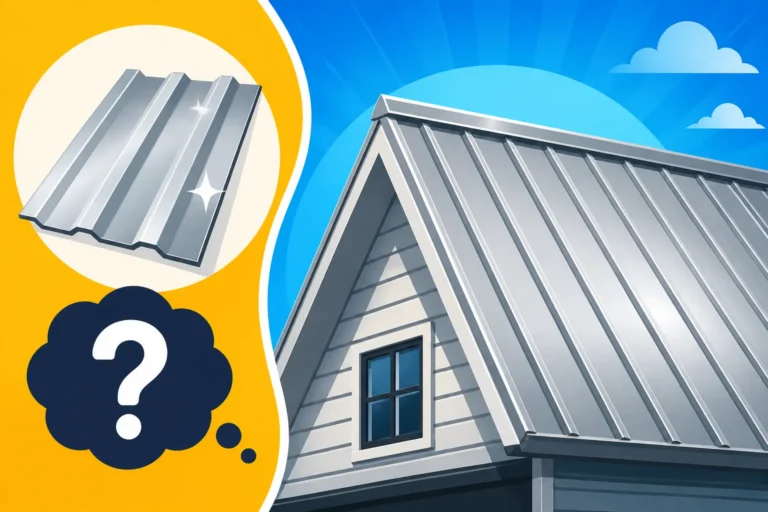
When people think of metal roofs, the image of a barn or an industrial building often comes to mind, featuring those distinctive wavy panels. That's essentially a corrugated metal roof! But it's so much more than just a utilitarian choice these days. It’s a versatile and robust roofing solution that’s found its way onto modern homes, cabins, and even commercial buildings, celebrated for its unique aesthetic and impressive functionality.
The Distinctive Wave-Like Profile
At its core, a corrugated metal roof is defined by its repeating pattern of waves or ribs. This isn't just for looks; the corrugation process itself adds significant strength and rigidity to an otherwise flat sheet of metal. Think of it like a piece of paper: flat, it's flimsy, but fold it into an accordion, and it becomes surprisingly strong. This structural integrity allows for lighter gauge metals to be used while maintaining exceptional durability against wind, snow, and impacts.
These panels are typically made from steel, aluminum, or a blend like Galvalume (steel with an aluminum-zinc alloy coating). The choice of material impacts everything from cost to corrosion resistance and overall lifespan. Different manufacturers offer various wave patterns, often referred to as profiles, which can range from gentle, almost subtle curves to more pronounced, deeper ribs. These profiles, like R-panel, PBR panel, or the classic 5V Crimp, not only dictate the roof's aesthetic but also influence its structural characteristics and installation methods. For example, a deeper rib might offer better water shedding capabilities on lower-slope roofs.
Historical Roots and Modern Applications
Corrugated metal roofing boasts a rich history, with its origins tracing back to the mid-19th century. It quickly became the material of choice for agricultural buildings, industrial warehouses, and even temporary structures due to its affordability, ease of transport, and superior protection against the elements. Its ability to shed water efficiently and resist rot and pests made it an ideal solution for functional buildings where durability was paramount. You can still see countless examples of these roofs on old barns and sheds across the countryside, a testament to their incredible longevity.
Fast forward to today, and corrugated metal has experienced a remarkable resurgence in popularity for residential and commercial applications. Architects and homeowners are increasingly drawn to its rugged charm, industrial aesthetic, and undeniable performance benefits. It's no longer just for utility structures; it’s now a design statement. From modern farmhouse designs to contemporary minimalist homes, corrugated metal provides a striking visual texture that can be both rustic and sleek, depending on the color and profile chosen. Its robust nature makes it a smart choice for regions prone to harsh weather, offering peace of mind to property owners looking for a roof that can truly stand the test of time.
Advantages and Disadvantages of Corrugated Metal Roofing
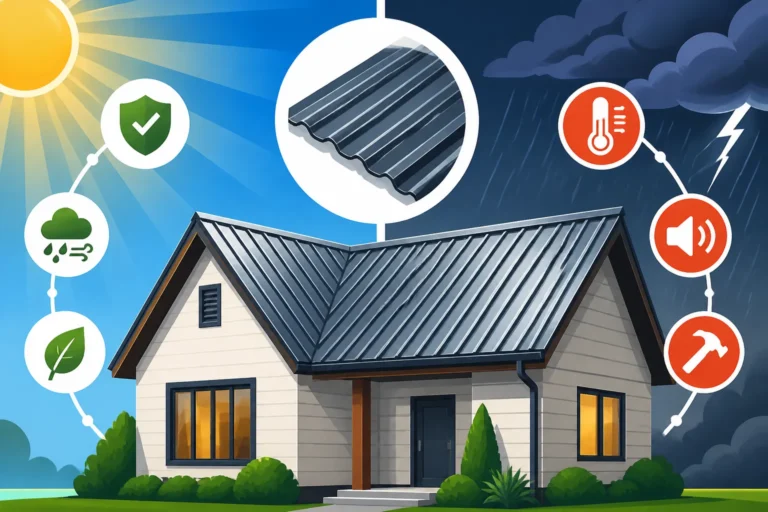
Every roofing material has its pros and cons, and corrugated metal is no exception. While it offers a fantastic blend of durability, cost-effectiveness, and unique aesthetics, it’s important to understand both sides before making a commitment. Let's weigh what makes homeowners enthusiastic about this material against the potential considerations.
Why Homeowners Love Corrugated Metal
One of the biggest draws of corrugated metal roofing is its incredible durability and longevity. These roofs are built to last, often exceeding the lifespan of traditional asphalt shingles by a factor of two or even three. They are highly resistant to common roofing woes like rot, mold, mildew, and insect infestations, which can plague other materials. Furthermore, metal is inherently non-combustible, giving it excellent fire resistance ratings, which can even lead to insurance discounts in some areas. When installed correctly, a corrugated metal roof can withstand extreme weather events, from high winds to heavy snow loads, without faltering.
Another significant advantage is its cost-effectiveness. While the initial Corrugated Metal Roof Cost might be higher than basic asphalt shingles, corrugated metal is typically one of the more affordable options within the metal roofing family. Over its extensive lifespan, its minimal maintenance requirements and energy-saving properties often lead to a lower total cost of ownership. These roofs are also incredibly lightweight, meaning they put less stress on your home's underlying structure. In many cases, a new corrugated metal roof can even be installed directly over existing shingles, saving on tear-off costs and landfill waste, though it's crucial to understand the implications of Tear-Off vs Metal Over Shingles: Cost Difference and local building codes.
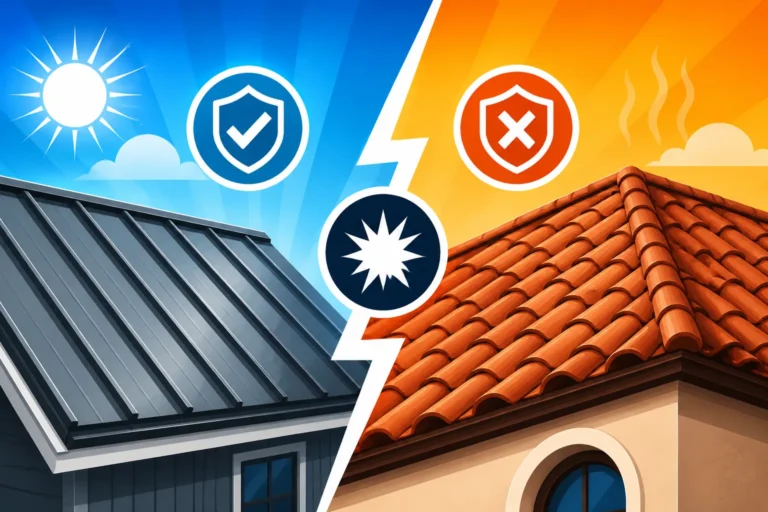
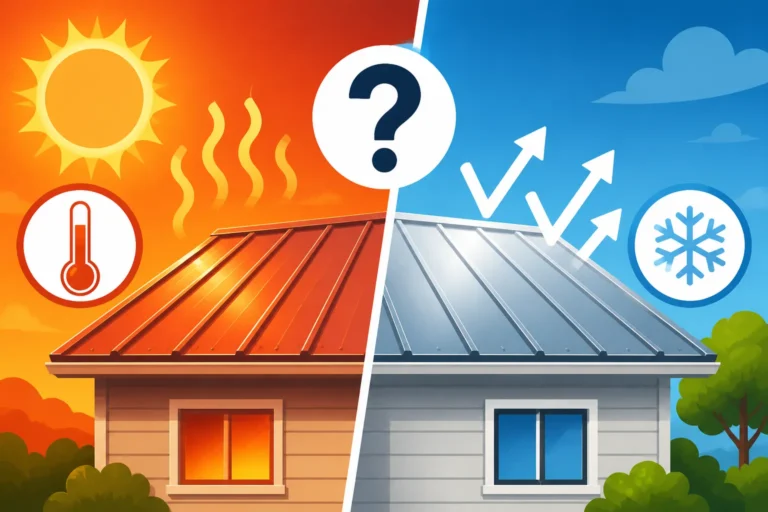
Beyond durability and cost, corrugated metal boasts impressive energy efficiency. Lighter-colored metal roofs reflect solar radiant heat, significantly reducing cooling costs in warmer climates. Many panels come with special reflective coatings, contributing to their "cool roof" designation and potentially qualifying for energy tax credits. Finally, metal roofing is an environmentally friendly choice, often containing a high percentage of recycled content and being 100% recyclable at the end of its very long life, minimizing its ecological footprint.
Potential Drawbacks to Consider
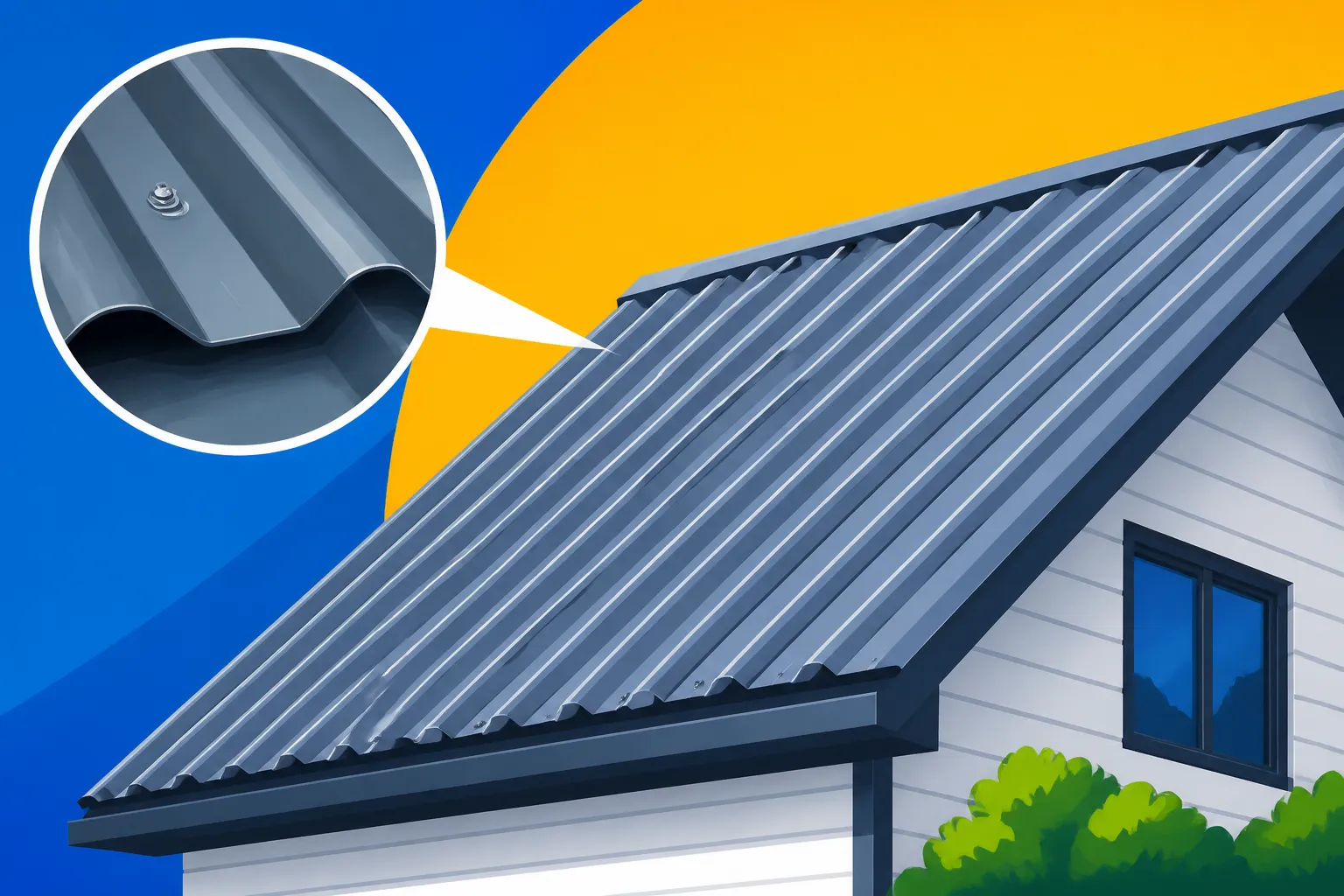
Despite its numerous benefits, corrugated metal roofing does come with a few considerations. The primary distinction and often the biggest point of discussion is the use of exposed fasteners. Unlike standing seam metal roofs where fasteners are hidden beneath the panels, corrugated panels are typically secured directly through the face of the panel with screws that feature rubber or neoprene washers. While effective, these washers can degrade over time due to UV exposure and thermal expansion and contraction, potentially leading to leaks if not properly maintained or replaced. This means regular inspections are more critical with exposed fastener systems. Understanding the difference between Exposed vs Hidden Fastener Metal Roofing is key to setting expectations for long-term maintenance.
Aesthetics can also be a point of contention for some homeowners. While its industrial look is increasingly popular and offers a distinct charm, it might not suit every architectural style or personal preference. Some prefer the cleaner, more monolithic look of standing seam panels. However, with a wide array of colors and finishes available, from vibrant hues to muted earth tones, and even options that mimic the look of natural materials, the aesthetic flexibility of corrugated metal is greater than ever.
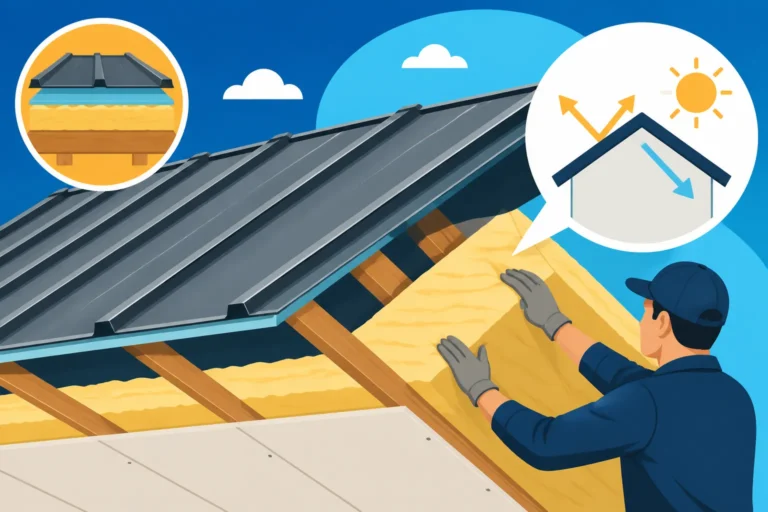
Another common concern is noise. While often exaggerated, metal roofs can be slightly louder during heavy rain or hail storms compared to heavier roofing materials like tile or thick asphalt shingles. However, this is largely mitigated by proper insulation and underlayment during installation. A well-installed roof with adequate attic insulation typically reduces noise to a barely noticeable level. Finally, while very durable, oil canning – a visible waviness or distortion in flat metal panels – can occasionally occur, though it's less common with corrugated profiles due to their inherent rigidity. Care must also be taken when walking on the roof to avoid damaging the panels, as the corrugations can be slick or bend under concentrated weight.
Installation and Maintenance Considerations
Choosing a corrugated metal roof is just the first step; understanding its installation process and ongoing maintenance is crucial for maximizing its lifespan and performance. While the idea of a "set it and forget it" roof is appealing, a little attention goes a long way in ensuring your investment stands strong for decades.
What Goes Into Installing a Corrugated Roof?
The installation of a corrugated metal roof is a precise process that, while perhaps less complex than a standing seam system, still requires significant expertise. It begins with a solid roof deck, often plywood or OSB, followed by a high-quality underlayment. This barrier is essential, providing an extra layer of protection against moisture penetration and offering a smooth surface for the metal panels. You’ll want to ensure you have a robust Metal Roof Underlayment and Ventilation Guide in place, as it's the hidden hero that protects your home from leaks.
Once the underlayment is down, the metal panels are meticulously installed, overlapping each other to ensure proper water shedding. The panels are then secured using those distinctive exposed fasteners—screws with integrated neoprene or rubber washers. These washers are vital for sealing the screw penetrations and allowing for the natural thermal expansion and contraction of the metal. Proper alignment and consistent screw torque are critical to prevent future leaks and ensure the roof's structural integrity. Don't forget the trim and flashing around edges, valleys, and penetrations like chimneys or skylights. These components are custom-fabricated and installed to prevent water intrusion at vulnerable points and give the roof a finished, professional look.
While some homeowners with extensive DIY experience might consider a DIY Metal Roof Installation: What to Know, for most, hiring a professional contractor is highly recommended. Metal roofing, especially corrugated, requires specific tools, techniques, and safety protocols. A skilled installer will ensure that the panels are cut accurately, overlaps are correctly sealed, and fasteners are driven to the precise depth, all of which are vital for upholding manufacturer warranties and preventing costly issues down the line. When you're ready to explore options and get quotes, resources like Modernize can connect you with local, pre-vetted metal roofing professionals who specialize in corrugated installations, ensuring you find someone with the right expertise. Moreover, the roof pitch plays a role; while metal roofs are generally suitable for lower slopes than many other materials, even corrugated panels have minimum pitch requirements for optimal water shedding.
Keeping Your Corrugated Roof in Top Shape
The good news is that corrugated metal roofs are relatively low-maintenance, but "low" doesn't mean "no." Regular, proactive attention can significantly extend its already impressive lifespan. The most important maintenance task is periodic inspection. At least once a year, ideally after major storms or heavy leaf fall, you or a professional should inspect the entire roof surface. Pay close attention to the exposed fasteners. Look for any screws that might be backing out, loose, or have cracked or degraded washers. If found, these should be tightened or replaced promptly to prevent leaks. This is often where Why Is My Metal Roof Leaking at the Screws? issues originate.
Beyond fasteners, keep an eye out for debris accumulation, especially in valleys or around vents. Leaves, branches, and other organic matter can trap moisture, leading to premature wear or even localized corrosion. Gently clear any debris, making sure not to scratch the protective coating on the panels. For general cleaning, a soft brush and mild detergent with water can remove dirt, moss, or algae buildup. Avoid harsh chemicals or high-pressure washers, which can damage the finish.
Should you notice any minor rust spots, particularly on cut edges or areas where the coating might have been compromised, address them quickly. There are specific rust converters and touch-up paints designed for metal roofs that can protect the integrity of the panel. For more comprehensive guidance, our Metal Roof Maintenance Guide provides a detailed checklist. And if you do encounter a leak, don't panic! Many small leaks, especially those around fasteners or seams, can often be repaired with the right sealants and techniques. Our Metal Roof Leak Repair Guide offers practical advice for troubleshooting and fixing common issues. Remember, consistent, simple maintenance ensures that your corrugated metal roof continues to protect your home for decades to come.
Choosing the Right Corrugated Profile and Material
Stepping into the world of corrugated metal roofing reveals a surprising amount of choice, not just in color but also in the very shape and substance of the panels. Making an informed decision here means understanding how different profiles and materials impact everything from your roof's appearance and structural integrity to its long-term performance and cost.
Different Corrugated Profiles for Different Looks
The term "corrugated" is broad, encompassing several distinct panel profiles, each with its own aesthetic and functional characteristics. The most common you'll encounter are:
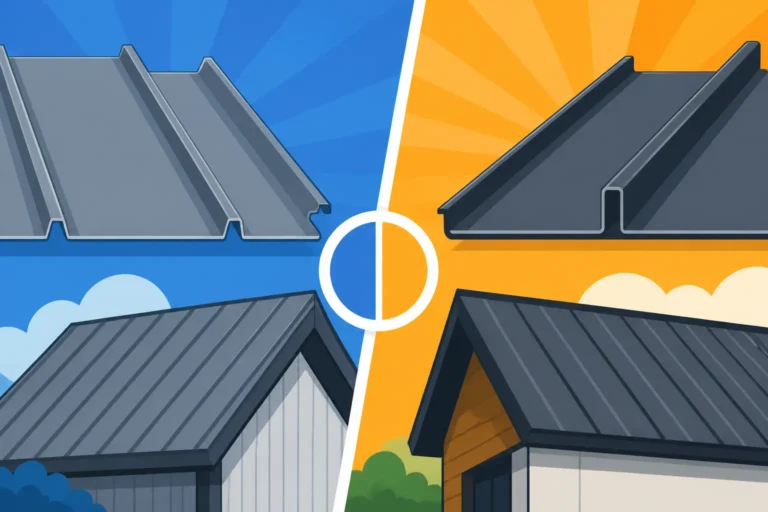
- R-Panel (and PBR Panel): These are characterized by deep, box-like ribs. R-panel is widely used in both commercial and residential applications for its strength and bold appearance. The PBR (Purlin Bearing Rib) panel is a variation with an extra leg on the overlap, providing a stronger, tighter seal and better resistance to wind and rain. They offer excellent spanning capabilities and are very popular for their robust, modern industrial look.
- 5V Crimp: This is perhaps the most classic "farmhouse" style corrugated panel. It features five distinct V-shaped ribs running parallel down the panel. The 5V Crimp offers a timeless, clean look that's particularly well-suited for traditional or rustic architecture, but also finds a place in modern design for its nostalgic charm. Its shallower crimps make it easy to clean.
- U-Panel: Similar to R-panel but with a slightly softer, more rounded rib profile. U-panel is another versatile option that bridges the gap between the aggressive lines of R-panel and the classic charm of 5V Crimp, offering a somewhat more subdued industrial aesthetic.
The choice of profile often comes down to personal taste and the architectural style of your home. Deeper ribs generally offer more structural strength and better water shedding, while shallower crimps might present a smoother overall look. Here’s a quick comparison of some popular corrugated profiles:
| Profile Type | Rib Shape | Fastener Type | Common Use | Aesthetic |
|---|---|---|---|---|
| R-Panel | Box-like | Exposed Screw | Commercial, Industrial, Modern Residential | Strong, Bold, Industrial |
| 5V Crimp | V-shaped | Exposed Screw | Agricultural, Rustic, Traditional Residential | Classic, Clean, Farmhouse |
| U-Panel | Rounded | Exposed Screw | Residential, Commercial | Softer Industrial, Versatile |
Material Options: Steel, Aluminum, and More
Beyond the profile, the material of your corrugated panels is a critical decision. Each metal brings its own set of strengths, influencing everything from cost and durability to corrosion resistance and environmental suitability. For a comprehensive comparison, you might want to look into Metal Roofing Materials Compared: Steel, Aluminum, Copper & Zinc.
- Galvanized Steel: This is steel coated with a layer of zinc, which acts as a sacrificial barrier to prevent rust. It's a cost-effective and widely available option, but the zinc coating can degrade over time, particularly in harsh environments.
- Galvalume Steel: A step up from galvanized, Galvalume steel is coated with an alloy of aluminum and zinc. This combination provides superior corrosion resistance compared to plain galvanized steel, making it an excellent choice for longevity. Most modern corrugated steel panels are Galvalume. To learn more about this popular option, see Galvalume Roof Cost.
- Aluminum: Lightweight and inherently resistant to rust and corrosion, aluminum is an excellent choice for coastal areas where salt spray is a concern. While often more expensive than steel, its resistance to corrosion makes it ideal for specific environments and offers an even longer lifespan.
- Copper: For those seeking a truly distinctive and high-end look, copper corrugated panels are an option. Copper is incredibly durable and develops a beautiful natural patina over time, transitioning from a bright sheen to a rich brown and eventually to a verdigris green. It comes with a significantly higher price tag but offers unmatched aesthetic appeal and longevity.
- Paint Systems: Regardless of the base metal (usually steel or aluminum), the finish plays a huge role in both aesthetics and performance. The most common high-performance coatings are PVDF (Kynar 500® or Hylar 5000®) and SMP (Silicone Modified Polyester). PVDF coatings are renowned for their exceptional color retention, chalk resistance, and fade resistance, making them ideal for areas with intense UV exposure. SMP coatings offer good durability and are generally more cost-effective. These paint systems not only provide the color but also add another layer of protection against the elements, extending the life of your roof's appearance.
Your local climate, budget, and desired aesthetic should all factor into your material and profile selection. Consulting with an experienced metal roofing professional can help you navigate these choices to find the perfect corrugated roof for your home.
Disclaimer
Please note that this guide is intended for informational purposes only and does not constitute professional advice. Roofing projects can be complex and involve significant safety risks. Always consult with a qualified and licensed metal roofing contractor before making any decisions or undertaking any work on your roof. Local building codes, permits, and specific product warranties can vary significantly, so always verify information with local authorities and manufacturers.