Can You Walk on a Metal Roof?
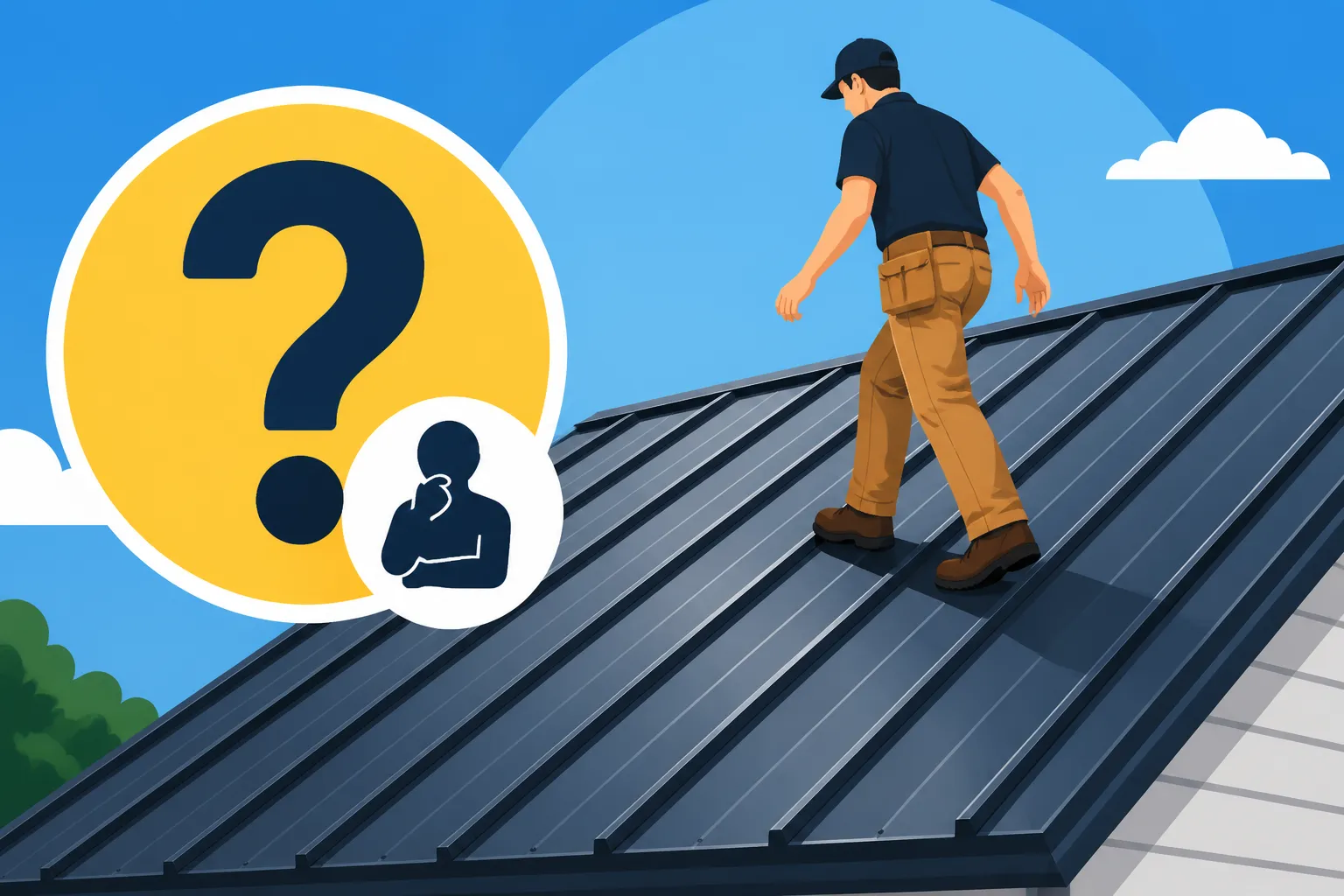
It's a common dilemma for homeowners with metal roofs: you need to check that gutter, clear some debris, or maybe just admire the view, but a nagging voice asks, "Can I actually walk on this thing without wrecking it?" The fear of dents, scratches, or even personal injury is real. This guide is here to demystify walking on a metal roof, covering everything from safety precautions to proper techniques and what types of metal roofs are more forgiving, ensuring you approach your roof with confidence and care.
The Truth About Walking on Metal Roofs: Yes, But With Caveats
Let's cut right to it: yes, you can walk on most metal roofs. However, it's not like strolling across a paved driveway. There are significant "buts" that come with this answer, and ignoring them can lead to costly damage to your beautiful roof or, more importantly, serious injury to yourself. Many homeowners assume metal roofs are either indestructible plates that can withstand anything or delicate foils that will crumple at the slightest touch. The reality, as often is the case, lies somewhere in the middle, and understanding the nuances is crucial.
Common Misconceptions and Fears
The primary concerns people have about walking on a metal roof are entirely valid. Nobody wants to see their investment marred by unsightly dents or scratches that might lead to rust down the line. There's also the very real fear of slipping and falling, especially on a sloped, potentially slick surface. You might worry about the noise—will it sound like a drum solo every time your foot lands? Or perhaps you're concerned about compromising the integrity of the panels or loosening fasteners. These aren't irrational thoughts; they stem from the unique characteristics of metal roofing materials compared to, say, traditional asphalt shingles.
Metal roofs are designed for durability, but they aren't immune to damage from improper use. Dents, for instance, are a genuine risk, especially with lighter gauge materials or unsupported areas. Scratches can happen if you're not wearing appropriate footwear or if debris is caught under your shoes. And yes, a metal roof can be slippery when wet, icy, or even dusty, making safety paramount.
When Walking is Necessary
Despite the concerns, there are legitimate reasons why you might need to access your metal roof. Regular maintenance is a big one. Leaves, twigs, and other debris can accumulate in valleys and gutters, leading to blockages and potential water damming, which is bad news for any roof. Clearing these obstructions is a vital part of Metal Roof Maintenance Guide.
Routine inspections are another key reason. After a severe storm, you might want to quickly check for obvious damage, like lifted panels or major dents. While extensive damage should always be assessed by a professional, a quick visual check can help you decide when to call in the experts. Minor repairs, such as tightening a slightly loose fastener or applying sealant to a small seam, might also necessitate brief roof access. However, for anything beyond the most superficial tasks, or if you're unsure, consulting a professional roofing contractor is always the safest and smartest choice.
Understanding Your Metal Roof's Vulnerabilities
Not all metal roofs are created equal when it comes to walkability. Just like you wouldn't treat a thin aluminum soda can the same way you would a sturdy steel beam, you need to understand the specific material, gauge, and profile of your roof before you even think about stepping onto it. Knowing these details helps you anticipate potential weak spots and adjust your approach accordingly, minimizing the risk of damage. It's all part of understanding the Metal Roofing Types Explained: Profiles & Panels.
Material and Gauge Matters
The type of metal your roof is made from significantly impacts its rigidity and resistance to denting. Steel, particularly galvanized or Galvalume steel, is generally the most common and robust, offering good dent resistance. Aluminum is lighter and highly corrosion-resistant, making it popular in coastal areas, but it can be more prone to denting than steel, especially if it's a lighter gauge. Then you have premium metals like copper and zinc, which are not only beautiful but also quite durable, though they can be softer and more susceptible to cosmetic dents, especially copper.
Beyond the material, the gauge of the metal is paramount. Gauge refers to the thickness of the metal, with a lower gauge number indicating a thicker piece of metal. So, a 24-gauge steel panel is thicker and more rigid than a 26-gauge panel. Thicker gauges (like 24-gauge or even 22-gauge for commercial applications) offer superior dent resistance and structural integrity, making them more forgiving to walk on. Lighter gauges, like 26-gauge or 29-gauge, which are common in agricultural or utility buildings, are much more susceptible to bending and denting under foot traffic. For a deeper dive into how thickness affects performance and cost, check out our guide on 24 vs 26 Gauge Metal Roof: Cost Difference.
Panel Profile and Fastener Types
The way your metal roof panels are shaped and attached to the roof deck also plays a huge role in how you should walk on them.
-
Standing Seam Roofs: These roofs feature interlocking panels with raised seams that run vertically up the roof. They use hidden fasteners, meaning the screws or clips are concealed beneath the panels, offering a very clean look and superior weather protection. When walking on a What Is a Standing Seam Metal Roof?, you generally want to step on the flat part of the panel, close to the structural supports (purlins or decking) underneath, or directly on the seams themselves if they are robustly designed. Avoid stepping directly on the middle of unsupported panel sections, as these are the most likely to dent.
-
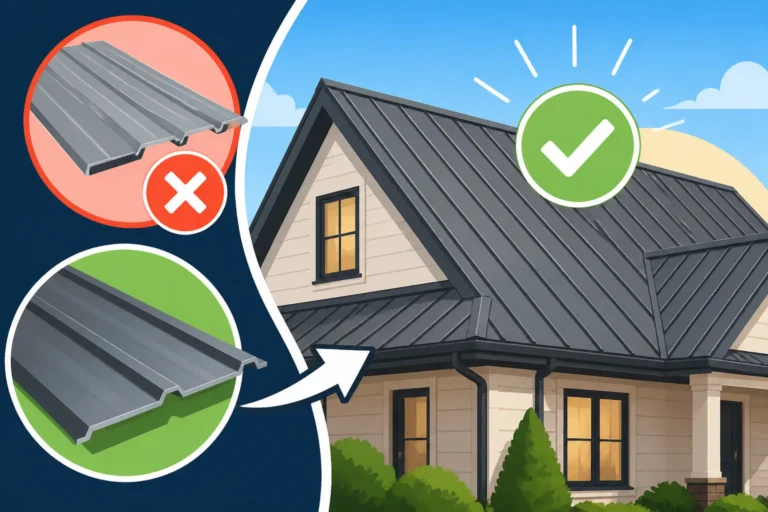
Exposed Fastener Roofs (Corrugated, R-Panel, 5V Crimp, Ribbed Panel): These are characterized by panels that are visibly screwed down through the metal surface into the roof deck. Common types include What Is a Corrugated Metal Roof? or R-panel roofs. With these, the structural support comes from the ribs or corrugations. The key here is to always step in the "flats" or valleys of the panels, not on the raised ribs or directly on the fasteners. Stepping on the ribs can flatten them, damaging the panel's integrity and potentially weakening its ability to shed water. Stepping on fasteners can damage the screw heads or washers, leading to leaks. For a complete comparison, consider reading Standing Seam vs Corrugated Metal Roof.
-
Metal Shingles, Shakes, or Tiles: These mimic traditional roofing materials but are made of metal. They are often less prone to denting underfoot than long panels because they are smaller, typically have more support underneath, and are designed to be walked on more like their asphalt or tile counterparts. However, caution is still advised to avoid dislodging them or scratching the coating.
Coatings and Finishes
Most modern metal roofs come with a protective coating, often a paint system like PVDF (Kynar 500) or SMP (Siliconized Modified Polyester). These coatings are applied for aesthetics and crucial weather resistance, including UV protection and corrosion prevention. Walking on the roof, especially with dirty or abrasive footwear, can scratch these coatings. A deep scratch can expose the bare metal underneath, accelerating corrosion and potentially voiding parts of your warranty. Always be mindful of scuffing and scraping, and choose your steps carefully to preserve the roof's finish.
Essential Safety Precautions for Roof Access
Safety isn't just a suggestion when you're working on a roof—it's an absolute necessity. Even on a relatively low-slope roof, a fall can result in severe injury or worse. Before you even think about putting a foot on your metal roof, take the time to properly prepare and equip yourself. This isn't just about protecting your roof; it's about protecting you.
Ladder Safety and Secure Footing
Your journey to the roof begins with a ladder, and proper ladder safety is paramount. Always use an extension ladder that extends at least three feet above the edge of your roof. Ensure the ladder is placed on firm, level ground, and secured at both the base and the top to prevent slipping or tipping. The correct angle for an extension ladder is often cited as the "1-in-4 rule": for every four feet of height, the base should be one foot away from the wall. Before climbing, double-check that all locks are engaged and that the ladder is stable. When you reach the roofline, step onto the roof carefully, maintaining three points of contact (two feet and one hand, or two hands and one foot) with the ladder or roof at all times.
Personal Protective Equipment (PPE)
Appropriate gear can make a world of difference in both safety and preventing roof damage.
- Footwear: This is perhaps the most critical item. You need shoes with excellent grip, like soft-soled work boots or specific roofing shoes that are non-marring and provide superior traction. Avoid hard-soled boots, dress shoes, or anything with a deep tread that could pick up gravel and scratch the roof. The goal is to maximize friction while minimizing impact.
- Gloves: Sturdy work gloves protect your hands from sharp edges, splinters, and heat if the roof is hot. They also improve your grip if you need to hold onto panels or tools.
- Fall Arrest System: For any roof work, especially on steeper pitches (typically above a 4/12 pitch), a fall arrest system is non-negotiable. This includes a full-body harness, a lanyard, and a secure anchor point (often a temporary or permanent anchor point installed by a professional). Never work on a roof alone, especially when using a fall arrest system, as you might need assistance in case of a fall.
- Other Gear: Depending on the task, you might also need safety glasses to protect from debris, and a hard hat, particularly if there are multiple people working or objects could fall from above.
Weather and Roof Condition Awareness
The weather can turn a manageable roof walk into a perilous undertaking. Never walk on a wet, icy, or snow-covered metal roof. Metal surfaces become incredibly slick when moisture is present, leading to a high risk of slips and falls. Similarly, strong winds can make maintaining balance difficult and even dislodge tools or materials.
Even on a dry day, temperature is a factor. Metal roofs can become extremely hot under direct sunlight, especially darker colors. This can burn your skin and make the work uncomfortable and dangerous. Plan your roof access for cooler parts of the day, such as early morning or late afternoon, to avoid extreme heat.
Before stepping off the ladder, do a quick visual inspection of the roof's condition. Look for any loose panels, popped fasteners, or visible rust patches that could indicate a weak spot. If you spot anything that looks unstable or compromised, it's best to call a professional for a proper assessment before proceeding.
Proper Techniques for Walking on a Metal Roof
Once you've got all your safety gear in place and the weather is cooperating, it's time to actually get on the roof. But how you move across it is just as important as being prepared. Unlike walking on an asphalt shingle roof where you can generally step anywhere, a metal roof demands a more thoughtful and deliberate approach. The goal is to distribute your weight, avoid weak points, and ensure your footing at all times.
Weight Distribution and Foot Placement
The golden rule for walking on a metal roof is to distribute your weight as evenly as possible. This means avoiding placing all your weight on one small, unsupported area. Think of it like walking on thin ice: you spread your body out to reduce pressure. While you can't exactly crawl everywhere, consciously taking smaller, deliberate steps helps.
Always aim to step on the roof's structural supports whenever possible. For most metal roofs installed over plywood or OSB decking, this means aiming for areas directly above the trusses or rafters. If your roof is installed on purlins (horizontal supports between rafters, common in agricultural or open-frame buildings), step directly on the purlins. The closer you are to a support, the less chance there is of denting the panel.
For standing seam roofs, you can often step directly on the raised seams themselves, as these are typically the strongest points of the panel structure. For other profiles, like corrugated, always step in the "flats" or valleys of the panels, where the metal is designed to bear weight and is often supported by the deck underneath. Never step on the raised ribs or directly on exposed fasteners, as this can damage both the panel and the fastener, potentially leading to leaks.
Navigating Different Metal Roof Profiles
The best way to walk on your metal roof largely depends on its specific profile. Each type has its own strengths and weaknesses when it comes to foot traffic.
- Standing Seam Metal Roofs: These are generally considered the most walkable metal roofs due to their robust design and hidden fasteners. You'll want to place your feet on the flat pan of the panel, ideally near the seams or directly over the underlying support structure. If the seams themselves are wide and strong, you can also step on them. The trick is to avoid putting undue pressure on the center of the pan if it's not well-supported, as this is where oil canning (a wavy distortion of the metal) or denting can occur. Move slowly and deliberately, testing your footing.
- Corrugated/R-Panel/5V Crimp Metal Roofs: These exposed fastener systems require more careful foot placement. The most crucial rule here is to always step in the flat, recessed areas (the "valleys") of the panels. The raised ribs are structural but not designed for direct foot traffic, and stepping on them can deform them, leading to damage or compromising the panel's ability to shed water. Never step on the screw heads or around the washers, as this can loosen them or damage the seal, creating future leak points. Maintaining a light touch and using walk boards (discussed below) is highly recommended for these profiles.
- Metal Shingles, Shakes, or Tiles: These are designed to mimic traditional roofing materials and are often installed with more underlying support. They tend to be more forgiving for walking than long panel systems, but caution is still required. Treat them much like you would their non-metal counterparts, avoiding shuffling your feet, which can scratch the surface, and being mindful of edges that could lift or dislodge. Always ensure your footwear is clean to avoid embedding grit into the finish.
Utilizing Walk Boards and Roof Jacks
For extensive work or if you need to frequently access certain areas, specialized tools like walk boards or roof jacks can be invaluable. These tools are designed to distribute your weight more effectively and protect the roof surface.
- Walk Boards (or Crawl Boards): These are essentially planks of wood or other sturdy material that you lay across the roof. They help distribute your weight over a larger area, reducing the localized pressure that can cause dents. Always use boards that are wide enough to offer stable footing and long enough to span multiple structural supports. Ensure the underside of the boards is smooth and free of debris to prevent scratching the roof. You can use foam padding or rubber mats underneath the boards for extra protection.
- Roof Jacks: These are specialized brackets that attach to the roof and hold planks in place, creating a secure, flat working platform. They are particularly useful on steeper roofs, providing a stable footing and preventing falls. The way they attach can vary; some hook over seams, others are temporarily screwed down. If using roof jacks that require fasteners, ensure they are installed correctly to prevent damage or leaks, and always seal any penetrations after removal.
Remember, the goal is to perform your task safely and efficiently while leaving your metal roof in pristine condition. When in doubt, it's always better to err on the side of caution or call in a professional. Understanding the Metal Roof Installation Process: Step by Step can help you visualize the underlying structure and where best to place your feet.
Inspecting and Maintaining Your Metal Roof After Walking
So, you've carefully walked your metal roof, handled your business, and safely descended. Good job! But the task isn't quite finished. It's crucial to perform a post-walk inspection to ensure you haven't inadvertently caused any damage. Even with the best precautions, accidents can happen, and catching potential issues early can save you a lot of headache and expense down the line.
Checking for Damage
After you've been on your roof, take a moment to carefully inspect the areas you traversed. You're looking for any signs of distress or compromise.
- Dents: These are often the most noticeable form of damage. Walk around the perimeter of your house, looking up at the roof from different angles to spot any depressions or warped areas. Sometimes, dents are subtle and only visible when light hits the panel just right.
- Scratches: Look for any abrasions or scuffs on the roof's coating. Even minor scratches can compromise the protective finish and lead to premature corrosion. Pay particular attention to areas where you might have shuffled your feet or where tools might have rested.
- Loosened Fasteners: If you have an exposed fastener roof, check the screws. Are any tilted, raised, or do the washers appear compromised? A loose fastener is a prime candidate for a leak. For standing seam roofs, check if any clips are visible or if the seams appear to be separating.
- Displaced Sealant: Many metal roof components, such as flashings around chimneys or vents, rely on sealants. Check these areas to ensure your movement hasn't cracked, pulled, or displaced the sealant, creating an opening for water. If you notice any issues, a guide like Metal Roof Leak Repair Guide can provide valuable insights on how to address them.
If you find any damage, no matter how small, address it promptly. Small scratches can be touched up with matching paint from the manufacturer, while loose fasteners need to be tightened or replaced. Dents, depending on their severity and location, might require professional attention.
Regular Maintenance Schedule
Your post-walk inspection should ideally be part of a broader, consistent maintenance schedule for your metal roof. Metal roofs are renowned for their low maintenance needs compared to other roofing materials, but "low maintenance" doesn't mean "no maintenance." Regular checks help catch problems before they escalate and ensure your roof lives up to its long lifespan promise.
Plan to inspect your roof at least twice a year, typically in the spring and fall, and always after a significant storm. Look for accumulated debris, especially in valleys and near penetrations like chimneys or skylights. Clear away leaves, branches, and anything else that could trap moisture or impede water flow. Check gutters and downspouts to ensure they are clear and properly directing water away from the foundation. Periodically inspect sealants and flashings around all roof penetrations. By staying on top of these tasks, you'll extend the life of your roof and maintain its protective qualities. For comprehensive guidance, refer to the Metal Roof Maintenance Guide.
When to Call a Professional
Knowing when to call in a professional is a sign of a responsible homeowner. There are several situations where it's simply safer and smarter to defer to the experts:
- Steep Pitches: If your roof has a particularly steep pitch, it's inherently more dangerous to walk on, even with safety gear. Professionals have specialized equipment and training for these challenging roofs.
- Extensive or Complex Damage: If your post-walk inspection reveals significant dents, widespread scratches, or structural concerns like warped panels or major seam separation, it's time for a pro. They have the tools and expertise to repair these issues correctly without causing further damage.
- Lack of Confidence or Experience: If you're not comfortable on ladders, have balance issues, or simply don't feel confident performing roof work, don't force it. Your safety is worth more than saving a few bucks.
- Warranty Concerns: Many metal roof warranties require professional installation and certain repair work to be performed by certified contractors to remain valid. If you're unsure, check your warranty documentation.
Finding a reputable metal roofing contractor is crucial. Companies like Modernize can connect you with qualified local professionals who specialize in metal roofing, ensuring you get expert help for inspections, maintenance, and repairs. When looking for a pro, you'll want to ask the Questions to Ask a Metal Roofing Contractor Before You Hire to ensure you're getting the best service.
Alternatives to Walking on Your Metal Roof
Sometimes, the best way to walk on a metal roof is not to walk on it at all! For many routine checks or light cleaning tasks, there are safer and less invasive alternatives that can help you maintain your roof without putting yourself or your roof at risk. Leveraging these options can be especially beneficial for high-pitched roofs, extensive damage assessments, or if you're simply not comfortable with heights.
Long-Reach Tools and Drones
For basic tasks like clearing gutters or inspecting hard-to-reach areas, modern tools offer fantastic solutions.
- Long-Reach Cleaning Tools: These include telescopic poles with gutter scoops, brushes, or blowers that allow you to clear debris from your gutters while standing safely on the ground or a ladder's lower rungs. Some even have attachments for pressure washing or scrubbing roof surfaces, though you must be careful with pressure washing a metal roof to avoid damage.
- Binoculars or Telephoto Cameras: For quick visual inspections, a good pair of binoculars can help you spot issues like loose fasteners, accumulated debris, or minor dents from the ground. A camera with a powerful zoom lens can capture detailed photos for closer examination without ever leaving solid ground.
- Consumer Drones: Small, user-friendly drones equipped with cameras have become incredibly accessible. You can fly one over your roof to capture high-resolution photos or videos of its condition. This is particularly useful for identifying potential problems like damaged panels, blocked valleys, or issues around chimneys and vents, all from the safety of your backyard. Just make sure you're comfortable operating the drone and aware of any local regulations regarding drone use.
Professional Drone Inspections
While consumer drones are great for a DIY approach, professional drone inspections take it to another level. Many roofing contractors now offer drone services as part of their inspection packages. These specialized drones often have higher-resolution cameras, thermal imaging capabilities (to detect moisture issues or insulation problems), and advanced mapping software.
Hiring a professional for a drone inspection means you benefit from:
- Expert Analysis: A contractor can interpret the drone footage much more accurately, identifying subtle signs of wear, potential vulnerabilities, or areas requiring attention that an untrained eye might miss.
- Safety: No one has to climb on the roof, eliminating fall risks.
- Efficiency: Drones can cover a large roof area quickly, providing a comprehensive assessment in a fraction of the time it would take a manual inspection.
- Documentation: You receive detailed reports and high-quality imagery, which can be useful for insurance claims or future maintenance planning.
Companies like Modernize can help you connect with roofing professionals in your area who offer advanced inspection services, including drone assessments.
Hiring a Certified Metal Roofing Contractor
Ultimately, for anything beyond the most superficial check, or if you detect an issue that needs more than a simple fix, the safest and most reliable alternative to walking on your metal roof yourself is to hire a certified metal roofing contractor. These professionals have:
- Expertise: They understand the intricacies of different metal roofing materials, profiles, and installation techniques. They know exactly where to step, how to perform repairs, and what to look for.
- Specialized Equipment: Contractors have professional-grade safety equipment, specialized tools for metal roof repair, and often access to manufacturer-specific parts and coatings.
- Insurance and Warranties: Reputable contractors carry liability insurance, protecting you in case of an accident on your property. Their work often comes with a workmanship warranty, giving you peace of mind. Moreover, certain repairs performed by uncertified individuals could void your roof's manufacturer warranty, so a professional touch is often vital.
When you're looking for a contractor, don't just pick the first name in the phone book. Take your time, get multiple quotes, and verify their credentials. Check out our guide on How to Hire a Metal Roofing Contractor for a detailed walkthrough on how to find the right professional for your needs. Investing in professional help means your roof is maintained correctly, safely, and in a way that preserves its longevity and aesthetic appeal.
Comparison of Metal Roof Types for Walkability
Understanding which metal roof types are more forgiving to foot traffic can help you manage expectations and plan accordingly. Here’s a quick overview:
| Metal Roof Type | Primary Fastener Type | General Walkability | Key Considerations for Walking |
|---|---|---|---|
| Standing Seam | Hidden | Good to Excellent | Step on seams or flat pan near supports. Less prone to denting; coatings can still scratch. |
| Metal Shingles/Tiles | Hidden | Good | Treat like traditional shingles. Solid backing reduces dents. Watch for scuffs on coatings. |
| Corrugated/R-Panel | Exposed | Fair to Moderate | Always step in the valleys/flats. Avoid ribs and fasteners. More prone to denting if not careful. |
| 5V Crimp/Ribbed Panel | Exposed | Fair to Moderate | Similar to corrugated; step in flats. Ribs are usually less pronounced than R-panel but still avoid. |
| Copper/Zinc (non-panel) | Varies | Moderate (cosmetic) | Softer metals, more prone to visible cosmetic dents even if structural integrity is fine. Use extreme caution. |
This table provides a general guideline. Remember, the specific gauge, installation, and underlying support structure of your particular roof will always influence its actual walkability.
Disclaimer
The information provided in this guide is for general informational purposes only and does not constitute professional advice. Metal roof work can be dangerous and should only be undertaken by individuals with appropriate training, experience, and safety equipment. Always prioritize your safety and consult with a qualified, licensed, and insured metal roofing contractor for any roof inspections, maintenance, or repairs. We are not liable for any injuries or damages sustained from attempting to perform roof work based on this information.