PVDF vs SMP Paint Coatings for Metal Roofs
Choosing a metal roof for your home is a fantastic investment, but let's be honest, the sheer number of options can be totally overwhelming. One area that often leaves homeowners scratching their heads is the world of paint coatings. You've heard terms like PVDF and SMP thrown around, and you just want to know which one is right for your house. This guide is here to cut through the jargon, break down the differences between PVDF and SMP coatings, and help you understand which choice offers the best protection and aesthetic appeal for your long-term peace of mind.
Understanding Metal Roof Coatings: Why They Matter
When you're looking at a sleek, new metal roof, you're not just seeing the raw metal underneath. You're seeing the protective and decorative coating that plays a monumental role in how your roof performs and looks over its decades-long lifespan. This isn't just about color; it's about safeguarding your investment against the relentless forces of nature.
More Than Just Color: The Role of Coatings
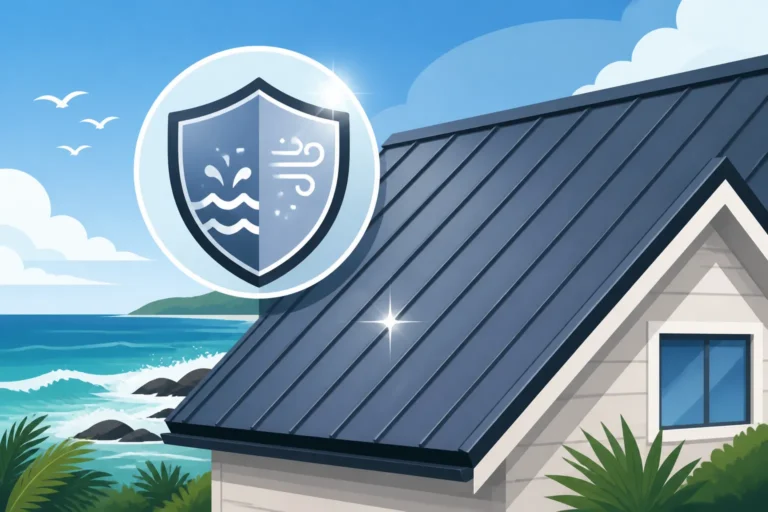
Think of your metal roof's paint coating as its first line of defense, much like a shield. Beyond simply providing that beautiful hue that complements your home's exterior, these coatings are engineered to protect the metal substrate from a host of environmental aggressors. We're talking about UV radiation that can cause fading, acid rain that can lead to corrosion, and even the daily wear and tear from wind-blown debris. A high-quality coating ensures that your roof maintains its structural integrity and vibrant appearance for many, many years, delaying the need for services like Repainting and Recoating a Metal Roof
Without these specialized coatings, even the most durable metal panels would quickly succumb to the elements. The sun's harsh UV rays would cause rapid chalking and fading, making your roof look old and tired long before its time. Moisture would inevitably lead to rust and corrosion, compromising the metal's strength and leading to expensive repairs down the line. That's why understanding the specific properties of different coatings, like PVDF and SMP, is crucial – it directly impacts your roof's longevity and curb appeal.
Common Types of Metal Roof Substrates
Before we dive into the coatings themselves, it's helpful to understand what they're typically applied to. Metal roofing panels usually start with a base metal, which is then prepared and coated. The most common substrates you'll encounter are steel and aluminum, each with its own characteristics that influence the overall performance of the finished product.
Steel is incredibly strong and widely used, often treated with a metallic coating like Galvalume or galvanized zinc before the paint layer is applied. Galvalume, a combination of zinc and aluminum, offers superior corrosion resistance compared to traditional galvanized steel, making it an excellent foundation for any topcoat. Aluminum, on the other hand, is naturally corrosion-resistant, lightweight, and often chosen for coastal properties due to its inherent ability to resist salt spray. While these base metals provide fundamental strength and some level of protection, it's the PVDF or SMP paint coating that truly dictates the roof's aesthetic life, fade resistance, and long-term weatherability. Understanding the specific Metal Roofing Materials Compared: Steel, Aluminum, Copper & Zinc
Deep Dive into PVDF Coatings: The Premium Choice
When people talk about the "gold standard" in metal roof coatings, they're almost certainly talking about PVDF. This isn't just a marketing term; it's backed by decades of proven performance in some of the harshest environments imaginable. If you're looking for the absolute best in terms of longevity and color retention, PVDF is usually the answer.
What is PVDF and How is It Made?
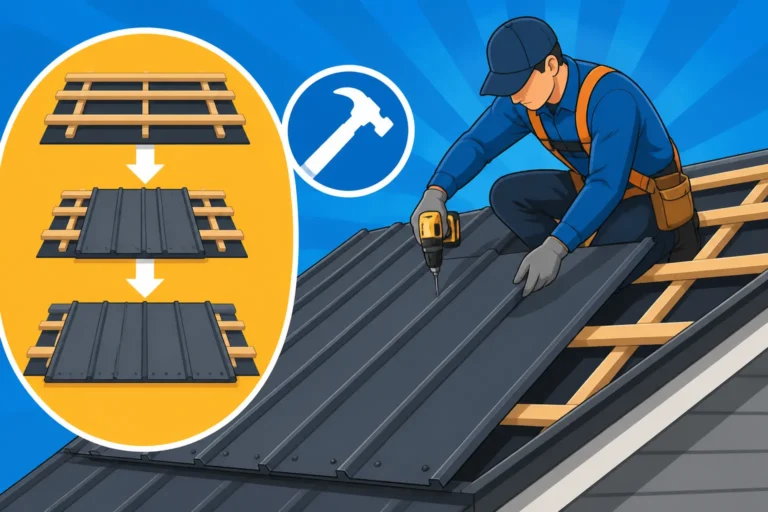
PVDF stands for Polyvinylidene Fluoride, and it's a high-performance resin that forms the backbone of these exceptional coatings. The most recognized PVDF coatings, often referred to by their brand names like Kynar 500 or Hylar 5000, are composed of at least 70% PVDF resin. This high concentration of fluoropolymer resin is what gives PVDF its incredible durability and resistance properties. The process involves multiple layers: a pretreatment layer on the metal substrate, followed by a primer, then the PVDF color coat, and often a clear topcoat for added protection and sheen. These layers are applied in a controlled factory setting, ensuring consistent quality and adhesion.
The molecular structure of PVDF is what makes it so resilient. It creates incredibly strong bonds that resist breaking down under UV radiation, chemical exposure, and temperature fluctuations. This chemical stability means that PVDF coatings are exceptionally stable, maintaining their integrity even after decades of exposure to harsh sunlight, acid rain, and extreme weather conditions. This isn't a cheap shortcut; it's a meticulously engineered solution designed for maximum performance and a truly extended lifespan for your roof.
Key Advantages and Disadvantages of PVDF
PVDF coatings come with a compelling list of advantages that make them a favorite among homeowners and architects alike. The biggest draw is their unparalleled fade and chalk resistance. Your roof's color will stay vibrant and true for an incredibly long time, often backed by warranties extending 30 years or even longer against chalking and fading. They also offer excellent resistance to harsh chemicals, industrial pollutants, and corrosion, which is a huge plus if you live near an industrial area or experience significant acid rain. Furthermore, their flexibility means they resist cracking and chipping during the manufacturing process and installation, which is a critical factor for panels like Standing Seam Metal Roof Cost
However, it's important to be realistic about the trade-offs. The primary disadvantage of PVDF is its cost. These coatings are significantly more expensive than other options, which will naturally drive up your overall Metal Roof Cost: Complete 2026 Guide While the long-term value often justifies the initial investment, it's a hurdle for some budgets. Another minor point is that PVDF offers a slightly more limited color palette compared to some other coating types, particularly when it comes to very bright or intense shades, due to the nature of the fluoropolymer resin.
Real-World Scenarios Where PVDF Excels
PVDF coatings truly shine in demanding environments where long-term performance and aesthetic integrity are paramount. If you live in a region with intense sun exposure, like the desert Southwest or the sunny coasts of Florida, PVDF's superior UV resistance means your roof's color won't fade into oblivion within a few years. Imagine installing a vibrant charcoal gray roof today and knowing it will still look fantastic two decades from now, resisting the sun's relentless assault. Many homeowners use platforms like Modernize to find contractors who specialize in installing these high-performance materials.
Coastal properties, which face constant salt spray and high humidity, also benefit immensely from PVDF's excellent corrosion resistance. The fluoropolymer barrier helps prevent saltwater from degrading the metal substrate, ensuring a longer life for the roof. Similarly, in urban or industrial areas where air pollution and acid rain are concerns, PVDF coatings provide a robust shield against chemical degradation. Essentially, if you want your metal roof to look as good as new for as long as humanly possible, minimizing Metal Roof Maintenance Guide and you're prepared for the upfront investment, PVDF is likely your best bet.
Exploring SMP Coatings: The Balanced Performer
While PVDF often grabs the spotlight for its premium status, SMP coatings are far from a runner-up. In fact, for many homeowners, SMP offers an exceptional balance of performance, durability, and affordability, making it a highly popular choice for a wide range of applications. It's the workhorse of the metal roofing world, delivering solid results without breaking the bank.
What is SMP and Its Composition?
SMP stands for Silicone Modified Polyester. As the name suggests, these coatings combine polyester resins with silicone polymers. The silicone component is key here, as it enhances the coating's durability, weatherability, and resistance to UV radiation compared to standard polyesters. Like PVDF, SMP coatings are applied in a multi-layer system in a factory setting, typically including a pretreatment, primer, and the SMP topcoat.
The addition of silicone provides a smoother, harder finish than pure polyester coatings, which translates to better scratch resistance and improved gloss retention. While not quite as impenetrable as PVDF's fluoropolymer structure, the silicone modification significantly improves the coating's ability to resist breakdown from sunlight and moisture. This makes SMP a robust and reliable option, bridging the gap between basic polyester paints and top-tier PVDF systems.
Key Advantages and Disadvantages of SMP
The main advantage of SMP coatings is their excellent balance of performance and cost-effectiveness. They offer very good fade and chalk resistance, often warranted for 20-30 years, making them a significant upgrade from standard acrylic or polyester paints without the premium price tag of PVDF. SMP coatings are also known for their hardness and abrasion resistance, which can be beneficial during installation and in areas prone to light scuffing. Furthermore, they often come in a broader range of colors, including some more vibrant options that might be limited in PVDF palettes.
On the flip side, while SMP is highly durable, it generally won't match PVDF's absolute top-tier performance in terms of long-term fade and chalk resistance. Over very long periods (25+ years), you might see slightly more noticeable fading or chalking with an SMP coating compared to a PVDF one in the same conditions. They also may not offer the same extreme chemical resistance as PVDF, though for most residential applications, this isn't a significant concern. The decision often comes down to budget versus the pursuit of the absolute maximum lifespan for your roof's aesthetic, which might be influenced by factors like your home's Metal Roof Cost vs Lifespan Value
Ideal Applications for SMP Coatings
SMP coatings are incredibly versatile and are an ideal choice for a vast majority of residential metal roofing projects. If you're looking for a high-quality, long-lasting roof that will look great for decades without the absolute top-tier price tag of PVDF, SMP is an excellent candidate. They are particularly well-suited for homes in moderate climates, where extreme UV exposure or harsh industrial pollutants aren't the primary concern.
For example, a family home in a suburban area where budget is a consideration, but long-term durability is still desired, would find SMP an excellent fit. It provides superior protection and color retention compared to asphalt shingles, making it a great option for homeowners looking to significantly upgrade their roof's performance. Many reputable metal roofing companies, which you can find through services like Modernize, offer SMP coatings as a standard high-quality option due to this optimal blend of cost and performance. They are frequently used on popular metal roof profiles like Corrugated Metal Roof Cost and even some types of Metal Shingle Cost, providing that crucial protective layer.
PVDF vs. SMP: A Side-by-Side Comparison
Trying to decide between PVDF and SMP can feel like comparing two excellent cars – both will get you where you need to go, but one offers a bit more luxury and resilience for a higher price. Let's break down the key differences to help you weigh your options effectively.
Durability and Fade Resistance Showdown
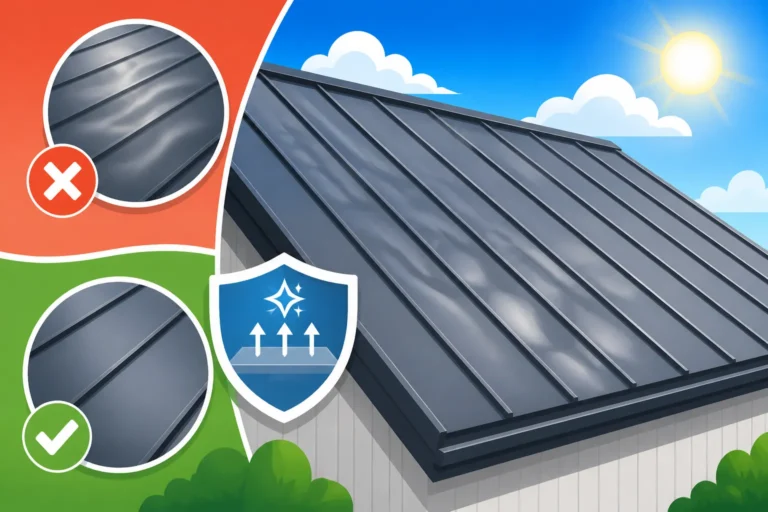
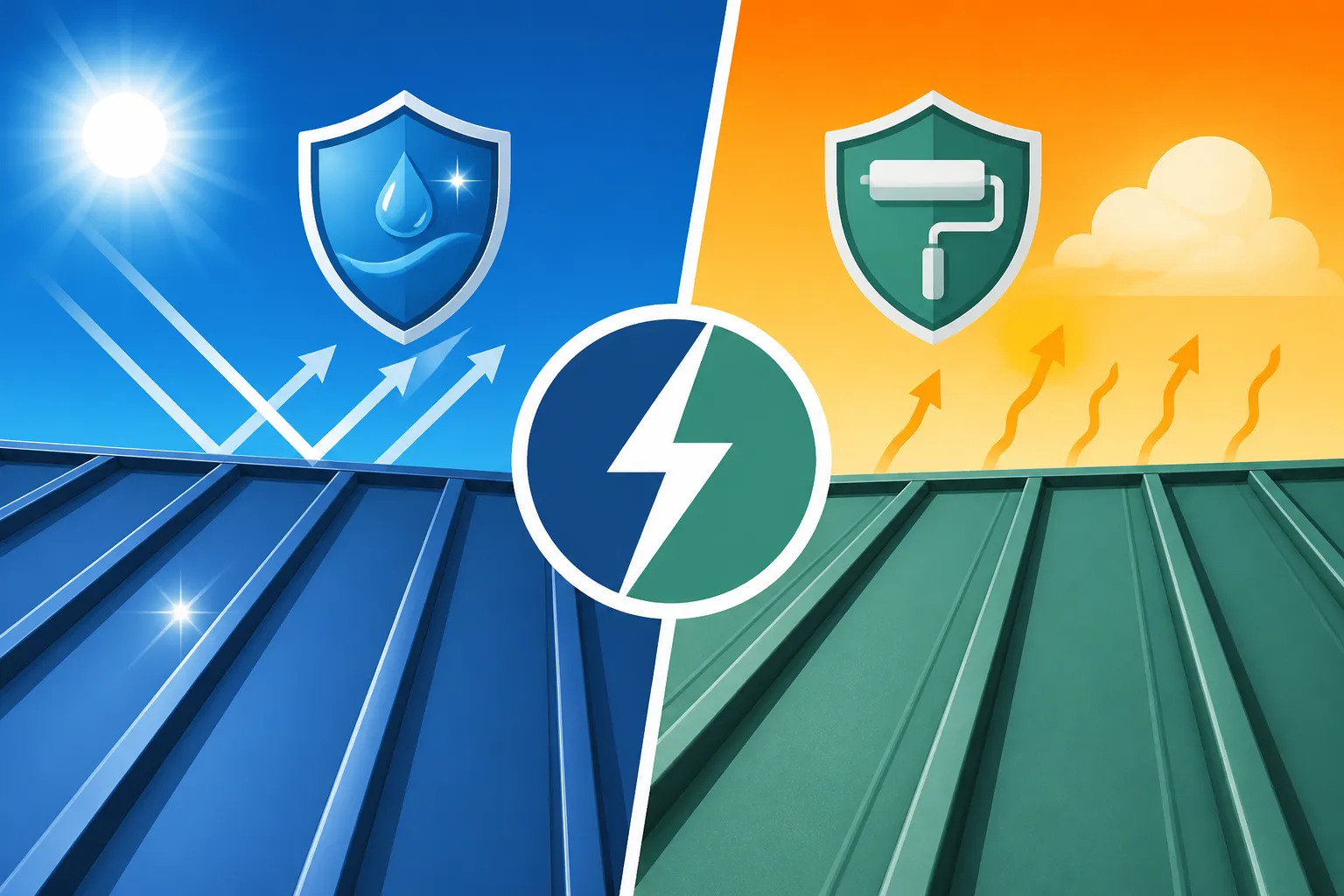
When it comes to the ultimate test of time and weather, PVDF typically takes the crown for superior durability and fade resistance. Its fluoropolymer composition creates an incredibly stable and inert surface that is highly resistant to UV degradation, chemical attack, and general weathering. This means a PVDF roof will maintain its original color and gloss with minimal chalking or fading for a remarkably long time, often exceeding 30-40 years, keeping its vibrant look and reducing the need for services like Repainting and Recoating a Metal Roof
SMP, while still offering excellent performance, is a step down from PVDF in this specific arena. The silicone-modified polyester resin provides very good fade and chalk resistance, often warranted for 20-30 years. You can expect an SMP roof to look great for a long time, far outperforming traditional paint systems. However, in side-by-side comparisons over several decades, particularly in areas with intense sun, a PVDF coating will generally show less perceptible change in color and less chalking than an SMP coating. Think of PVDF as the marathon runner that never breaks a sweat, and SMP as the strong contender who finishes just a bit behind, still looking good but perhaps a touch more fatigued.
Cost Implications and Long-Term Value
This is often where the rubber meets the road for many homeowners. PVDF coatings undeniably come at a higher initial cost. The specialized resins and multi-layer application process contribute to a higher manufacturing expense, which is then passed on to the consumer. You might find that PVDF-coated panels add anywhere from 15% to 30% to the material cost compared to SMP-coated panels, significantly impacting your overall Metal Roof Cost Per Square Foot
SMP, on the other hand, offers a more budget-friendly entry point without sacrificing significant performance. It provides excellent long-term value, delivering robust protection and aesthetics for decades at a more accessible price. When considering Is a Metal Roof Worth It? ROI, Resale & Payback both PVDF and SMP offer strong returns due to their longevity and low maintenance. However, the slightly lower initial investment of SMP can make it more appealing to homeowners who need to manage their upfront expenses more carefully, while still seeking a high-quality, durable roof. The choice often boils down to whether you prioritize the absolute maximum longevity and minimal aesthetic degradation (PVDF) or a fantastic balance of performance and cost (SMP).
Environmental Considerations and Maintenance
Both PVDF and SMP coatings are considered environmentally responsible options, especially when compared to asphalt shingles that often end up in landfills more frequently. Metal roofs themselves are typically made from a high percentage of recycled content and are fully recyclable at the end of their very long life. The coatings contribute to this sustainability by ensuring the roof lasts longer, reducing the frequency of replacement and the associated waste.
From a maintenance perspective, both coatings are relatively low maintenance. They resist moss, mildew, and dirt buildup better than many other roofing materials, often requiring just a simple rinse with a garden hose to keep them looking fresh. However, the superior chemical resistance of PVDF might give it a slight edge in resisting staining from specific environmental pollutants. Neither coating will demand intensive annual maintenance, but general Metal Roof Maintenance Guide practices, such as clearing gutters and occasional visual inspections, are always recommended regardless of coating type.
Here’s a quick overview to help summarize:
| Feature | PVDF (Polyvinylidene Fluoride) | SMP (Silicone Modified Polyester) |
|---|---|---|
| Composition | Minimum 70% PVDF resin (e.g., Kynar 500, Hylar 5000) | Polyester resin modified with silicone |
| Fade Resistance | Excellent to Superior (Best in class) | Very Good to Excellent |
| Chalk Resistance | Excellent to Superior (Best in class) | Very Good to Excellent |
| Gloss Retention | Excellent | Very Good |
| Corrosion Resistance | Superior | Very Good |
| Chemical Resistance | Excellent | Good |
| Hardness/Abrasion | Good | Very Good |
| Flexibility | Excellent | Very Good |
| Color Availability | Broad but can be limited for very vibrant shades | Broader, including some brighter, richer colors |
| Typical Warranty | 30-40+ years against fading/chalking | 20-30 years against fading/chalking |
| Initial Cost | Higher | Moderate |
| Ideal For | Extreme environments, high-end projects, ultimate longevity | Most residential, balanced performance/cost, general use |
Making the Right Choice for Your Home
Deciding between PVDF and SMP isn't about one being "bad" and the other "good." It's about finding the right fit for your home, your budget, and your priorities. Both are excellent choices for metal roofing, offering significant advantages over traditional roofing materials.
Factors to Consider Beyond the Label
While the technical specifications are important, your personal circumstances play a huge role in the final decision. First, think about your geographical location. If you live in a region notorious for intense, unrelenting sun exposure, such as Arizona or parts of Florida, the superior UV resistance of PVDF might be worth the extra investment to prevent premature fading. On the other hand, if you're in a more temperate climate with less extreme UV, an SMP coating might offer perfectly adequate performance for a lower cost.
Secondly, consider your home's aesthetic. Are you planning to sell in 5-10 years, or is this your "forever home"? For a forever home, the extended aesthetic life of PVDF might be more appealing. If resale is a nearer-term goal, the excellent performance of SMP may be more than enough to impress future buyers. Also, think about specific colors – if you have your heart set on a very vibrant, specific shade, check if it's readily available in both coating types, as PVDF can sometimes have a slightly more muted palette.
Getting Expert Advice and Quotes
Navigating these choices doesn't have to be a solitary endeavor. The best way to make an informed decision is to consult with experienced metal roofing contractors. They can provide insights specific to your local climate, roof pitch, and budget. Don't just get one quote; reach out to at least three reputable contractors. Platforms like Modernize can help you connect with qualified professionals in your area.
When talking to contractors, be sure to ask specific questions about the coatings they offer. Inquire about the manufacturer of the panels and the coating's specific warranty. Ask to see samples of both PVDF and SMP in your desired colors. A good contractor will walk you through the pros and cons for your specific situation, helping you understand the long-term value proposition for both options. Don't hesitate to ask about How to Read and Compare Metal Roof Quotes to ensure you're getting an apples-to-apples comparison on materials, labor, and warranties. Ultimately, a trusted expert can help you feel confident that you're selecting the best possible coating for your new metal roof.
Disclaimer
Please remember that the information provided in this guide is intended for general informational purposes only. While we strive to offer accurate and up-to-date content, specific conditions, building codes, material availability, and pricing can vary greatly based on your location and project details. Always consult with certified roofing professionals and local authorities before making any decisions related to your roofing project.