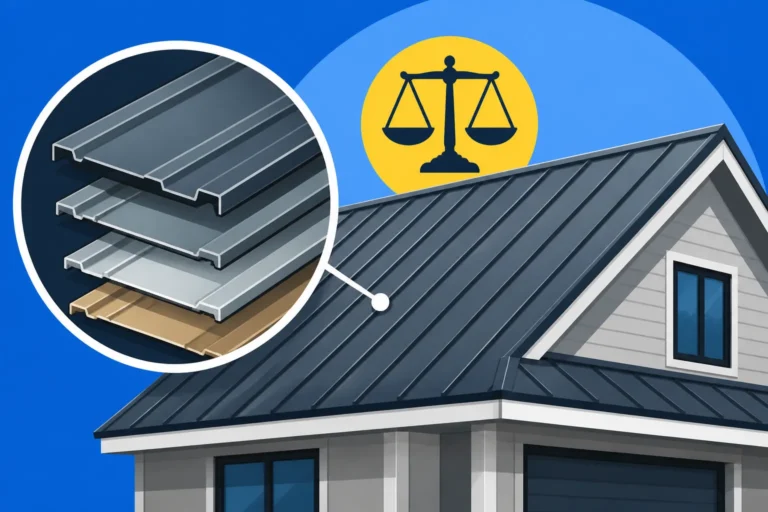
Metal Roof Gauges Explained: 22, 24, 26 & 29
One of the most head-scratching aspects of diving into metal roofing is figuring out what in the world "gauge" actually means, and more importantly, why a smaller number signifies a thicker piece of metal. It's a common point of confusion, and frankly, it can feel like you need a secret decoder ring just to understand the basic specs. This guide is here to unravel the mystery of metal roof gauges – specifically the 22, 24, 26, and 29 options you’ll encounter most often – so you can confidently choose the right thickness for your home and ensure your investment lasts for decades.
The Core Concept of Metal Roof Gauge
When you start researching metal roofing, one of the first technical terms you’ll encounter is “gauge.” It sounds intimidating, but it's really just a measurement of the metal's thickness. What often trips people up, though, is how the numbers work. It's not like most measuring systems where a higher number means more. In the world of metal roofing, it's actually the opposite: a lower gauge number indicates a thicker piece of metal. Think of it like a heavyweight boxer – the lower the number, the heavier and more robust the material.
What "Gauge" Really Means and Why Lower is Thicker
The gauge system, particularly for steel and aluminum, is rooted in an old manufacturing process. Originally, gauge referred to the number of sheets of metal that could be stacked to make one inch of thickness. So, if you could stack 29 sheets to make an inch, each sheet was fairly thin (29-gauge). If you could only stack 22 sheets, each sheet had to be significantly thicker (22-gauge). This historical context helps explain the inverse relationship between the number and the actual material thickness, a quirk that persists in the industry today.
Understanding this fundamental concept is absolutely critical because the thickness of your metal roof panels directly impacts their durability, resistance to damage, and even how they perform aesthetically over time. It’s not just a minor detail; it’s a foundational element of your roof’s integrity. Many homeowners, myself included, have felt that initial confusion when trying to compare quotes and realizing that a "higher number" isn't necessarily better. It just means thinner. This crucial distinction affects everything from how well your roof stands up to harsh weather to its overall lifespan.
Why Gauge Matters More Than You Think
The gauge of your metal roof is far more than just a measurement; it's a critical factor that influences almost every aspect of your roof's performance and longevity. A thicker gauge generally translates to a more robust, impact-resistant roof. This becomes incredibly important in areas prone to hail, heavy snow loads, or high winds. For example, a thinner 29-gauge panel might be perfectly adequate for a low-stress agricultural building, but on a residential home in a hailstorm-prone region like Oklahoma or Texas, it might dent much more easily than a 24-gauge panel. These dents, while often cosmetic, can be a major source of frustration and diminish the curb appeal of your home.
Beyond physical resilience, the gauge also affects the roof's structural rigidity and its susceptibility to issues like oil canning – a wavy or rippled appearance that can occur in metal panels due to stress. Thicker panels are naturally more rigid and less prone to flexing, which helps mitigate oil canning, especially in wider panels or on roofs with flatter pitches. Furthermore, the gauge can influence installation techniques and even the types of fasteners and support structures required. Choosing the right gauge means balancing upfront costs with long-term performance and peace of mind. For a complete overview of what influences your investment, check out our guide on What Affects Metal Roof Cost: Gauge, Pitch, Complexity & Tear-Off.
Demystifying Common Residential Metal Roof Gauges
When you're shopping for a metal roof, you'll primarily encounter four common gauges: 29, 26, 24, and 22. Each has its own set of characteristics, ideal applications, and price points. Knowing the differences can save you a lot of headache and ensure you get a roof that truly meets your needs, not just your budget. It's a big decision, and understanding these nuances is key to making an informed choice.
29-Gauge Metal Roofing: The Lightweight, Budget-Friendly Choice
The 29-gauge metal roof is the thinnest option you’ll typically find, measuring approximately 0.0142 inches thick. It’s often the most budget-friendly choice, which makes it appealing for certain applications. You'll commonly see 29-gauge panels on agricultural buildings, barns, detached garages, carports, and sometimes on older mobile homes or smaller utility structures. Its lighter weight can make installation a bit easier, and it requires less material, driving down the overall Metal Roof Cost Per Square Foot.
However, the affordability comes with trade-offs. Due to its thinner profile, 29-gauge metal is more susceptible to denting from hail or falling debris. It can also be more prone to oil canning, especially in wider panels or if not installed with meticulous care. While some homeowners might consider it for their primary residence to save money upfront, it's generally not recommended for residential applications where aesthetics and long-term durability against harsh weather are high priorities. If you're looking for a quick, economical cover for a shed, it's a fantastic option, but for your main home, you might want to consider something more robust, especially if you live in an area with unpredictable weather patterns like those seen across the Midwest or storm-prone regions of the South.
26-Gauge Metal Roofing: The Residential Standard
Stepping up to 26-gauge (approximately 0.0179 inches thick) brings you to what many consider the industry standard for residential metal roofing. This gauge strikes a popular balance between cost-effectiveness and enhanced durability, making it a common choice for homeowners looking for a reliable, long-lasting roof without breaking the bank. It offers a noticeable improvement in resistance to dents and dings compared to 29-gauge, providing better protection against moderate hail and impacts.
26-gauge panels are widely available in various Metal Roofing Types Explained: Profiles & Panels, including corrugated, R-panel, and even some standing seam systems. Its increased rigidity helps reduce the likelihood of oil canning and provides a more solid feel underfoot. For many homeowners, especially in areas with mild to moderate weather conditions, 26-gauge offers an excellent blend of performance, aesthetic appeal, and value. It's a smart choice for those seeking to replace asphalt shingles with a durable metal roof that will stand the test of time, often lasting 40-70 years.
24-Gauge Metal Roofing: The Robust and Popular Option
The 24-gauge metal roof (approximately 0.0238 inches thick) represents a significant leap in durability and strength. It's often considered the premium residential standard, especially for standing seam metal roofs, and for good reason. The added thickness makes it incredibly resistant to hail damage, high winds, and structural deformation. If you live in a region known for severe weather, such as coastal areas or states frequently hit by intense storms, 24-gauge is often the minimum recommendation from experienced contractors.
Homeowners who prioritize maximum longevity, superior performance, and a high-end aesthetic often opt for 24-gauge. Its rigidity virtually eliminates concerns about oil canning in most installations, leading to a much cleaner, smoother roofline that maintains its pristine appearance for decades. While the initial investment for 24-gauge material is higher than for 26-gauge, many find the enhanced peace of mind, reduced maintenance concerns, and the promise of a longer lifespan well worth the extra cost. It’s a choice that reflects a commitment to long-term quality and resilience, and is often debated against its slightly thinner counterpart, as explored in articles like 24 vs 26 Gauge Metal Roofing: Which Is Best?.
22-Gauge Metal Roofing: The Heavy-Duty Powerhouse
At the top end of typical residential and light commercial applications, you'll find 22-gauge metal roofing. This is the thickest option commonly available, measuring around 0.0299 inches. It's an absolute powerhouse when it comes to durability, offering unparalleled resistance to impacts, heavy snow loads, and extreme weather conditions. While less common for standard residential homes due to its higher cost and weight, 22-gauge is often specified for high-end custom homes, commercial buildings, industrial facilities, or properties in incredibly harsh environments.
The substantial thickness of 22-gauge panels provides exceptional structural integrity and practically eliminates any concerns about oil canning. Its robustness means it can withstand incredibly severe conditions, often exceeding the requirements of even the most stringent building codes. If you're building a dream home in a challenging climate or a commercial property where longevity and minimal maintenance are paramount, 22-gauge offers the ultimate in metal roofing performance. The installation of such heavy-gauge material often requires specialized equipment and expertise, which can further contribute to the overall Metal Roof Labor Cost.
Factors Influencing Your Gauge Decision
Choosing the right metal roof gauge isn't a one-size-fits-all decision. It involves weighing several factors unique to your home, location, and personal priorities. Understanding these influences will help you make a smart investment that performs well for years to come. It’s about more than just thickness; it’s about tailoring the roof to its environment and your expectations.
Climate and Environmental Considerations
Your local climate is perhaps the most significant factor in determining the ideal metal roof gauge. If you live in an area prone to harsh weather events, opting for a thicker gauge will provide significantly better protection and peace of mind.
- Hail Prone Regions: In states like Colorado, Texas, or Oklahoma, where golf-ball sized hail can be a frequent occurrence, a 24-gauge or even 22-gauge metal roof is highly recommended. Thinner panels (like 26-gauge or 29-gauge) are much more likely to dent, which while often cosmetic, can be unsightly and devalue your home. Insurance companies are increasingly recognizing the benefits of thicker, impact-resistant roofing, which could potentially lead to Metal Roof Insurance Savings & Discounts with a higher gauge.
- High Wind Zones: Coastal areas, hurricane zones in Florida or along the Gulf Coast, and regions with consistent high winds necessitate a more rigid roof. Thicker gauges offer superior wind uplift resistance and are less likely to flex or deform under extreme pressure. They also hold fasteners more securely. You can learn more about how metal roofs handle these challenges in our guide on Metal Roof Storm, Hail & Wind Damage.
- Heavy Snow Loads: In snowy climates like the Northeast or Rocky Mountains, thicker gauges provide the structural integrity needed to support significant snow accumulation. While metal roofs are excellent at shedding snow, the initial load before shedding, or continuous heavy accumulation, can stress thinner panels. A robust gauge ensures your roof can handle the weight without compromising its structure.
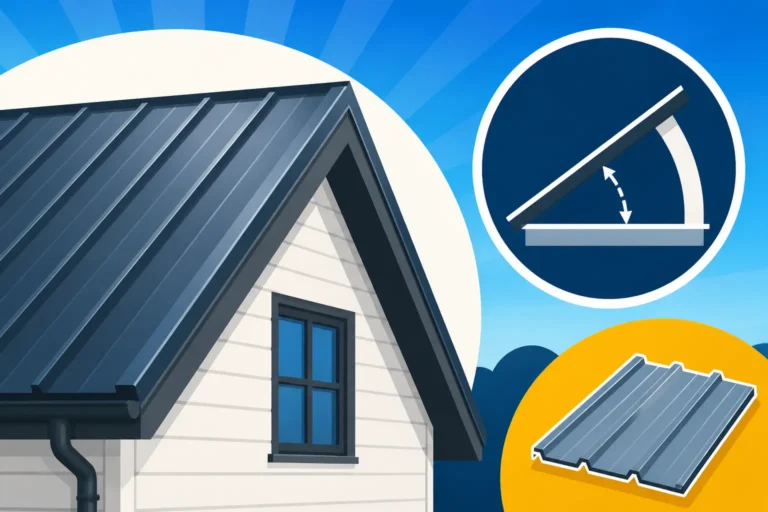
Roof Pitch and Structural Support
The pitch (slope) of your roof and the existing structural support also play crucial roles in your gauge selection. These elements affect how the roof panels perform and how they need to be installed.
- Low-Slope Roofs: For roofs with a very low pitch, drainage is slower, and water can sit longer. In these scenarios, a thicker, more rigid panel (like 24-gauge standing seam) is often preferred. The increased thickness provides a flatter, more consistent surface, reducing areas where water might pool due to slight panel deformation. It also offers greater resistance to foot traffic during maintenance, which is more common on low-slope roofs.
- Steep-Slope Roofs: While steeper roofs offer excellent drainage, the gauge still matters for overall durability. On steep pitches, panels are often longer, and thicker gauges help prevent waving or "oil canning" in these extended lengths. The structural support beneath the metal is also important; if you’re installing directly over purlins (horizontal framing members), a thicker gauge is more critical for spanning the gaps and preventing deflection. If you’re installing over a solid deck, you have a bit more flexibility, but the inherent strength of the thicker metal remains a benefit. Always ensure your roof decking and framing can adequately support the weight of the chosen metal and its associated loads. Understanding your roof's underlying structure is vital to a successful and long-lasting metal roof installation.
Aesthetics and Desired Lifespan
The visual appeal and how long you expect your roof to last are also key personal factors that will steer you toward a particular gauge. It's not just about function; it's about how your home looks and how long you want that look to endure.
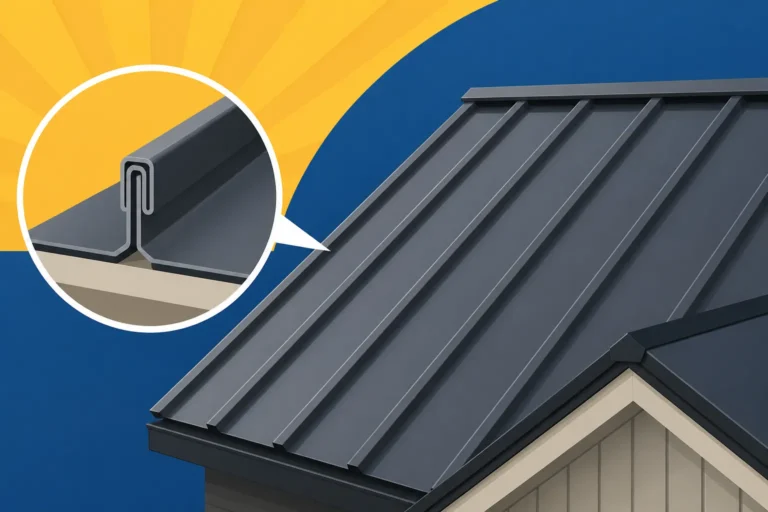
- Aesthetics and Oil Canning: For homeowners who prioritize a sleek, unblemished roofline, a thicker gauge is almost always the superior choice. Thinner panels, particularly 29-gauge and even some 26-gauge profiles, are more susceptible to "oil canning," which is the visible waviness or distortion that can appear in flat metal panels. While often purely aesthetic and not a structural defect, oil canning can be a major source of frustration for homeowners expecting a perfectly smooth finish. Higher gauges like 24-gauge or 22-gauge offer significantly greater rigidity, drastically reducing the likelihood of this phenomenon, especially with concealed fastener systems like Standing Seam Metal Roof Cost. If a pristine, flawless look is paramount, investing in a thicker gauge is usually worth it.
- Desired Lifespan and Resale Value: Metal roofs are renowned for their longevity, often lasting 50 years or more. A thicker gauge contributes directly to extending this lifespan, as it's more resistant to wear, tear, and environmental damage over decades. If you view your roof as a multi-generational investment and want it to last as long as possible with minimal intervention, a 24-gauge or 22-gauge option is ideal. This extended durability can also enhance your home's resale value, as prospective buyers often see a premium metal roof as a major asset. To understand the full financial picture, consider exploring Metal Roof Cost vs Lifespan Value.
Budget and Cost Implications
Let's be real: budget is almost always a part of the conversation when it comes to home improvements, and metal roofing is no exception. The gauge you choose will directly impact your upfront expenses.
- Initial Material Costs: As you might expect, thicker metal panels cost more per square foot. The difference between a 29-gauge and a 24-gauge system can be substantial, sometimes adding thousands of dollars to the total project cost. For instance, while 29-gauge might be the cheapest metal roof option, its cost per square foot will climb as you move to 26, then 24, and finally 22-gauge. This is simply due to the increased amount of raw material used. When getting quotes, ensure you're comparing apples to apples in terms of gauge and material type.
- Labor and Installation Costs: While the material itself is pricier, thicker gauges can also sometimes influence labor costs, though often less significantly than material costs. Heavier panels can be more challenging to handle and may require more crew members or specialized equipment for installation, potentially increasing the Metal Roof Labor Cost. However, some contractors prefer working with thicker gauges because they are more rigid and forgiving during installation, leading to a smoother process and fewer potential errors. It’s crucial to get detailed estimates from several reputable contractors to understand the full financial picture for your specific gauge choice. Don't forget that using platforms like Modernize can help you connect with qualified professionals who can provide accurate quotes for different gauges and materials, ensuring you're getting competitive pricing for your project.
Gauge vs. Material: A Critical Distinction
It’s easy to get caught up in the numbers of gauge, but it’s vital to remember that the type of metal also plays an enormous role in your roof’s performance, sometimes even more so than just its thickness. A 24-gauge steel panel behaves differently than a 24-gauge aluminum panel, for instance. Understanding this distinction is crucial for making the best decision for your home.
How Different Metals Affect Gauge Performance
The inherent properties of different metal roofing materials interact significantly with their gauge. What might be considered a robust gauge for one material could be standard for another.
- Steel (Galvalume/Galvanized): Steel is the most common metal roofing material, typically coated with zinc (galvanized) or a mix of aluminum and zinc (Galvalume) for corrosion protection. It's known for its strength and rigidity. For steel, 26-gauge is a good residential standard, offering excellent impact resistance. 24-gauge steel is very robust and often specified for high-performance residential and commercial applications, providing superior hail and wind resistance. 29-gauge steel, while durable enough for barns, is generally considered too thin for primary residential roofs where aesthetics and heavy impacts are concerns.
- Aluminum: Aluminum is lighter than steel and inherently corrosion-resistant, making it ideal for coastal environments. However, it is also a softer metal. This means that for comparable dent resistance, you often need a thicker gauge of aluminum than you would for steel. For example, a 0.032-inch aluminum panel (often equivalent to 24-gauge in steel's strength profile) or even 0.040-inch aluminum is commonly used to achieve a level of durability similar to 24-gauge steel. If you choose aluminum, pay close attention to the specific thickness in millimeters or inches, as the traditional gauge system might not always directly correlate to an equivalent strength with steel.
- Copper and Zinc: These are premium metals, chosen primarily for their aesthetic appeal and extremely long lifespan. They are also softer than steel. Copper roofs, for instance, are typically available in 16-ounce or 20-ounce weights, which roughly correspond to 26-gauge and 24-gauge thickness respectively in steel, but their malleability means they can dent more easily. Zinc also tends to be thicker for durability, often starting around 0.7mm to 0.8mm. For a deep dive into material differences, our article Metal Roofing Materials Compared: Steel, Aluminum, Copper & Zinc provides comprehensive insights.
Coatings and Finishes: Adding Another Layer of Protection
While gauge refers to the base metal's thickness, the coatings and finishes applied to that metal are equally important for durability, aesthetics, and overall performance. These coatings aren't just for looks; they provide crucial protection.
- Corrosion Resistance: For steel, coatings like Galvalume (a blend of aluminum and zinc) or galvanized (zinc only) are applied to prevent rust. Without these coatings, even the thickest steel panel would quickly succumb to corrosion. The quality and thickness of these metallic coatings are measured separately from the gauge of the base steel and are critical for the roof's longevity, especially in humid or coastal areas.
- Paint Systems: On top of the metallic coating, most residential metal roofs feature a paint system, typically Kynar 500 (PVDF) or SMP (Siliconized Modified Polyester). Kynar 500 is considered the gold standard for its fade and chalk resistance, offering a vibrant look for decades. SMP is a more economical option with good performance. The gauge of the metal provides structural integrity, but the paint system is your roof's first line of defense against UV radiation, acid rain, and environmental pollutants, keeping it looking great for the long haul. A premium paint system on a suitable gauge (like 24 or 26-gauge steel) ensures both long-term structural and aesthetic performance, allowing your roof to truly deliver on the promise of How Long Do Metal Roofs Last?.
Installation and Warranty Considerations
Beyond the physical properties of the metal itself, the gauge choice has significant implications for the installation process and the long-term warranty coverage you can expect. These practical aspects are often overlooked but are crucial for a successful metal roof project.
The Impact of Gauge on Installation Complexity
The thickness of your metal roof panels directly affects how they are handled, cut, formed, and fastened during installation. Thicker gauges can present unique challenges and advantages for installers.
- Handling and Fabrication: Thicker gauges, particularly 22-gauge and 24-gauge, are heavier and less flexible. This means they require more careful handling during transportation and installation to avoid kinks or damage. On-site roll-forming for standing seam panels can also be more demanding with thicker materials, requiring heavy-duty equipment. However, their inherent rigidity can make them easier to work with once in place, as they are less prone to bowing or denting during foot traffic or fastening.
- Cutting and Fastening: Cutting thicker metal accurately requires specialized tools and more effort. Similarly, fastening thicker panels securely demands appropriate screws and techniques. Installers need to ensure proper torque to prevent over-tightening or stripping, which could compromise the seal and lead to leaks down the line. A skilled installer knows how to work with each gauge effectively to ensure a watertight and aesthetically pleasing finish. This is why it's so important to choose a contractor experienced with metal roofing, as outlined in How to Hire a Metal Roofing Contractor.
Manufacturer Warranties and Gauge Requirements
Warranties are your safety net, protecting your investment for decades. The gauge of your metal roof can have a direct bearing on the type and duration of the warranties offered by manufacturers.
- Material Warranties: Most reputable metal roofing manufacturers offer robust material warranties, often covering paint integrity (fade and chalking) and structural performance (rust-through). While the specific gauge might not always explicitly extend the length of a warranty, it can certainly influence the terms and coverage for certain types of damage. For instance, a manufacturer might offer a more comprehensive or less restrictive warranty against denting or oil canning for a 24-gauge panel compared to a 29-gauge panel.
- Workmanship Warranties: The contractor’s workmanship warranty covers the quality of the installation. While not directly tied to the gauge, an experienced contractor is more likely to handle all gauges correctly, ensuring the manufacturer's material warranty remains valid. Some manufacturers even require installation by a certified professional for certain products or gauges to qualify for their full warranty, emphasizing the importance of expert installation for higher-grade materials. Always review both the material and workmanship warranties carefully, understanding what's covered for the specific gauge you choose. Our guide on Metal Roof Warranties: Workmanship vs Manufacturer offers more detail.
Making the Right Choice for Your Home
Navigating the world of metal roof gauges can feel like a lot to take in, but ultimately, the goal is to make a choice that perfectly suits your home, your climate, and your wallet. There’s no single "best" gauge for everyone; it's about finding the right one for you.
Prioritizing Your Needs: A Practical Approach
Before you even start calling contractors, sit down and think about what truly matters most to you in a new roof. This self-assessment will clarify your priorities and guide your decisions.
- Budget First: If your budget is extremely tight, a 26-gauge might be your sweet spot, offering good durability at a more accessible price point than 24-gauge. For utility buildings where aesthetics aren't a concern, 29-gauge might be adequate. Remember, even a 26-gauge metal roof is a significant upgrade in longevity and performance compared to traditional asphalt shingles.
- Longevity and Durability: If you plan to live in your home for decades or want maximum protection against severe weather, investing in 24-gauge or even 22-gauge is a wise choice. This ensures your roof can withstand the harshest elements for generations, translating to fewer worries and potentially lower long-term maintenance costs. Consider the potential for Hidden Costs of a Metal Roof if you opt for a gauge that's too thin for your environmental conditions, leading to earlier repairs or replacement.
- Aesthetics: If a pristine, smooth appearance is crucial to you, especially with standing seam panels, lean towards 24-gauge. The increased rigidity significantly reduces the risk of oil canning, ensuring your roof looks as good on day 5000 as it did on day one.
- Climate Considerations: Always factor in your local weather. If hail, high winds, or heavy snow are common, prioritize a thicker gauge for resilience.
Getting Professional Advice and Multiple Quotes
Once you have a clearer idea of your priorities, the next crucial step is to engage with experienced metal roofing professionals. Their expertise is invaluable in translating your needs into the right gauge choice.
- Consult with Experts: A reputable metal roofing contractor will assess your home’s structure, roof pitch, local building codes, and climate, then recommend the most appropriate gauge and panel profile. Don’t hesitate to ask detailed questions about why they recommend a particular gauge over another for your specific situation. They can often provide examples of projects they've done with different gauges. When working with professionals, you can leverage services like Modernize to simplify the process of finding and connecting with qualified local roofers. They can help you get started on obtaining expert opinions.
- Compare Multiple Quotes: Always get at least three detailed quotes from different contractors. Ensure each quote clearly specifies the gauge of the metal, the type of metal (steel, aluminum, etc.), the coating, and the paint system. This allows you to compare proposals How to Compare Metal Roof Bids Apples to Apples and understand the true value you’re getting. Be wary of quotes that are significantly lower than others; they might be cutting corners on materials (like using a thinner gauge) or labor. Remember, a metal roof is a long-term investment, and making an informed decision about gauge, with the help of seasoned professionals, is key to its success. For a comprehensive understanding of the total investment, refer to our Metal Roof Cost: Complete 2026 Guide.
| Gauge Number | Approximate Thickness (inches) | Typical Application | Key Characteristics & Pros | Cons & Considerations |
|---|---|---|---|---|
| 29-Gauge | 0.0142 | Agricultural, sheds, light utility buildings | Most affordable, lightweight, easy to handle | Most susceptible to dents, oil canning, less rigid |
| 26-Gauge | 0.0179 | Residential homes (standard), light commercial | Good balance of cost & durability, moderate dent resistance, common | Can still show some oil canning, less impact-resistant than thicker gauges |
| 24-Gauge | 0.0238 | Premium residential, commercial | High durability, excellent dent & wind resistance, minimal oil canning, long lifespan | Higher material cost than 26/29-gauge |
| 22-Gauge | 0.0299 | Heavy-duty commercial, high-end residential, industrial | Maximum durability, superior impact & structural strength, virtually no oil canning | Highest cost, heaviest, requires specialized installation |
Disclaimer
Please remember that this guide provides general information about metal roof gauges. Building codes, regional climate conditions, and specific product specifications can vary significantly. Always consult with a qualified, licensed metal roofing contractor and local building authorities to determine the best materials and practices for your specific project and location. This information should not be used as a substitute for professional advice.