What Is the Most Expensive Part of a Metal Roof
Thinking about a metal roof for your home, you're probably picturing that sleek, durable finish, but then your mind jumps straight to the dollar signs. It's a big investment, and figuring out where all that money goes can feel like trying to solve a puzzle with half the pieces missing. This guide will break down the true cost drivers behind a metal roof, helping you understand which parts will hit your wallet the hardest and why, so you can plan your budget with confidence and fewer surprises.
Deciphering the Major Cost Factors in Metal Roofing
When you get a quote for a metal roof, it's not just a single line item; it's a culmination of several key components, each with its own significant impact on the final price. It’s easy to get lost in the numbers, but understanding the big players in the cost game can empower you to make more informed decisions. From the raw materials themselves to the specialized labor required for installation, there are distinct areas where your budget will see the most action. Let's delve into what truly makes up the bulk of that metal roof investment.
The Material Itself: Metal Type and Profile
Without a doubt, the choice of metal material and its profile is often the single most significant factor driving the overall cost of a metal roof. Think of it like buying a car; a basic sedan will cost far less than a luxury SUV, even if both get you from point A to point B. The same principle applies here. Different metals offer varying levels of durability, aesthetic appeal, and, crucially, price points, and the way those metals are formed into panels or shingles also plays a huge role.
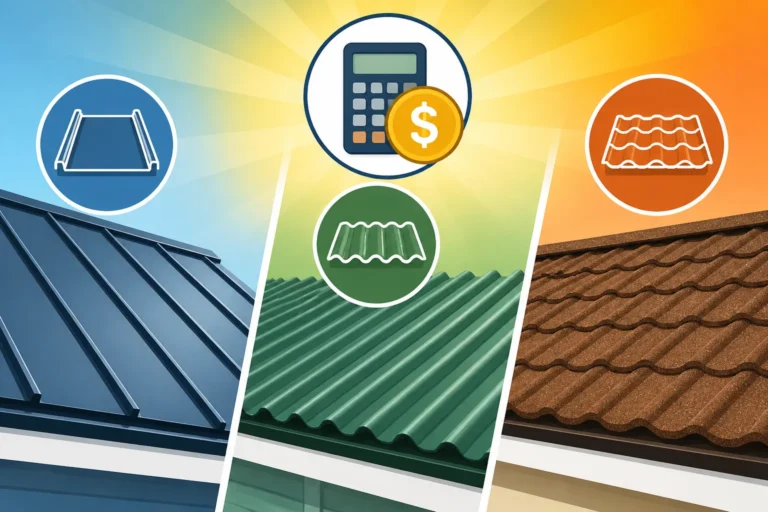
For instance, a homeowner might initially be drawn to the classic look of a standing seam roof. This is a premium choice, and the materials alone can be a substantial expense. Standing seam panels, often made from steel or aluminum, require precise fabrication and higher-grade coatings. Contrast that with a more economical option like a corrugated metal roof, typically made from galvanized or Galvalume steel. While still durable, the raw material cost per square foot for corrugated panels is considerably lower due to less complex manufacturing processes and often thinner gauges.
Consider the spectrum: steel and aluminum are generally more accessible in terms of price, with steel often being the most common and budget-friendly. However, if you start looking at specialty metals like copper or zinc, you're entering a completely different league. Copper roofing, with its distinctive patina and exceptional longevity, can easily be five to ten times more expensive per square foot than basic steel. Zinc also commands a higher price tag, renowned for its self-healing properties and unique aesthetic. These exotic metals are a significant upfront investment, but they also offer unparalleled lifespan and a distinct architectural statement. Therefore, the decision on what material to use is not just about aesthetics or longevity; it's a fundamental cost decision that sets the baseline for your entire project. If you're wondering how different materials compare, you might find our guide on Metal Roof Cost by Material: Steel vs Aluminum vs Copper vs Zinc particularly helpful.
The Intricacies of Installation Labor
After materials, the labor to install a metal roof is almost always the next most expensive component, and sometimes it can even rival or surpass material costs, especially for complex projects. Installing a metal roof isn't like nailing down asphalt shingles; it requires a specialized skill set, precision, and experience that can't be rushed. This isn't just about hauling panels onto the roof; it's about meticulous measurements, careful cutting, precise fastening, and intricate flashing work around penetrations.
A prime example is a standing seam metal roof. The panels need to be carefully aligned and crimped or snapped together, often requiring specialized tools and highly trained crews. This isn't a job for a general handyman. When you're dealing with a steep roof pitch or a home with multiple dormers, chimneys, or skylights, the labor costs can climb significantly. Each cut, each bend, each custom piece of flashing around these obstacles adds time and complexity, which translates directly into higher labor hours and, subsequently, higher labor costs. Think about a craftsman meticulously fitting custom trim versus someone quickly laying down standardized planks—the difference in skill and time is clear.
Furthermore, the region you live in can dramatically affect labor rates. A specialized metal roofing crew in a high-cost-of-living area like Los Angeles or New York City will command a higher hourly wage than a similar crew in, say, rural Oklahoma. The demand for skilled metal roofers also plays a role. If there's a shortage of experienced professionals in your area, you can expect to pay a premium for their expertise. It's not uncommon for labor to account for 40-60% of the total project cost, and sometimes even more for highly detailed or difficult installations. To get a clearer picture of this component, exploring Metal Roof Labor Cost could provide some excellent insights.
Breaking Down Other Significant Cost Contributors
While materials and labor are the undeniable heavyweights in metal roof pricing, they're far from the only factors. Several other crucial elements contribute to the final bill, often adding layers of complexity and expense that homeowners might not anticipate. Ignoring these "supporting cast" costs can lead to significant budget overruns, so it's essential to understand where else your money will be going.
Preparing the Roof: Tear-Off, Decking, and Underlayment
Before any new metal panels can even think about gracing your home, there's often a good bit of preparatory work to be done, and this can be surprisingly costly. If you're replacing an existing roof, the "tear-off" is the first hurdle. This involves removing the old roofing material—be it asphalt shingles, wood shakes, or even an older metal roof—and disposing of it properly. The heavier and more extensive the old material, the more labor and disposal fees are involved. A two-layer asphalt shingle tear-off will naturally cost more than a single layer, for example.
Once the old roof is gone, the condition of your roof decking comes into play. If there's any rot, water damage, or structural issues, those need to be addressed before the new roof goes on. Replacing sections of plywood or OSB decking adds both material and labor costs. Then there's the underlayment, which is absolutely critical for a metal roof's performance, providing an extra layer of protection against moisture and condensation. While seemingly minor, a high-quality synthetic underlayment can add a noticeable amount to the material budget, and the labor to install it correctly is also a factor. Choosing the right underlayment is crucial for the longevity of your metal roof, and you can learn more about this in Metal Roof Underlayment and Ventilation Guide.
For example, let's say a homeowner in Florida is replacing a shingle roof with a new metal one. Not only will they incur tear-off costs, but they might also need to meet specific Florida Building Code requirements for secondary water resistance, often involving a peel-and-stick ice and water shield over the entire deck, which is a premium underlayment. This isn't just a basic felt paper; it's a robust, self-adhering membrane that costs significantly more per square foot to purchase and install. These unseen layers are vital for a lasting, high-performing roof, but they certainly add to the overall investment.
Flashing, Trim, and Accessories: The Finishing Touches
It's easy to focus on the large panels, but the devil—and a good chunk of the cost—is often in the details when it comes to metal roofing. All those edges, valleys, ridges, and penetrations need specialized metal pieces called flashing and trim. These aren't just for aesthetics; they are absolutely critical for waterproofing and sealing the roof system against the elements. Each dormer, chimney, skylight, pipe vent, and wall intersection requires custom-bent metal flashing that must be perfectly integrated into the roof system.
Consider a residential roof with a complex architectural design, featuring multiple hips, valleys, and wall details. Each of these requires specific, often custom-fabricated, metal trim pieces, like ridge caps, valley flashing, eave trim, and gable trim. These components often need to match the chosen metal and color of the main panels, adding to their specific material cost. Furthermore, the installation of these pieces is highly skilled labor. A roofer needs to carefully measure, cut, and secure each piece to prevent leaks, which means more time on the job.
Beyond flashing and trim, there are other accessories that can add up. Things like snow guards, which are essential in colder climates to prevent dangerous snow slides, are an added expense. Ventilation components, such as ridge vents or specific attic exhaust systems designed for metal roofs, also contribute to the final tally. Even specialized fasteners, clips, and sealants, while small individually, collectively add to the material costs. For a deeper dive into these crucial elements, check out Metal Roof Components & Accessories Explained. These seemingly minor details are non-negotiable for a properly installed, watertight metal roof, and their cumulative cost can be surprisingly substantial.
Understanding What Drives Price Fluctuations
Even when you've accounted for materials, labor, and all the essential components, the price of a metal roof isn't static. It's a dynamic figure influenced by several external and project-specific variables. Recognizing these fluctuations can help you anticipate potential cost shifts and negotiate more effectively.
Market Conditions and Economic Influences
Just like any other commodity, the price of metal roofing materials is subject to global market forces. Fluctuations in the price of raw metals like steel, aluminum, copper, and zinc can directly impact the cost of panels and coils. Supply chain disruptions, tariffs on imported materials, and even shifts in manufacturing capacity can all cause prices to rise. For instance, if there's a surge in demand for steel in the automotive or construction industries, the cost of steel roofing materials will likely increase in response.
Energy prices also play a role. The manufacturing process for metal roofing is energy-intensive, and higher fuel costs for transportation from the factory to your local supplier, and then to your job site, will inevitably be passed on to the consumer. Economic conditions, such as inflation rates or interest rate changes, can also indirectly affect the cost by influencing borrowing costs for manufacturers and contractors, which then trickle down to project pricing. It's not uncommon to see quotes that are only valid for a certain period, sometimes as short as 30 days, precisely because material costs can change rapidly. This is why getting a Metal Roof Cost Calculator: How to Estimate is so beneficial as it helps you project these costs.
Project Complexity and Geographical Location
The unique characteristics of your home and its location are massive determinants of the final metal roof cost. A simple, rectangular ranch house with a low-slope roof will inherently be less expensive to roof than a multi-story home with a steep pitch, numerous gables, and intricate angles. Each additional facet, each valley, hip, or dormer, adds complexity to the installation, requiring more cuts, more custom flashing, and significantly more labor. Steep roofs, for example, often necessitate additional safety equipment and measures, increasing labor time and costs.
Geographical location also plays a critical role. As mentioned earlier, labor rates vary significantly by state and even by city. A metal roof in a bustling metropolitan area like Seattle or San Francisco will almost certainly cost more than one in a more rural or lower-cost-of-living region. Beyond labor, local building codes and permitting requirements can also add to the expense. Some areas, particularly those prone to hurricanes or severe weather, might mandate specific wind uplift ratings, thicker gauges of metal, or enhanced fastening systems, which can increase both material and labor costs. To get a better sense of how location impacts price, you might explore resources like Metal Roof Cost by State and City. Furthermore, the ease of access to the job site can impact the cost. If a contractor has difficulty getting materials or equipment to your roof, it can add to the labor time and overall expense.
Average Cost Breakdown for a Metal Roof
Understanding the individual components is helpful, but seeing a typical breakdown of how these costs are distributed can offer a clearer picture of where your money is likely to go. Keep in mind these are averages, and your specific project might vary based on material choice, regional labor rates, and roof complexity.
| Cost Component | Typical Percentage of Total Cost | Description |
|---|---|---|
| Metal Panels/Coils | 25-50% | The primary roofing material itself, including the cost of steel, aluminum, copper, or zinc panels, along with their specific profile (e.g., standing seam, corrugated, metal shingles). Higher-end materials like copper will push this percentage much higher. |
| Installation Labor | 35-60% | The wages paid to the roofing crew for tear-off (if needed), decking repair, underlayment installation, and the precise fitting and fastening of all metal panels, flashing, and trim. This percentage is highly variable based on roof complexity, pitch, and local labor rates. |
| Underlayment | 2-5% | The protective layer installed between the roof deck and the metal panels. This includes synthetic underlayment, felt paper, or ice and water shield. Quality and type significantly influence this cost. |
| Flashing & Trim | 5-10% | Custom-bent metal pieces used to seal edges, valleys, ridges, and penetrations like chimneys, skylights, and pipe vents. Essential for waterproofing and aesthetics. |
| Fasteners & Sealants | 1-3% | Specialized screws, clips, and sealants designed for metal roofing to ensure secure attachment and watertight seams. |
| Disposal Fees | 1-2% | Costs associated with removing and disposing of the old roofing material, including dumpster rental and landfill fees. This applies when a full tear-off is performed. |
| Permits & Inspections | 0.5-1.5% | Fees paid to local municipalities for required building permits and subsequent inspections to ensure the roof meets local codes and safety standards. Exploring Do You Need a Permit for a Metal Roof? can shed more light on this aspect. |
| Other Accessories | 1-5% | Additional items such as snow guards, specialized ventilation components, or custom elements required for a specific roof design. |
| Contractor Markup | 10-20% | This covers the contractor's overhead (insurance, office staff, equipment, vehicles) and profit margin. This is crucial for a reputable business to operate and provide warranties. |
Looking at this breakdown, you can see clearly that the metal panels themselves and the labor to install them are the predominant cost drivers. If you choose a premium metal like copper or zinc, the material percentage will likely jump significantly, potentially shifting the balance, but for most standard metal roofs (like steel or aluminum), labor remains a very strong contender for the "most expensive part" title.
Navigating Cost Decisions and Getting Value
Understanding the cost components is one thing, but making smart decisions that balance budget with value is another. You're not just buying a roof; you're investing in your home's long-term protection and aesthetic. So, how can you navigate these expenses without feeling completely overwhelmed?
Balancing Upfront Cost with Long-Term Value
It's tempting to opt for the cheapest option available, especially when faced with a large home improvement bill. However, with metal roofing, it's crucial to think about the long game. A cheaper, thinner gauge metal or a less robust coating might save you money upfront, but it could lead to premature wear, more frequent repairs, and a shorter lifespan. Conversely, investing in a higher-quality metal, a thicker gauge, or a superior paint system like PVDF (Kynar 500) will cost more initially but can offer a lifespan of 50 years or more, often with minimal maintenance.
Consider the example of a homeowner in a hail-prone region. While 29-gauge agricultural metal panels might be the lowest cost, they are more susceptible to denting from hail. Opting for a more robust 24-gauge or 26-gauge standing seam panel, even though pricier, could offer greater impact resistance and potentially lead to significant savings on future repairs and insurance claims. Some metal roofs even qualify for Metal Roof Insurance Savings & Discounts due to their durability against perils like hail and high winds. This upfront investment in quality can lead to a lower total cost of ownership over the decades your metal roof will protect your home. It’s about understanding that a lower initial price doesn't always equate to real savings in the long run.
The Importance of Multiple Quotes and Vetting Contractors
One of the most powerful tools you have as a homeowner is seeking multiple, detailed quotes from different reputable metal roofing contractors. Don't settle for just one estimate! Aim for at least three to five comprehensive bids. When you receive these quotes, don't just compare the bottom line. Scrutinize what's included in each quote: the specific metal type, gauge, panel profile, coating, underlayment type, and whether tear-off and disposal are itemized. A lower bid might be using a thinner gauge metal or a less durable underlayment.
Vetting your contractor is equally important. The best materials in the world won't perform if they're not installed correctly. Ask for references, check online reviews, and verify their licensing, bonding, and insurance. A truly experienced metal roofing contractor will be able to clearly explain their process, the materials they use, and why they've chosen certain components for your specific roof. They should also be transparent about warranties – both manufacturer warranties on the material and their own workmanship warranty. While it might seem like a small detail, asking Questions to Ask a Metal Roofing Contractor Before You Hire can save you a world of headaches and ensure you get a quality installation that truly lasts.
Ultimately, while the materials and installation labor generally represent the most expensive parts of a metal roof, the "most expensive part" can also be the hidden costs of a poorly chosen material, an inexperienced contractor, or overlooking critical preparation steps. By being informed and proactive, you can ensure your investment delivers lasting value and peace of mind.
Disclaimer
Please remember that the information provided in this guide is for general informational purposes only and should not be considered professional advice. Metal roofing costs are subject to significant variation based on location, material choices, contractor rates, and market fluctuations. Always consult with qualified local metal roofing professionals for accurate quotes and specific recommendations for your project.