How Much Does a Metal Roof Cost in the Northeast
Thinking about replacing your roof in states like Massachusetts, New York, or Pennsylvania, and wondering if a metal roof is within reach? It's a common struggle to nail down accurate pricing, especially when regional differences can wildly skew estimates. This comprehensive guide will break down the factors influencing metal roof costs specifically in the Northeast, helping you understand what to expect and budget effectively for your home.
Understanding the Financial Landscape of Metal Roofing in the Northeast
Investing in a new roof is a significant decision, and for many homeowners in the Northeast, metal roofing has become an increasingly popular choice due to its durability and long-term value. However, the cost can feel like a moving target, influenced by everything from local labor rates to the specific climate challenges of states like Vermont or New Hampshire. You're not just buying materials; you're investing in installation expertise and a roof designed to withstand harsh winters and humid summers.
The Northeast region presents unique considerations that impact roofing costs. The demand for skilled labor can be higher in densely populated areas like Boston or New York City compared to more rural parts of Maine or upstate New York. Additionally, the prevalence of older homes often means more complex rooflines and potential tear-off costs, adding layers to the overall project budget. Understanding these underlying economic and geographic factors is the first step in getting a realistic handle on your potential investment.
Core Factors Driving Metal Roof Costs in the Northeast
The price you'll pay for a metal roof in the Northeast isn't a simple per-square-foot calculation; it's a complex equation with many variables. From the materials you choose to the specific challenges of your home's structure, each element contributes to the final quote. Getting a clear picture means looking at these components individually.
Material Type and Profile Variations
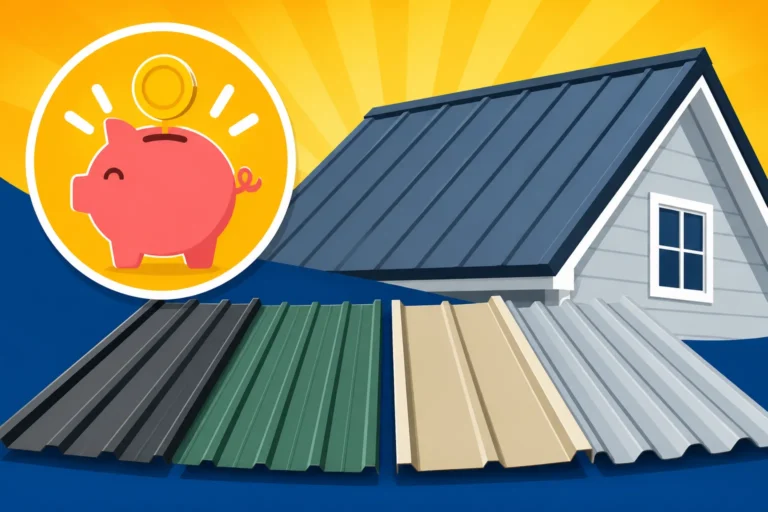
One of the biggest cost drivers is the type of metal you choose for your roof. Steel, aluminum, copper, and zinc all come with different price tags and offer distinct benefits suited to the Northeastern climate. Steel, particularly galvanized or Galvalume steel, is a common and often more budget-friendly option, providing excellent durability against snow and ice. Aluminum is lighter and highly corrosion-resistant, making it a great choice for coastal areas prone to salt air, though typically at a higher cost. For a deep dive into how these materials stack up, check out our guide on Metal Roof Cost by Material: Steel vs Aluminum vs Copper vs Zinc.
Beyond the material, the profile of the panels also plays a crucial role in the overall Metal Roof Cost Per Square Foot.
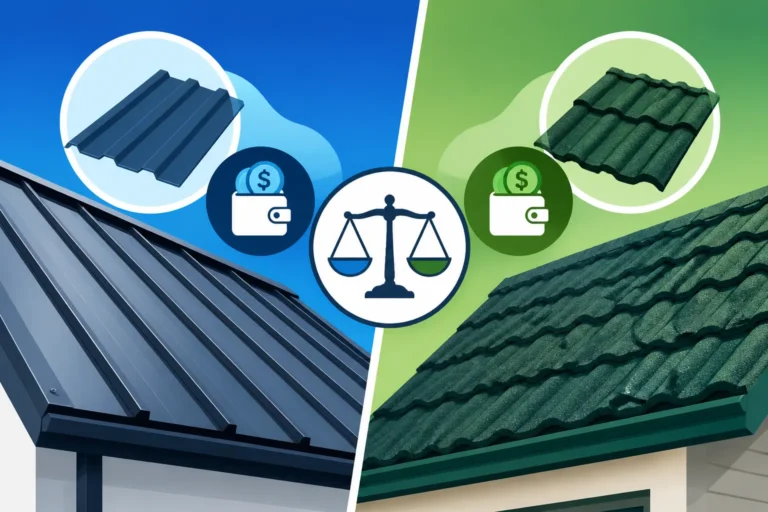
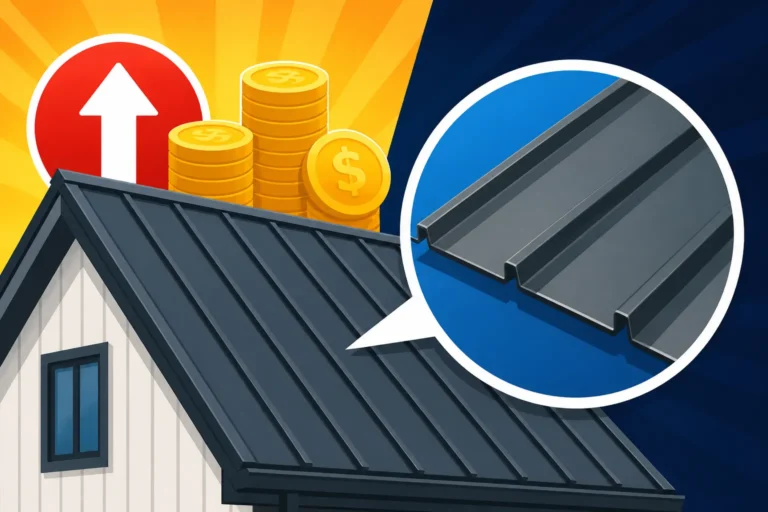
- Standing Seam: This is generally the most premium option. Its hidden fasteners and vertical seams create a sleek, modern look and superior weather resistance, especially against heavy snow and ice common in regions like upstate New York or Vermont. However, the specialized installation and more complex manufacturing drive up the cost.
- Corrugated Panels: These are often the most economical choice. Their wavy profile makes them excellent for barns, sheds, or more rustic aesthetics, but they use exposed fasteners, which can be a maintenance consideration over time. You can learn more about How Much Does a Corrugated Metal Roof Cost.
- Metal Shingles/Tiles: These mimic traditional asphalt shingles, slate, or wood shakes but offer the benefits of metal. Stone-coated steel roofs fall into this category, providing a robust, attractive, and often impact-resistant solution, which can be a huge plus in hail-prone areas. These options blend traditional aesthetics with modern performance, often at a mid-to-high price point.
The choice here often boils down to a balance between aesthetic preference, budget, and the specific performance characteristics you need for your local climate conditions. For example, a homeowner in a high-snow region might prioritize the robust, low-maintenance nature of standing seam, while someone on the Connecticut coast might lean towards aluminum for its rust resistance.
Labor, Installation Complexity, and Local Rates
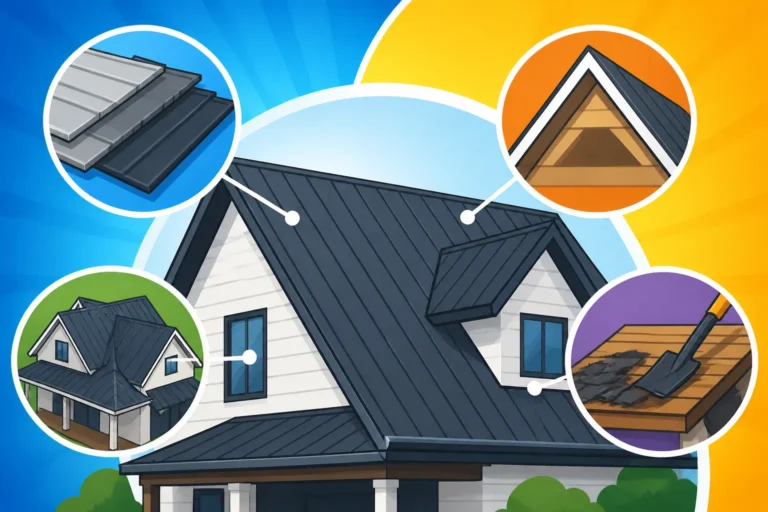
The cost of labor is a significant portion of any roofing project, and the Northeast's labor market can vary considerably. Highly skilled installers, particularly those experienced with specialized systems like standing seam, command higher rates. The complexity of your roof—think multiple dormers, skylights, chimneys, or a steep pitch—will inherently increase labor hours. A simple, low-slope gable roof will be far less costly to install than a multi-faceted roof with numerous valleys and hips. To understand the labor aspect in more detail, explore our article on Metal Roof Labor Cost.
Location within the Northeast also influences labor costs. For instance, you might find that metal roof installer reviews in Boston reflect higher hourly rates due to the higher cost of living and strong demand for skilled trades in major metropolitan areas compared to a more rural town in northern Maine. It's not uncommon for labor costs alone to account for 40-60% of the total project price. When you get quotes, ensure they break down material and labor so you can see where your money is going.
The state of your existing roof is another critical factor. If you're replacing an old asphalt shingle roof, there's usually a tear-off process involved. This adds labor time, disposal fees for the old shingles, and can also reveal underlying decking issues that need repair before the new metal roof can go on. Some homeowners consider installing metal over existing shingles, which can save on tear-off costs, but it's important to understand the implications, as covered in our guide on Cost to Put a Metal Roof Over Existing Shingles.
Regional Cost Data for Metal Roofs in the Northeast
While it's tough to give exact numbers without a specific address, we can offer a general range for what you might expect to pay for a metal roof in the Northeast. Keep in mind, these are averages, and your specific project could fall outside these ranges based on the unique factors discussed above.
Based on recent market data, homeowners in the Northeast can generally expect to pay anywhere from $10.00 to $20.00 per square foot installed for a metal roof, with some premium options exceeding this. This range typically includes both materials and labor. Let's break it down further by common types:
- Exposed Fastener (e.g., Corrugated, R-Panel): Often on the lower end, averaging $8.00 – $14.00 per square foot installed. These are durable but have visible fasteners that may require maintenance over the roof's lifespan.
- Hidden Fastener (e.g., Standing Seam): These typically fall in the mid to higher range, from $12.00 – $22.00 per square foot installed. Their concealed fasteners offer a cleaner look and superior longevity, making them a popular choice for their aesthetic appeal and performance. For more specific costs, see How Much Does a Standing Seam Metal Roof Cost.
- Metal Shingles/Tiles (e.g., Stone-Coated Steel): These options, designed to mimic traditional roofing materials, usually range from $10.00 – $18.00 per square foot installed. They provide excellent durability and often come with attractive warranties. If you're considering this style, our guide on How Much Does a Stone-Coated Steel Metal Roof Cost might be helpful.
Here's a quick reference table outlining typical installed costs for a 2,000 square foot home in the Northeast, based on current averages:
| Metal Roof Type | Material Type (Common) | Average Cost Range Per Sq. Ft. (Installed) | Total Estimated Cost for 2,000 Sq. Ft. Home | Notes |
|---|---|---|---|---|
| Exposed Fastener Panels | Galvalume Steel | $8.00 – $14.00 | $16,000 – $28,000 | Economical, good for utility/barns, visible fasteners |
| Metal Shingles/Tiles | Steel (Painted/Stone-Coated) | $10.00 – $18.00 | $20,000 – $36,000 | Mimics traditional styles, durable, varied aesthetics |
| Standing Seam (Snap-Lock) | Galvalume Steel, Aluminum | $12.00 – $20.00 | $24,000 – $40,000 | Popular, hidden fasteners, excellent weather resistance |
| Standing Seam (Mechanical Seam) | Galvalume Steel, Aluminum | $14.00 – $22.00+ | $28,000 – $44,000+ | Highest performance, complex installation, ideal for low-slope roofs |
| Copper / Zinc | Copper, Zinc | $30.00 – $60.00+ | $60,000 – $120,000+ | Premium, longest lifespan, unique aesthetic, specialty applications |
Please note: These are general estimates for the Northeast as of mid-2026. Actual costs will vary significantly based on your specific location, roof complexity, contractor, and current material prices.
Permits, Installation Logistics, and Long-Term Value in the Northeast
Beyond the raw material and labor costs, there are other crucial elements to consider that impact the overall expense and long-term value of your metal roof in the Northeast. These often include regulatory requirements, the specifics of the installation process, and how a metal roof affects your home's value and ongoing expenses.
Navigating Permits and Building Codes
Before any hammers start swinging, you'll almost certainly need to secure a building permit. The requirement for a permit for a metal roof is pretty standard across the Northeast, from bustling cities to quiet rural towns. Local municipalities use permits to ensure that the work meets current building codes and safety standards. The cost of a permit varies widely, usually ranging from a few hundred dollars to over a thousand, depending on your town or city and the scale of the project. For example, a permit in a larger city like Providence, Rhode Island, might be pricier than in a small town in rural Maine.
Always ensure your contractor handles the permit process, as they are typically more familiar with local regulations and can ensure all necessary inspections are scheduled. Failing to pull a permit can lead to fines, difficulties with insurance claims, and even issues when selling your home down the line. To fully understand what's involved, consult our guide on Do You Need a Permit for a Metal Roof?.
The Northeast's specific climate also influences building codes, particularly concerning wind resistance and snow load. Your new metal roof needs to be installed to withstand heavy snowfalls common in regions like the Adirondacks or the Green Mountains, and high winds that sweep across coastal areas. Ensure your chosen metal roof system and installer are up to these regional challenges.
The Installation Process and Hidden Costs
The actual installation of a metal roof is a multi-step process. First, the existing roof might need to be removed (tear-off), followed by an inspection of the roof deck. Any damaged decking must be repaired or replaced, which can be an unexpected cost if not accounted for during the initial inspection. Then, underlayment is installed—a critical layer for moisture protection, especially in humid or snowy environments. Finally, the metal panels or shingles are meticulously installed, along with flashing, trim, and other accessories.
Each step requires precision, and a skilled installer makes all the difference in the longevity and performance of your roof. Don't skimp on researching your contractor! Look for installers with significant experience specifically in metal roofing, especially if you're opting for a complex system like standing seam. Our article Metal Roof Installation Process: Step by Step provides a great overview of what to expect.
Beyond the visible costs, be mindful of potential "hidden costs of a metal roof." These might include:
- Decking repairs: As mentioned, unforeseen rot or damage to the roof deck can add to the budget.
- Specialized fasteners and sealants: High-quality components designed for metal roofs can cost more but are crucial for preventing leaks and ensuring durability.
- Dumpster rental: For tear-off projects, waste removal adds to the overall expense.
- Crane rental: For large panels or difficult access, a crane might be needed, increasing labor costs.
- Snow guards: In heavy snow areas like much of the Northeast, snow guards are often a wise investment to prevent sudden snow slides, which can damage gutters or anything below the eaves. Check out How Much Does Snow Guard Installation Cost for more details.
Long-Term Value and ROI in the Northeast Housing Market
While the upfront cost of a metal roof can be higher than traditional asphalt shingles, its long-term value in the Northeast is a significant selling point. Metal roofs boast an impressive Metal Roof Lifespan: How Long Do They Last?, often lasting 50 years or more, easily outperforming asphalt by decades. This longevity means you’ll likely install only one metal roof in your lifetime, saving you from costly replacements every 15-20 years.
In the challenging climates of New England and beyond, a metal roof's durability against snow, ice, wind, and even hail can lead to significant savings on repairs over its lifetime. Many homeowners also find that a metal roof can lead to Metal Roof Insurance Savings & Discounts, as many insurance providers offer lower premiums for impact-resistant and fire-resistant roofing materials.
Furthermore, a metal roof can notably increase your home's resale value and curb appeal, particularly if it's a standing seam or an attractive metal shingle profile. Homebuyers in the Northeast are increasingly looking for energy efficiency and low-maintenance features, both of which metal roofs provide. A lighter-colored metal roof can reflect solar radiation, potentially reducing cooling costs in summer, though heating efficiency in winter is often the primary concern in the Northeast. Ultimately, the question of Is a Metal Roof Worth It? ROI, Resale & Payback usually leans towards a resounding yes when considering the full lifecycle cost and benefits in this region.
Disclaimer
Please remember that the cost estimates and information provided in this article are general in nature and intended for informational purposes only. Actual costs for your metal roofing project will depend on numerous variables, including your specific location, chosen materials, roof complexity, contractor fees, and current market conditions. It is always recommended to obtain multiple detailed quotes from local, reputable roofing contractors to get the most accurate pricing for your home.