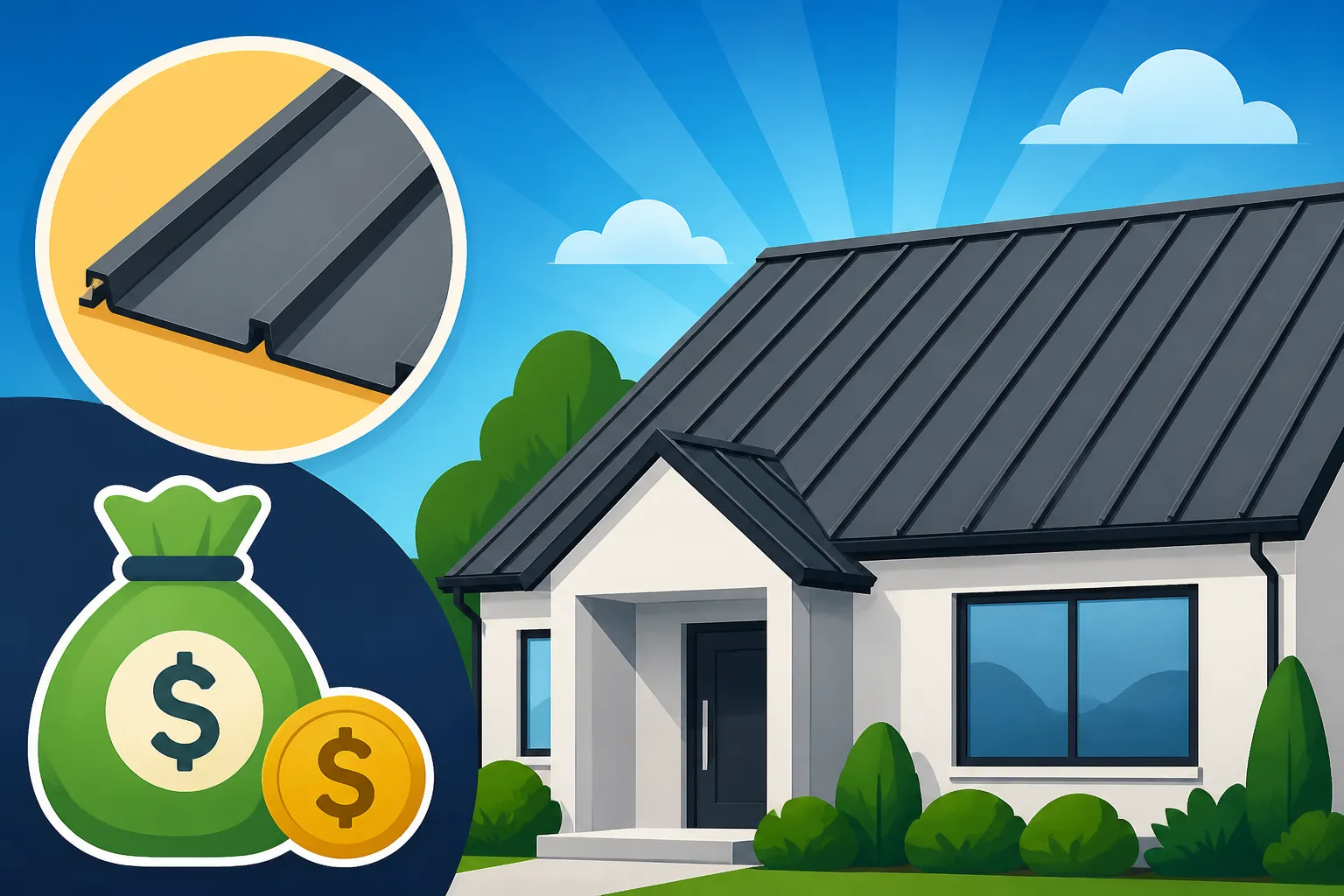
How Much Does a Standing Seam Roof Cost for a 2,000 Sq Ft House
Trying to nail down the exact cost of a standing seam metal roof for your 2,000-square-foot home can feel like chasing a moving target. You've heard amazing things about their durability and sleek look, but the price tag can be intimidating, leaving you wondering if it's truly within reach or if you're just dreaming. This guide is here to cut through the confusion, offering a realistic breakdown of what you can expect to pay for a standing seam metal roof on an average-sized house, addressing all those hidden factors and giving you the confidence to plan your roofing project.
Understanding Standing Seam Metal Roofs for Your Home
When you start looking into metal roofing, you quickly realize it's not a one-size-fits-all solution. There are different styles, and standing seam is often held up as the gold standard, and for good reason. It’s a significant investment, yes, but it’s one that often pays dividends in the long run, both in terms of protection and curb appeal.
Why Standing Seam is a Premium Choice
The appeal of standing seam metal roofing goes far beyond its modern aesthetic. Homeowners are increasingly drawn to it because it represents a pinnacle of roofing technology, offering a robust defense against the elements and a truly elegant finish. Unlike traditional exposed fastener metal roofs where screws are driven through the panel directly into the roof deck, standing seam panels feature raised seams where the panels are joined, completely concealing the fasteners. This hidden fastening system is a game-changer for durability and longevity, as it eliminates many common points of failure like screw-hole leaks that can develop over time due to weather exposure and sealant degradation.
Beyond the technical advantages, standing seam roofs are simply stunning. They offer clean lines and a smooth, continuous surface that can dramatically enhance the architectural style of almost any home, from contemporary to classic. This sleek look isn't just about vanity; it often contributes to increased home value, making your property stand out in the neighborhood. They also come in a vast array of colors and finishes, allowing you to customize the look to perfectly complement your home's exterior, potentially even qualifying for specific energy-efficient ratings depending on the chosen color and coating. Moreover, the robust construction means these roofs are incredibly resistant to high winds, heavy snow loads, and even hail, making them a top contender for homeowners in challenging climates. Many manufacturers, like McElroy Metal or Englert, offer high-performance coatings that further enhance their resilience and color retention over decades.
Key Components of a Standing Seam System
A standing seam metal roof isn't just a collection of metal panels; it's a carefully engineered system, each part playing a crucial role in its overall performance and longevity. Understanding these components can help you appreciate the installation process and the costs involved.
First, you have the panels themselves. These are typically roll-formed from large coils of steel (often Galvalume or Galvanized), aluminum, or even copper or zinc, into specific profiles. The most common profiles are mechanical seam, where panels are crimped together with a specialized seaming tool, or snap-lock, which simply "snaps" together, making installation a bit faster. Each panel is custom-cut to fit your roof's dimensions, reducing waste and ensuring a snug fit. Then there are the clips and fasteners, which are arguably the most critical components for the "standing seam" advantage. These hidden clips attach the panels to the roof deck, allowing the metal to expand and contract freely with temperature changes without stressing the fasteners or creating visible holes. This thermal movement accommodation is key to the roof's long life and ability to prevent oil canning, which can sometimes occur with metal panels.
Beneath the metal panels lies the underlayment. This isn't just an afterthought; it's a vital secondary barrier, providing an extra layer of protection against moisture intrusion. High-quality synthetic underlayments or self-adhering ice and water shield products are typically used for standing seam roofs. These advanced materials outperform traditional felt paper, offering superior tear resistance, UV stability, and waterproofing capabilities, which is especially important given the long lifespan expected from a metal roof. Finally, there's the flashing and trim. These are custom-bent pieces of metal that seal off vulnerable areas like valleys, eaves, gables, ridges, and around chimneys or skylights. Properly installed flashing is essential to prevent leaks and ensure a watertight seal, blending seamlessly with the roof panels for a finished, professional look. The complexity of these trim pieces, especially on roofs with multiple dormers or intricate designs, can significantly impact labor costs. To learn more about these elements, check out our guide on https://roofer.com/blog/metal-roof-components-accessories-explained.
Breaking Down the Cost for a 2,000 Sq Ft House
Let's get down to the numbers, because that's why you're here, right? Estimating the cost of a standing seam metal roof for a 2,000 sq ft house isn't as simple as multiplying a per-square-foot rate. There are several moving parts, each contributing to the final figure. The total cost for a 2,000 square foot home can typically range from $28,000 to $50,000, with many projects landing somewhere in the $35,000 to $45,000 range. This broad range accounts for material choices, labor rates, and the specifics of your roof's design.
Material Costs: It's All About the Metal
The type of metal you choose for your standing seam roof is, without a doubt, the biggest driver of the material cost. Each metal brings its own set of characteristics, aesthetics, and price points.
- Steel (Galvalume/Galvanized): This is by far the most common and often the most budget-friendly option for standing seam. Steel panels are coated with a blend of aluminum and zinc (Galvalume) or just zinc (Galvanized) to protect against rust and corrosion. A 2,000 sq ft standing seam steel roof might have material costs ranging from $7 to $12 per square foot. The gauge, or thickness, of the steel also plays a role, with 24-gauge being a premium residential choice and 26-gauge a more common, slightly lighter option. Thicker gauges generally cost more but offer enhanced durability. For a deeper dive, consider reading about https://roofer.com/blog/24-vs-26-gauge-metal-roof-cost-difference.
- Aluminum: Lighter than steel and naturally resistant to rust and corrosion, aluminum is an excellent choice, especially in coastal environments where salt spray is a concern. It's also highly reflective, contributing to energy efficiency. Material costs for aluminum standing seam typically run from $10 to $15 per square foot. While it costs more than steel, its superior corrosion resistance can make it a compelling long-term investment.
- Copper: Ah, copper! This is where luxury meets ultimate longevity. Copper roofs are renowned for their incredible lifespan (often exceeding 100 years) and their stunning, evolving patina that changes from a shiny new penny to a rich, earthy brown, then eventually to a beautiful verdigris green. The aesthetic is unmatched, but so is the price. Expect material costs for copper standing seam to be significantly higher, often in the $25 to $40+ per square foot range. This makes a full 2,000 sq ft copper roof a very substantial investment, potentially costing over $50,000 just for materials.
- Zinc: Another premium, long-lasting metal, zinc shares many attributes with copper, including a beautiful natural patina process and extreme durability. Zinc is also self-healing, meaning small scratches and imperfections will naturally blend into the patina over time. It's a fantastic, low-maintenance choice that also comes with a higher price tag, typically ranging from $20 to $35+ per square foot for materials.
When you factor in the gauge, which is the thickness of the metal, you'll see further price variations. A lower gauge number means a thicker panel, which generally translates to a higher material cost but also greater strength and dent resistance. For instance, 24-gauge steel will cost more than 26-gauge steel for the same profile.
Labor and Installation Costs: The Art of Precision
Installing a standing seam metal roof is not a DIY weekend project; it requires specialized skills, tools, and experience. This is reflected in the labor costs, which often account for 40-60% of the total project price. For a 2,000 sq ft home, labor costs can range from $8 to $15 per square foot, bringing the total labor portion to anywhere from $16,000 to $30,000.
The complexity of standing seam installation stems from the need for precise measurements, custom panel fabrication (often done on-site with a roll-forming machine), and meticulous seam crimping or snapping. Each panel must be perfectly aligned, and the hidden clips properly fastened to ensure a watertight and long-lasting system. Highly skilled roofers who specialize in metal roofing, especially standing seam, command higher rates, but their expertise is invaluable for ensuring the roof performs as expected for decades.
Regional differences also play a significant role. Labor rates in high-cost-of-living areas like California or the Northeast will naturally be higher than in states like Texas or Florida, although even within states, costs can vary significantly by city. For example, getting a metal roof installed in Miami might cost more than in a smaller, inland city due to higher demand and operating expenses. The pitch (steepness) and complexity of your roof's design also directly impact labor. A simple gable roof with few obstructions will be less labor-intensive than a multi-faceted roof with numerous dormers, valleys, and skylights, which require extensive custom flashing work. Our guide on https://roofer.com/blog/metal-roof-labor-cost provides even more detail on this topic.
Additional Cost Factors
Beyond the primary materials and labor, several other factors can add to the overall cost of your 2,000 sq ft standing seam metal roof. These are often things that only become clear during the initial inspection and quoting process.
- Old Roof Tear-Off: If you're replacing an existing roof, the old material (shingles, tile, etc.) needs to be removed and disposed of. This "tear-off" process involves labor for removal, dumpster rental, and disposal fees. For a 2,000 sq ft roof, tear-off can add an additional $1 to $3 per square foot, or $2,000 to $6,000 to your project, depending on the number of layers and the material. While installing a metal roof over existing shingles is sometimes possible, it's generally not recommended for standing seam due to warranty implications and potential structural issues, and it might not meet local building codes. You can explore this further in https://roofer.com/blog/tear-off-vs-metal-over-shingles-cost-difference.
- Decking or Structural Repairs: During tear-off, it might be discovered that your roof decking (the plywood or OSB sheathing beneath the old roof) is damaged by rot, water, or pests. Any compromised decking must be replaced to provide a sound substrate for the new metal roof, adding unexpected costs. This can range from a few hundred dollars for minor repairs to several thousand for extensive replacement.
- Underlayment Upgrades: While basic underlayment is included in material costs, some homeowners opt for premium synthetic underlayments or specialized ice and water shield products, especially in cold climates prone to ice dams. These upgrades provide superior protection and can add a small percentage to your material costs, typically another $0.50 to $1.50 per square foot.
- Vents, Chimneys, Skylights, and Pipe Boots: Any penetrations in your roof—such as plumbing vents, chimneys, skylights, or exhaust pipes—require intricate flashing to ensure watertight seals. More penetrations mean more custom work, which increases both material and labor costs.
- Roof Pitch and Complexity: As mentioned earlier, a steeper roof pitch requires more safety measures, specialized equipment, and slower, more deliberate work, directly increasing labor costs. A complex roof design with many angles, hips, valleys, and dormers also demands more precision cutting and flashing, driving up the total project cost.
- Permits and Inspections: Don't forget the administrative side! Most municipalities require a permit for roof replacement, ensuring the work adheres to local building codes. Permit costs vary widely by location, from a couple of hundred dollars to over a thousand. These costs are usually handled by the contractor but are ultimately passed on to the homeowner. You can learn more about this in https://roofer.com/blog/do-you-need-a-permit-for-a-metal-roof.
- Geographic Location: The cost of materials and labor can fluctuate wildly depending on where you live. A metal roof in a major metropolitan area like Los Angeles or New York will likely be more expensive than in a rural area due to differences in labor rates, material delivery costs, and local demand. For example, you might find different cost averages when comparing https://roofer.com/blog/metal-roof-cost-in-texas versus https://roofer.com/blog/metal-roof-cost-in-florida.
Here's a simplified table to illustrate potential cost ranges for a 2,000 sq ft standing seam metal roof:
| Factor | Cost Range (Per Sq Ft) | Estimated Cost for 2,000 Sq Ft (Low) | Estimated Cost for 2,000 Sq Ft (High) |
|---|---|---|---|
| Materials (Steel) | $7 – $12 | $14,000 | $24,000 |
| Materials (Aluminum) | $10 – $15 | $20,000 | $30,000 |
| Materials (Copper) | $25 – $40+ | $50,000 | $80,000+ |
| Labor & Installation | $8 – $15 | $16,000 | $30,000 |
| Tear-Off & Disposal | $1 – $3 | $2,000 | $6,000 |
| Underlayment (Upgrade) | $0.50 – $1.50 | $1,000 | $3,000 |
| Total (Steel, Installed) | $16 – $31 | $32,000 | $62,000 |
| Total (Aluminum, Installed) | $19 – $34 | $38,000 | $68,000 |
| Total (Copper, Installed) | $34 – $59+ | $68,000 | $118,000+ |
Note: These are estimated ranges and can vary significantly based on specific material quality, roof complexity, regional labor rates, and additional unforeseen costs.
Is a Standing Seam Roof Worth the Investment?
When you see those numbers, especially for premium metals, it's natural to wonder, "Is this really worth it?" It's a valid question, and for most homeowners, the answer leans heavily towards yes, particularly when you look beyond the immediate upfront cost. A metal roof is a long-term play, a true investment in your home's future.
Long-Term Value and ROI
The biggest argument for a standing seam metal roof is its incredible lifespan. While asphalt shingles typically last 15-30 years, a properly installed standing seam metal roof can last 50 to 75 years or even longer. Think about that: it's quite possibly the last roof you'll ever need to buy for your home! Over its lifetime, you might replace an asphalt shingle roof two or even three times, making the initial higher cost of metal more palatable when amortized over the decades. This exceptional durability also means fewer repair bills from storm damage, as metal roofs are highly resistant to hail, high winds, and fire. To get a better perspective on the financial side, consider our article on https://roofer.com/blog/metal-roof-cost-vs-lifespan-value.
Beyond sheer longevity, metal roofs offer impressive energy efficiency benefits. Many standing seam panels come with "cool roof" coatings that reflect solar radiant heat, rather than absorbing it. This can significantly reduce cooling costs in warmer climates, sometimes by 10-25% during peak summer months. These energy savings aren't just good for your wallet; they're also good for the environment and can sometimes qualify you for tax credits or rebates. When it comes to resale value, a metal roof is a significant selling point. Homebuyers often see a metal roof as a premium upgrade that signals quality, durability, and lower future maintenance costs. While exact ROI varies, many studies suggest a metal roof can recoup a high percentage of its cost upon sale, often boosting home values by 1-6%. Our article https://roofer.com/blog/does-a-metal-roof-increase-home-value dives deeper into this topic.
Maintenance and Durability Benefits
The low maintenance requirements of a standing seam metal roof are another huge draw. Unlike shingles that can crack, curl, or lose granules, metal panels are incredibly tough. They don't typically grow moss or algae, and routine maintenance usually involves little more than clearing gutters and ensuring no debris accumulates on the roof surface. You won't be patching leaks from cracked shingles or worrying about storm damage after every major weather event.
The hidden fastener system is key to this durability. By allowing the panels to expand and contract freely, it prevents stress on fasteners and minimizes the chance of leaks, which are common issues with exposed fastener systems over time. This robust design makes standing seam roofs excellent performers in extreme weather conditions, from heavy snow loads to hurricane-force winds. Many even carry Class 4 impact resistance ratings, which can lead to discounts on your homeowner's insurance premiums. This is often an overlooked benefit that can add up to significant savings over the years. Explore https://roofer.com/blog/metal-roof-insurance-savings-discounts for more information.
Financing Your Metal Roof
While the long-term benefits are clear, the upfront cost of a standing seam metal roof can still be a hurdle for many homeowners. The good news is that there are various financing options available to help make this investment more manageable. Many roofing contractors offer their own financing plans, often through third-party lenders, with terms that can spread the cost over several years. You might also consider a home equity loan or a home equity line of credit (HELOC), which can offer lower interest rates because they're secured by your home. PACE (Property Assessed Clean Energy) programs are also available in some states and municipalities, allowing you to finance energy-efficient home improvements, including metal roofs, through an assessment on your property tax bill. These programs can be very attractive as they don't require traditional credit checks and payments are often transferable if you sell your home. Discussing these options with your chosen contractor and a financial advisor is always a smart move to find the best fit for your situation. Check out https://roofer.com/blog/metal-roof-financing-options for more insights.
Disclaimer
Please remember that the cost estimates provided in this guide are general averages and are subject to change based on market fluctuations, material availability, specific product choices, geographic location, and the individual complexities of your roofing project. Always obtain multiple detailed quotes from reputable, local metal roofing contractors to get the most accurate pricing for your home.