How Much Does a Standing Seam Metal Roof Cost
It's no secret that a new roof is one of the most significant investments you'll make in your home, and when you start exploring options beyond traditional asphalt shingles, the costs can feel a bit daunting. Many homeowners are increasingly drawn to the sleek look and unparalleled durability of a standing seam metal roof, but the big question always comes down to the price tag. This guide will meticulously break down exactly how much a standing seam metal roof costs, dissecting the various factors that contribute to the overall investment and helping you understand what to expect when planning for this premium roofing solution.
Understanding Standing Seam Metal Roof Costs
Stepping into the world of metal roofing can feel like a big leap, especially when you start looking at standing seam. It’s a fantastic option, don’t get me wrong, but the initial sticker shock can be real for many homeowners used to asphalt shingle prices. Before we dive deep into the numbers, let's get a handle on what standing seam actually is and why its cost structure differs so much.
What Exactly is Standing Seam?
Think of a standing seam metal roof as a series of metal panels that run from the eave to the ridge of your roof. The "standing seam" refers to the raised, interlocked seams that connect these panels, typically 1 to 2 inches high. Unlike corrugated or screw-down metal roofs where fasteners are visible and exposed to the elements, standing seam roofs feature hidden fasteners. This design choice is not just for aesthetics; it plays a huge role in the roof's superior weather resistance and longevity. The seams literally stand up, shedding water effectively and allowing the panels to expand and contract freely with temperature changes without stressing the fasteners. It’s a sophisticated system, often custom-fabricated for your specific roof, which contributes to its higher price point but also its exceptional performance.
Why the Price Tag Can Feel High
Let’s be honest: a standing seam metal roof costs more upfront than most other roofing materials. When you compare it to a basic asphalt shingle roof, the difference can be significant, sometimes two or three times as much. This isn’t a hidden cost; it’s inherent in the quality, materials, and specialized installation required. The materials themselves—high-grade steel, aluminum, or even copper—are more expensive to source and manufacture into precision-formed panels. The installation process is also far more intricate, requiring skilled technicians who understand how to properly cut, fit, and seam these large panels. It's not a job for just any roofer, and that specialized labor comes at a premium. However, it's crucial to remember that this higher upfront cost often translates into vastly superior longevity, lower maintenance, and long-term savings you won't get with cheaper alternatives.
Key Factors Influencing Standing Seam Metal Roof Pricing
When you're trying to figure out the final bill for a standing seam metal roof, it's not a one-size-fits-all answer. So many variables come into play, from the type of metal you choose to the complexity of your roofline. Let's break down the major factors that will influence your project's final cost.
Material Type and Gauge
The type of metal you select is arguably the biggest driver of cost for a standing seam roof. Steel and aluminum are the most common and generally more affordable options, while exotic metals like copper and zinc sit at the higher end of the spectrum.
- Steel (Galvalume/Galvanized): This is a popular choice due to its strength and cost-effectiveness. Galvalume, in particular, offers excellent corrosion resistance. Steel standing seam roofs typically cost between $8.00 and $16.00 per square foot installed.
- Aluminum: Lighter than steel and naturally rust-proof, aluminum is an excellent choice for coastal areas prone to salt spray. It's often a bit more expensive than steel, ranging from $10.00 to $20.00 per square foot installed.
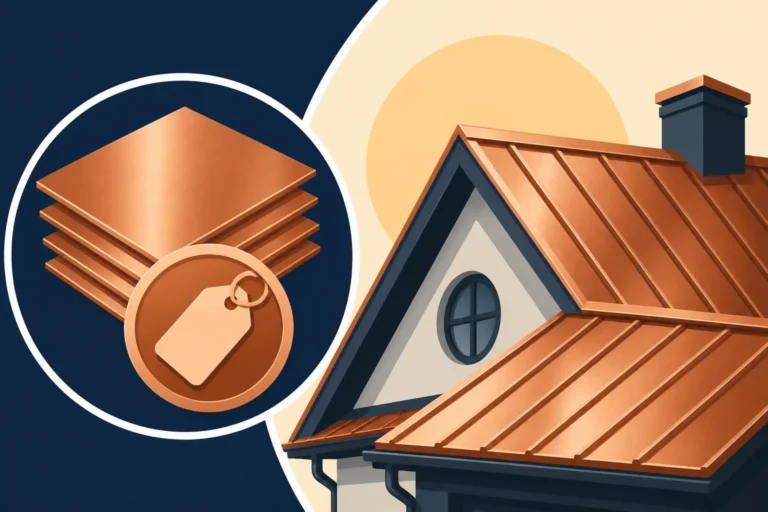
- Copper: Ah, copper! The king of curb appeal, known for its stunning patina that develops over time. Copper is incredibly durable and beautiful but comes with a hefty price tag, typically $25.00 to $40.00+ per square foot installed. It’s a long-term investment that absolutely makes a statement. For a deeper dive into this premium option, you might want to read about the Copper Roof Cost.
- Zinc: Another premium option, zinc is incredibly long-lasting and self-healing, meaning small scratches disappear over time. It has a distinctive matte finish. Zinc roofs can range from $20.00 to $35.00 per square foot installed.
Beyond the material type, the gauge (or thickness) also affects the price. Lower gauge numbers indicate thicker metal, which is more durable but also more expensive. For residential standing seam, you’ll typically see 24-gauge or 26-gauge steel or aluminum. A 24-gauge panel will be more rigid and less prone to oil canning but will cost more than a 26-gauge panel. Understanding the 24 vs 26 Gauge Metal Roof: Cost Difference can help you make an informed choice based on your budget and needs.
Roof Size and Complexity
It probably goes without saying, but the larger your roof, the more material and labor will be required, increasing the overall cost. However, it's not just about the square footage. The complexity of your roofline plays a huge role. A simple, low-pitch gable roof will be much easier and faster to install than a multi-level roof with numerous dormers, valleys, hips, and skylights.
Each of these architectural features requires precise cutting, bending, and flashing, adding significant labor time and specialized material components. Think about chimneys, vents, and any penetrations—these all necessitate careful detailing to ensure a watertight seal, which is crucial for the longevity of your metal roof. More intricate roofs require more skilled craftsmanship, driving up the labor costs considerably.
Labor Rates and Regional Differences
The cost of labor varies widely depending on your geographic location and the specific contractor you choose. Areas with a higher cost of living or strong demand for skilled metal roofing professionals will naturally have higher labor rates. For example, a standing seam installation in a bustling metropolitan area like Los Angeles or Miami will likely cost more than in a rural town in the Midwest.
The expertise of the installation crew is paramount for a standing seam roof. This isn't a DIY-friendly project, and cutting corners on labor can lead to expensive problems down the road. Reputable contractors with extensive experience in metal roofing, especially standing seam, will often charge more, but their quality workmanship provides invaluable peace of mind. Always ask for detailed quotes and ensure you're comparing apples to apples when it comes to the scope of work and materials. Our guide on Metal Roof Labor Cost delves deeper into what drives these figures.
Existing Roof Tear-Off and Disposal
Unless you're building a brand new home, your existing roof will need to be addressed. In most cases, a standing seam metal roof requires a clean deck for installation, meaning your old shingles or other roofing material will need to be completely removed. This "tear-off" process adds both labor and disposal costs to your project.
The cost for tear-off can range from $1 to $5 per square foot, depending on the number of existing layers, the type of material (asphalt shingles are easier than old tile), and local disposal fees. Some areas have strict regulations on construction waste, and landfill fees can add up quickly. It's a messy, labor-intensive job, and it’s important to factor this into your budget upfront. Skipping the tear-off and installing a metal roof over shingles is sometimes possible, but generally not recommended for standing seam systems due to aesthetic and performance reasons.
Underlayment and Accessories
While the metal panels are the star of the show, a standing seam metal roof relies on a whole cast of supporting characters to perform its best. The underlayment, for example, is critical. This protective layer sits between your roof deck and the metal panels, providing an additional barrier against moisture. High-quality synthetic underlayments are commonly used for metal roofs and are more durable and tear-resistant than traditional felt.
Beyond underlayment, there are numerous accessories:
- Drip Edge and Flashing: Essential components that direct water away from the fascia and critical roof intersections.
- Fasteners: While hidden, the clips and screws that secure the panels are vital for proper installation.
- Sealants and Closures: Used at seams and transitions to ensure a watertight system.
- Snow Guards: If you live in a snowy climate, snow guards prevent large sheets of snow and ice from suddenly sliding off your roof, protecting gutters, landscaping, and people below. These are an additional cost but a worthwhile investment in certain regions.
- Ridge Vent and Ventilation: Proper ventilation is key to the overall health and energy efficiency of your roof system, and specific components are designed for metal roofs. You can learn more in our Metal Roof Underlayment and Ventilation Guide.
These elements, while seemingly minor, contribute significantly to the overall durability and performance of your standing seam roof and will be included in your comprehensive quote.
Average Cost Breakdown: Materials vs. Installation
Now that we've covered the individual factors, let's look at what you can generally expect to pay for a standing seam metal roof project. Keep in mind these are averages, and your specific quote will depend heavily on the variables discussed above.
Per Square Foot Averages
On average, homeowners can expect to pay anywhere from $8.00 to $20.00 per square foot for a professionally installed standing seam metal roof made from steel or aluminum. This wide range accounts for different material choices, gauges, roof complexities, and regional labor rates. Premium materials like copper or zinc will push that average much higher, potentially into the $25-$40+ per square foot range.
To give you a clearer picture, let's break down the general cost distribution:
| Component | Typical Percentage of Total Cost |
|---|---|
| Materials (Panels, Trim, Underlayment, Fasteners) | 50% – 65% |
| Labor (Installation) | 30% – 45% |
| Old Roof Tear-Off & Disposal | 5% – 10% |
| Permits & Contingency | 2% – 5% |
So, for a roof costing $15.00 per square foot, approximately $7.50 to $9.75 would go towards materials, $4.50 to $6.75 for labor, and the remainder for tear-off and other costs. This helps illustrate why the material you choose makes such a big impact.
Typical Project Costs by Home Size
Let’s translate those per-square-foot numbers into more tangible project estimates for common home sizes. Remember, roof square footage is often greater than living space square footage due to overhangs and pitch.
- Small Home (1,000 – 1,500 sq ft roof): For a 1,200 sq ft roof, at an average of $14.00 per square foot, you might expect a cost between $16,800 and $24,000.
- Medium Home (1,500 – 2,500 sq ft roof): A 2,000 sq ft roof at $14.00 per square foot could range from $28,000 to $40,000. Our guide on Metal Roof Cost for a 2,000 Sq Ft House can provide more specific insights.
- Large Home (2,500 – 3,500+ sq ft roof): For a 3,000 sq ft roof, you're looking at an average cost of $42,000 to $60,000 or more, especially with complex rooflines or premium materials.
These figures are broad estimates and do not factor in extreme complexity, specific regional pricing (like in Florida or California where costs can be higher due to stringent building codes or demand), or the highest-end materials.
What Your Quote Should Include
When you receive quotes from contractors, don’t just look at the bottom line. A comprehensive, transparent quote is crucial for understanding where your money is going. Here’s what you should expect to see itemized:
- Material Costs: Detailed breakdown of the metal panels (type, gauge, finish/color), trim, flashing, underlayment, fasteners, and any specialized accessories like snow guards. Look for brand names if specified, such as McElroy Metal or Englert.
- Labor Costs: This should cover the installation of all roofing components, including prep work, cutting, bending, and securing the panels.
- Tear-Off and Disposal: Explicit costs for removing the old roof, hauling away debris, and associated landfill fees.
- Permit Fees: The cost of obtaining local building permits, which is essential to ensure your roof meets local codes and is properly inspected.
- Warranty Information: Details on both the manufacturer's warranty for the materials and the contractor's warranty for workmanship. Our guide on Metal Roof Warranties: Workmanship vs Manufacturer can help you understand what to look for.
- Payment Schedule: A clear timeline for payments, typically with a deposit upfront, progress payments, and a final payment upon completion and your satisfaction.
- Insurance and Licensing: Confirmation that the contractor is fully licensed, bonded, and insured. This protects you in case of accidents or issues during the project.
Never hesitate to ask for clarification on any line item. A reputable contractor will be happy to walk you through their estimate.
Long-Term Value and ROI of Standing Seam
While the upfront cost of a standing seam metal roof can be a barrier for some, it's essential to consider the incredible long-term value and return on investment (ROI) it offers. This isn't just a roof; it's a permanent upgrade to your home.
Durability and Longevity
This is where standing seam truly shines. While asphalt shingle roofs typically last 15-30 years, a high-quality standing seam metal roof can easily last 50 to 70 years or even longer with proper maintenance. Many manufacturers offer warranties lasting 30 to 50 years, which speaks volumes about their expected lifespan. You might only need to replace your roof once in your lifetime with a standing seam system. This unparalleled durability means fewer replacement cycles, saving you tens of thousands of dollars over the decades. It's incredibly resistant to fire, rot, mildew, and insect infestations, and it can stand up to extreme weather conditions, including high winds and heavy snow loads. If you're wondering How Long Does a Standing Seam Metal Roof Last?, the answer is typically a very long time!
Energy Efficiency and Savings
Metal roofs are renowned for their energy efficiency, especially those with reflective coatings (like cool-pigment paints often seen on Galvalume or aluminum panels). These coatings can reflect a significant amount of solar radiant heat, preventing it from entering your attic and home. This can lead to substantial reductions in your air conditioning costs during hot summer months.
According to some studies, homeowners can save 10-25% on their cooling costs with a metal roof. In colder climates, metal roofs can also help retain heat inside the home when properly insulated, contributing to year-round energy savings. This isn't just a comfort perk; it's a tangible financial benefit that chips away at the initial investment over time.
Home Resale Value
Thinking of selling your home down the line? A standing seam metal roof is a massive selling point. It signals to potential buyers that the home is well-maintained, has a durable, premium roofing system, and won't require a major roof replacement expense for decades to come. This peace of mind and the aesthetic appeal often translate into a higher appraisal value and a quicker sale.
While it's hard to put an exact number on the increase, many real estate professionals agree that a metal roof can significantly boost a home's value and curb appeal, offering an excellent return on investment. Some homeowners report recouping 85% to 95% or even more of the cost of a new metal roof in added home value. This makes a standing seam roof not just an expense but a valuable asset that enhances your property's overall worth. For more information on this, check out our article, Does a Metal Roof Increase Home Value?.
Ways to Manage or Reduce Standing Seam Roof Costs
The cost of a standing seam metal roof, while justified by its benefits, can still be a significant investment. Thankfully, there are smart strategies you can employ to manage these costs without compromising on quality.
Choosing the Right Contractor
This cannot be stressed enough: the quality of your installation is just as important, if not more important, than the quality of the materials themselves. An improperly installed standing seam roof, even with the best materials, will lead to problems. Seek out contractors who specialize in metal roofing, particularly standing seam systems. They should have:
- Extensive Experience: Ask how many standing seam roofs they’ve installed and for references.
- Proper Licensing and Insurance: Always verify their credentials to protect yourself from liability. You can learn more about Metal Roof Contractor Licensing, Bonding & Insurance.
- Manufacturer Certifications: Some manufacturers offer certification programs for installers, indicating they have undergone specialized training.
- Transparent Quotes: As discussed earlier, look for detailed, itemized quotes.
Getting multiple bids (at least three) is a wise practice. This allows you to compare not only prices but also the scope of work, material specifications, and contractor professionalism. Be wary of quotes that seem too good to be true, as they often are.
Considering Material Alternatives
If the cost of a full standing seam system with a premium metal like copper or zinc is simply out of reach, there are still excellent metal roofing options that offer many benefits at a lower price point.
- Galvalume Steel: As mentioned, this is generally the most cost-effective and popular standing seam material, offering a great balance of durability and price.
- Exposed Fastener Metal Panels: While not standing seam, profiles like R-panel or corrugated metal roofs use exposed fasteners, making them significantly cheaper to purchase and install. They don't offer the same sleek aesthetic or hidden fastener longevity as standing seam but are a very durable and economical metal roofing choice. Our guide on Corrugated Metal Roof Cost offers more details.
- Metal Shingles or Tiles: These systems mimic the look of traditional asphalt, wood shake, or clay tiles but are made from stamped metal. They are often less expensive than standing seam and can offer a unique aesthetic. You can explore the Metal Shingle Cost for more information.
By exploring different metal types, gauges, and even alternative metal roofing profiles, you can find a solution that fits your budget while still enjoying the many advantages of metal.
Exploring Financing Options
For many homeowners, the upfront cost of a standing seam metal roof is a hurdle, but it doesn’t have to be a deal-breaker. There are several financing options available that can make this investment more manageable:
- Home Equity Loans or Lines of Credit (HELOCs): These allow you to borrow against the equity in your home, often at competitive interest rates.
- FHA Title I Loans: Government-backed loans specifically for home improvements, often with lower interest rates and longer repayment terms.
- Contractor Financing Programs: Many roofing companies partner with lenders to offer financing options, sometimes with deferred interest or special promotional periods.
- Personal Loans: While typically having higher interest rates, personal loans can be an option for those who don't have enough home equity or prefer not to use it.
- Energy Efficiency Programs: Check for local, state, or federal programs that offer rebates, tax credits, or low-interest loans for energy-efficient home improvements, which a metal roof often qualifies for.
Carefully evaluate all your financing options to find the one that best suits your financial situation, allowing you to enjoy your beautiful, long-lasting standing seam roof without undue financial strain. Our article on Metal Roof Financing Options provides a detailed overview of what's available.
Disclaimer
Please remember that all cost estimates and figures provided in this guide are general averages and can vary significantly based on your specific location, chosen materials, contractor, and the unique characteristics of your roofing project. Always obtain multiple, detailed quotes from local, reputable roofing professionals to get an accurate estimate for your home.